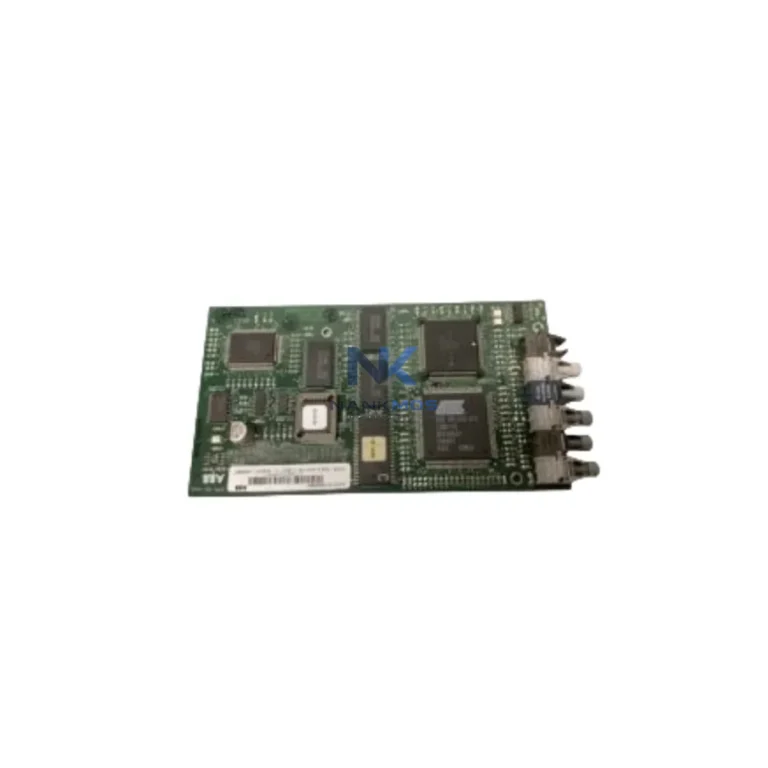
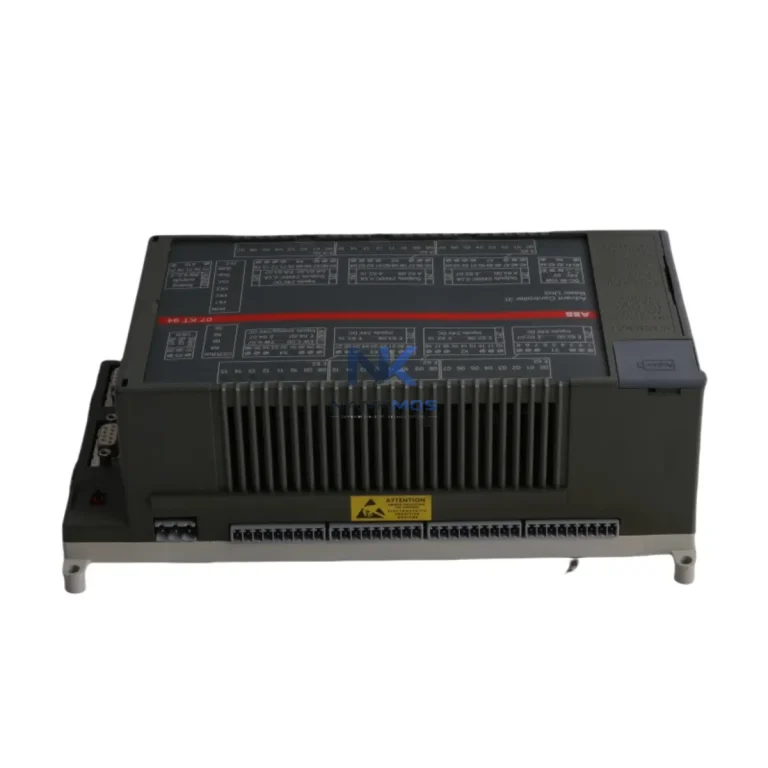
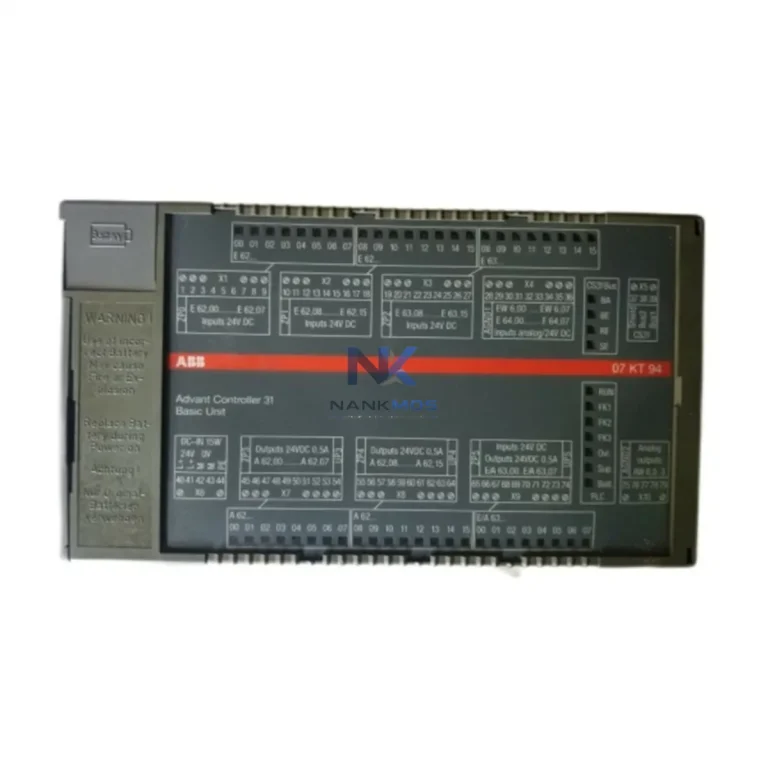
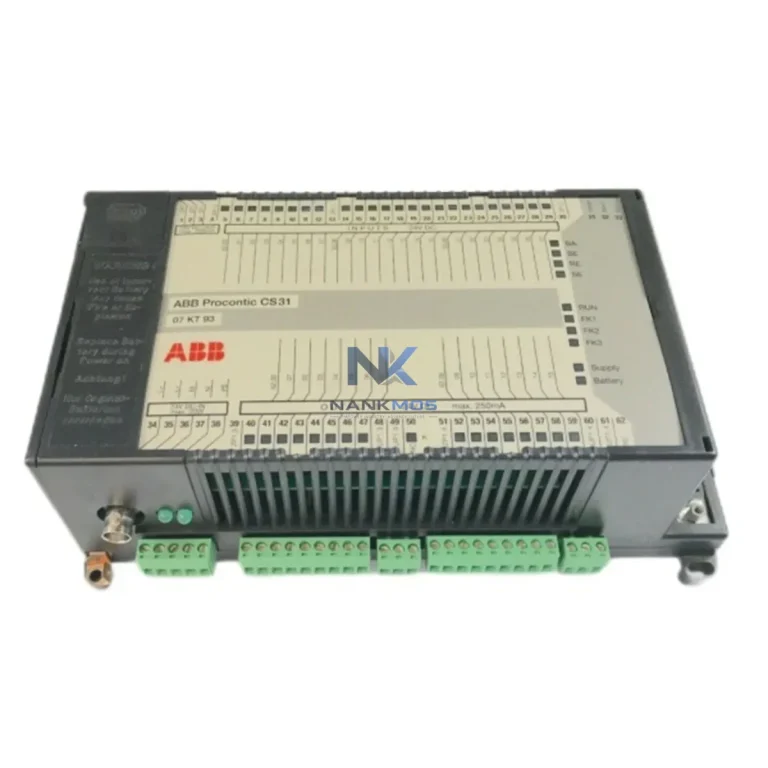
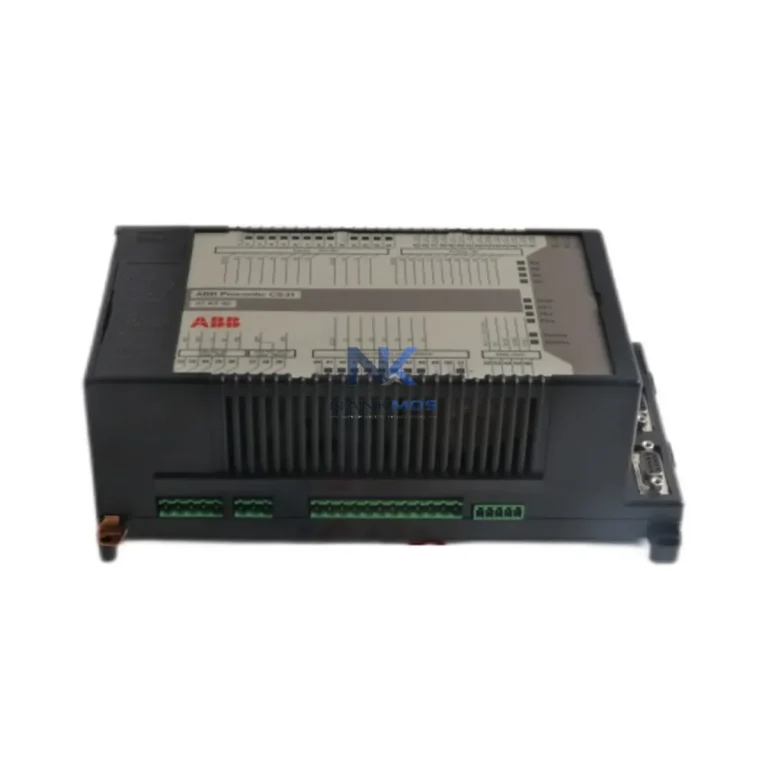
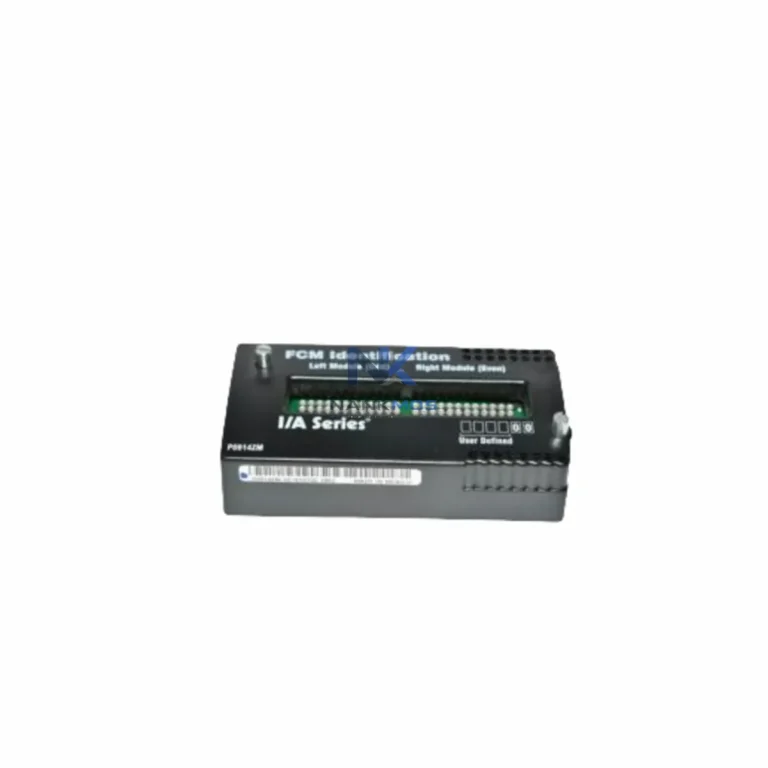
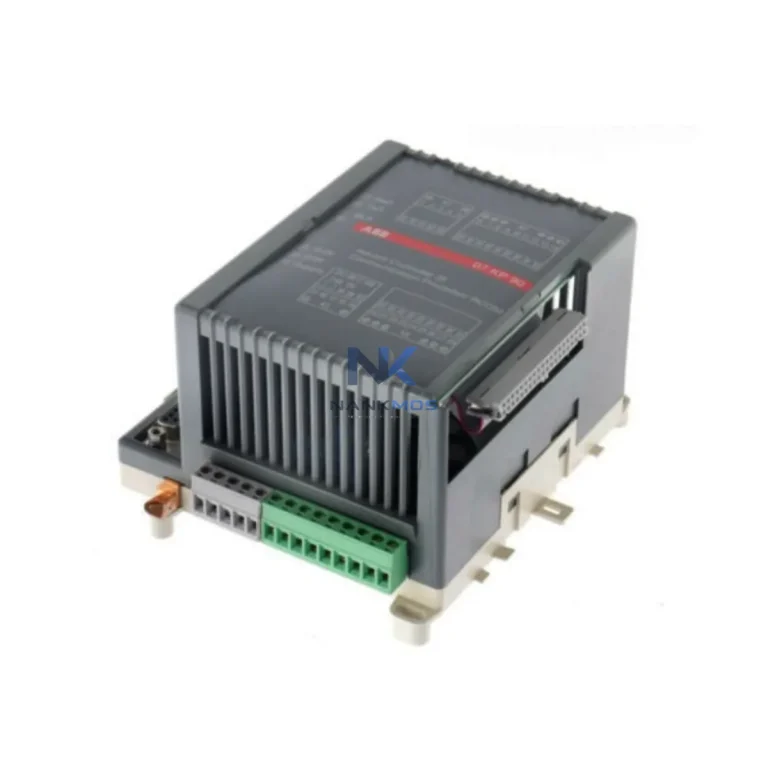
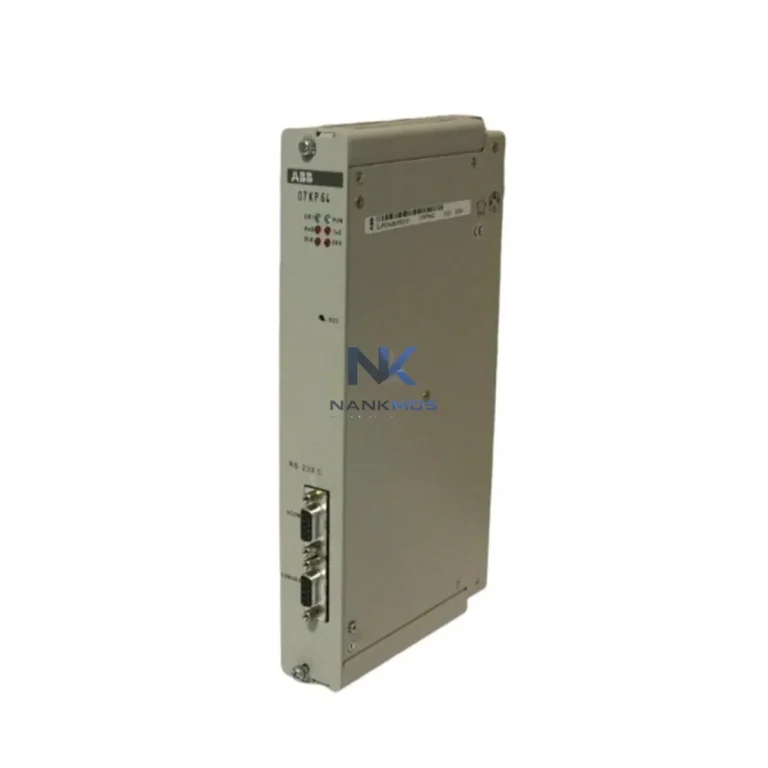
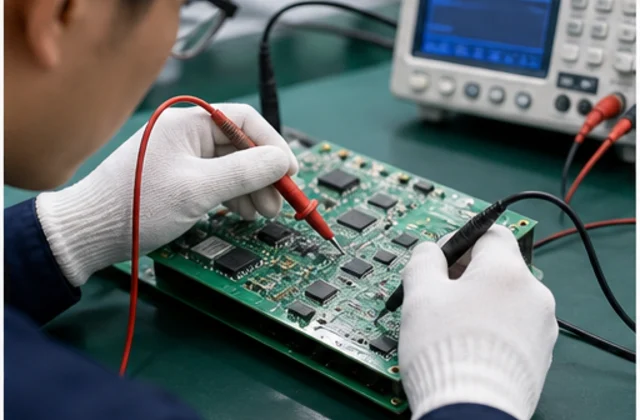
 Functional Inspection
100% tested on professional platforms to ensure stable performance.
ABB CBI21 is a NANKMOS industrial automation product record Listed under AC500 series and Business & Industrial > Automation, Control & Flow Devices > Programmable Logic Controllers. Confirm condition, availability, lead time, compatibility and documentation by email inquiry.
Brand names are used for identification only.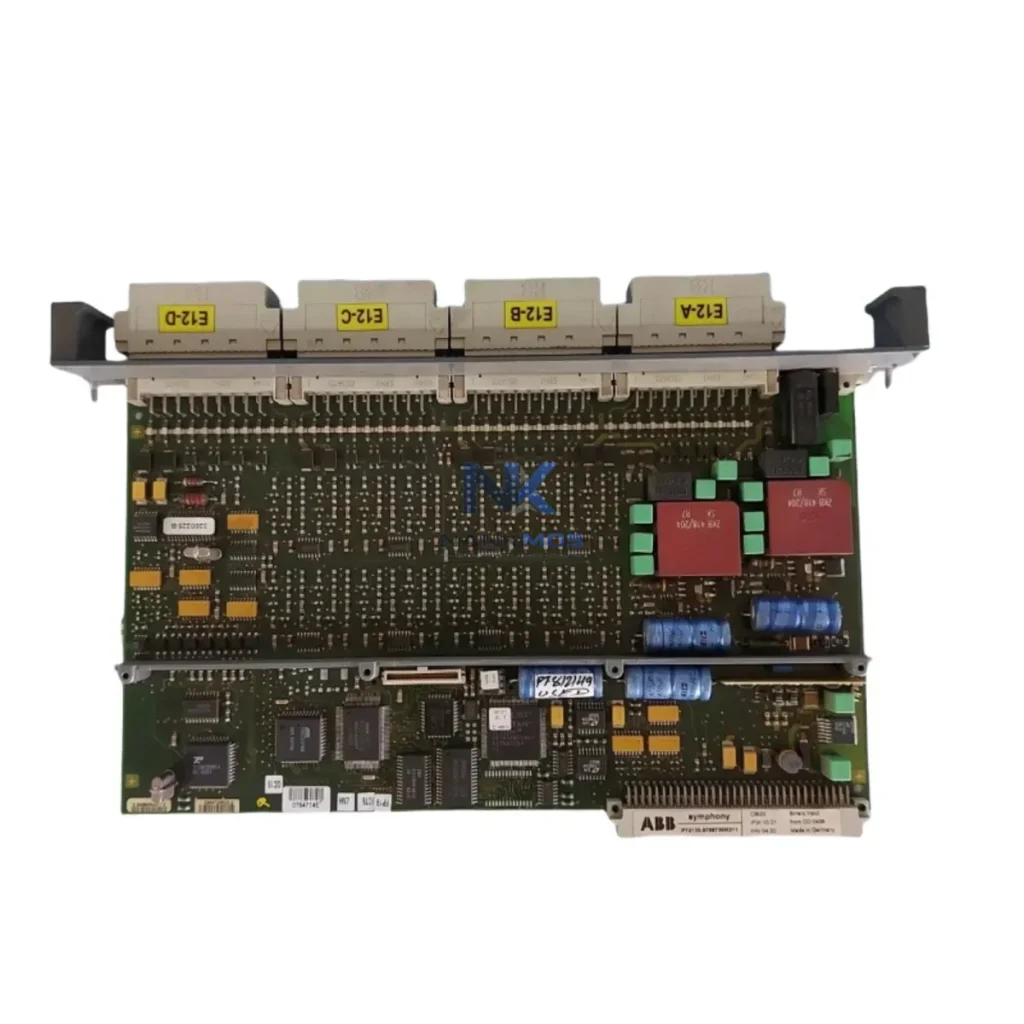
ABB CBI21 is a NANKMOS industrial automation product record Listed under AC500 series and Business & Industrial > Automation, Control & Flow Devices > Programmable Logic Controllers. Confirm condition, availability, lead time, compatibility and documentation by email inquiry.
| Manufacturer | ABB |
|---|---|
| Application | Controller Processing & System Control |
| Part Number / Model | CBI21 |
| Compatible System | AC500 |
| Series | AC500 |
| Condition Options | To Confirm |
| Module Type | Controller / CPU Module |
| Warranty | 12 Months |
| Packaging | Anti-static Bag / Secure Box |
| Shipping Methods | DHL / FedEx / UPS / Air / Sea |
| Availability | To Confirm |
| Lead Time | To Confirm |
| Documentation | Part number and revision checked before quote |
The ABB CBI21 is a high-efficiency binary input module engineered for the ABB AC500 programmable logic controller platform. Designed for demanding industrial environments — including power generation, petrochemical processing, water treatment, and discrete manufacturing — the CBI21 delivers precise, low-latency digital signal acquisition that directly supports energy-aware automation strategies. By minimizing signal processing overhead and eliminating redundant polling cycles, the CBI21 helps production lines reduce unnecessary energy consumption at the I/O layer, where inefficiencies often go undetected.
In modern smart factories, every millisecond of signal delay and every watt of idle draw compounds across hundreds of I/O points. The CBI21 addresses this by providing deterministic binary input scanning that synchronizes cleanly with the AC500 CPU cycle, ensuring that upstream devices — including ABB ACS880 variable frequency drives, servo drive controllers, and power monitoring modules — receive accurate, timely feedback without redundant re-reads or error-correction overhead. This tight integration reduces the thermal load on control cabinets and extends the mean time between failures for connected field devices.
The CBI21 is most effective when deployed as part of a coordinated, power-aware control architecture. In a typical AC500-based production cell, the CBI21 feeds real-time binary status signals — motor running, valve open, conveyor fault, door interlock — directly into the ABB AC500 PM573-ETH CPU, which executes energy management logic at the PLC scan level. This eliminates the need for intermediate signal conditioning hardware, reducing both component count and standby power draw.
When paired with an ABB CP600 HMI panel, operators gain live visibility into I/O states and can trigger load-shedding sequences during off-peak production windows. The CBI21's deterministic input scanning ensures that the HMI display reflects actual field conditions without polling delays, which is critical when managing high-inertia loads such as large motors controlled by ABB ACS580 drives or ACS880 multi-drive systems. Accurate, real-time binary feedback prevents false starts and unnecessary motor energization — a common source of reactive energy spikes.
For energy monitoring integration, the CBI21 works alongside ABB M2M power measurement modules and third-party power quality analyzers connected via Modbus TCP. Binary status outputs from the CBI21 — such as "drive enabled" or "motor at speed" — serve as event triggers in the energy management system, allowing the SCADA layer to correlate energy consumption data with specific production states. This event-driven approach to energy logging is far more accurate than time-based sampling and enables precise identification of energy waste during idle or transition states.
The module also integrates cleanly with ABB CI501-PNIO PROFINET I/O adapter modules and CI502-PNIO communication interfaces, enabling the AC500 system to participate in plant-wide PROFINET networks. In such architectures, the CBI21's binary inputs can be mapped to PROFINET process data objects, making field device status available to upstream SCADA systems and MES platforms without additional protocol conversion hardware. This reduces network latency and the associated energy overhead of running redundant communication gateways.
At the production line level, the CBI21 contributes to energy optimization through three primary mechanisms: accurate state detection, fast fault response, and load-cycle coordination.
Accurate state detection means that the AC500 PLC always knows the true operational state of every connected field device. When a conveyor motor reaches its target speed, the CBI21 captures the "at-speed" feedback signal within one scan cycle and passes it to the PLC. The PLC can then immediately release the next downstream device — a robotic arm, a packaging unit, or a labeling station — without waiting for a conservative timer to expire. This tight sequencing eliminates idle-running time across the production line, directly reducing energy consumption per unit produced.
Fast fault response is equally important. When a field device trips — a thermal overload relay opens, a pressure switch activates, or an emergency stop is pressed — the CBI21 captures the binary state change and delivers it to the PLC within milliseconds. The PLC can execute a controlled shutdown sequence, ramping down ABB ACS355 drives and de-energizing non-critical loads before the fault propagates. This prevents the energy spikes associated with uncontrolled shutdowns and protects downstream equipment from voltage transients.
Load-cycle coordination leverages the CBI21's multi-channel input capability to monitor multiple devices simultaneously. By tracking the operational state of motors, heaters, compressors, and auxiliary systems in parallel, the AC500 PLC can implement demand-response logic — staggering start sequences to avoid simultaneous inrush currents, scheduling high-load operations during off-peak tariff windows, and automatically switching equipment to standby mode during production gaps. Over a full production shift, these strategies can deliver measurable reductions in peak demand charges and overall energy consumption.
All units are supplied in stock and undergo pre-shipment functional testing to verify input channel integrity, backplane communication, and signal threshold accuracy. Each CBI21 is covered by a 12-month warranty from the date of shipment, with technical support available for integration and commissioning queries.
Q1: How does the CBI21 contribute to measurable energy savings on a production line? The CBI21 enables the AC500 PLC to execute precise, event-driven control logic based on real-time binary field status. By eliminating conservative timer-based sequencing and enabling immediate state-change response, it reduces idle-running time for motors, drives, and auxiliary loads. When integrated with an energy management system via Modbus TCP or PROFINET, the CBI21's status outputs serve as accurate event markers for energy consumption correlation, enabling targeted optimization of the highest-consuming production states.
Q2: Is the CBI21 compatible with existing AC500 installations, and can it replace older I/O modules? Yes. The CBI21 is fully compatible with the ABB AC500 I/O bus and can be installed alongside existing AC500 I/O modules without requiring CPU firmware upgrades in most configurations. It is a direct functional replacement for earlier-generation ABB binary input modules used in the AC500 platform. Before replacement, verify the backplane slot assignment and I/O address mapping in your AC500 project to ensure seamless substitution without PLC program modifications.
Q3: What is the pre-shipment testing process, and what does the 12-month warranty cover? Every CBI21 unit undergoes functional verification prior to shipment, including input channel continuity checks, backplane communication handshake testing, and signal threshold validation at rated voltage. The 12-month warranty covers manufacturing defects and functional failures under normal operating conditions. It does not cover damage resulting from incorrect installation, overvoltage events, or operation outside the specified environmental range. Technical support for installation and commissioning is available throughout the warranty period.
Q4: What is the recommended approach for integrating the CBI21 into a SCADA-connected energy monitoring system? The recommended integration path is via the ABB AC500 CPU's built-in Modbus TCP or Ethernet/IP communication port, with the CBI21's binary input states mapped to PLC data registers that are polled by the SCADA system. For PROFINET-based architectures, use an ABB CI501-PNIO or CI502-PNIO adapter to expose the I/O data as PROFINET process data objects. This approach provides sub-second update rates for energy event logging and eliminates the need for dedicated I/O-to-SCADA gateway hardware, reducing both cost and network complexity.
Functional Inspection100% tested on professional platforms to ensure stable performance.
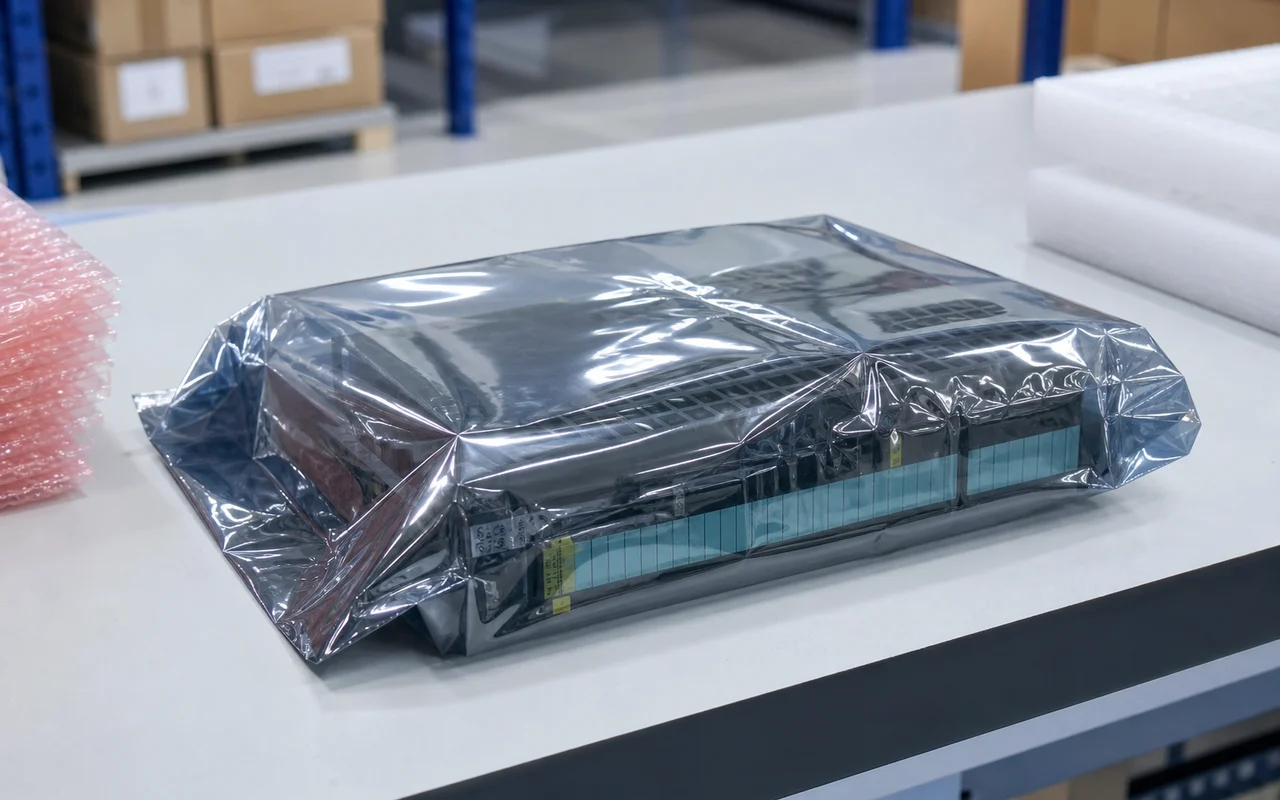 Anti-static Packaging
Modules are packed in anti-static bags to prevent electrostatic damage.
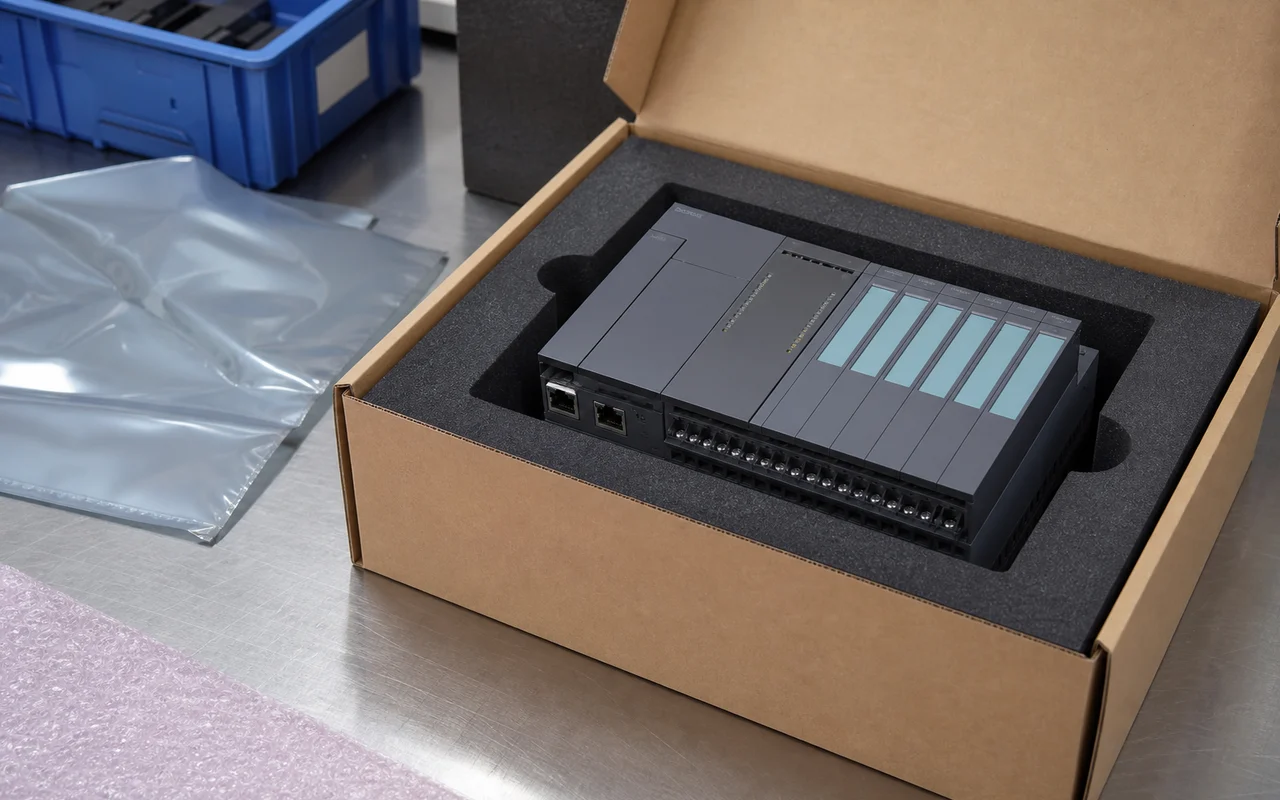 Secure Export Packing
Cushion protection and strong cartons ensure safe transportation.
 Worldwide Shipping
Global logistics network supports air, sea and express delivery.
 Documentation Check
Part number, revision and compatibility verified before shipment.
 After-sales Support
Professional technical support to help resolve your issues.