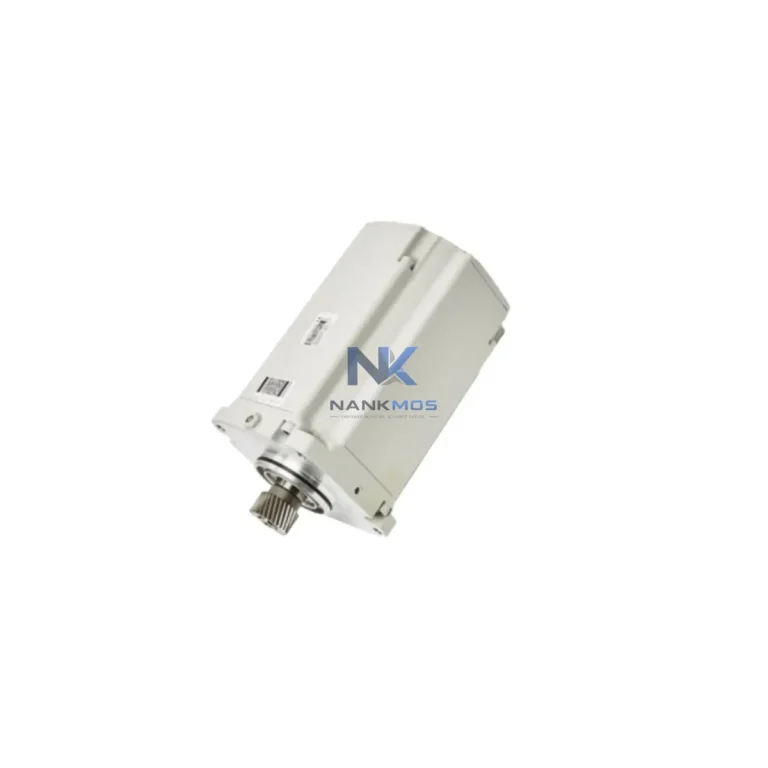
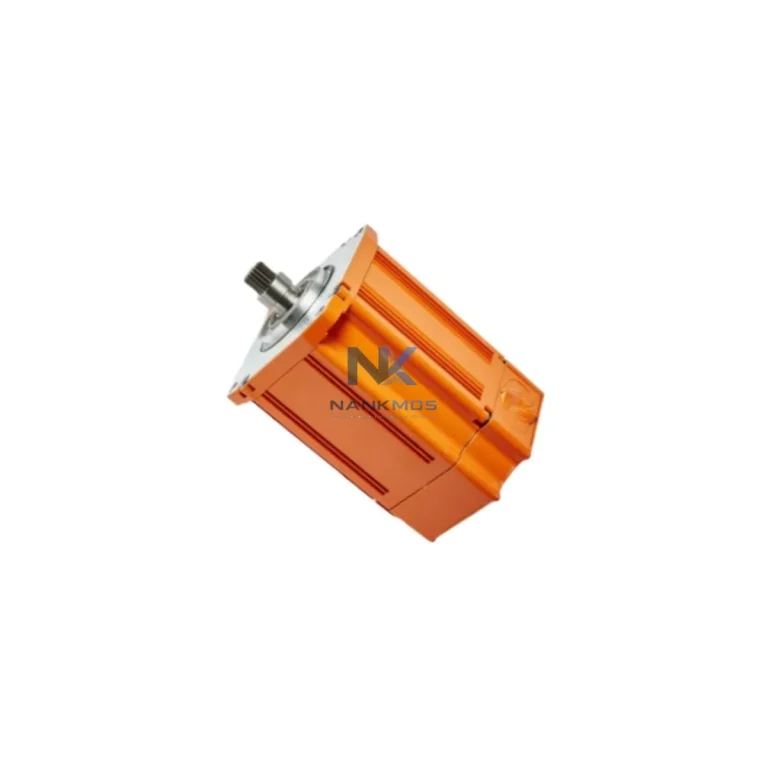
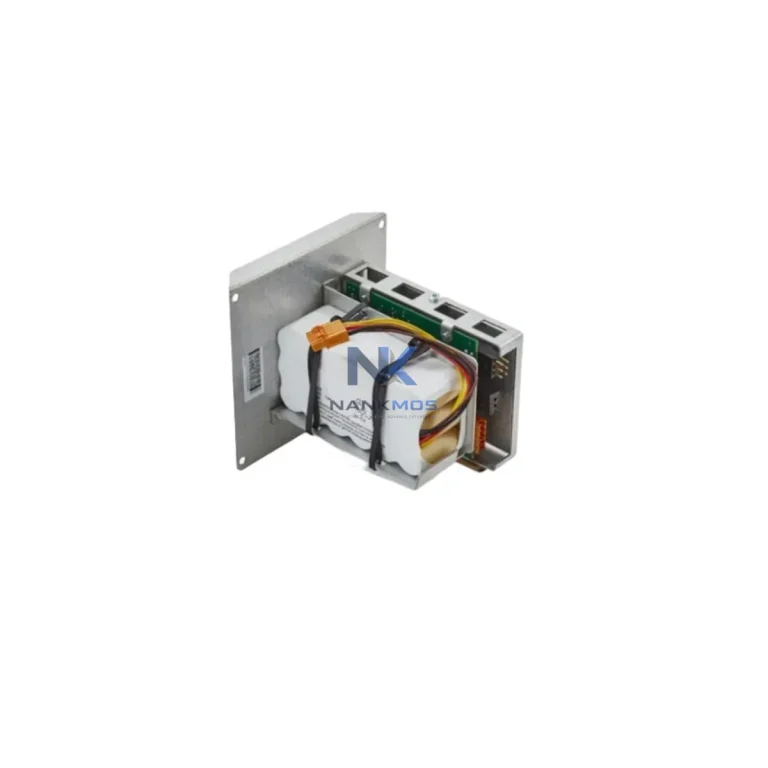
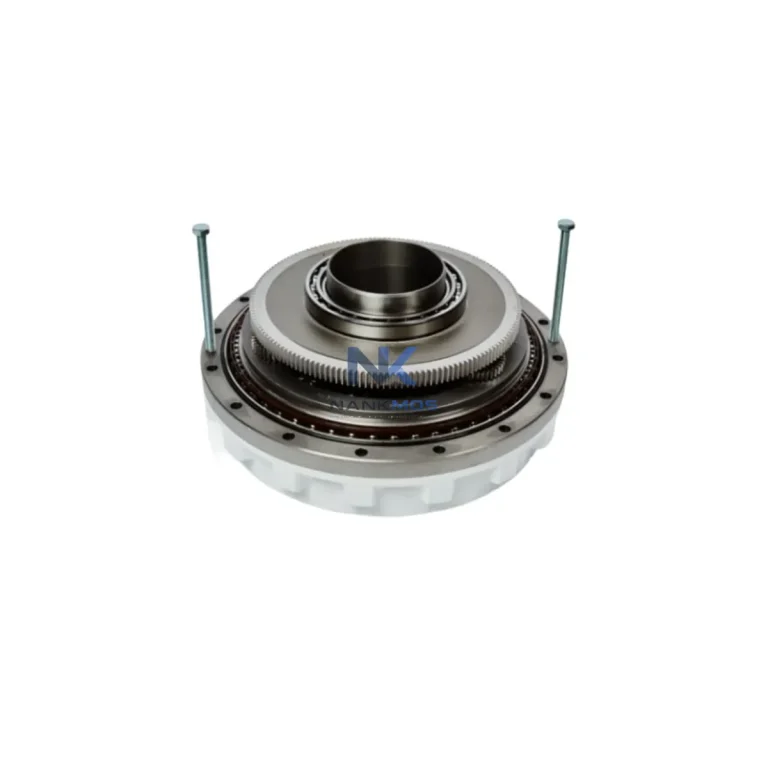
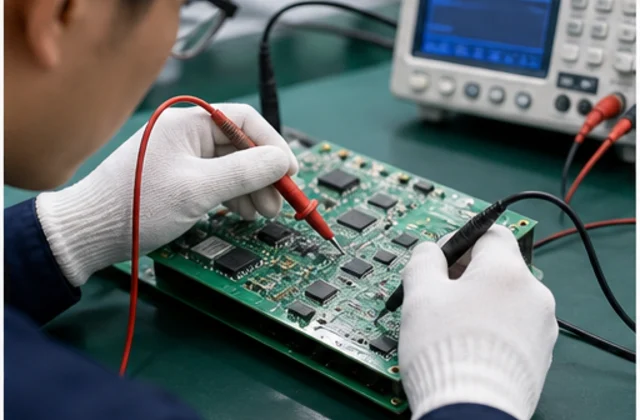
 Functional Inspection
100% tested on professional platforms to ensure stable performance.
ABB DSQC345C 3HAB8101-3 is a NANKMOS industrial automation product record Listed under IRC5 series and Drives. Confirm condition, availability, lead time, compatibility and documentation by email inquiry.
Brand names are used for identification only.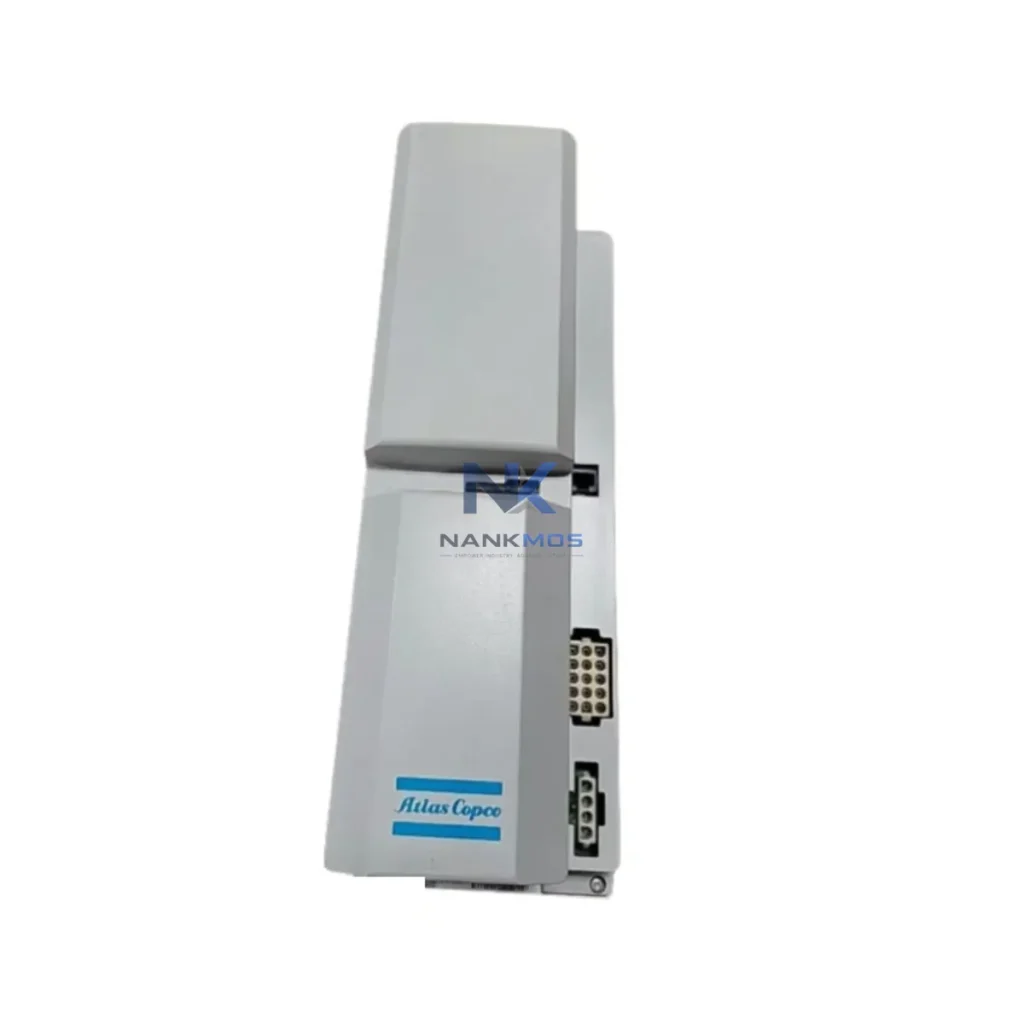
ABB DSQC345C 3HAB8101-3 is a NANKMOS industrial automation product record Listed under IRC5 series and Drives. Confirm condition, availability, lead time, compatibility and documentation by email inquiry.
| Manufacturer | ABB |
|---|---|
| Application | Industrial Network Communication |
| Part Number / Model | DSQC345C 3HAB8101-3 |
| Compatible System | IRC5 |
| Series | IRC5 |
| Condition Options | To Confirm |
| Module Type | Communication Module |
| Warranty | 12 Months |
| Packaging | Anti-static Bag / Secure Box |
| Shipping Methods | DHL / FedEx / UPS / Air / Sea |
| Availability | To Confirm |
| Lead Time | To Confirm |
| Documentation | Part number and revision checked before quote |
The ABB DSQC345C (part number 3HAB8101-3) is a high-performance industrial network interface and drive rectifier unit engineered for ABB IRC5 robot controller systems. Designed to bridge the gap between field-level drive hardware and upper-layer automation networks, this module enables seamless DeviceNet communication between the IRC5 controller cabinet and plant-wide SCADA, DCS, and HMI platforms. In smart factory environments where real-time data visibility and deterministic network response are non-negotiable, the DSQC345C delivers the connectivity backbone that keeps production lines transparent, responsive, and remotely manageable.
At its core, the DSQC345C functions as a protocol-aware gateway embedded within the IRC5 drive architecture. It translates internal drive status signals — including torque feedback, axis position, fault codes, and power stage diagnostics — into structured DeviceNet data objects that upstream controllers and monitoring systems can consume directly. This eliminates the need for external protocol converters or middleware, reducing network latency and simplifying system architecture. When integrated with an ABB AC500 PLC or a Siemens S7-300 series controller via a DeviceNet master scanner, the DSQC345C enables cyclic I/O exchange at sub-millisecond intervals, supporting the real-time loop closure demands of high-speed robotic welding, palletizing, and assembly cells.
The data flow enabled by the DSQC345C follows the complete smart factory chain: from signal acquisition at the drive level, through DeviceNet packet transmission, to aggregation at an industrial Ethernet switch such as the Hirschmann RS20 or Phoenix Contact FL SWITCH 2000 series, and onward to edge computing nodes running OPC-UA servers. From there, data is pushed to SCADA platforms — including Wonderware System Platform, Ignition by Inductive Automation, or ABB System 800xA — where operators gain live dashboards of robot axis health, drive temperature trends, and cycle time analytics. This end-to-end visibility is what transforms isolated robot cells into nodes within a fully connected Industry 4.0 architecture.
Remote diagnostics capability is a defining strength of the DSQC345C integration. Because drive fault registers and I/O status are continuously published over DeviceNet, maintenance engineers can interrogate the IRC5 system from a remote HMI terminal — such as an ABB FlexPendant extended via a PROFIBUS-to-DeviceNet bridge or a Moxa NPort serial device server — without physical access to the controller cabinet. Alarm conditions, including overcurrent trips, encoder loss events, and thermal warnings, are automatically forwarded to the SCADA alarm management layer, where they trigger maintenance work orders in connected CMMS systems. This closed-loop diagnostic workflow reduces mean time to repair (MTTR) and supports predictive maintenance scheduling based on drive health trends rather than fixed calendar intervals.
System expansion is straightforward with the DSQC345C. The DeviceNet segment supporting this module can accommodate up to 64 nodes, allowing additional ABB DSQC651 I/O modules, DSQC652 digital output boards, and DSQC353 fieldbus adapter units to be added to the same network without reconfiguring the IRC5 base software. For multi-robot cells, each IRC5 cabinet equipped with a DSQC345C can be addressed as an independent DeviceNet slave, with a central Allen-Bradley 1756-DNB DeviceNet bridge module acting as the network master. This architecture scales from single-robot workcells to multi-axis coordinated lines with dozens of IRC5 controllers sharing a unified data backbone.
Power quality and drive rectification performance are equally central to the DSQC345C's role. As a drive rectifier unit, it conditions incoming AC supply to the IRC5 drive section, ensuring stable DC bus voltage under dynamic load conditions typical of robotic motion profiles. Integration with a Phoenix Contact QUINT POWER 24VDC industrial power supply on the control voltage rail, combined with a Weidmuller ACT20P signal conditioner on analog feedback channels, creates a robust power and signal infrastructure that maintains drive integrity across full production shifts. All units supplied by NANKMOS are pre-shipment tested under load conditions and carry a 12-month warranty covering both the network interface and drive rectifier functions.
In a typical smart factory deployment, the DSQC345C sits at the intersection of drive hardware and network infrastructure. The IRC5 controller's internal drive bus feeds real-time axis data — position, velocity, torque, and fault status — into the DSQC345C's DeviceNet interface. A Rockwell Automation 1756-DNB bridge module installed in a ControlLogix chassis acts as the DeviceNet master, polling the DSQC345C at 5ms intervals and mapping drive I/O directly into the PLC data table. Simultaneously, an ABB DSQC651 digital I/O module on the same DeviceNet segment reports gripper and tooling status, while an ABB DSQC652 digital output board manages conveyor interlocks and safety relay outputs.
Network traffic from the DeviceNet segment is aggregated at a Hirschmann RS20 managed industrial Ethernet switch, which trunks data upstream to the plant SCADA server via a Moxa EDS-510A Ethernet switch backbone. At the SCADA layer, an Ignition gateway running on a Beckhoff CX2040 embedded PC subscribes to OPC-UA tags published by the IRC5 system, rendering live robot performance dashboards and historical trend charts. An ABB DSQC353 fieldbus adapter bridges legacy PROFIBUS DP devices — including older Siemens ET 200S remote I/O stations — into the same data fabric, ensuring no field device is left as a data island. A Weidmuller ACT20P signal conditioner on the analog feedback channel from the drive's current sensor ensures measurement-grade accuracy before data enters the network stack.
Many automation sites operating IRC5-based robot cells face persistent data challenges: protocol fragmentation between DeviceNet drive nodes and Ethernet-based SCADA systems, data islands where robot fault history is trapped in the controller and never surfaced to maintenance dashboards, and limited remote access to drive diagnostics during off-shift hours. The DSQC345C directly addresses these gaps by providing a standardized DeviceNet interface that integrates with existing network masters without requiring custom software development.
For sites transitioning from manual fault logging to automated alarm management, the DSQC345C's Change-of-State messaging capability ensures that drive fault events are transmitted to the SCADA alarm server within one network scan cycle — typically under 10ms — eliminating the reporting delays that cause cascading downtime. For multi-site operations, the DeviceNet data published by the DSQC345C can be tunneled over industrial VPN infrastructure to a central remote monitoring center, enabling cross-site drive health comparison and proactive spare parts planning. System expansion is non-disruptive: adding a new IRC5 cabinet with a DSQC345C to an existing DeviceNet segment requires only node address assignment and EDS file import into the network master configuration tool, with no changes to the SCADA tag database structure.
Q1: What is the typical network latency for DeviceNet I/O exchange with the DSQC345C? In a standard DeviceNet configuration with a 500 kbps baud rate and a 1756-DNB master, cyclic I/O exchange with the DSQC345C completes within 2–5ms per scan cycle. Change-of-State messages for fault events are transmitted within one network scan, typically under 10ms, ensuring alarm data reaches the SCADA layer with minimal delay.
Q2: Is the DSQC345C compatible with both IRC5 single-cabinet and dual-cabinet configurations? Yes. The DSQC345C is designed for the IRC5 drive module and is compatible with both single-cabinet and dual-cabinet IRC5 configurations. In dual-cabinet setups, each drive section is addressed as an independent DeviceNet node, allowing the network master to poll both cabinets independently within the same DeviceNet segment.
Q3: Can the DSQC345C support integration with third-party SCADA systems beyond ABB System 800xA? Yes. Because the DSQC345C publishes data over standard DeviceNet, any SCADA platform with a DeviceNet master interface or an OPC-DA/OPC-UA server connected to a DeviceNet master — including Wonderware, Ignition, and Siemens WinCC — can consume drive data from the DSQC345C without proprietary middleware.
Q4: What does the 12-month warranty cover, and is pre-shipment testing included? All DSQC345C units supplied by NANKMOS carry a 12-month warranty covering both the DeviceNet network interface circuitry and the drive rectifier power stage. Each unit undergoes pre-shipment functional testing under simulated load conditions, with test records available upon request. In-stock units are ready for same-week dispatch.
Functional Inspection100% tested on professional platforms to ensure stable performance.
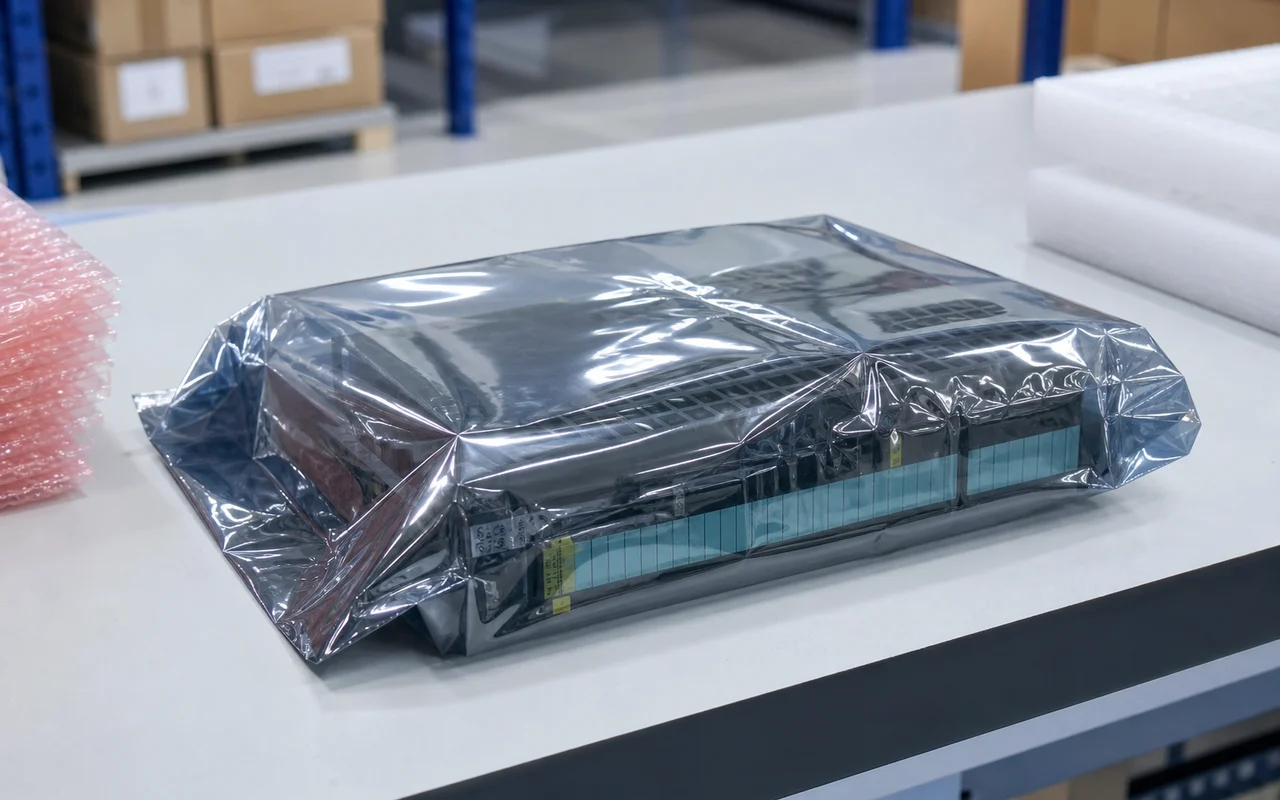 Anti-static Packaging
Modules are packed in anti-static bags to prevent electrostatic damage.
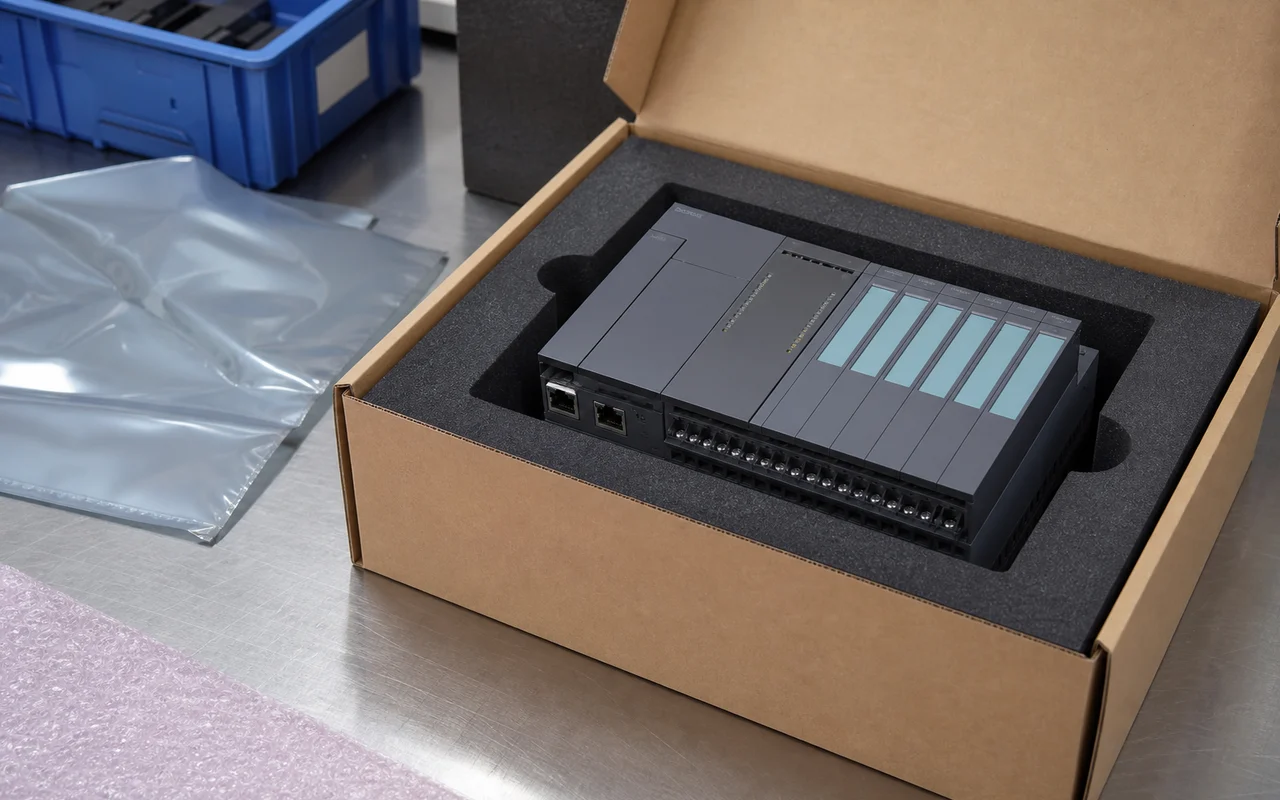 Secure Export Packing
Cushion protection and strong cartons ensure safe transportation.
 Worldwide Shipping
Global logistics network supports air, sea and express delivery.
 Documentation Check
Part number, revision and compatibility verified before shipment.
 After-sales Support
Professional technical support to help resolve your issues.