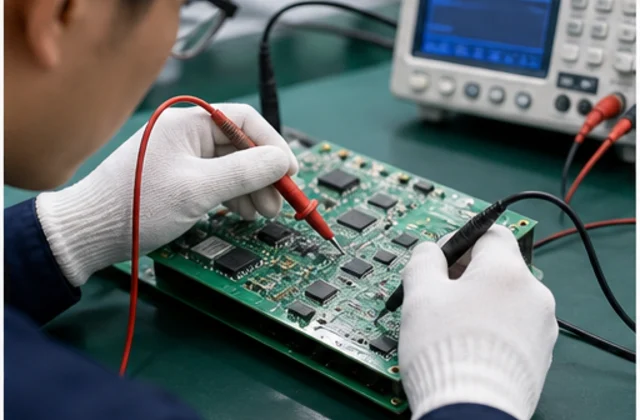
 Functional Inspection
100% tested on professional platforms to ensure stable performance.
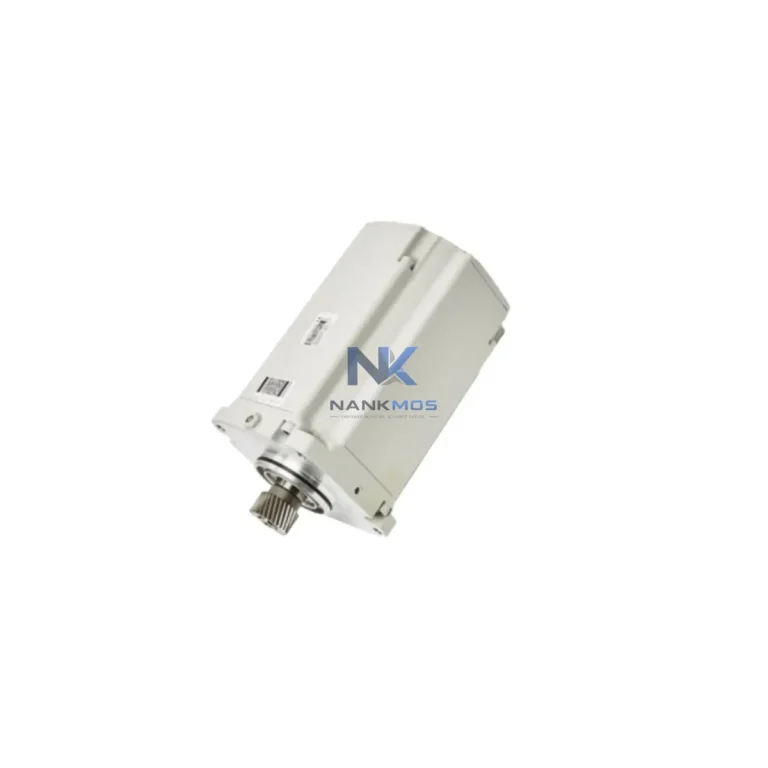
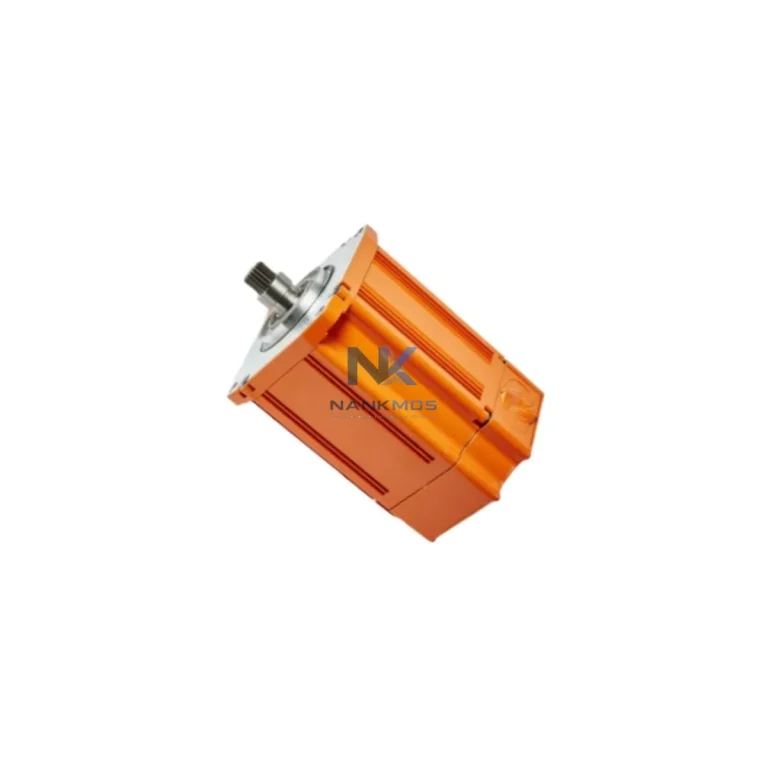
ABB DSQC626.3HAC020465-001 DSQC400 1200 3HAC025062-003 is a NANKMOS industrial automation product record Listed under IRC5 series and Drives. Confirm condition, availability, lead time, compatibility and documentation by email inquiry.
Brand names are used for identification only.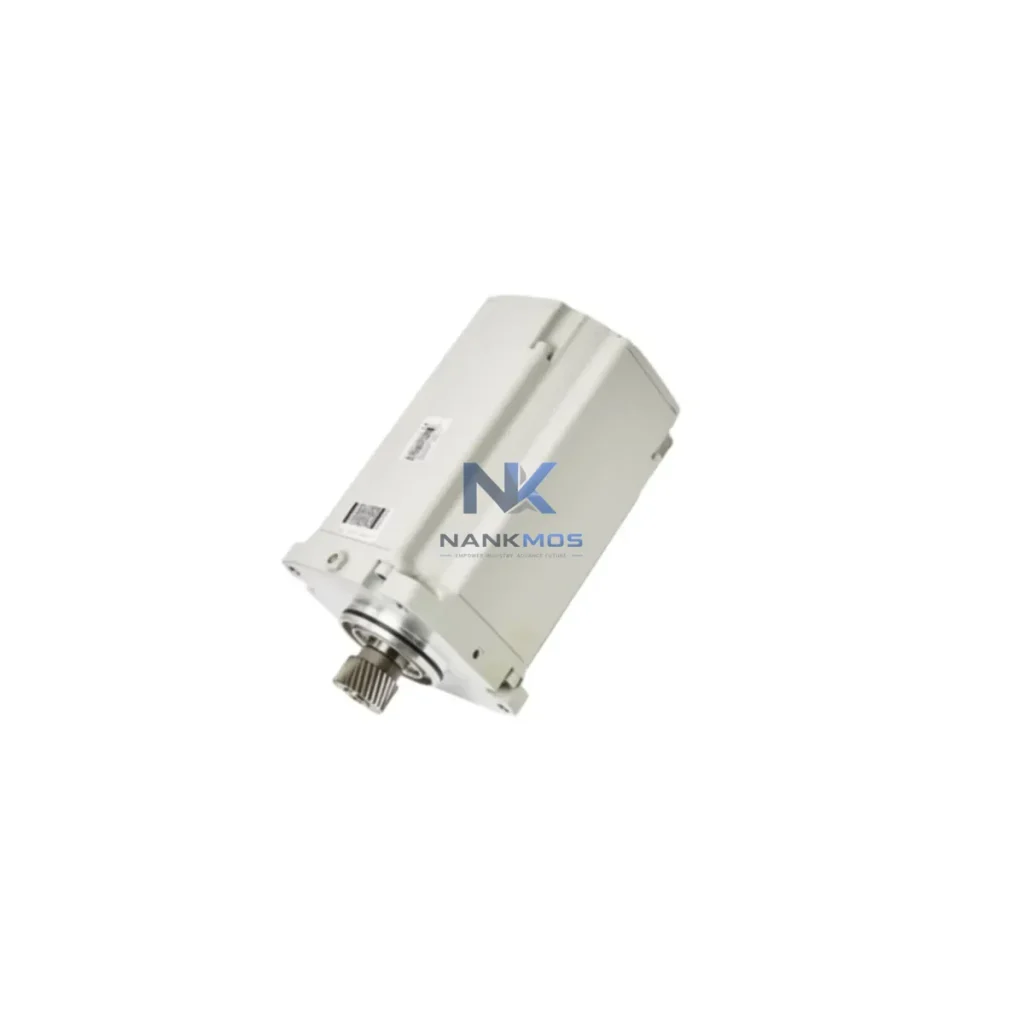
ABB DSQC626.3HAC020465-001 DSQC400 1200 3HAC025062-003 is a NANKMOS industrial automation product record Listed under IRC5 series and Drives. Confirm condition, availability, lead time, compatibility and documentation by email inquiry.
| Manufacturer | ABB |
|---|---|
| Application | Motion Control & Drive System |
| Part Number / Model | DSQC626.3HAC020465-001 DSQC400 1200 3HAC025062-003 |
| Compatible System | IRC5 |
| Series | IRC5 |
| Condition Options | To Confirm |
| Module Type | Servo / Drive Module |
| Warranty | 12 Months |
| Packaging | Anti-static Bag / Secure Box |
| Shipping Methods | DHL / FedEx / UPS / Air / Sea |
| Availability | To Confirm |
| Lead Time | To Confirm |
| Documentation | Part number and revision checked before quote |
The ABB DSQC626 (3HAC020465-001) is a high-performance drive unit engineered for the IRC5 robot controller platform, purpose-built to deliver precise energy control, motor drive regulation, and load management across demanding industrial production environments. As factories transition toward smart manufacturing and energy-efficient automation, the DSQC626 plays a central role in reducing unnecessary power draw, stabilizing motor output, and maintaining consistent production line throughput. Whether deployed in automotive body welding, semiconductor handling, petrochemical processing, or general-purpose robotic assembly, this drive unit delivers the electrical efficiency and operational reliability that modern energy management systems demand.
In a fully integrated IRC5 robotic cell, the DSQC626 drive unit does not operate in isolation — it functions as the electrical backbone of a coordinated, power-aware automation architecture. The IRC5 controller's main computer module (such as the DSQC652 or DSQC639) issues motion commands that the DSQC626 translates into precise axis drive signals, ensuring that each robot joint receives only the power required for its current load state. This eliminates over-driving, a common source of wasted energy in robotic systems operating at partial capacity.
The drive unit interfaces directly with the IRC5's DSQC608 power supply module, which conditions incoming AC power and distributes regulated DC bus voltage to the drive axes. When paired with the DSQC400 drive system — also referenced in this unit's SKU family — the DSQC626 supports multi-axis coordination that allows simultaneous motion planning with shared energy budgets, reducing peak current draw during synchronized movements.
For facilities running energy monitoring infrastructure, the DSQC626 integrates seamlessly into SCADA systems via the IRC5's DSQC688 DeviceNet gateway or DSQC679 PROFIBUS adapter, enabling real-time power consumption telemetry to be fed into plant-level energy management platforms. This allows production engineers to correlate robot axis activity with energy cost data, identify inefficient motion profiles, and implement corrective trajectory optimization through RobotStudio or equivalent offline programming tools.
On the I/O side, the IRC5 system's DSQC651 I/O module provides digital and analog signal routing that supports load-sensing feedback loops — allowing the drive unit to modulate torque output based on real-time process feedback from torque sensors, proximity switches, and vision systems. This closed-loop energy strategy ensures that the robot applies only the force necessary for each task cycle, directly reducing thermal load on both the drive unit and the connected servo motors.
When integrated with an ABB AC500 PLC or third-party Siemens S7 / Rockwell ControlLogix controller via EtherNet/IP or PROFINET, the DSQC626-equipped IRC5 robot can participate in plant-wide load-shedding programs — automatically reducing axis speed or entering low-power standby during non-production intervals, coordinated by the facility's energy management system (EMS).
Production line energy efficiency is not achieved through a single component — it is the cumulative result of every drive, controller, and sensor operating within its optimal power envelope. The ABB DSQC626 contributes to this goal at the axis drive level, where energy waste is most directly tied to motor control quality.
In high-cycle robotic applications — such as spot welding on automotive body lines or pick-and-place in electronics assembly — the DSQC626's vector control algorithm continuously adjusts the PWM output to the servo motor, minimizing reactive current and reducing I²R losses in the motor windings. Over a full production shift, this translates to measurable reductions in energy consumption per robot cycle, lower average motor temperature, and extended insulation life — all of which reduce both operating costs and unplanned downtime.
Thermal load reduction is particularly significant in enclosed robot cells where ambient temperature directly affects drive unit longevity. By maintaining tight control over motor current waveforms, the DSQC626 reduces the heat generated per unit of mechanical work, lowering the duty cycle of cell ventilation systems and reducing the risk of thermal-induced faults that interrupt production rhythm.
From a production line throughput perspective, the DSQC626 supports stable cycle time repeatability by eliminating the torque ripple and speed fluctuation that can occur in degraded or mismatched drive units. Consistent axis performance means predictable takt time, which is the foundation of lean manufacturing and OEE (Overall Equipment Effectiveness) improvement programs. Facilities that have replaced aging or counterfeit drive units with genuine ABB DSQC626 modules report immediate improvements in positional accuracy, reduced servo fault alarms, and more stable energy consumption profiles across production shifts.
For predictive maintenance programs, the DSQC626's integration with the IRC5 controller's built-in diagnostics allows maintenance teams to monitor drive health parameters — including thermal state, current draw trends, and fault history — through the FlexPendant HMI or remote SCADA dashboards. Early detection of drive degradation prevents unplanned stops, protects downstream mechanical components, and allows maintenance to be scheduled during planned downtime windows rather than reactive emergency interventions.
Every DSQC626 unit supplied by NANKMOS is sourced from verified supply channels, subjected to pre-shipment functional testing under load conditions, and backed by a 12-month warranty. Stock is maintained for immediate dispatch, supporting both planned maintenance schedules and urgent line-down recovery scenarios.
Q1: How does the DSQC626 contribute to energy savings in an IRC5 robot cell? The DSQC626 uses vector motor control to precisely match drive output to actual load demand, eliminating over-current conditions and reducing reactive power losses. In multi-axis IRC5 systems, coordinated motion planning further reduces peak energy draw by distributing acceleration loads across axes, lowering total energy consumption per robot cycle.
Q2: Is the DSQC626 compatible with all IRC5 controller variants and what systems does it integrate with? The DSQC626 (3HAC020465-001) is compatible with IRC5 Single Cabinet, IRC5 Compact, and IRC5 Panel Mounted Controller configurations. It integrates with ABB's DSQC608 power supply, DSQC651 I/O modules, DSQC688/DSQC679 communication adapters, and supports SCADA, EMS, and PLC connectivity via standard industrial protocols including DeviceNet, PROFIBUS, and EtherNet/IP.
Q3: Can the DSQC626 directly replace a failed drive unit without reconfiguration? In most IRC5 installations, the DSQC626 is a direct drop-in replacement for the original drive unit. No axis parameter reconfiguration is typically required, as drive parameters are stored in the IRC5 system controller. It is recommended to perform a warm-up cycle and verify axis calibration after replacement to confirm positional accuracy before resuming production.
Q4: What does the 12-month warranty cover and how is pre-shipment testing conducted? All DSQC626 units are tested under simulated load conditions prior to shipment, verifying drive output waveform quality, thermal regulation, and communication interface integrity. The 12-month warranty covers manufacturing defects and functional failures under normal operating conditions. NANKMOS maintains in-stock inventory for rapid dispatch, minimizing line-down exposure for facilities requiring urgent replacement units.
Functional Inspection100% tested on professional platforms to ensure stable performance.
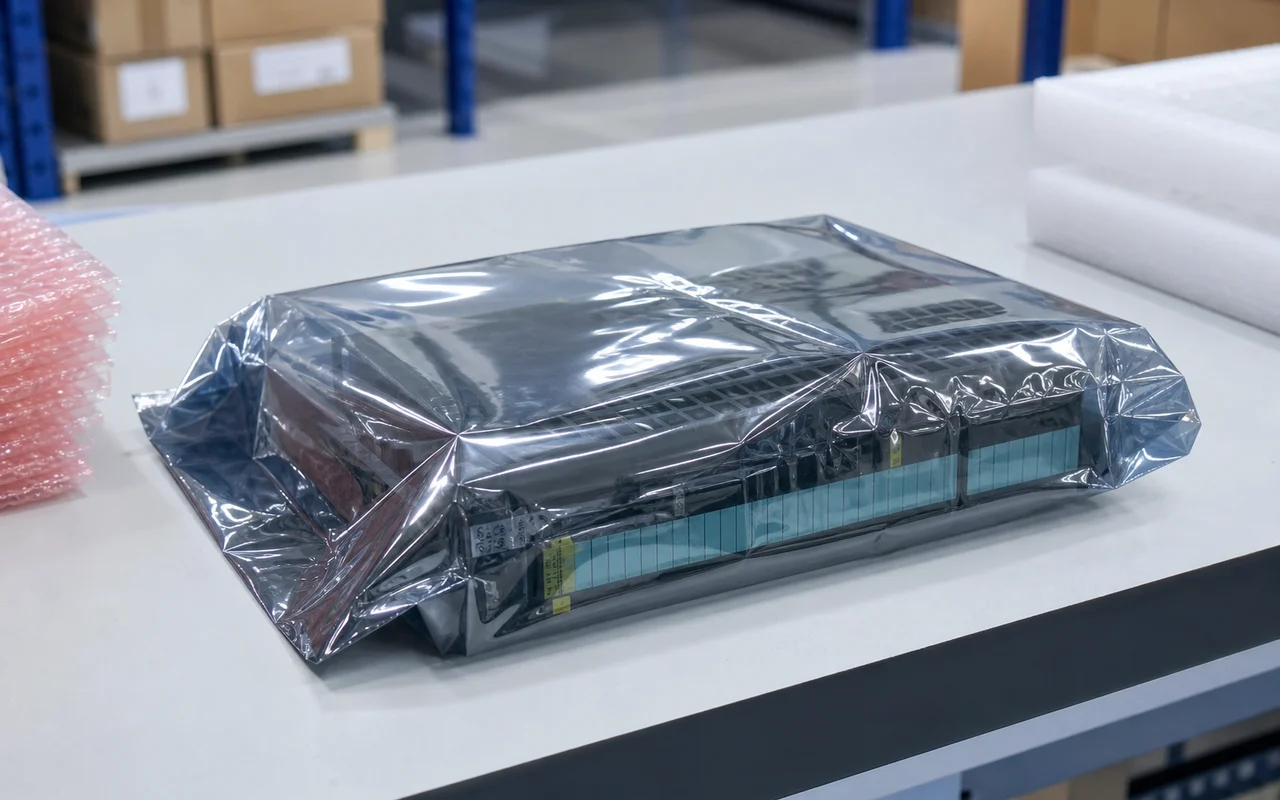 Anti-static Packaging
Modules are packed in anti-static bags to prevent electrostatic damage.
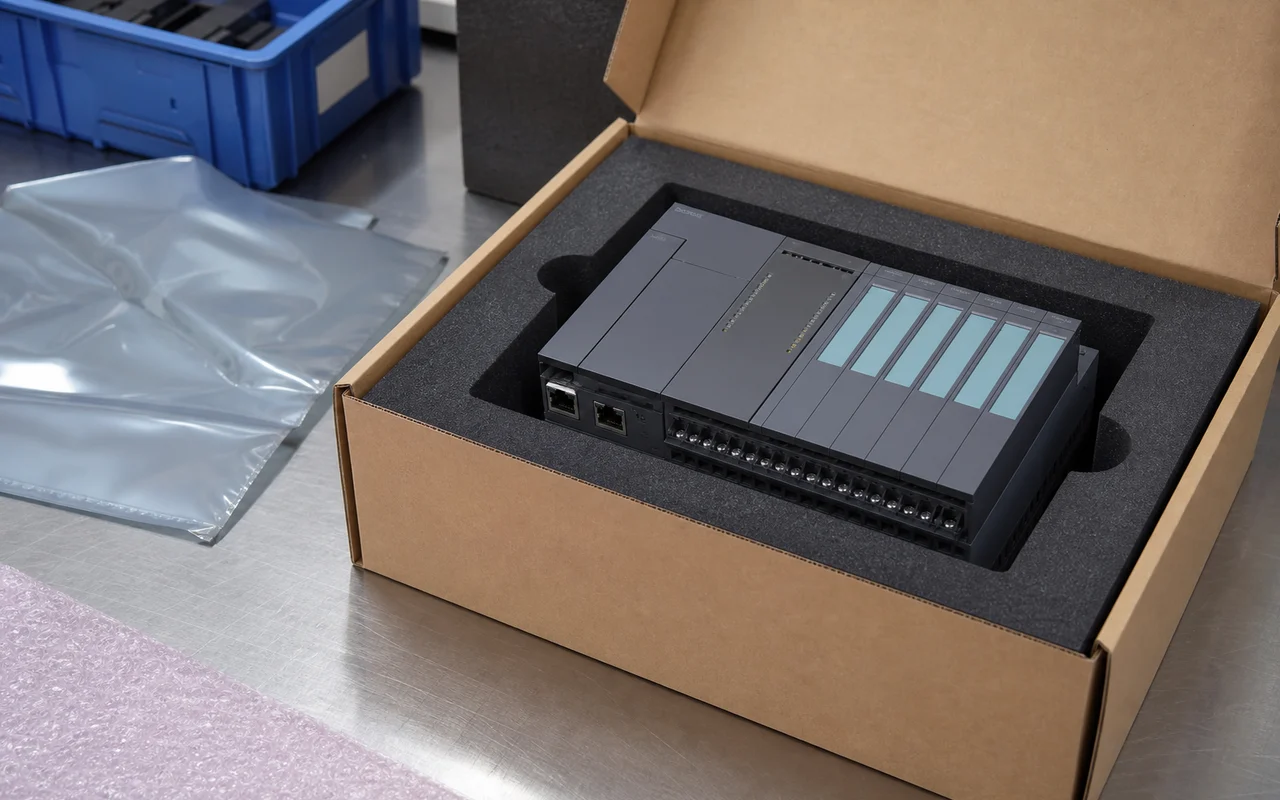 Secure Export Packing
Cushion protection and strong cartons ensure safe transportation.
 Worldwide Shipping
Global logistics network supports air, sea and express delivery.
 Documentation Check
Part number, revision and compatibility verified before shipment.
 After-sales Support
Professional technical support to help resolve your issues.