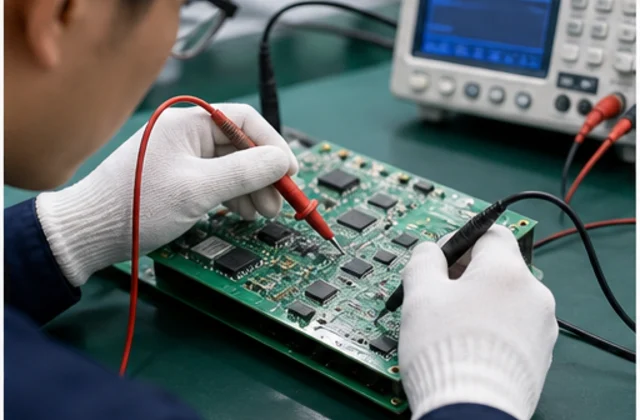
 Functional Inspection
100% tested on professional platforms to ensure stable performance.
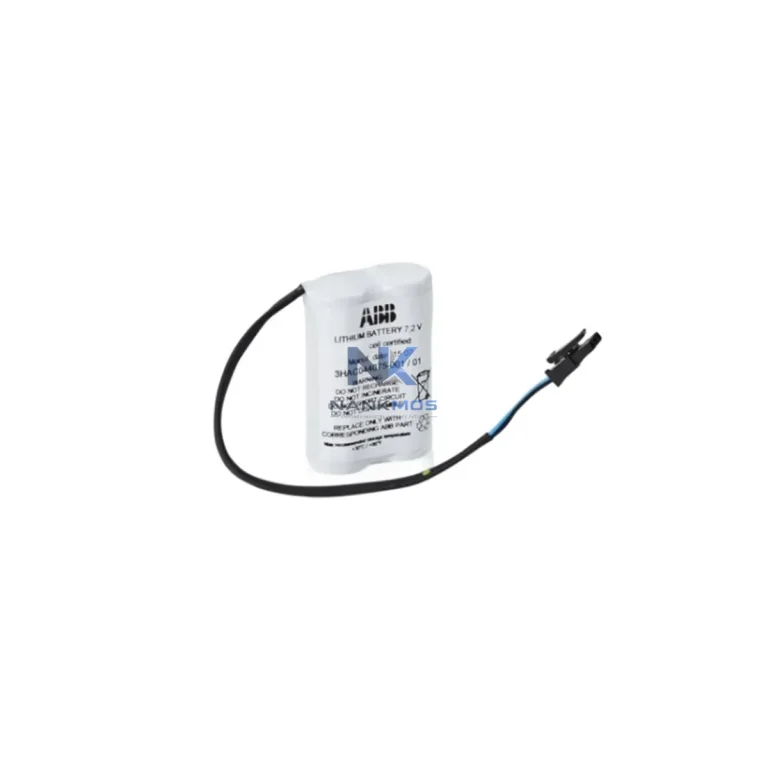
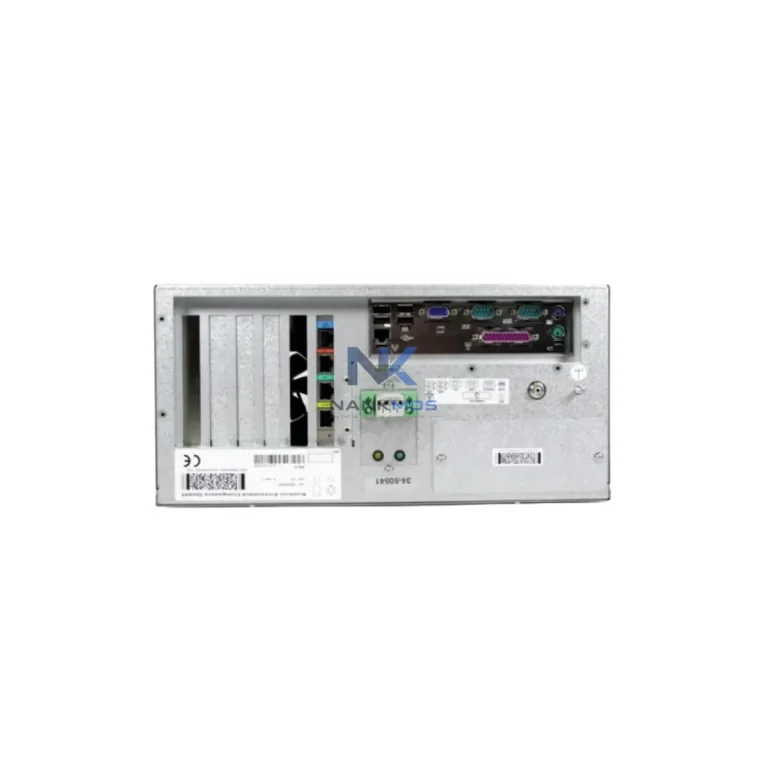
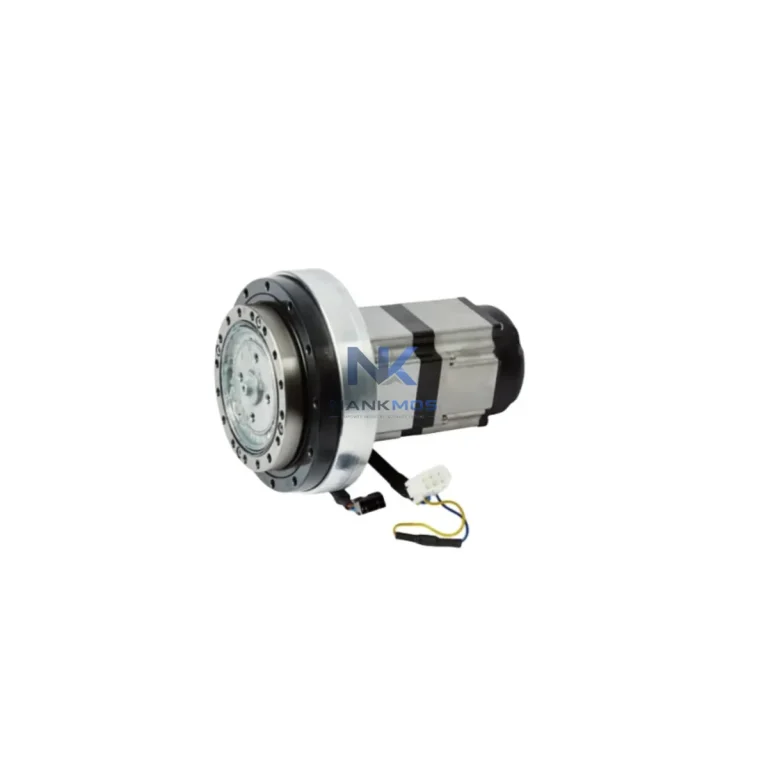
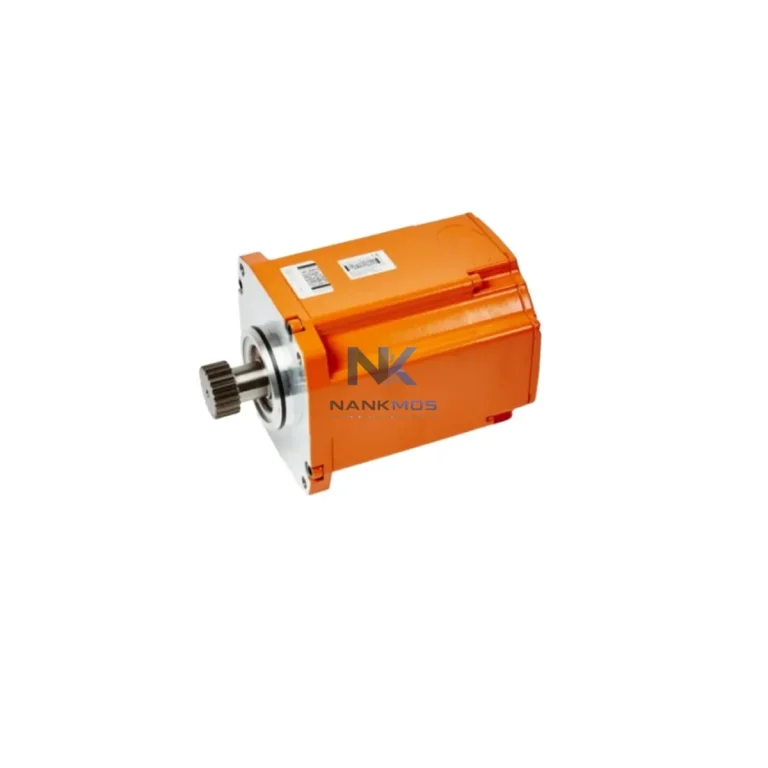
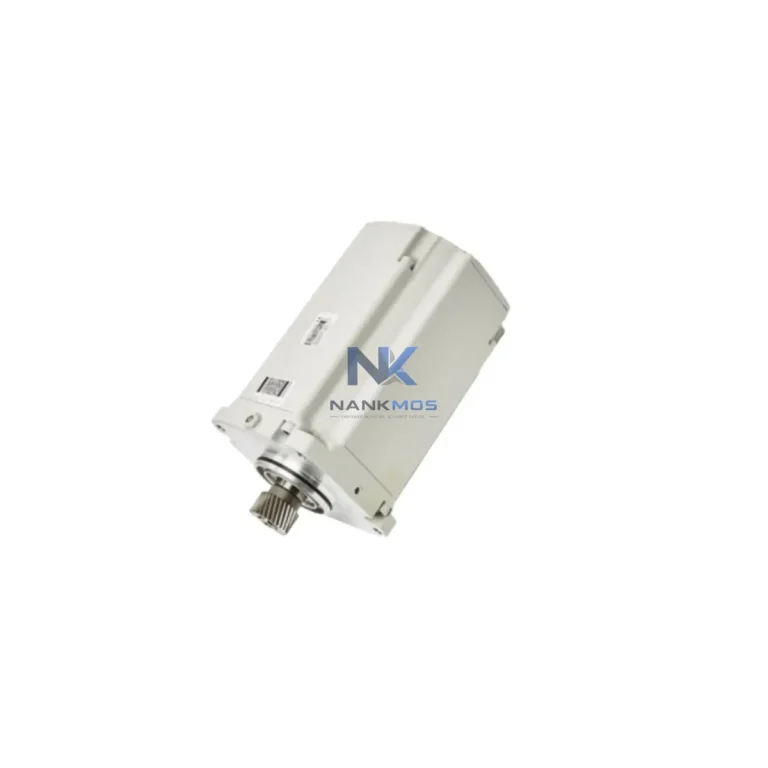
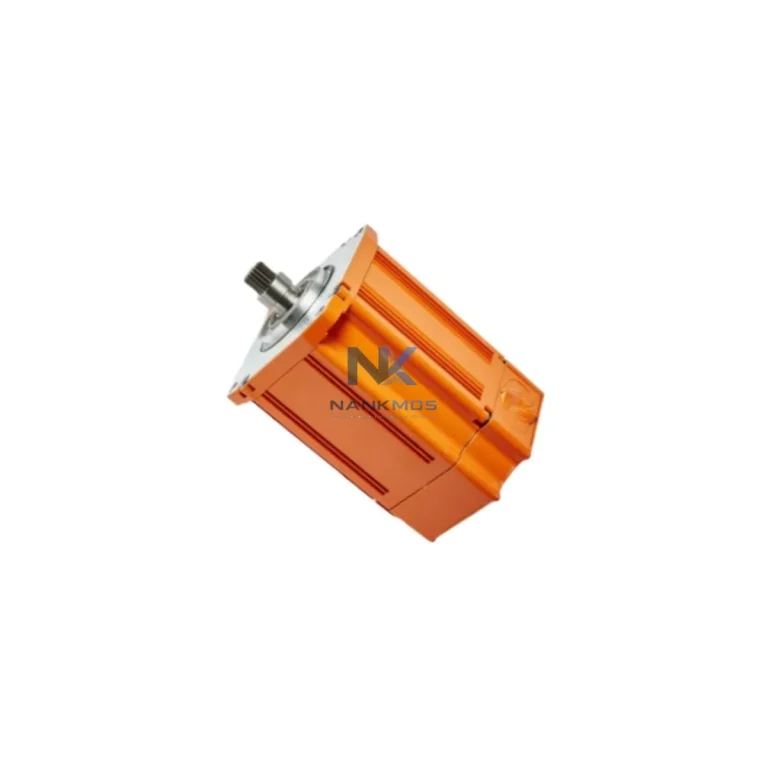
ABB IRB66403HAC057547-005 3HAC14752-1 3HAC15889-2 is a NANKMOS industrial automation product record Listed under IRC5 series and Drives. Confirm condition, availability, lead time, compatibility and documentation by email inquiry.
Brand names are used for identification only.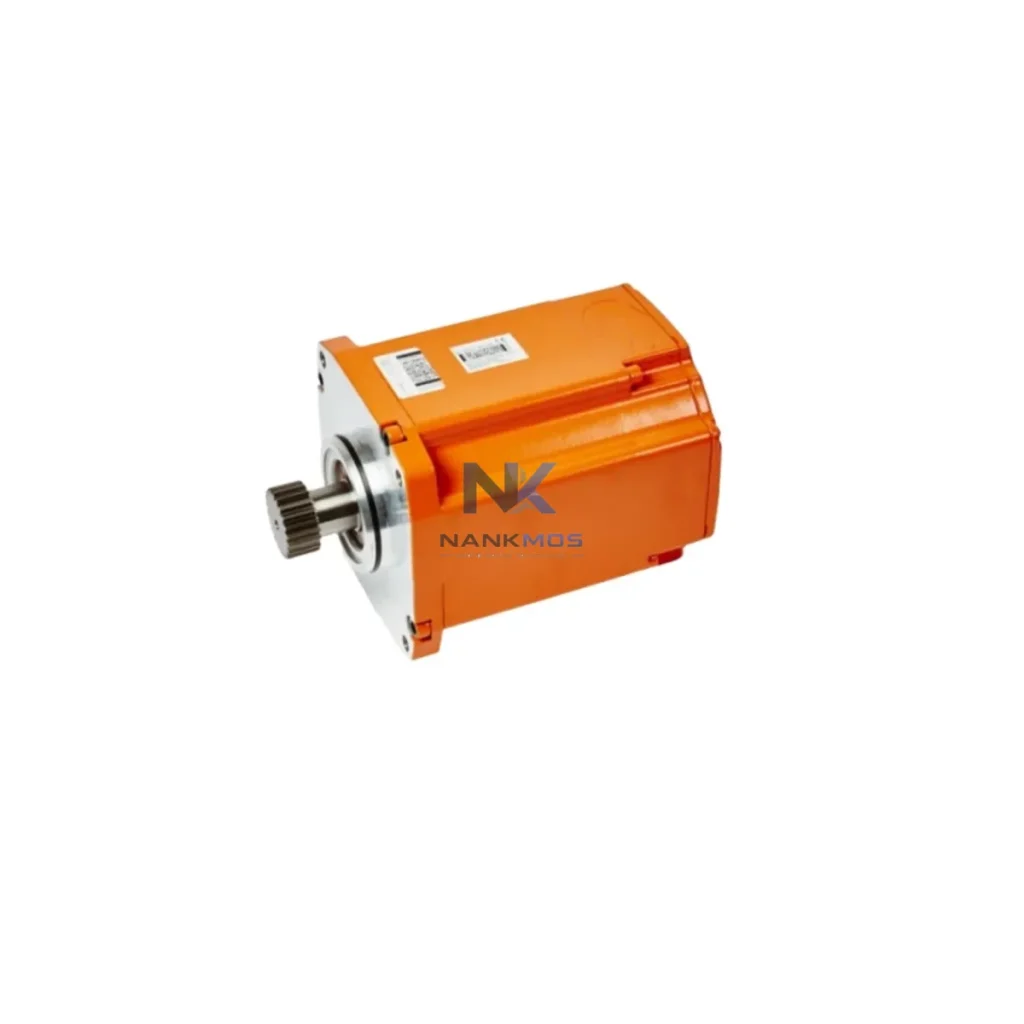
ABB IRB66403HAC057547-005 3HAC14752-1 3HAC15889-2 is a NANKMOS industrial automation product record Listed under IRC5 series and Drives. Confirm condition, availability, lead time, compatibility and documentation by email inquiry.
| Manufacturer | ABB |
|---|---|
| Application | Motion Control & Drive System |
| Part Number / Model | IRB66403HAC057547-005 3HAC14752-1 3HAC15889-2 |
| Compatible System | IRC5 |
| Series | IRC5 |
| Condition Options | To Confirm |
| Module Type | Servo / Drive Module |
| Warranty | 12 Months |
| Packaging | Anti-static Bag / Secure Box |
| Shipping Methods | DHL / FedEx / UPS / Air / Sea |
| Availability | To Confirm |
| Lead Time | To Confirm |
| Documentation | Part number and revision checked before quote |
The ABB 3HAC14752-1 (paired drive unit 3HAC15889-2) is a precision servo drive module engineered for the ABB IRB6640 six-axis industrial robot platform. Designed to operate within ABB's IRC5 controller ecosystem, this drive unit serves as a critical node in the factory data chain — bridging real-time motion control signals with higher-level automation networks including SCADA, HMI, and MES systems. Whether deployed in automotive body welding, heavy-payload palletizing, or precision assembly lines, the 3HAC14752-1 delivers deterministic torque response and seamless network integration that modern smart factories demand.
In today's connected manufacturing environment, every servo axis is a data source. The ABB 3HAC14752-1 feeds axis-level diagnostics — current draw, temperature, encoder position, fault codes — directly into the IRC5 controller's internal bus, which then propagates this data upstream via PROFIBUS-DP, DeviceNet, or EtherNet/IP fieldbus adapters. This architecture enables plant engineers to monitor robot joint health in real time from a SCADA dashboard or HMI panel without interrupting production cycles. The result is a transparent, data-rich automation layer that supports predictive maintenance, OEE tracking, and remote diagnostics from a central control room or cloud-connected edge gateway.
Understanding how the ABB 3HAC14752-1 fits into a complete industrial data architecture is essential for system integrators and automation engineers. The data flow begins at the servo motor level: the ABB 3HAC17484-1 motor (axis 1 drive motor for IRB6640) generates encoder pulses and thermal signals that feed directly into the 3HAC14752-1 drive unit. The drive processes these signals, executes torque and velocity commands from the IRC5 motion controller, and simultaneously logs axis-level fault data to the controller's internal memory.
At the controller layer, the ABB IRC5 DSQC679 teach pendant and the DSQC1000 main computer board aggregate drive data from all six axes. This consolidated dataset is then made available to the plant network via the DSQC688 PROFIBUS adapter or the DSQC612 DeviceNet adapter — both of which mount directly into the IRC5 cabinet's fieldbus slot. For Ethernet-based architectures, the DSQC1006 EtherNet/IP adapter enables the IRC5 to participate as an EtherNet/IP adapter device, allowing a Rockwell ControlLogix PLC or Siemens S7-1500 acting as scanner to poll robot status cyclically at 10ms intervals.
From the PLC layer, data flows upward to the SCADA and HMI tier. An industrial managed switch — such as those in the Hirschmann MICE or Phoenix Contact FL SWITCH series — segments the robot cell network from the plant backbone, ensuring deterministic latency for motion-critical communications while allowing SCADA traffic to traverse a separate VLAN. The SCADA system (Wonderware, Ignition, or WinCC) subscribes to OPC-UA tags published by the IRC5, receiving real-time joint torque, cycle count, and alarm status. HMI panels mounted at the robot cell display live axis data and allow operators to acknowledge faults without entering the safety zone.
For remote diagnostics, an edge gateway — such as the Moxa UC-8112 or Advantech WISE-5231 — collects IRC5 OPC-UA data and forwards it to a cloud MQTT broker or historian database. This enables maintenance engineers to review servo drive performance trends, identify axis overload patterns, and schedule preventive replacement of components like the 3HAC14752-1 before unplanned downtime occurs. Remote alarm forwarding via SMS or email is configured at the edge gateway level, closing the loop between field device health and maintenance response.
Sensor data from the robot's working environment — weld current monitors, vision system outputs from ABB Integrated Vision, and force/torque sensors on the tool flange — is also routed through the IRC5 I/O system using DSQC652 digital I/O boards, further enriching the data available for process optimization and quality traceability in MES-connected smart factory deployments.
Protocol fragmentation is one of the most common challenges in multi-vendor robot cells. When ABB IRB6640 robots share a production line with Fanuc or KUKA systems, each controller speaks a different native protocol. The IRC5's support for PROFIBUS-DP and EtherNet/IP — accessed through the drive data path that includes the 3HAC14752-1 — allows system integrators to normalize robot data into a common PLC tag structure, eliminating protocol islands and enabling unified SCADA visibility across all robot brands.
Data silos at the drive level are addressed by the IRC5's built-in data logging capability. Axis-level events — including drive overcurrent, encoder loss, and thermal warnings originating from the 3HAC14752-1 — are timestamped and stored in the controller's event log, which can be exported via FTP or read via the PC SDK. This creates a continuous audit trail for quality management systems and ISO-compliant production records.
Remote monitoring gaps are closed by pairing the IRC5 with an OPC-UA-capable SCADA platform. Engineers at a central control room or remote office can view live robot status, acknowledge alarms, and review historical trend data without physical access to the robot cell. This is particularly valuable for multi-site manufacturers managing robot fleets across geographically distributed facilities.
Production line transparency is enhanced by mapping servo drive data to OEE dashboards. Cycle time deviations caused by axis performance degradation — detectable through torque ripple trends in the 3HAC14752-1 drive data — can be flagged automatically, allowing process engineers to intervene before quality defects reach downstream inspection stations.
System expansion is straightforward within the IRC5 architecture. Additional robot axes, external servo drives, or conveyor tracking systems can be integrated via the IRC5's MultiMove functionality, with each new drive node appearing as an additional data source on the existing PROFIBUS or EtherNet/IP network segment — no new infrastructure required.
Q1: What fieldbus protocols does the ABB IRC5 support when using the 3HAC14752-1 drive? The IRC5 controller supports PROFIBUS-DP, DeviceNet, and EtherNet/IP via dedicated fieldbus adapter modules (DSQC688, DSQC612, DSQC1006). The 3HAC14752-1 drive communicates internally via the IRC5 backplane bus; axis data is then made available to external networks through the selected fieldbus adapter. OPC-UA is also supported natively in RobotWare 6.x for direct SCADA integration without a gateway.
Q2: How is network stability maintained in high-cycle robot applications? The IRC5 architecture separates motion-critical internal bus communication from external fieldbus traffic. The 3HAC14752-1 drive receives motion commands via the deterministic internal bus at 250μs cycle times, independent of external network load. PROFIBUS and EtherNet/IP segments are isolated using managed industrial switches with QoS configuration, ensuring that SCADA polling traffic does not introduce jitter into the robot's motion control loop.
Q3: Can the 3HAC14752-1 support remote diagnostics and predictive maintenance? Yes. Drive-level diagnostic data — including axis current, temperature, and fault history — is accessible via the IRC5's OPC-UA server or through the ABB PC SDK. This data can be forwarded to cloud historians or CMMS platforms via an edge gateway, enabling trend analysis and predictive maintenance scheduling. NANKMOS supplies all units with pre-shipment functional testing documentation to confirm drive health before deployment.
Q4: What warranty and supply assurance does NANKMOS provide for the 3HAC14752-1? All ABB 3HAC14752-1 and 3HAC15889-2 units supplied by NANKMOS carry a 12-month warranty covering manufacturing defects and functional failures under normal operating conditions. Each unit undergoes pre-shipment inspection and functional verification. NANKMOS maintains in-stock inventory to support urgent replacement requirements, with global logistics support for expedited delivery to minimize robot downtime on critical production lines.
Functional Inspection100% tested on professional platforms to ensure stable performance.
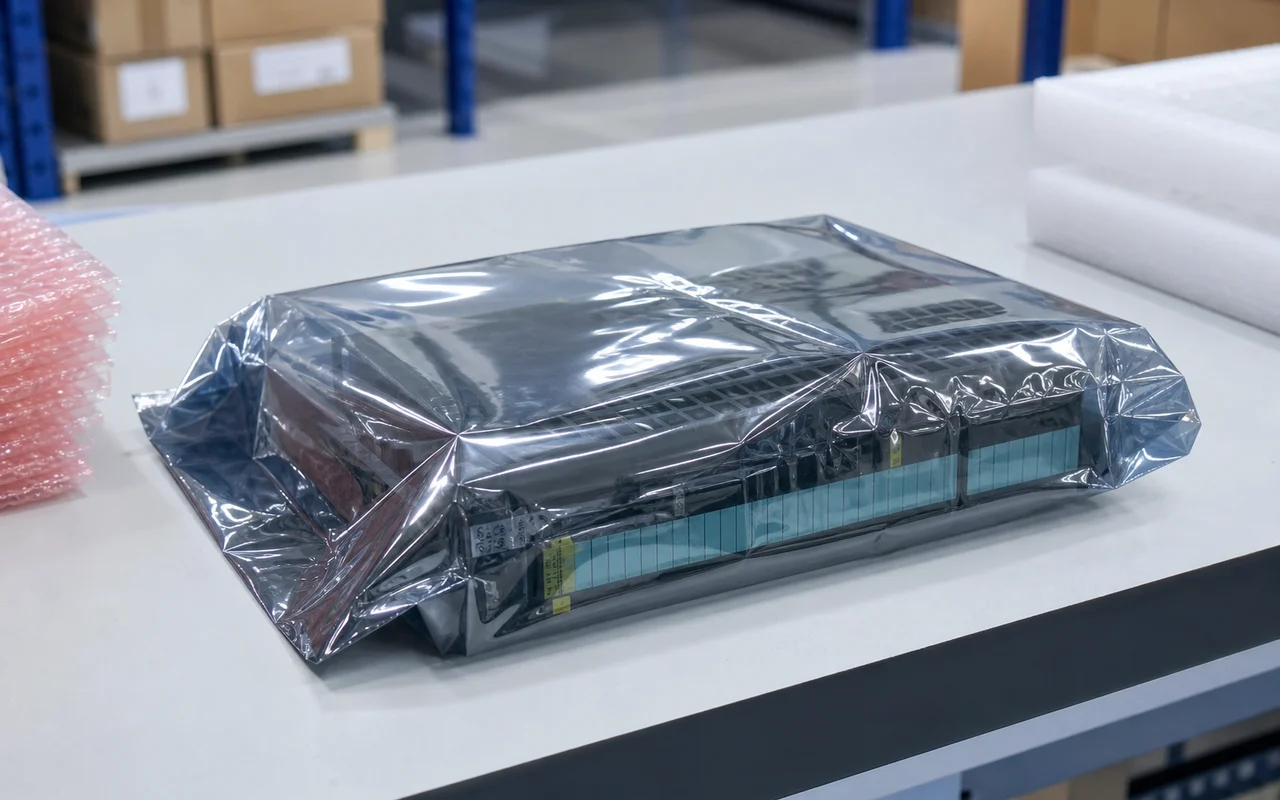 Anti-static Packaging
Modules are packed in anti-static bags to prevent electrostatic damage.
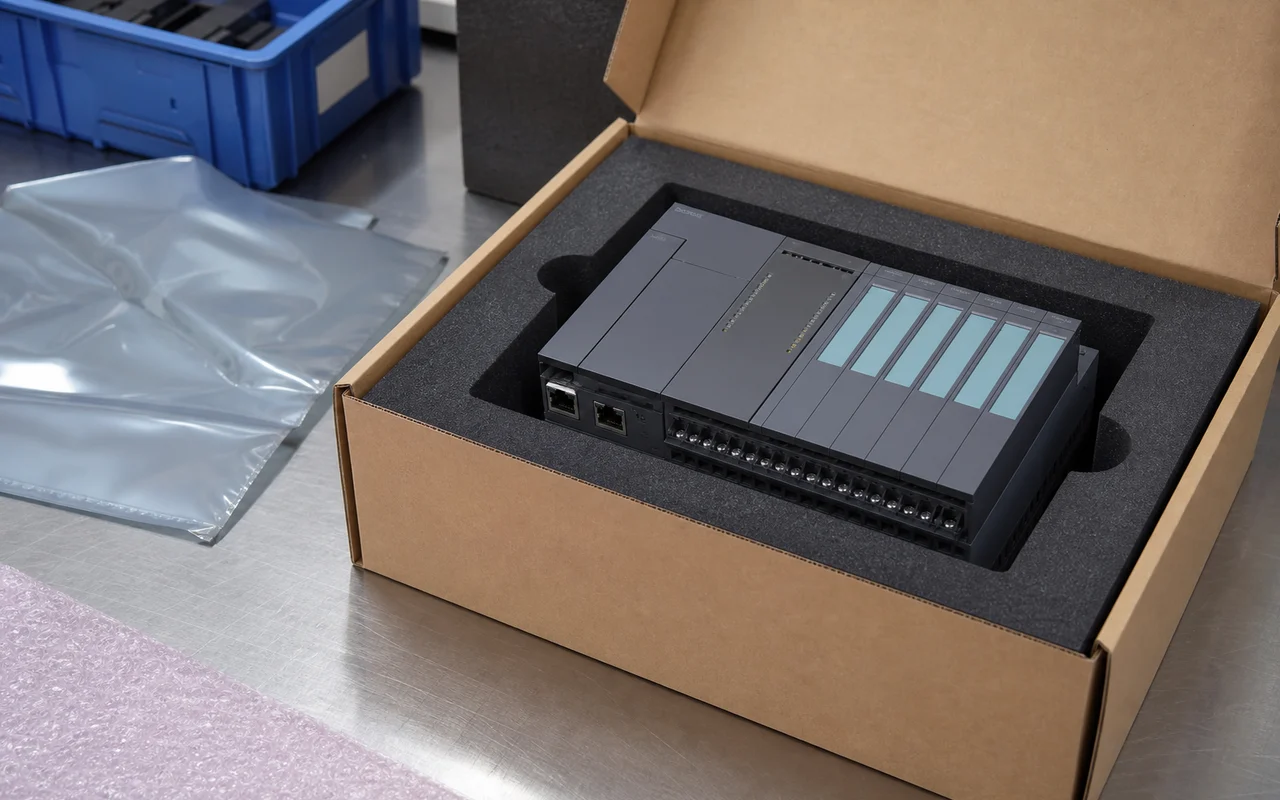 Secure Export Packing
Cushion protection and strong cartons ensure safe transportation.
 Worldwide Shipping
Global logistics network supports air, sea and express delivery.
 Documentation Check
Part number, revision and compatibility verified before shipment.
 After-sales Support
Professional technical support to help resolve your issues.