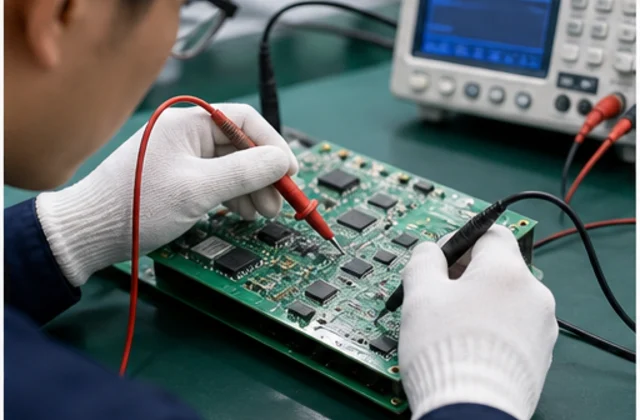
 Functional Inspection
100% tested on professional platforms to ensure stable performance.
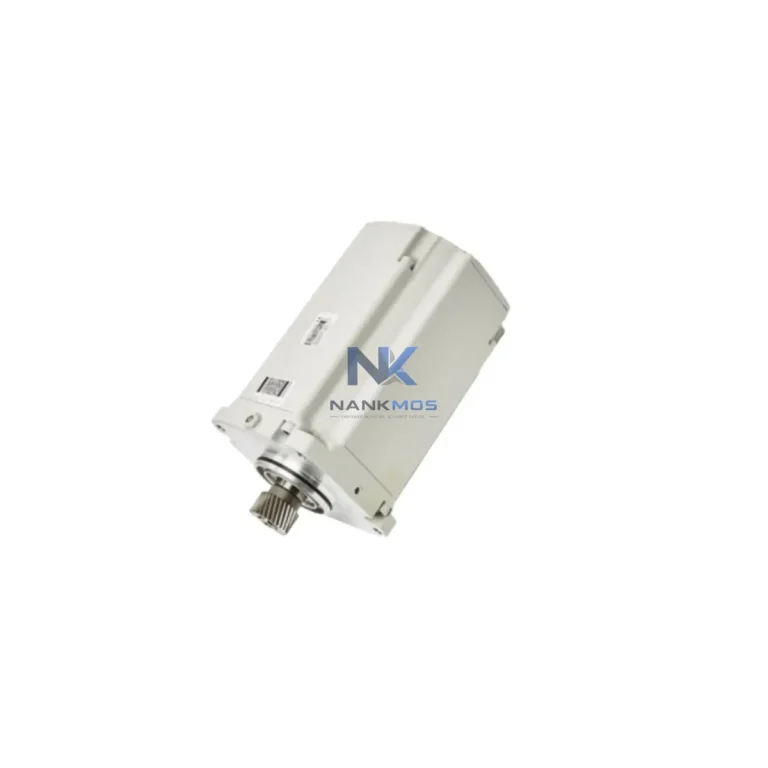
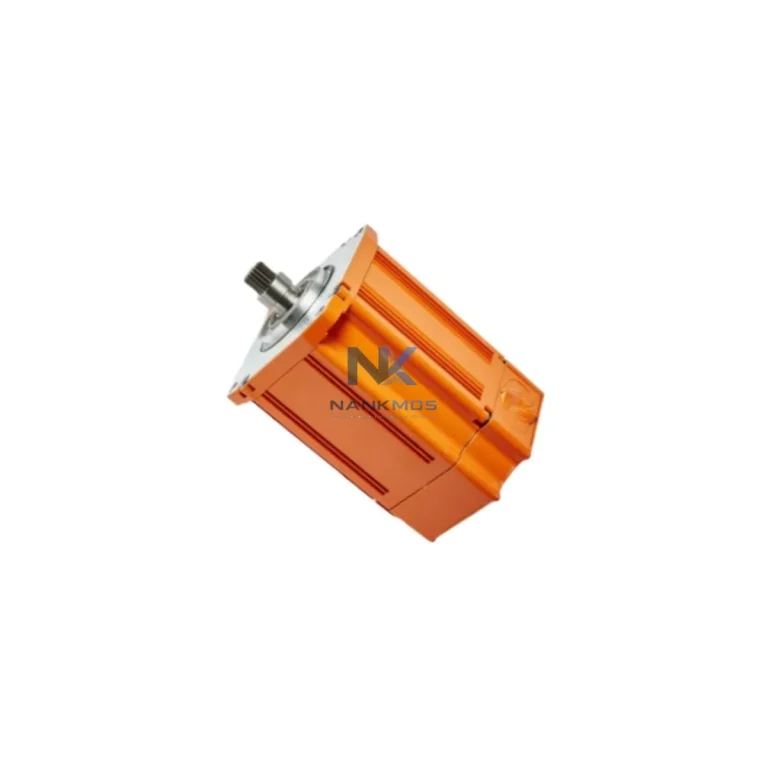
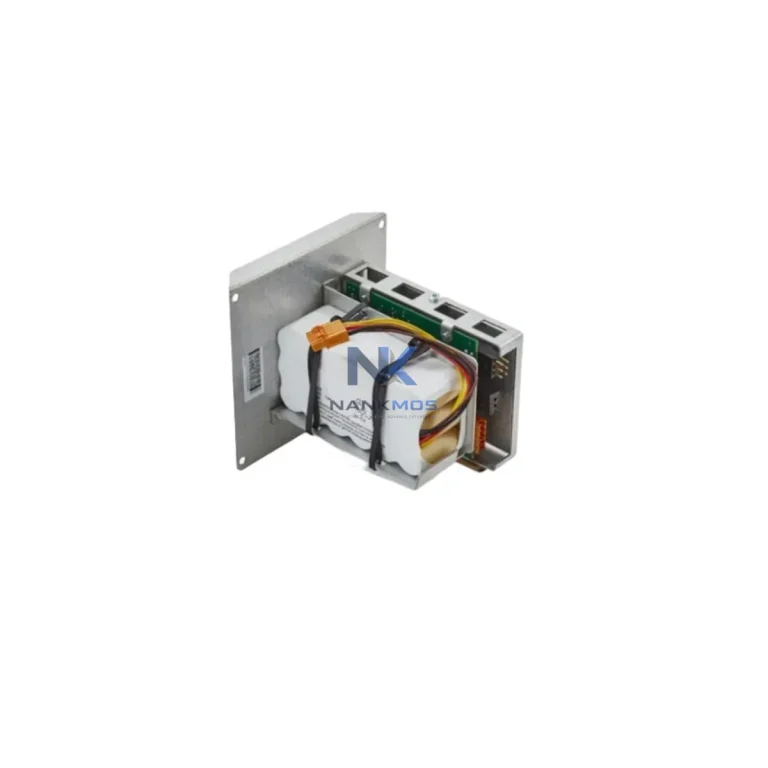
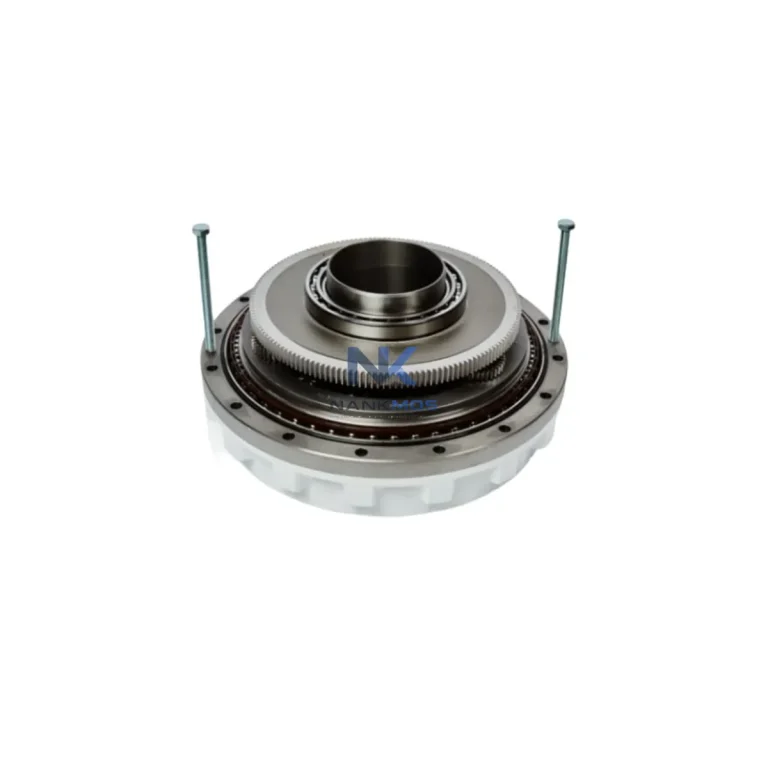
ABB IRB67003HAC055441-0033HAC045143-003 3HAC055441-003 IRB67003HAC055441-003 is a NANKMOS industrial automation product record Listed under IRC5 series and Drives. Confirm condition, availability, lead time, compatibility and documentation by email inquiry.
Brand names are used for identification only.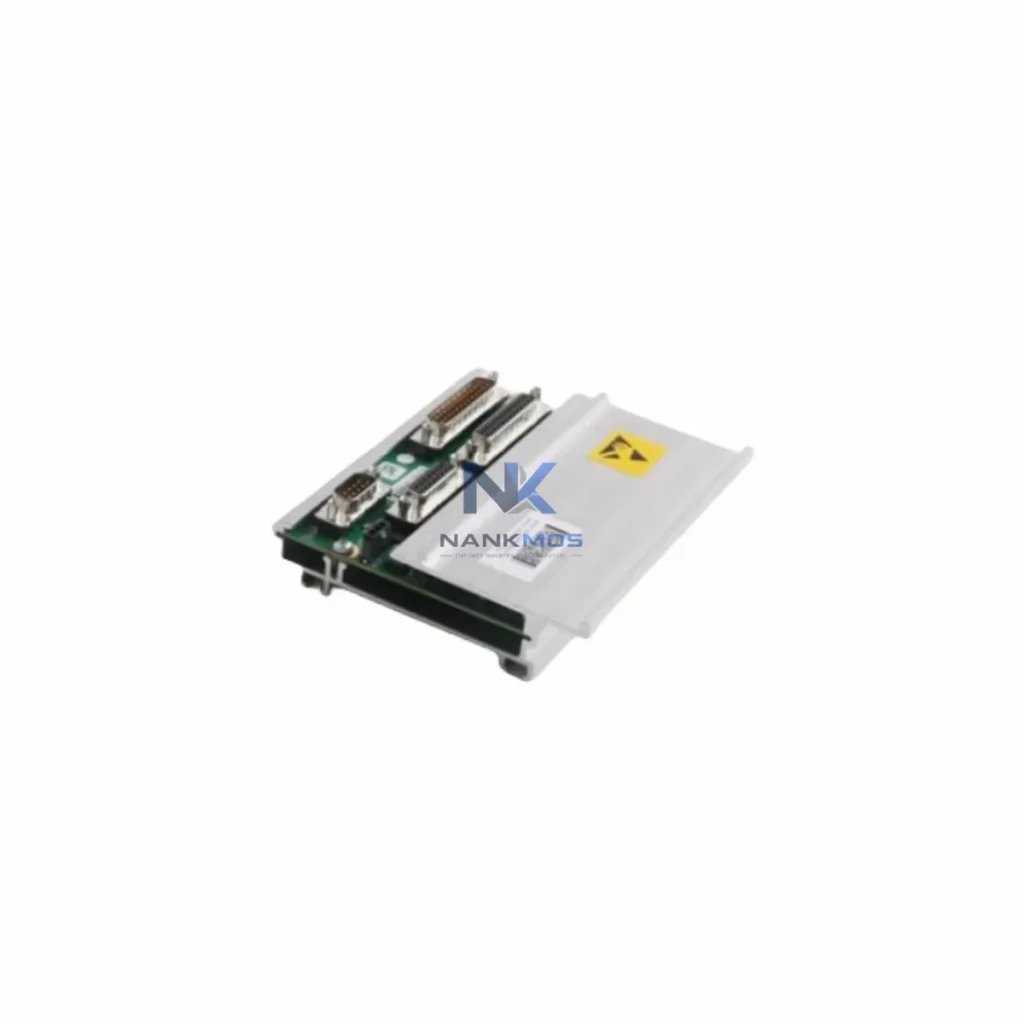
ABB IRB67003HAC055441-0033HAC045143-003 3HAC055441-003 IRB67003HAC055441-003 is a NANKMOS industrial automation product record Listed under IRC5 series and Drives. Confirm condition, availability, lead time, compatibility and documentation by email inquiry.
| Manufacturer | ABB |
|---|---|
| Application | Motion Control & Drive System |
| Part Number / Model | IRB67003HAC055441-0033HAC045143-003 3HAC055441-003 IRB67003HAC055441-003 |
| Compatible System | IRC5 |
| Series | IRC5 |
| Condition Options | To Confirm |
| Module Type | Servo / Drive Module |
| Warranty | 12 Months |
| Packaging | Anti-static Bag / Secure Box |
| Shipping Methods | DHL / FedEx / UPS / Air / Sea |
| Availability | To Confirm |
| Lead Time | To Confirm |
| Documentation | Part number and revision checked before quote |
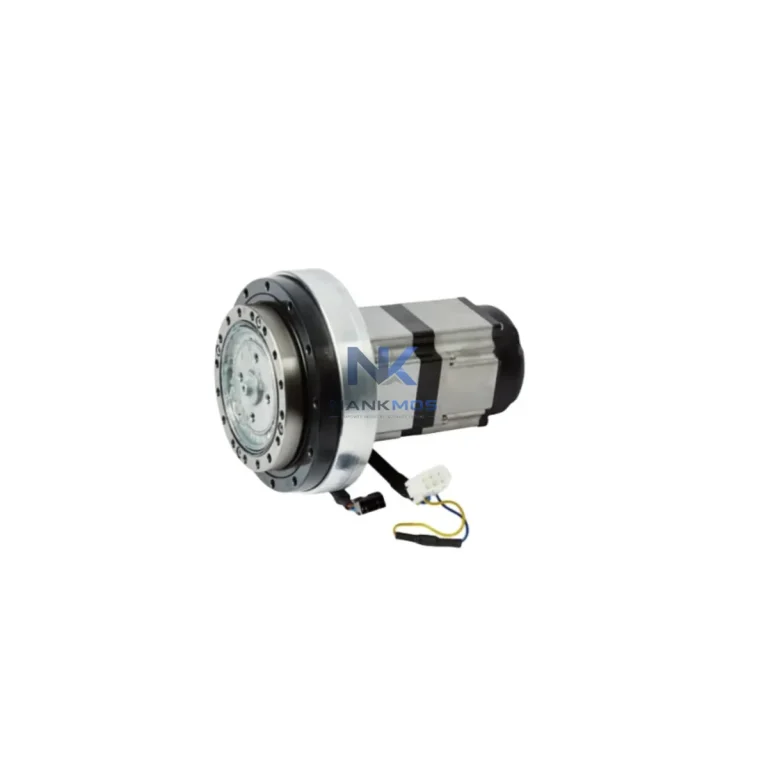
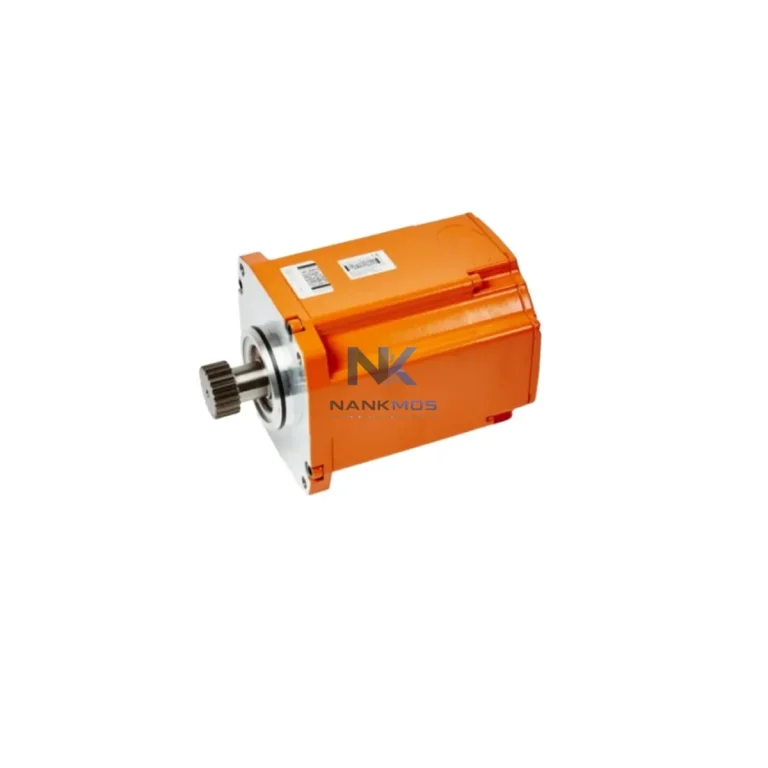
The ABB 3HAC055441-003 is a precision rotating AC motor engineered for the ABB IRB 6700 robot series — one of the most widely deployed heavy-payload industrial robots in automotive, metal fabrication, foundry, and logistics automation. Designed to operate within the ABB IRC5 controller ecosystem, this motor is not simply a mechanical actuator; it is a critical node in the smart factory data chain, enabling real-time motion feedback, servo loop closure, and axis-level diagnostics across the entire robotic cell.
In modern industrial environments, every motor axis generates continuous streams of position, velocity, torque, and thermal data. The 3HAC055441-003 interfaces directly with the IRC5 drive unit — typically the ABB DSQC662 or DSQC663 drive module — transmitting encoder pulses and resolver signals that feed into the motion controller's closed-loop algorithm. This data is then aggregated by the ABB IRC5 main computer (DSQC1000), processed through the robot's real-time operating system, and made available to upstream SCADA and MES platforms via OPC UA, PROFINET, or EtherNet/IP — the three dominant industrial communication protocols in today's connected factory.
Understanding the 3HAC055441-003 requires understanding the full data flow architecture of an IRB 6700 robotic cell. At the field level, the motor's resolver or encoder generates high-resolution position feedback — typically 2048 pulses per revolution or higher — which is transmitted via the motor cable harness to the ABB DSQC662 drive unit housed inside the IRC5 controller cabinet. The drive unit performs real-time current regulation, torque control, and velocity loop closure at update rates exceeding 4 kHz, ensuring sub-millisecond response to motion program commands.
The IRC5 main computer (DSQC1000) coordinates all six axes simultaneously, executing the robot's RAPID motion program and managing I/O signals through the ABB DSQC652 I/O module. Digital and analog I/O signals — from proximity sensors, vision systems, force-torque sensors, and end-of-arm tooling — are aggregated at this level and synchronized with the motor's motion state. This creates a unified data context: the robot knows not only where each axis is, but also what the gripper is holding, what the conveyor speed is, and whether the upstream PLC has issued a cycle-start signal.
At the cell controller level, the IRC5 communicates with the factory's Siemens S7-1500 PLC or Allen-Bradley ControlLogix via PROFINET or EtherNet/IP, exchanging robot status, program selection, and safety interlock signals. The PLC in turn connects to the plant's industrial Ethernet backbone — often built on managed industrial switches such as the Hirschmann RS20 or Cisco IE-3400 series — ensuring deterministic, low-latency communication across the production floor. Variable frequency drives (VFDs) controlling conveyor motors, the ABB ACS880 drive for auxiliary axes, and Cognex In-Sight vision sensors all share this same network fabric, feeding data upward to the SCADA layer.
At the SCADA and MES level, platforms such as Ignition by Inductive Automation or Siemens WinCC OA subscribe to OPC UA data nodes published by the IRC5 controller. Motor torque trends, cycle time analytics, axis temperature, and fault history are visualized on operator HMI panels — typically ABB CP600 HMI or Siemens TP1200 Comfort — giving production engineers real-time visibility into robot health. When the 3HAC055441-003 motor approaches thermal limits or exhibits encoder drift, the SCADA system generates a predictive maintenance alert before a fault occurs, minimizing unplanned downtime.
Edge computing gateways — such as the Moxa UC-8112 edge gateway — can further aggregate IRC5 data alongside signals from welding controllers, torque tools, and barcode scanners, packaging the data into MQTT or REST payloads for cloud-based analytics platforms. This end-to-end architecture — from the 3HAC055441-003 motor shaft to the cloud dashboard — is the foundation of Industry 4.0 connectivity in heavy-payload robotic automation.
Protocol fragmentation is one of the most common challenges in multi-vendor robotic cells. When an IRB 6700 robot operates alongside legacy equipment using Modbus RTU or DeviceNet, the IRC5 controller's fieldbus adapter options — including the ABB DSQC688 PROFIBUS adapter — provide the protocol bridge needed to unify communication without replacing existing infrastructure. The 3HAC055441-003 motor's reliable, consistent feedback signal is the prerequisite for this integration: a degraded or intermittent encoder signal will corrupt the drive's position data and cascade into false fault codes at the PLC and SCADA level.
Data silos between the robot controller and the plant MES are eliminated through OPC UA server configuration within RobotStudio, exposing motor-level variables — torque, speed, temperature, fault codes — as structured data objects accessible to any OPC UA client. This transforms the IRB 6700 from an isolated machine into a transparent production asset whose performance is continuously measured, benchmarked, and optimized.
Remote diagnostics are enabled through ABB's Ability™ Connected Services platform, which uses the IRC5's built-in Ethernet port to establish a secure VPN tunnel to ABB's remote service center. Engineers can review axis-level fault logs, motor current signatures, and encoder health reports without dispatching a technician to the factory floor — reducing mean time to repair (MTTR) by up to 60% in documented case studies. Replacing a worn or failed 3HAC055441-003 motor with a tested, warranted unit from verified stock is the fastest path to restoring full robot availability.
Production line transparency is achieved when every robot axis — including the motor covered by this listing — reports its operational state in real time. OEE (Overall Equipment Effectiveness) dashboards can then accurately attribute downtime to specific axes, shift patterns, or product changeovers, giving plant managers the data they need to schedule preventive maintenance during planned shutdowns rather than reacting to unexpected failures.
Q1: What communication protocols does the ABB 3HAC055441-003 support in an IRC5 system? The 3HAC055441-003 motor communicates with the IRC5 drive unit via resolver or encoder feedback signals over the motor cable harness. At the controller level, the IRC5 supports PROFINET, EtherNet/IP, DeviceNet, PROFIBUS, and OPC UA through optional fieldbus adapter modules (e.g., DSQC688), enabling seamless integration with Siemens, Rockwell, and other PLC platforms.
Q2: How is network stability maintained when this motor is part of a multi-robot cell? The IRC5 controller uses a deterministic real-time OS (VxWorks) with hardware-separated motion and I/O buses, ensuring that network traffic on the plant Ethernet does not interfere with the servo loop. Managed industrial switches with QoS (Quality of Service) configuration further prioritize robot control traffic, maintaining cycle-time consistency even under high network load.
Q3: Can this motor be diagnosed remotely without shutting down the production line? Yes. Through ABB Ability™ Connected Services and OPC UA data exposure via RobotStudio, motor torque trends, thermal data, and encoder health can be monitored remotely in real time. Anomaly detection algorithms can flag developing faults — such as bearing wear or winding insulation degradation — before they cause a production stop, enabling condition-based maintenance scheduling.
Q4: What warranty and pre-shipment testing does this unit include? Every 3HAC055441-003 unit supplied by NANKMOS is covered by a 12-month warranty and undergoes pre-shipment functional inspection, including encoder signal verification and insulation resistance testing. Stock is maintained in climate-controlled storage to preserve motor winding integrity. Fast global shipping via DHL, FedEx, or sea freight is available with full export documentation.
Functional Inspection100% tested on professional platforms to ensure stable performance.
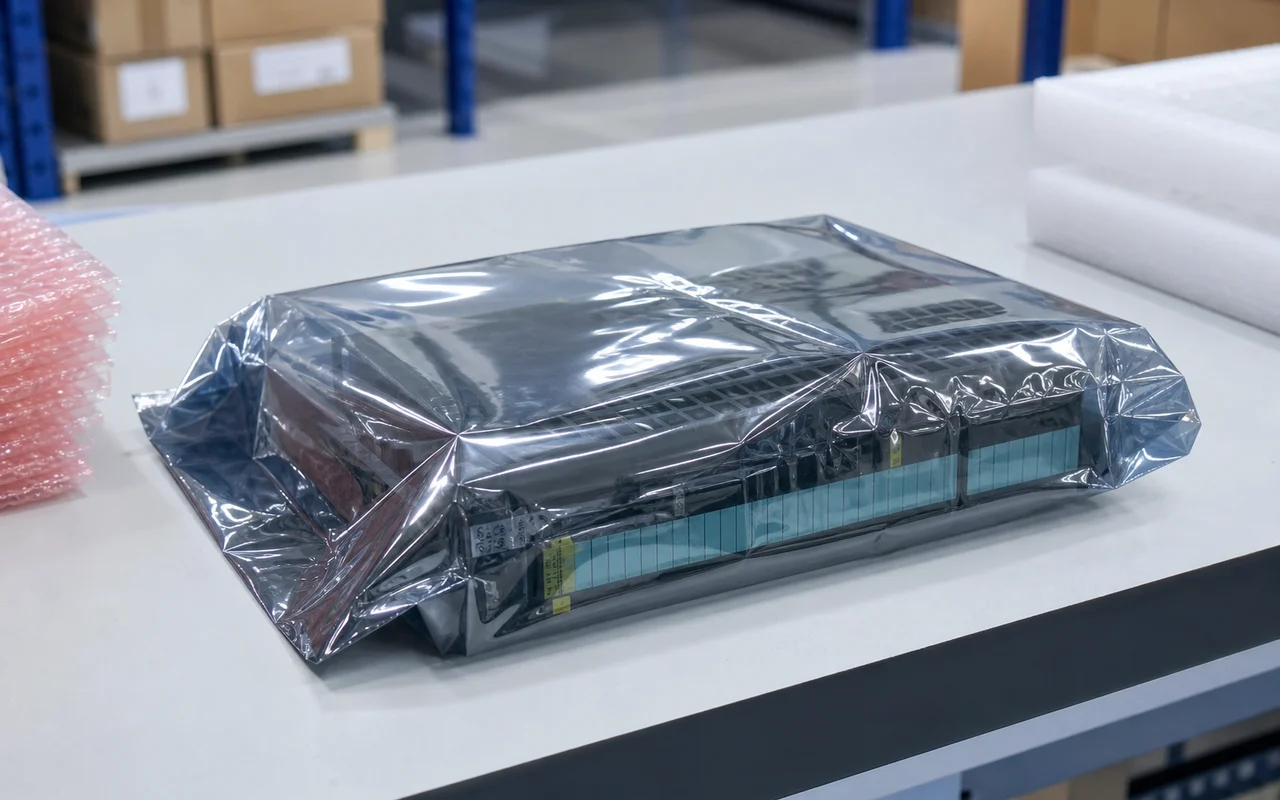 Anti-static Packaging
Modules are packed in anti-static bags to prevent electrostatic damage.
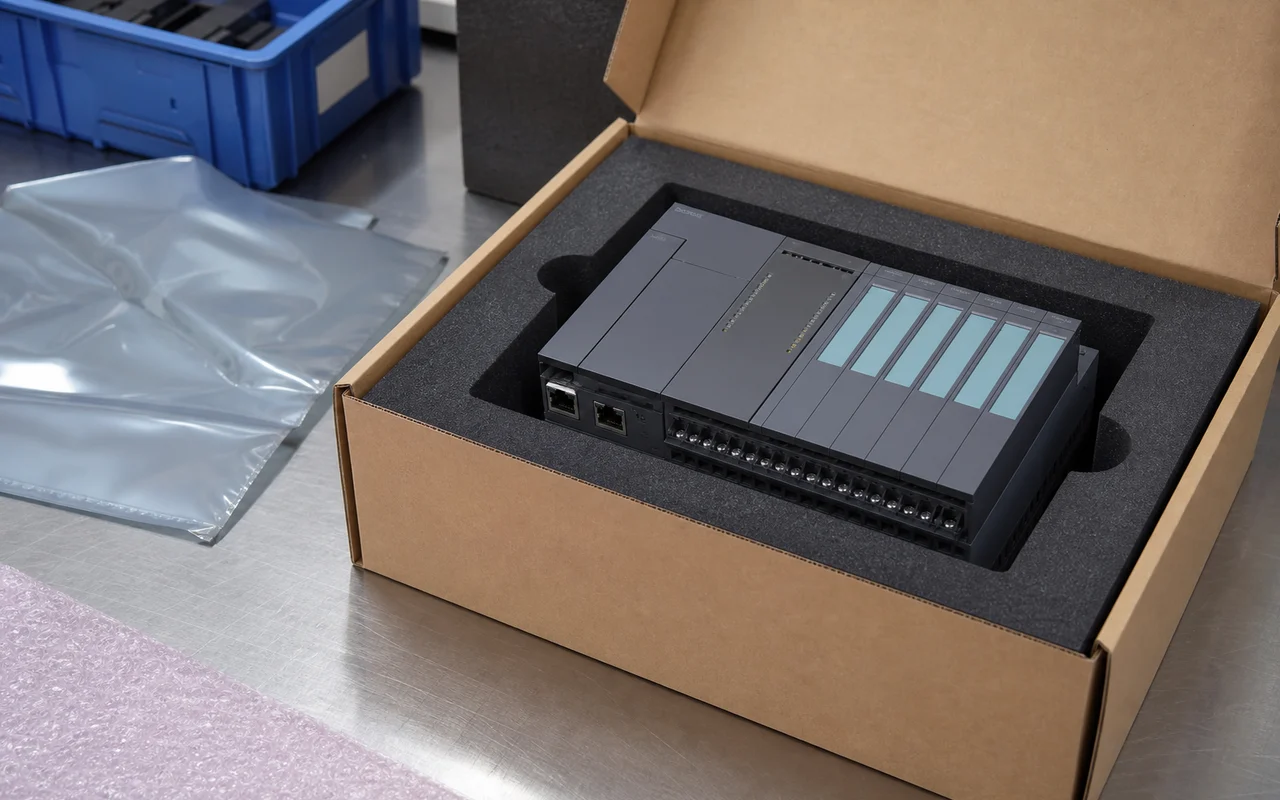 Secure Export Packing
Cushion protection and strong cartons ensure safe transportation.
 Worldwide Shipping
Global logistics network supports air, sea and express delivery.
 Documentation Check
Part number, revision and compatibility verified before shipment.
 After-sales Support
Professional technical support to help resolve your issues.