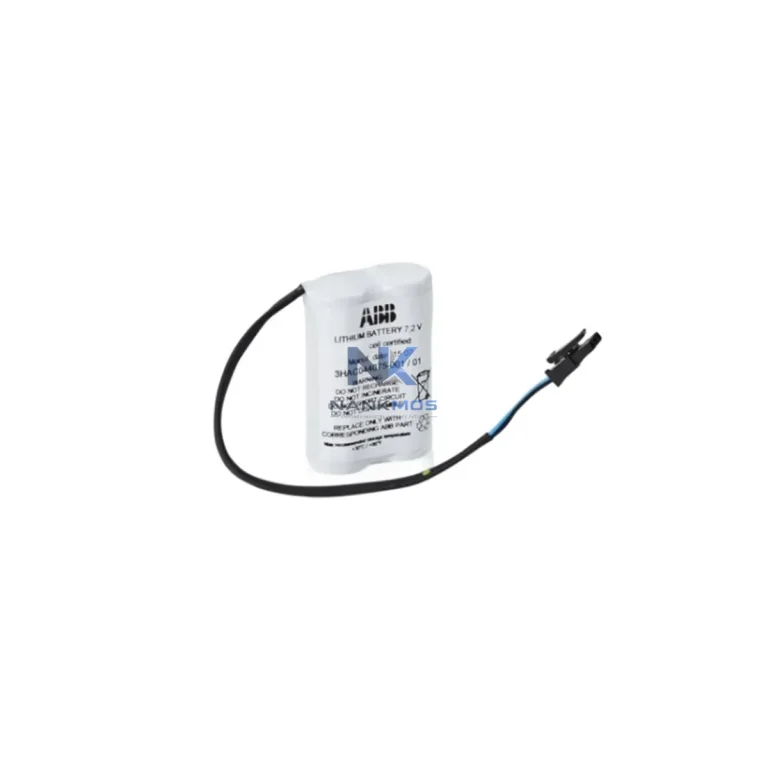
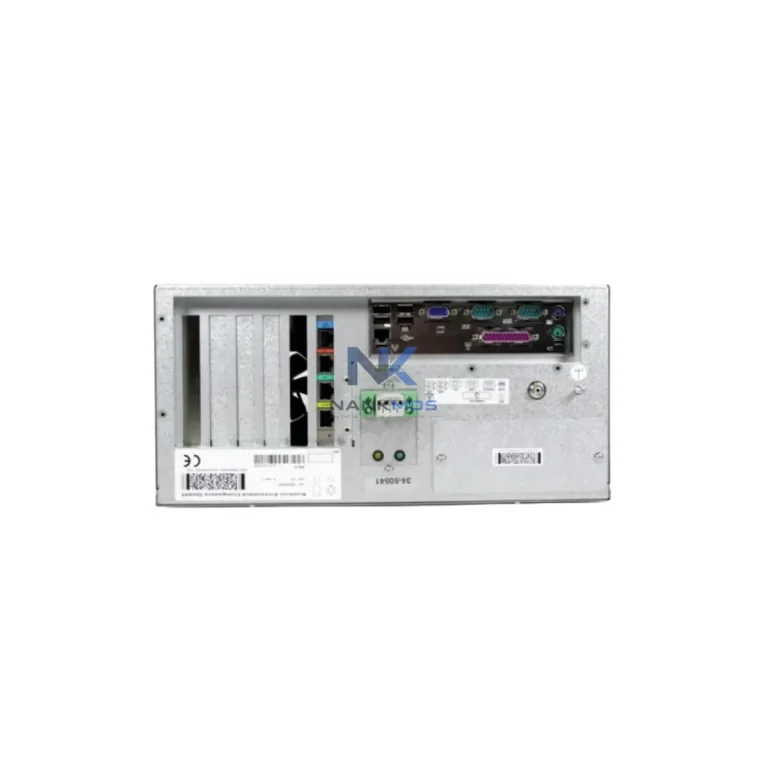
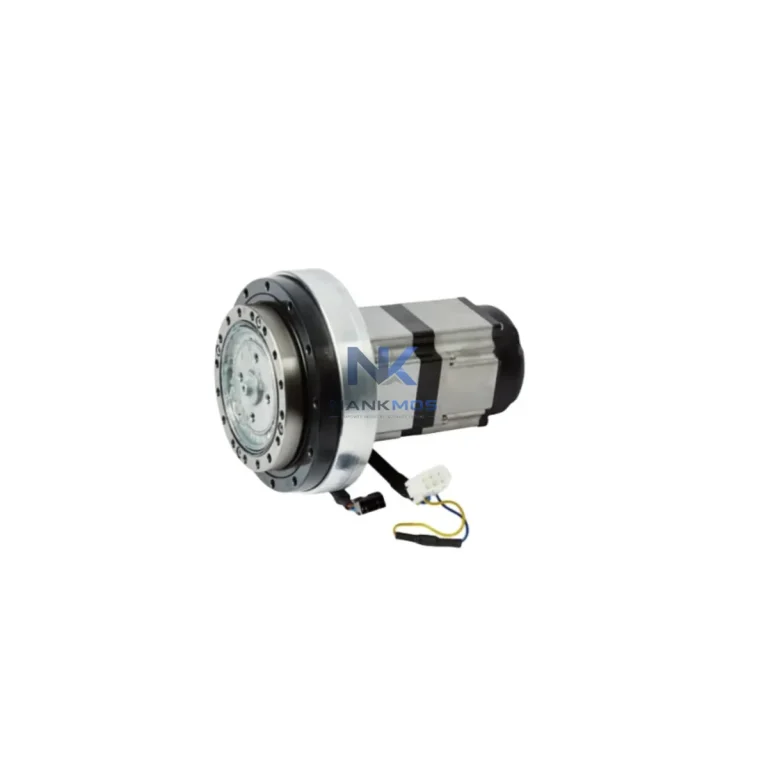
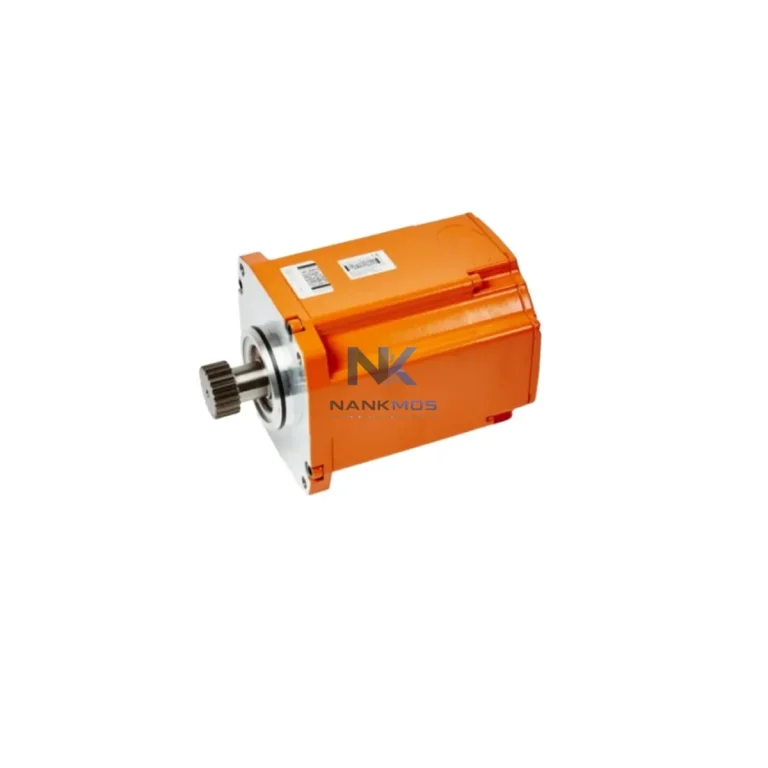
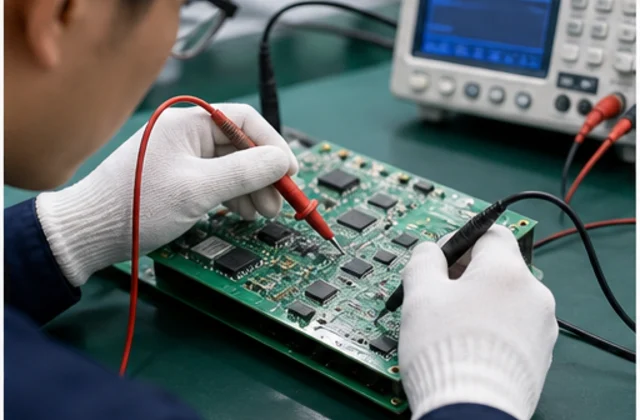
 Functional Inspection
100% tested on professional platforms to ensure stable performance.
ABB SDCS-POW-4-SD is a NANKMOS industrial automation product record Listed under S800 series and Drives. Confirm condition, availability, lead time, compatibility and documentation by email inquiry.
Brand names are used for identification only.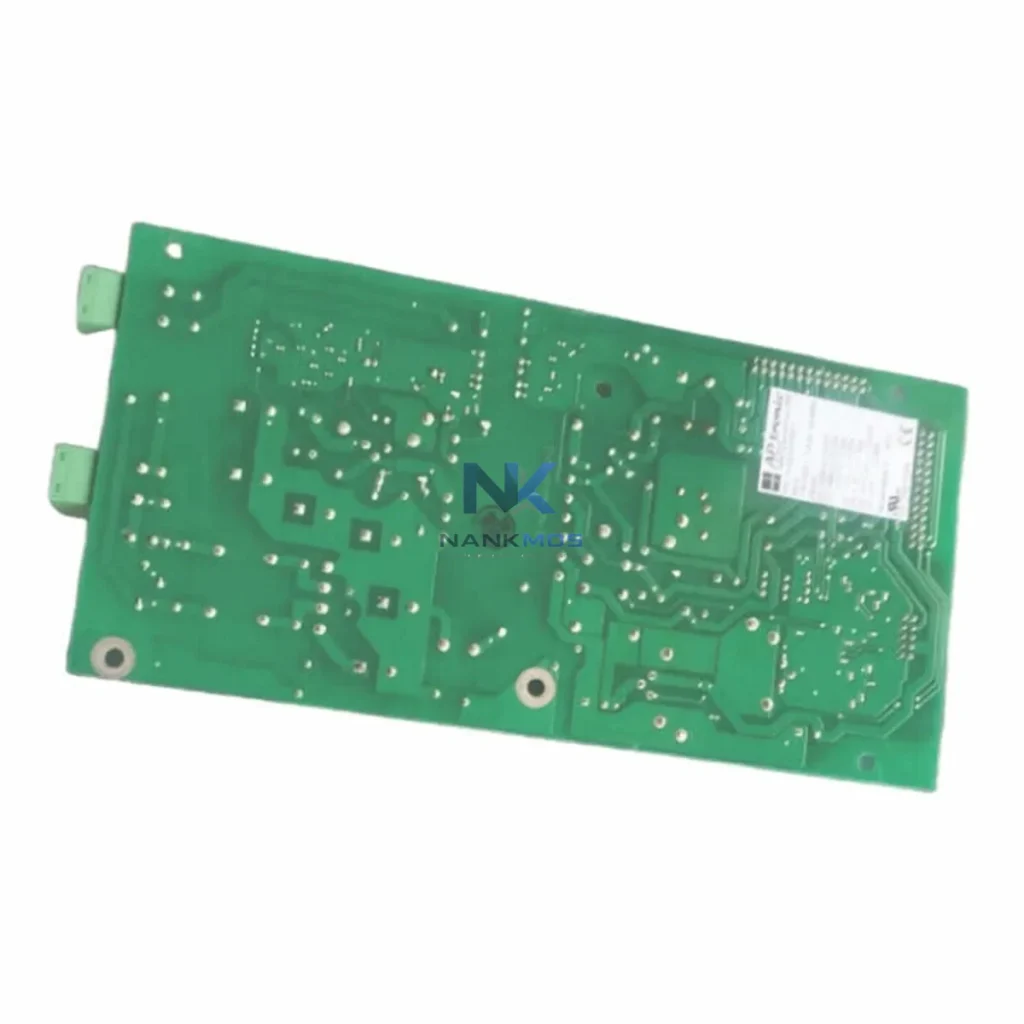
ABB SDCS-POW-4-SD is a NANKMOS industrial automation product record Listed under S800 series and Drives. Confirm condition, availability, lead time, compatibility and documentation by email inquiry.
| Manufacturer | ABB |
|---|---|
| Application | Control System Power Support |
| Part Number / Model | SDCS-POW-4-SD |
| Compatible System | S800 |
| Series | S800 |
| Condition Options | To Confirm |
| Module Type | Power Supply Module |
| Warranty | 12 Months |
| Packaging | Anti-static Bag / Secure Box |
| Shipping Methods | DHL / FedEx / UPS / Air / Sea |
| Availability | To Confirm |
| Lead Time | To Confirm |
| Documentation | Part number and revision checked before quote |
In modern smart factory environments, every component in the drive system must do more than convert power — it must participate in the data network. The ABB SDCS-POW-4-SD power supply board is engineered for the DCS800 series DC drive platform, delivering stable, regulated power to the drive control electronics while enabling seamless integration into industrial communication architectures. As factories migrate toward fully connected automation, the SDCS-POW-4-SD serves as a foundational hardware layer that supports real-time data exchange between field devices, PLC controllers, SCADA systems, and remote monitoring platforms.
The DCS800 drive family is widely deployed in demanding applications — paper mills, metal processing lines, crane and hoist systems, and extruder drives — where precise torque and speed control must be maintained continuously. The SDCS-POW-4-SD ensures that the drive's internal logic boards, gate driver circuits, and communication modules receive clean, conditioned power, which is a prerequisite for reliable fieldbus communication and uninterrupted data flow across the automation network.
The SDCS-POW-4-SD sits at the heart of the DCS800 drive's internal architecture, powering the control board (SDCS-CON-4) and enabling the full suite of communication and I/O expansion capabilities that smart factory data flows depend on. Understanding how this board fits into the broader automation data chain is essential for system integrators designing connected drive systems.
At the field level, sensors — including encoders, tachometers, and current transducers — feed real-time process signals into the DCS800 drive. The SDCS-CON-4 control board processes these signals and executes the drive's speed and torque algorithms. The SDCS-POW-4-SD ensures that this control board operates without power interruption, which is critical for maintaining the integrity of closed-loop control and the accuracy of data reported upstream.
For fieldbus communication, the DCS800 platform supports optional communication adapter modules such as the SDCS-COM-8 (PROFIBUS-DP) and SDCS-COM-81 (DeviceNet / CANopen). These modules plug into the drive's communication slot and rely on the stable internal power rail maintained by the SDCS-POW-4-SD. Through PROFIBUS-DP, the DCS800 connects directly to Siemens S7-series PLCs or ABB AC500 PLC controllers, transmitting drive status words, actual speed values, fault codes, and control references at cyclic scan rates suitable for real-time process control.
In SCADA-integrated environments, the drive data collected via PROFIBUS or Modbus RTU is aggregated by an edge gateway — such as the ABB AC500-eCo communication gateway or a third-party industrial protocol converter — and forwarded to the SCADA server over Ethernet. Operators at the HMI workstation can monitor motor current, drive temperature, output torque, and alarm status in real time. The SDCS-POW-4-SD's role in maintaining stable control board power directly supports the reliability of this data pipeline: any power instability at the board level would manifest as communication dropouts or erroneous process values at the SCADA layer.
Remote I/O expansion is another key element of the connected DCS800 system. The SDCS-IOB-3 I/O extension board and SDCS-IOB-21 analog I/O board can be integrated to expand the drive's signal handling capacity, connecting additional field instruments — pressure transmitters, flow meters, temperature sensors — into the drive's control logic. These I/O boards also depend on the internal power supply chain anchored by the SDCS-POW-4-SD.
For multi-drive systems — common in paper machine drives, rolling mill lines, or coordinated conveyor systems — the DCS800 drives are networked together via a DDCS fiber optic link or through the plant's industrial Ethernet backbone. An ABB NDBU-95C branching unit or similar DDCS hub coordinates master-follower drive communication, enabling synchronized speed references and torque sharing across multiple DCS800 units. The power supply integrity of each drive, maintained by its respective SDCS-POW-4-SD, is a prerequisite for stable DDCS communication.
At the network infrastructure layer, an industrial managed Ethernet switch — such as those from the Hirschmann RS20 or Phoenix Contact FL SWITCH series — provides the backbone for connecting drives, PLCs, HMI panels, and SCADA servers. The switch's VLAN and QoS capabilities ensure that time-critical drive control data is prioritized over general IT traffic, maintaining deterministic communication latency across the factory network.
For remote diagnostics and predictive maintenance, the DCS800 drive's fault log and parameter data can be accessed via the ABB DriveWindow PC tool over a serial or USB-to-DDCS interface, or remotely through an OPC-UA gateway connected to the plant's MES or cloud analytics platform. Maintenance engineers can retrieve historical fault records, trend motor load data, and schedule preventive maintenance without physical access to the drive cabinet — a capability that depends entirely on the drive's control electronics remaining powered and communicating, which the SDCS-POW-4-SD enables.
Protocol Fragmentation: Many legacy DC drive installations use proprietary serial protocols that cannot communicate natively with modern PROFIBUS or EtherNet/IP networks. By maintaining the DCS800's control board in full operation, the SDCS-POW-4-SD enables the use of SDCS-COM fieldbus adapters that bridge the drive to standard industrial protocols, eliminating the need for costly drive replacements and preserving existing motor and mechanical infrastructure.
Data Silos and Production Transparency: Without reliable drive-level data, production managers cannot correlate motor performance with product quality or energy consumption. The SDCS-POW-4-SD ensures continuous operation of the DCS800's data reporting functions, feeding real-time speed, torque, and fault data into SCADA dashboards and MES systems, enabling full production line transparency and data-driven decision-making.
Remote Monitoring Gaps: In distributed manufacturing sites, on-site inspection of drive cabinets is costly and time-consuming. The SDCS-POW-4-SD supports the DCS800's remote diagnostics capability by keeping the drive's communication interfaces active, allowing remote engineers to monitor drive health, acknowledge alarms, and adjust parameters via SCADA or DriveWindow without dispatching field technicians.
Alarm Tracking and Response: Unplanned drive trips cause production downtime and quality defects. The DCS800's fault logging and alarm relay functions — powered by the SDCS-POW-4-SD — provide timestamped fault records that can be integrated into plant alarm management systems, enabling root cause analysis and reducing mean time to repair (MTTR).
System Scalability: As production lines expand, additional drives and I/O nodes must be integrated into the existing network without disrupting current operations. The SDCS-POW-4-SD's compatibility with the full DCS800 hardware ecosystem — including I/O expansion boards, fieldbus adapters, and DDCS communication modules — ensures that the drive can scale with the system architecture without requiring hardware redesign.
Q1: Does the SDCS-POW-4-SD support PROFIBUS-DP communication directly? The SDCS-POW-4-SD is the internal power supply board for the DCS800 drive and does not itself implement fieldbus protocols. PROFIBUS-DP communication is enabled by the SDCS-COM-8 fieldbus adapter module, which plugs into the DCS800's communication slot. The SDCS-POW-4-SD provides the stable internal power rail that the SDCS-COM-8 and the SDCS-CON-4 control board require to operate reliably on the PROFIBUS network.
Q2: What is the impact of SDCS-POW-4-SD failure on network communication? A failed or degraded SDCS-POW-4-SD will cause the DCS800 drive's control electronics to lose power, resulting in immediate loss of fieldbus communication, drive trip, and loss of process data to the SCADA system. In multi-drive DDCS networks, a single drive communication dropout can trigger fault responses in follower drives. Maintaining a tested spare SDCS-POW-4-SD in inventory is recommended for critical production lines to minimize unplanned downtime.
Q3: Is the SDCS-POW-4-SD compatible with all DCS800 drive variants? The SDCS-POW-4-SD is designed for the ABB DCS800 DC drive series. Compatibility should be verified against the specific DCS800 frame size and firmware version. NANKMOS supplies tested units with verified compatibility documentation. All units are covered by a 12-month warranty from the date of shipment, with in-stock availability for rapid dispatch to minimize project lead times.
Q4: How does the SDCS-POW-4-SD support remote diagnostics in a SCADA-integrated system? By maintaining stable power to the DCS800's control board and communication interfaces, the SDCS-POW-4-SD ensures that the drive remains visible on the fieldbus network at all times. This allows SCADA systems to continuously poll drive parameters — including output current, speed feedback, DC bus voltage, and fault status — and present them on operator HMI screens. Remote engineers can use ABB DriveWindow or OPC-UA-connected analytics platforms to perform diagnostics, trend analysis, and parameter adjustments without physical access to the drive cabinet.
Functional Inspection100% tested on professional platforms to ensure stable performance.
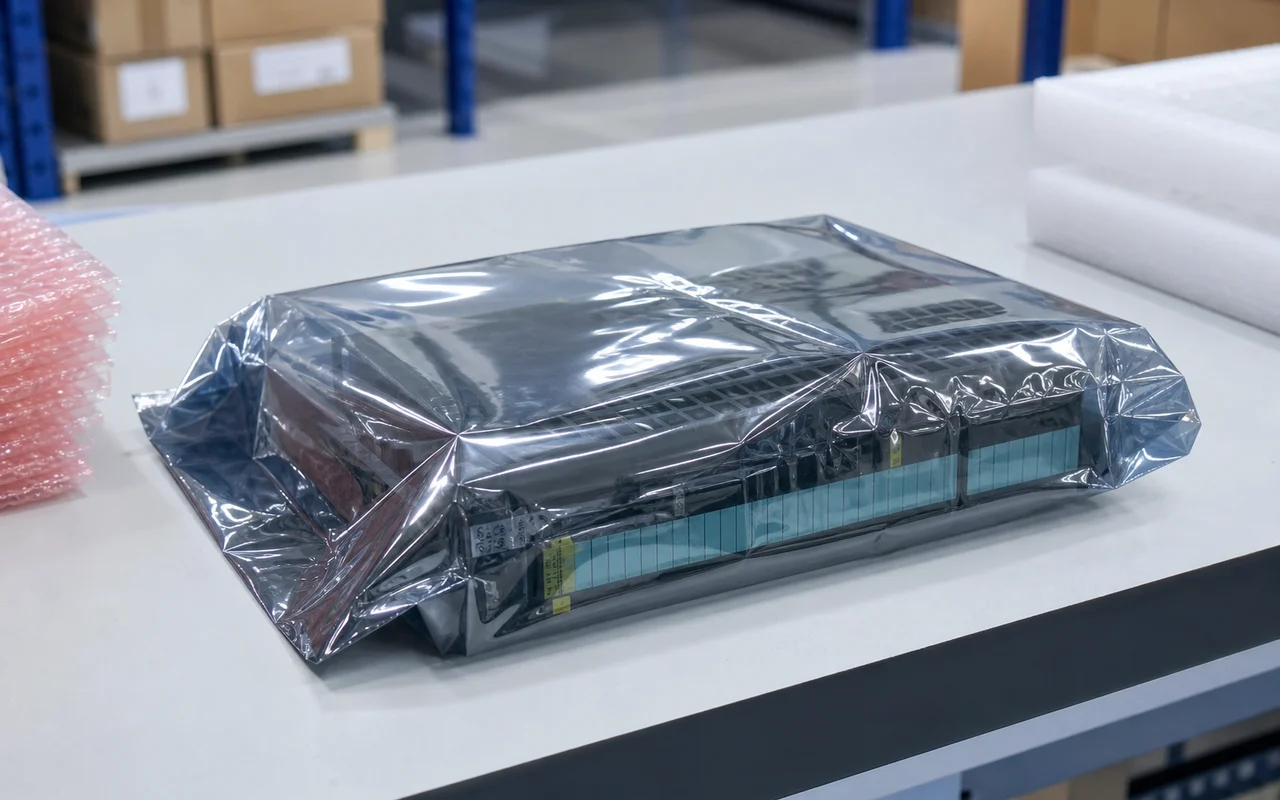 Anti-static Packaging
Modules are packed in anti-static bags to prevent electrostatic damage.
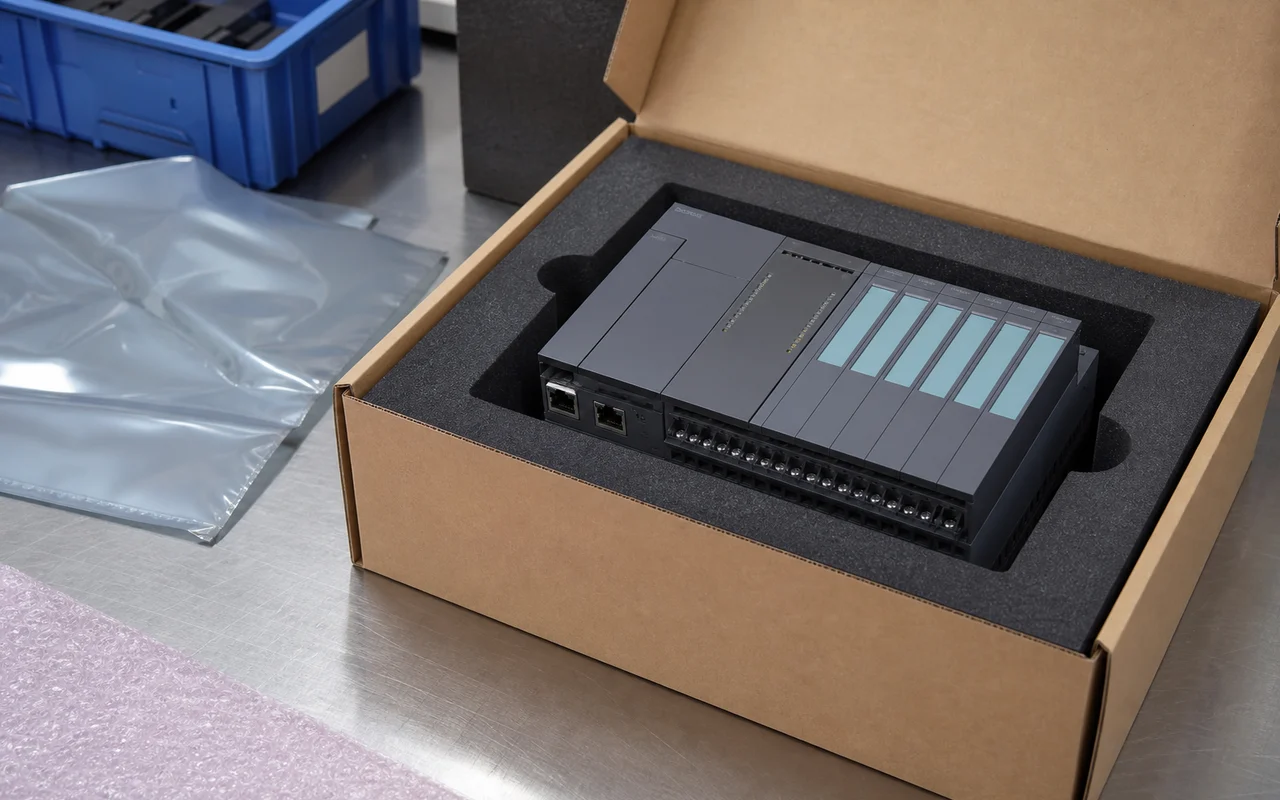 Secure Export Packing
Cushion protection and strong cartons ensure safe transportation.
 Worldwide Shipping
Global logistics network supports air, sea and express delivery.
 Documentation Check
Part number, revision and compatibility verified before shipment.
 After-sales Support
Professional technical support to help resolve your issues.