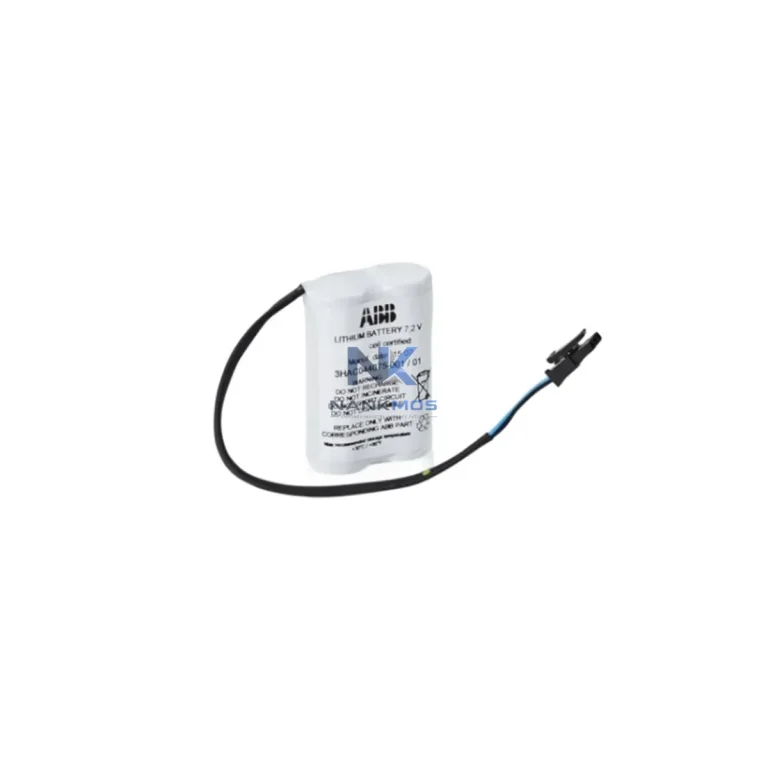
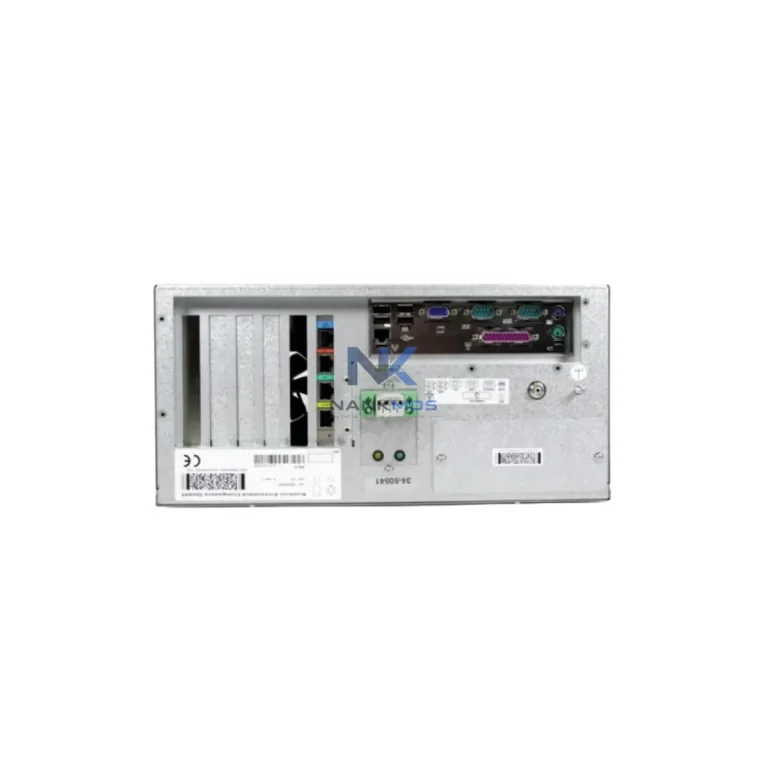
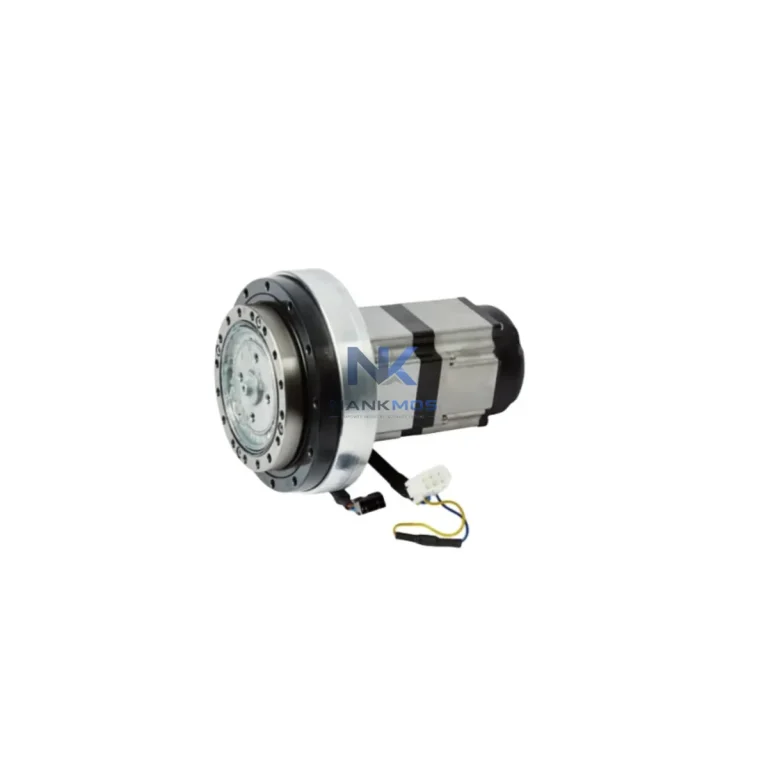
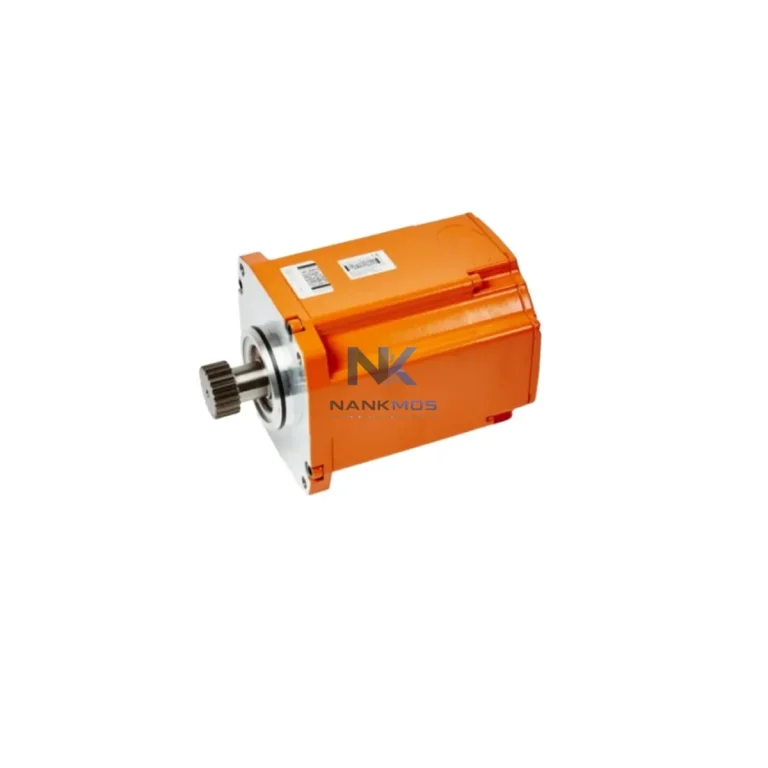
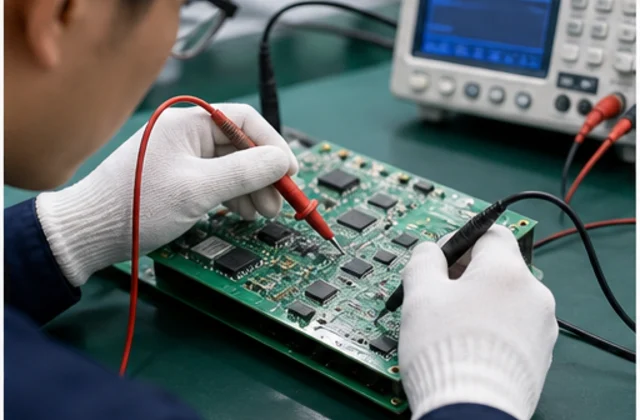
 Functional Inspection
100% tested on professional platforms to ensure stable performance.
ABB SNAT609TAI SNAT 609 TAI is a NANKMOS industrial automation product record Listed under ACS600 Series series and Drives. Confirm condition, availability, lead time, compatibility and documentation by email inquiry.
Brand names are used for identification only.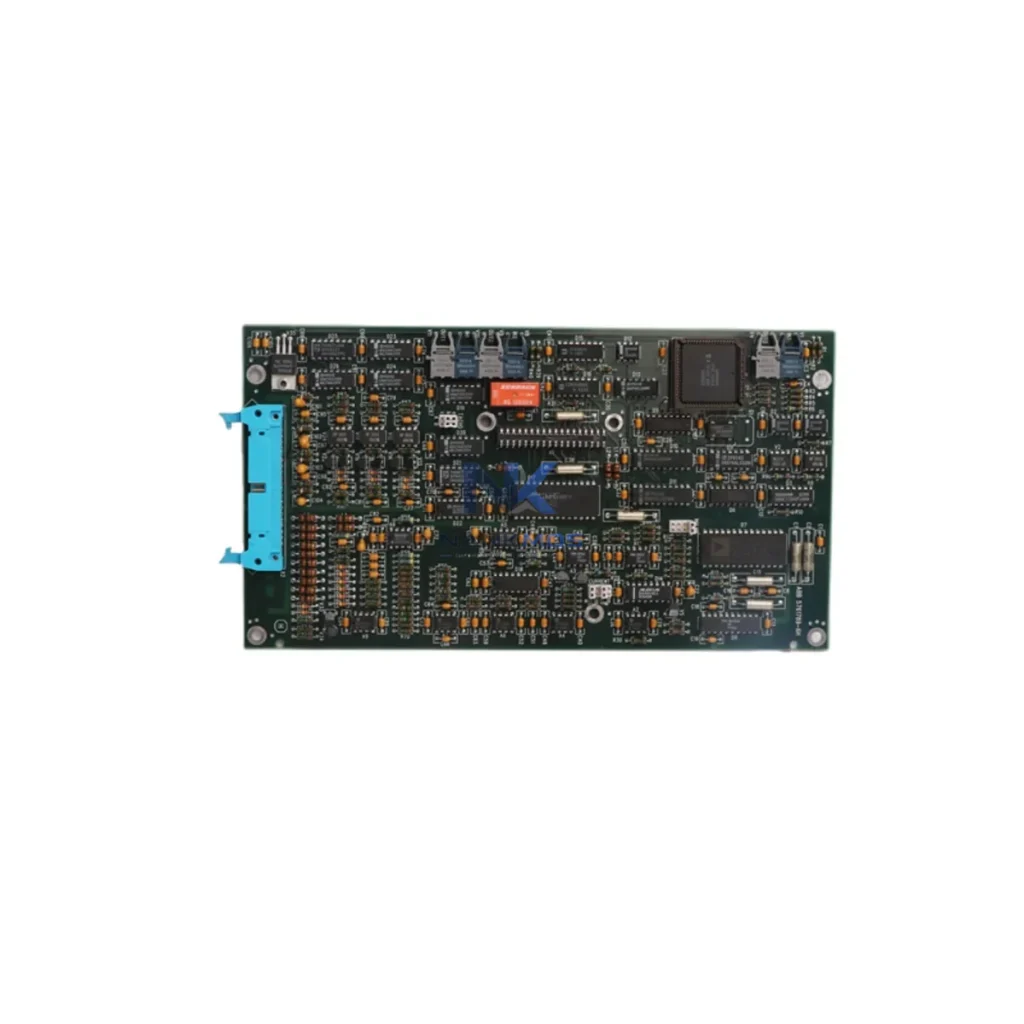
ABB SNAT609TAI SNAT 609 TAI is a NANKMOS industrial automation product record Listed under ACS600 Series series and Drives. Confirm condition, availability, lead time, compatibility and documentation by email inquiry.
| Manufacturer | ABB |
|---|---|
| Application | Motion Control & Drive System |
| Part Number / Model | SNAT609TAI SNAT 609 TAI |
| Compatible System | ACS600 Series |
| Series | ACS600 Series |
| Condition Options | To Confirm |
| Module Type | Servo / Drive Module |
| Warranty | 12 Months |
| Packaging | Anti-static Bag / Secure Box |
| Shipping Methods | DHL / FedEx / UPS / Air / Sea |
| Availability | To Confirm |
| Lead Time | To Confirm |
| Documentation | Part number and revision checked before quote |
The ABB SNAT609TAI is a precision-engineered inverter control board designed for the ACS600 series of AC drives, delivering robust network connectivity and real-time data exchange across the full spectrum of smart factory automation architectures. As industrial facilities transition toward data-driven production environments, the SNAT609TAI serves as a critical node in the plant-wide communication fabric — bridging field-level drive intelligence with supervisory control systems, edge computing platforms, and enterprise data layers. Its role extends far beyond motor control: it is a live data source, a protocol gateway, and a diagnostic endpoint embedded directly within the drive hardware.
In modern automation sites, the ACS600 drive equipped with the SNAT609TAI control board participates actively in the plant data loop. Signals originating from process sensors — pressure transmitters, flow meters, temperature probes — are conditioned at the field level and fed into the drive's control logic. The SNAT609TAI processes these inputs in real time, executing speed, torque, and flux control algorithms while simultaneously making drive state data available to upstream systems via the DDCS (Distributed Drives Communication System) fiber-optic link. This high-speed, noise-immune communication channel connects the ACS600 to ABB's NDBU-95 branching unit or directly to a master controller, enabling deterministic data transfer in electrically harsh industrial environments.
For sites running mixed-protocol architectures, the SNAT609TAI supports fieldbus adapter modules — including the NPBA-12 Profibus-DP adapter, the NIBA-01 InterBus adapter, and the NMBA-01 Modbus adapter — that mount directly onto the drive's option slot. This modularity allows the ACS600 to participate in Profibus, Modbus RTU, DeviceNet, or CANopen networks without requiring external protocol converters or additional gateway hardware. The result is a leaner network topology with fewer failure points and lower latency between the drive and the SCADA or DCS layer.
Integration with HMI and SCADA platforms is a core strength of the SNAT609TAI-equipped ACS600. Drive parameters — output frequency, motor current, DC bus voltage, fault codes, and run-hour counters — are continuously polled by supervisory systems such as ABB System 800xA, Siemens WinCC, or Ignition SCADA. Operators gain live visibility into drive performance from centralized control rooms, with alarm thresholds configured to trigger notifications the moment a parameter drifts outside acceptable bounds. This closed-loop feedback architecture eliminates the blind spots that historically made drive faults difficult to diagnose before they escalated into unplanned downtime.
Remote diagnostics represent one of the most operationally significant capabilities enabled by the SNAT609TAI. Maintenance engineers can interrogate the drive's fault history, parameter sets, and I/O status from remote terminals without physical access to the switchgear room. When integrated with an edge gateway — such as the ABB Ability Edge or a third-party IIoT gateway running OPC-UA — the ACS600 becomes a data-publishing endpoint on the plant network, streaming time-stamped drive telemetry to cloud analytics platforms or on-premise historians. This data feeds predictive maintenance models that correlate drive thermal trends, vibration signatures from connected motor sensors, and load cycle patterns to forecast bearing wear or insulation degradation weeks before failure.
The SNAT609TAI also plays a key role in coordinating multi-drive systems. In pump stations, compressor banks, or conveyor lines where multiple ACS600 units operate in master-follower or load-sharing configurations, the DDCS link managed by the SNAT609TAI synchronizes torque references and speed setpoints across all drives in the group. This eliminates mechanical stress caused by speed mismatches and ensures balanced load distribution — a requirement in applications such as multi-motor winders, extruder lines, and crane hoisting systems. Companion components such as the RDCO-02 DDCS communication module and the AINT-02 analog interface board extend the system's I/O capacity and communication reach when the application demands it.
Data visualization downstream of the SNAT609TAI is handled by the plant's historian or MES layer. Drive cycle data — start/stop events, energy consumption per production batch, fault event logs — is archived and made available for OEE (Overall Equipment Effectiveness) analysis. Production managers can correlate drive performance data with yield metrics, identifying whether speed deviations or drive faults contributed to quality excursions. This level of transparency is a foundational requirement for ISO 50001 energy management programs and Industry 4.0 digital twin implementations.
System expansion is straightforward with the ACS600 platform. Additional drives can be added to the DDCS ring without reconfiguring the existing network, and the SNAT609TAI's parameter structure is fully compatible with ABB's DriveWindow and DriveStudio commissioning tools, enabling rapid cloning of drive configurations across multiple units. For facilities managing large drive populations, this standardization dramatically reduces commissioning time and ensures configuration consistency across the installed base.
Every SNAT609TAI unit shipped by NANKMOS undergoes pre-shipment functional verification, including power-on testing, communication interface checks, and parameter memory validation. Stock is maintained on-hand for immediate dispatch, supporting both planned maintenance schedules and emergency replacement scenarios. All units are covered by a 12-month warranty from the date of shipment, with technical support available for installation guidance, parameter configuration, and fault diagnosis.
A typical smart factory data flow built around the SNAT609TAI begins at the field device layer. Process sensors — including ABB's own 266 series pressure transmitters and TSP series temperature sensors — deliver analog 4–20 mA or digital signals to the ACS600's I/O terminals, where the SNAT609TAI's onboard analog interface conditions and scales these inputs for the drive's control algorithm. Simultaneously, a remote I/O module such as the ABB CI854 S800 I/O station aggregates additional field signals and forwards them via Profibus-DP to the drive network, where the ACS600 acts as a Profibus slave device through its NPBA-12 adapter.
At the control layer, a Siemens S7-400 PLC or ABB AC500 PLC serves as the Profibus master, issuing speed and torque references to the ACS600 while reading back actual values, fault status, and energy counters. The PLC's program logic uses these real-time drive values to implement cascade control loops — for example, adjusting pump speed in response to pressure feedback from the process sensor network. The SNAT609TAI ensures that drive response to PLC commands occurs within the deterministic cycle time required for closed-loop process control.
Above the PLC layer, a SCADA server running ABB System 800xA or Wonderware InTouch collects drive data via OPC-DA or OPC-UA from the PLC's communication processor. Drive parameters are mapped to SCADA tags, enabling operators to monitor motor load, output frequency, and fault history on graphical HMI screens. An industrial Ethernet switch — such as the Hirschmann RS20 or Moxa EDS-308 — provides the Layer 2 network infrastructure connecting PLCs, SCADA servers, and engineering workstations within the control network segment.
For remote access and diagnostics, an edge gateway running an IIoT middleware stack — such as the Kepware KEPServerEX OPC aggregator or an AWS IoT Greengrass edge node — subscribes to drive data tags and publishes time-series telemetry to a cloud historian or on-premise OSIsoft PI server. Maintenance engineers accessing the system remotely can review the ACS600's fault log, trending data, and energy consumption reports without entering the plant floor. When a fault event occurs, the SNAT609TAI's fault code is captured by the SCADA alarm manager, timestamped, and routed to the maintenance team's mobile notification system — closing the loop between field event and corrective action in near real time.
Many industrial sites operating legacy drive infrastructure face a common set of data challenges: protocol fragmentation across different vendor systems, isolated drive data that never reaches the SCADA layer, and reactive maintenance practices driven by the absence of real-time diagnostics. The SNAT609TAI addresses these gaps directly.
Protocol Fragmentation: Sites running mixed Profibus, Modbus, and DeviceNet networks can standardize ACS600 drive communication by selecting the appropriate fieldbus adapter for each network segment. The SNAT609TAI's modular architecture means a single drive model can participate in multiple protocol environments without hardware redesign, reducing the number of unique spare parts that must be stocked.
Data Silos: Drive data that previously existed only within the drive's local parameter memory is now continuously published to the plant historian via the DDCS-to-OPC-UA pathway. Production engineers gain access to drive cycle data, energy consumption trends, and fault histories that were previously invisible to the MES and ERP layers — enabling data-driven decisions about maintenance scheduling, energy optimization, and production planning.
Remote Monitoring Gaps: In facilities with distributed drive installations — pump stations, remote compressor buildings, or offshore platforms — the SNAT609TAI's network connectivity eliminates the need for on-site inspection to assess drive health. Remote diagnostic sessions via the SCADA or edge gateway provide the same visibility as a local DriveWindow connection, reducing travel costs and response times for maintenance events.
Production Line Transparency: By integrating ACS600 drive data into the plant's OEE dashboard, production managers can correlate drive performance with line throughput, identifying whether speed deviations or drive faults contributed to production losses. This transparency supports continuous improvement programs and provides the audit trail required for quality management system compliance.
Alarm Tracking and System Expansion: The SNAT609TAI's fault code structure maps directly to SCADA alarm categories, enabling systematic alarm rationalization and root-cause analysis. As production capacity expands, additional ACS600 drives can be added to the DDCS ring without disrupting the existing network, and their configurations can be cloned from the master drive using ABB DriveStudio — ensuring consistency and reducing commissioning risk.
Q: What is the communication latency of the DDCS fiber-optic link used by the SNAT609TAI?A: The DDCS link operates at 4 Mbit/s with a cycle time of 2 ms in a standard ring configuration, providing deterministic, low-latency communication suitable for closed-loop drive control and real-time SCADA data acquisition. Fiber-optic transmission eliminates electromagnetic interference from the drive's power electronics, ensuring signal integrity in high-noise switchgear environments.
Q: Is the SNAT609TAI compatible with both Profibus-DP and Modbus RTU networks simultaneously?A: The ACS600 supports one fieldbus adapter at a time in its option slot, so Profibus-DP and Modbus RTU cannot be active simultaneously on the same drive. However, the DDCS link remains active regardless of the fieldbus adapter installed, allowing the drive to communicate with an ABB master controller via DDCS while also participating in a Profibus or Modbus network segment.
Q: How is network stability maintained in multi-drive DDCS ring configurations?A: The DDCS ring topology provides inherent redundancy — if a single fiber link is interrupted, the ring can reconfigure to maintain communication with all remaining drives. The NDBU-95 branching unit manages ring topology and provides diagnostic LEDs for link status monitoring. Drive-level communication faults are reported as fault codes via the SNAT609TAI and propagated to the SCADA alarm system for immediate operator notification.
Q: What warranty and pre-shipment testing does NANKMOS provide for the SNAT609TAI?A: Every SNAT609TAI unit is subject to pre-shipment functional verification including power-on testing, communication interface validation, and parameter memory integrity checks. Units are shipped with a 12-month warranty from the date of shipment. NANKMOS maintains on-hand stock for immediate dispatch, supporting both planned maintenance replacements and emergency procurement scenarios. Technical support is available for installation, commissioning, and fault diagnosis throughout the warranty period.
Functional Inspection100% tested on professional platforms to ensure stable performance.
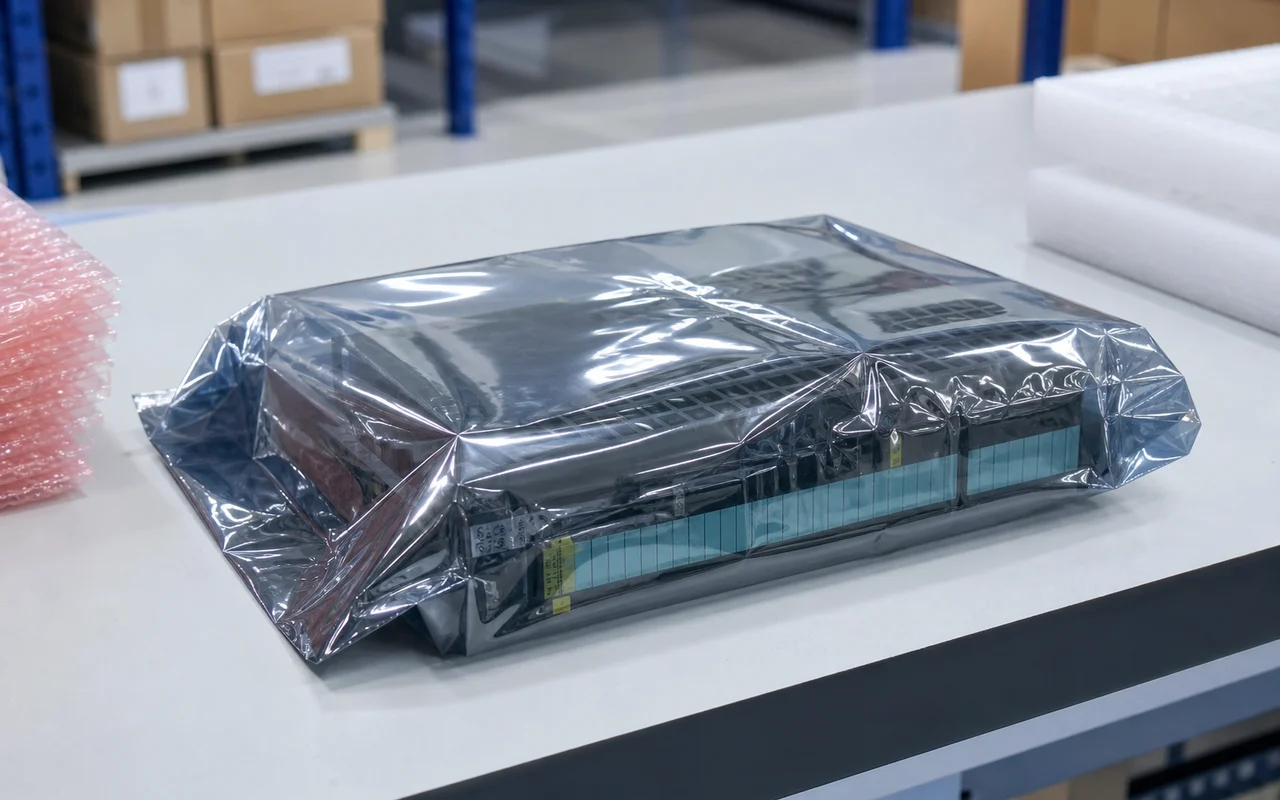 Anti-static Packaging
Modules are packed in anti-static bags to prevent electrostatic damage.
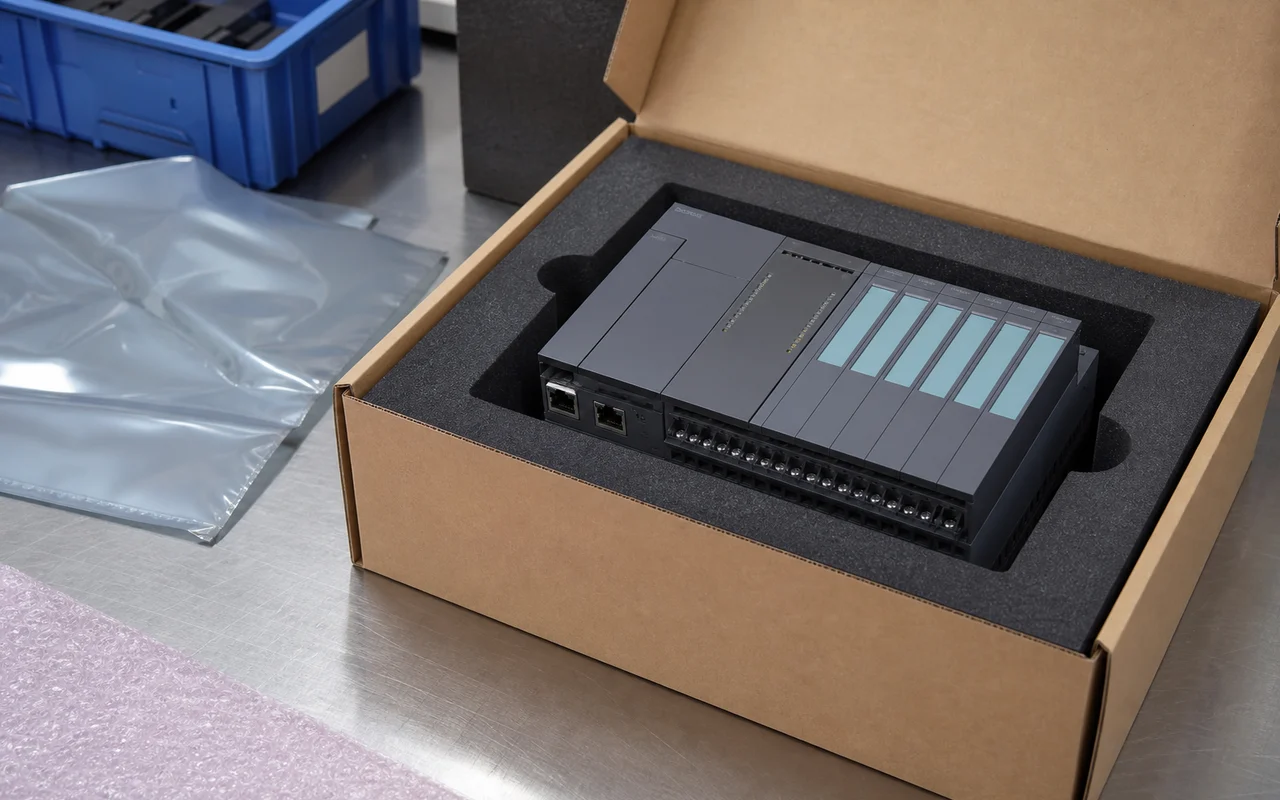 Secure Export Packing
Cushion protection and strong cartons ensure safe transportation.
 Worldwide Shipping
Global logistics network supports air, sea and express delivery.
 Documentation Check
Part number, revision and compatibility verified before shipment.
 After-sales Support
Professional technical support to help resolve your issues.