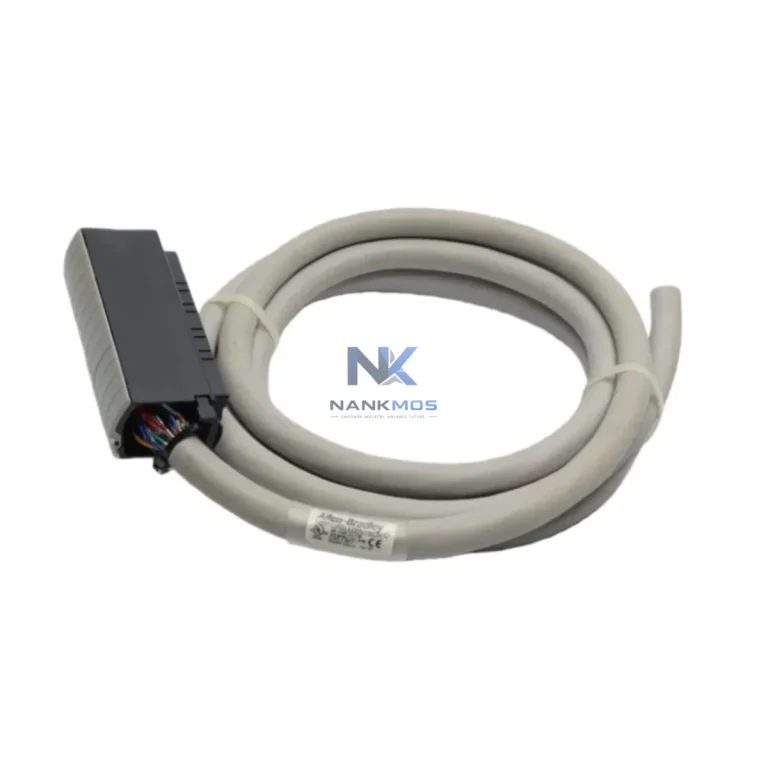
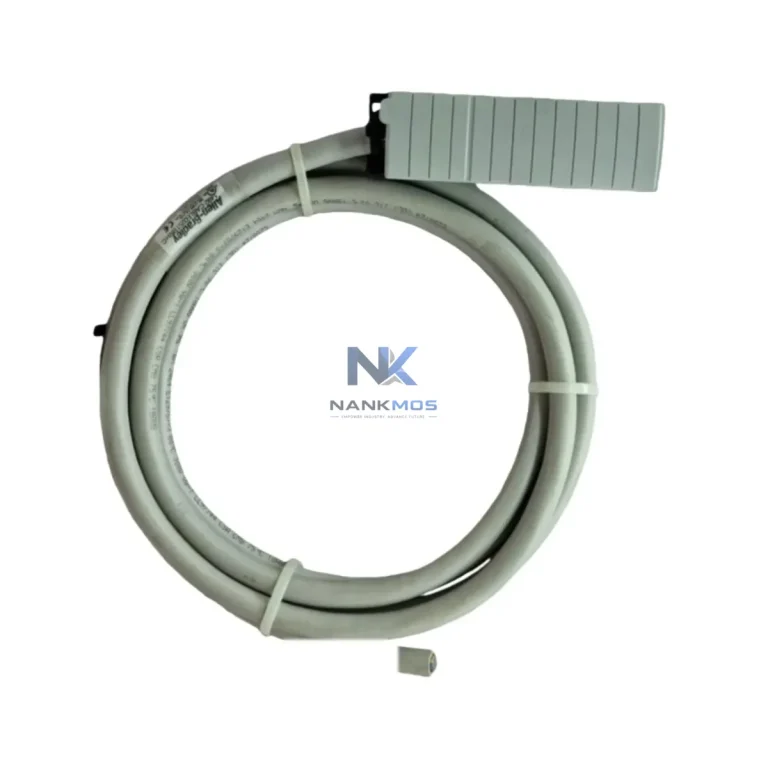
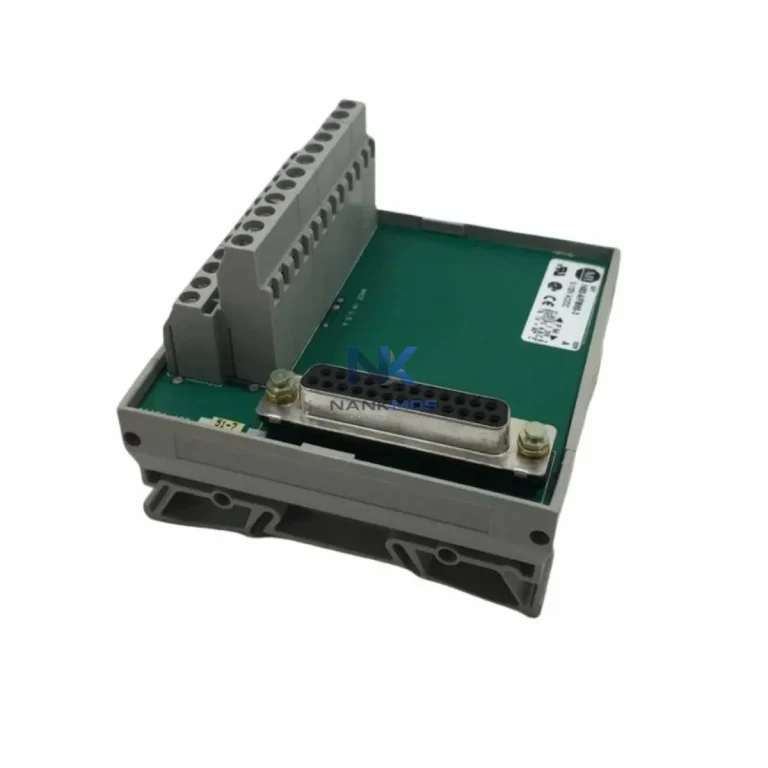
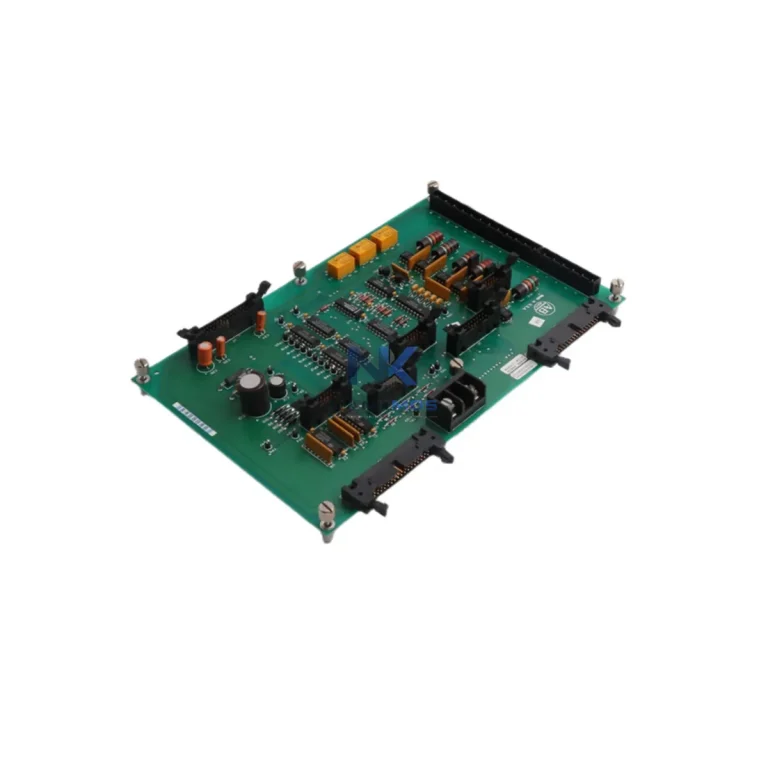
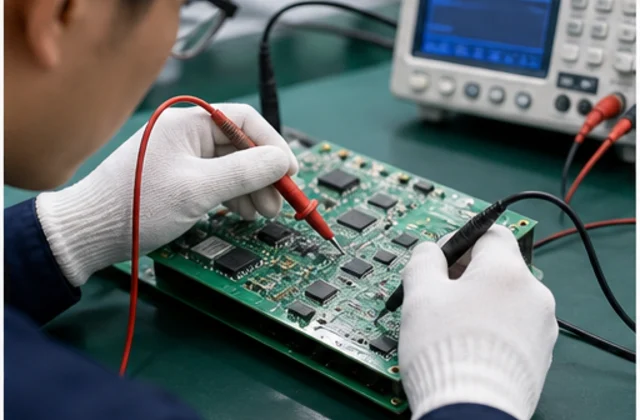
 Functional Inspection
100% tested on professional platforms to ensure stable performance.
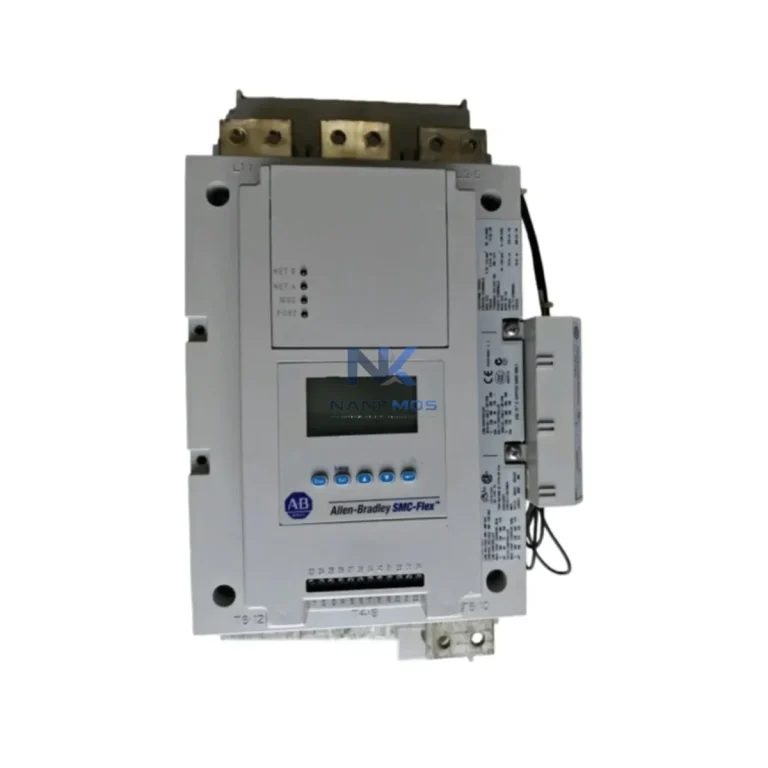
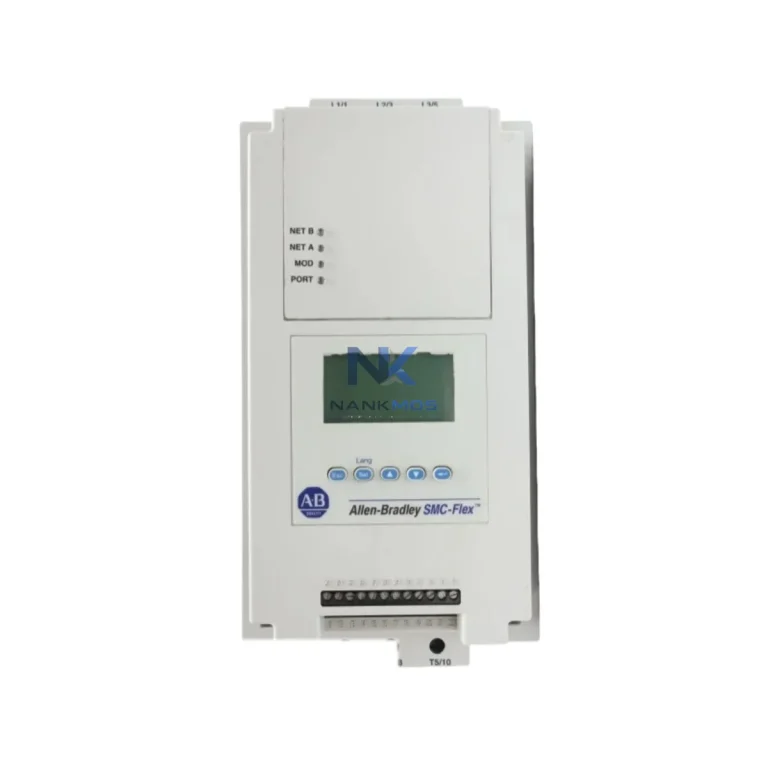
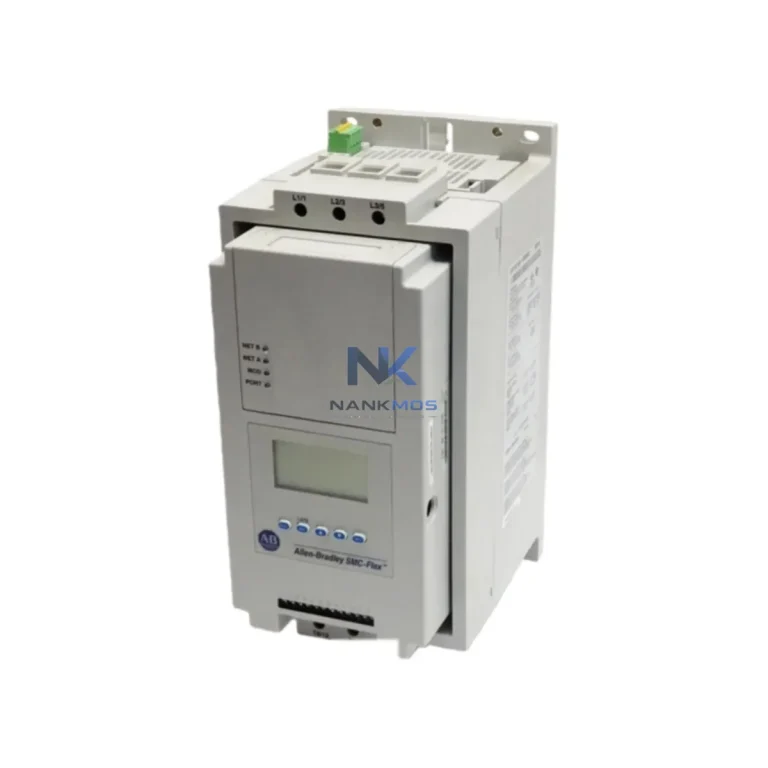
Allen-Bradley 150-C43NBD is a NANKMOS industrial automation product record Listed under SMC-3 series and Business & Industrial > Automation, Control & Flow Devices > Programmable Logic Controllers. Confirm condition, availability, lead time, compatibility and documentation by email inquiry.
Brand names are used for identification only.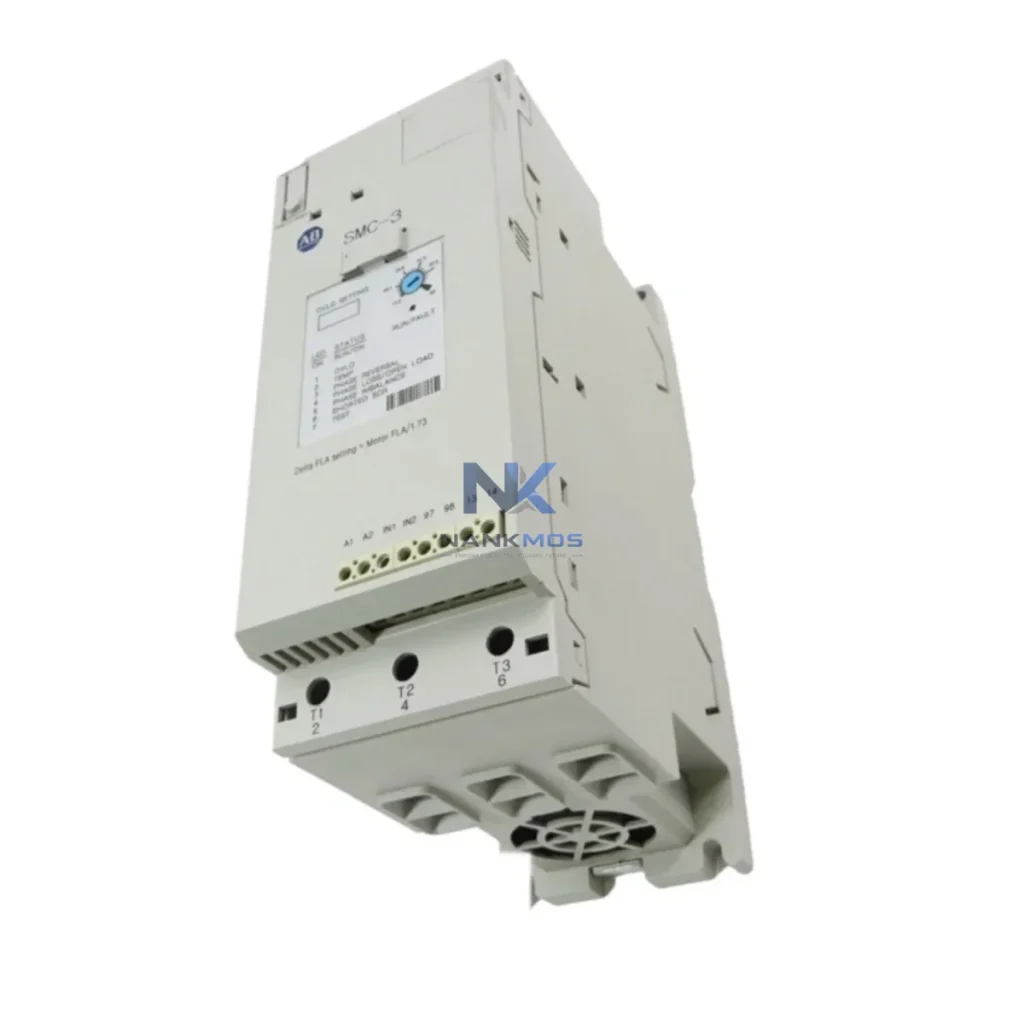
Allen-Bradley 150-C43NBD is a NANKMOS industrial automation product record Listed under SMC-3 series and Business & Industrial > Automation, Control & Flow Devices > Programmable Logic Controllers. Confirm condition, availability, lead time, compatibility and documentation by email inquiry.
| Manufacturer | Allen-Bradley |
|---|---|
| Application | Controller Processing & System Control |
| Part Number / Model | 150-C43NBD |
| Compatible System | SMC-3 |
| Series | SMC-3 |
| Condition Options | To Confirm |
| Module Type | Controller / CPU Module |
| Warranty | 12 Months |
| Packaging | Anti-static Bag / Secure Box |
| Shipping Methods | DHL / FedEx / UPS / Air / Sea |
| Availability | To Confirm |
| Lead Time | To Confirm |
| Documentation | Part number and revision checked before quote |
The Allen-Bradley 150-C43NBD is a high-performance SMC-3 Smart Motor Controller engineered to deliver precise energy control, soft-start protection, and load-adaptive motor management for demanding industrial environments. Designed for integration into modern smart production lines, this unit reduces inrush current, minimizes thermal stress on motor windings, and enables real-time load monitoring — all of which translate directly into measurable reductions in energy consumption and operational downtime. With a rated current capacity of 43A and compatibility with three-phase AC motors, the 150-C43NBD is a cornerstone component for factories pursuing energy efficiency, predictive maintenance, and production line optimization.
In a fully integrated smart factory, the Allen-Bradley 150-C43NBD SMC-3 does not operate in isolation — it functions as a critical node within a layered energy and control architecture. When paired with an Allen-Bradley ControlLogix L7x PLC, the SMC-3 receives start/stop commands and status feedback via DeviceNet or EtherNet/IP, enabling the controller to participate in coordinated production sequences without manual intervention. The PLC's ladder logic can dynamically adjust the soft-start ramp profile based on load conditions reported by the 150-C43NBD, ensuring that motor acceleration is always matched to actual mechanical demand rather than fixed parameters.
For lines where variable-speed operation is required alongside soft-start protection, the 150-C43NBD is frequently deployed in tandem with Allen-Bradley PowerFlex 525 or PowerFlex 755 variable frequency drives. While the VFD governs continuous speed regulation, the SMC-3 handles the critical start-stop transition phase, preventing voltage sags that would otherwise propagate through the facility's power distribution network and affect adjacent equipment. This division of responsibility between the SMC-3 and the PowerFlex drive family significantly reduces reactive power demand during motor startup — a key metric in industrial energy audits.
Power quality monitoring is handled upstream by Allen-Bradley PowerMonitor 5000 power measurement units, which track real-time kW, kVAR, power factor, and harmonic distortion across the motor control center (MCC). Data from the PowerMonitor 5000 feeds into the facility's SCADA system — typically Rockwell's FactoryTalk View SE — where energy consumption trends are visualized and alarm thresholds are configured. When the 150-C43NBD reports an overcurrent or thermal overload event, the SCADA system logs the fault, triggers a maintenance notification, and can automatically reroute production to a redundant line segment, minimizing unplanned downtime.
On the I/O layer, Allen-Bradley 1734 POINT I/O modules collect discrete and analog signals from motor-side sensors — including temperature probes, vibration transducers, and current transformers — and relay this data to the CompactLogix controller managing the motor control center. This sensor-to-controller feedback loop enables the 150-C43NBD to operate within a predictive maintenance framework: abnormal vibration signatures or rising winding temperatures trigger pre-emptive maintenance alerts before a failure occurs, avoiding the energy waste and production loss associated with unplanned stops.
Operator interaction is managed through Allen-Bradley PanelView Plus 7 HMI terminals, which display real-time motor status, energy consumption per shift, and fault history for each SMC-3 unit on the line. Maintenance technicians can adjust soft-start parameters, review historical load curves, and acknowledge faults directly from the HMI without accessing the MCC cabinet — improving both safety and response time. Communication between the HMI, PLC, and the 150-C43NBD network is unified over EtherNet/IP, ensuring deterministic data exchange and eliminating the latency associated with legacy serial protocols.
The primary energy-saving mechanism of the Allen-Bradley 150-C43NBD lies in its ability to control the voltage applied to the motor during the acceleration phase. By ramping voltage gradually rather than applying full line voltage instantaneously, the SMC-3 eliminates the high inrush current spike — typically 6–8 times the motor's full-load amperage — that occurs during direct-on-line starting. This inrush reduction has three compounding benefits: it lowers the peak demand charge on the facility's electricity bill, it reduces the thermal stress on motor windings and contactors (extending their service life), and it prevents voltage dips that can destabilize sensitive equipment elsewhere on the same power bus.
In continuous-process industries such as water treatment, food processing, and chemical manufacturing, where motors run for extended periods at partial load, the 150-C43NBD's energy-saving mode further reduces applied voltage to match actual torque requirements. This adaptive voltage reduction can yield energy savings of 10–25% on lightly loaded motors compared to fixed-voltage operation — savings that accumulate significantly over a three-shift, 24/7 production schedule.
From a production line rhythm (takt time) perspective, the SMC-3's programmable soft-stop function is equally valuable. By decelerating the motor in a controlled ramp rather than allowing it to coast to a stop, the 150-C43NBD reduces mechanical shock on couplings, gearboxes, and conveyor belts. This gentler deceleration profile extends the maintenance interval for mechanical drivetrain components and allows production line designers to set tighter, more predictable cycle times — a prerequisite for lean manufacturing and just-in-time production strategies.
When integrated into a plant-wide energy management system (EMS) aligned with ISO 50001 standards, the 150-C43NBD contributes measurable data points to the facility's energy performance indicators (EnPIs). Each motor's start frequency, running hours, and fault events are logged and made available to the EMS via the FactoryTalk Historian server, enabling energy managers to identify underperforming assets, schedule preventive maintenance during planned downtime windows, and benchmark energy intensity against production output targets.
Every Allen-Bradley 150-C43NBD unit supplied by NANKMOS undergoes pre-shipment functional testing, including soft-start ramp verification, overload relay calibration, and communication protocol handshake confirmation. Units are shipped with original manufacturer documentation and are covered by a 12-month warranty against manufacturing defects. NANKMOS maintains ready stock of the 150-C43NBD and related SMC-3 series components to support urgent MRO (maintenance, repair, and operations) requirements with short lead times.
Q1: How much energy can the Allen-Bradley 150-C43NBD save compared to direct-on-line motor starting? The 150-C43NBD reduces motor inrush current by up to 70% during startup, which lowers peak demand charges and reduces thermal losses in motor windings and supply cables. In applications where motors run at partial load for extended periods, the energy-saving voltage reduction mode can deliver an additional 10–25% reduction in running energy consumption compared to fixed-voltage operation. Actual savings depend on motor size, load profile, and duty cycle.
Q2: Is the 150-C43NBD compatible with Allen-Bradley ControlLogix and CompactLogix PLC platforms? Yes. The SMC-3 series, including the 150-C43NBD, supports DeviceNet and can be integrated with ControlLogix L7x and CompactLogix L3x/L2x controllers using standard Add-On Instructions (AOIs) available from Rockwell Automation's online library. EtherNet/IP connectivity is available with the appropriate communication module, enabling seamless integration into Studio 5000 Logix Designer projects and FactoryTalk View SE SCADA environments.
Q3: Can the 150-C43NBD replace an older SMC-2 or SMC Dialog Plus controller in an existing panel? In most cases, yes. The SMC-3 series was designed with backward compatibility in mind for common MCC footprints. However, wiring configurations, control voltage requirements, and DeviceNet node addressing should be verified against the existing panel drawings before replacement. NANKMOS technical support can assist with cross-reference verification and provide the relevant Rockwell Automation migration guides upon request.
Q4: What does the 12-month warranty cover, and how is the testing process conducted before shipment? The 12-month warranty covers manufacturing defects in materials and workmanship from the date of shipment. Prior to dispatch, each 150-C43NBD unit undergoes a pre-shipment test protocol that includes soft-start ramp function verification, overload relay trip-point calibration, insulation resistance testing, and communication interface confirmation. Test records are available upon request. For warranty claims, NANKMOS provides RMA support and, where stock permits, advance replacement to minimize production downtime.
Functional Inspection100% tested on professional platforms to ensure stable performance.
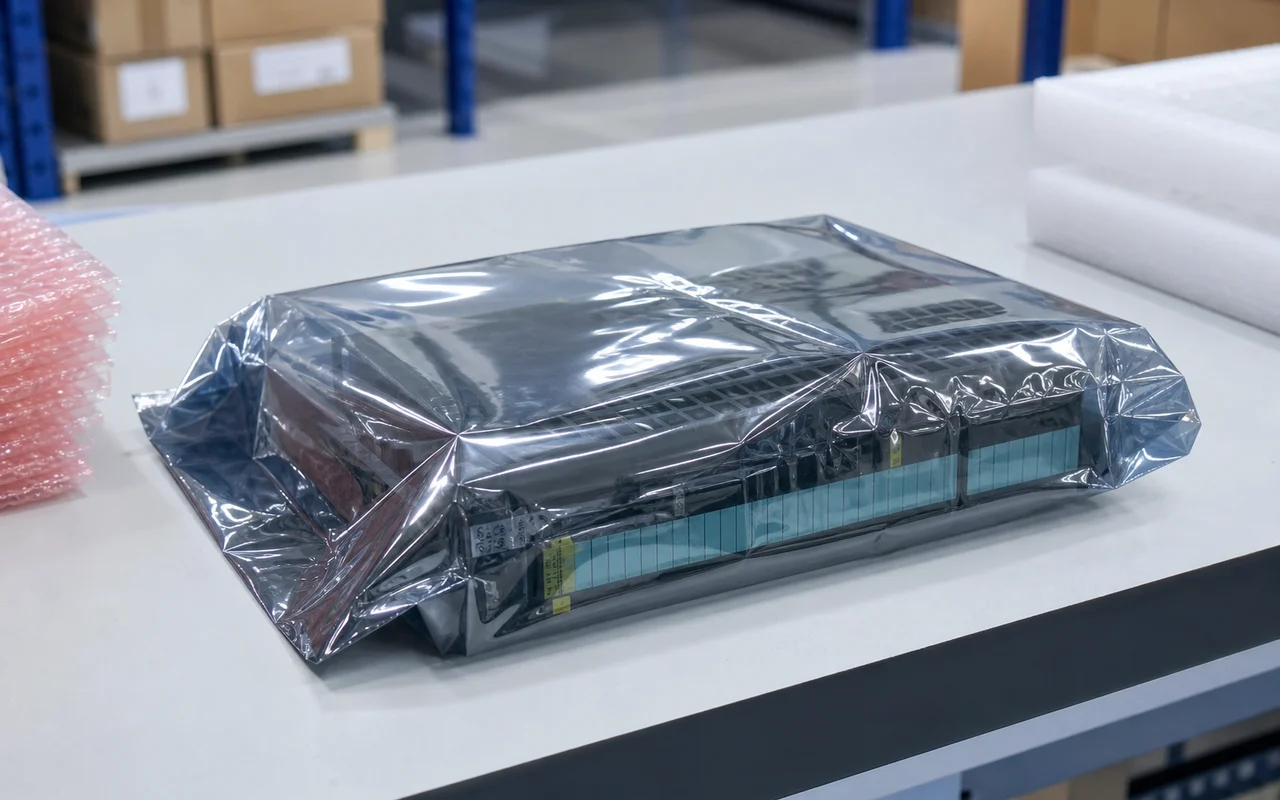 Anti-static Packaging
Modules are packed in anti-static bags to prevent electrostatic damage.
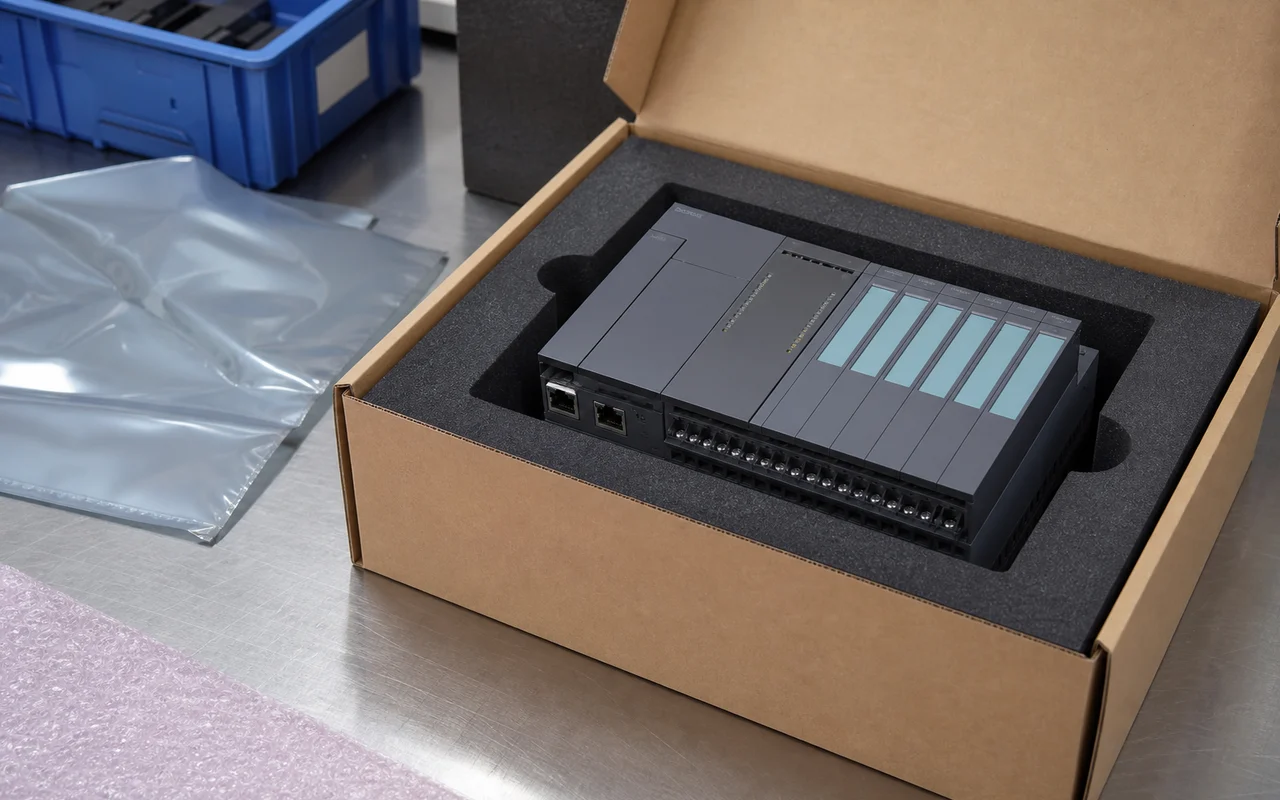 Secure Export Packing
Cushion protection and strong cartons ensure safe transportation.
 Worldwide Shipping
Global logistics network supports air, sea and express delivery.
 Documentation Check
Part number, revision and compatibility verified before shipment.
 After-sales Support
Professional technical support to help resolve your issues.