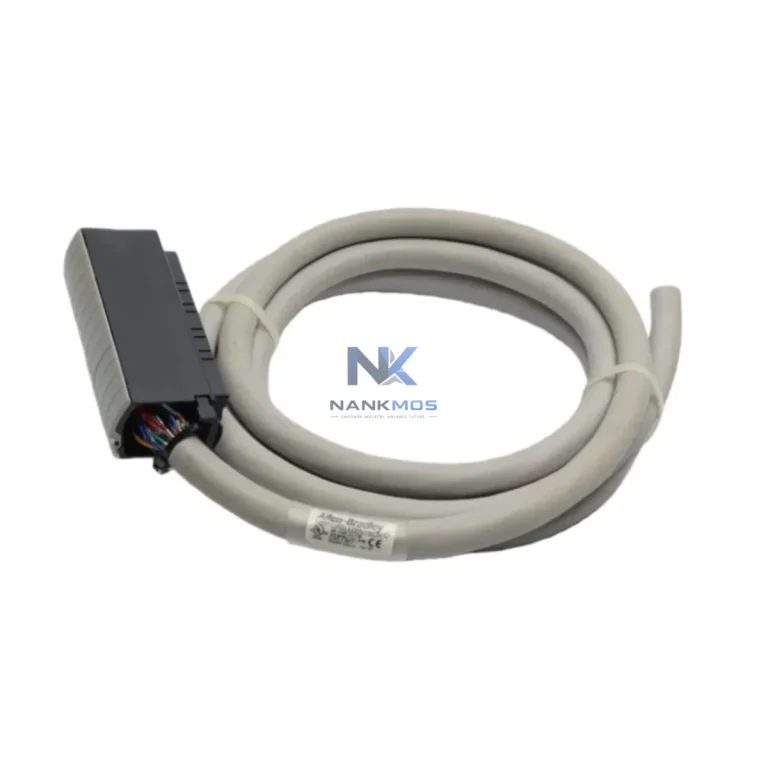
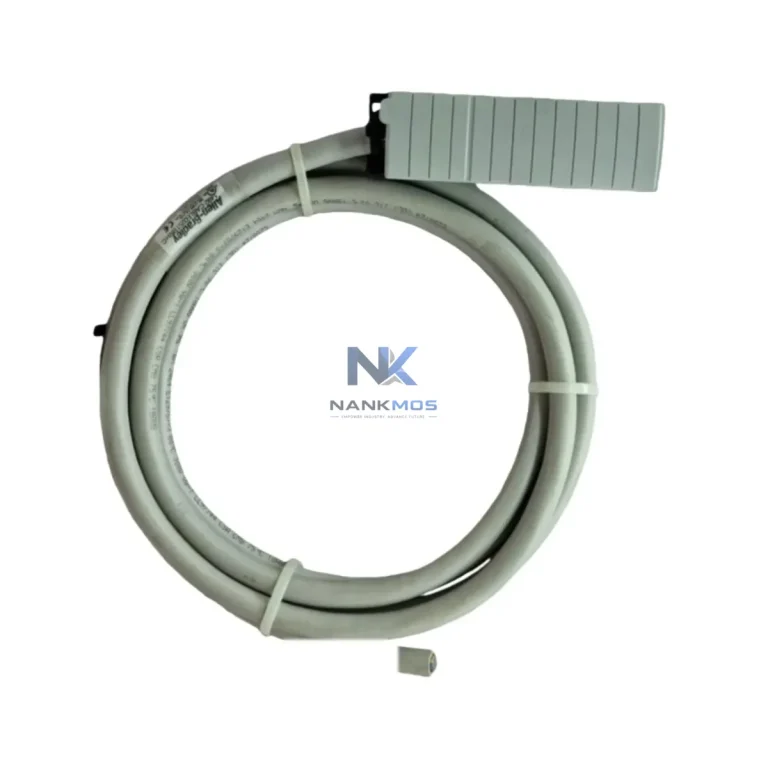
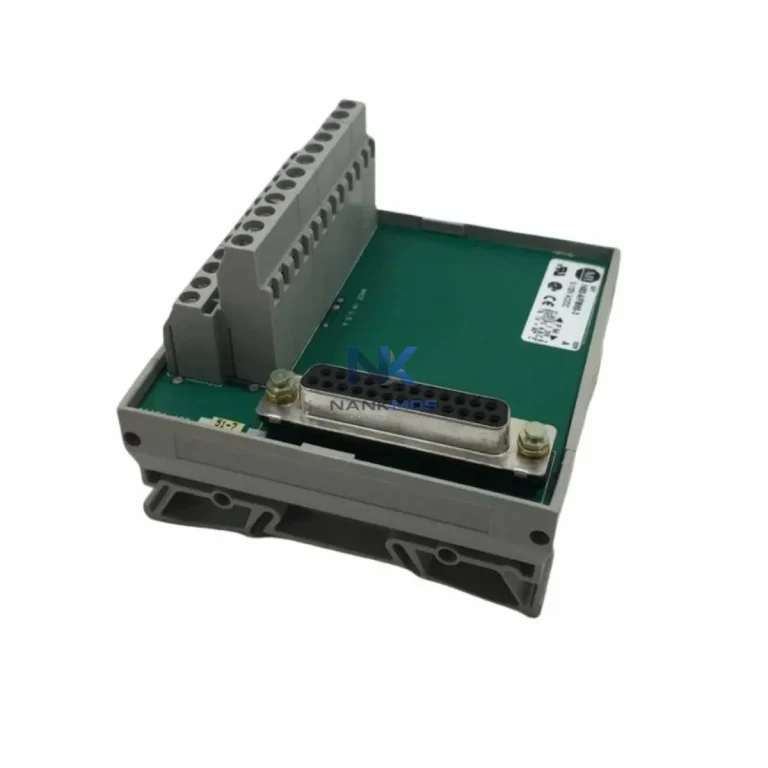
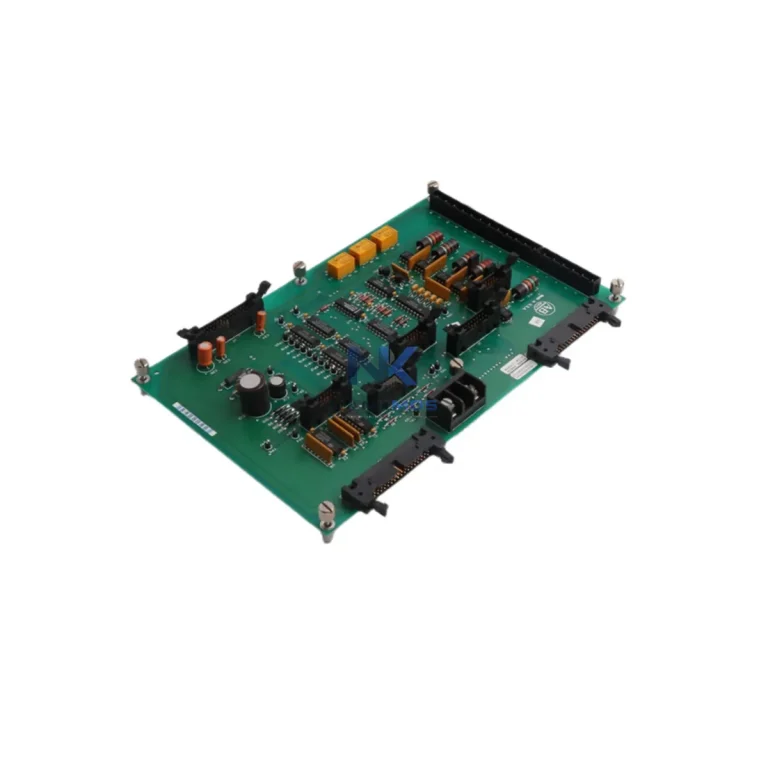
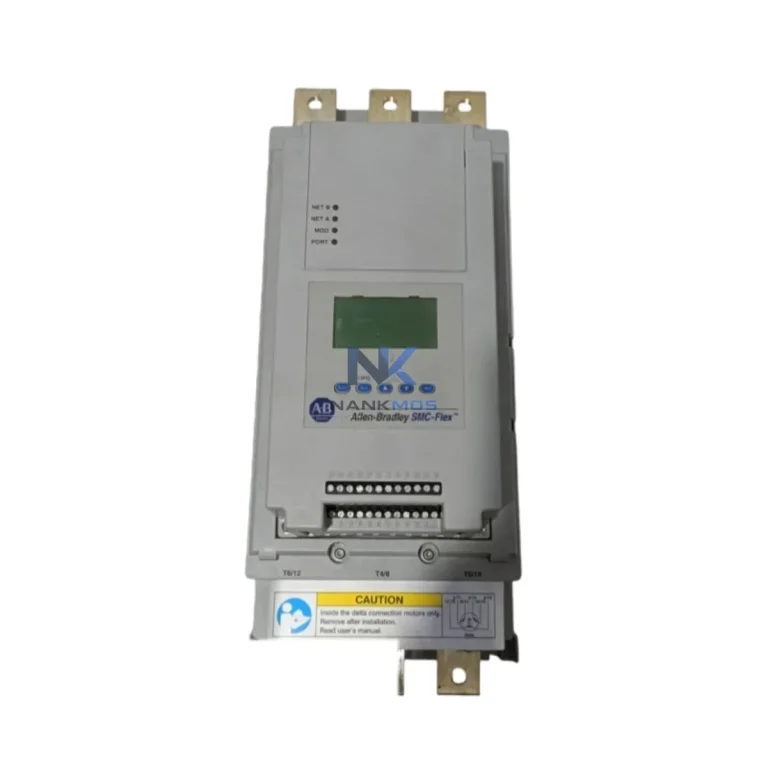
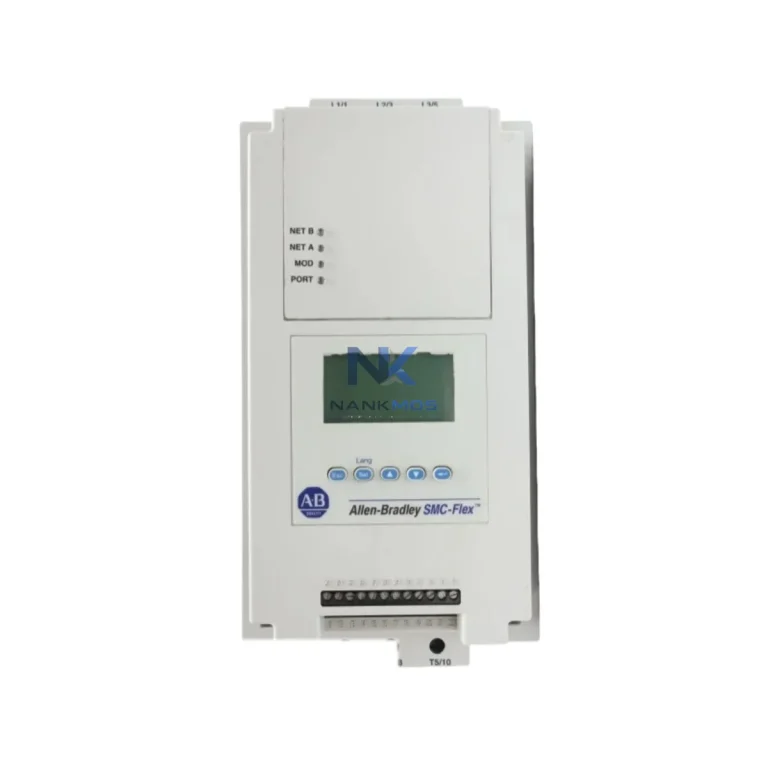
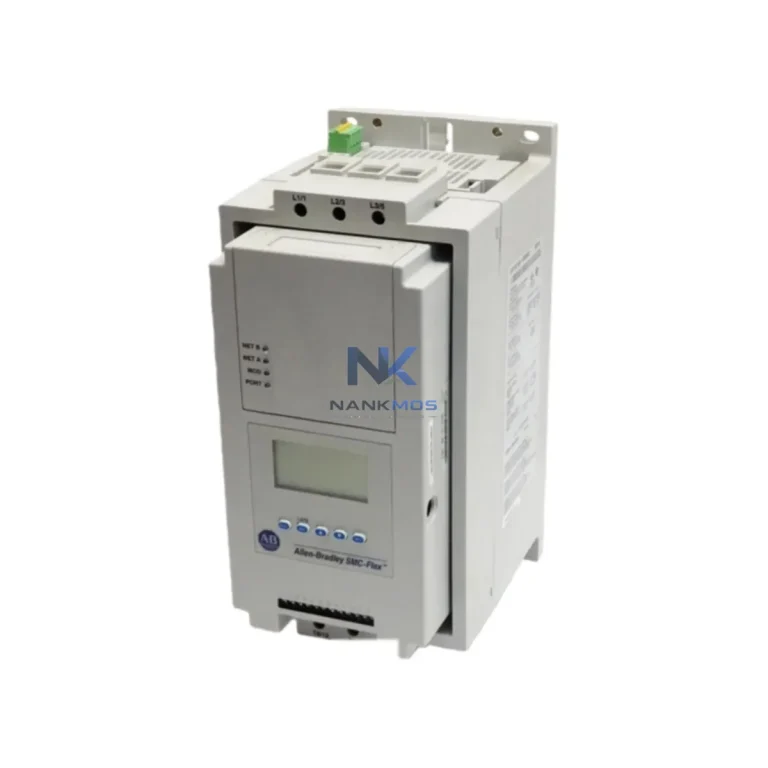
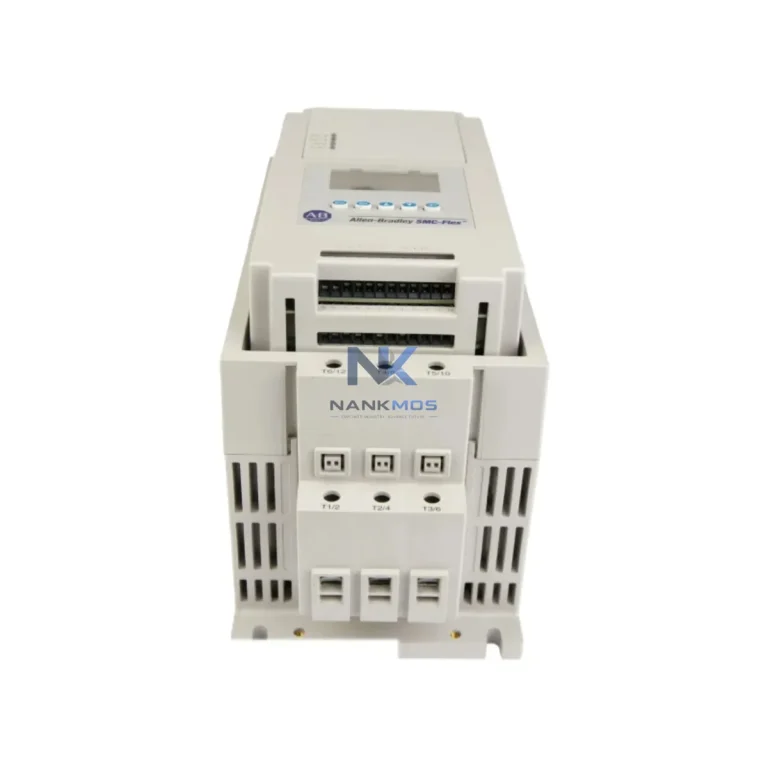
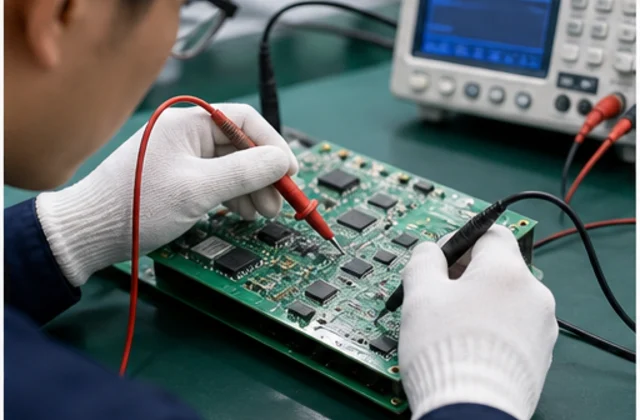
 Functional Inspection
100% tested on professional platforms to ensure stable performance.
Allen-Bradley 1746-IA16 is a NANKMOS industrial automation product record Listed under SLC 500 series and Business & Industrial > Automation, Control & Flow Devices > Programmable Logic Controllers. Confirm condition, availability, lead time, compatibility and documentation by email inquiry.
Brand names are used for identification only.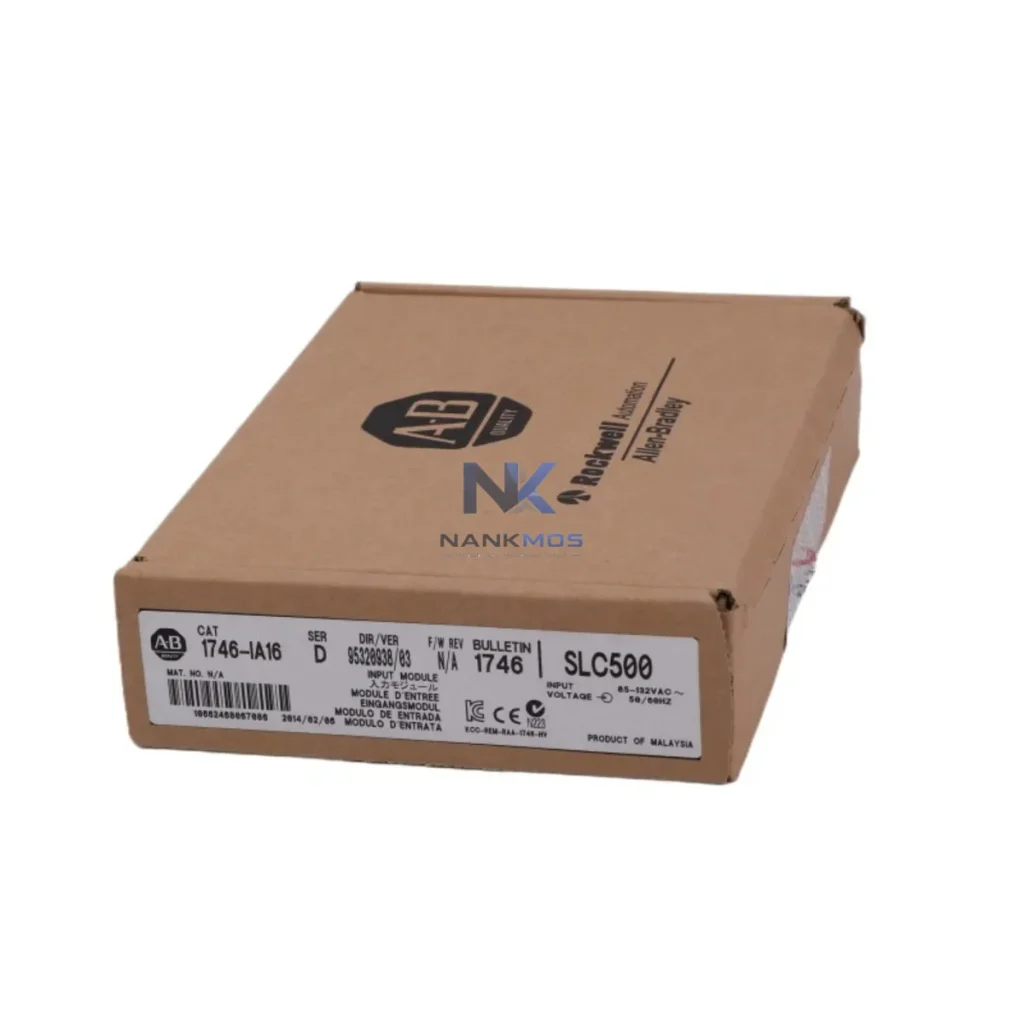
Allen-Bradley 1746-IA16 is a NANKMOS industrial automation product record Listed under SLC 500 series and Business & Industrial > Automation, Control & Flow Devices > Programmable Logic Controllers. Confirm condition, availability, lead time, compatibility and documentation by email inquiry.
| Manufacturer | Allen-Bradley |
|---|---|
| Application | Controller Processing & System Control |
| Part Number / Model | 1746-IA16 |
| Compatible System | SLC 500 |
| Series | SLC 500 |
| Condition Options | To Confirm |
| Module Type | Controller / CPU Module |
| Warranty | 12 Months |
| Packaging | Anti-static Bag / Secure Box |
| Shipping Methods | DHL / FedEx / UPS / Air / Sea |
| Availability | To Confirm |
| Lead Time | To Confirm |
| Documentation | Part number and revision checked before quote |
The Allen-Bradley 1746-IA16 is a 16-point AC digital input module engineered for the SLC 500 programmable controller platform. Designed to operate reliably in demanding industrial environments, this module serves as a critical interface between field-level sensing devices and the control system, enabling precise load monitoring, energy-aware signal acquisition, and real-time device status feedback across production lines. By accurately capturing AC input signals from sensors, limit switches, push buttons, and field instruments, the 1746-IA16 ensures that the SLC 500 CPU receives clean, debounced data to drive energy-efficient control decisions — reducing unnecessary actuator cycling, minimizing idle-state energy draw, and supporting tighter production scheduling.
In modern energy-conscious manufacturing facilities, every input signal carries operational significance. The 1746-IA16 supports 85–265V AC input voltage across all 16 channels, making it compatible with a wide range of field devices without requiring additional signal conditioning hardware. Its high input density reduces the number of modules required per rack, lowering overall panel footprint, heat generation, and power consumption within the SLC 500 chassis. When paired with the 1746-P4 or 1746-P7 power supply modules, the system maintains stable backplane power distribution even under full-channel load, contributing to predictable thermal management and reduced cooling overhead in the control cabinet.
The 1746-IA16 integrates seamlessly into energy monitoring architectures when used alongside power measurement devices such as the PowerMonitor 500 or PowerMonitor 1000 series. These power monitoring modules, connected via the SLC 500 backplane or DH-485 network, provide real-time kW, kVAR, and power factor data that the SLC 500 processor can use to implement demand-side load management strategies. By correlating input states from the 1746-IA16 with power consumption data, plant engineers can identify energy-intensive equipment cycles, schedule high-load operations during off-peak tariff windows, and implement load-shedding logic that reduces peak demand charges without disrupting production throughput.
The 1746-IA16 is most effective when deployed as part of a coordinated, energy-aware automation architecture. In a typical SLC 500-based control panel, the module occupies a standard I/O slot and communicates directly with the SLC 5/04 or SLC 5/05 processor over the backplane. The processor executes ladder logic routines in RSLogix 500 that evaluate input states from the 1746-IA16 to control output devices via companion modules such as the 1746-OA16 AC output module or the 1746-OB16 DC output module, ensuring that actuators and contactors are energized only when process conditions genuinely require it — eliminating unnecessary hold-in currents and reducing reactive power losses.
For motor-driven applications, the 1746-IA16 provides run-permissive and fault-feedback signals from motor protection relays and thermal overloads back to the SLC 500 CPU. This data feeds into interlocking logic that prevents motors from restarting under fault conditions, protecting both equipment and energy budgets. When integrated with a PowerFlex 40 or PowerFlex 70 variable frequency drive via the 1747-SDN DeviceNet Scanner module, the SLC 500 can dynamically adjust motor speed setpoints based on process demand signals captured through the 1746-IA16, delivering significant energy savings compared to fixed-speed motor operation — particularly in pump, fan, and compressor applications where affinity laws apply.
In facilities running SCADA systems such as FactoryTalk View SE or Ignition, the SLC 5/05 processor's built-in Ethernet port enables direct OPC-UA or EtherNet/IP communication, making all 1746-IA16 input states available to the SCADA historian for trend analysis, energy reporting, and predictive maintenance dashboards. Operators can monitor equipment run-hours, cycle counts, and input transition frequencies to identify wear patterns before failures occur, reducing unplanned downtime and the associated energy waste of emergency restarts and production catch-up cycles. The 1747-L553 SLC 5/05 processor, for example, supports up to 4,096 I/O points and provides the processing headroom needed to run complex energy management routines alongside standard machine control logic.
For distributed I/O architectures, the 1746-IA16 can be deployed in remote SLC 500 racks connected via the 1747-SN Remote I/O Scanner, extending energy monitoring reach to satellite control panels and remote equipment stations without requiring additional PLCs. This approach reduces wiring costs, simplifies cabinet layouts, and enables centralized energy data aggregation across multiple production zones. HMI panels running PanelView 550 or PanelView Plus 600 terminals provide operators with real-time visibility into input states, equipment status, and energy consumption metrics, supporting informed decisions about load scheduling and equipment utilization.
Integrating the Allen-Bradley 1746-IA16 into a production line's control architecture delivers measurable improvements in energy efficiency, equipment reliability, and operational throughput. By providing accurate, real-time AC input signal acquisition, the module enables the SLC 500 controller to implement energy-optimized sequencing logic — ensuring that conveyors, presses, packaging machines, and auxiliary equipment are powered only during active production windows. Idle-state detection routines can automatically de-energize non-critical loads during scheduled breaks or low-demand periods, reducing standby power consumption across the facility.
The module's group isolation design (8 points per common) allows different sections of the production line to be monitored independently, enabling zone-based energy management strategies. For example, upstream material handling equipment can be monitored separately from downstream packaging stations, allowing the control system to stagger startup sequences and avoid simultaneous inrush currents that spike peak demand. This staggered start logic, implemented in RSLogix 500 and triggered by input states from the 1746-IA16, can meaningfully reduce a facility's peak demand charge — one of the largest controllable components of industrial electricity costs.
Predictive maintenance benefits are equally significant. By logging input transition data through the SLC 5/05's Ethernet connection to a FactoryTalk Historian or third-party SCADA platform, maintenance teams can track the operational cycles of field devices connected to the 1746-IA16 — limit switches, proximity sensors, pressure switches, and motor run contacts. Anomalous transition patterns, such as a limit switch cycling more frequently than expected, can indicate mechanical wear or process drift before a failure occurs. Early intervention reduces unplanned downtime, avoids the energy-intensive process of emergency production recovery, and extends the service life of connected equipment.
Every 1746-IA16 unit supplied by NANKMOS is sourced from verified inventory channels, subjected to pre-shipment functional testing, and backed by a 12-month warranty. Stock is maintained to support fast order fulfillment for both single-unit replacement orders and multi-unit production line builds, minimizing procurement lead times and keeping production schedules on track.
Q1: How does the 1746-IA16 contribute to energy savings in an SLC 500 system? The 1746-IA16 provides accurate, low-latency AC input signal acquisition that enables the SLC 500 processor to execute energy-optimized control logic — including idle-state load shedding, staggered motor starts, and demand-based equipment sequencing. Its low per-channel current draw (≤10 mA at 120V AC) also minimizes backplane power consumption, reducing thermal load within the control cabinet and lowering cooling energy requirements.
Q2: Is the 1746-IA16 compatible with both fixed and modular SLC 500 systems? Yes. The 1746-IA16 is compatible with all SLC 500 modular chassis configurations and works with SLC 5/01 through SLC 5/05 processors. It is programmed and monitored using RSLogix 500 software. For fixed SLC 500 controllers, verify chassis slot availability and backplane current budget before installation.
Q3: Can the 1746-IA16 be used as a direct replacement for a failed module on an existing production line? Yes. The 1746-IA16 is a drop-in replacement for existing 1746-IA16 modules in any SLC 500 modular rack. No firmware changes or processor configuration updates are required — the replacement module assumes the same I/O address map as the original. NANKMOS recommends verifying the module's input voltage range against your field wiring before installation to confirm compatibility.
Q4: What testing and warranty coverage does NANKMOS provide for the 1746-IA16? Every 1746-IA16 unit is functionally tested prior to shipment to verify all 16 input channels, isolation integrity, and backplane communication. Units are supplied with a 12-month warranty covering manufacturing defects and functional failures under normal operating conditions. NANKMOS maintains ready stock to support fast replacement fulfillment, minimizing production downtime in the event of a field failure.
Functional Inspection100% tested on professional platforms to ensure stable performance.
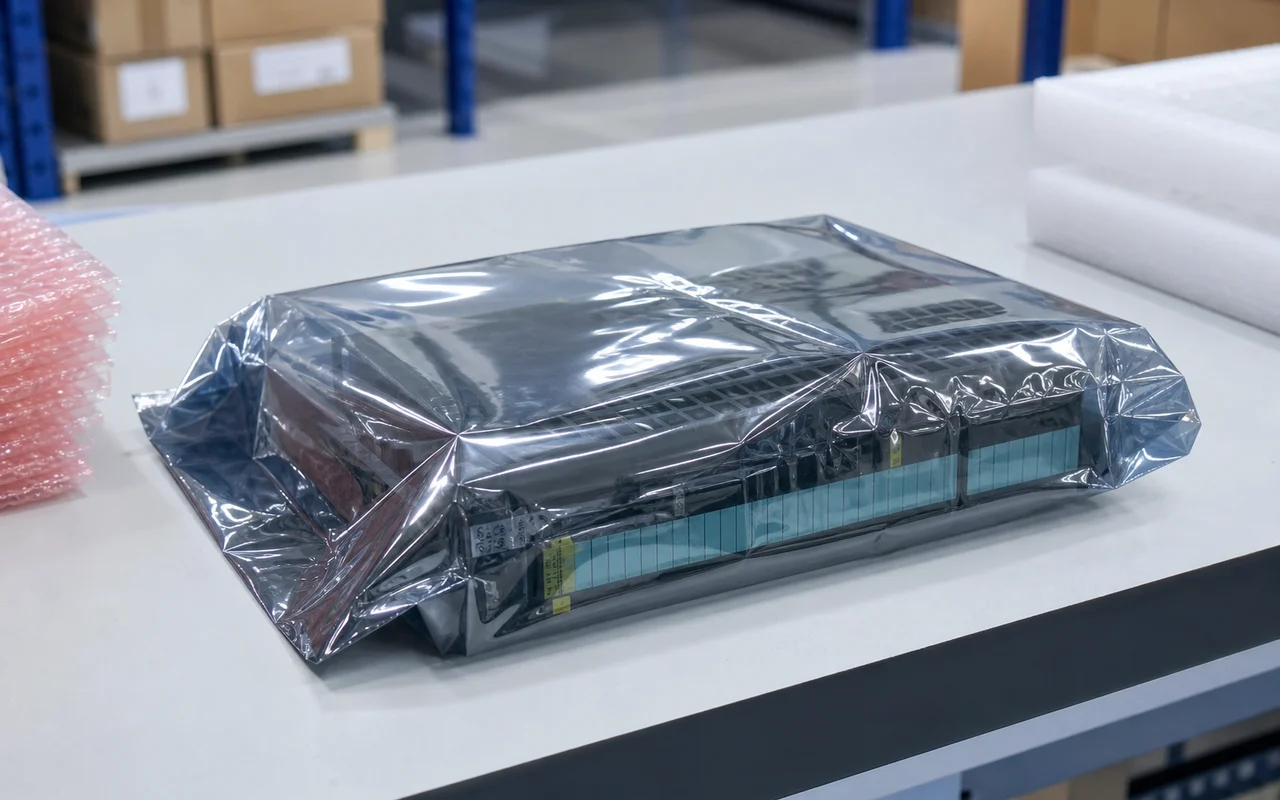 Anti-static Packaging
Modules are packed in anti-static bags to prevent electrostatic damage.
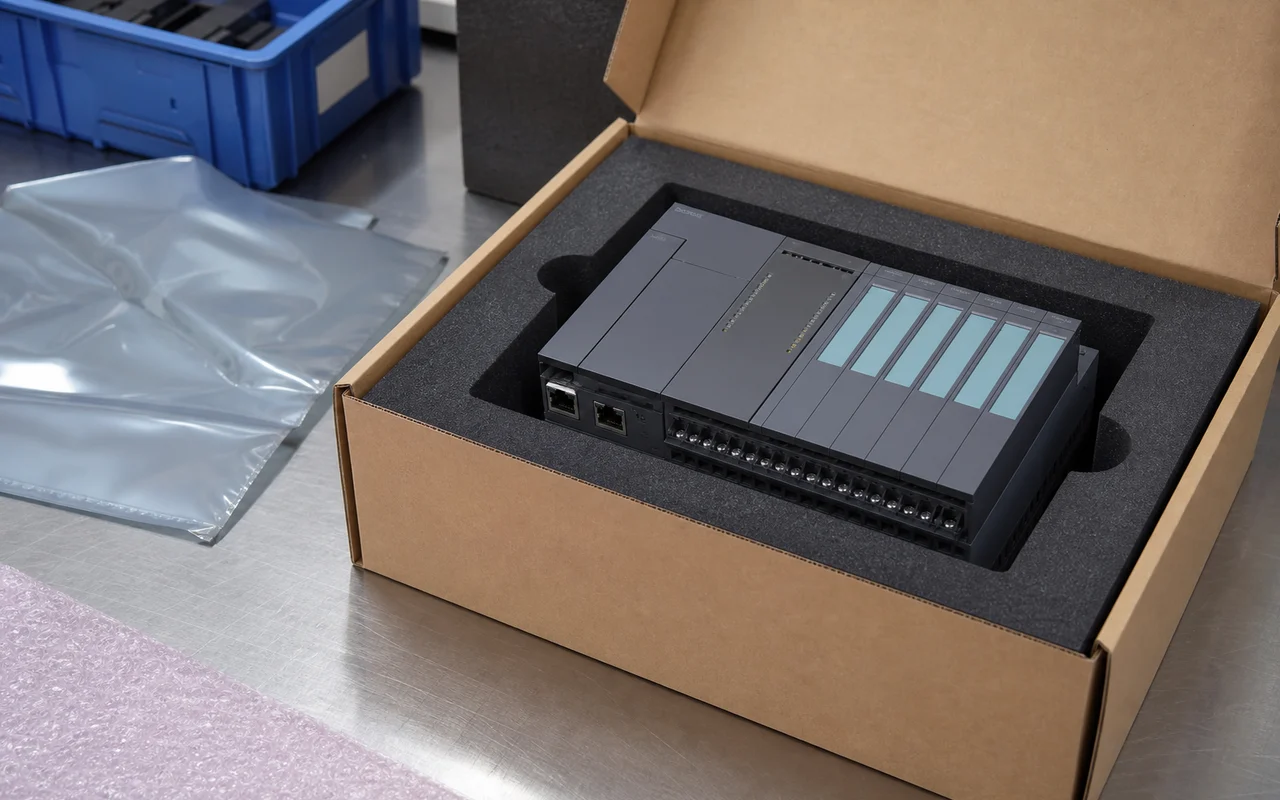 Secure Export Packing
Cushion protection and strong cartons ensure safe transportation.
 Worldwide Shipping
Global logistics network supports air, sea and express delivery.
 Documentation Check
Part number, revision and compatibility verified before shipment.
 After-sales Support
Professional technical support to help resolve your issues.