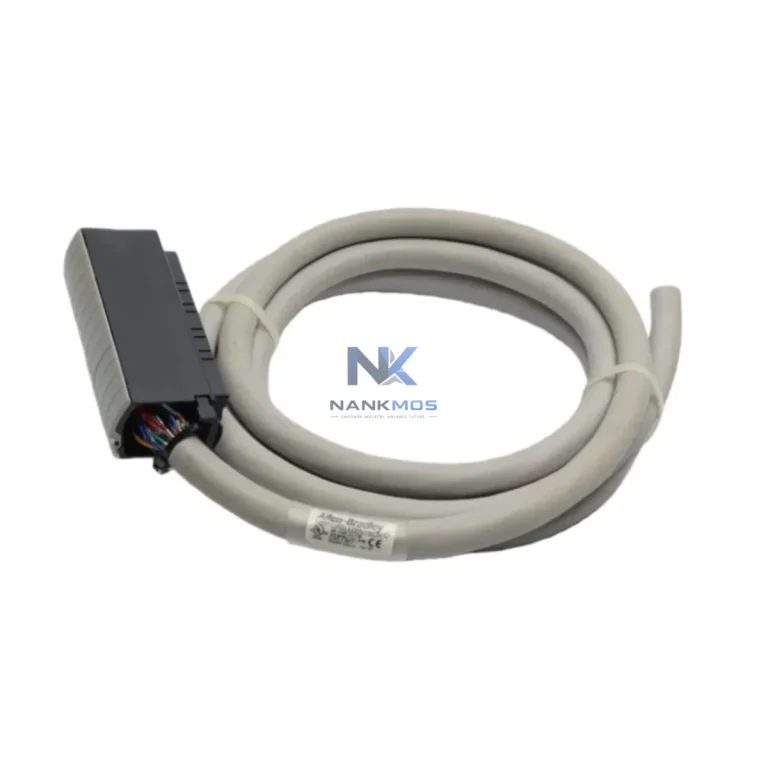
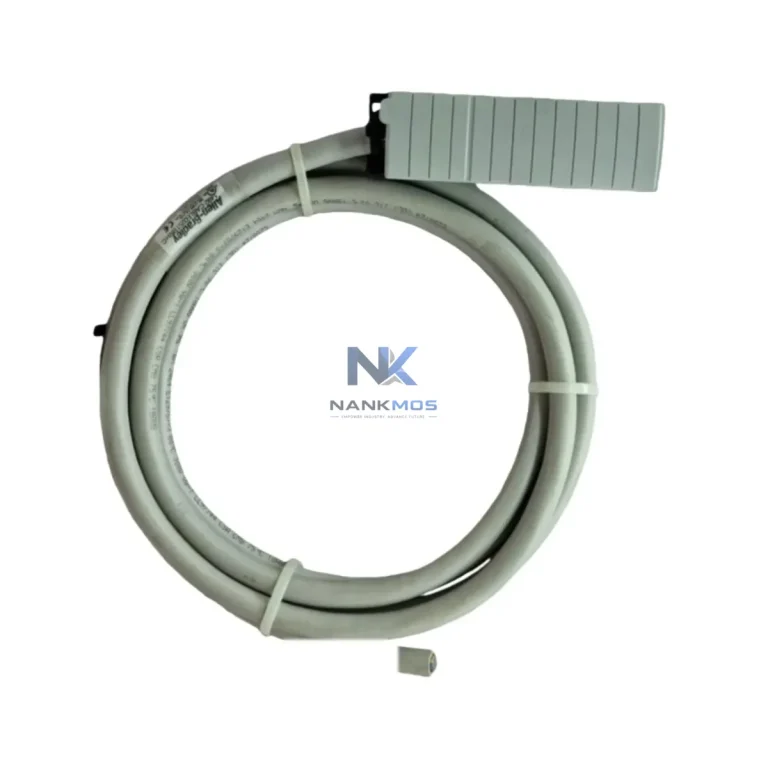
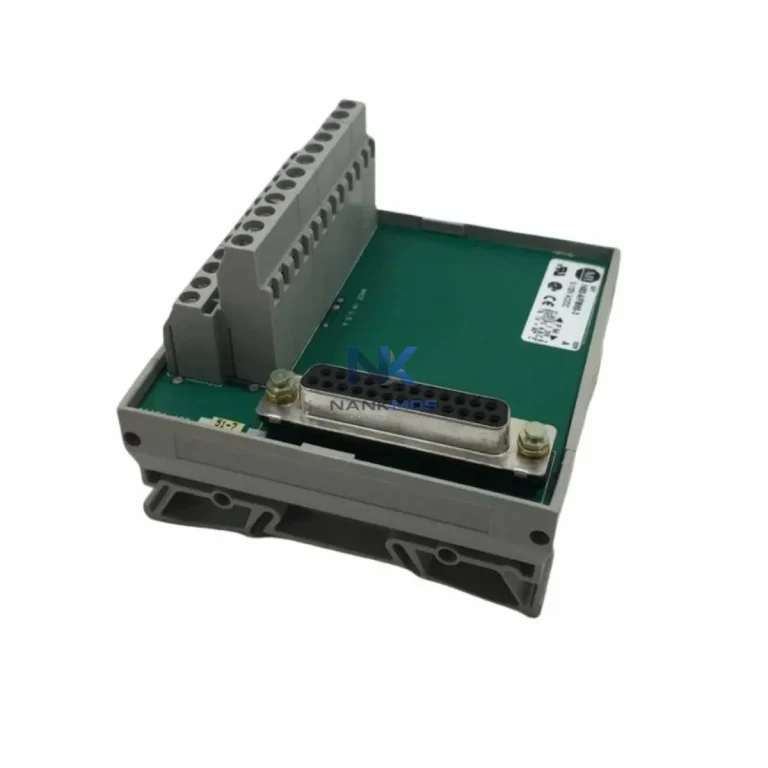
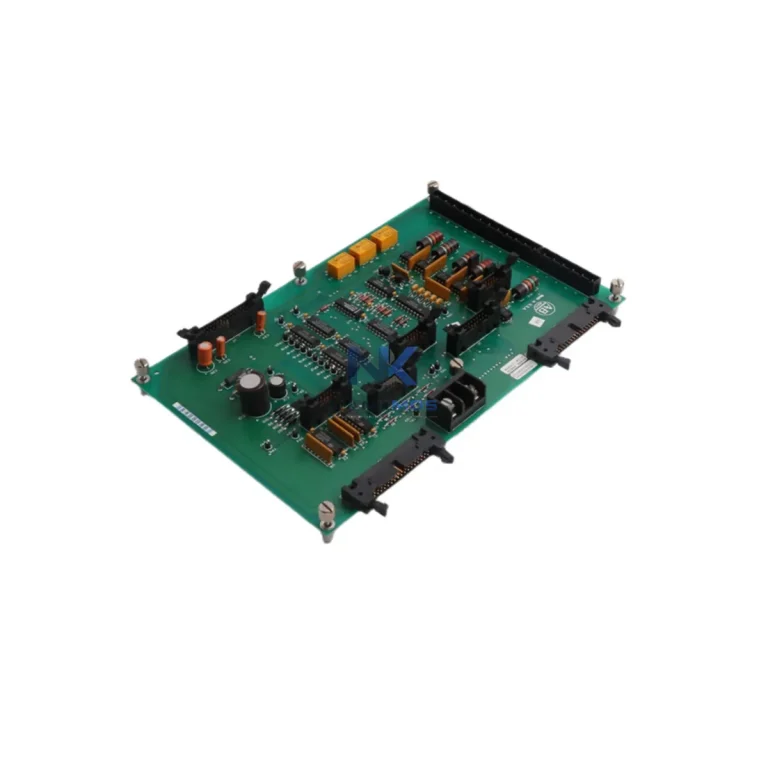
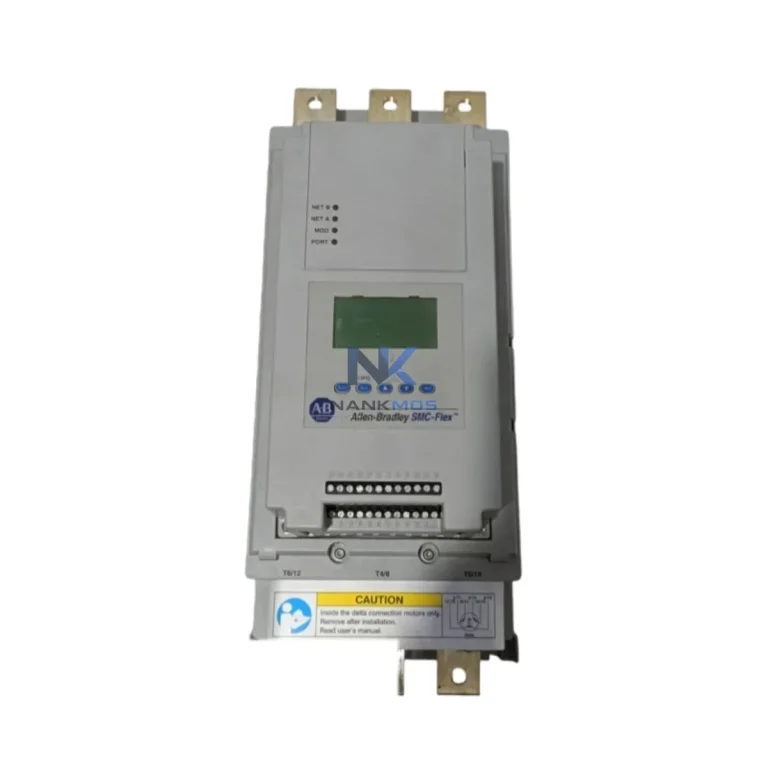
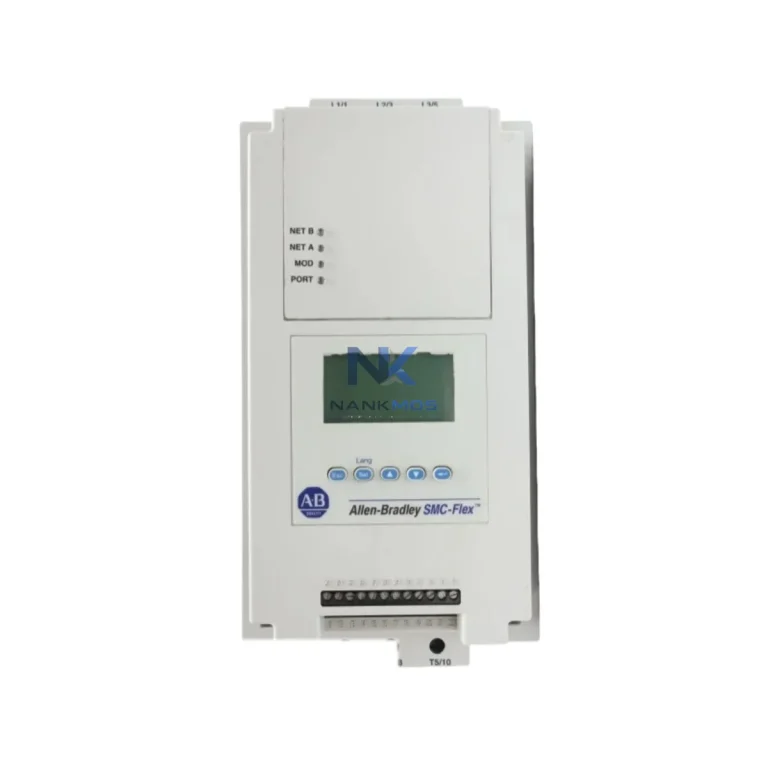
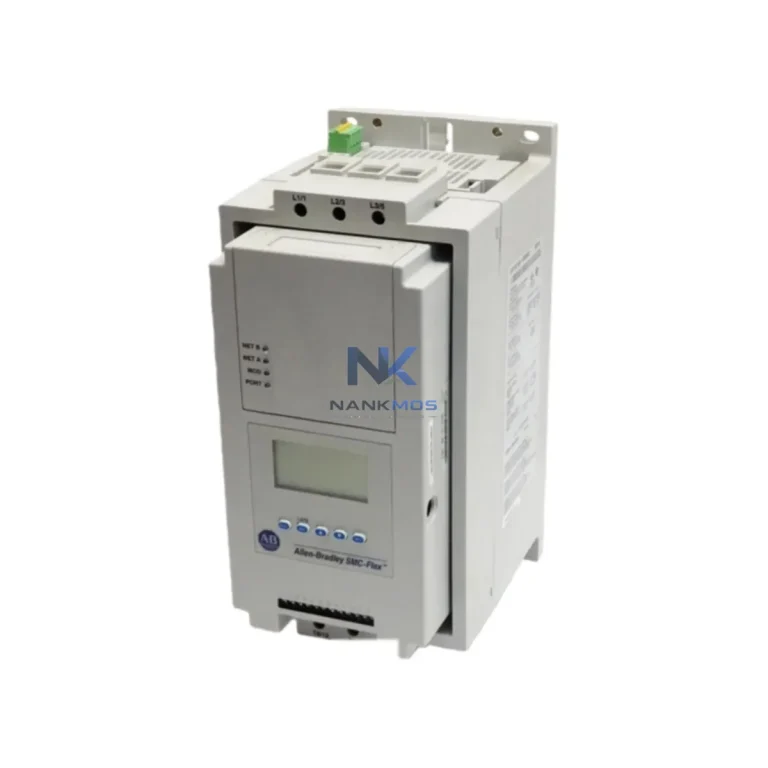
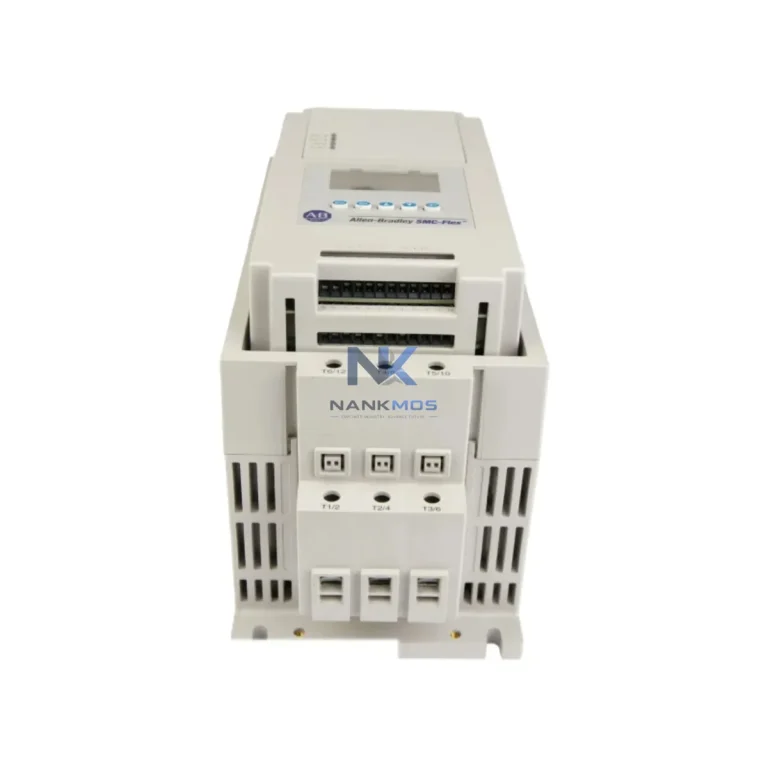
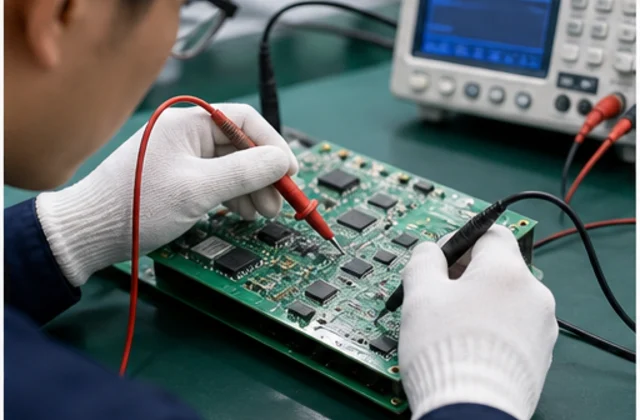
 Functional Inspection
100% tested on professional platforms to ensure stable performance.
Allen-Bradley 1746-IB16/C is a NANKMOS industrial automation product record Listed under SLC 500 series and Business & Industrial > Automation, Control & Flow Devices > Programmable Logic Controllers. Confirm condition, availability, lead time, compatibility and documentation by email inquiry.
Brand names are used for identification only.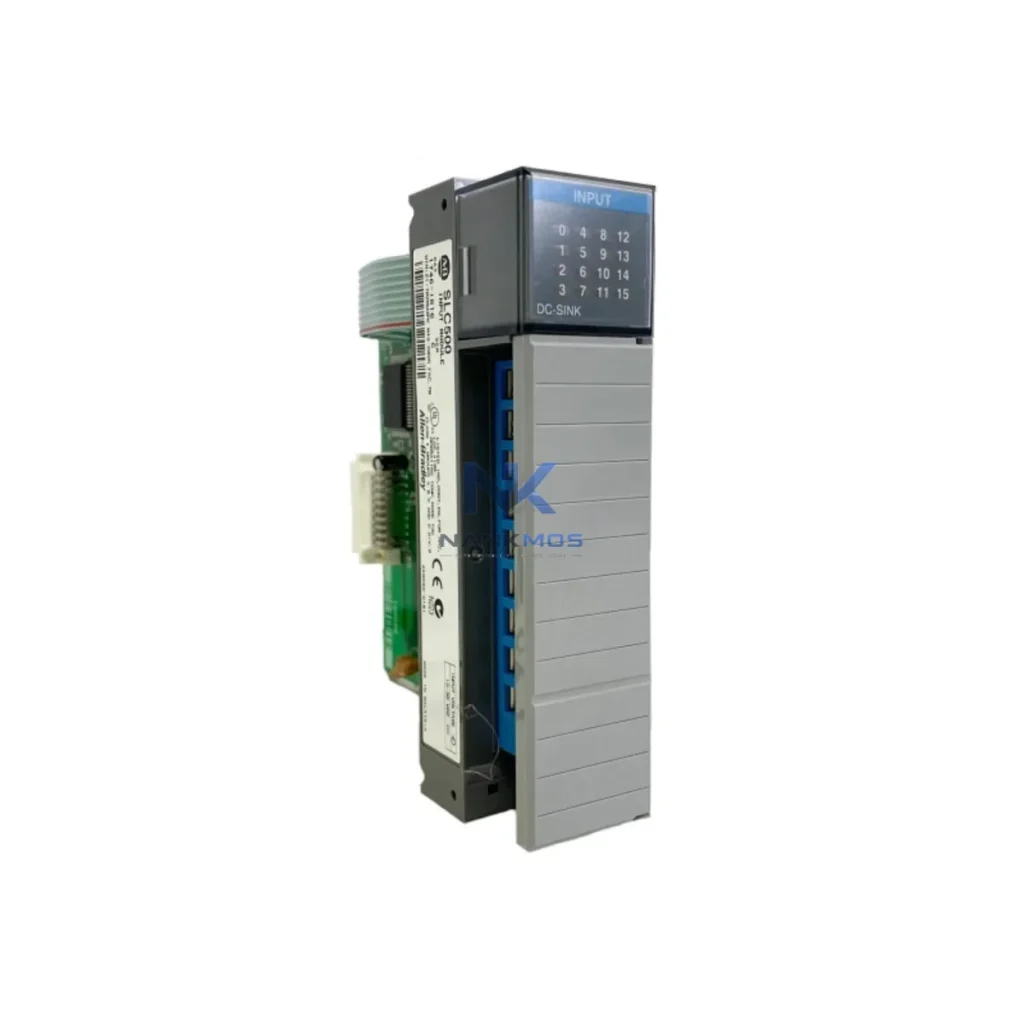
Allen-Bradley 1746-IB16/C is a NANKMOS industrial automation product record Listed under SLC 500 series and Business & Industrial > Automation, Control & Flow Devices > Programmable Logic Controllers. Confirm condition, availability, lead time, compatibility and documentation by email inquiry.
| Manufacturer | Allen-Bradley |
|---|---|
| Application | Controller Processing & System Control |
| Part Number / Model | 1746-IB16/C |
| Compatible System | SLC 500 |
| Series | SLC 500 |
| Condition Options | To Confirm |
| Module Type | Controller / CPU Module |
| Warranty | 12 Months |
| Packaging | Anti-static Bag / Secure Box |
| Shipping Methods | DHL / FedEx / UPS / Air / Sea |
| Availability | To Confirm |
| Lead Time | To Confirm |
| Documentation | Part number and revision checked before quote |
The Allen-Bradley 1746-IB16/C is a 16-point, 24VDC DC sink digital input module engineered for the SLC 500 modular I/O platform. Designed to serve as a high-integrity signal acquisition node within distributed control architectures, this module captures discrete field-level signals from sensors, proximity switches, pushbuttons, and limit switches, then delivers structured data across the SLC 500 backplane to the processor for real-time decision-making. In smart factory environments where production transparency, rapid fault response, and seamless system integration are non-negotiable, the 1746-IB16/C functions as a foundational data-link component — bridging the physical world of field devices with the digital intelligence of supervisory control systems.
Deployed across automotive assembly lines, food and beverage processing plants, water treatment facilities, and discrete manufacturing cells, the 1746-IB16/C integrates natively within the SLC 500 chassis alongside processor modules such as the 1747-L543 and 1747-L553, enabling tightly coupled I/O scanning with deterministic cycle times. Its 16-channel input capacity supports dense signal aggregation from field instrumentation, reducing wiring complexity while maintaining signal fidelity across electrically noisy industrial environments. The module's compatibility with the SLC 500 backplane communication protocol ensures zero-latency data transfer to the CPU, supporting ladder logic execution speeds critical for high-throughput production lines.
In a fully integrated smart factory data chain, the 1746-IB16/C occupies the critical first layer — signal acquisition. Field sensors such as inductive proximity switches, photoelectric detectors, and mechanical limit switches generate discrete 24VDC signals that are captured by the module's 16 input channels. These signals are immediately available to the SLC 500 processor — for example, a 1747-L543 CPU — which executes ladder logic to interpret machine state, trigger actuator outputs via companion modules like the 1746-OB16 DC output module, and update data tables for upstream communication.
From the SLC 500 processor, data flows upward through the communication hierarchy. Using a 1747-SDN DeviceNet Scanner module installed in the same chassis, the SLC 500 can participate in a DeviceNet network alongside variable frequency drives such as the PowerFlex 40 or PowerFlex 70, enabling coordinated motion and process control across the production cell. Simultaneously, a 1747-KE or 1747-AENTR communication interface bridges the SLC 500 to an EtherNet/IP backbone, allowing real-time I/O data from the 1746-IB16/C to be visible to plant-level SCADA systems running on platforms such as Ignition by Inductive Automation or Rockwell's FactoryTalk View SE.
At the SCADA layer, operators gain live visibility into every input channel — monitoring conveyor belt position sensors, door interlock switches, and level detection probes from a centralized HMI dashboard. Alarm management systems configured within FactoryTalk Alarms and Events or Ignition's alarm pipeline receive immediate notification when any of the 16 input channels transitions unexpectedly, enabling rapid fault isolation without dispatching maintenance personnel to the floor. This alarm-to-response loop — from field signal through the 1746-IB16/C, across the backplane, through the EtherNet/IP bridge, and into the SCADA alarm engine — typically completes within one PLC scan cycle, ensuring sub-100ms fault detection latency.
For remote diagnostic scenarios, the EtherNet/IP-connected SLC 500 system can be accessed via Rockwell's FactoryTalk Remote Access or third-party industrial VPN gateways, allowing engineers to monitor I/O status, review data table values, and perform online edits to ladder logic without physical presence at the machine. Remote I/O expansion is also achievable by pairing the SLC 500 with a 1747-ASB Remote I/O Adapter, extending the reach of the 1746-IB16/C's signal acquisition capability to remote chassis located up to 3,000 meters from the main control panel. This architecture supports multi-zone factory layouts where field devices are distributed across large production floors.
Data visualization is further enhanced when the SLC 500 system is integrated with edge computing platforms or industrial IoT gateways — such as the Moxa MGate series or Advantech ADAM gateway modules — which can poll the SLC 500's data tables via DF1 or EtherNet/IP and forward structured JSON payloads to cloud-based analytics platforms or MES systems. This enables production KPI dashboards, OEE tracking, and predictive maintenance analytics to be built on top of the raw discrete I/O data originally captured by the 1746-IB16/C, completing the data journey from field sensor to enterprise intelligence layer.
Many legacy and mid-generation automation sites face persistent challenges: protocol fragmentation between older SLC 500 systems and newer EtherNet/IP-native controllers, data silos where field I/O status is invisible to plant management systems, and limited remote monitoring capability that forces reactive rather than predictive maintenance strategies. The 1746-IB16/C, when deployed within a properly architected SLC 500 system, directly addresses these gaps.
Protocol unification is achieved through the SLC 500's multi-protocol communication stack. The same I/O data captured by the 1746-IB16/C can be simultaneously accessed via DH-485 for legacy HMI panels, DF1 for point-to-point programming terminals, and EtherNet/IP for modern SCADA and MES integration — eliminating the need for protocol conversion middleware in many cases. Where protocol translation is still required, the 1746-IB16/C's data is readily accessible to gateway devices that bridge SLC 500 networks to Modbus TCP, PROFIBUS, or OPC-UA, enabling interoperability with third-party control systems and cloud platforms.
Production line transparency is dramatically improved when every discrete signal — machine cycle complete, part present, door open, conveyor running — is captured by the 1746-IB16/C and made available to SCADA dashboards in real time. Alarm tracking becomes systematic rather than anecdotal, with timestamped event logs providing the audit trail needed for root cause analysis and regulatory compliance. System expansion is straightforward: additional 1746-IB16/C modules can be added to available SLC 500 chassis slots, or the system can be extended with remote I/O adapters, without disrupting existing network architecture or requiring controller replacement.
Q1: What communication protocols does the Allen-Bradley 1746-IB16/C support for SCADA integration? The 1746-IB16/C itself communicates via the SLC 500 backplane. The SLC 500 processor then exposes this I/O data over DH-485, DF1, DeviceNet (via 1747-SDN scanner), and EtherNet/IP (via 1747-AENTR bridge), making it compatible with SCADA platforms including FactoryTalk View SE, Ignition, and WinCC. OPC-UA and Modbus TCP access is achievable through protocol gateway devices.
Q2: How does the 1746-IB16/C perform in terms of network latency and real-time data reliability? The module transfers input status to the SLC 500 processor within a single backplane scan cycle, typically 1–10ms depending on processor configuration and program size. This deterministic, low-latency performance ensures that time-critical machine states — such as safety interlocks and cycle-complete signals — are processed without delay, supporting reliable real-time control and alarm response.
Q3: Can the 1746-IB16/C be monitored and diagnosed remotely without on-site access? Yes. When the SLC 500 system is connected to an EtherNet/IP network via a 1747-AENTR adapter, remote access tools such as Rockwell's FactoryTalk Remote Access or industrial VPN gateways allow engineers to monitor all 16 input channel states, review processor data tables, and perform online diagnostics from any network-connected location. This capability significantly reduces mean time to repair (MTTR) for distributed or unmanned installations.
Q4: What warranty and quality assurance does NANKMOS provide for the 1746-IB16/C? All 1746-IB16/C units supplied by NANKMOS are covered by a 12-Month Warranty and undergo pre-shipment functional testing to verify input channel integrity, backplane communication, and electrical performance. Stock is maintained in-house for immediate dispatch, supporting urgent MRO requirements and minimizing production downtime. For procurement inquiries, contact [email protected] or call +86 18359268345.
Functional Inspection100% tested on professional platforms to ensure stable performance.
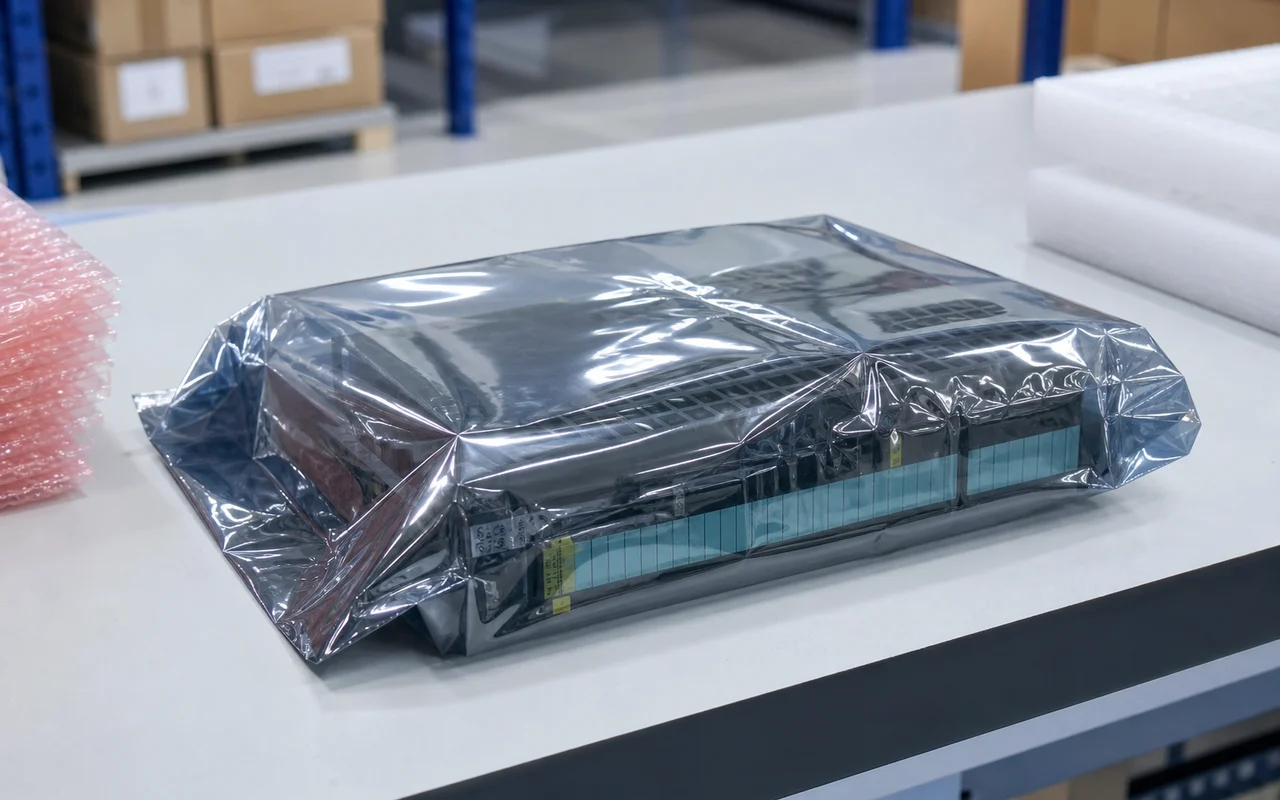 Anti-static Packaging
Modules are packed in anti-static bags to prevent electrostatic damage.
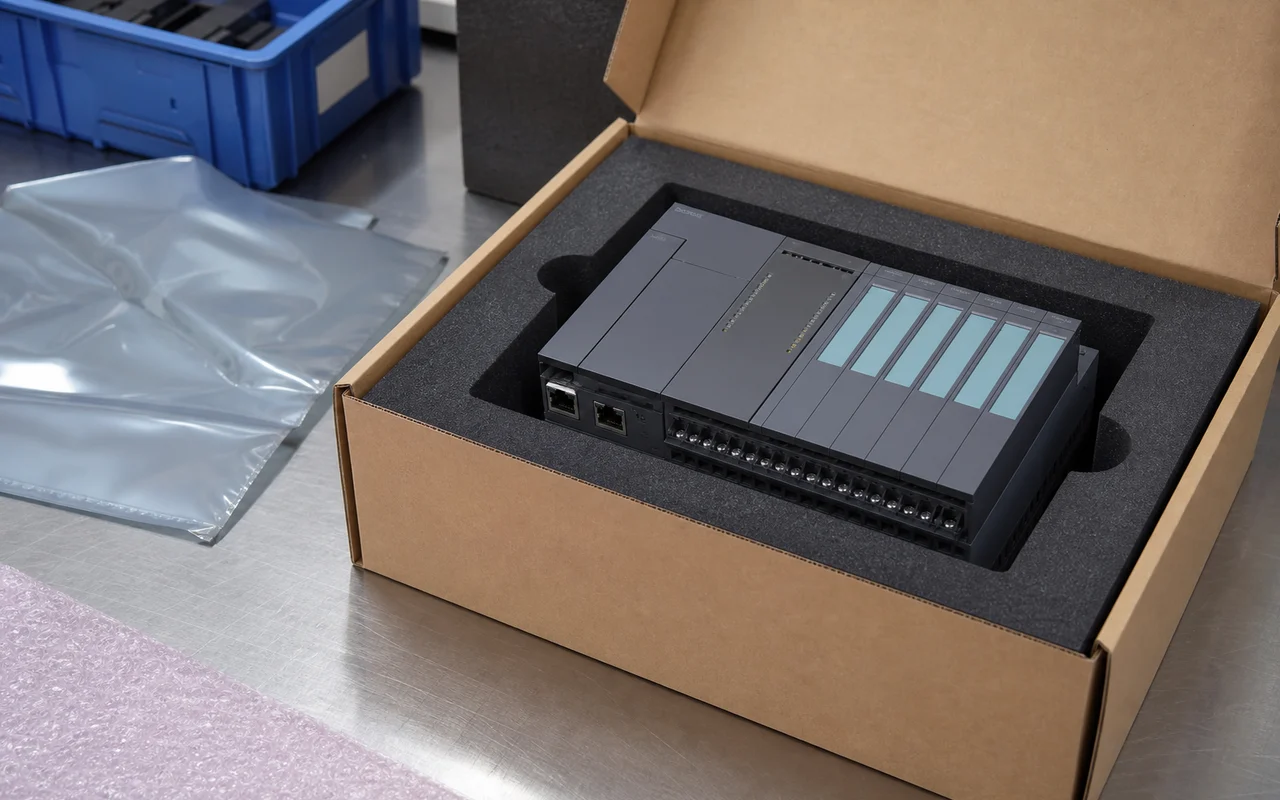 Secure Export Packing
Cushion protection and strong cartons ensure safe transportation.
 Worldwide Shipping
Global logistics network supports air, sea and express delivery.
 Documentation Check
Part number, revision and compatibility verified before shipment.
 After-sales Support
Professional technical support to help resolve your issues.