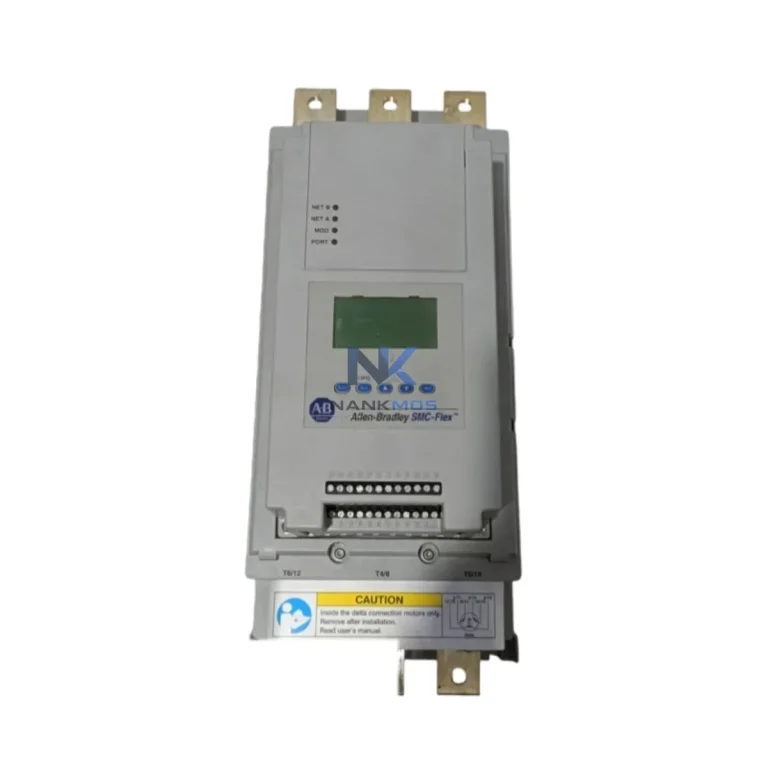
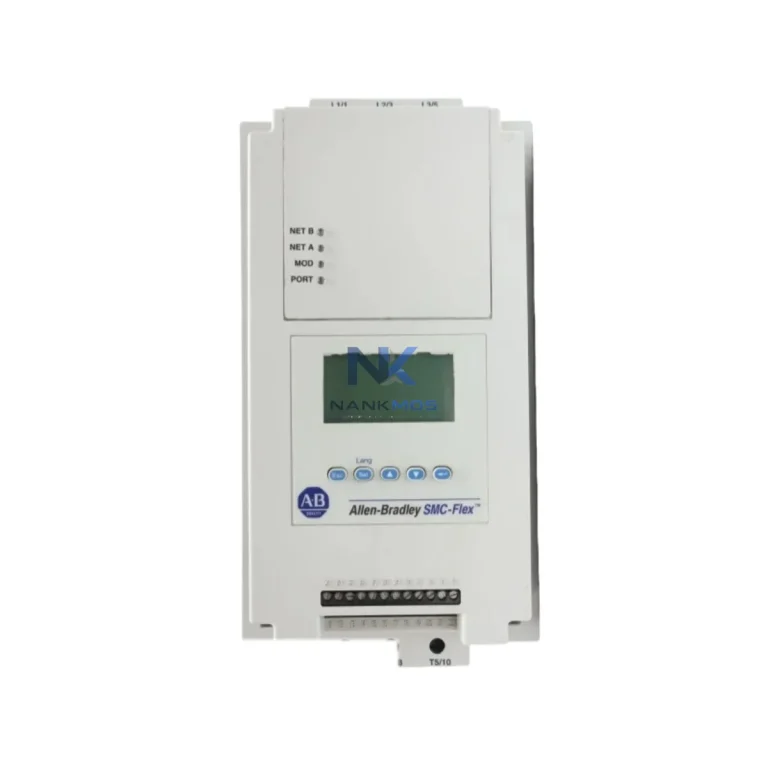
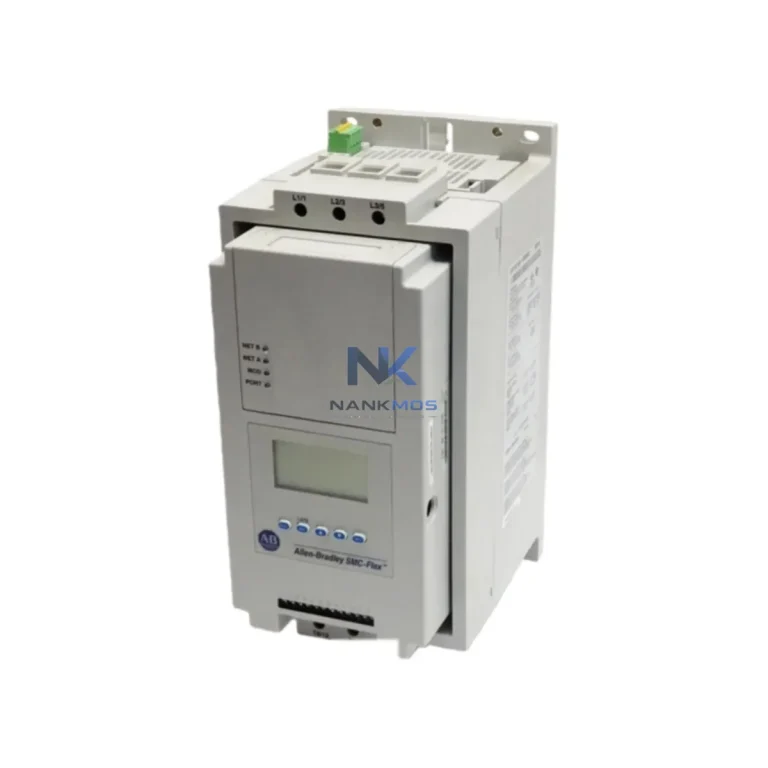
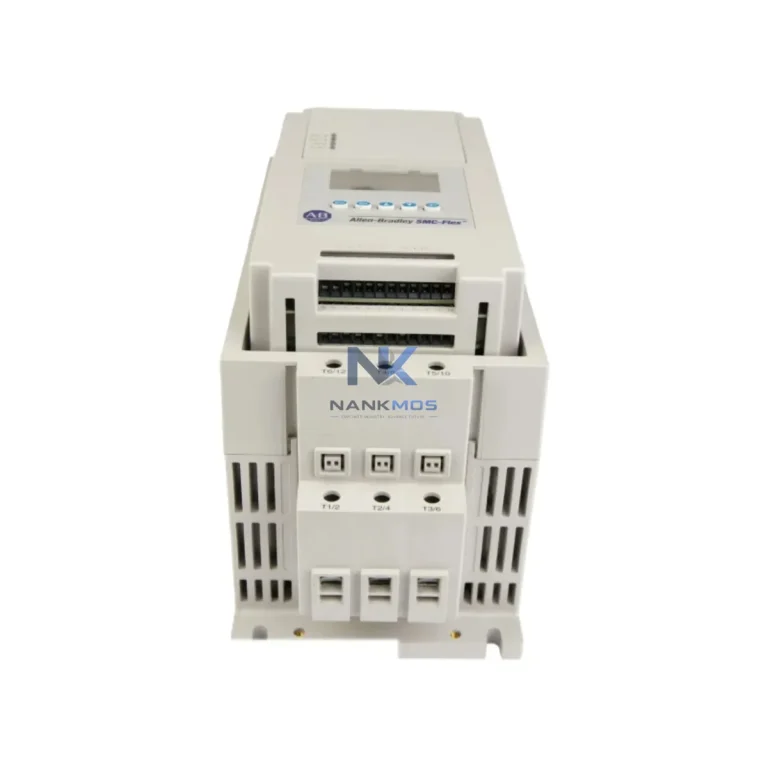
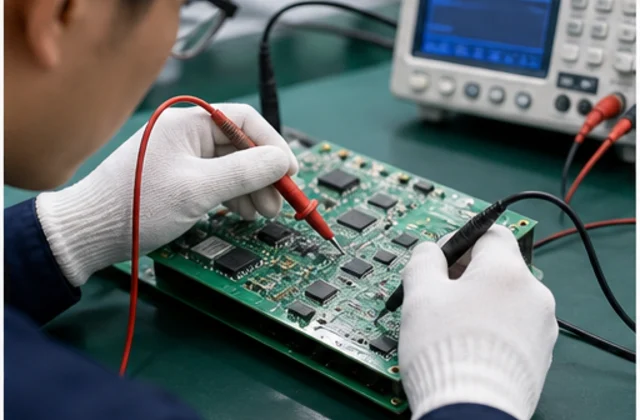
 Functional Inspection
100% tested on professional platforms to ensure stable performance.
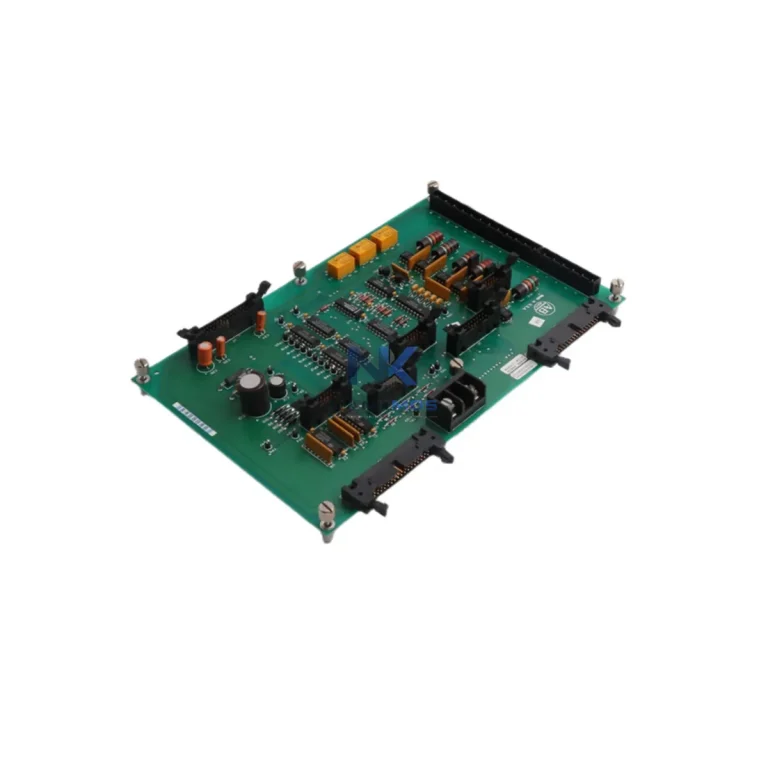
Allen-Bradley 1746-NI16I is a NANKMOS industrial automation product record Listed under SLC 500 series and Business & Industrial > Automation, Control & Flow Devices > Programmable Logic Controllers. Confirm condition, availability, lead time, compatibility and documentation by email inquiry.
Brand names are used for identification only.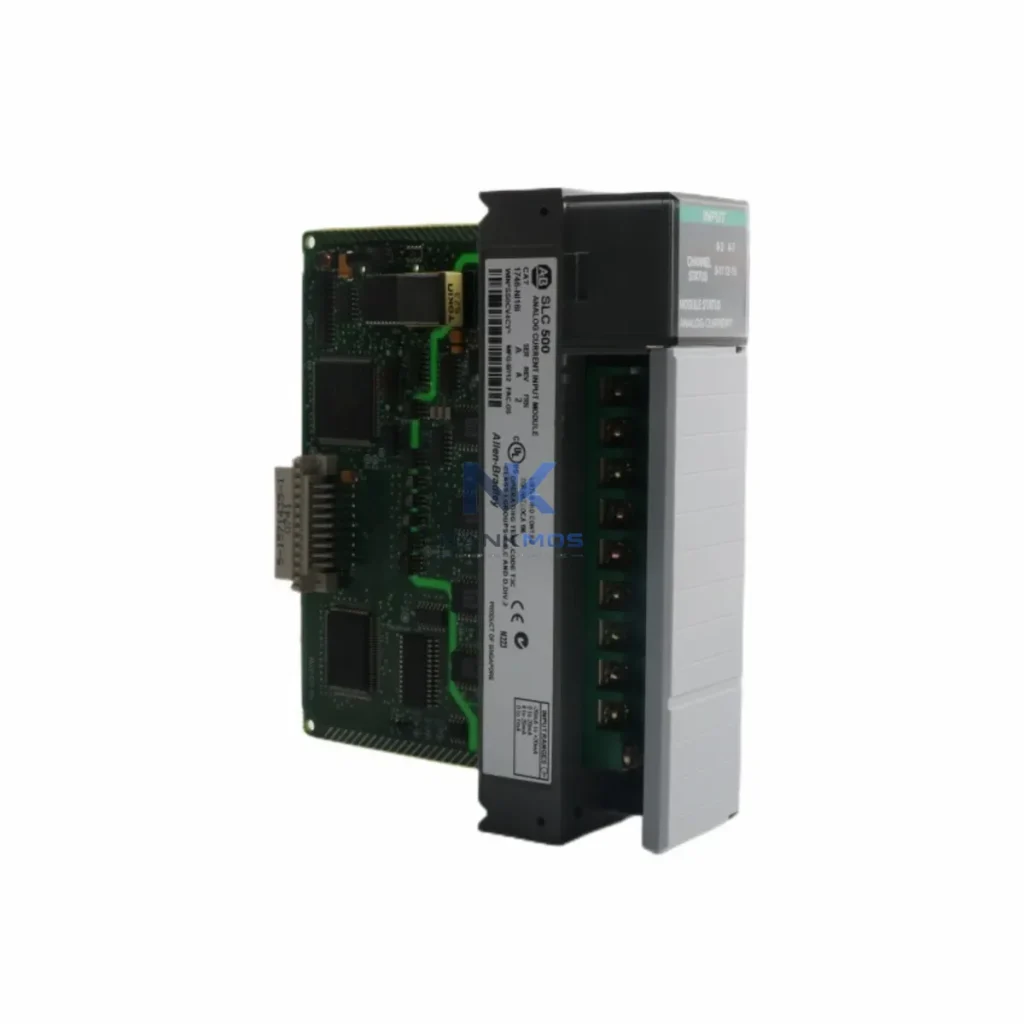
Allen-Bradley 1746-NI16I is a NANKMOS industrial automation product record Listed under SLC 500 series and Business & Industrial > Automation, Control & Flow Devices > Programmable Logic Controllers. Confirm condition, availability, lead time, compatibility and documentation by email inquiry.
| Manufacturer | Allen-Bradley |
|---|---|
| Application | Controller Processing & System Control |
| Part Number / Model | 1746-NI16I |
| Compatible System | SLC 500 |
| Series | SLC 500 |
| Condition Options | To Confirm |
| Module Type | Controller / CPU Module |
| Warranty | 12 Months |
| Packaging | Anti-static Bag / Secure Box |
| Shipping Methods | DHL / FedEx / UPS / Air / Sea |
| Availability | To Confirm |
| Lead Time | To Confirm |
| Documentation | Part number and revision checked before quote |
The Allen-Bradley 1746-NI16I is a 16-channel analog input module engineered for the SLC 500 programmable controller platform, delivering high-resolution signal acquisition that forms the backbone of energy-aware industrial automation. Designed to accept current and voltage signals from field instruments, the 1746-NI16I enables real-time monitoring of process variables — power draw, motor load, thermal output, and drive feedback — that are essential for reducing unnecessary energy consumption and optimizing production line throughput.
In modern manufacturing environments where energy efficiency is a measurable KPI, the 1746-NI16I provides the data acquisition layer that connects physical process conditions to the control logic of the SLC 500 CPU. By capturing analog signals from current transformers, pressure transducers, flow meters, and temperature sensors with 16-bit resolution, the module ensures that the controller always operates on accurate, real-time process data — eliminating the guesswork that leads to over-driven motors, excessive heating cycles, and wasted energy.
The 1746-NI16I does not operate in isolation — its value is realized through tight integration with the broader SLC 500 control architecture and the energy management ecosystem surrounding it. When paired with the 1747-L553 SLC 5/05 CPU, the module's 16 analog channels feed directly into ladder logic routines that govern drive speed references, motor enable signals, and load-shedding sequences. The CPU processes incoming analog data from the 1746-NI16I and issues corrective commands to downstream devices, closing the energy control loop in real time.
On the drive side, the 1746-NI16I commonly interfaces with Allen-Bradley PowerFlex 40 and PowerFlex 70 variable frequency drives, receiving 4–20 mA feedback signals that reflect actual motor shaft load and speed. This feedback allows the SLC 500 to dynamically adjust drive speed references, preventing motors from running at full speed under partial load — one of the most common sources of avoidable energy waste in production environments. The result is a measurable reduction in kWh consumption per production cycle without sacrificing throughput.
For power quality monitoring, the 1746-NI16I works alongside Allen-Bradley 1420 PowerMonitor units and third-party power transducers that output standard analog signals. These devices feed voltage, current, and power factor data into the module's input channels, giving the SLC 500 a continuous picture of electrical load distribution across the production line. When combined with 1746-NIO4I analog output modules for setpoint control, the system can autonomously regulate energy draw across multiple zones.
On the I/O expansion side, the 1746-NI16I slots into the same SLC 500 chassis alongside 1746-IB16 digital input modules and 1746-OB16 digital output modules, enabling mixed analog-digital control strategies that respond to both continuous process variables and discrete machine states. This architecture is particularly effective in applications where energy consumption must be correlated with machine cycle events — for example, reducing drive speed during idle periods detected by digital proximity sensors.
For operator visibility, the analog data acquired by the 1746-NI16I is surfaced through PanelView 800 and PanelView Plus HMI terminals running FactoryTalk View ME, giving line operators real-time energy dashboards without requiring a separate SCADA layer. In larger installations, the SLC 500 communicates upstream to FactoryTalk EnergyMetrix or third-party SCADA platforms via the 1747-SDN DeviceNet Scanner or Ethernet bridge modules, enabling plant-wide energy reporting and demand management.
The fundamental contribution of the Allen-Bradley 1746-NI16I to production line energy optimization lies in its ability to convert invisible energy events into actionable control data. In a typical manufacturing cell, motors, drives, and heating elements consume energy continuously — but without accurate analog feedback, the PLC cannot distinguish between productive load and wasteful idle consumption. The 1746-NI16I eliminates this blind spot.
By monitoring current draw from motor circuits through 4–20 mA current transducers, the module enables the SLC 500 to detect when a motor is running unloaded and trigger an automatic speed reduction via the connected variable frequency drive. This single capability — load-adaptive speed control — can reduce motor energy consumption by 20–40% in applications with variable load profiles, such as conveyor systems, packaging lines, and material handling equipment.
Thermal load management is another critical application. The 1746-NI16I accepts signals from RTD transmitters and thermocouple signal conditioners, allowing the SLC 500 to monitor cabinet temperatures, motor winding temperatures, and process fluid temperatures in real time. When thermal thresholds are approached, the controller can reduce drive output, activate cooling systems, or redistribute load across parallel drive channels — preventing thermal shutdowns that cause unplanned downtime and production rhythm disruption.
From a predictive maintenance perspective, the 1746-NI16I provides the analog signal infrastructure needed to trend motor current signatures over time. Gradual increases in steady-state current draw are early indicators of bearing wear, coupling misalignment, or mechanical friction — conditions that, if undetected, lead to catastrophic motor failures and extended production stoppages. By logging analog channel data through the SLC 500 and forwarding trends to a SCADA or MES system, maintenance teams can schedule interventions during planned downtime windows rather than reacting to failures.
Production line throughput stability — maintaining consistent cycle times and minimizing micro-stoppages — is directly supported by the 1746-NI16I's high-resolution, low-latency signal acquisition. With 16-bit resolution and fast channel scan rates, the module ensures that the SLC 500 always acts on current process conditions rather than stale data, keeping drive responses sharp and process control tight. This precision translates directly into reduced scrap rates, lower rework energy costs, and higher overall equipment effectiveness (OEE).
All units supplied by NANKMOS are tested prior to shipment, verified for channel accuracy and backplane communication integrity, and backed by a 12-month warranty. In-stock inventory ensures rapid dispatch to support urgent project timelines and minimize production downtime during replacement or system expansion scenarios.
Q1: How does the 1746-NI16I contribute to measurable energy savings on a production line? The 1746-NI16I provides the SLC 500 with real-time analog data from motors, drives, and process instruments. This data enables closed-loop control strategies — such as load-adaptive drive speed adjustment and thermal load management — that directly reduce unnecessary energy consumption. When integrated with PowerFlex variable frequency drives and power monitoring transducers, the system can achieve significant reductions in per-cycle kWh consumption without reducing throughput.
Q2: Is the 1746-NI16I compatible with existing SLC 500 systems, and can it replace older analog input modules? Yes. The 1746-NI16I is fully compatible with all SLC 500 fixed and modular chassis configurations and is programmed using RSLogix 500 software. It is a direct replacement for earlier SLC 500 analog input modules and can be installed in any available I/O slot without chassis modification. Configuration is performed through the module's data file in the SLC 500 program, with no additional hardware required.
Q3: What is the testing and verification process for units supplied by NANKMOS? Every 1746-NI16I unit supplied by NANKMOS undergoes pre-shipment functional testing that verifies channel-by-channel analog accuracy, backplane communication integrity, and input range calibration. Units are tested across the full 4–20 mA and voltage input ranges to confirm specification compliance before dispatch. A test report is available upon request for quality-critical applications.
Q4: What warranty and supply continuity does NANKMOS provide for the 1746-NI16I? All 1746-NI16I units are covered by a 12-month warranty from the date of shipment, covering manufacturing defects and functional failures under normal operating conditions. NANKMOS maintains in-stock inventory of the 1746-NI16I to support rapid fulfillment for both planned system expansions and emergency replacement requirements. For volume orders or long-term supply agreements, contact our team directly to discuss availability and lead times.
Functional Inspection100% tested on professional platforms to ensure stable performance.
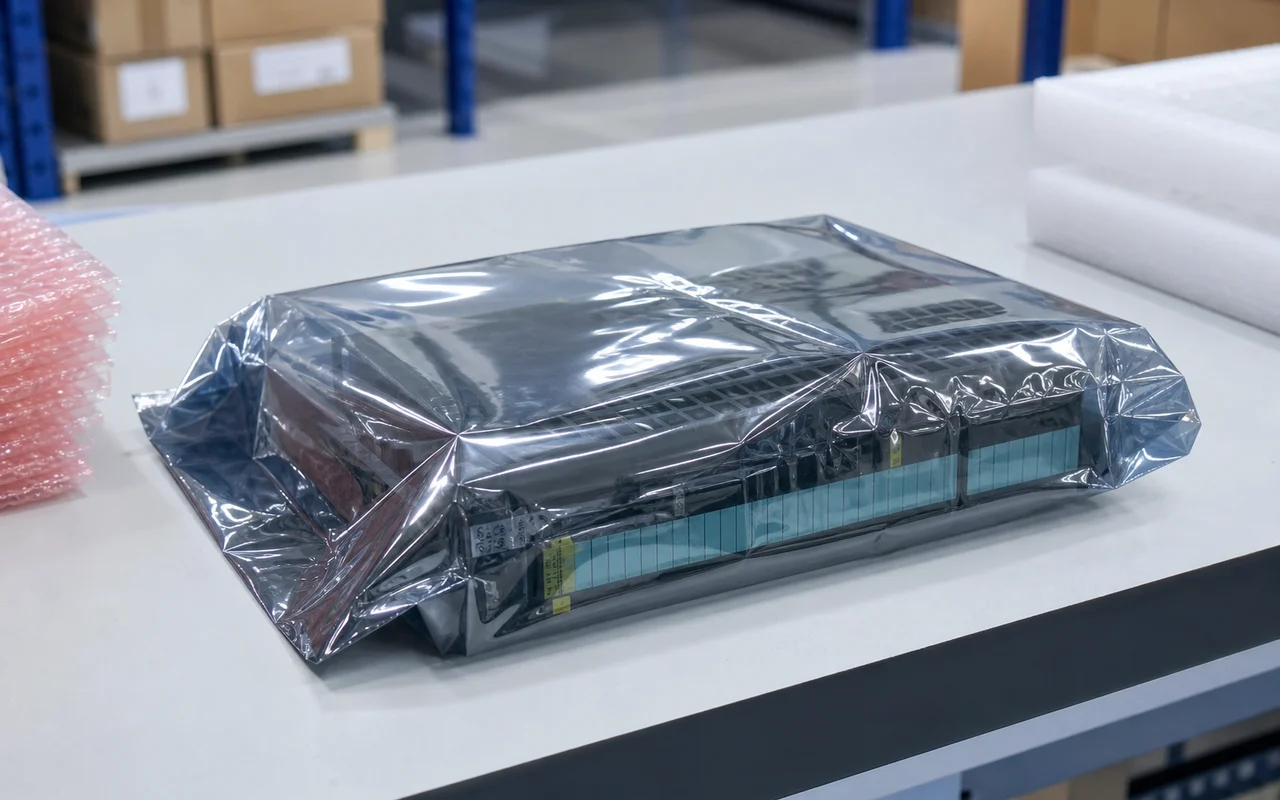 Anti-static Packaging
Modules are packed in anti-static bags to prevent electrostatic damage.
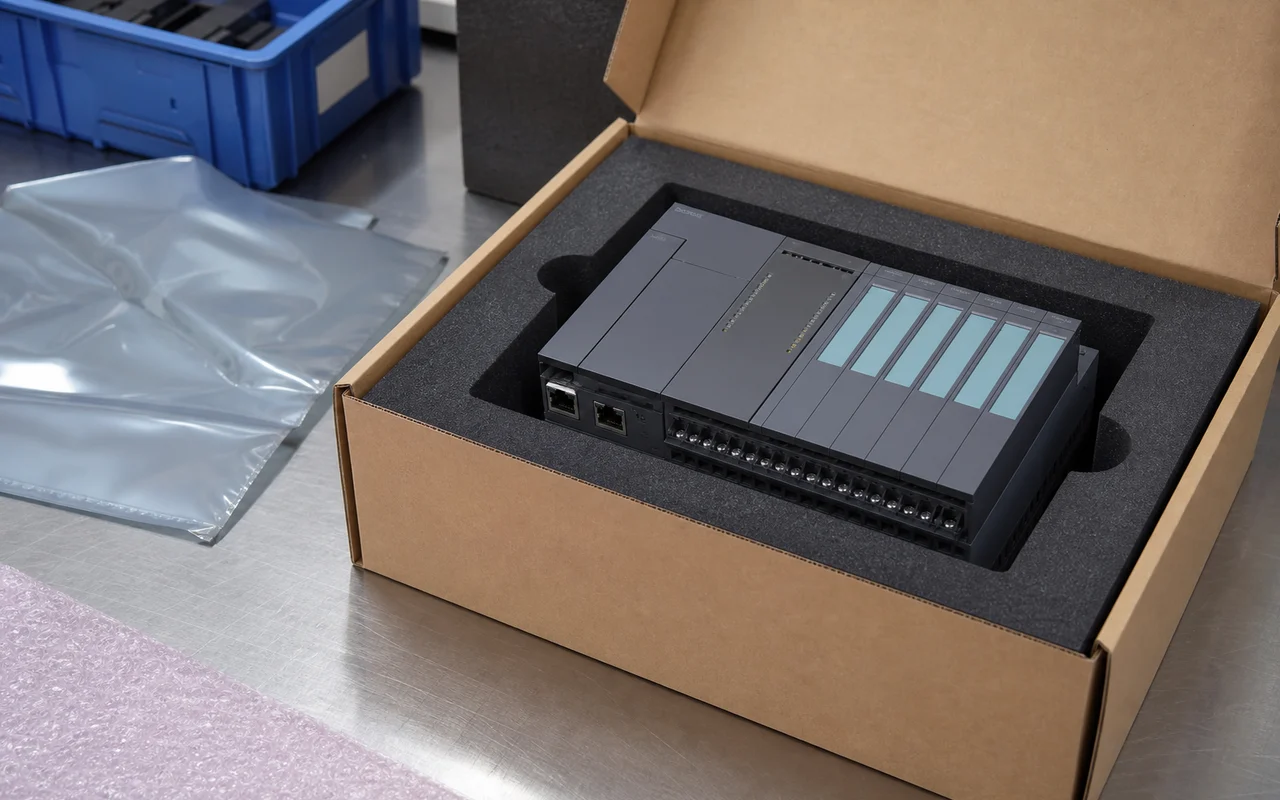 Secure Export Packing
Cushion protection and strong cartons ensure safe transportation.
 Worldwide Shipping
Global logistics network supports air, sea and express delivery.
 Documentation Check
Part number, revision and compatibility verified before shipment.
 After-sales Support
Professional technical support to help resolve your issues.