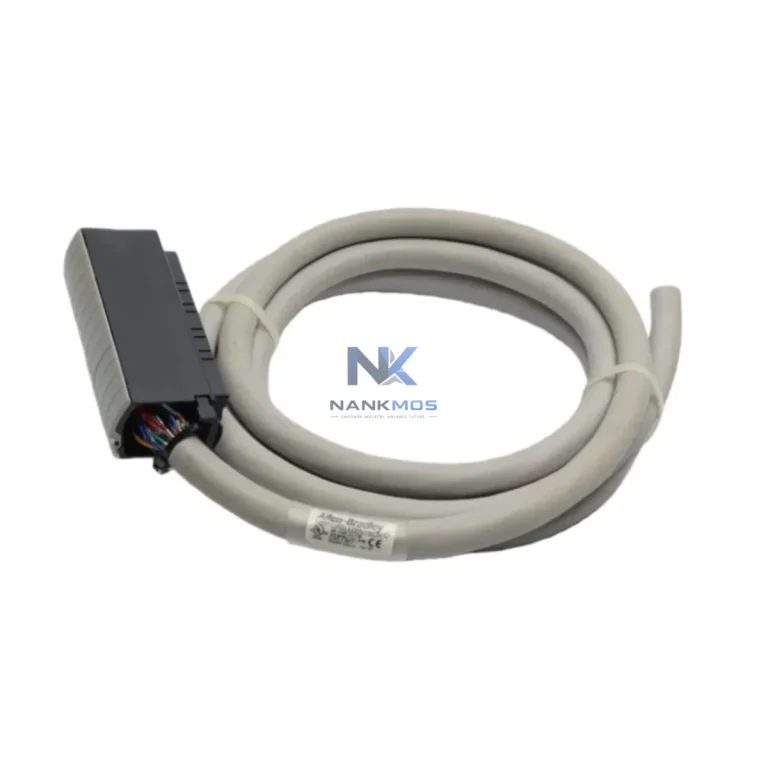
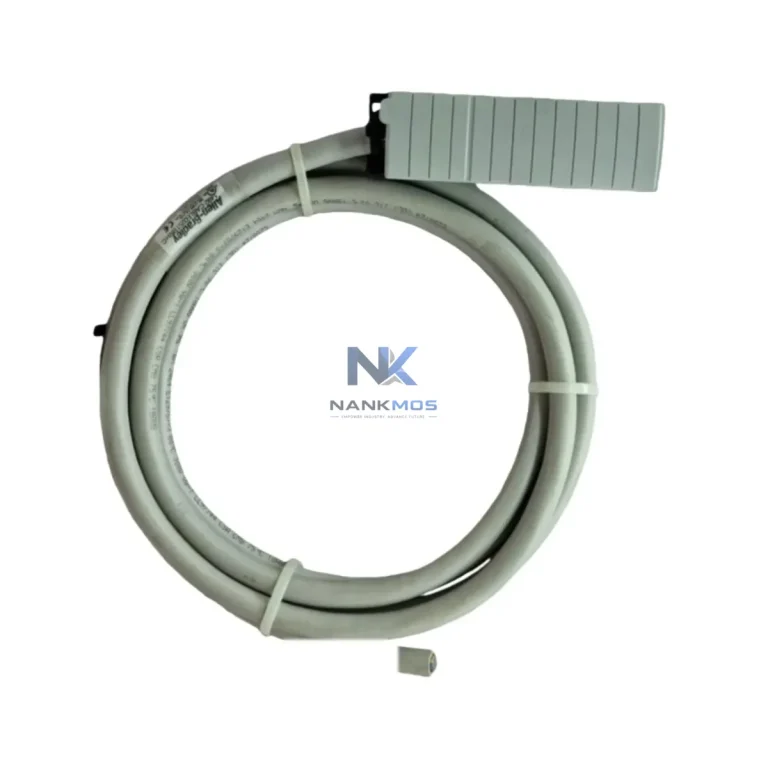
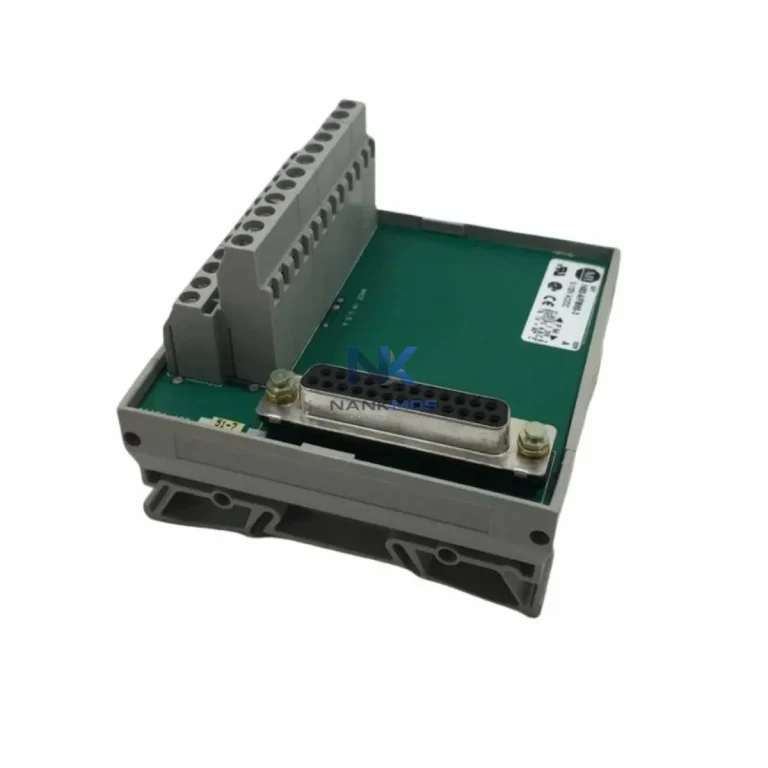
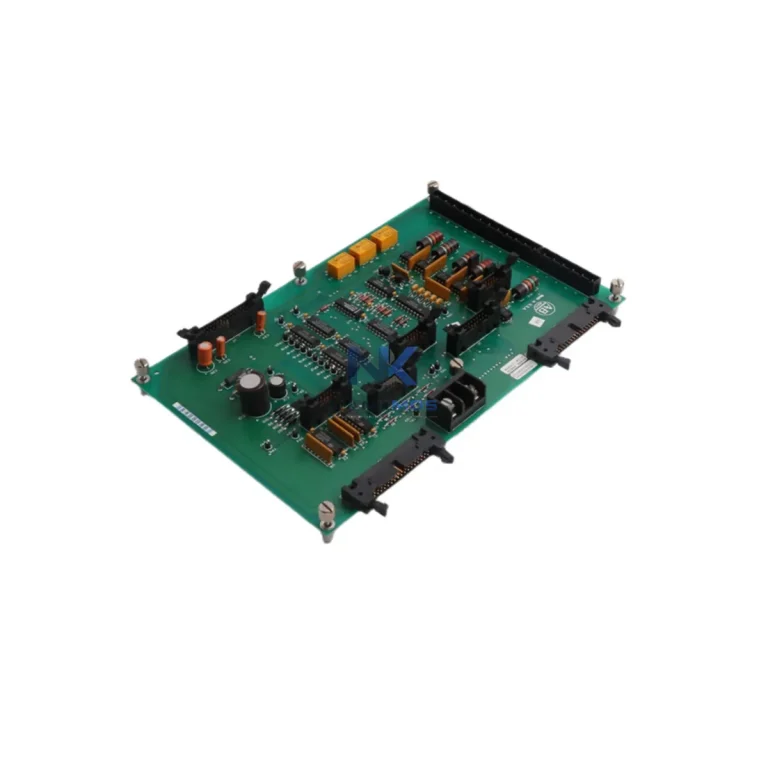
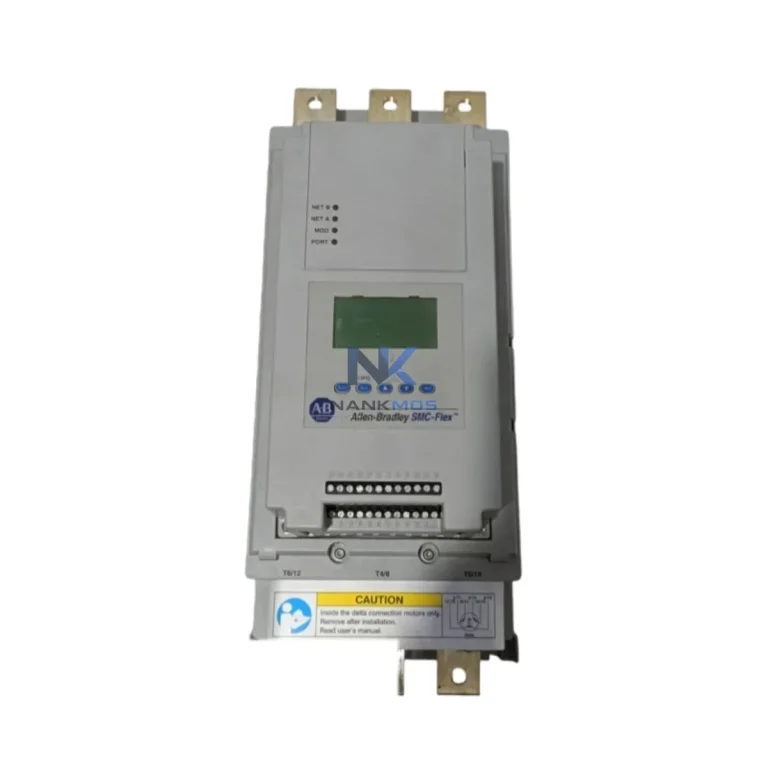
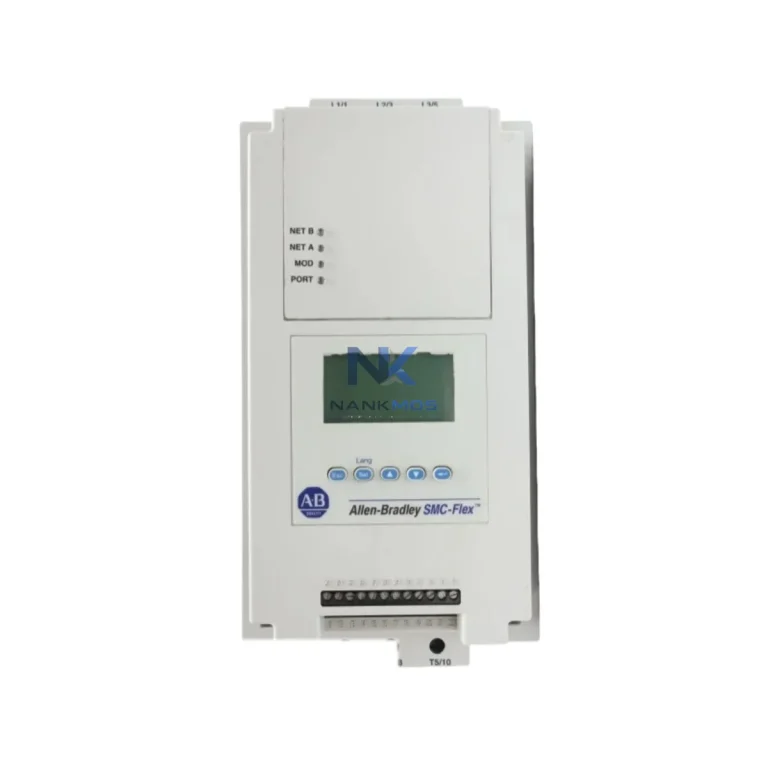
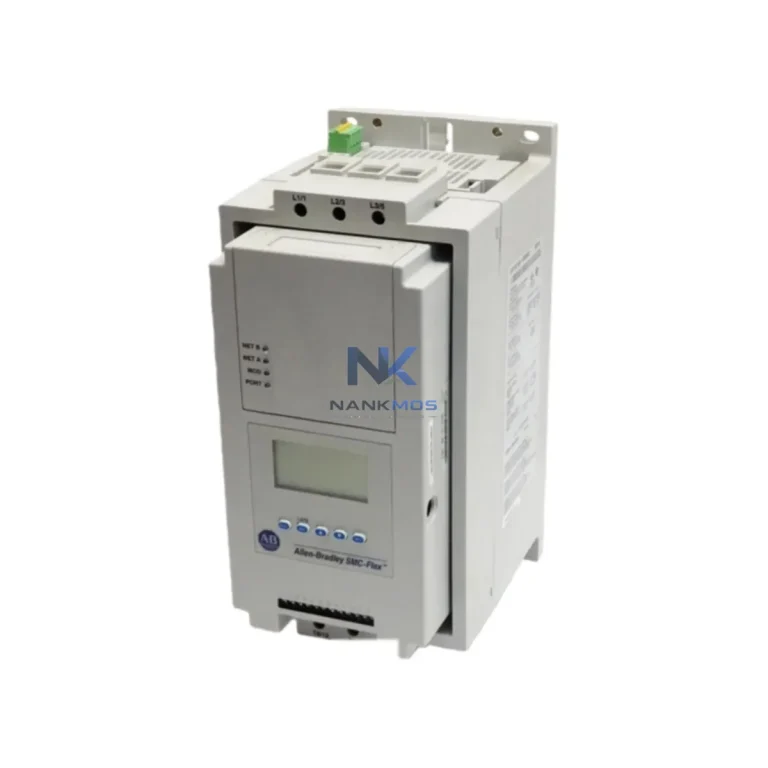
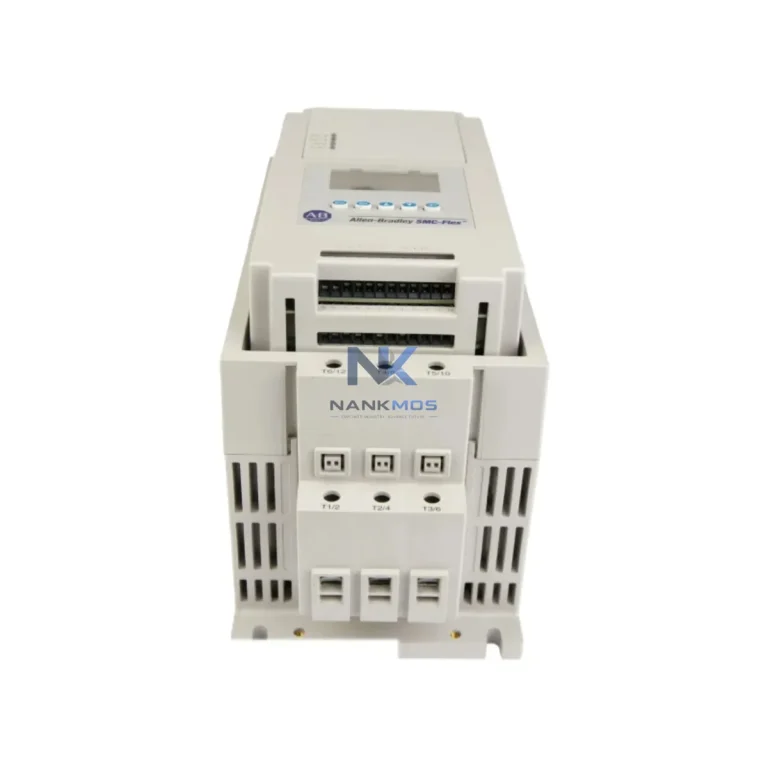
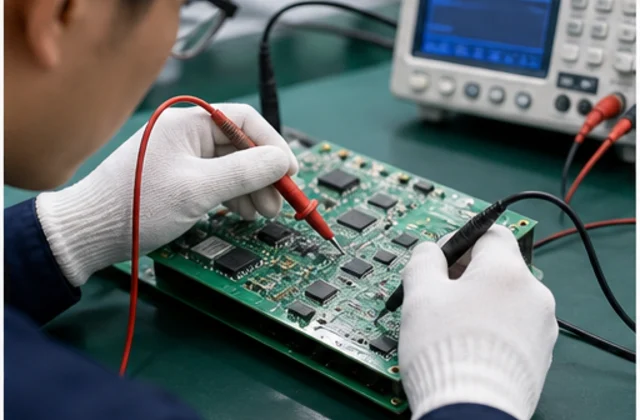
 Functional Inspection
100% tested on professional platforms to ensure stable performance.
Allen-Bradley 1756-A7 is a NANKMOS industrial automation product record Listed under ControlLogix series and Business & Industrial > Automation, Control & Flow Devices > Programmable Logic Controllers. Confirm condition, availability, lead time, compatibility and documentation by email inquiry.
Brand names are used for identification only.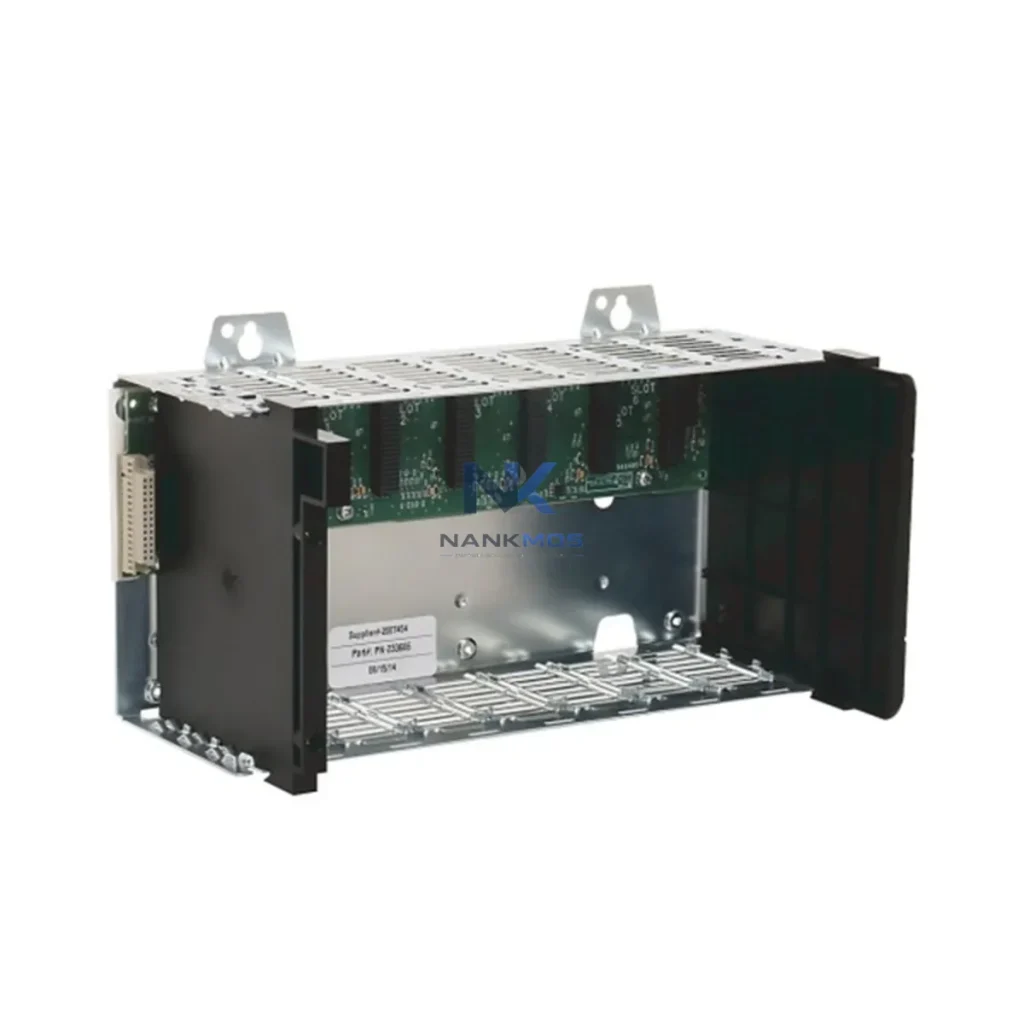
Allen-Bradley 1756-A7 is a NANKMOS industrial automation product record Listed under ControlLogix series and Business & Industrial > Automation, Control & Flow Devices > Programmable Logic Controllers. Confirm condition, availability, lead time, compatibility and documentation by email inquiry.
| Manufacturer | Allen-Bradley |
|---|---|
| Application | Controller Processing & System Control |
| Part Number / Model | 1756-A7 |
| Compatible System | ControlLogix |
| Series | ControlLogix |
| Condition Options | To Confirm |
| Module Type | Controller / CPU Module |
| Warranty | 12 Months |
| Packaging | Anti-static Bag / Secure Box |
| Shipping Methods | DHL / FedEx / UPS / Air / Sea |
| Availability | To Confirm |
| Lead Time | To Confirm |
| Documentation | Part number and revision checked before quote |
The Allen-Bradley 1756-A7 ControlLogix 7-Slot Chassis is a cornerstone of modern industrial network architecture, engineered to serve as the physical and logical hub through which field-level signals, controller logic, and enterprise data systems converge. Designed for demanding production environments, the 1756-A7 provides seven module slots that accommodate a broad range of ControlLogix I/O, communication, and controller modules — enabling seamless integration across EtherNet/IP and ControlNet topologies. Whether deployed in discrete manufacturing, process control, or hybrid automation environments, this chassis delivers the structural foundation for a fully connected, data-transparent smart factory.
In a typical smart factory deployment, the 1756-A7 chassis hosts the Allen-Bradley 1756-L85E ControlLogix controller alongside communication modules such as the 1756-EN2T EtherNet/IP bridge module, enabling high-speed, deterministic data exchange between the PLC backplane and the plant-wide Ethernet network. Field devices — including distributed I/O racks running 1734 POINT I/O modules, variable frequency drives such as the PowerFlex 755, and intelligent sensors connected via DeviceNet or IO-Link — feed real-time process data upward through the chassis to the controller, and onward to SCADA and MES platforms.
The 1756-A7 chassis is equally at home in architectures where protocol translation is required. When legacy Modbus RTU devices or PROFIBUS field instruments must be integrated into an EtherNet/IP backbone, gateway modules installed within the chassis — such as the 1756-MVI56E from ProSoft Technology — handle transparent protocol conversion without disrupting the primary control loop. This eliminates data silos that commonly arise when older field equipment cannot natively communicate with modern Ethernet-based supervisory systems.
The data flow within a ControlLogix-based smart factory begins at the sensor and actuator layer. Proximity switches, pressure transmitters, and flow meters connected to 1734 POINT I/O or 1756 ControlLogix I/O modules feed analog and digital signals directly into the 1756-A7 backplane. The resident 1756-L85E controller processes these signals in real time, executing ladder logic or structured text programs that govern machine sequencing, PID loops, and safety interlocks.
Upstream from the controller, the 1756-EN2T EtherNet/IP communication module bridges the backplane to the plant Ethernet switch infrastructure — typically a Stratix 5700 or Stratix 8000 managed industrial Ethernet switch — which routes process data to the SCADA server running FactoryTalk View SE or an Ignition-based visualization platform. Operators at HMI terminals, whether panel-mounted PanelView Plus 7 units or PC-based workstations, receive live tag data with sub-second refresh rates, enabling real-time monitoring of production KPIs, alarm states, and equipment health indicators.
For drive-level integration, PowerFlex 755 variable frequency drives connected via EtherNet/IP report speed references, torque feedback, fault codes, and energy consumption data directly to the ControlLogix controller hosted in the 1756-A7 chassis. This bidirectional data link allows the SCADA system to log drive performance trends, trigger predictive maintenance alerts when vibration or thermal thresholds are exceeded, and remotely adjust speed setpoints without requiring physical access to the drive panel.
Remote diagnostic capability is a defining advantage of the 1756-A7 architecture. Through FactoryTalk Remote Access or a secure VPN tunnel to the plant network, maintenance engineers can connect to the ControlLogix controller from any location, upload or download program changes, monitor I/O status in real time, and capture fault history logs — all without dispatching personnel to the production floor. This capability dramatically reduces mean time to repair (MTTR) and supports 24/7 operational continuity across multi-site manufacturing enterprises.
Edge computing integration is increasingly common in 1756-A7 deployments. An edge gateway device — such as the Moxa UC-8112 or Cisco IE3400 — installed on the same Ethernet segment as the ControlLogix system can subscribe to EtherNet/IP tag data via CIP, pre-process it locally, and publish aggregated metrics to cloud platforms such as AWS IoT, Microsoft Azure IoT Hub, or Rockwell's FactoryTalk Analytics. This architecture supports digital twin modeling, OEE dashboards, and AI-driven anomaly detection without burdening the PLC controller with cloud communication overhead.
Many industrial facilities operate with a patchwork of legacy and modern equipment, creating protocol fragmentation that prevents unified visibility across the production line. The 1756-A7 chassis directly addresses this challenge by providing a modular, expandable platform where communication modules for EtherNet/IP, ControlNet, and legacy protocols can coexist in the same backplane. A single chassis can simultaneously manage high-speed EtherNet/IP traffic from modern servo drives and translate legacy Modbus TCP data from older SCADA-connected instruments — eliminating the data islands that obscure production performance.
Remote monitoring gaps are resolved through the chassis's native compatibility with FactoryTalk AssetCentre and FactoryTalk Historian, which automatically archive controller tag data, audit program changes, and generate compliance reports. Alarm management is centralized through FactoryTalk Alarms and Events, ensuring that every fault condition — from a tripped overload relay to a network timeout on a remote I/O drop — is logged with timestamp, severity, and acknowledgment status, providing a complete audit trail for root cause analysis.
System scalability is built into the ControlLogix platform. As production capacity grows, additional 1756-A7 chassis can be linked via ControlNet or EtherNet/IP into a multi-chassis control system, with the primary controller maintaining deterministic scan times across all remote I/O and communication modules. This architecture supports phased expansion without requiring a complete system redesign, protecting the capital investment in existing ControlLogix infrastructure.
Q1: What communication protocols does the Allen-Bradley 1756-A7 chassis support?The 1756-A7 chassis itself is protocol-agnostic at the hardware level — it supports any communication protocol available through ControlLogix-compatible modules. Common deployments use the 1756-EN2T for EtherNet/IP, the 1756-CNB for ControlNet, and third-party gateway modules for Modbus, PROFIBUS, or HART integration. This flexibility makes the 1756-A7 suitable for both greenfield smart factory builds and brownfield upgrades.
Q2: How does the 1756-A7 support real-time data and low-latency network communication?The ControlLogix backplane in the 1756-A7 operates at high speed, allowing the resident controller to scan I/O and execute logic in millisecond cycle times. EtherNet/IP communication modules support CIP Sync time synchronization (IEEE 1588), ensuring that time-stamped data from distributed I/O, drives, and sensors is coherent across the entire control network — a critical requirement for motion control, safety systems, and SCADA historian accuracy.
Q3: Can the 1756-A7 be integrated with third-party SCADA and HMI systems?Yes. The 1756-A7 chassis, when equipped with an EtherNet/IP communication module, exposes controller tags via the CIP protocol, which is natively supported by major SCADA platforms including Ignition by Inductive Automation, Wonderware InTouch, Siemens WinCC, and GE iFIX. OPC-UA servers can also bridge ControlLogix tag data to any OPC-compliant supervisory system, ensuring broad interoperability across multi-vendor automation environments.
Q4: What warranty and quality assurance does the 1756-A7 carry?Every Allen-Bradley 1756-A7 unit supplied by NANKMOS is covered by a 12-month warranty against manufacturing defects and functional failures. Prior to shipment, each chassis undergoes functional verification testing to confirm backplane integrity, slot connectivity, and power rail stability. In-stock units are available for same-week dispatch, supporting urgent replacement and MRO procurement requirements for production-critical automation systems.
Functional Inspection100% tested on professional platforms to ensure stable performance.
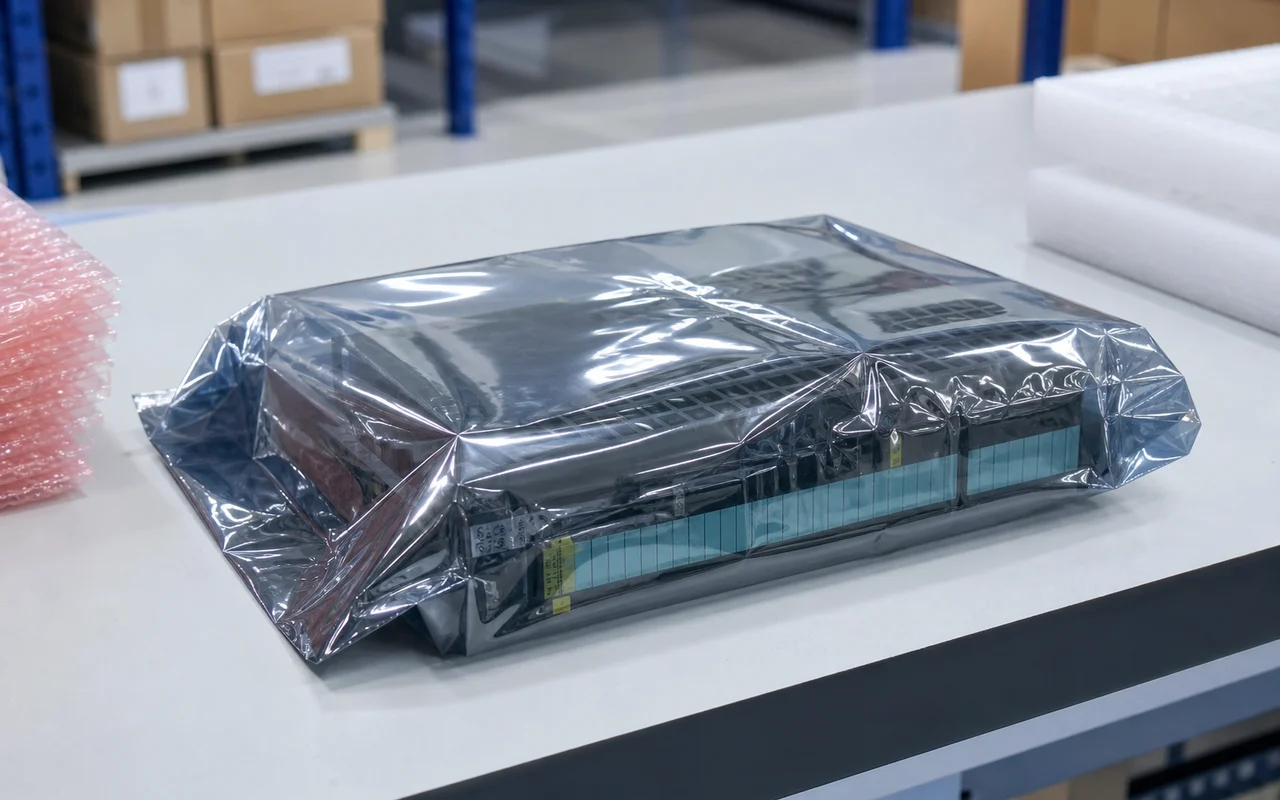 Anti-static Packaging
Modules are packed in anti-static bags to prevent electrostatic damage.
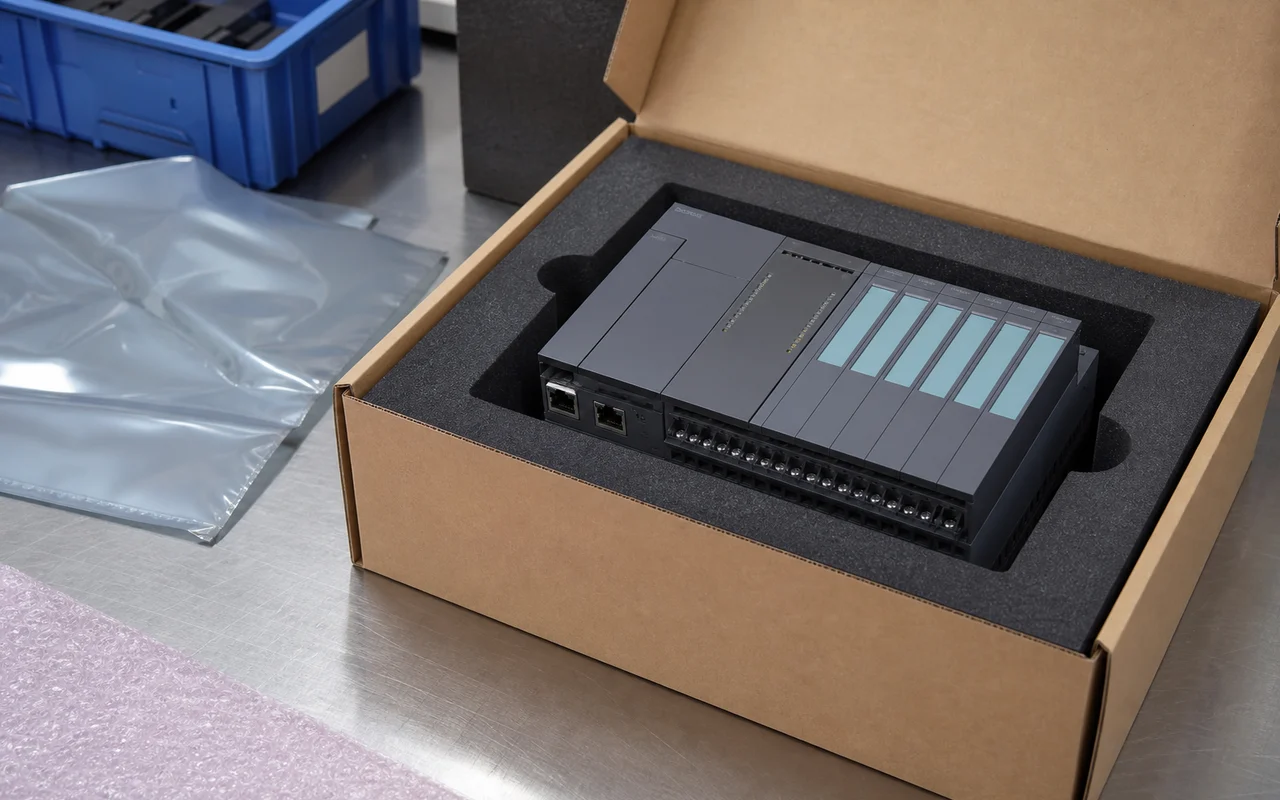 Secure Export Packing
Cushion protection and strong cartons ensure safe transportation.
 Worldwide Shipping
Global logistics network supports air, sea and express delivery.
 Documentation Check
Part number, revision and compatibility verified before shipment.
 After-sales Support
Professional technical support to help resolve your issues.