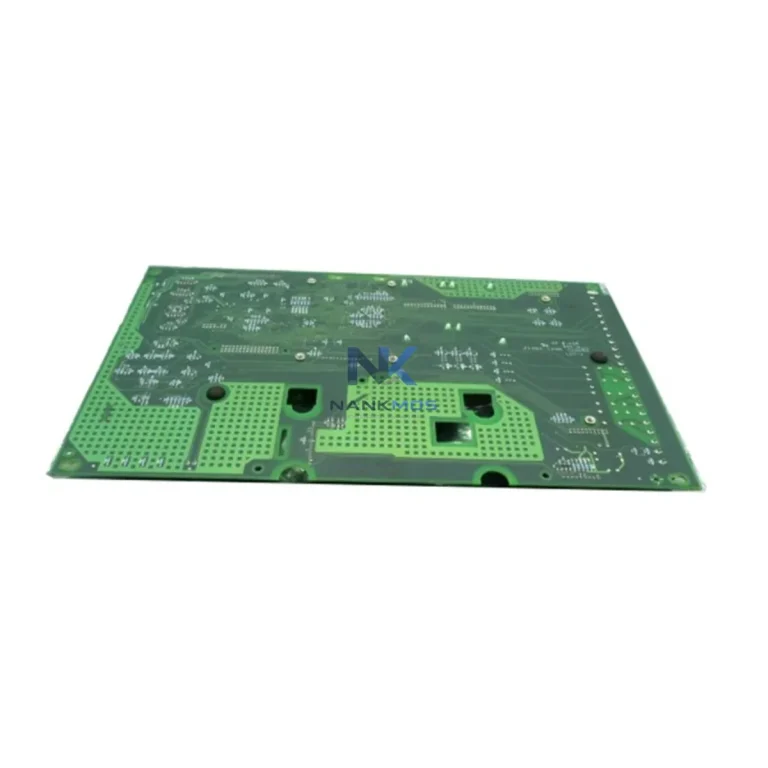
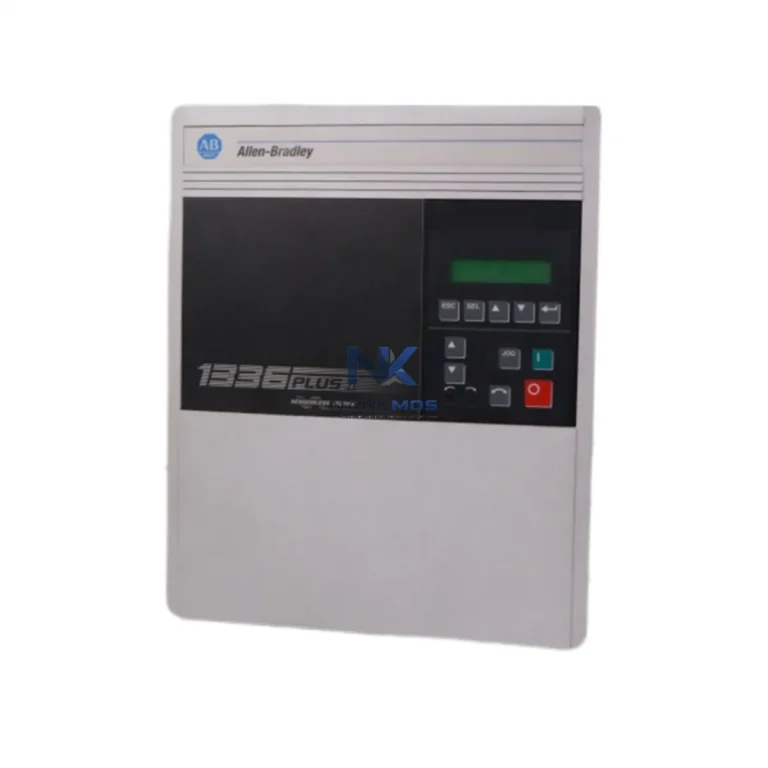
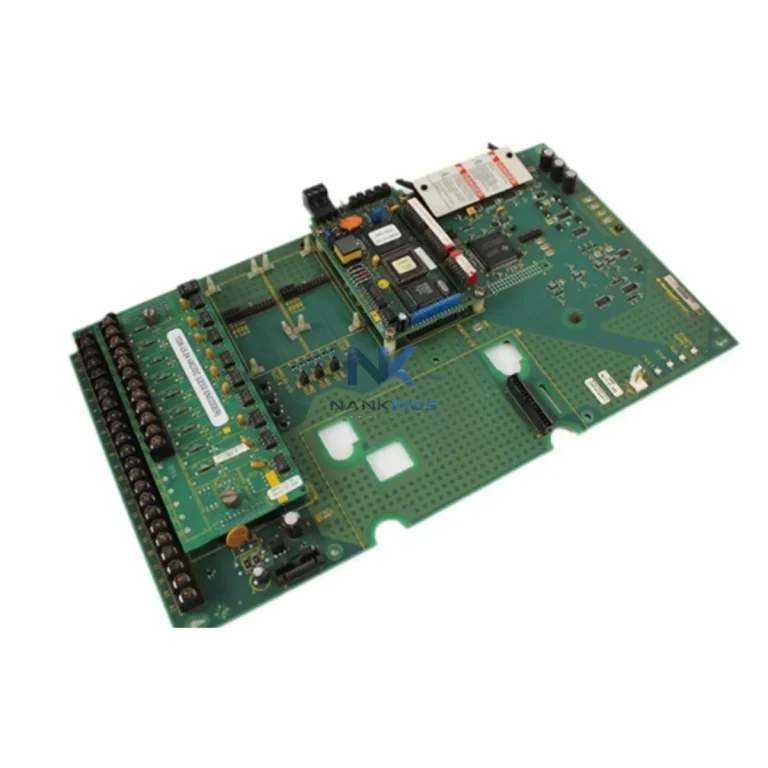
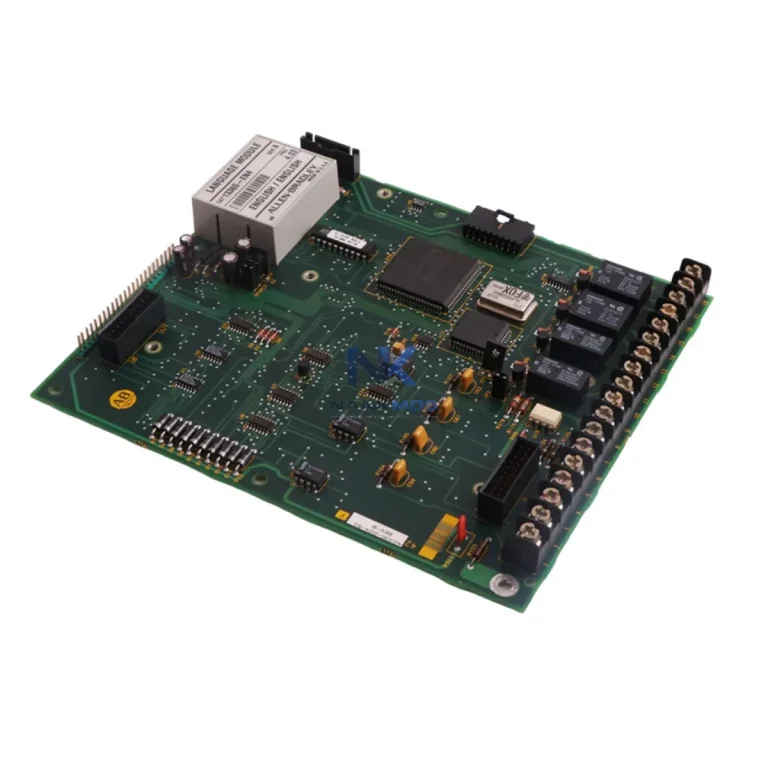
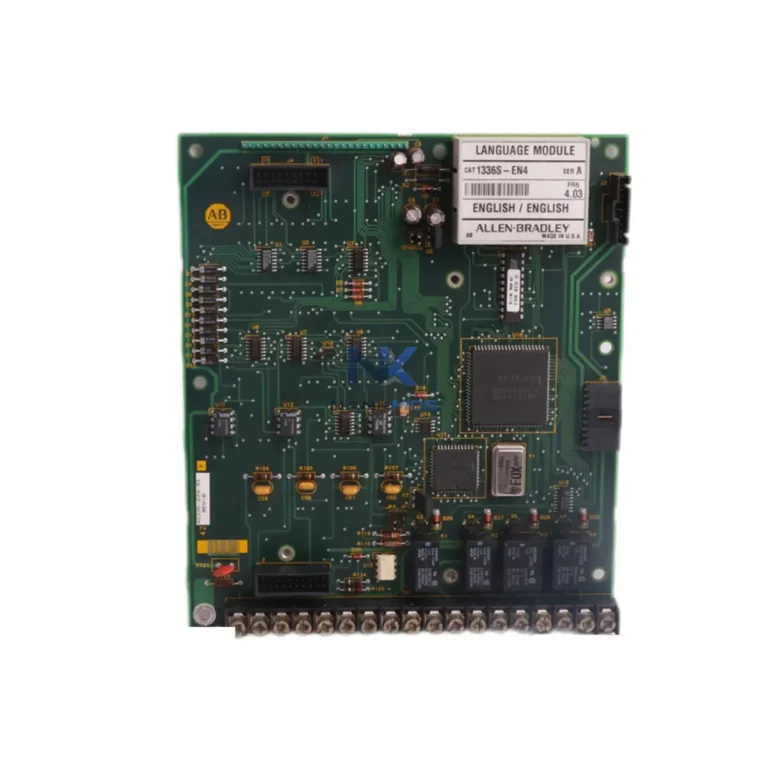
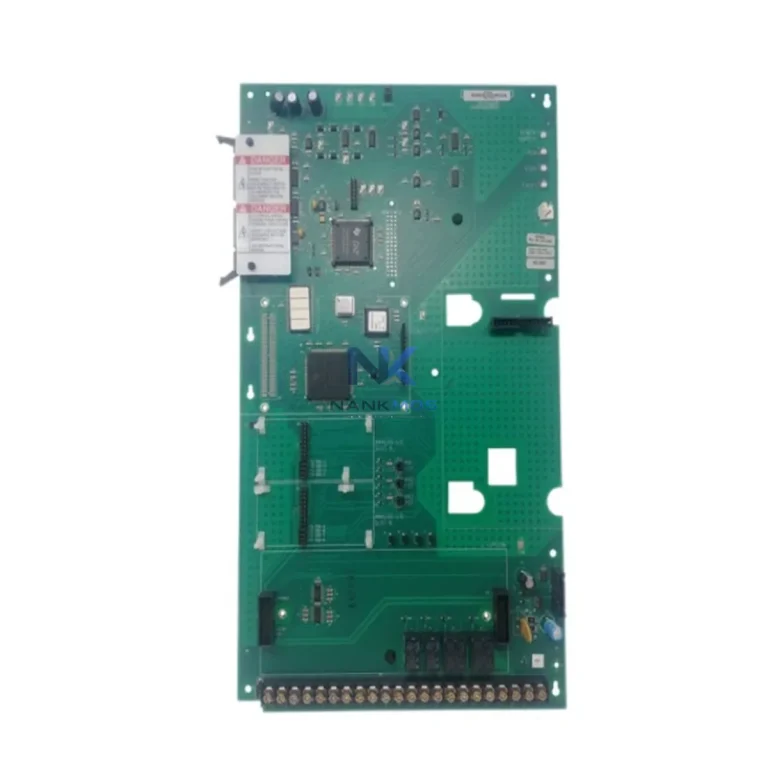
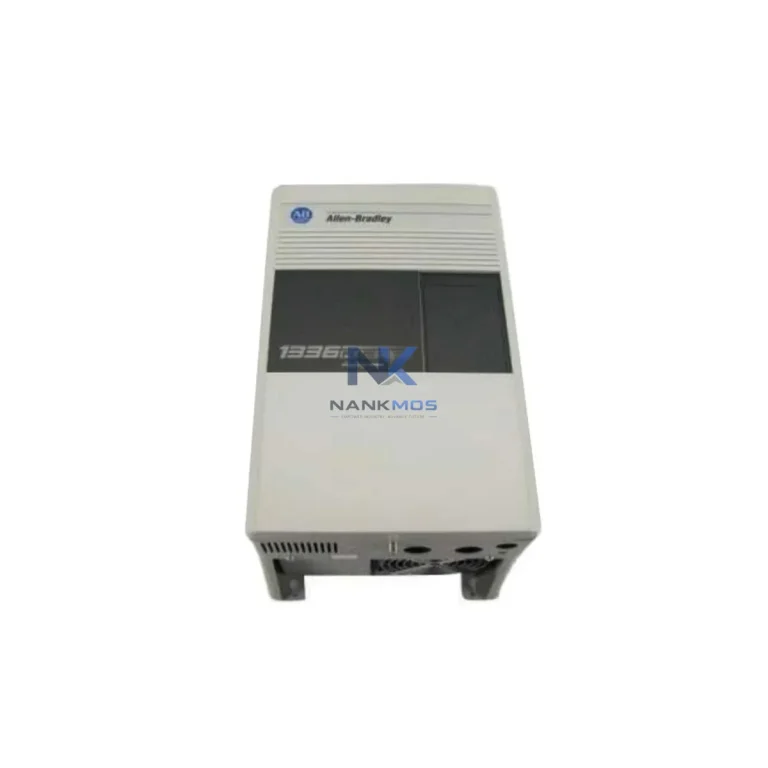
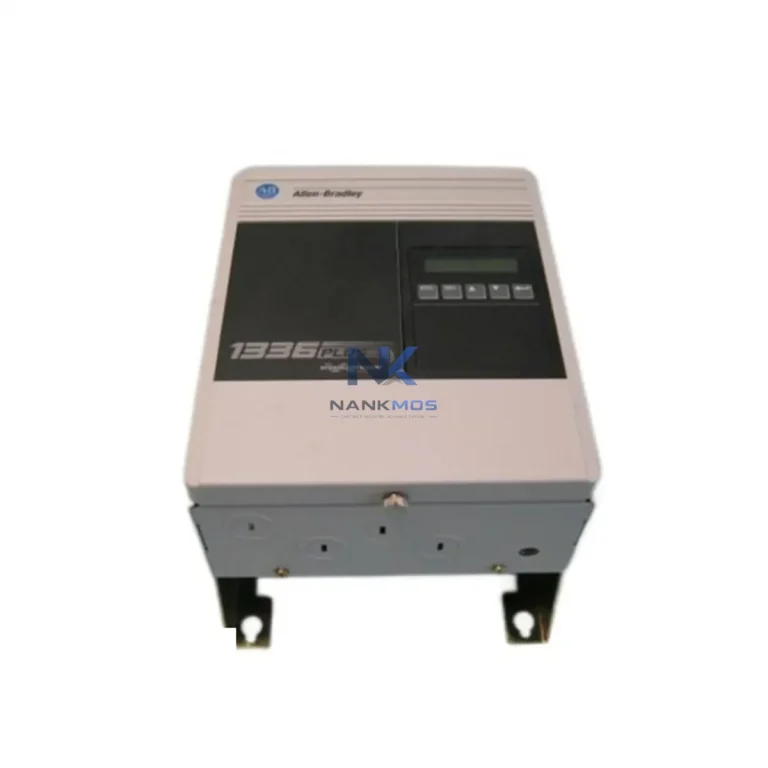
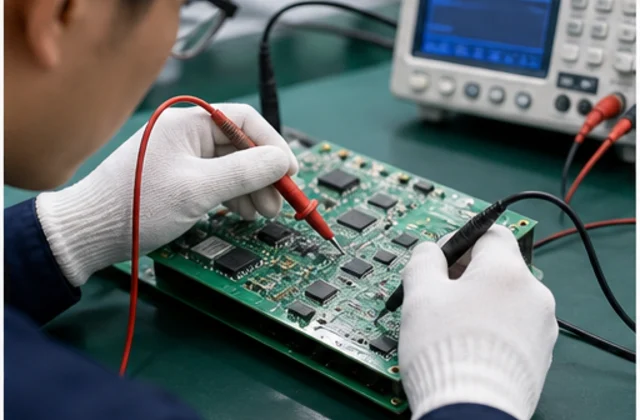
 Functional Inspection
100% tested on professional platforms to ensure stable performance.
Allen-Bradley 1756-DMA31 is a NANKMOS industrial automation product record Listed under ControlLogix series and Drives. Confirm condition, availability, lead time, compatibility and documentation by email inquiry.
Brand names are used for identification only.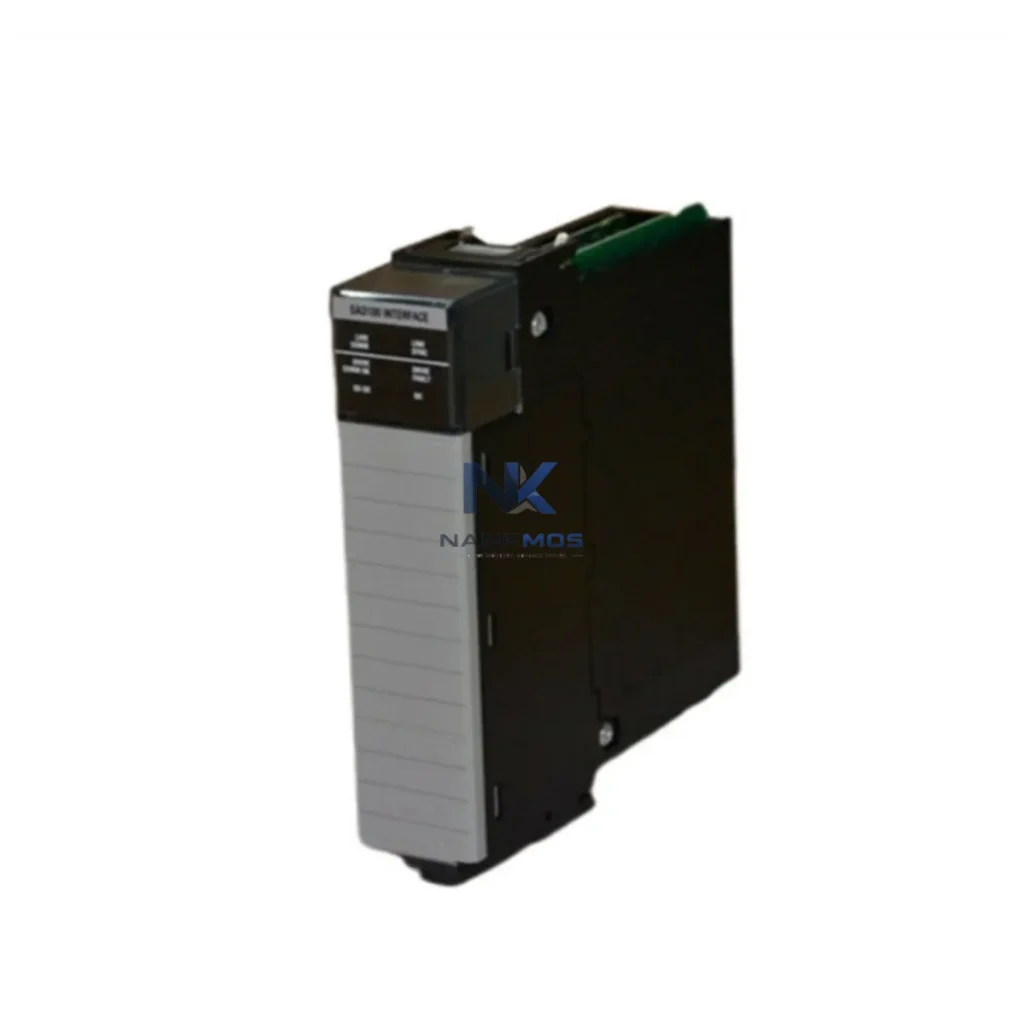
Allen-Bradley 1756-DMA31 is a NANKMOS industrial automation product record Listed under ControlLogix series and Drives. Confirm condition, availability, lead time, compatibility and documentation by email inquiry.
| Manufacturer | Allen-Bradley |
|---|---|
| Application | Industrial Network Communication |
| Part Number / Model | 1756-DMA31 |
| Compatible System | ControlLogix |
| Series | ControlLogix |
| Condition Options | To Confirm |
| Module Type | Communication Module |
| Warranty | 12 Months |
| Packaging | Anti-static Bag / Secure Box |
| Shipping Methods | DHL / FedEx / UPS / Air / Sea |
| Availability | To Confirm |
| Lead Time | To Confirm |
| Documentation | Part number and revision checked before quote |
The Allen-Bradley 1756-DMA31 SynchLink Drive Interface Module is a precision-engineered communication gateway designed for the 1756 ControlLogix chassis, enabling high-speed, deterministic data exchange between ControlLogix processors and PowerFlex drive systems across the SynchLink fiber-optic network. In modern smart factory environments where production continuity depends on microsecond-level drive coordination, the 1756-DMA31 serves as the critical data bridge that eliminates latency, prevents signal degradation, and ensures synchronized motion across multi-drive production lines.
From the moment a motion command is issued by the ControlLogix L7x or L8x processor, the 1756-DMA31 translates and transmits drive reference data — speed setpoints, torque limits, position feedback — across the SynchLink ring topology at fiber-optic speeds. This deterministic communication architecture removes the bottlenecks inherent in traditional copper-based fieldbus networks, delivering consistent cycle times that SCADA systems and HMI platforms such as FactoryTalk View SE can rely on for real-time visualization and alarm management.
In a fully integrated smart factory data chain, the 1756-DMA31 occupies a pivotal position between the ControlLogix controller and the drive layer. Consider a paper or textile production line where multiple PowerFlex 700S drives must maintain precise speed ratios to prevent web breaks or material tension faults. The ControlLogix L74 processor — running coordinated motion logic in Studio 5000 — issues synchronized speed references through the 1756-DMA31 to each drive node on the SynchLink ring. The fiber-optic medium ensures that electromagnetic interference from high-power motor drives, welding equipment, or variable-frequency inverters does not corrupt the reference signal.
Upstream, a 1756-EN2T EtherNet/IP communication module connects the ControlLogix chassis to the plant-level Ethernet backbone, allowing FactoryTalk View SE running on an operator workstation to display real-time drive status, speed feedback, and fault codes. Simultaneously, a 1756-DHRIO module may bridge legacy DeviceNet or DH+ segments where older remote I/O panels, push-button stations, or legacy sensors still operate — ensuring backward compatibility without requiring a full system replacement.
At the field level, distributed 1734 POINT I/O modules collect discrete signals from proximity sensors, photoelectric detectors, and safety interlocks, feeding them back to the ControlLogix processor via EtherNet/IP. The processor correlates this I/O data with drive feedback received through the 1756-DMA31 to execute closed-loop tension control, speed trim, and emergency stop sequences. A 1756-L85E processor with large memory capacity handles the complex coordinated motion tasks while simultaneously managing EtherNet/IP communications to upstream MES and SCADA layers.
For remote diagnostics and predictive maintenance, a FactoryTalk Historian server logs drive performance data — current draw, speed deviation, fault history — streamed from the ControlLogix system via OPC-DA or OPC-UA. Plant engineers can access this data through FactoryTalk VantagePoint dashboards or third-party SCADA platforms, enabling trend analysis, early fault detection, and planned maintenance scheduling without requiring physical presence on the production floor. An industrial-grade managed Ethernet switch — such as a Stratix 5700 — provides the network infrastructure backbone, with VLAN segmentation isolating drive control traffic from office IT networks to maintain deterministic performance.
Where legacy Modbus RTU devices such as older energy meters, flow controllers, or third-party sensors exist alongside the ControlLogix system, a 1761-NET-AIC or a dedicated Modbus-to-EtherNet/IP gateway bridges the protocol gap, feeding data into the ControlLogix tag database for unified visualization. This multi-protocol architecture — anchored by the 1756-DMA31 at the drive synchronization layer — creates a seamless data continuum from field sensor to enterprise dashboard, fulfilling the core promise of Industrial IoT and smart manufacturing.
Many industrial facilities operating mixed-generation equipment face persistent data gaps: drives that cannot communicate with modern SCADA systems, protocol mismatches between legacy fieldbus segments and EtherNet/IP backbones, and production lines where critical drive parameters are invisible to plant management systems. The 1756-DMA31 directly addresses the drive synchronization layer of this challenge by providing a dedicated, high-speed, noise-immune communication path that standard EtherNet/IP or DeviceNet modules cannot replicate for time-critical multi-drive coordination.
For sites struggling with data islands — where drive fault logs exist only in local HMI panels and are never aggregated into the plant historian — integrating the 1756-DMA31 with a ControlLogix system connected to FactoryTalk Historian closes this gap. Drive events, speed deviations, and torque overloads become part of the plant-wide data record, enabling root-cause analysis after unplanned stops and supporting continuous improvement initiatives. Remote monitoring capabilities mean that maintenance engineers can diagnose drive faults, review trend data, and even initiate controlled shutdowns from remote workstations, reducing mean time to repair and minimizing production losses.
System scalability is another key advantage: the SynchLink ring topology supports up to eight drive nodes per ring, and multiple 1756-DMA31 modules can be installed in the same ControlLogix chassis to manage multiple independent drive groups. As production capacity expands, additional PowerFlex drives can be added to the SynchLink ring without redesigning the control architecture, protecting the initial capital investment and reducing future integration costs.
Q1: What communication latency can be expected from the 1756-DMA31 SynchLink network?The SynchLink fiber-optic network is designed for deterministic, high-speed drive synchronization with update rates synchronized to the ControlLogix system task period. Fiber-optic transmission eliminates EMI-induced jitter, delivering consistent, low-latency drive reference updates suitable for precision coordinated motion applications such as winder control and multi-axis synchronization.
Q2: Is the 1756-DMA31 compatible with all PowerFlex drive families?The 1756-DMA31 is specifically designed for PowerFlex drives equipped with SynchLink communication ports, including the PowerFlex 700S Phase II, PowerFlex 700H, and PowerFlex 7000 medium-voltage drives. Compatibility with other drive families requires a SynchLink-capable communication adapter. Always verify drive firmware and adapter versions against the Rockwell Automation compatibility matrix before deployment.
Q3: How does the 1756-DMA31 support remote diagnostics and predictive maintenance?Drive status, speed feedback, fault codes, and performance parameters collected by the 1756-DMA31 are available as ControlLogix tags, accessible via EtherNet/IP to FactoryTalk View SE, FactoryTalk Historian, and OPC-UA clients. This enables remote monitoring dashboards, automated alarm notifications, and historical trend analysis without requiring local access to the drive panel.
Q4: What warranty and pre-shipment testing does the 1756-DMA31 include?Every 1756-DMA31 unit supplied by NANKMOS includes a 12-month warranty covering manufacturing defects and functional failures under normal operating conditions. Each unit undergoes functional verification and communication testing prior to shipment to ensure out-of-box reliability. In-stock units are available for prompt dispatch to minimize production downtime.
Functional Inspection100% tested on professional platforms to ensure stable performance.
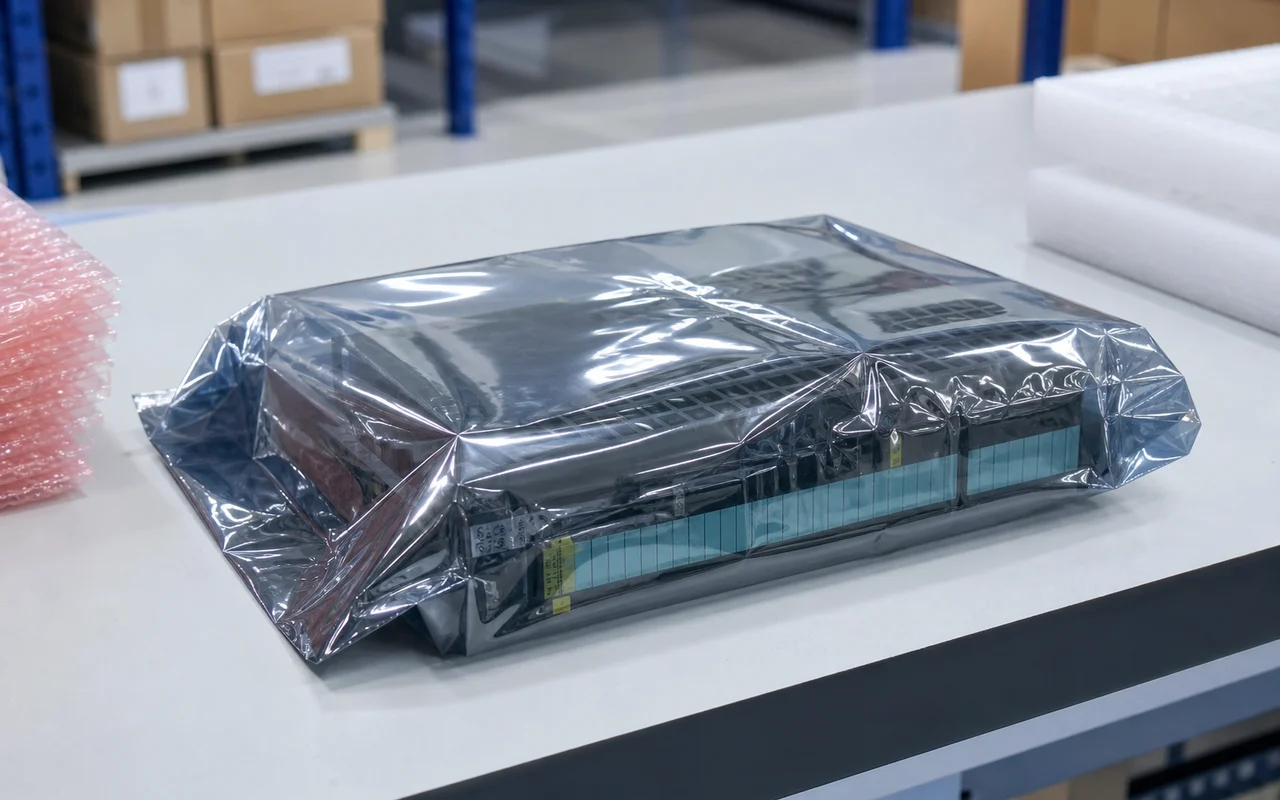 Anti-static Packaging
Modules are packed in anti-static bags to prevent electrostatic damage.
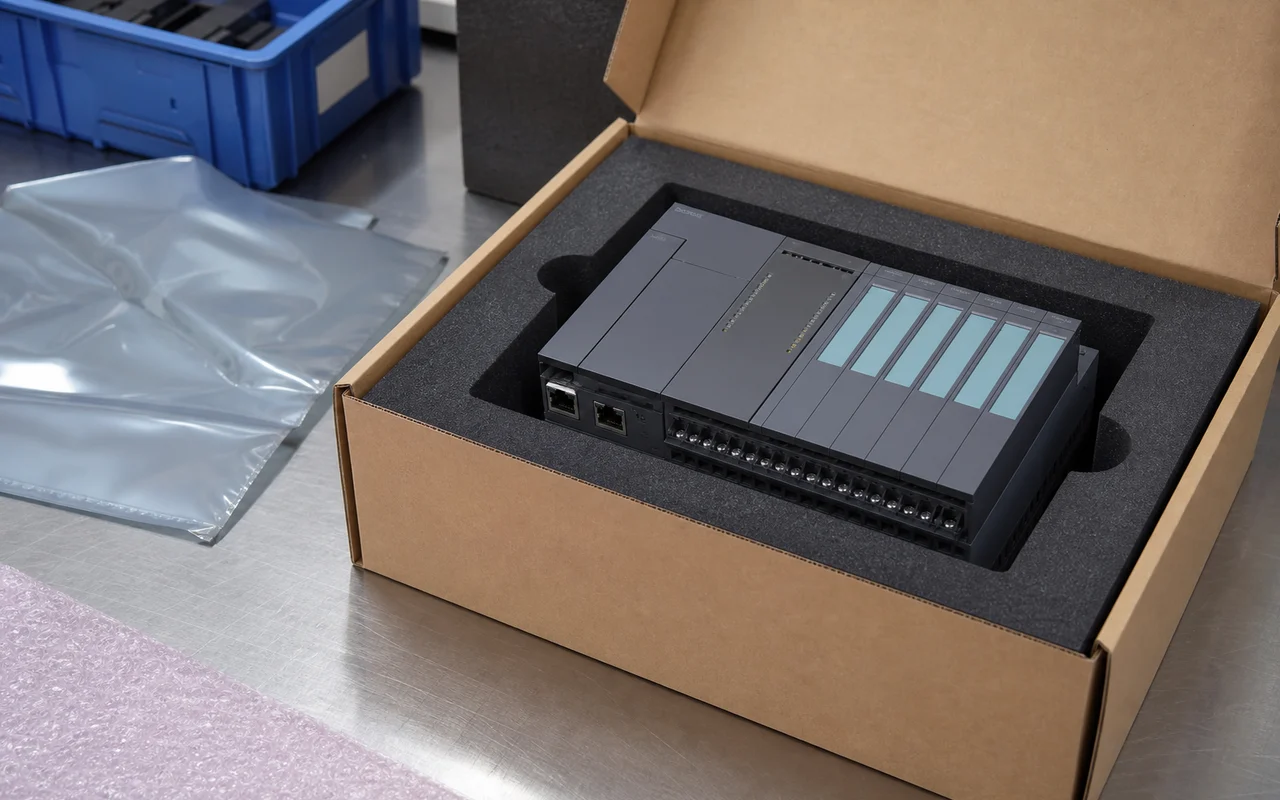 Secure Export Packing
Cushion protection and strong cartons ensure safe transportation.
 Worldwide Shipping
Global logistics network supports air, sea and express delivery.
 Documentation Check
Part number, revision and compatibility verified before shipment.
 After-sales Support
Professional technical support to help resolve your issues.