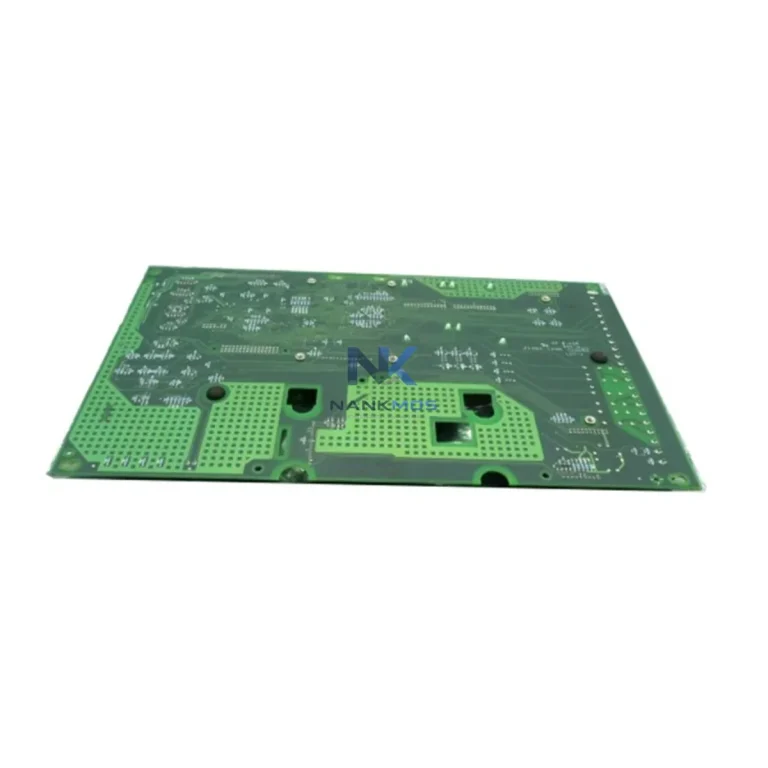
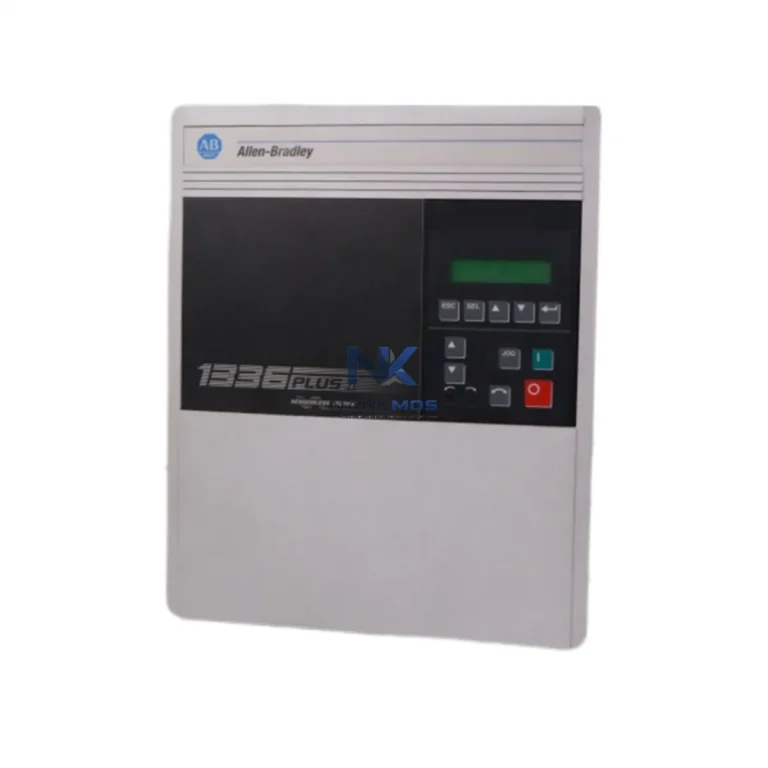
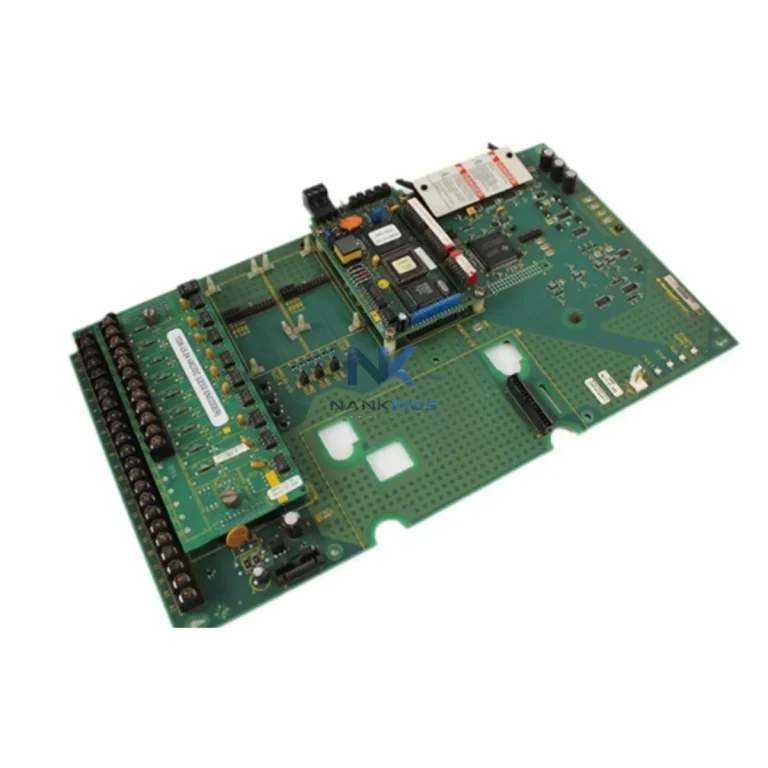
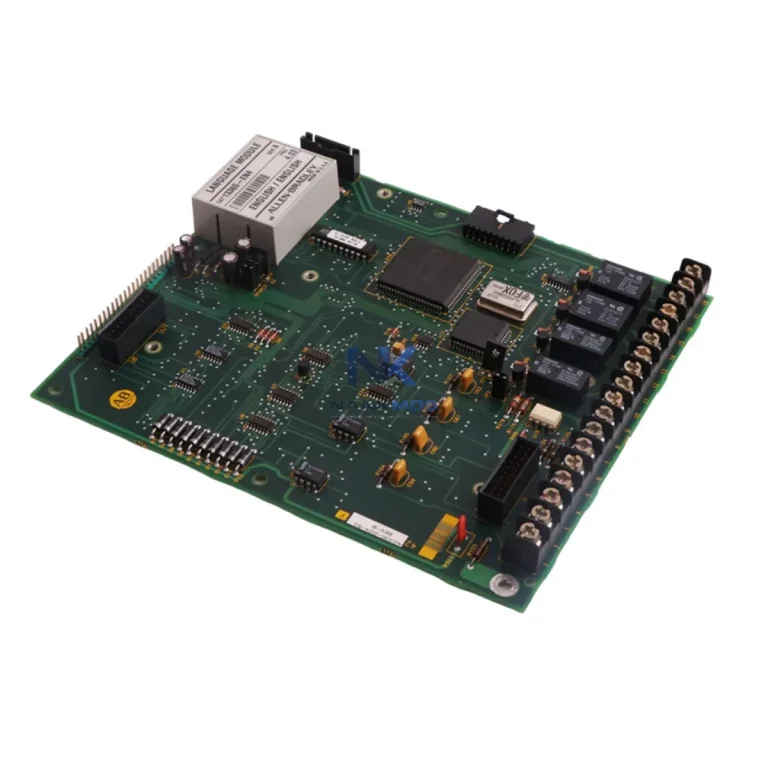
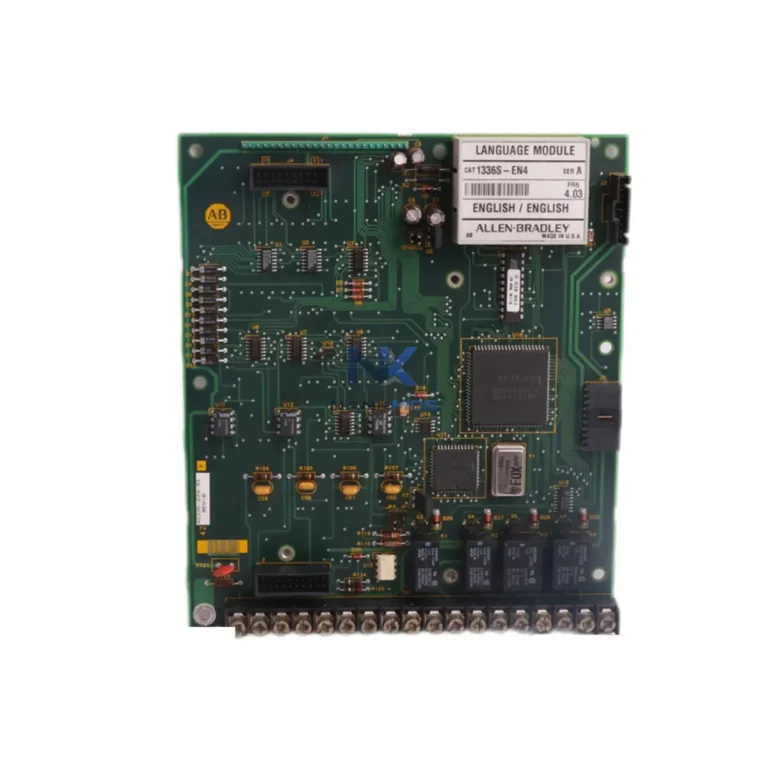
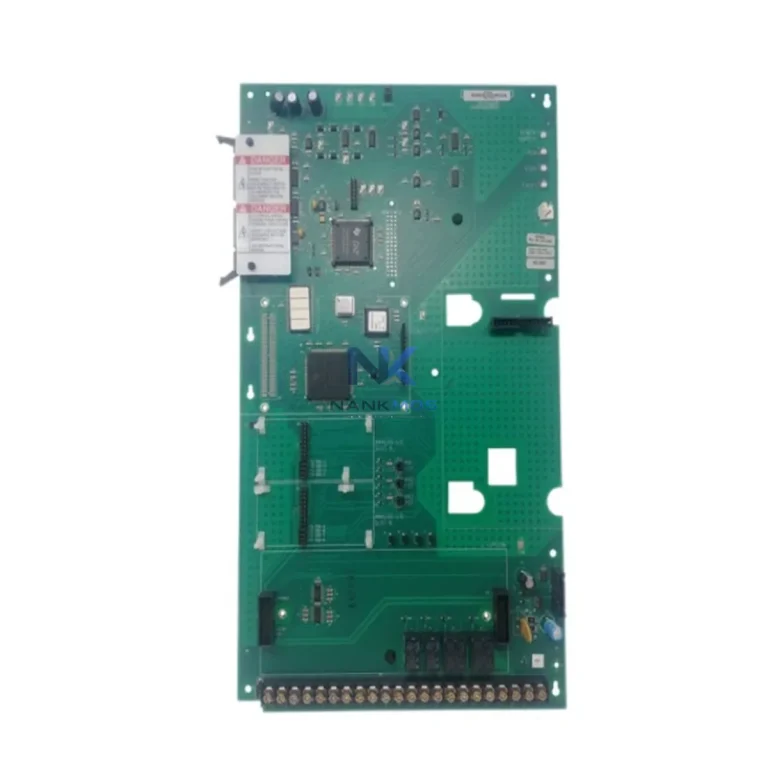
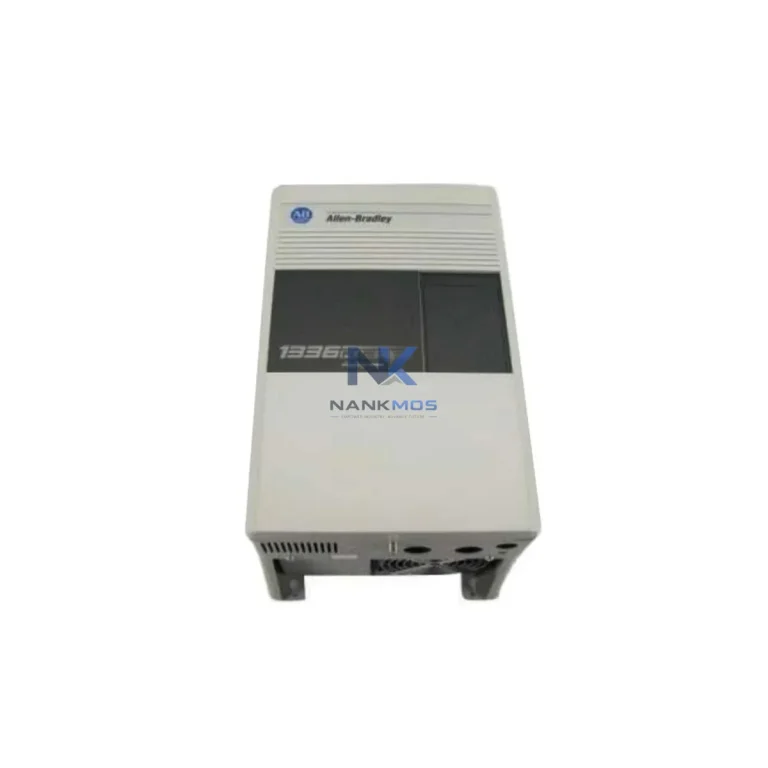
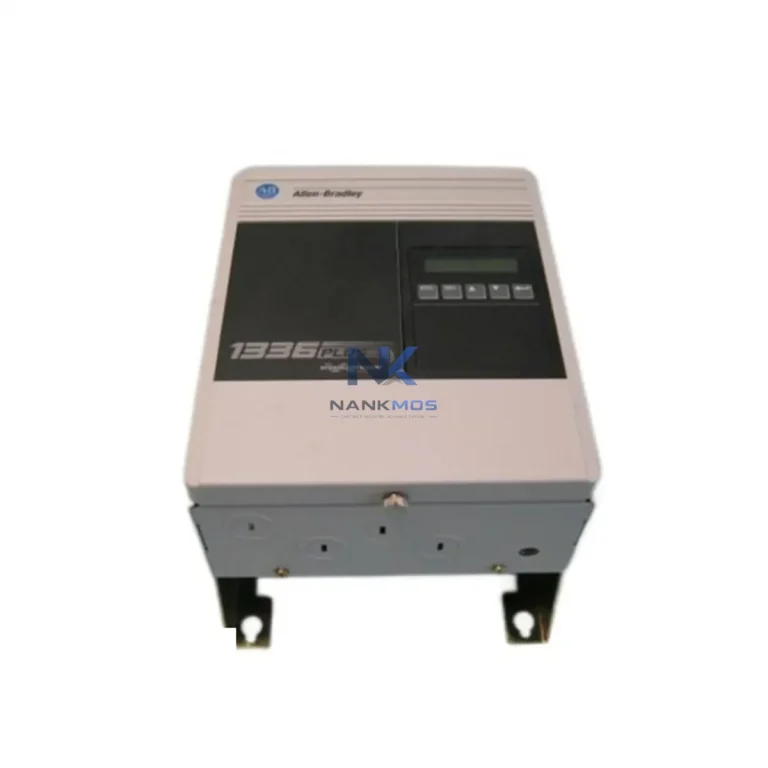
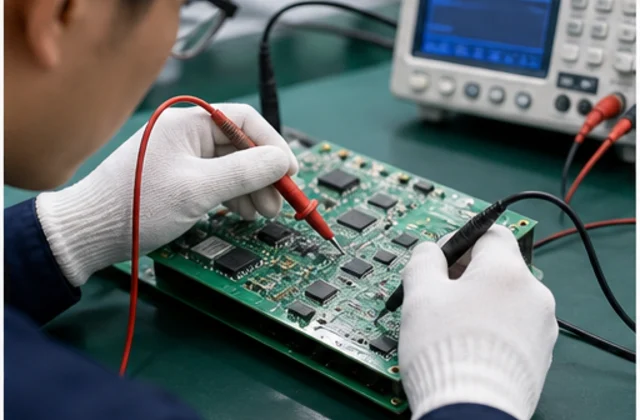
 Functional Inspection
100% tested on professional platforms to ensure stable performance.
Allen-Bradley 1756-L61 is a NANKMOS industrial automation product record Listed under ControlLogix series and Drives. Confirm condition, availability, lead time, compatibility and documentation by email inquiry.
Brand names are used for identification only.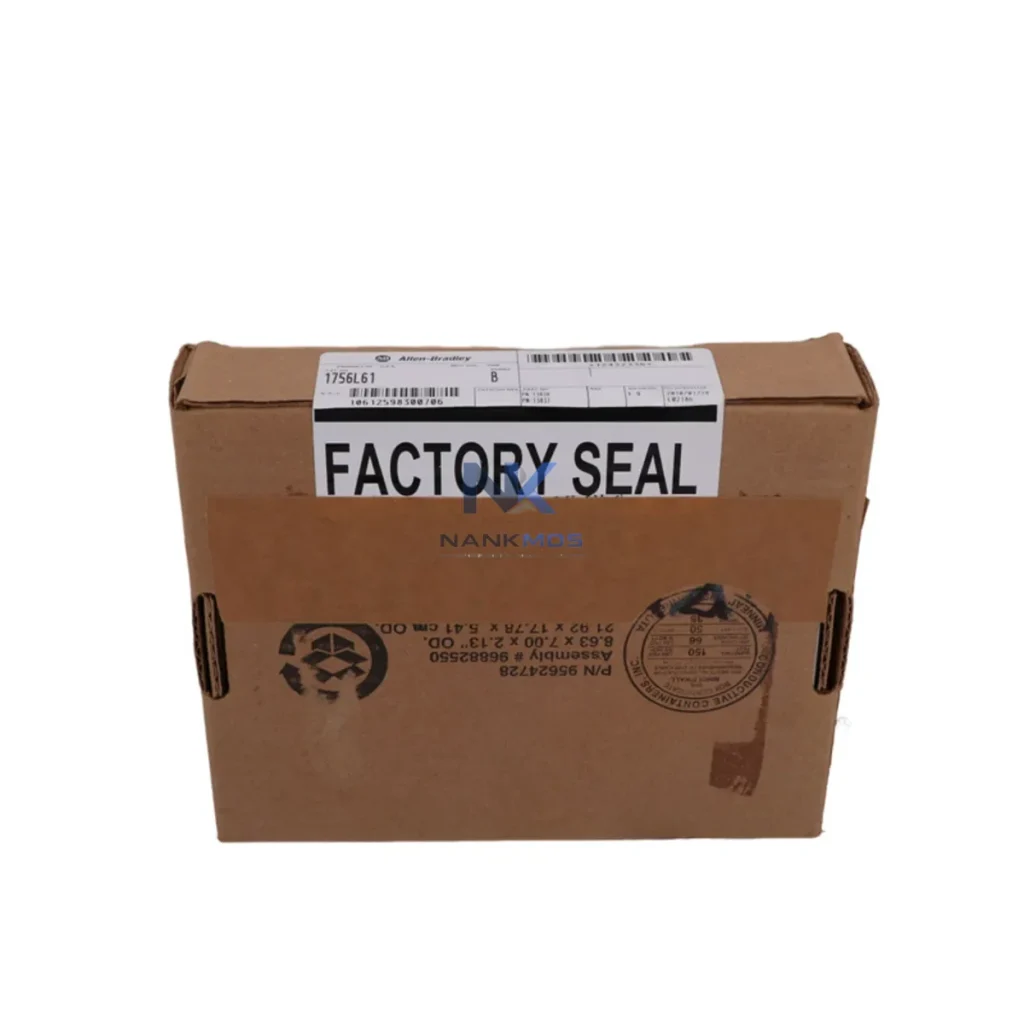
Allen-Bradley 1756-L61 is a NANKMOS industrial automation product record Listed under ControlLogix series and Drives. Confirm condition, availability, lead time, compatibility and documentation by email inquiry.
| Manufacturer | Allen-Bradley |
|---|---|
| Application | Controller Processing & System Control |
| Part Number / Model | 1756-L61 |
| Compatible System | ControlLogix |
| Series | ControlLogix |
| Condition Options | To Confirm |
| Module Type | Controller / CPU Module |
| Warranty | 12 Months |
| Packaging | Anti-static Bag / Secure Box |
| Shipping Methods | DHL / FedEx / UPS / Air / Sea |
| Availability | To Confirm |
| Lead Time | To Confirm |
| Documentation | Part number and revision checked before quote |
The Allen-Bradley 1756-L61 is a ControlLogix-platform programmable logic controller engineered for energy-conscious industrial environments where load management, drive coordination, and production-line efficiency are primary operational objectives. With 2 MB of user memory and a deterministic scan architecture, the 1756-L61 delivers the processing headroom required to execute complex energy-control logic — from motor sequencing and variable-speed drive coordination to real-time power-state monitoring — without compromising cycle time or throughput stability.
Deployed across discrete manufacturing, process automation, and hybrid production lines, the 1756-L61 serves as the central decision node in energy-aware control architectures. It coordinates upstream power-monitoring data with downstream actuator commands, enabling the production line to respond dynamically to load fluctuations, shift schedules, and equipment utilization targets. The result is a measurable reduction in idle-state energy consumption, thermal load on drive cabinets, and unplanned downtime — three of the most significant contributors to energy waste in continuous-production facilities.
Effective energy control in a modern production line is not achieved by a single device — it is the outcome of a coordinated control architecture. The 1756-L61 acts as the orchestration layer within that architecture, exchanging real-time data with every energy-relevant subsystem on the line.
On the drive side, the 1756-L61 communicates directly with PowerFlex 755 variable-frequency drives over EtherNet/IP, issuing speed-reference and torque-limit commands that align motor output with actual load demand rather than running motors at fixed speed regardless of process state. This alone can reduce motor energy consumption by 20–40% in variable-load applications. For precision motion axes, the controller coordinates with Kinetix 5700 servo drives, managing acceleration and deceleration profiles to recover regenerative energy and reduce peak-demand spikes on the supply bus.
Power visibility is provided by integrating 1756-IB16 and 1756-OB16 digital I/O modules alongside analog input modules that accept 4–20 mA signals from current transformers and power transducers. These signals feed the 1756-L61's energy-monitoring logic blocks, which calculate real-time kW consumption per zone and trigger load-shedding routines when aggregate demand approaches threshold limits. For facilities running FactoryTalk View SE HMI stations, the controller publishes energy KPIs directly to operator dashboards, giving floor supervisors actionable visibility into consumption trends without requiring a separate energy-management system.
At the network layer, the 1756-EN2T EtherNet/IP communication module connects the ControlLogix chassis to plant-level SCADA systems and MES platforms, enabling bidirectional energy data exchange. Scheduled production recipes — including motor enable sequences, drive speed profiles, and equipment standby timers — are downloaded from the SCADA layer and executed deterministically by the 1756-L61, ensuring that energy-saving strategies defined at the planning level are faithfully implemented at the machine level. Integration with 1756-DNB DeviceNet bridge modules extends control reach to legacy field devices, sensors, and smart motor starters that report load status and fault conditions back to the controller.
For temperature and environmental monitoring — critical inputs for thermal load management — the 1756-L61 accepts data from 1756-IT6I thermocouple input modules and third-party PT100 sensors wired through analog input cards. Elevated cabinet temperatures trigger automatic drive derating commands and ventilation control outputs, preventing thermal runaway events that would otherwise force unplanned shutdowns and energy-intensive restart sequences.
The 1756-L61's contribution to production-line energy optimization operates across three time horizons: real-time load response, shift-level demand management, and long-term predictive maintenance scheduling.
Real-time load response is handled through the controller's fast scan cycle and interrupt-driven task architecture. When a downstream sensor signals that a conveyor section is empty or a machining station is in a wait state, the 1756-L61 immediately issues speed-reduction commands to the associated PowerFlex drives and disables non-essential I/O outputs. This eliminates the "always-on" energy waste that accumulates across dozens of idle actuators during normal production gaps — a pattern that, in high-volume facilities, can represent 8–15% of total line energy consumption.
Shift-level demand management is implemented through time-based task scheduling within the ControlLogix programming environment. The 1756-L61 executes pre-programmed load-sequencing routines at shift start and end, staggering motor starts to prevent simultaneous inrush currents that inflate peak-demand charges on utility bills. Equipment warm-up sequences are compressed to the minimum required duration, and standby modes are activated automatically when production pauses exceed configurable thresholds.
Predictive maintenance integration is achieved by logging drive fault codes, motor run-hour counters, and thermal event histories to the controller's data table, where they are accessible to FactoryTalk AssetCentre and third-party CMMS platforms via the EtherNet/IP network. Early identification of bearing wear, insulation degradation, and drive overcurrent trends allows maintenance teams to schedule interventions during planned downtime windows rather than reacting to failures — preserving both energy efficiency and production throughput.
Every 1756-L61 unit supplied by NANKMOS is sourced from verified inventory, subjected to pre-shipment functional testing, and covered by a 12-month warranty. Stock availability is maintained to support fast-replacement scenarios where production continuity cannot tolerate extended lead times.
Q1: How does the 1756-L61 contribute to measurable energy savings on a production line? The 1756-L61 reduces energy consumption by coordinating variable-frequency drives and servo drives to match motor output with actual process demand, eliminating idle-state overconsumption. Combined with load-shedding logic and staggered motor-start sequencing, facilities typically observe a 10–25% reduction in line-level energy draw during normal production cycles, with greater savings during partial-load or shift-transition periods.
Q2: Which drive and communication systems is the 1756-L61 compatible with? The 1756-L61 is natively compatible with the full ControlLogix I/O and communication module range, including the 1756-EN2T for EtherNet/IP, 1756-DNB for DeviceNet, and 1756-CNB for ControlNet. It integrates directly with PowerFlex 755 and PowerFlex 525 variable-frequency drives, Kinetix 5700 and Kinetix 5500 servo drives, and communicates with FactoryTalk View SE HMI and FactoryTalk Historian SCADA platforms without additional protocol conversion.
Q3: Can the 1756-L61 replace an existing ControlLogix controller without reprogramming? In most cases, yes. The 1756-L61 is a direct form-fit-function replacement for other L6x-series ControlLogix processors. Existing RSLogix 5000 or Studio 5000 project files can be downloaded to the replacement unit without modification, provided firmware versions are matched. NANKMOS recommends verifying the firmware revision of the outgoing unit and updating the replacement to match before commissioning.
Q4: What does the 12-month warranty cover, and what is the pre-shipment testing process? Every 1756-L61 unit is functionally tested prior to shipment — including memory verification, backplane communication checks, and I/O scan confirmation. The 12-month warranty covers hardware defects and operational failures under normal industrial operating conditions. Units that develop faults within the warranty period are replaced or repaired at no additional cost. NANKMOS maintains standing inventory of the 1756-L61 to support rapid dispatch for both planned procurement and emergency replacement requirements.
Functional Inspection100% tested on professional platforms to ensure stable performance.
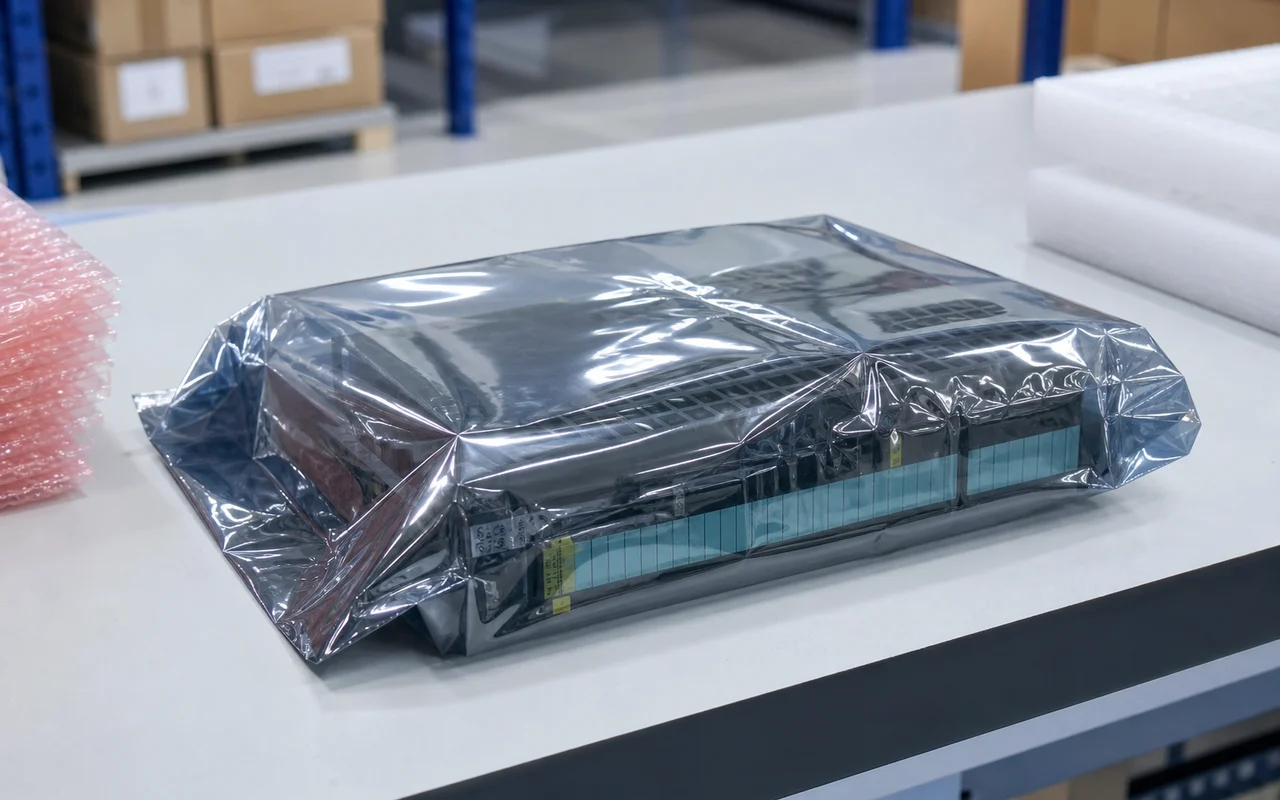 Anti-static Packaging
Modules are packed in anti-static bags to prevent electrostatic damage.
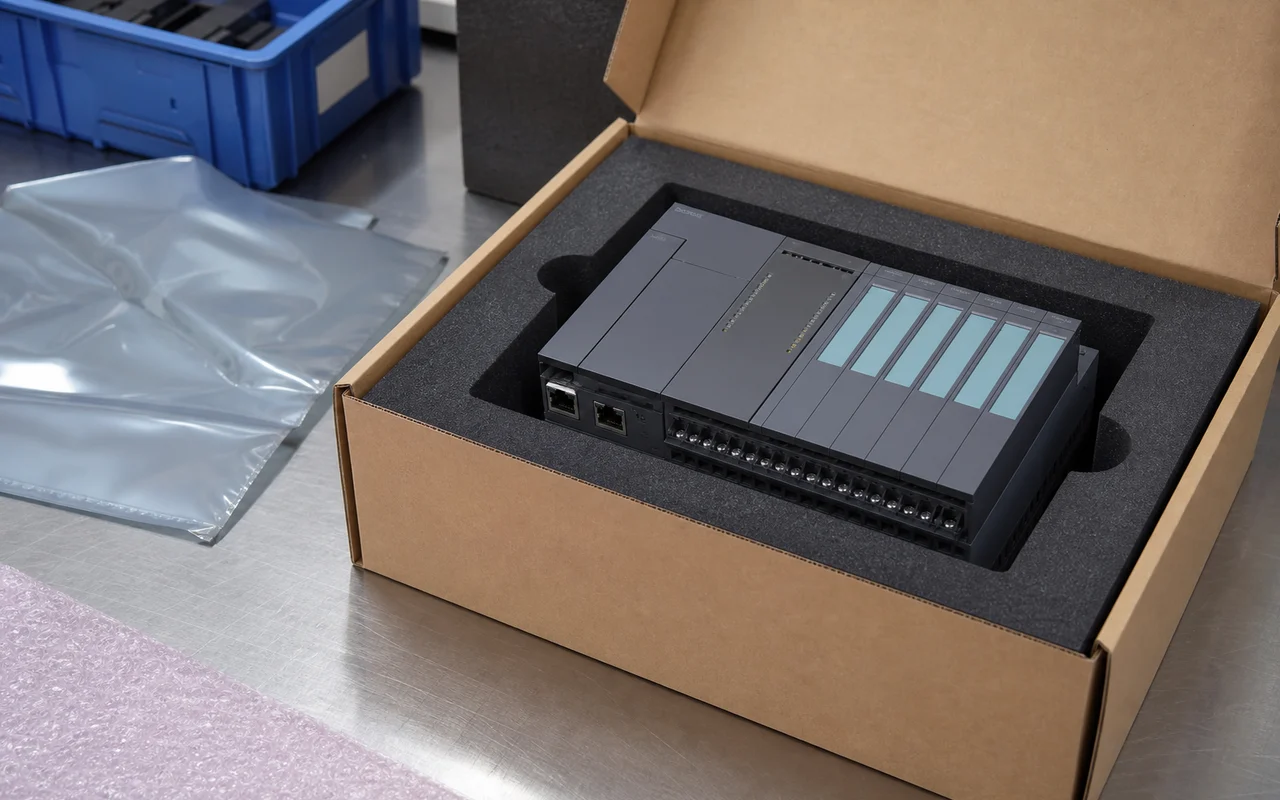 Secure Export Packing
Cushion protection and strong cartons ensure safe transportation.
 Worldwide Shipping
Global logistics network supports air, sea and express delivery.
 Documentation Check
Part number, revision and compatibility verified before shipment.
 After-sales Support
Professional technical support to help resolve your issues.