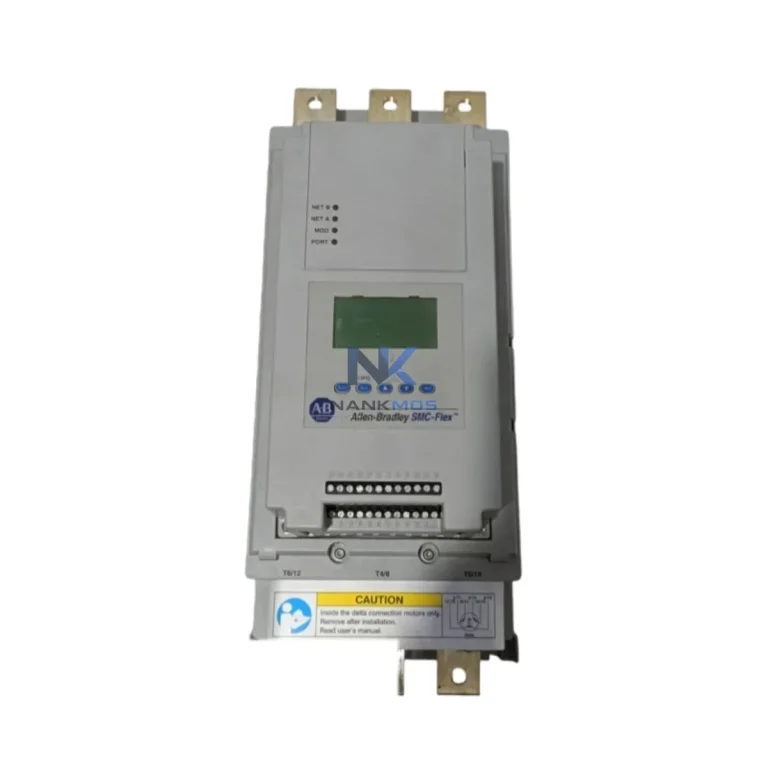
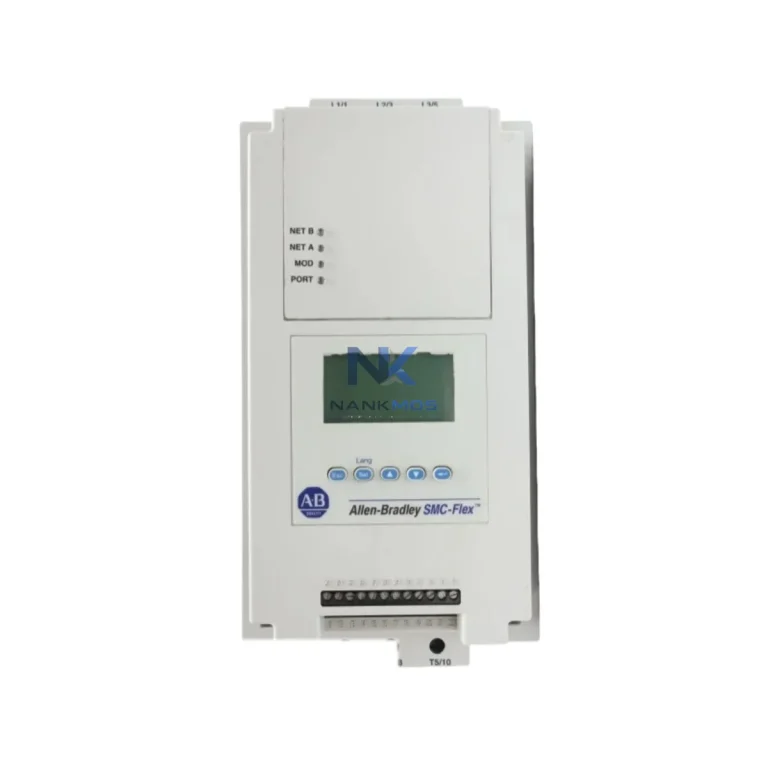
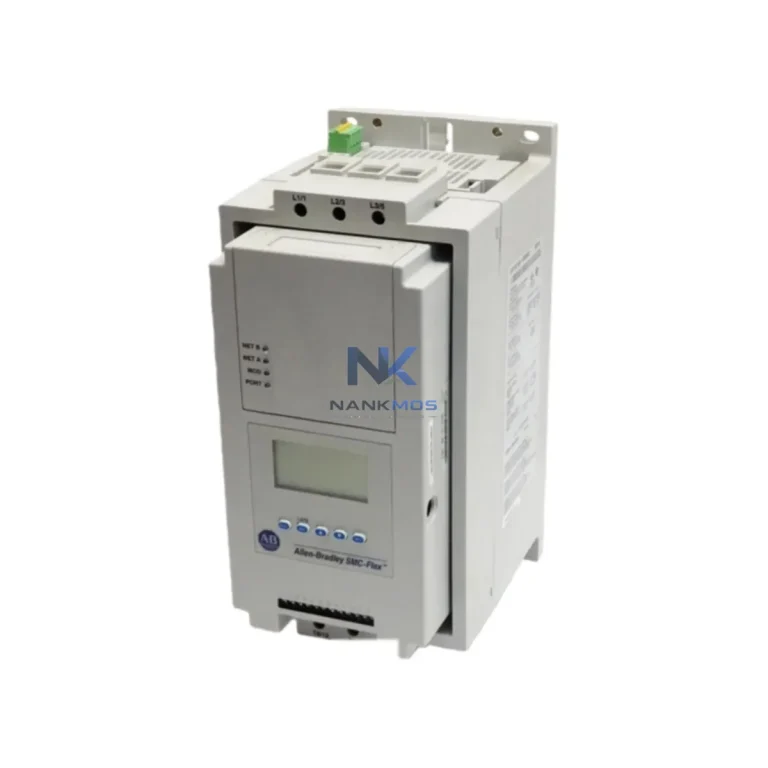
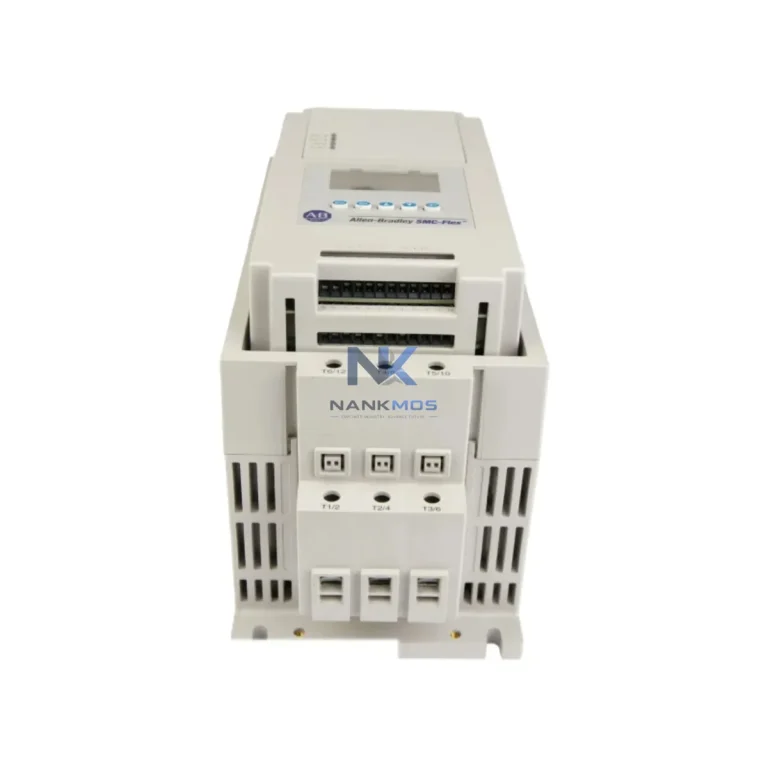
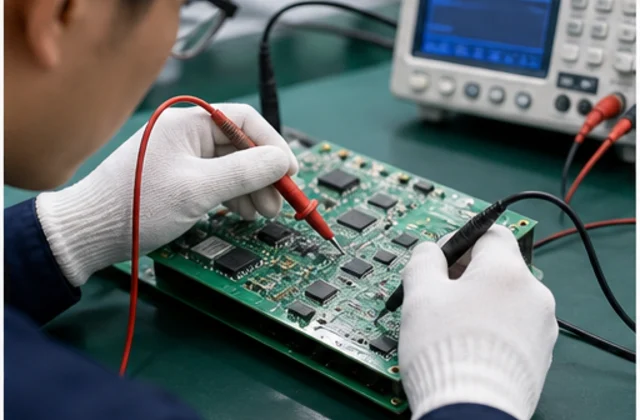
 Functional Inspection
100% tested on professional platforms to ensure stable performance.
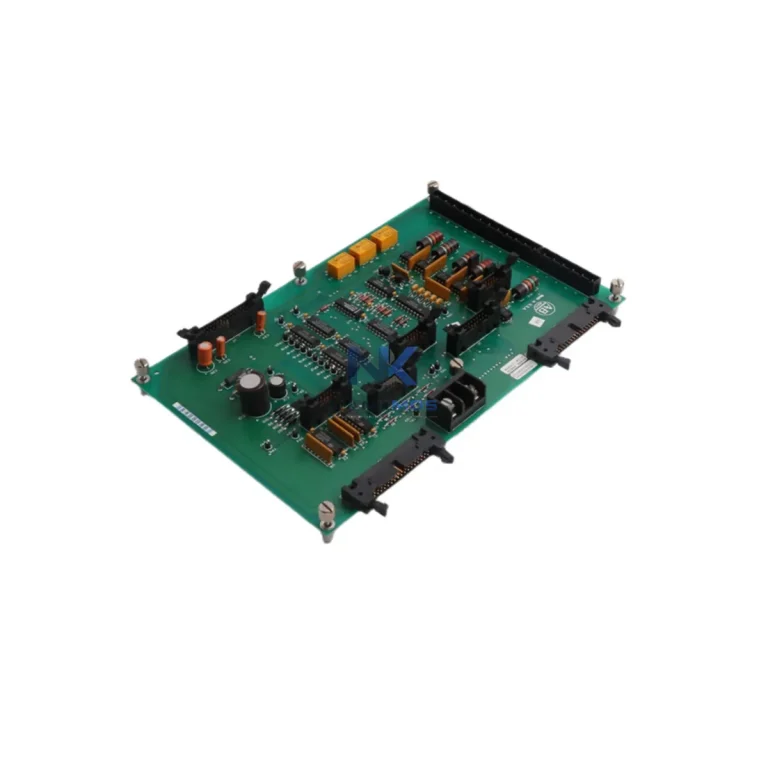
Allen-Bradley 1756-LSP is a NANKMOS industrial automation product record Listed under GuardLogix series and Business & Industrial > Automation, Control & Flow Devices > Programmable Logic Controllers. Confirm condition, availability, lead time, compatibility and documentation by email inquiry.
Brand names are used for identification only.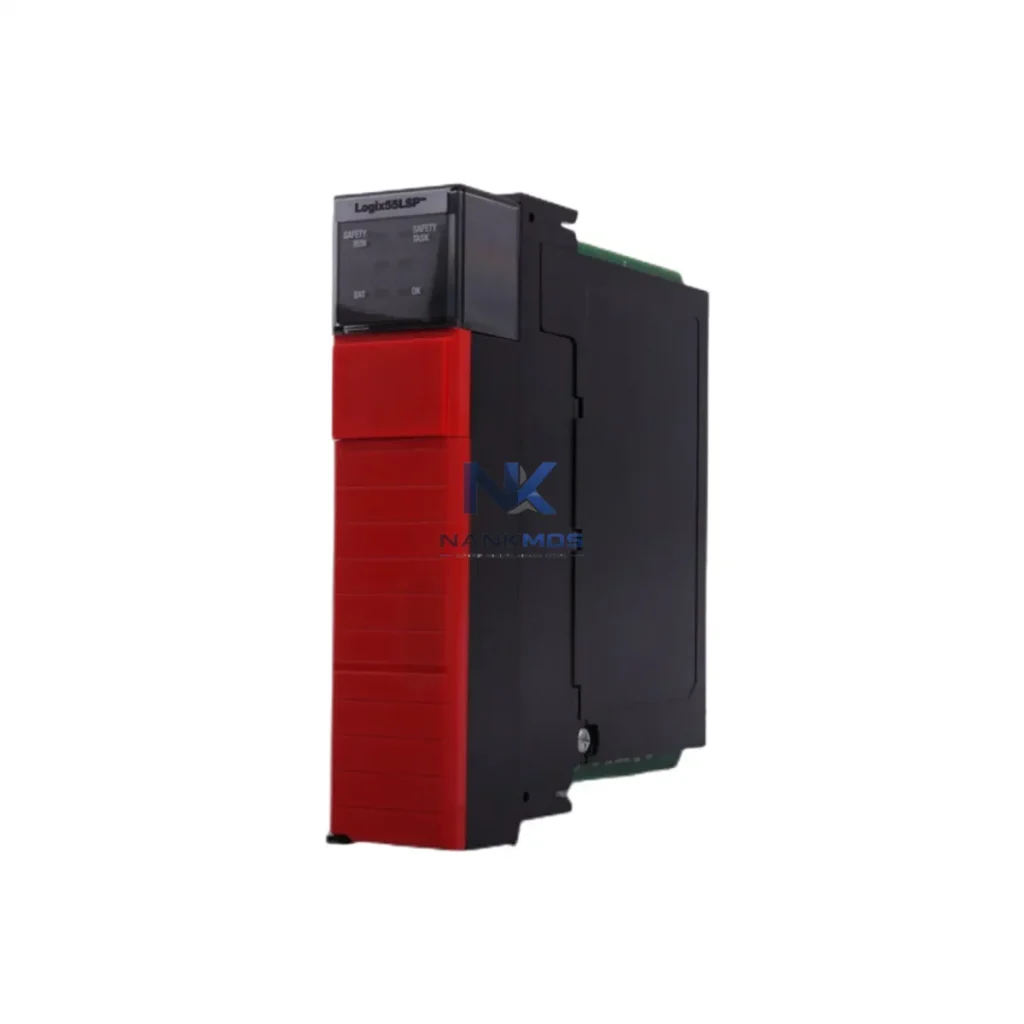
Allen-Bradley 1756-LSP is a NANKMOS industrial automation product record Listed under GuardLogix series and Business & Industrial > Automation, Control & Flow Devices > Programmable Logic Controllers. Confirm condition, availability, lead time, compatibility and documentation by email inquiry.
| Manufacturer | Allen-Bradley |
|---|---|
| Application | Controller Processing & System Control |
| Part Number / Model | 1756-LSP |
| Compatible System | GuardLogix |
| Series | GuardLogix |
| Condition Options | To Confirm |
| Module Type | Controller / CPU Module |
| Warranty | 12 Months |
| Packaging | Anti-static Bag / Secure Box |
| Shipping Methods | DHL / FedEx / UPS / Air / Sea |
| Availability | To Confirm |
| Lead Time | To Confirm |
| Documentation | Part number and revision checked before quote |
The Allen-Bradley 1756-LSP GuardLogix Safety Partner Module is a high-integrity safety controller designed for energy-conscious industrial automation environments. As a dedicated safety partner to the 1756-L7xS GuardLogix controller, the 1756-LSP enforces SIL 2 and SIL 3 safety functions while actively contributing to load management and energy optimization across production lines. By enabling Safe Torque Off (STO) and controlled shutdown sequences, it eliminates unnecessary motor run-time, reduces reactive power draw, and lowers thermal stress on connected drive systems — directly translating to measurable reductions in energy consumption and heat load on the panel.
In modern smart factories, energy efficiency is not a post-installation consideration — it is engineered into the control architecture from the ground up. The 1756-LSP integrates seamlessly into ControlLogix and GuardLogix platforms via the 1756 chassis backplane, communicating over EtherNet/IP to coordinate safety state transitions with upstream SCADA systems and energy management platforms. When a safety event is triggered, the module executes a deterministic, SIL-rated shutdown that avoids abrupt load drops, protecting both the electrical infrastructure and the mechanical drivetrain from energy spikes and inrush currents.
Across high-cycle production lines — including press lines, conveyor systems, robotic cells, and packaging machinery — the 1756-LSP works in concert with PowerFlex 755 and PowerFlex 527 variable frequency drives to implement coordinated Safe Torque Off without cutting main power to the drive bus. This approach preserves DC bus charge, reduces the energy cost of drive re-initialization, and shortens restart cycles, directly improving line throughput and OEE. The module's integration with 1756-IB16 and 1756-OB16E digital I/O modules enables precise safety zone mapping, ensuring that only the affected production cell is de-energized during a fault — not the entire line — minimizing energy waste from unnecessary full-line shutdowns.
The 1756-LSP is most effective when deployed as part of a fully integrated, power-aware automation architecture. In a typical GuardLogix-based production cell, the safety partner module coordinates with the 1756-L73S GuardLogix controller to manage safety state transitions without interrupting the broader energy management loop. The 1756-EN2T EtherNet/IP communication module bridges the safety controller to the plant network, enabling real-time safety status reporting to SCADA platforms such as Rockwell's FactoryTalk View and FactoryTalk Energy Manager.
On the drive side, the 1756-LSP's STO output connects directly to PowerFlex 755 drives, which support hardware-enable inputs for SIL 2-rated Safe Torque Off without requiring a separate safety relay. This eliminates the contactor-based isolation approach that wastes energy through coil hold-in current and introduces mechanical wear. For servo-driven axes, integration with Kinetix 5700 servo drives via the CIP Safety protocol over EtherNet/IP allows the safety module to command individual axis STO while the remaining axes continue production — a critical capability for reducing partial-line energy waste.
Power monitoring is handled upstream by the PowerMonitor 5000 power quality analyzer, which feeds real-time kW, kVAR, and power factor data to the ControlLogix processor. The 1756-LSP's safety state transitions are logged against this power data, enabling engineers to correlate safety events with energy consumption anomalies — a foundational step in predictive maintenance and energy audit workflows. The 1756-IF8 analog input module further supports current and voltage transducer inputs for zone-level energy metering, providing granular visibility into which production cells consume the most energy during normal and fault conditions.
For human-machine interface integration, the PanelView Plus 7 HMI displays safety zone status, STO state, and energy consumption KPIs on a single operator screen. Operators can acknowledge safety faults and initiate controlled restarts directly from the HMI, reducing the manual intervention time that contributes to idle-state energy waste. The 1734 POINT I/O safety modules distributed across the production floor extend the GuardLogix safety network to remote safety devices — light curtains, e-stops, and safety mats — without requiring additional safety PLCs, keeping the control architecture lean and energy-efficient.
Industrial production lines face a persistent challenge: safety systems that are designed to stop machines often do so in ways that are energetically costly. Abrupt de-energization of large motor loads causes voltage transients, inrush currents on restart, and thermal cycling of drive components — all of which increase energy consumption and accelerate component wear. The 1756-LSP addresses this by enabling controlled, ramp-based Safe Stop sequences that allow drives to decelerate motors to zero speed before removing torque, rather than cutting power instantaneously.
This approach has measurable benefits for energy management. By avoiding hard stops, the kinetic energy of rotating machinery can be partially recovered through regenerative braking in compatible PowerFlex drives, feeding energy back into the DC bus or the plant grid. Over a high-cycle production shift, this regenerative recovery can reduce net energy consumption by several percentage points — a significant figure in energy-intensive industries such as automotive stamping, metal forming, and food processing.
The 1756-LSP also supports zone-based safety architectures that allow selective de-energization of production cells during scheduled maintenance windows, tool changes, or minor fault conditions. Rather than shutting down an entire line — which wastes the energy required to bring all systems back to operating temperature and speed — zone isolation ensures that only the affected cell is stopped. This strategy, combined with the module's fast fault detection and deterministic response time, minimizes the duration of safety stops and reduces the cumulative energy cost of safety-related downtime.
From a predictive maintenance perspective, the 1756-LSP's safety diagnostic data — including safety task execution time, safety I/O fault counts, and STO activation frequency — provides early indicators of mechanical or electrical degradation in connected drive systems. Elevated STO activation rates on a specific axis, for example, may indicate bearing wear or load imbalance that, if left unaddressed, would result in a catastrophic failure and extended unplanned downtime. By acting on these signals proactively, maintenance teams can schedule interventions during planned stops, avoiding the energy and productivity cost of unplanned line shutdowns.
All units are sourced from verified supply channels, undergo functional and safety output testing prior to shipment, and are backed by a 12-month warranty. Stock is maintained for fast dispatch to support urgent replacement and line-restart requirements.
Q1: How does the 1756-LSP contribute to energy savings on a production line? The 1756-LSP enables Safe Torque Off and controlled Safe Stop sequences that allow variable frequency drives to decelerate motors in a controlled ramp rather than cutting power abruptly. This reduces inrush current on restart, supports regenerative energy recovery in compatible drives, and enables zone-based selective shutdown — ensuring only the affected cell is de-energized during a fault, not the entire line.
Q2: Is the 1756-LSP compatible with existing ControlLogix and GuardLogix systems? Yes. The 1756-LSP is designed exclusively for use with GuardLogix 5570 and 5580 safety controllers in the 1756 ControlLogix chassis. It communicates via the chassis backplane and requires no additional wiring for safety data exchange with the primary controller. It is compatible with Studio 5000 Logix Designer for programming and diagnostics.
Q3: What is the recommended replacement process and how quickly can a unit be dispatched? For like-for-like replacement, the 1756-LSP can be swapped without reprogramming the safety application, provided the replacement unit is configured with the same safety task and I/O mapping. Units are held in stock and dispatched promptly following order confirmation. Each unit is tested prior to shipment to verify safety output functionality and backplane communication integrity.
Q4: What warranty and post-sale support is provided? All 1756-LSP units are covered by a 12-month warranty from the date of shipment. The warranty covers manufacturing defects and verified functional failures under normal operating conditions. Pre-shipment testing documentation is available on request. For technical support, integration guidance, or bulk procurement inquiries, contact [email protected] or +86 18359268345.
Functional Inspection100% tested on professional platforms to ensure stable performance.
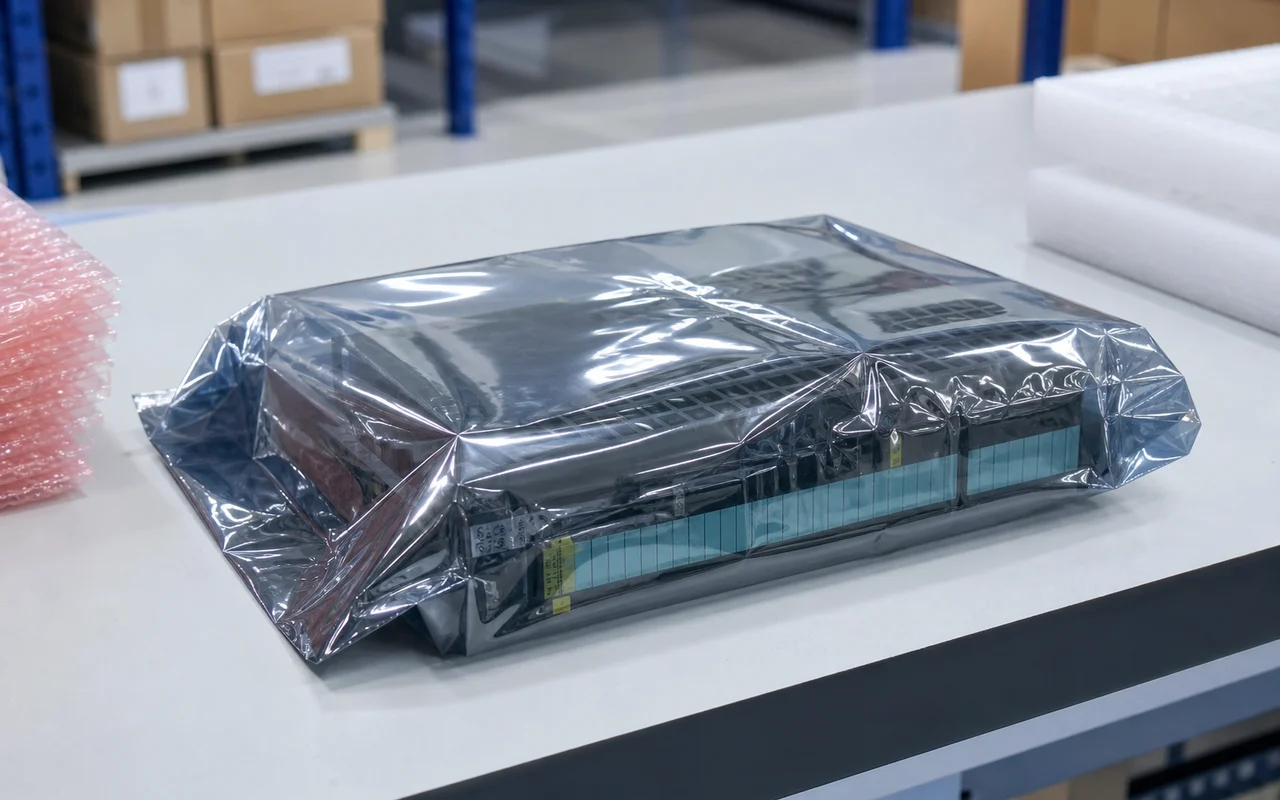 Anti-static Packaging
Modules are packed in anti-static bags to prevent electrostatic damage.
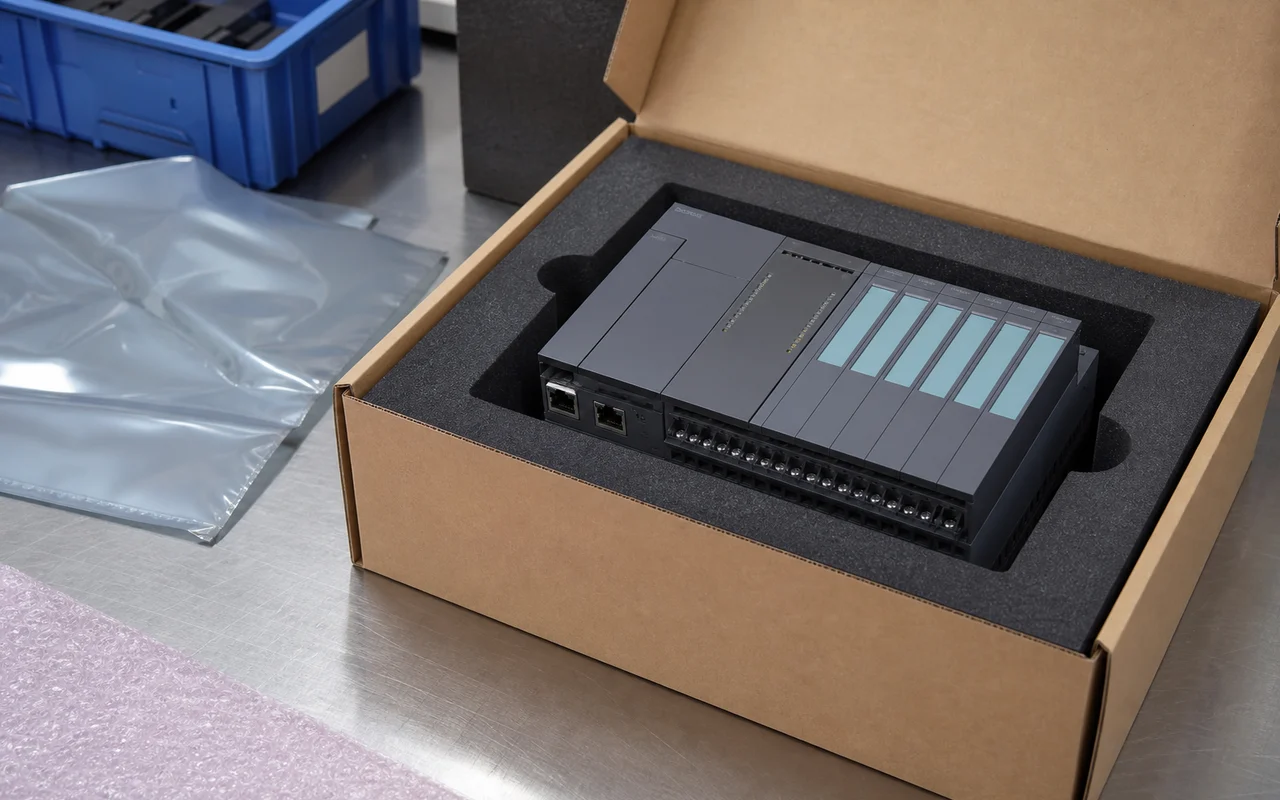 Secure Export Packing
Cushion protection and strong cartons ensure safe transportation.
 Worldwide Shipping
Global logistics network supports air, sea and express delivery.
 Documentation Check
Part number, revision and compatibility verified before shipment.
 After-sales Support
Professional technical support to help resolve your issues.