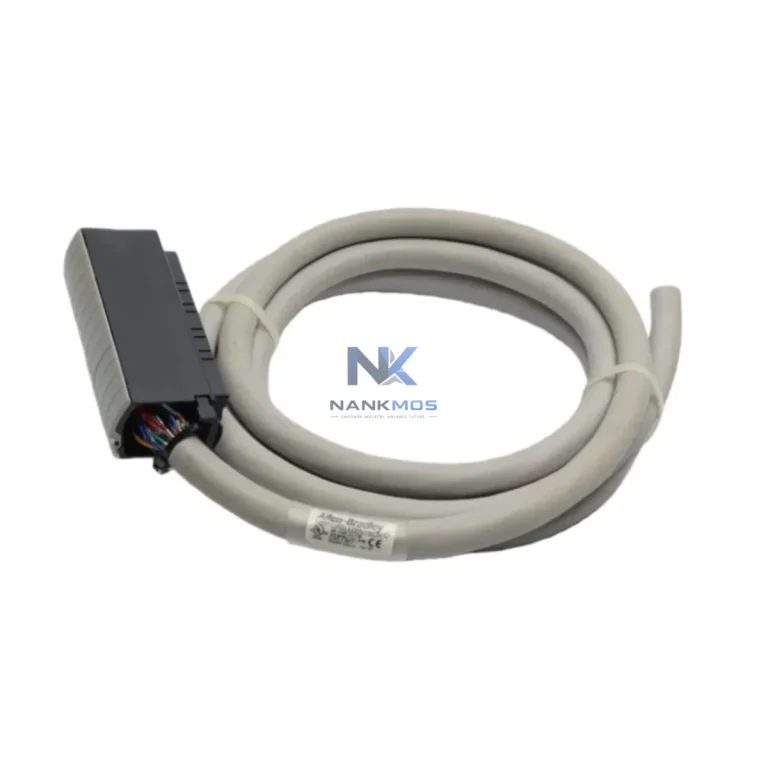
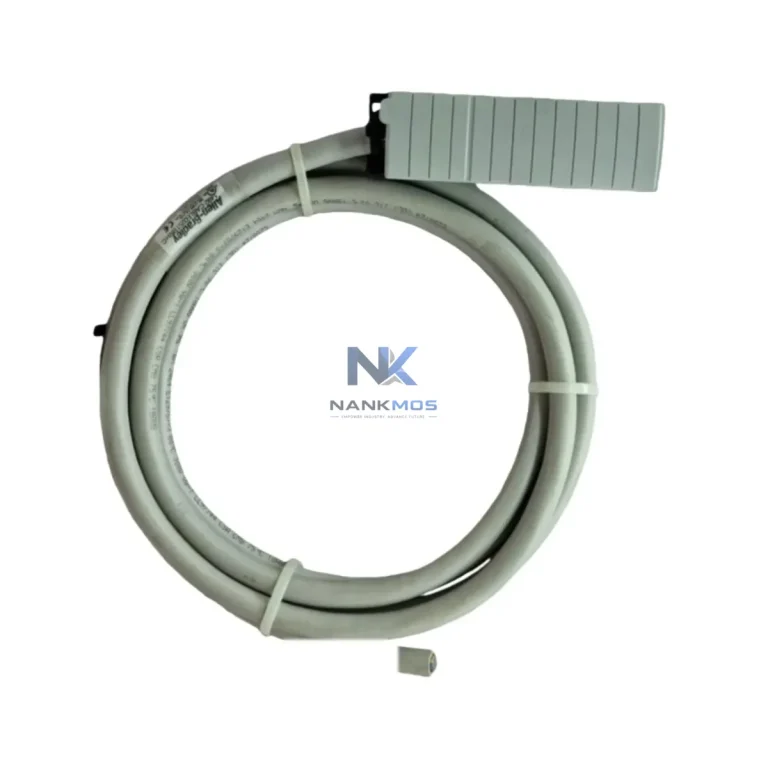
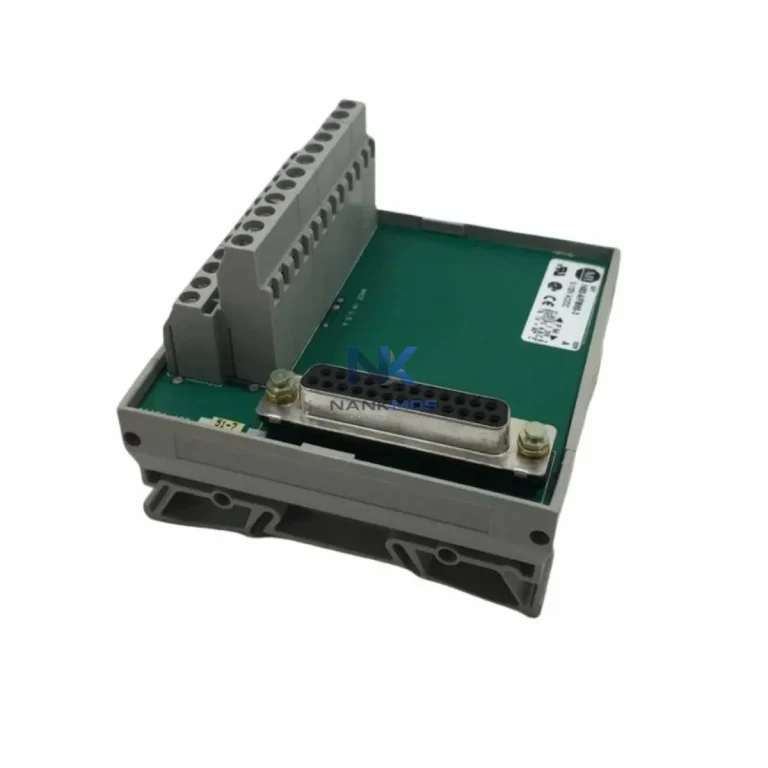
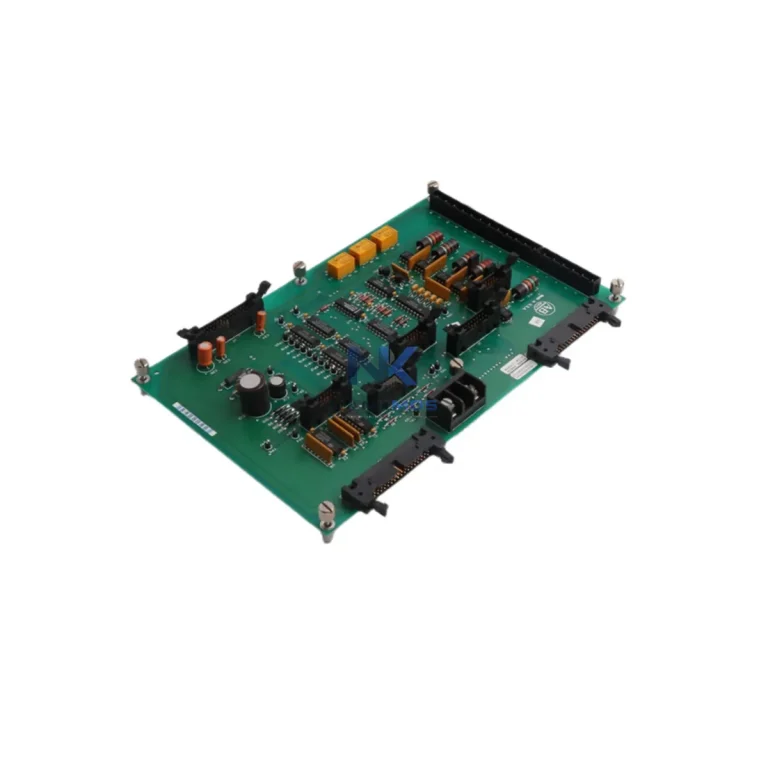
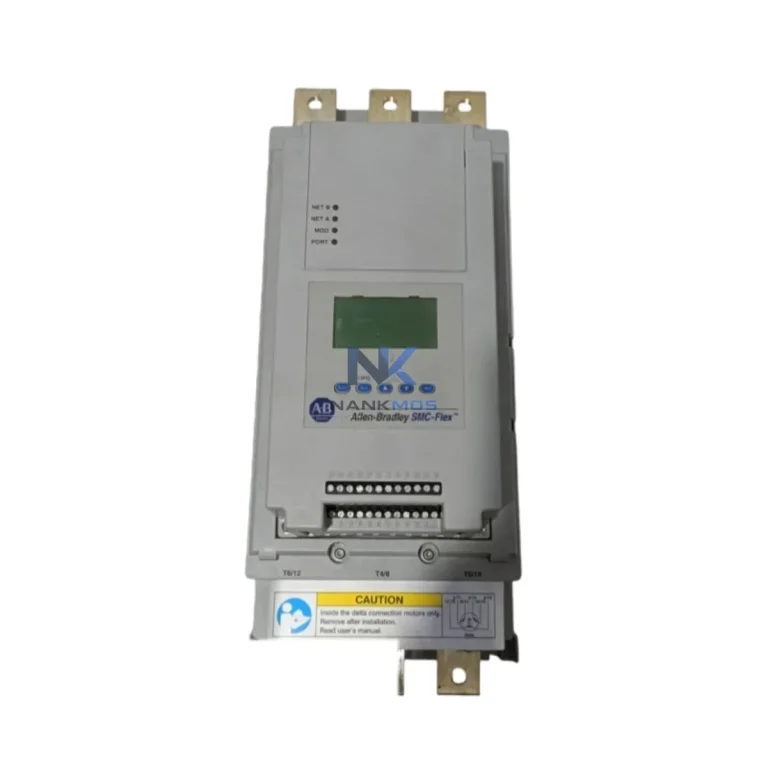
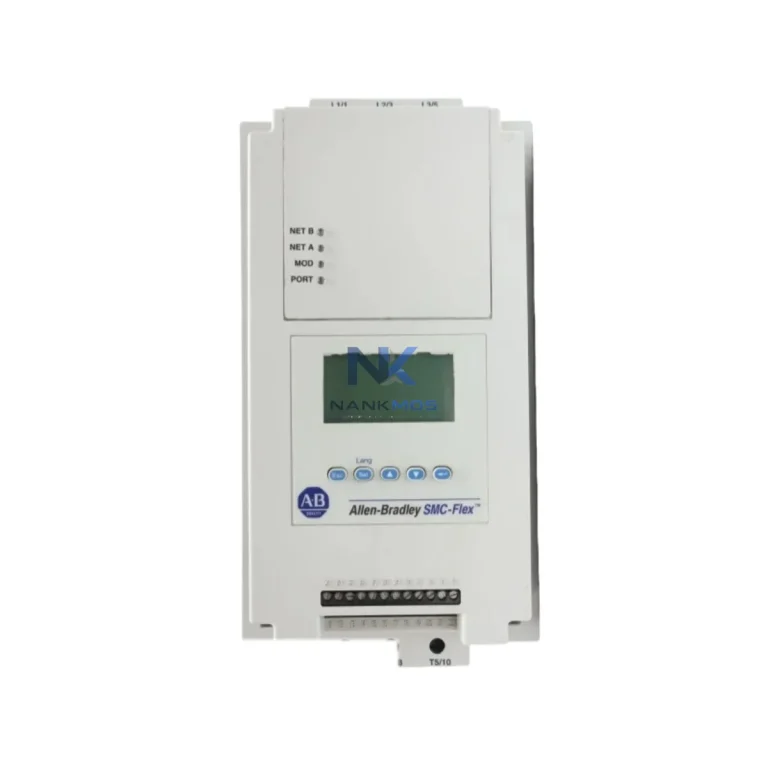
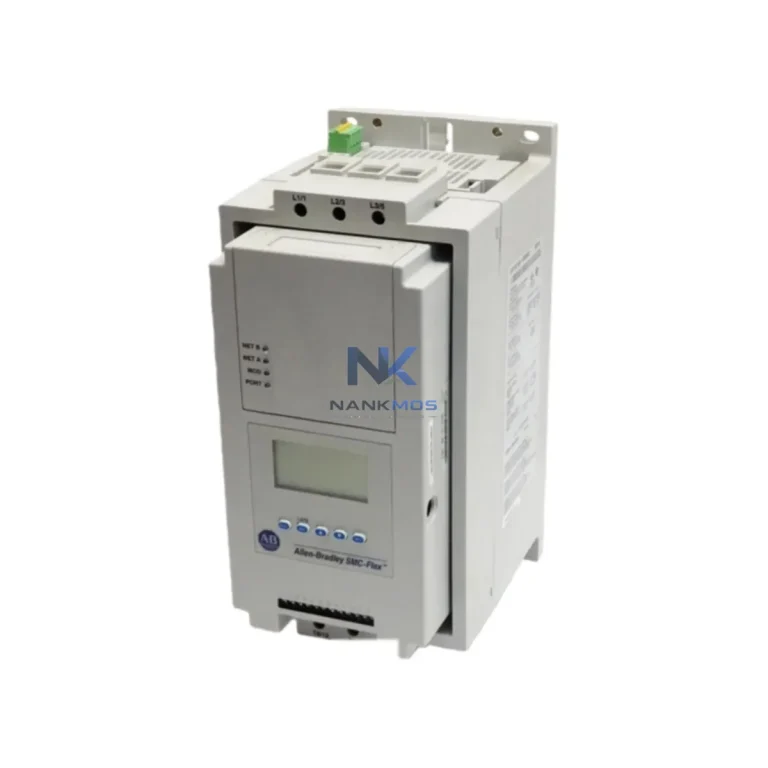
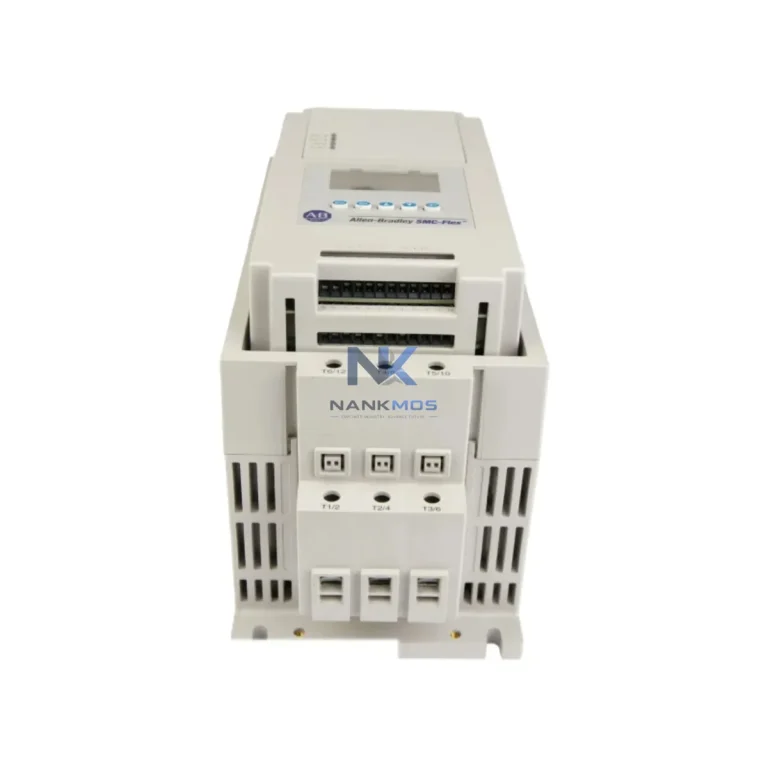
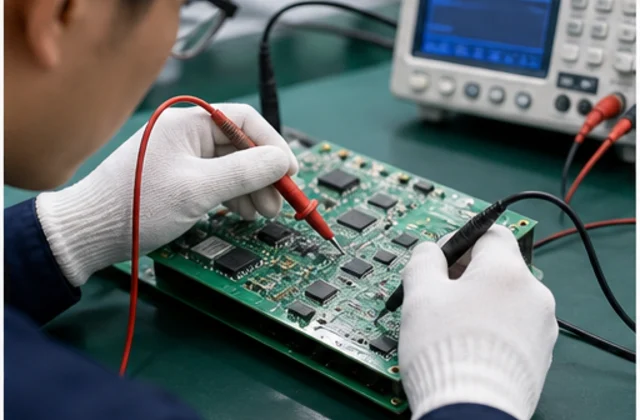
 Functional Inspection
100% tested on professional platforms to ensure stable performance.
Allen-Bradley 1769-L23-QBFC1B is a NANKMOS industrial automation product record Listed under CompactLogix series and Business & Industrial > Automation, Control & Flow Devices > Programmable Logic Controllers. Confirm condition, availability, lead time, compatibility and documentation by email inquiry.
Brand names are used for identification only.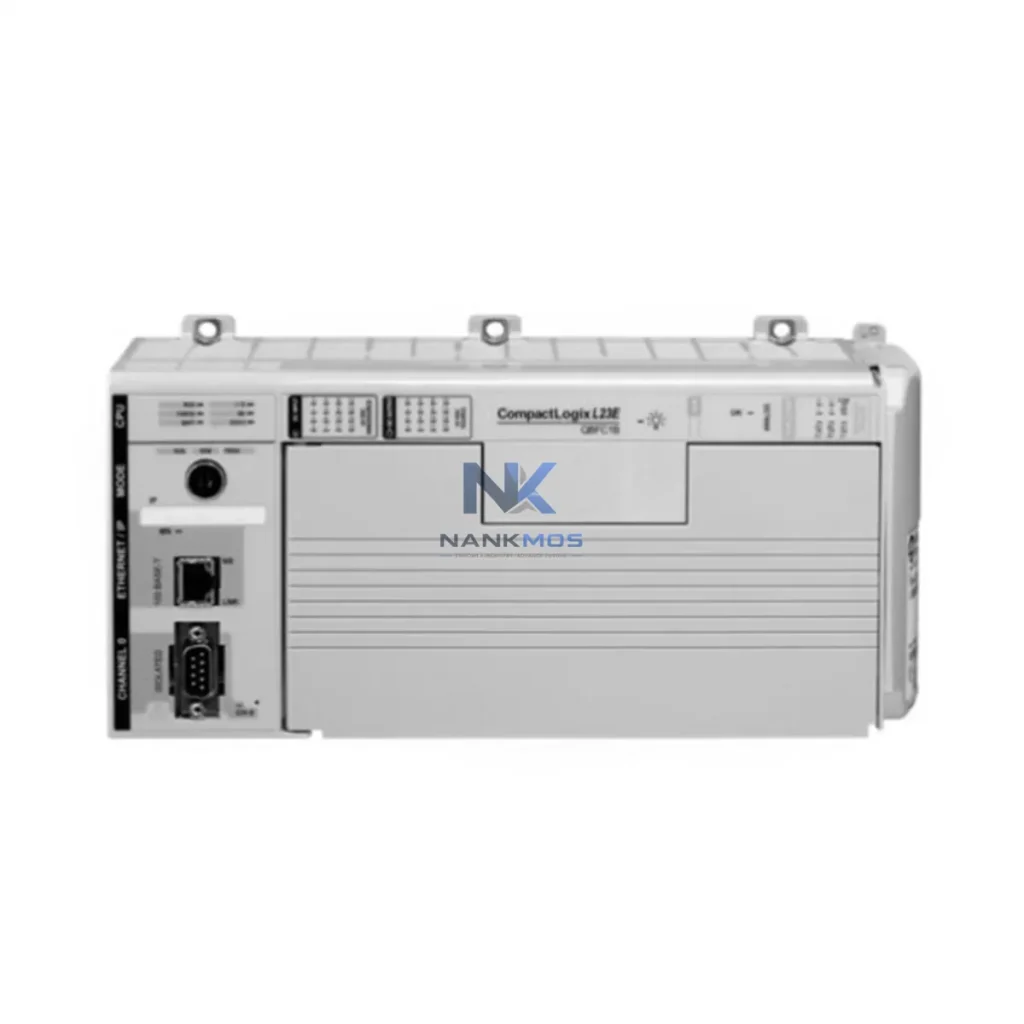
Allen-Bradley 1769-L23-QBFC1B is a NANKMOS industrial automation product record Listed under CompactLogix series and Business & Industrial > Automation, Control & Flow Devices > Programmable Logic Controllers. Confirm condition, availability, lead time, compatibility and documentation by email inquiry.
| Manufacturer | Allen-Bradley |
|---|---|
| Application | Controller Processing & System Control |
| Part Number / Model | 1769-L23-QBFC1B |
| Compatible System | CompactLogix |
| Series | CompactLogix |
| Condition Options | To Confirm |
| Module Type | Controller / CPU Module |
| Warranty | 12 Months |
| Packaging | Anti-static Bag / Secure Box |
| Shipping Methods | DHL / FedEx / UPS / Air / Sea |
| Availability | To Confirm |
| Lead Time | To Confirm |
| Documentation | Part number and revision checked before quote |
The Allen-Bradley 1769-L23-QBFC1B is a CompactLogix programmable logic controller engineered for energy-conscious industrial environments where production efficiency, load management, and drive coordination are mission-critical. Designed to operate within the Logix5000 control architecture, this controller delivers deterministic scan-cycle performance while minimizing idle-state power draw — making it a cornerstone component for factories pursuing measurable reductions in energy consumption per production unit. With onboard EtherNet/IP connectivity, integrated motion coordination capability, and a compact 1769 Compact I/O backplane footprint, the 1769-L23-QBFC1B is purpose-built for smart production lines that demand both precision and power efficiency.
Effective energy management on a modern production line is never the result of a single component — it emerges from the coordinated interaction of controllers, drives, sensors, and communication infrastructure. The 1769-L23-QBFC1B sits at the center of this ecosystem, executing the control logic that governs how energy flows through the line at every production stage.
In motor control applications, the 1769-L23-QBFC1B communicates directly with PowerFlex 525 and PowerFlex 755 variable frequency drives over EtherNet/IP, enabling dynamic speed regulation that eliminates the energy waste associated with fixed-speed motor operation. Rather than running motors at full load during low-demand intervals, the controller issues real-time speed references that match motor output to actual process requirements — a strategy that can reduce motor energy consumption by 20–50% in variable-torque applications such as fans, pumps, and conveyors.
For servo-driven axes, the 1769-L23-QBFC1B integrates with Kinetix 350 and Kinetix 5500 servo drives through the CIP Motion protocol, coordinating multi-axis motion profiles that minimize regenerative energy losses and reduce mechanical stress on drivetrain components. This tight integration between the controller and servo infrastructure ensures that acceleration and deceleration ramps are optimized not just for throughput, but for energy recovery and thermal load reduction.
Power monitoring is handled through 1769 Compact I/O power monitoring modules and third-party energy meters connected via the EtherNet/IP network. The 1769-L23-QBFC1B reads real-time kW, kVAR, and power factor data from these modules and uses it to trigger load-shedding routines, stagger motor starts to avoid demand spikes, and log energy consumption data for SCADA-level reporting. When integrated with a FactoryTalk View ME HMI panel, operators gain a live dashboard of energy KPIs — consumption per shift, per batch, or per production unit — enabling data-driven decisions about line scheduling and equipment utilization.
On the I/O side, 1769-IQ16 digital input modules and 1769-OB16 digital output modules extend the controller's reach to field devices including proximity sensors, photoelectric sensors, and solenoid valves. By processing sensor feedback locally within the CompactLogix backplane, the 1769-L23-QBFC1B eliminates the communication latency that would otherwise delay energy-saving responses such as conveyor stop-on-idle or zone-based lighting control. 1769-IF4 analog input modules bring in 4–20 mA signals from temperature transmitters and pressure transducers, allowing the controller to monitor thermal load across motor housings and switchgear enclosures — a key input for predictive maintenance routines that prevent energy-wasting degradation before it causes unplanned downtime.
Communication with plant-level SCADA systems and MES platforms is handled through the controller's native EtherNet/IP port, which supports both implicit (I/O) and explicit (MSG) messaging. This allows the 1769-L23-QBFC1B to receive production schedules from the MES and adjust line speed, batch size, and equipment activation sequences accordingly — ensuring that energy consumption is always proportional to actual production demand rather than running at fixed capacity regardless of order volume.
The 1769-L23-QBFC1B delivers energy optimization value across three dimensions: demand reduction, thermal management, and production rhythm stabilization.
Demand Reduction: By coordinating motor starts through staggered sequencing logic, the controller prevents simultaneous inrush currents that inflate peak demand charges on utility bills. Load-shedding routines programmed in Studio 5000 Logix Designer allow non-critical equipment — auxiliary conveyors, cooling fans, lighting circuits — to be automatically de-energized during low-production windows or scheduled maintenance intervals. The result is a measurable reduction in both energy consumption and peak demand, directly impacting operating costs.
Thermal Load Management: Heat is wasted energy. The 1769-L23-QBFC1B monitors thermal feedback from analog sensors distributed across the production line and adjusts drive output frequencies and motor duty cycles to keep operating temperatures within optimal ranges. This not only reduces cooling system load — a significant secondary energy consumer in enclosed manufacturing environments — but also extends the service life of motors, drives, and switchgear by preventing thermal stress cycling.
Production Rhythm Stabilization: Inconsistent production rhythm — caused by uncoordinated equipment starts, sensor response delays, or communication latency — forces machines to run at higher-than-necessary speeds to compensate for upstream bottlenecks. The 1769-L23-QBFC1B's deterministic scan cycle and tight EtherNet/IP integration with downstream equipment eliminate these rhythm disruptions, allowing the line to run at the minimum speed required to meet throughput targets. This right-speed philosophy is one of the most effective and underutilized energy optimization strategies in discrete manufacturing.
Predictive Maintenance Integration: Energy consumption anomalies are often the earliest indicator of mechanical degradation. A motor drawing 15% more current than its baseline is likely developing a bearing fault or winding insulation issue. The 1769-L23-QBFC1B continuously logs drive current feedback and compares it against established baselines, flagging deviations for maintenance review before they escalate into failures. This predictive approach reduces unplanned downtime — which is itself a major source of energy waste, as restarting cold equipment consumes significantly more energy than maintaining steady-state operation.
Every unit of 1769-L23-QBFC1B stock available through NANKMOS has been subject to pre-shipment functional testing, verifying communication integrity, I/O response, and program execution before dispatch. This testing protocol ensures that the controller arrives ready for immediate integration into your production environment, eliminating the commissioning delays and energy waste associated with field-troubleshooting defective hardware.
Q1: What energy savings can I realistically expect from deploying the 1769-L23-QBFC1B in a motor control application?Actual savings depend on your current control architecture and motor load profiles. In applications where motors previously ran at fixed speed, integrating the 1769-L23-QBFC1B with PowerFlex variable frequency drives and implementing demand-proportional speed control typically yields 20–40% reductions in motor energy consumption. Load-shedding and staggered-start logic can further reduce peak demand charges by 10–25% depending on your utility tariff structure.
Q2: Is the 1769-L23-QBFC1B compatible with my existing Logix5000 program and 1769 Compact I/O modules?Yes. The 1769-L23-QBFC1B is fully compatible with the Logix5000 instruction set and supports all standard 1769 Compact I/O modules including digital, analog, and specialty I/O. Existing programs developed in RSLogix 5000 or Studio 5000 Logix Designer can be downloaded directly to the controller after verifying firmware compatibility. If you are replacing an older CompactLogix controller, a firmware upgrade may be required — NANKMOS technical support can advise on compatibility before shipment.
Q3: What is the recommended replacement or upgrade path if I need higher processing capacity?For applications requiring expanded memory, faster scan cycles, or additional motion axes, the CompactLogix 5370 L3 series (such as the 1769-L30ER or 1769-L33ER) provides a direct upgrade path within the same 1769 backplane ecosystem. These controllers share the same I/O modules, communication infrastructure, and Studio 5000 programming environment, minimizing re-engineering effort. NANKMOS maintains stock across the CompactLogix L1, L2, and L3 families to support phased upgrade projects.
Q4: What does the 12-Month Warranty cover, and what is the testing process before shipment?All 1769-L23-QBFC1B units supplied by NANKMOS carry a 12-Month Warranty covering manufacturing defects and functional failures under normal operating conditions. Prior to shipment, each unit undergoes a pre-shipment functional test that verifies processor boot integrity, EtherNet/IP communication, I/O backplane communication, and program download/upload capability. Test records are available upon request. In the event of a warranty claim, NANKMOS provides direct replacement from verified stock, minimizing production downtime.
Functional Inspection100% tested on professional platforms to ensure stable performance.
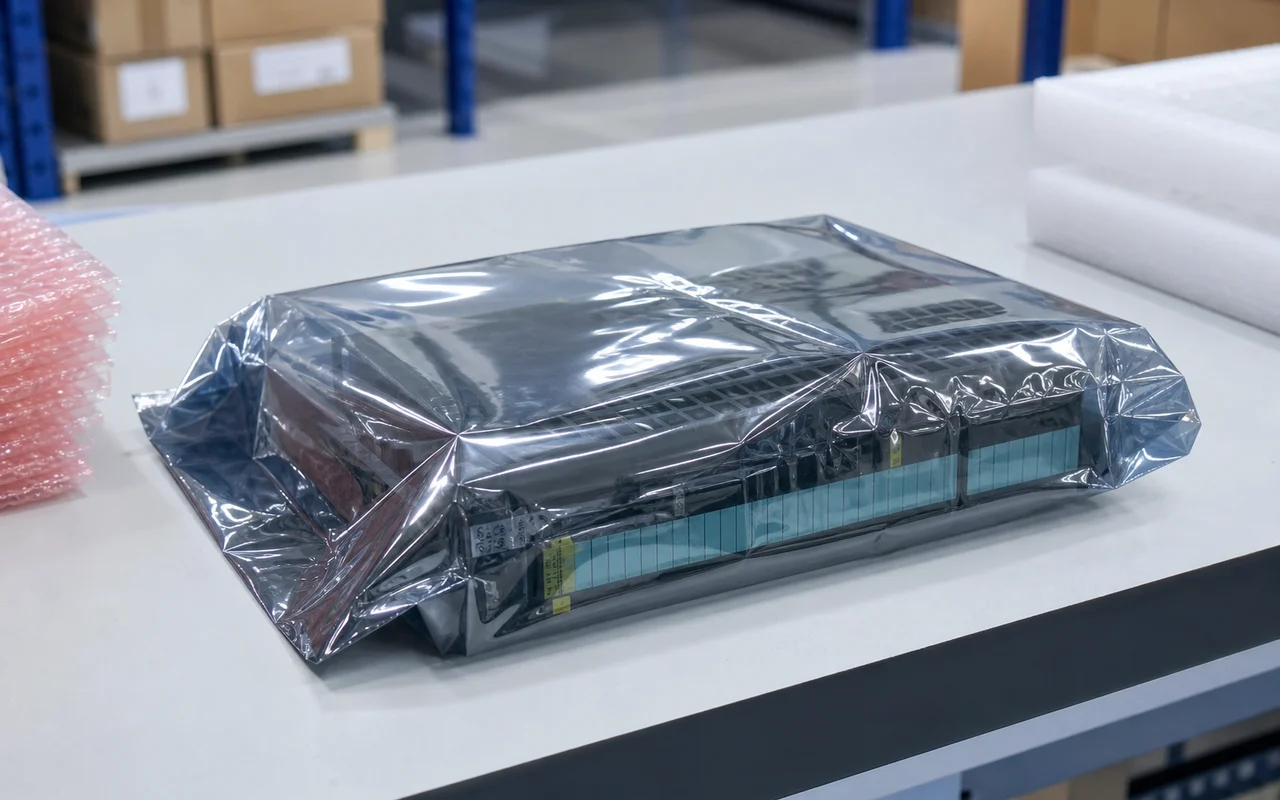 Anti-static Packaging
Modules are packed in anti-static bags to prevent electrostatic damage.
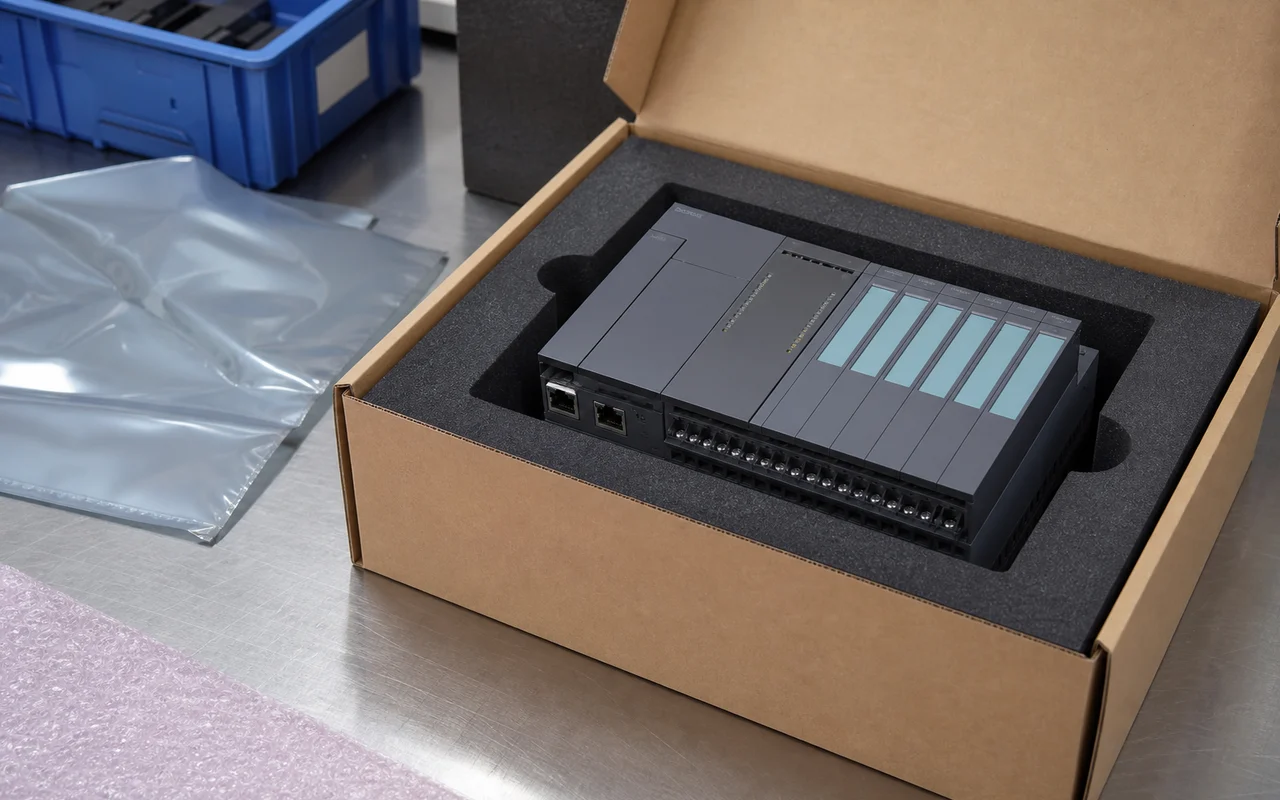 Secure Export Packing
Cushion protection and strong cartons ensure safe transportation.
 Worldwide Shipping
Global logistics network supports air, sea and express delivery.
 Documentation Check
Part number, revision and compatibility verified before shipment.
 After-sales Support
Professional technical support to help resolve your issues.