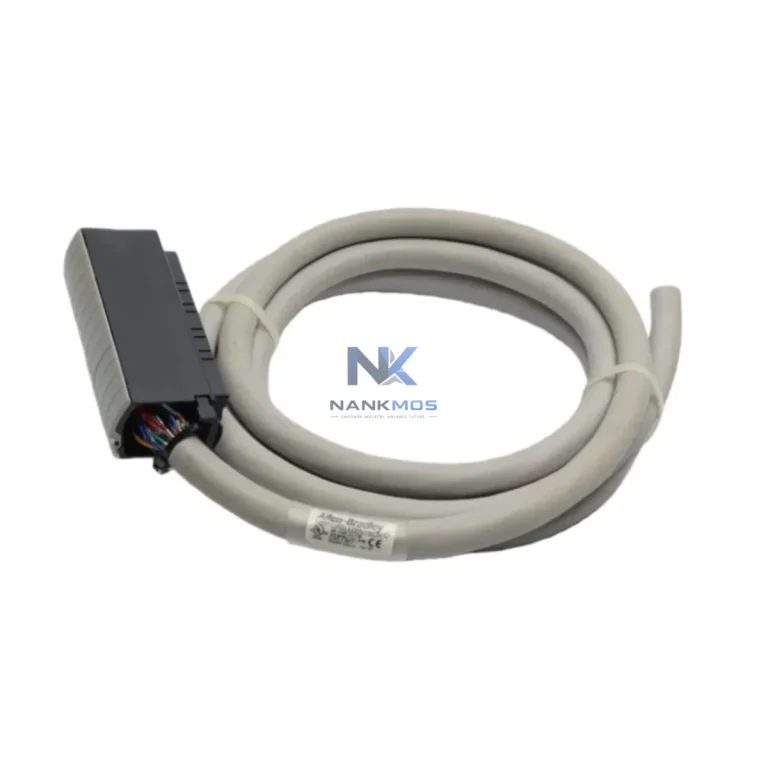
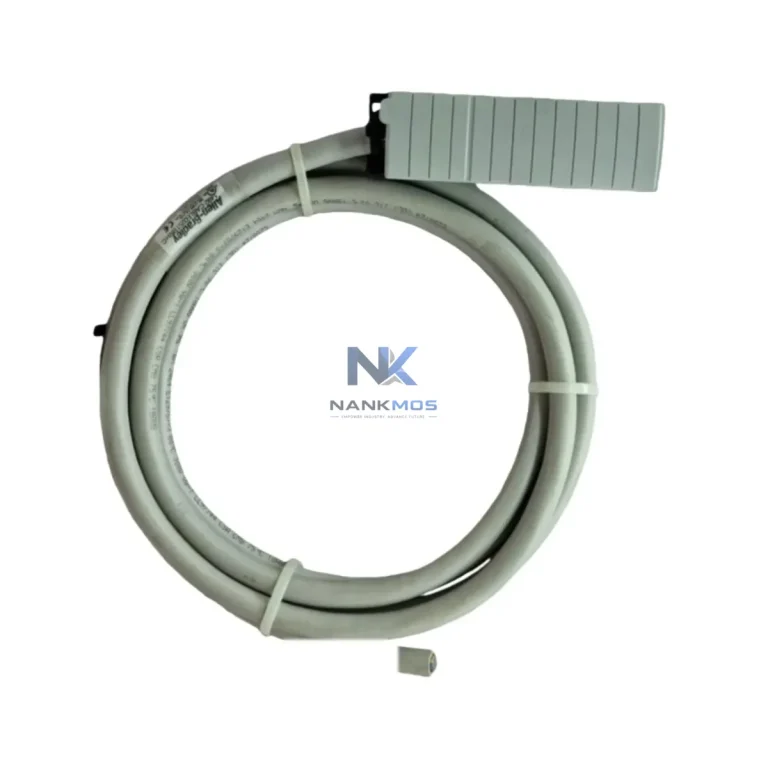
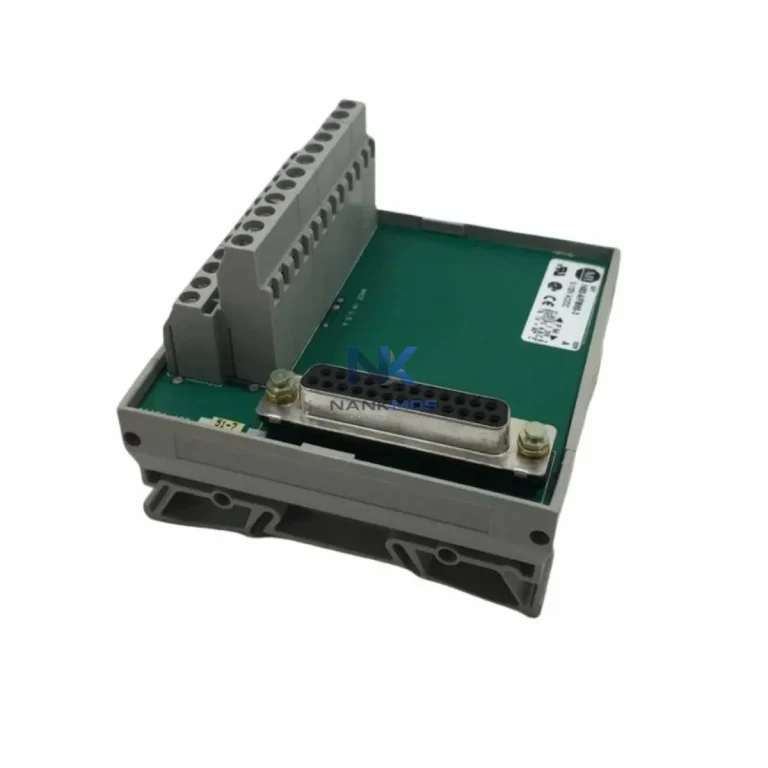
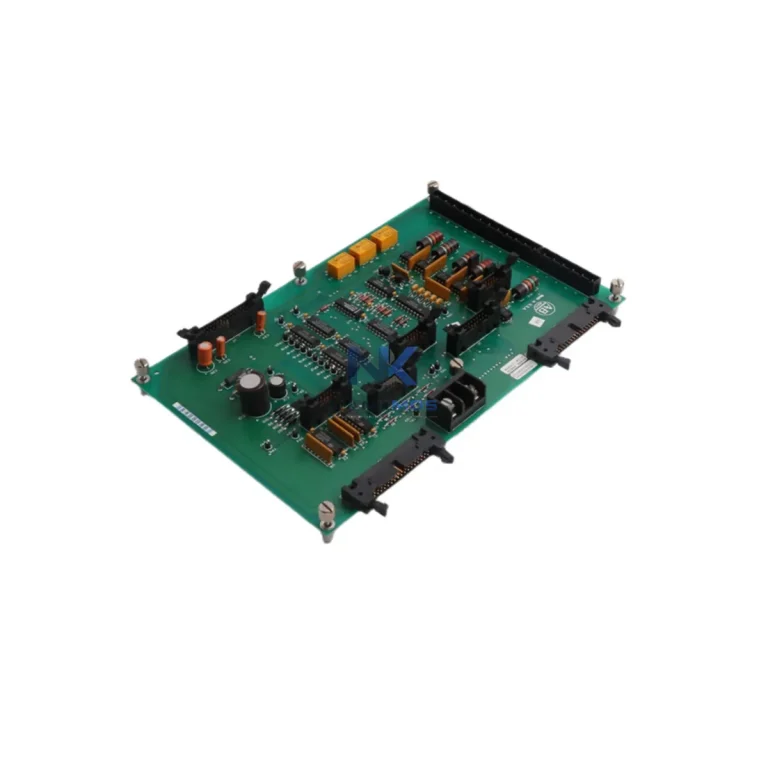
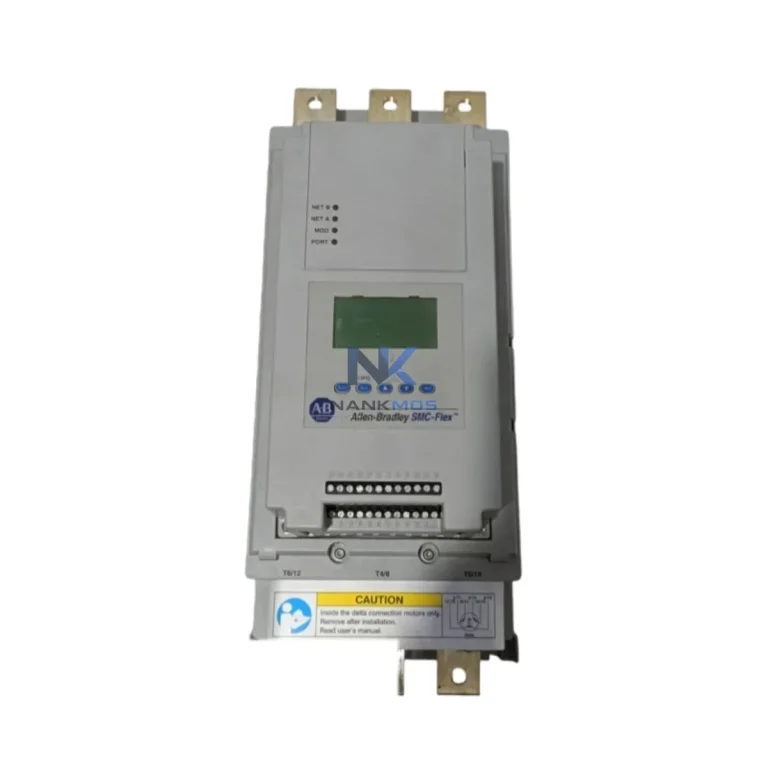
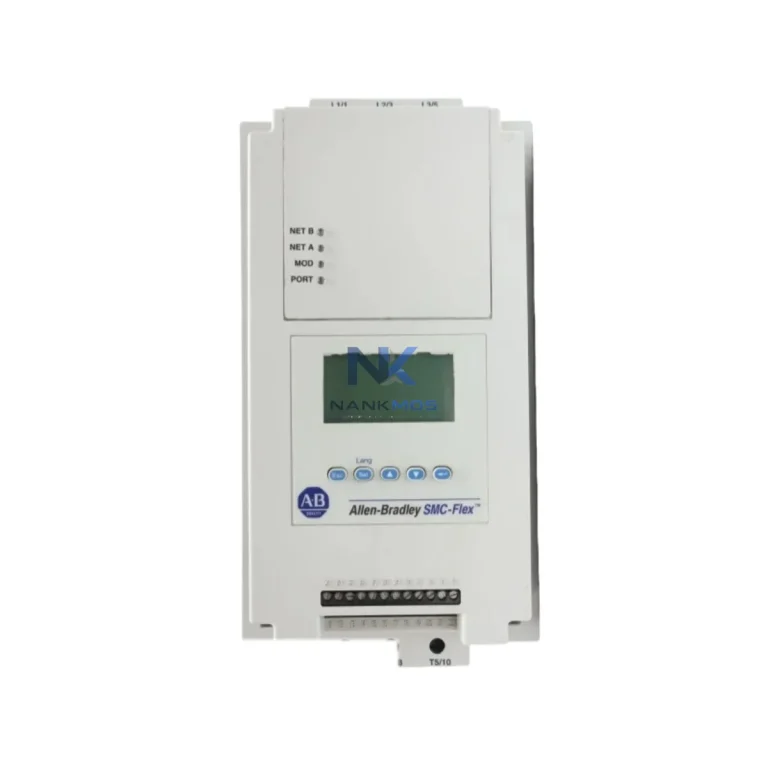
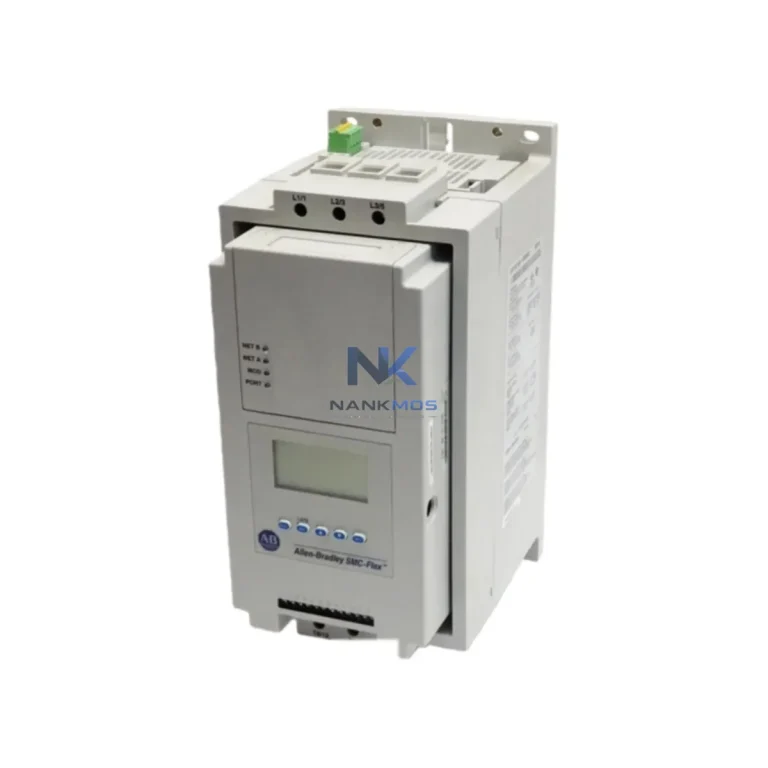
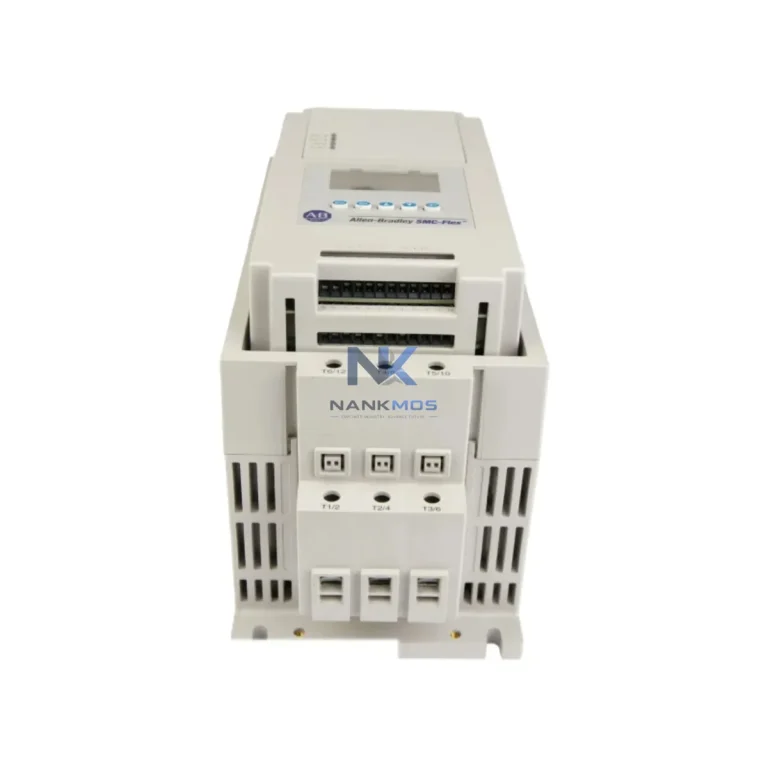
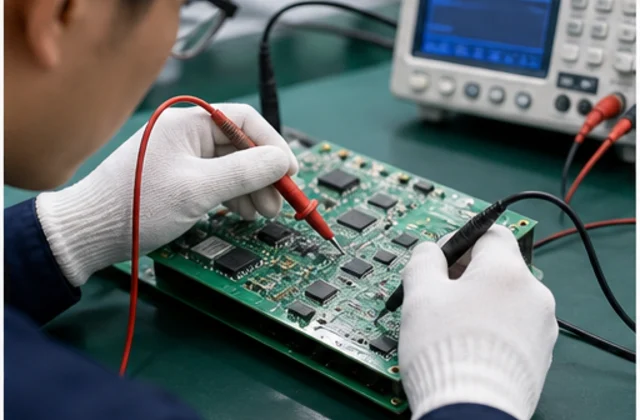
 Functional Inspection
100% tested on professional platforms to ensure stable performance.
Allen-Bradley 1769-L30 is a NANKMOS industrial automation product record Listed under CompactLogix series and Business & Industrial > Automation, Control & Flow Devices > Programmable Logic Controllers. Confirm condition, availability, lead time, compatibility and documentation by email inquiry.
Brand names are used for identification only.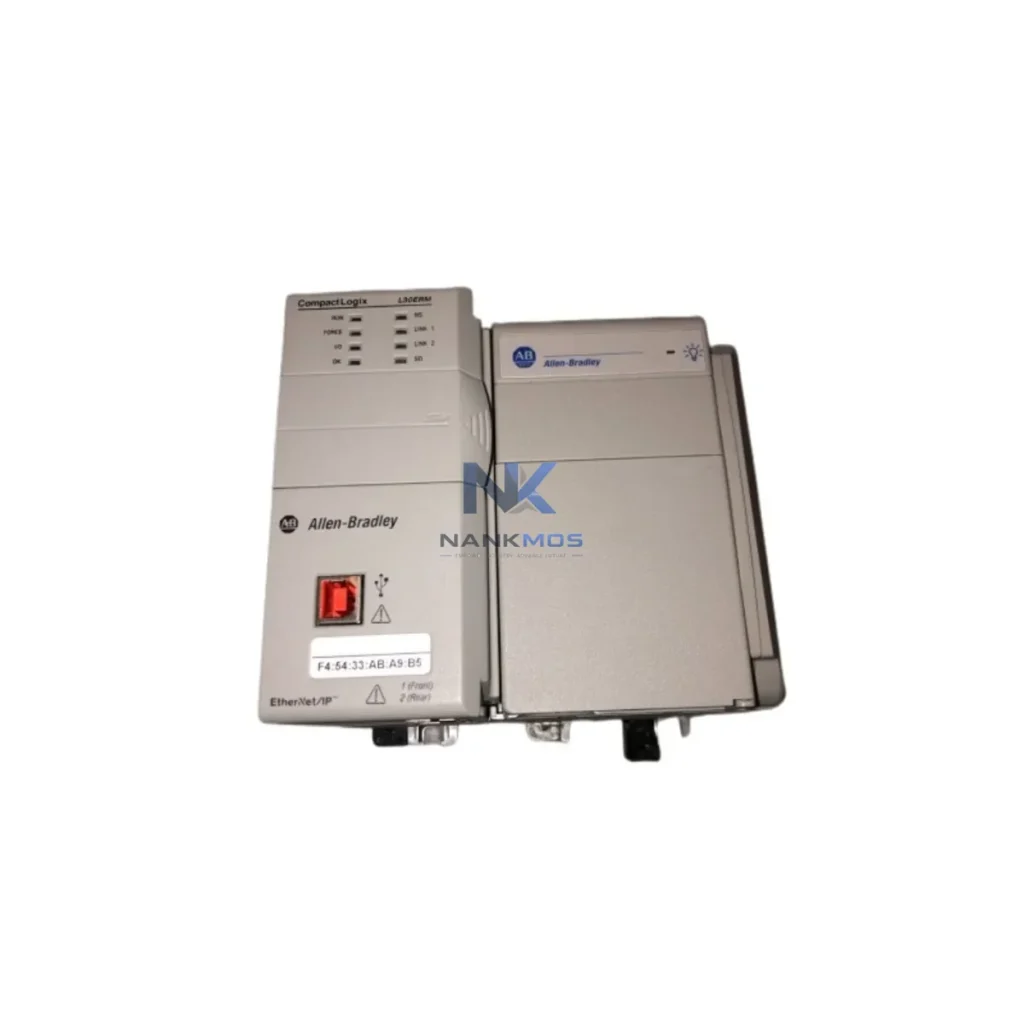
Allen-Bradley 1769-L30 is a NANKMOS industrial automation product record Listed under CompactLogix series and Business & Industrial > Automation, Control & Flow Devices > Programmable Logic Controllers. Confirm condition, availability, lead time, compatibility and documentation by email inquiry.
| Manufacturer | Allen-Bradley |
|---|---|
| Application | Controller Processing & System Control |
| Part Number / Model | 1769-L30 |
| Compatible System | CompactLogix |
| Series | CompactLogix |
| Condition Options | To Confirm |
| Module Type | Controller / CPU Module |
| Warranty | 12 Months |
| Packaging | Anti-static Bag / Secure Box |
| Shipping Methods | DHL / FedEx / UPS / Air / Sea |
| Availability | To Confirm |
| Lead Time | To Confirm |
| Documentation | Part number and revision checked before quote |
The Allen-Bradley 1769-L30 CompactLogix PLC Processor is a high-performance, energy-aware programmable logic controller engineered for demanding industrial environments where production efficiency, load stability, and energy accountability are non-negotiable. As part of Rockwell Automation's proven CompactLogix 1769 series, the 1769-L30 delivers deterministic control with a compact footprint, making it an ideal fit for machine-level automation, distributed control architectures, and energy-optimized production lines across manufacturing, energy, and process industries.
Designed to reduce unnecessary energy consumption at the controller level, the 1769-L30 supports tight integration with variable frequency drives (VFDs), servo drive systems, and power monitoring modules, enabling real-time load management and adaptive motor control strategies that directly reduce peak demand and thermal load across the production floor.
The 1769-L30 is purpose-built to serve as the intelligence hub of a power-aware automation architecture. In a typical energy-optimized production cell, the 1769-L30 communicates over EtherNet/IP with PowerFlex 525 or PowerFlex 755 variable frequency drives to regulate motor speed in real time, eliminating the energy waste associated with fixed-speed motor operation. By dynamically adjusting drive output based on actual load demand — rather than running motors at full speed continuously — the system can achieve measurable reductions in kilowatt-hour consumption per production cycle.
For servo-driven axes, the 1769-L30 coordinates with Kinetix 5500 or Kinetix 6500 servo drives via the integrated motion instruction set, enabling precise torque and velocity profiling that minimizes regenerative energy loss and reduces mechanical stress on actuators and gearboxes. This level of motion coordination is critical in applications such as pick-and-place systems, CNC-adjacent machining cells, and high-speed packaging lines where energy spikes during acceleration and deceleration represent a significant share of total consumption.
Power monitoring is handled through integration with PowerMonitor 1000 or PowerMonitor 5000 modules, which feed real-time energy data — including voltage, current, power factor, and harmonic distortion — back to the 1769-L30 via DeviceNet or EtherNet/IP. This data is used to trigger load-shedding routines, alert operators to abnormal consumption patterns, and feed upstream SCADA systems such as Rockwell's FactoryTalk View or third-party platforms via OPC-UA gateways.
On the I/O side, the 1769-L30 interfaces directly with the CompactLogix 1769 distributed I/O family — including 1769-IQ16 digital input modules, 1769-OB16 digital output modules, and 1769-IF4 analog input modules — to collect field-level sensor data from temperature transmitters, pressure transducers, and flow meters. This sensor integration enables the controller to make energy-aware decisions at the machine level: reducing conveyor speed during low-throughput windows, staging compressor loads to avoid simultaneous peak draws, and pre-conditioning thermal systems before production ramp-up.
Operator visibility is provided through PanelView Plus 7 HMI terminals connected via EtherNet/IP, giving floor operators and energy managers a real-time dashboard of motor states, drive outputs, power consumption trends, and alarm histories. When integrated with a FactoryTalk Historian or equivalent data historian, the 1769-L30's control data becomes the foundation for long-term energy benchmarking and ISO 50001 compliance reporting.
In production environments where energy costs represent 15–30% of total operating expenditure, the 1769-L30 provides a structured platform for implementing energy reduction strategies without sacrificing throughput or product quality. Its deterministic scan cycle — typically in the range of 1–10 ms depending on program complexity — ensures that energy control logic executes with the same reliability as safety interlocks and production sequencing, eliminating the latency that can cause energy-saving routines to conflict with machine timing.
One of the most impactful applications of the 1769-L30 in energy optimization is demand-response control. By monitoring real-time power draw through connected PowerMonitor modules and comparing it against a configurable demand threshold, the controller can automatically defer non-critical loads — such as auxiliary conveyors, cooling fans, or secondary compressors — during peak tariff windows. This demand-shaping capability can reduce peak demand charges significantly, particularly in facilities operating under time-of-use electricity pricing.
Thermal load management is another area where the 1769-L30 delivers measurable value. By coordinating VFD speed profiles with ambient temperature data from field sensors, the controller can reduce motor heat generation during low-load periods, extending insulation life and reducing the frequency of thermal shutdowns. In facilities with high motor density — such as automotive body shops, food processing lines, or chemical blending plants — this thermal management capability translates directly into reduced maintenance intervals and lower unplanned downtime rates.
Predictive maintenance integration is supported through the 1769-L30's ability to log runtime hours, cycle counts, and fault histories for connected drives and motors. When this data is surfaced through FactoryTalk AssetCentre or a third-party CMMS via OPC-UA, maintenance teams can schedule interventions based on actual equipment condition rather than fixed calendar intervals — reducing both maintenance labor costs and the energy penalty associated with degraded equipment operating outside its efficiency envelope.
Every 1769-L30 unit supplied by NANKMOS is tested and verified prior to shipment, with full functional checks performed against Rockwell Automation's published specifications. Stock is maintained on-hand for immediate dispatch, supporting fast replacement scenarios where production continuity is critical. All units are covered by a 12-month warranty, providing assurance of performance and reliability from day one of installation.
Q1: What energy savings can I realistically expect from deploying the 1769-L30 in a motor control application?A: When paired with PowerFlex VFDs and configured with demand-response and speed-scheduling logic, facilities typically report 15–30% reductions in motor-related energy consumption compared to fixed-speed, contactor-based control. Actual savings depend on load profiles, duty cycles, and tariff structures. The 1769-L30's analog I/O and EtherNet/IP connectivity make it straightforward to instrument and benchmark energy performance before and after deployment.
Q2: Is the 1769-L30 compatible with my existing CompactLogix I/O and HMI infrastructure?A: Yes. The 1769-L30 is fully compatible with the CompactLogix 1769 I/O family and communicates natively with PanelView HMI terminals over EtherNet/IP. It is also compatible with Studio 5000 Logix Designer for programming and FactoryTalk View for supervisory visualization. If you are migrating from an earlier 1769-L series processor, program conversion is supported through Rockwell's migration tools with minimal rework.
Q3: Can the 1769-L30 replace an older CompactLogix processor without rewiring the I/O chassis?A: In most cases, yes. The 1769-L30 is a drop-in replacement for compatible 1769-L series processors within the same chassis configuration. I/O module wiring, field device connections, and network cabling typically remain unchanged. NANKMOS recommends verifying firmware compatibility and memory capacity against your existing program before installation. Our technical team can assist with pre-replacement compatibility checks.
Q4: What does the 12-month warranty cover, and how is the unit tested before shipment?A: Every 1769-L30 supplied by NANKMOS undergoes functional testing prior to dispatch, including power-on verification, communication port checks, and I/O integrity validation. The 12-month warranty covers defects in materials and workmanship under normal operating conditions. In the event of a warranty claim, NANKMOS provides replacement or repair support with priority handling to minimize production impact. Contact [email protected] for warranty registration and claim procedures.
Functional Inspection100% tested on professional platforms to ensure stable performance.
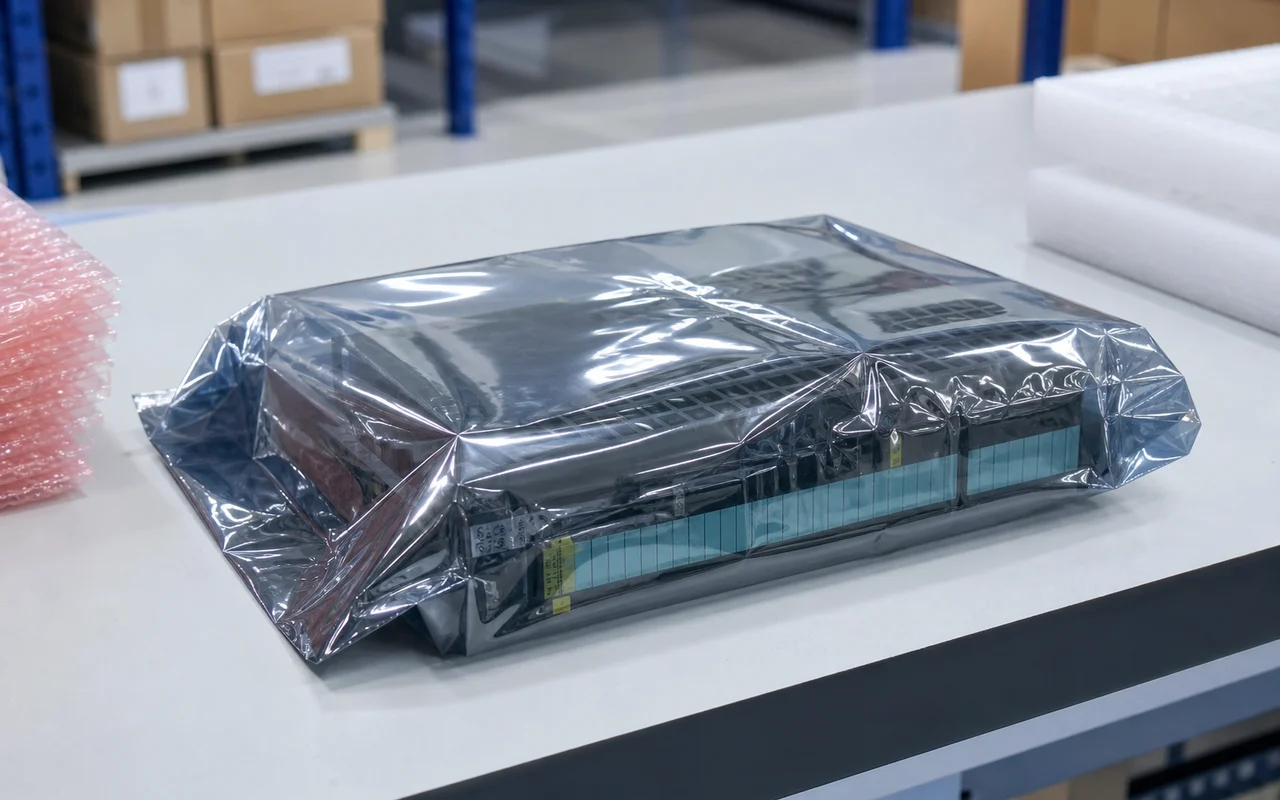 Anti-static Packaging
Modules are packed in anti-static bags to prevent electrostatic damage.
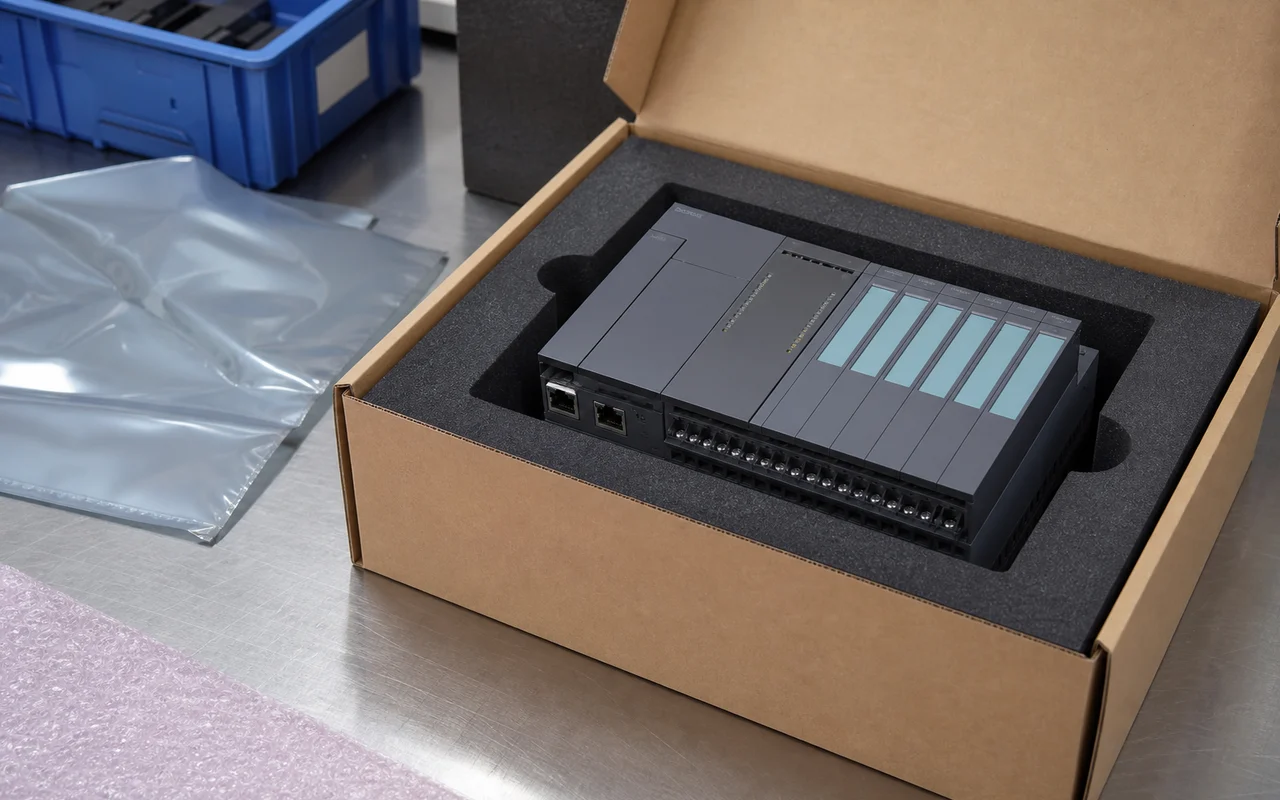 Secure Export Packing
Cushion protection and strong cartons ensure safe transportation.
 Worldwide Shipping
Global logistics network supports air, sea and express delivery.
 Documentation Check
Part number, revision and compatibility verified before shipment.
 After-sales Support
Professional technical support to help resolve your issues.