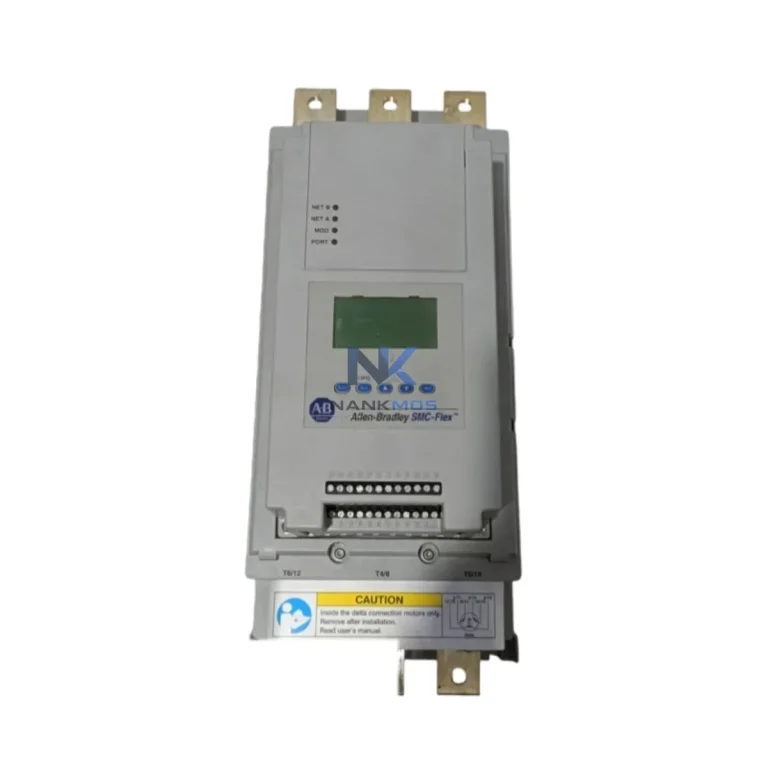
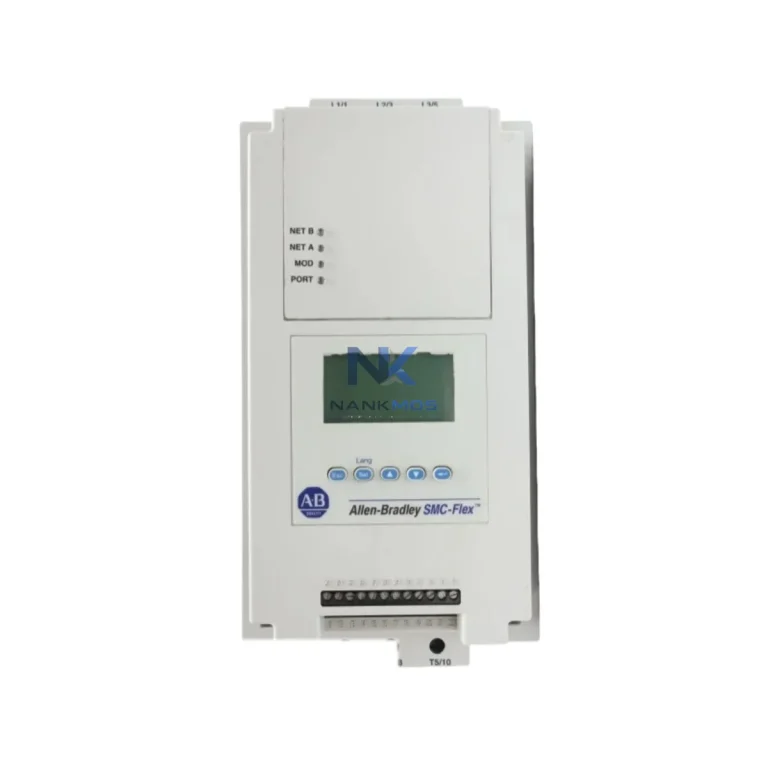
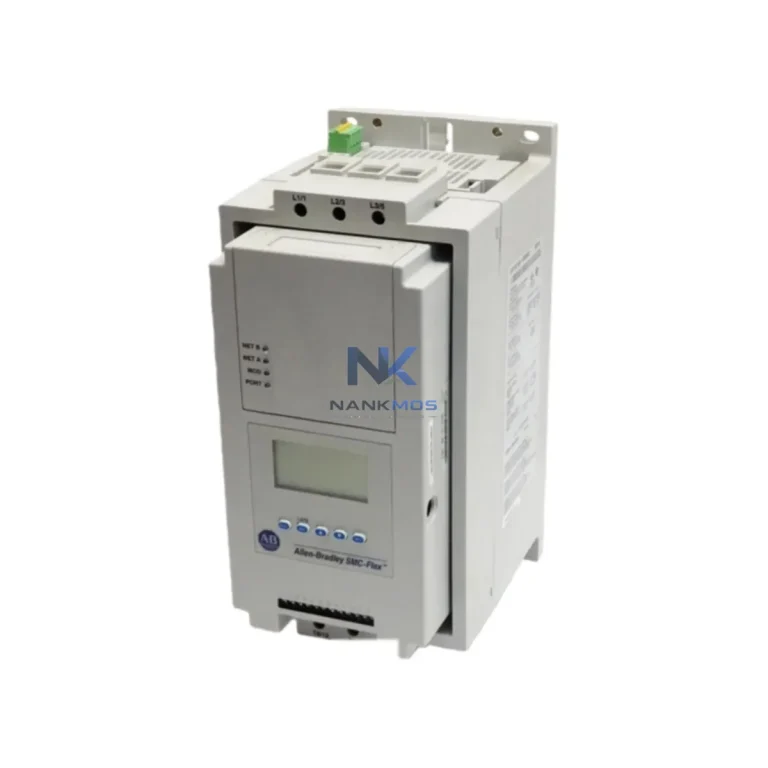
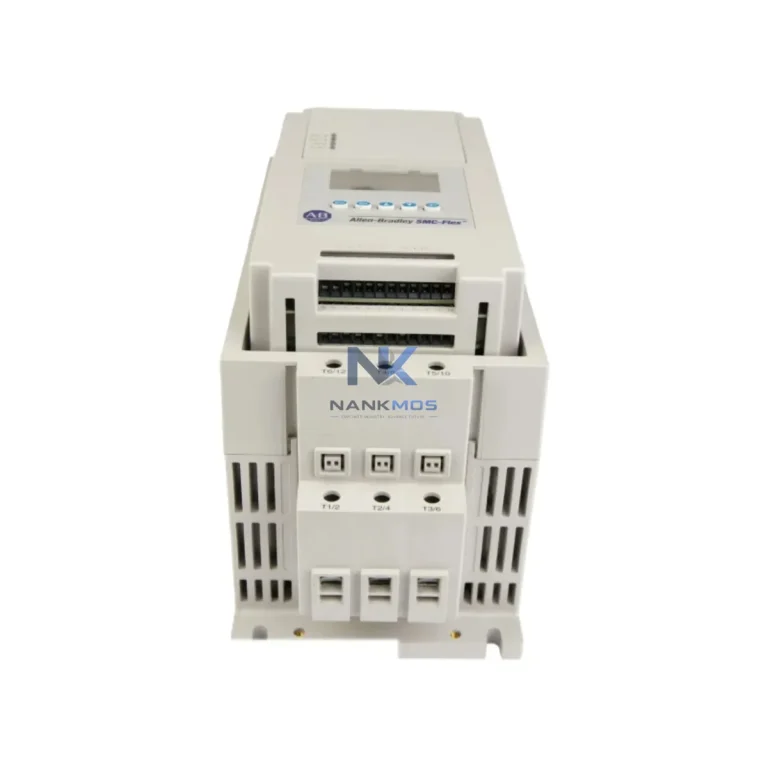
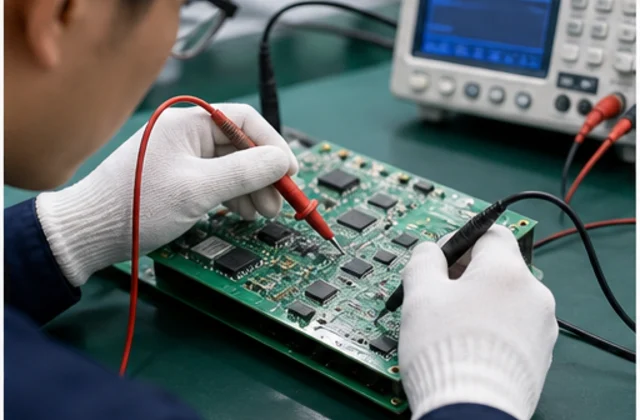
 Functional Inspection
100% tested on professional platforms to ensure stable performance.
Allen-Bradley 1769-L33ERM is a NANKMOS industrial automation product record Listed under CompactLogix series and Business & Industrial > Automation, Control & Flow Devices > Programmable Logic Controllers. Confirm condition, availability, lead time, compatibility and documentation by email inquiry.
Brand names are used for identification only.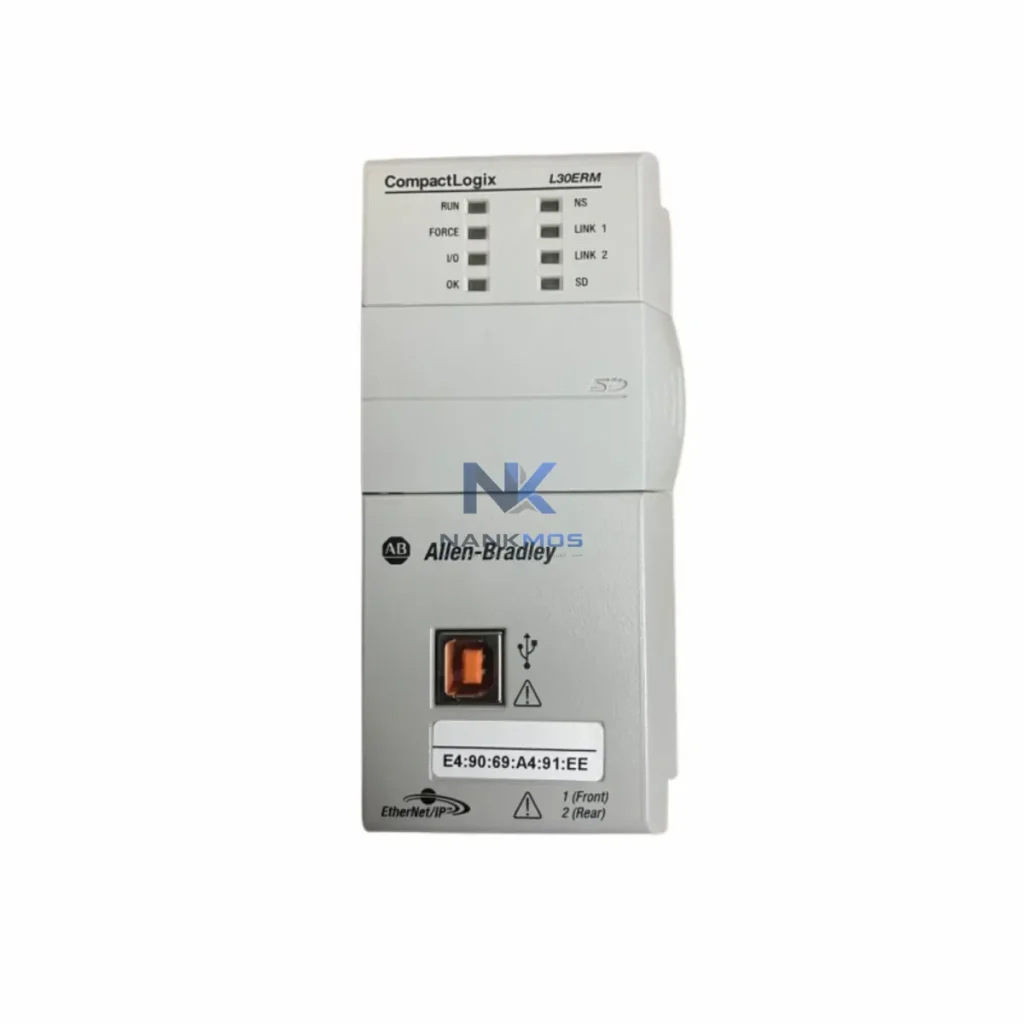
Allen-Bradley 1769-L33ERM is a NANKMOS industrial automation product record Listed under CompactLogix series and Business & Industrial > Automation, Control & Flow Devices > Programmable Logic Controllers. Confirm condition, availability, lead time, compatibility and documentation by email inquiry.
| Manufacturer | Allen-Bradley |
|---|---|
| Application | Controller Processing & System Control |
| Part Number / Model | 1769-L33ERM |
| Compatible System | CompactLogix |
| Series | CompactLogix |
| Condition Options | To Confirm |
| Module Type | Controller / CPU Module |
| Warranty | 12 Months |
| Packaging | Anti-static Bag / Secure Box |
| Shipping Methods | DHL / FedEx / UPS / Air / Sea |
| Availability | To Confirm |
| Lead Time | To Confirm |
| Documentation | Part number and revision checked before quote |
The Allen-Bradley 1769-L33ERM is a CompactLogix L3 series programmable logic controller engineered for high-density industrial network environments. Designed around the EtherNet/IP protocol, this controller serves as the central intelligence node in smart factory architectures — bridging field-level devices, distributed I/O, HMI panels, SCADA platforms, and enterprise data systems through a single, unified communication backbone. Whether deployed in discrete manufacturing, process control, or hybrid automation lines, the 1769-L33ERM delivers deterministic scan times, robust network throughput, and seamless integration with Rockwell Automation's Logix ecosystem.
In modern industrial data chain design, the 1769-L33ERM occupies a critical position between signal acquisition and supervisory control. Field sensors and actuators feed real-time process data into the controller via 1769 CompactLogix I/O expansion modules — including digital, analog, and specialty I/O — while the EtherNet/IP port enables high-speed upstream communication to FactoryTalk View SE SCADA servers and PanelView Plus HMI terminals. This architecture eliminates protocol fragmentation and ensures that every data point — from a proximity sensor on a conveyor to a temperature loop in a furnace — is visible, logged, and actionable at the supervisory level.
Remote diagnostics and predictive maintenance workflows are native to the 1769-L33ERM platform. Through RSLogix 5000 or Studio 5000 Logix Designer, engineers can monitor controller health, scan cycle performance, I/O fault states, and network latency from any connected workstation — without physical access to the panel. When integrated with a Stratix 5700 managed industrial Ethernet switch, the network segment supporting the 1769-L33ERM can be configured with IGMP snooping, QoS prioritization, and VLAN segmentation to guarantee real-time data delivery even under high-traffic conditions.
For applications requiring protocol conversion — such as bridging legacy Modbus RTU devices, PROFIBUS DP field instruments, or DeviceNet nodes into an EtherNet/IP backbone — the 1769-L33ERM pairs naturally with a 1783-ETAP EtherNet/IP tap or a ProSoft Technology MVI56E gateway module. These gateways translate foreign protocol frames into CIP (Common Industrial Protocol) data objects that the CompactLogix controller can consume natively, eliminating data silos and enabling unified visibility across heterogeneous device populations.
Variable frequency drives such as the PowerFlex 525 and PowerFlex 755 connect directly to the 1769-L33ERM over EtherNet/IP, enabling closed-loop speed and torque control with sub-millisecond command latency. Drive status, fault codes, energy consumption metrics, and parameter sets are all accessible through the controller's tag database, making it straightforward to build alarm management logic, energy dashboards, and predictive fault detection routines within the Logix programming environment.
Edge computing and IIoT connectivity are supported through integration with the Rockwell Automation FactoryTalk Edge Gateway or third-party edge devices such as the Moxa UC-8112 industrial computer. These edge nodes subscribe to the 1769-L33ERM's EtherNet/IP data streams, apply local analytics, and publish structured payloads to cloud platforms — enabling real-time OEE tracking, digital twin synchronization, and remote KPI visualization without modifying the controller's core logic. The result is a fully transparent production line where every machine state, alarm event, and process variable is captured, contextualized, and delivered to the right stakeholder at the right time.
All units supplied by NANKMOS undergo pre-shipment functional verification, including power-on testing, firmware version confirmation, and communication port validation. Stock is maintained in-warehouse for immediate dispatch, supporting urgent MRO requirements and minimizing production downtime. Every 1769-L33ERM is covered by a 12-Month Warranty, with technical support available throughout the warranty period.
A typical smart factory deployment built around the 1769-L33ERM begins at the field level, where 1769-IQ16 digital input modules and 1769-IF4 analog input modules collect discrete signals and process variables from sensors, limit switches, and transmitters distributed across the production floor. These signals are processed by the CompactLogix L3 CPU in real time, with scan cycles configurable down to sub-millisecond intervals for time-critical control tasks.
Upstream from the controller, a Stratix 5700 managed industrial Ethernet switch aggregates traffic from multiple 1769-L33ERM nodes, PowerFlex 525 variable frequency drives, and PanelView Plus 7 HMI terminals onto a single ring-topology backbone. The switch's DLR (Device Level Ring) support ensures sub-3ms network recovery in the event of a cable fault, maintaining continuous data flow to the SCADA layer without operator intervention.
At the supervisory level, FactoryTalk View SE subscribes to the 1769-L33ERM's tag database over EtherNet/IP, rendering live process graphics, trend charts, and alarm banners on operator workstations. Alarm events — including I/O faults, communication timeouts, and process limit violations — are logged to a FactoryTalk Historian server, where they are timestamped, contextualized, and made available for root-cause analysis and regulatory reporting.
For sites requiring protocol bridging, a ProSoft Technology MVI56E-MNET Modbus TCP/IP gateway installed in the same CompactLogix chassis translates legacy Modbus RTU data from older field instruments into EtherNet/IP tags accessible to the 1769-L33ERM. Similarly, a 1788-EN2DN DeviceNet scanner module enables the controller to manage DeviceNet-based smart motor controllers and valve manifolds without replacing existing field wiring.
At the edge, a Moxa UC-8112 industrial computer running Node-RED aggregates EtherNet/IP data streams from the 1769-L33ERM and publishes structured MQTT payloads to a cloud-based IoT platform. This enables remote KPI dashboards, OEE calculations, and predictive maintenance alerts to be delivered to plant managers and maintenance engineers via web browser or mobile application — regardless of physical location.
Industrial sites that have grown organically over time frequently suffer from protocol fragmentation — islands of Modbus RTU, DeviceNet, PROFIBUS, and proprietary serial devices that cannot communicate with modern EtherNet/IP infrastructure. The 1769-L33ERM addresses this directly: its open CIP architecture and broad gateway ecosystem allow legacy devices to be integrated without replacement, preserving capital investment while enabling unified data visibility.
Data silos — where machine-level data is trapped in standalone PLCs or HMI panels with no path to SCADA or MES — are eliminated by the 1769-L33ERM's native EtherNet/IP connectivity. Every tag in the controller's database is immediately accessible to FactoryTalk View SE, FactoryTalk Historian, and third-party SCADA platforms via standard OPC-UA or EtherNet/IP Class 1 connections, enabling real-time production transparency without custom middleware.
Remote monitoring and diagnostics — previously requiring on-site visits for fault investigation — are transformed by the 1769-L33ERM's remote access capabilities. Combined with a Cisco IE 4000 industrial router and a secure VPN tunnel, maintenance engineers can connect to Studio 5000 Logix Designer from any location, inspect controller diagnostics, upload modified logic, and clear faults — reducing mean time to repair (MTTR) and minimizing unplanned downtime.
Production line transparency and alarm traceability are further enhanced by integrating the 1769-L33ERM with FactoryTalk Historian and FactoryTalk Analytics. Historical alarm data, process trends, and event logs are stored with millisecond-resolution timestamps, enabling detailed post-incident analysis, OEE reporting, and continuous improvement initiatives. System expansion is straightforward: additional 1769 I/O modules, remote DeviceNet nodes, or new EtherNet/IP devices can be added to the network without modifying existing controller logic, supporting phased capacity growth aligned with production demands.
Q1: What is the typical communication latency of the 1769-L33ERM on an EtherNet/IP network? The 1769-L33ERM supports EtherNet/IP Class 1 (implicit) connections with requested packet intervals (RPI) configurable from 1 ms to 3200 ms. In a properly segmented network with a Stratix 5700 managed switch, end-to-end latency for I/O data exchange is typically under 5 ms, suitable for high-speed discrete control and closed-loop drive applications.
Q2: Can the 1769-L33ERM communicate with non-EtherNet/IP devices such as Modbus RTU or PROFIBUS DP instruments? Yes. Protocol bridging is achieved through gateway modules such as the ProSoft Technology MVI56E-MNET (Modbus TCP/IP) or third-party PROFIBUS DP scanners installed in the CompactLogix chassis. These modules map foreign protocol data into standard EtherNet/IP tags, making legacy device data natively accessible within the Logix tag database without additional middleware.
Q3: How does the 1769-L33ERM support network redundancy and fault tolerance? The controller's dual embedded EtherNet/IP ports support Device Level Ring (DLR) topology, providing sub-3ms network recovery in the event of a single cable or switch port failure. For higher availability requirements, the 1769-L33ERM can be deployed in a ControlLogix redundancy architecture using a 1756-RM2 redundancy module, enabling bumpless switchover between primary and secondary controllers.
Q4: What warranty and pre-shipment testing does NANKMOS provide for the 1769-L33ERM? Every 1769-L33ERM supplied by NANKMOS is covered by a 12-Month Warranty from the date of shipment. Prior to dispatch, each unit undergoes power-on functional testing, firmware version verification, and EtherNet/IP communication port validation. In-warehouse stock is maintained for immediate availability, supporting urgent MRO and production recovery requirements. For technical support or warranty claims, contact [email protected] or +86 18359268345.
Functional Inspection100% tested on professional platforms to ensure stable performance.
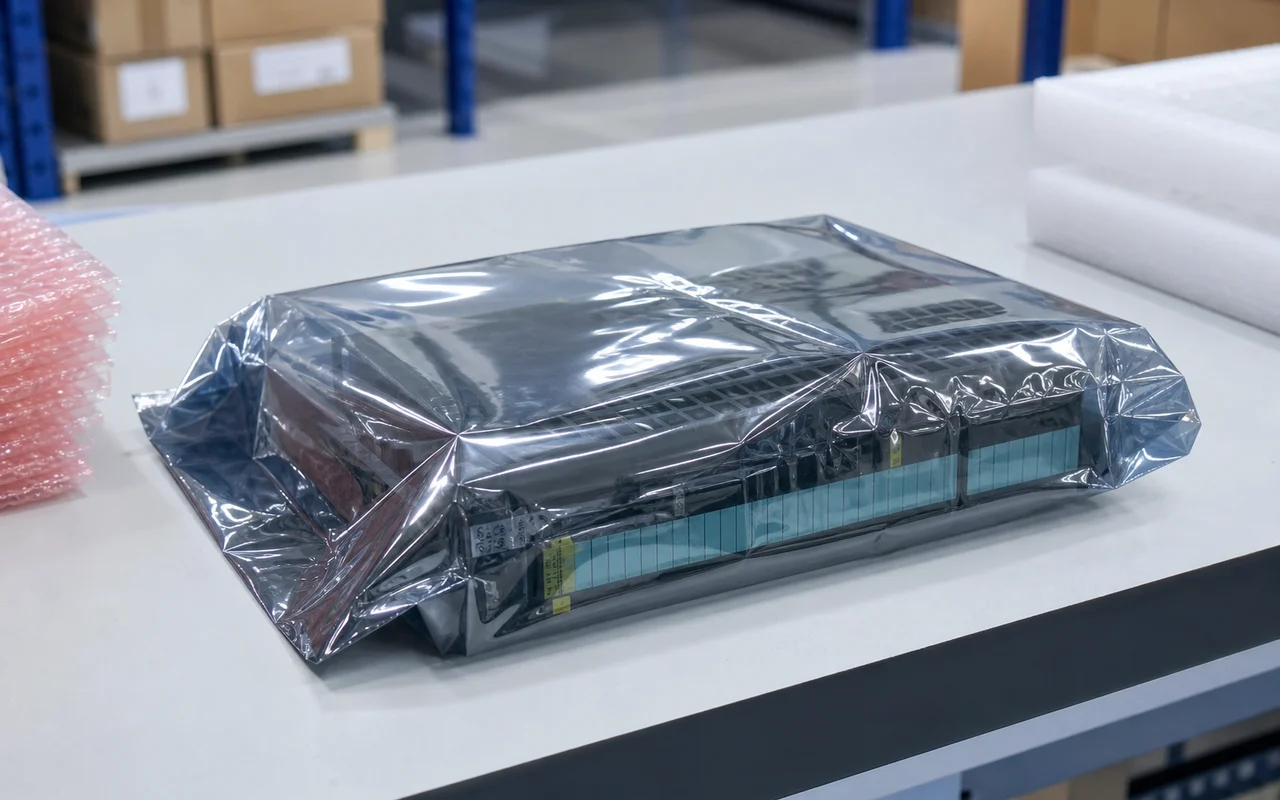 Anti-static Packaging
Modules are packed in anti-static bags to prevent electrostatic damage.
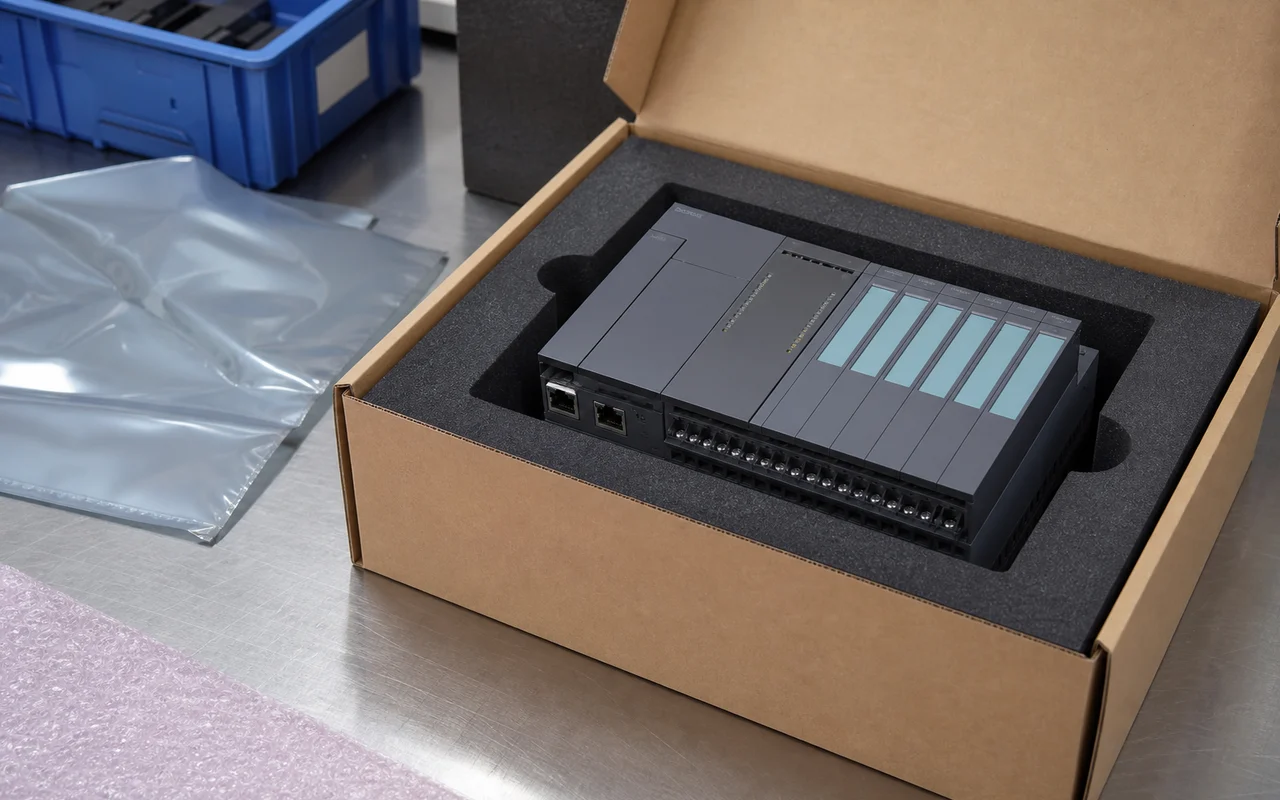 Secure Export Packing
Cushion protection and strong cartons ensure safe transportation.
 Worldwide Shipping
Global logistics network supports air, sea and express delivery.
 Documentation Check
Part number, revision and compatibility verified before shipment.
 After-sales Support
Professional technical support to help resolve your issues.