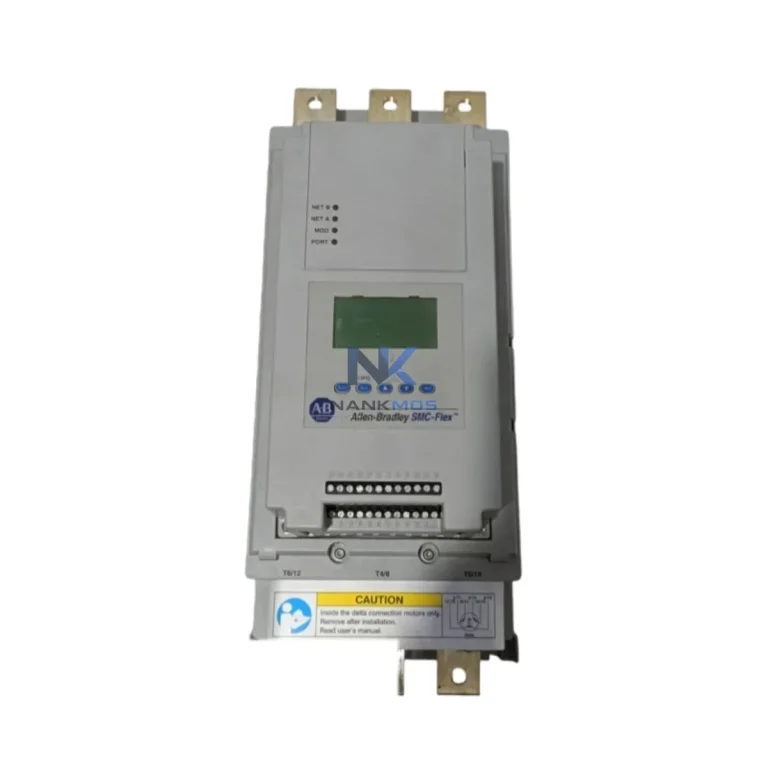
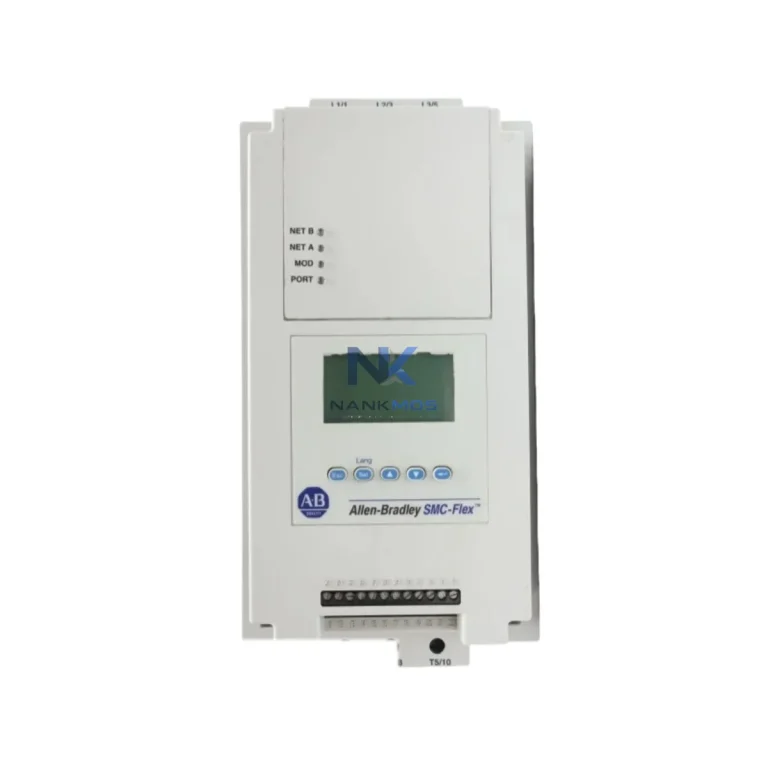
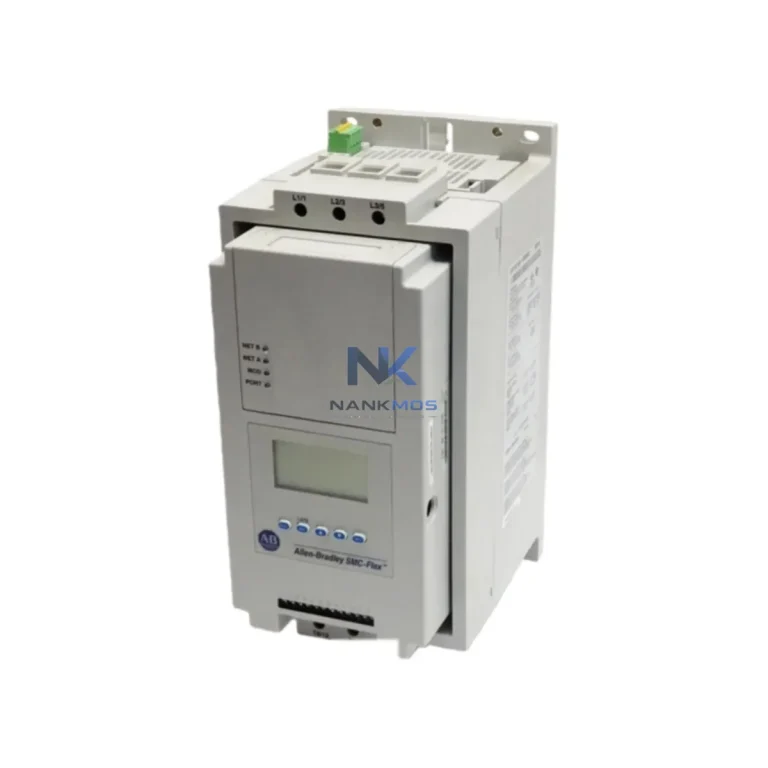
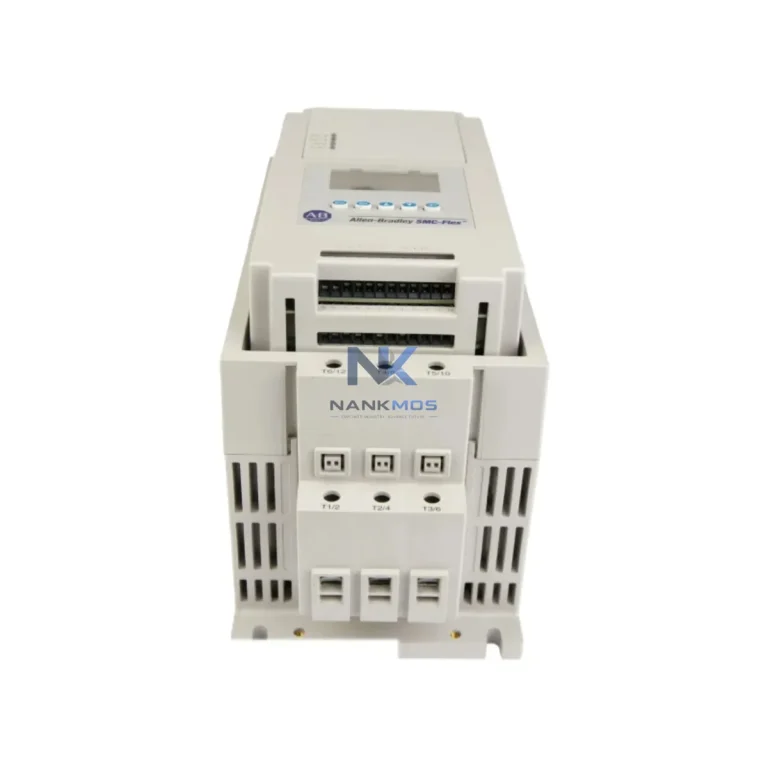
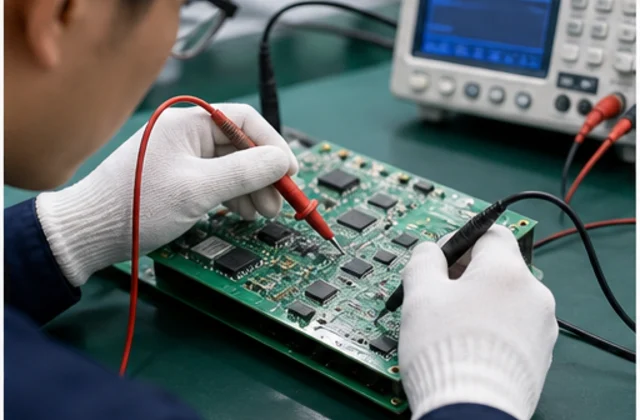
 Functional Inspection
100% tested on professional platforms to ensure stable performance.
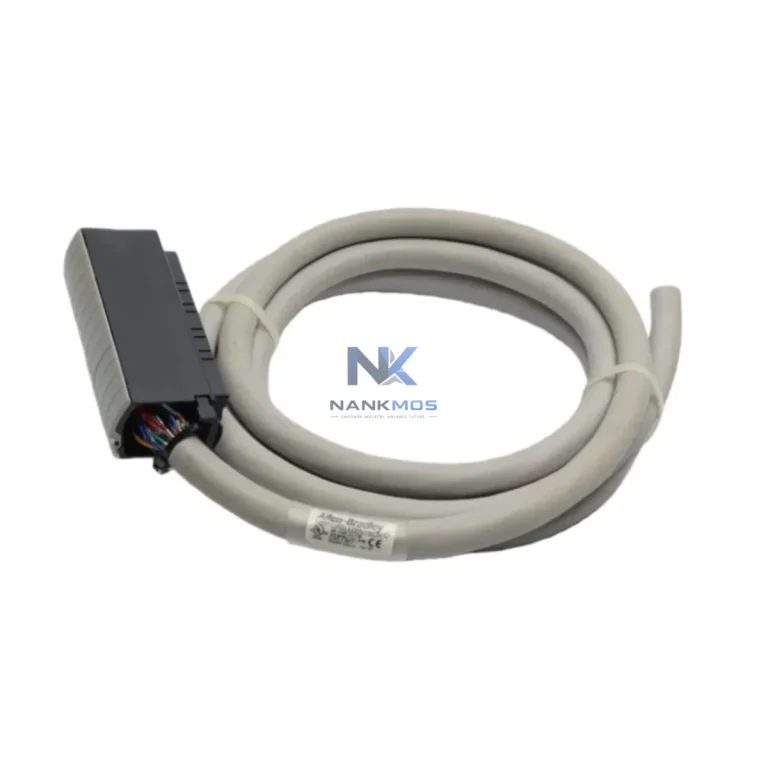
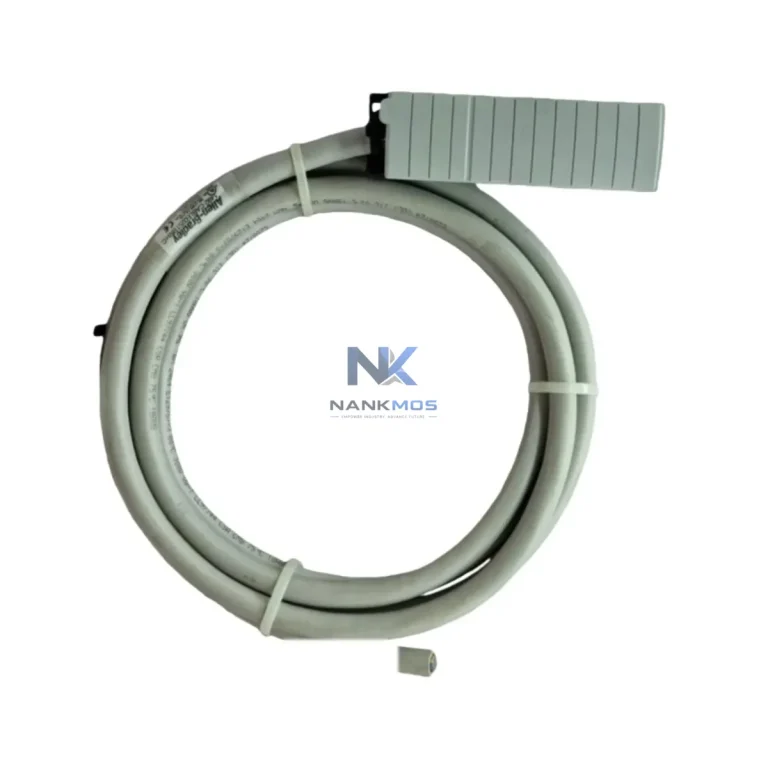
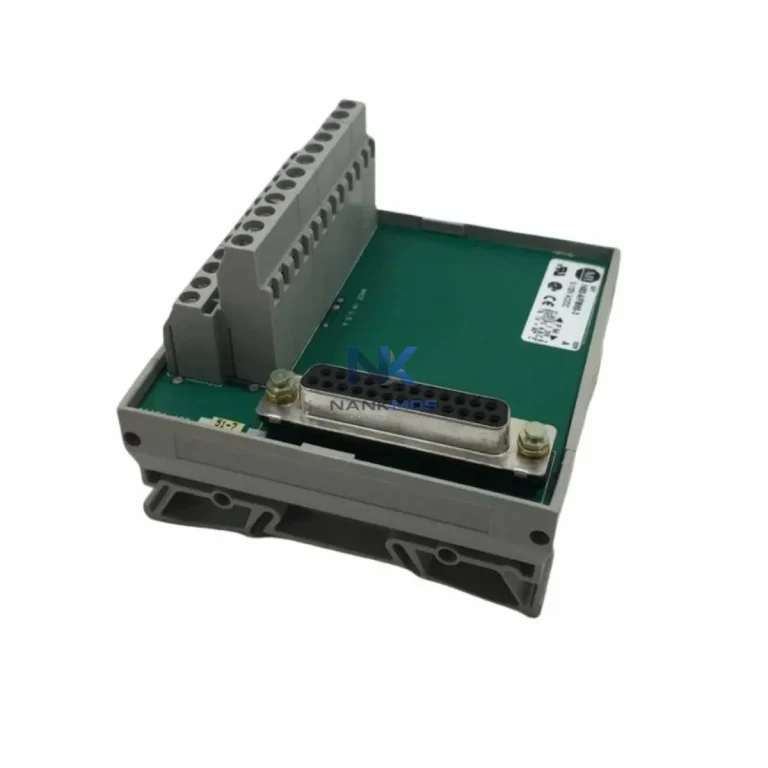
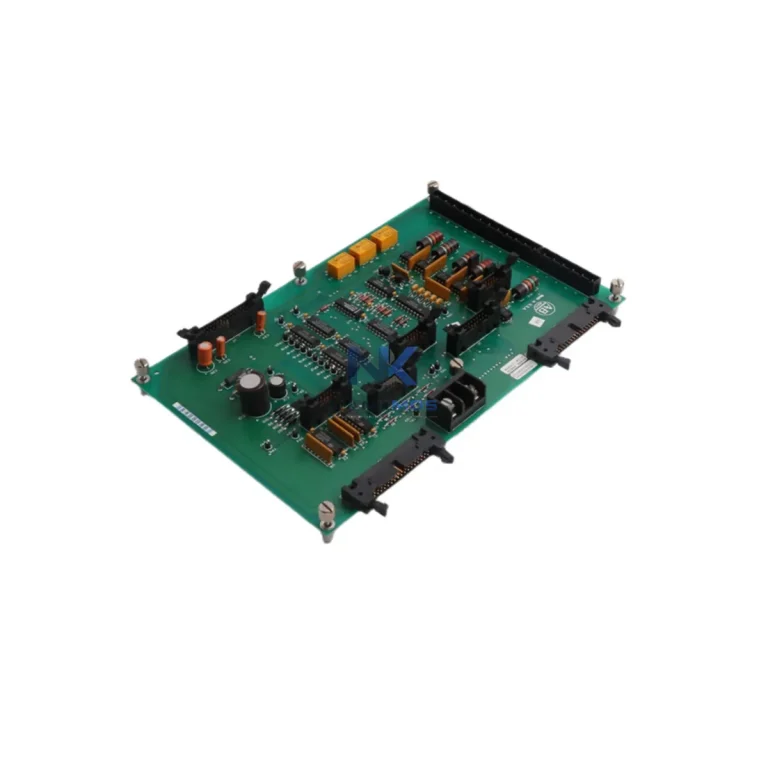
Allen-Bradley 1771-NIS is a NANKMOS industrial automation product record Listed under PLC-5 series and Business & Industrial > Automation, Control & Flow Devices > Programmable Logic Controllers. Confirm condition, availability, lead time, compatibility and documentation by email inquiry.
Brand names are used for identification only.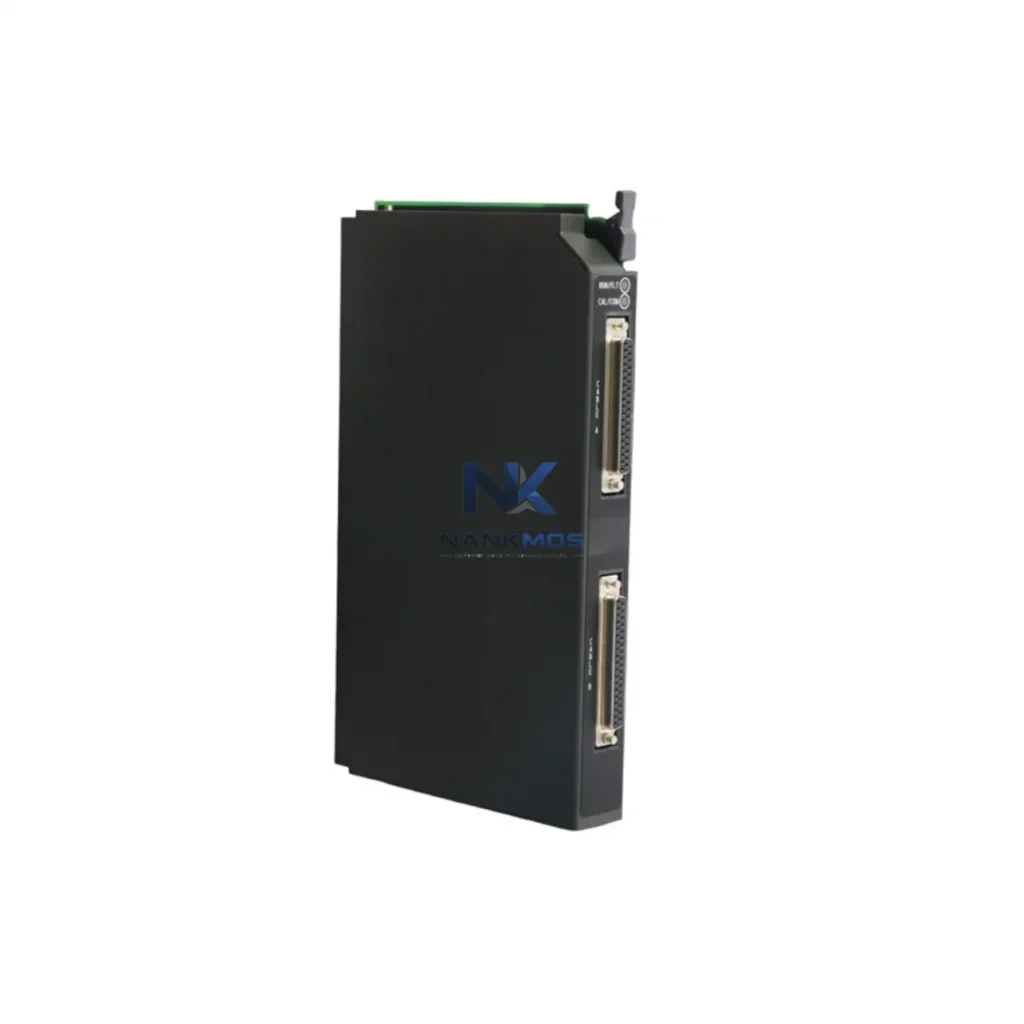
Allen-Bradley 1771-NIS is a NANKMOS industrial automation product record Listed under PLC-5 series and Business & Industrial > Automation, Control & Flow Devices > Programmable Logic Controllers. Confirm condition, availability, lead time, compatibility and documentation by email inquiry.
| Manufacturer | Allen-Bradley |
|---|---|
| Application | Controller Processing & System Control |
| Part Number / Model | 1771-NIS |
| Compatible System | PLC-5 |
| Series | PLC-5 |
| Condition Options | To Confirm |
| Module Type | Controller / CPU Module |
| Warranty | 12 Months |
| Packaging | Anti-static Bag / Secure Box |
| Shipping Methods | DHL / FedEx / UPS / Air / Sea |
| Availability | To Confirm |
| Lead Time | To Confirm |
| Documentation | Part number and revision checked before quote |
The Allen-Bradley 1771-NIS is a dedicated Network Interface Module engineered for seamless integration within the PLC-5 control platform. Designed to extend the communication reach of the 1771 I/O chassis, this module enables reliable data exchange between the PLC-5 processor and remote I/O networks, supporting deterministic scan cycles and high-integrity signal transmission across distributed control architectures. Whether deployed in a standalone machine cell or embedded within a multi-tier plant-wide automation hierarchy, the 1771-NIS delivers the communication consistency and architectural flexibility that modern industrial environments demand.
In large-scale automation systems, the network interface layer is the backbone of real-time control. The 1771-NIS occupies a critical position in this hierarchy — bridging the PLC-5 processor backplane with remote I/O drops, ensuring that field-level signals from sensors, actuators, and I/O modules are accurately reflected in the controller's data table without latency or frame loss. This deterministic communication model is essential for applications where process timing, interlock logic, and safety sequencing must be maintained with precision.
Every unit supplied by NANKMOS undergoes pre-shipment functional verification, including backplane communication handshake testing, network address configuration validation, and module status LED diagnostics. A 12-Month Warranty is included as standard, covering manufacturing defects and operational failures under normal industrial service conditions. Contextual Integration support is available to assist engineers in mapping the 1771-NIS into existing PLC-5 rack configurations, remote I/O cable topologies, and multi-drop network segments.
The 1771-NIS is most effective when considered as a system component rather than a standalone module. In a complete PLC-5 automation architecture, the processor — typically a 1785-L40B or 1785-L80B — resides in the local 1771 chassis alongside the 1771-NIS scanner. The scanner manages the Remote I/O link, polling remote adapter modules such as the 1771-ASB (Remote I/O Adapter) installed in satellite chassis distributed across the plant floor. This scanner-adapter topology allows the PLC-5 to control hundreds of discrete and analog I/O points without requiring a direct backplane connection to every field device.
Power integrity across the 1771 chassis is maintained by the 1771-P4S or 1771-P7 power supply modules, which provide regulated backplane voltage to the 1771-NIS and co-resident I/O modules. For applications requiring analog signal acquisition, the 1771-IFE (Analog Input Module) and 1771-OFE (Analog Output Module) are commonly deployed in remote chassis managed by the 1771-NIS scanner, enabling closed-loop process control over the RIO link.
In architectures where the PLC-5 must communicate upstream with a supervisory SCADA system or DCS, the 1785-KA5 or 1784-KTX communication interface cards provide Data Highway Plus (DH+) or Ethernet connectivity, complementing the RIO scanning function of the 1771-NIS. For HMI integration, PanelView 550 or PanelView 900 terminals connect via DH+ or RIO, receiving real-time process data routed through the PLC-5 data table populated by the 1771-NIS scanner.
Redundancy-conscious designs may deploy dual 1771-NIS modules in separate chassis slots, with switchover logic programmed in the PLC-5 ladder file to maintain RIO communication continuity during module servicing. Complementary protection components such as the 1771-WB (Wiring Arm) and 1771-WN (Wiring Arm) ensure field wiring remains connected during module hot-swap procedures, minimizing process interruption during maintenance windows.
For installations requiring signal isolation between the RIO trunk cable and field wiring, inline signal isolators and surge protection devices are recommended at each remote chassis entry point, particularly in environments with high electromagnetic interference from variable frequency drives, motor starters, or high-current switching equipment. This layered protection strategy preserves the signal integrity that the 1771-NIS depends on for deterministic I/O scanning.
Manufacturing & Assembly Lines: In automotive body-in-white and powertrain assembly lines, the 1771-NIS enables centralized PLC-5 control of distributed weld gun controllers, conveyor drives, and fixture clamps via Remote I/O drops positioned at each assembly station. The deterministic scan cycle ensures that interlock signals between stations are processed within the required cycle time, preventing tooling collisions and maintaining line throughput.
Power Generation & Utilities: In thermal power plant auxiliary systems — including boiler feed pump controls, cooling water circuits, and fuel handling conveyors — the 1771-NIS provides the communication backbone between the PLC-5 master controller and remote I/O panels located in motor control centers (MCCs). The module's ability to support long-distance RIO trunk cables (up to 3,048 m at 57.6K baud) makes it well-suited for geographically distributed plant layouts.
Petrochemical & Refinery Process Control: In continuous process environments such as crude distillation units and catalytic cracking plants, the 1771-NIS supports the PLC-5's role as a unit controller within a DCS-supervised architecture. Remote I/O drops in hazardous area junction boxes connect field transmitters and control valves to the PLC-5 data table via the 1771-NIS scanner, with intrinsic safety barriers providing the required protection for Zone 1 and Zone 2 installations.
Water & Wastewater Treatment: Municipal water treatment facilities rely on PLC-5 systems with 1771-NIS modules to manage geographically dispersed pump stations, chemical dosing systems, and filtration controls from a central SCADA node. The RIO network's noise immunity and error-detection capabilities ensure reliable operation in the electrically noisy environments typical of pump houses and chemical storage areas.
Mining & Minerals Processing: In conveyor drive systems, crusher controls, and flotation cell automation, the 1771-NIS provides the I/O scanning infrastructure that connects the PLC-5 to remote drive panels and field instrument clusters. The module's robust design tolerates the vibration, dust, and temperature extremes common in underground and open-cut mining environments.
Q1: Is the 1771-NIS compatible with all PLC-5 processor variants, and can it coexist with other communication modules in the same 1771 chassis? The 1771-NIS is compatible with the full range of PLC-5 processors in the 1785-Lxx family, including the 1785-L11B, L20B, L40B, L60B, and L80B. It occupies a single I/O chassis slot and can coexist with other 1771 I/O modules, communication adapters, and specialty modules within the same chassis, subject to chassis slot capacity and power supply current budget. Multiple 1771-NIS modules can be installed in a single chassis to expand the number of Remote I/O links managed by one PLC-5 processor, enabling large-scale distributed I/O architectures.
Q2: What are the key considerations for integrating the 1771-NIS into an existing RIO network, and how should baud rate and node addressing be configured? When integrating the 1771-NIS into an existing Remote I/O network, the baud rate must match all other devices on the same RIO trunk — mismatched baud rates are the most common cause of communication faults. Node (rack) addresses are set via DIP switches on the module and must be unique across the RIO link. Cable termination resistors (typically 82–150 Ω) must be installed at both ends of the RIO trunk cable to prevent signal reflections. NANKMOS provides Contextual Integration support to assist with baud rate selection, address mapping, and termination verification during commissioning.
Q3: What does the 12-Month Warranty cover, and what is the typical lead time for replacement units? The 12-Month Warranty provided by NANKMOS covers manufacturing defects and operational failures under normal industrial service conditions from the date of shipment. It does not cover damage resulting from incorrect installation, overvoltage events, or unauthorized modification. NANKMOS maintains in-stock inventory of the 1771-NIS to support rapid replacement requirements — typical lead time for stocked units is 3–7 business days for international shipments. Pre-shipment functional testing is performed on every unit, with test records available upon request. For urgent replacement needs, expedited shipping options are available; contact [email protected] or +86 18359268345 for availability confirmation.
Functional Inspection100% tested on professional platforms to ensure stable performance.
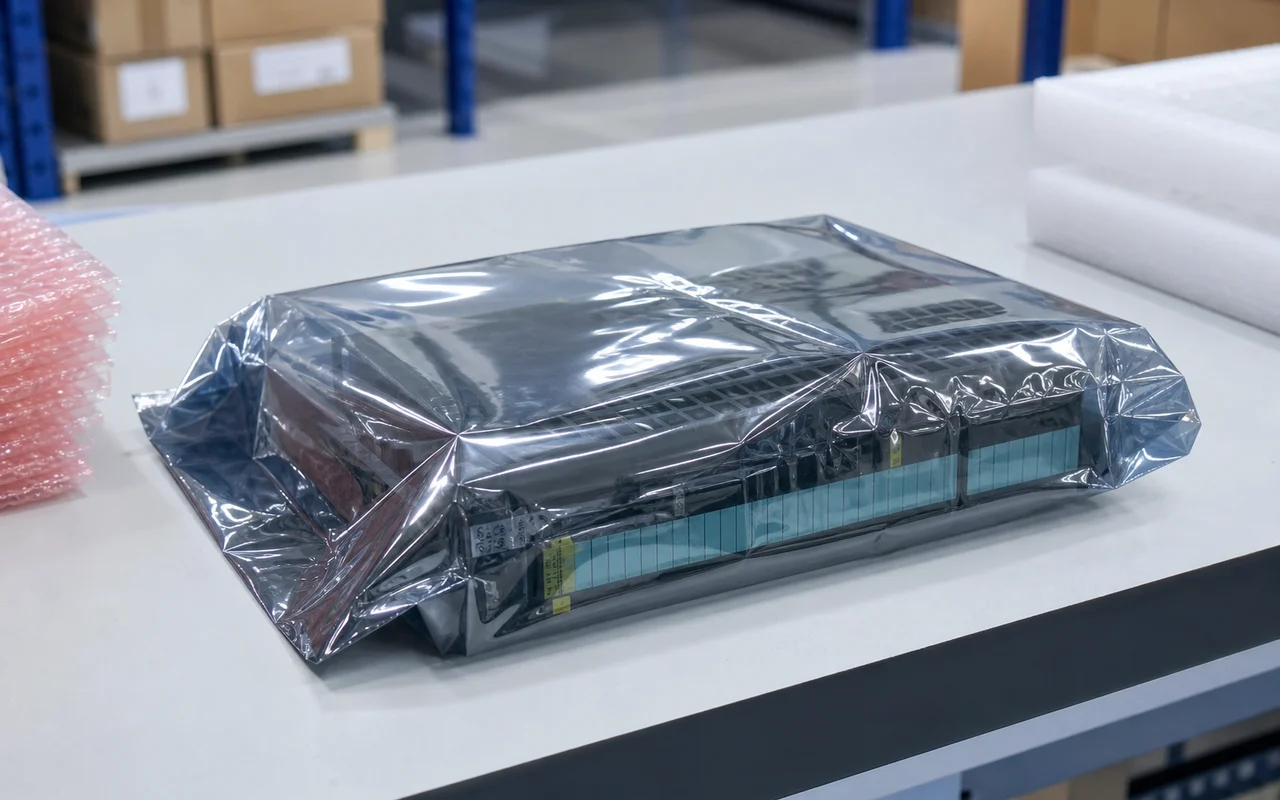 Anti-static Packaging
Modules are packed in anti-static bags to prevent electrostatic damage.
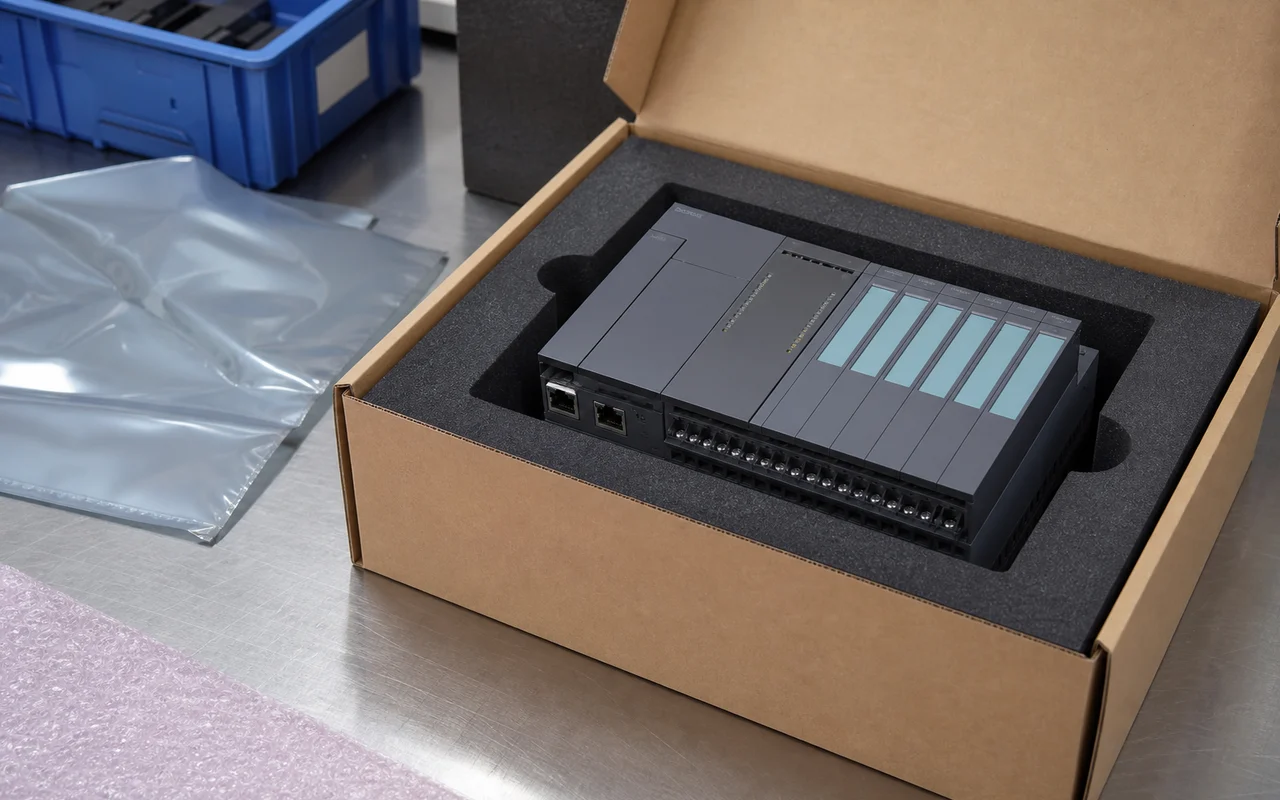 Secure Export Packing
Cushion protection and strong cartons ensure safe transportation.
 Worldwide Shipping
Global logistics network supports air, sea and express delivery.
 Documentation Check
Part number, revision and compatibility verified before shipment.
 After-sales Support
Professional technical support to help resolve your issues.