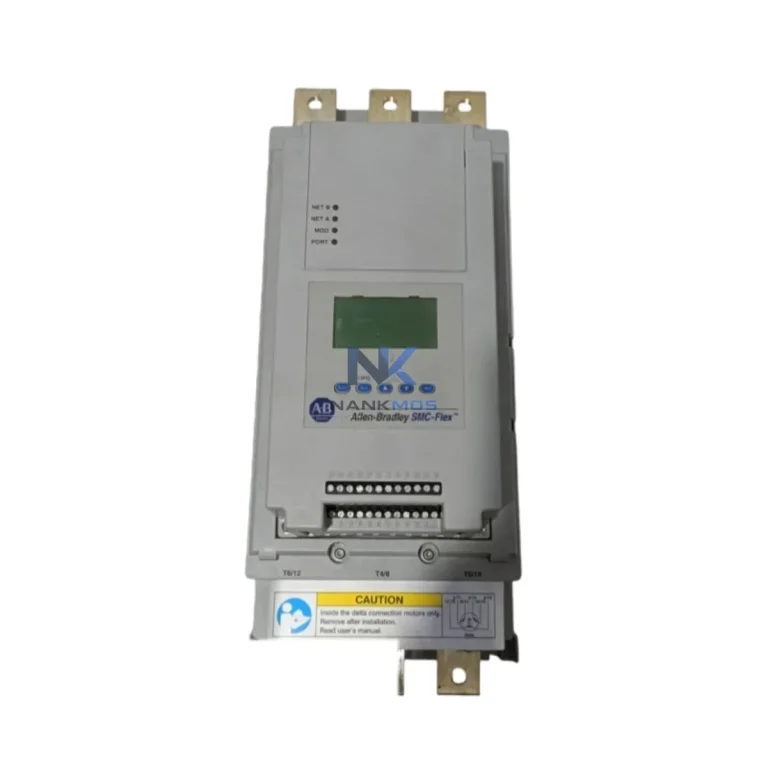
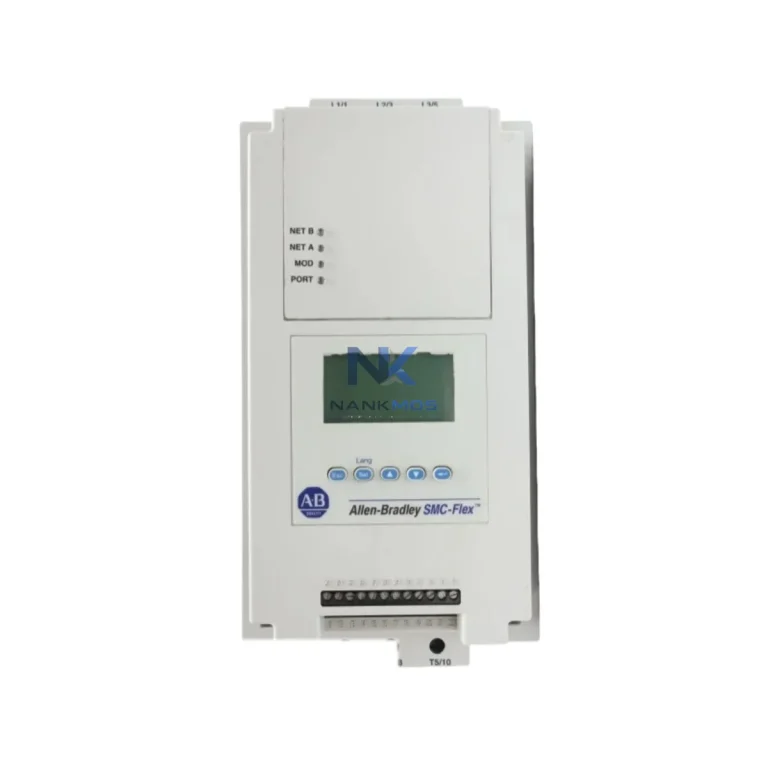
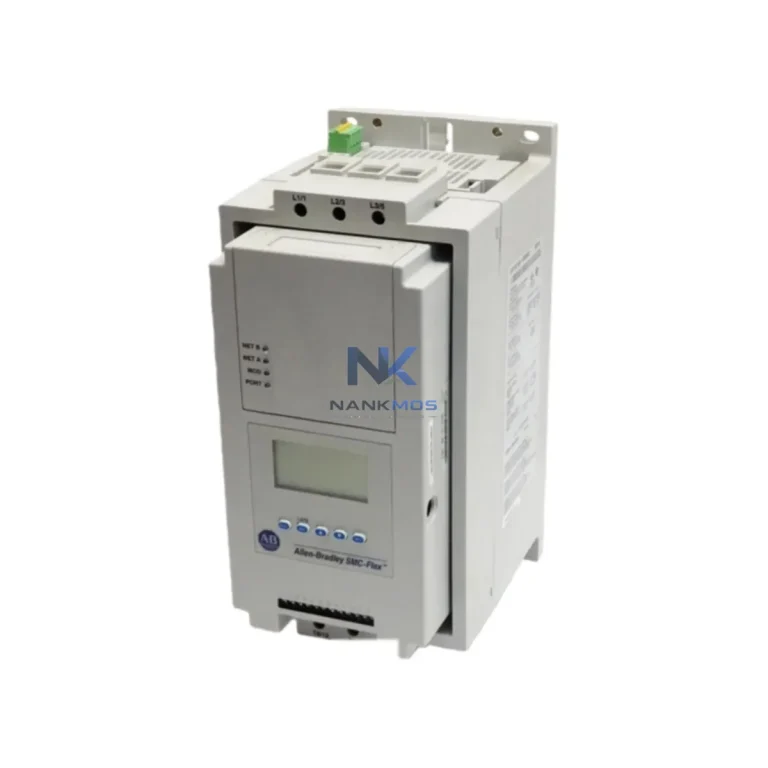
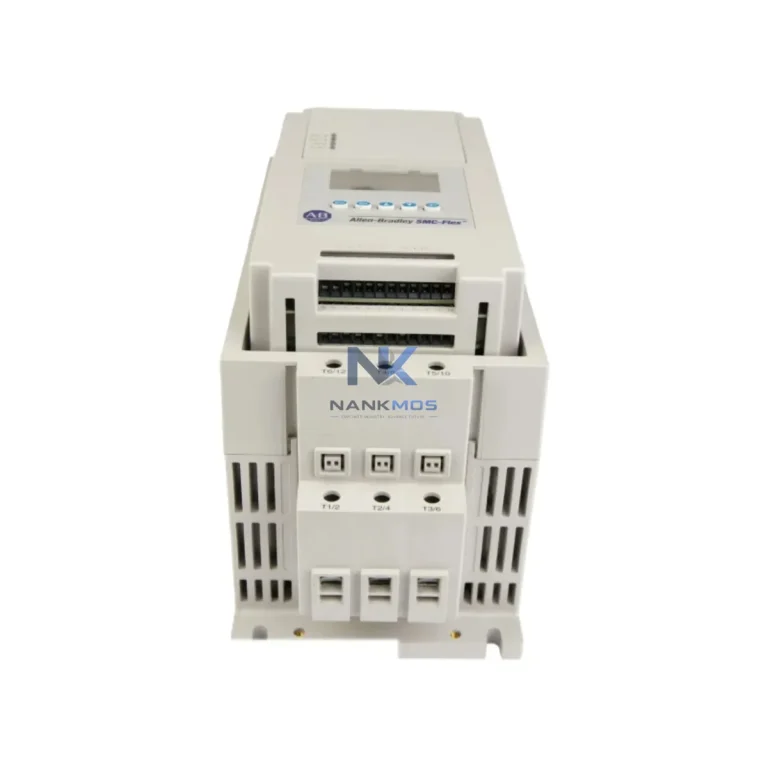
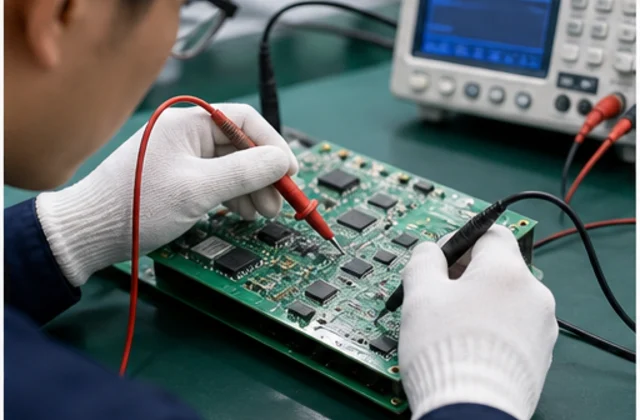
 Functional Inspection
100% tested on professional platforms to ensure stable performance.
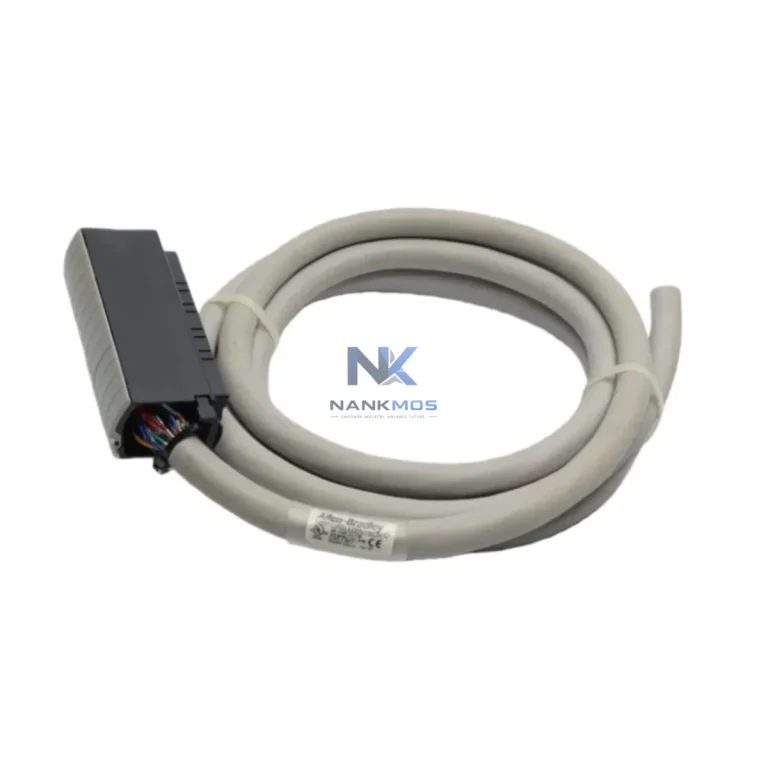
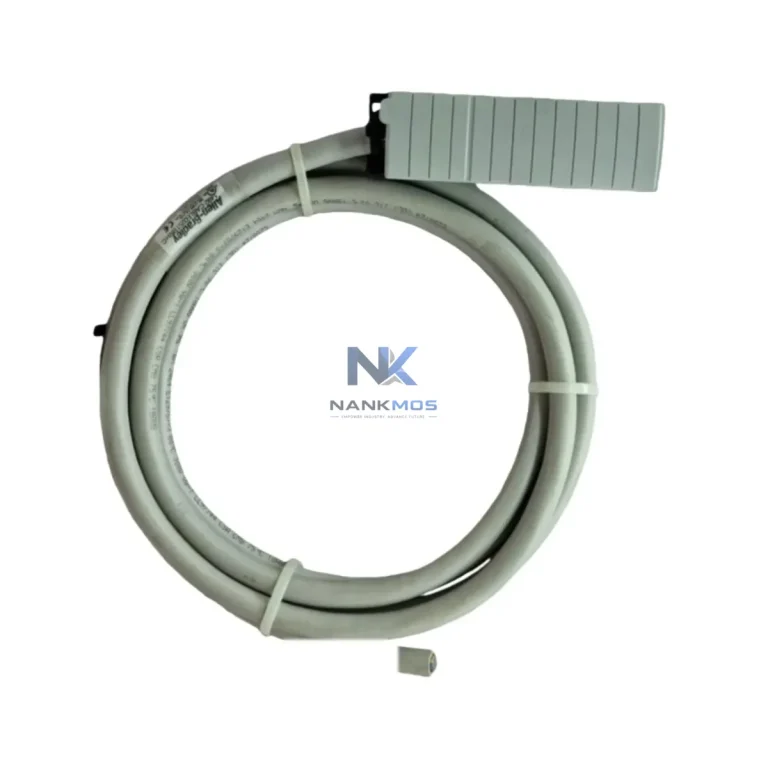
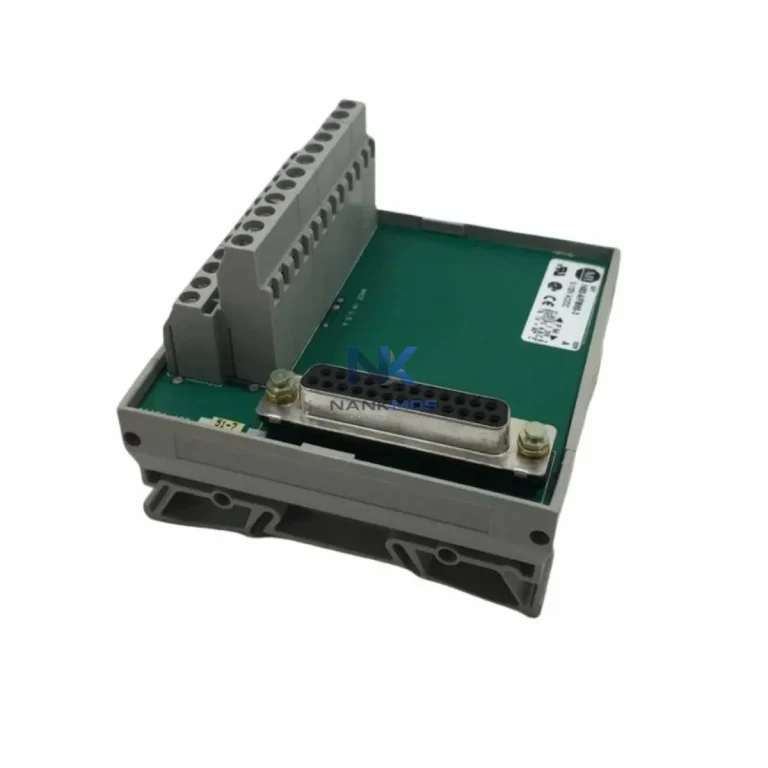
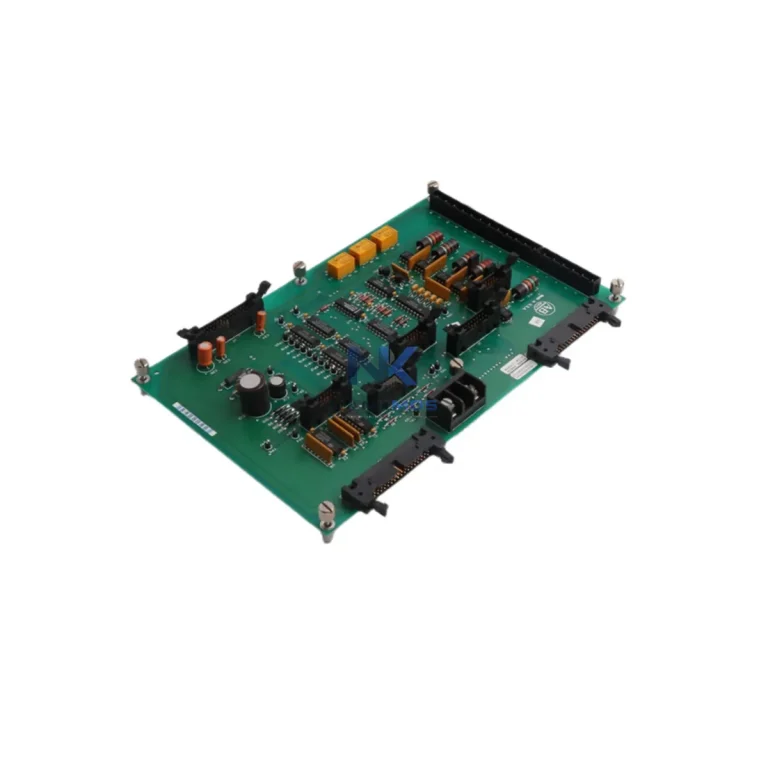
Allen-Bradley 1771-OQ16 is a NANKMOS industrial automation product record Listed under PLC-5 series and Business & Industrial > Automation, Control & Flow Devices > Programmable Logic Controllers. Confirm condition, availability, lead time, compatibility and documentation by email inquiry.
Brand names are used for identification only.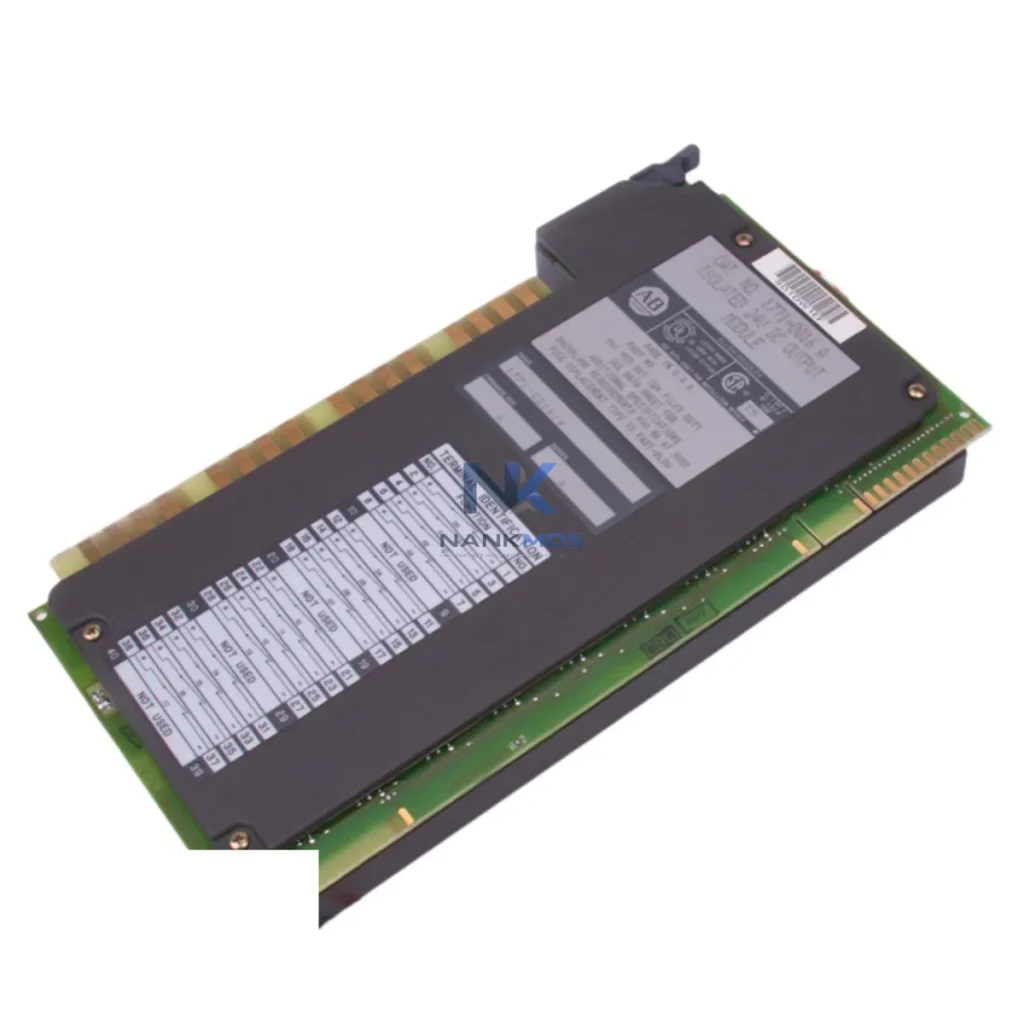
Allen-Bradley 1771-OQ16 is a NANKMOS industrial automation product record Listed under PLC-5 series and Business & Industrial > Automation, Control & Flow Devices > Programmable Logic Controllers. Confirm condition, availability, lead time, compatibility and documentation by email inquiry.
| Manufacturer | Allen-Bradley |
|---|---|
| Application | Controller Processing & System Control |
| Part Number / Model | 1771-OQ16 |
| Compatible System | PLC-5 |
| Series | PLC-5 |
| Condition Options | To Confirm |
| Module Type | Controller / CPU Module |
| Warranty | 12 Months |
| Packaging | Anti-static Bag / Secure Box |
| Shipping Methods | DHL / FedEx / UPS / Air / Sea |
| Availability | To Confirm |
| Lead Time | To Confirm |
| Documentation | Part number and revision checked before quote |
The Allen-Bradley 1771-OQ16 is a 16-point transistor digital output module engineered for the PLC-5 programmable controller platform. Designed to deliver precise, high-speed switching control across demanding industrial environments, the 1771-OQ16 plays a central role in energy-efficient load management, motor sequencing, and production line synchronization. With its robust output architecture and seamless integration into Rockwell Automation's 1771 I/O chassis, this module enables plant engineers to reduce unnecessary actuator energization cycles, minimize thermal load on control panels, and optimize the overall energy footprint of automated production systems.
In a fully integrated Rockwell Automation architecture, the 1771-OQ16 operates as the final control element in a layered energy management strategy. The Allen-Bradley PLC-5 processor — such as the 1785-L40B or 1785-L80B — executes ladder logic routines that govern output timing, load sequencing, and duty-cycle management. By coordinating output activation through the 1771-OQ16 with feedback from 1771-IQ16 digital input modules and analog signals from 1771-IF4 analog input modules, the PLC-5 system can implement intelligent load shedding and staggered motor start sequences that dramatically reduce peak demand charges.
When paired with a PowerFlex 40 or PowerFlex 70 variable frequency drive, the 1771-OQ16 provides the discrete run/stop and direction commands that allow the VFD to ramp motor speed proportionally to actual production demand — eliminating the energy waste of fixed-speed motor operation. The module's transistor outputs respond in milliseconds, ensuring that drive enable signals are issued and withdrawn with precision, preventing unnecessary motor energization during line stoppages or changeovers.
For power monitoring, the 1771-OQ16 integrates naturally with Allen-Bradley PowerMonitor 500 or PowerMonitor 1000 units deployed on the same control network. These power quality meters feed real-time kW, kVAR, and power factor data back to the PLC-5, enabling closed-loop energy control strategies where output activation is conditioned on actual load conditions. The 1771-OWN relay output module can complement the 1771-OQ16 in the same chassis for higher-voltage switching tasks, while the 1771-OQ16 handles the high-speed, low-voltage transistor switching that drives solenoids, pilot lights, and VFD control terminals.
Communication to supervisory systems is handled through the Allen-Bradley 1785-KA5 or 1771-KG Data Highway Plus communication modules, which bridge the PLC-5 platform to ControlNet or DH+ networks. This connectivity allows SCADA systems — such as FactoryTalk View SE — to monitor output states in real time, log activation cycles for predictive maintenance analysis, and trigger energy-saving routines based on production schedule data. The 1771-OQ16's output status bits are fully visible at the SCADA level, enabling operators to identify stuck-on outputs that waste energy or indicate impending actuator failure.
HMI integration via PanelView 550 or PanelView Plus terminals gives floor operators direct visibility into output group status, allowing manual override of non-critical loads during peak tariff windows. This operator-level energy awareness, combined with PLC-5 automated load management, creates a multi-layer energy control architecture that reduces total facility energy consumption without compromising production throughput.
The 1771-OQ16 contributes to production line energy optimization through several complementary mechanisms. Its solid-state transistor design eliminates the coil current draw and contact bounce associated with relay output modules, reducing both energy consumption and maintenance overhead. In high-cycle applications — such as packaging machinery, conveyor indexing systems, and robotic end-of-arm tooling — the 1771-OQ16 can execute hundreds of thousands of switching cycles without degradation, maintaining consistent output response times that are critical for line synchronization and takt time stability.
By enabling precise output timing through the PLC-5's high-speed counter and interrupt routines, the 1771-OQ16 supports timed output strategies that deactivate non-essential loads — such as pneumatic solenoids, cooling fans, and auxiliary lighting — during planned micro-stoppages and shift changeovers. These strategies, when implemented across multiple 1771 I/O chassis on a production line, can yield measurable reductions in standby power consumption and compressed air usage, two of the largest energy cost drivers in discrete manufacturing environments.
Predictive maintenance integration is another key energy optimization benefit. By logging output activation counts and comparing them against actuator lifecycle specifications within FactoryTalk Historian or a third-party MES, maintenance teams can schedule proactive replacements before actuator failures cause unplanned downtime — which is consistently more energy-intensive than planned maintenance windows due to restart surges and scrap generation. The 1771-OQ16's reliable output state reporting ensures that these maintenance data streams remain accurate and actionable.
All units supplied by NANKMOS are drawn from verified inventory, subjected to functional output testing across all 16 channels prior to dispatch, and backed by a 12-Month Warranty. Lead times are confirmed at the time of order, and expedited shipping options are available for urgent MRO requirements. Stock availability is updated regularly to reflect current inventory positions.
Q1: What energy savings can I expect by replacing relay output modules with the 1771-OQ16 transistor output module? Transistor output modules eliminate the continuous coil current draw of relay modules — typically 50–150 mA per energized relay coil. In a 16-point application with high output duty cycles, switching to the 1771-OQ16 can reduce I/O chassis power supply loading by several watts per module, with compounding savings across multi-chassis installations. Additionally, the elimination of contact bounce reduces false actuator triggering, preventing energy-wasting re-cycles.
Q2: Is the 1771-OQ16 compatible with my existing PLC-5 chassis and RSLogix 5 program? Yes. The 1771-OQ16 is a standard 1771 I/O series module and is fully compatible with all PLC-5 processor families and 1771 I/O chassis configurations. It is addressed and configured through RSLogix 5 using standard output image table mapping. No firmware changes to the PLC-5 processor are required for module substitution.
Q3: Can the 1771-OQ16 replace other 16-point DC output modules in my system? The 1771-OQ16 is a direct form-fit-function replacement for other Allen-Bradley 1771 series 16-point transistor DC output modules with compatible voltage and current ratings. Always verify field wiring voltage compatibility (10–50 VDC) and per-point current requirements against your actuator specifications before substitution. NANKMOS technical support can assist with cross-reference verification.
Q4: What does the 12-Month Warranty cover, and how is pre-shipment testing conducted? All 1771-OQ16 units supplied by NANKMOS are tested for full 16-channel output functionality, backplane communication integrity, and LED status indicator operation prior to shipment. The 12-Month Warranty covers manufacturing defects and functional failures under normal operating conditions. Warranty claims are processed directly through NANKMOS, with replacement or repair options available depending on failure analysis results.
Functional Inspection100% tested on professional platforms to ensure stable performance.
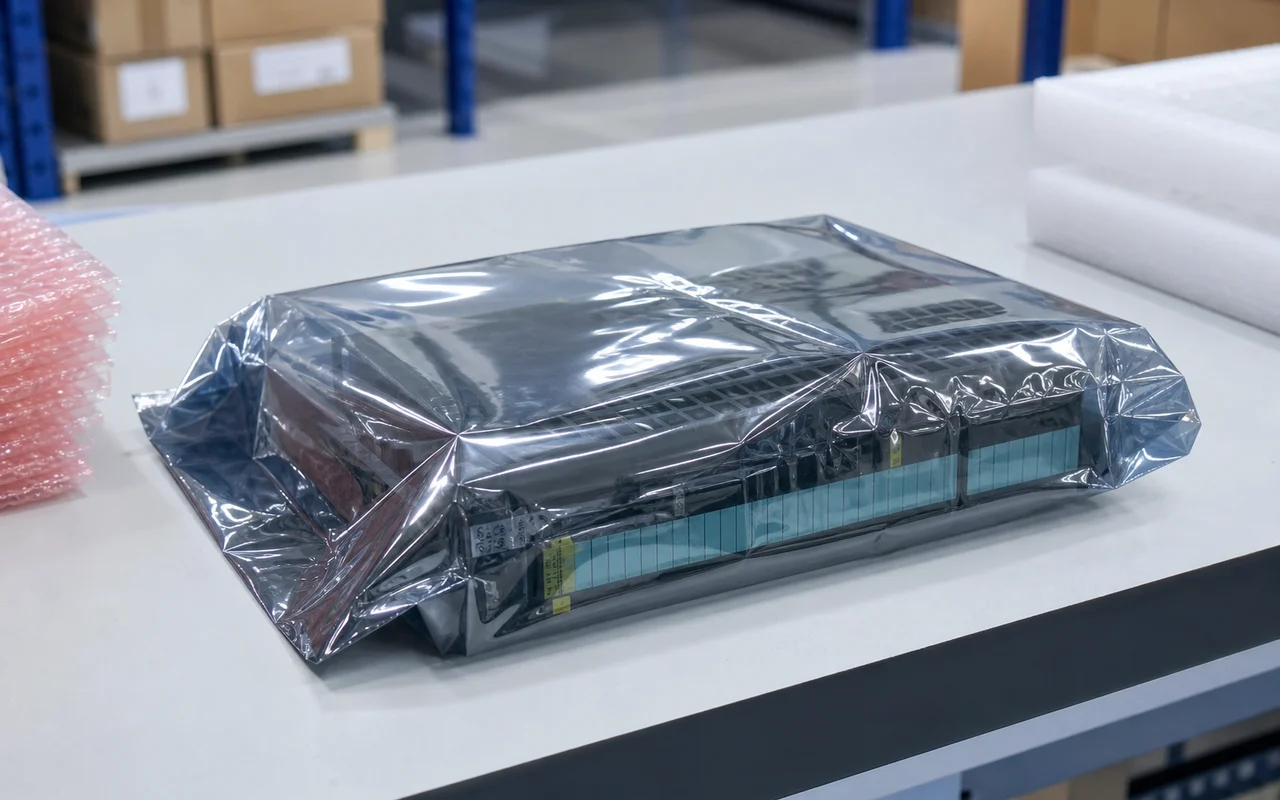 Anti-static Packaging
Modules are packed in anti-static bags to prevent electrostatic damage.
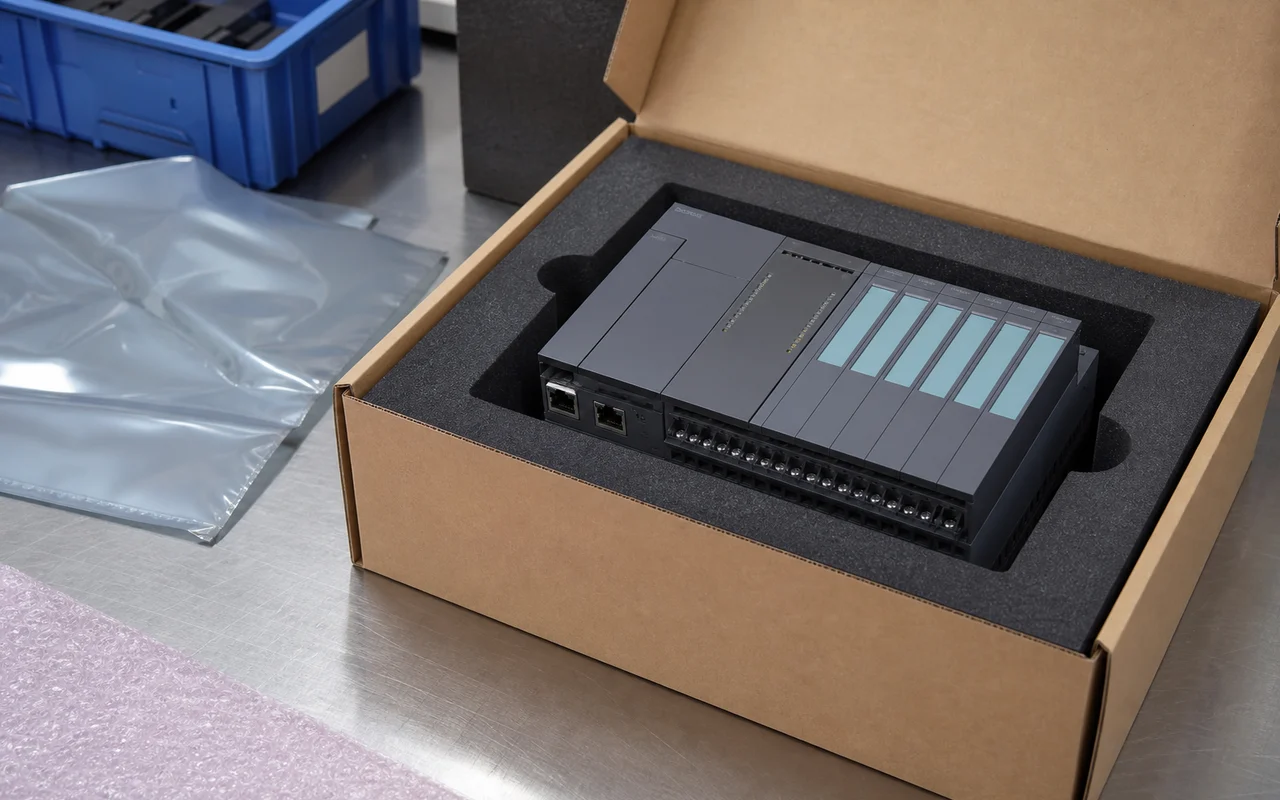 Secure Export Packing
Cushion protection and strong cartons ensure safe transportation.
 Worldwide Shipping
Global logistics network supports air, sea and express delivery.
 Documentation Check
Part number, revision and compatibility verified before shipment.
 After-sales Support
Professional technical support to help resolve your issues.