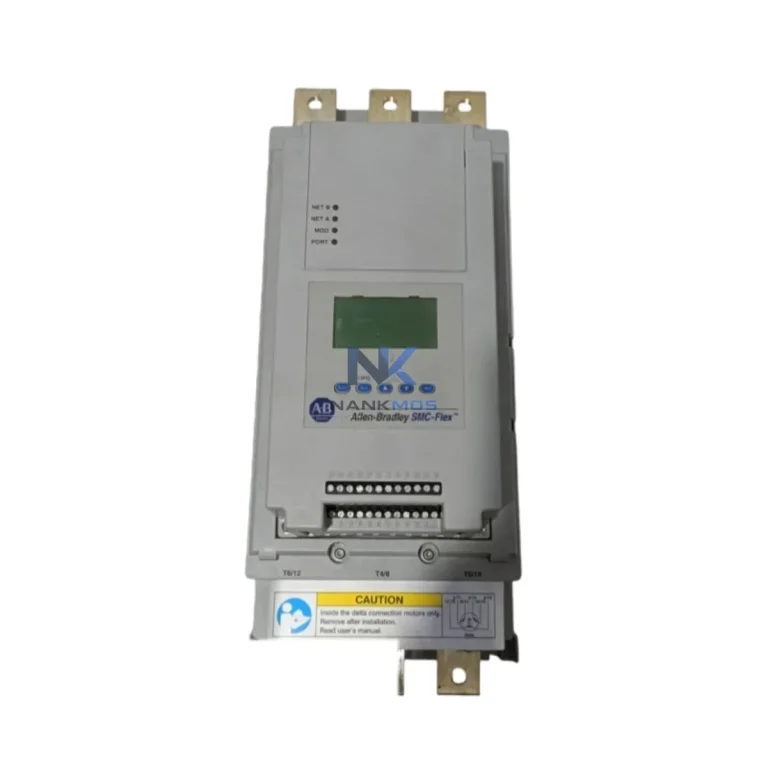
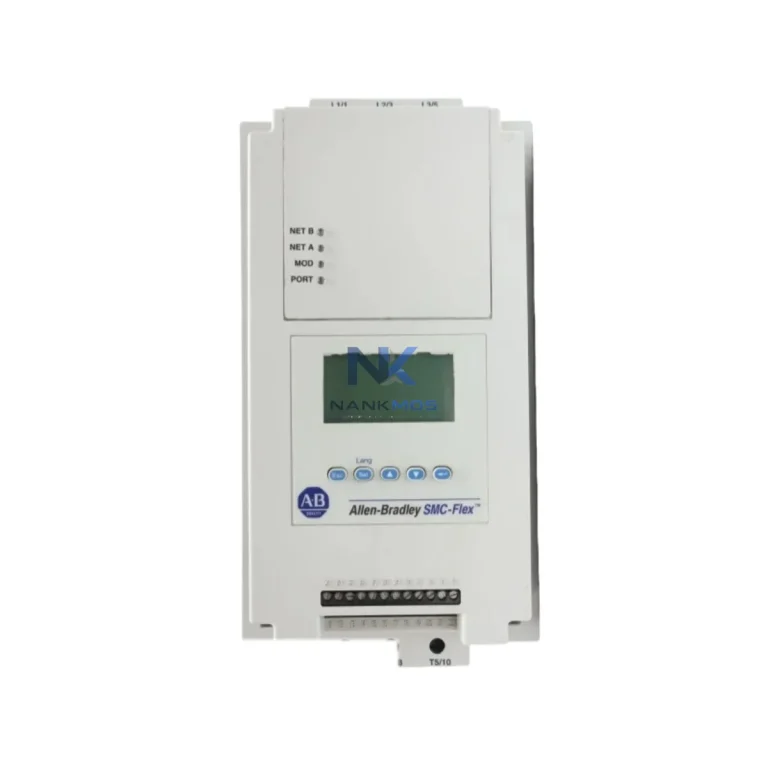
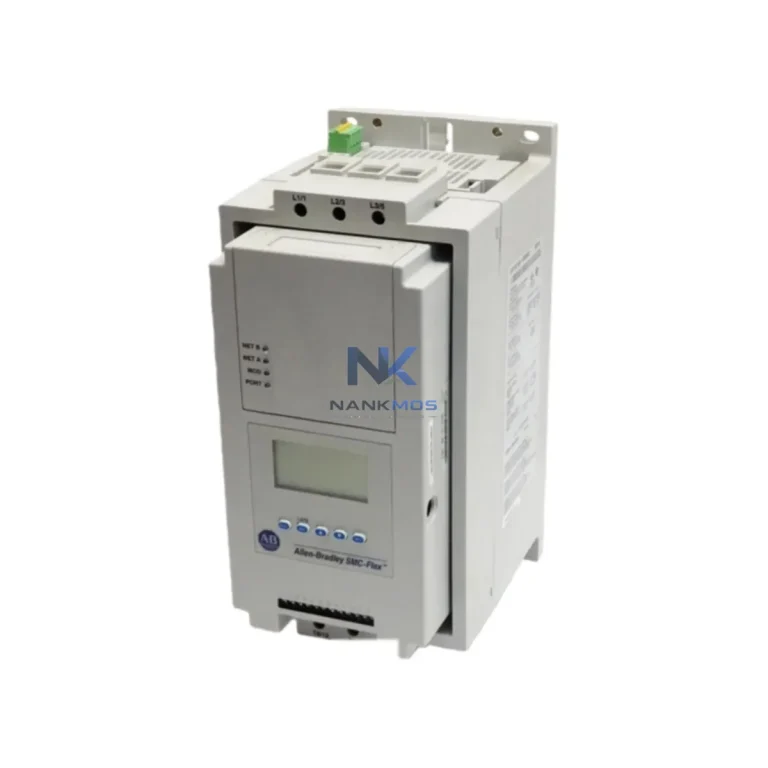
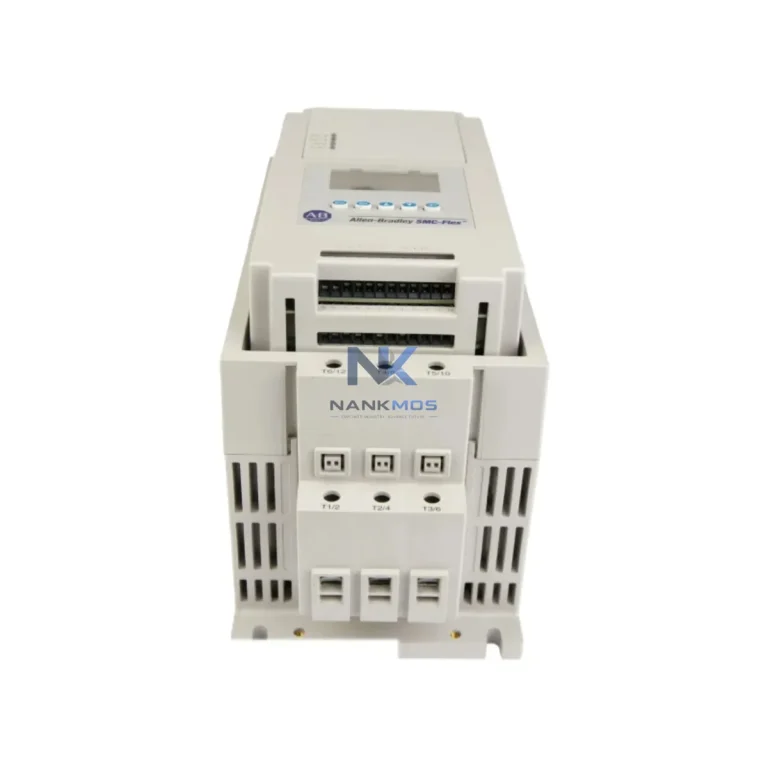
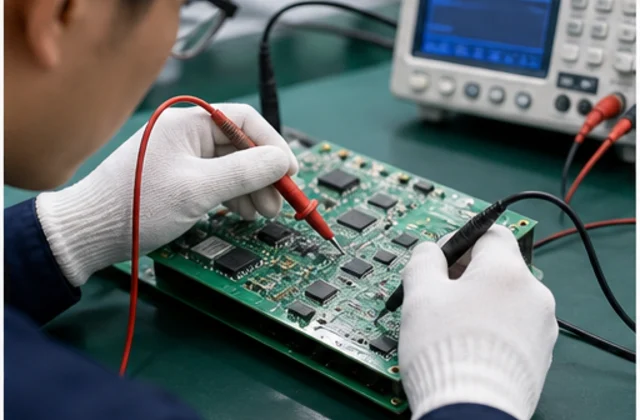
 Functional Inspection
100% tested on professional platforms to ensure stable performance.
Allen-Bradley 1771-P6S is a NANKMOS industrial automation product record Listed under PLC-5 series and Business & Industrial > Automation, Control & Flow Devices > Programmable Logic Controllers. Confirm condition, availability, lead time, compatibility and documentation by email inquiry.
Brand names are used for identification only.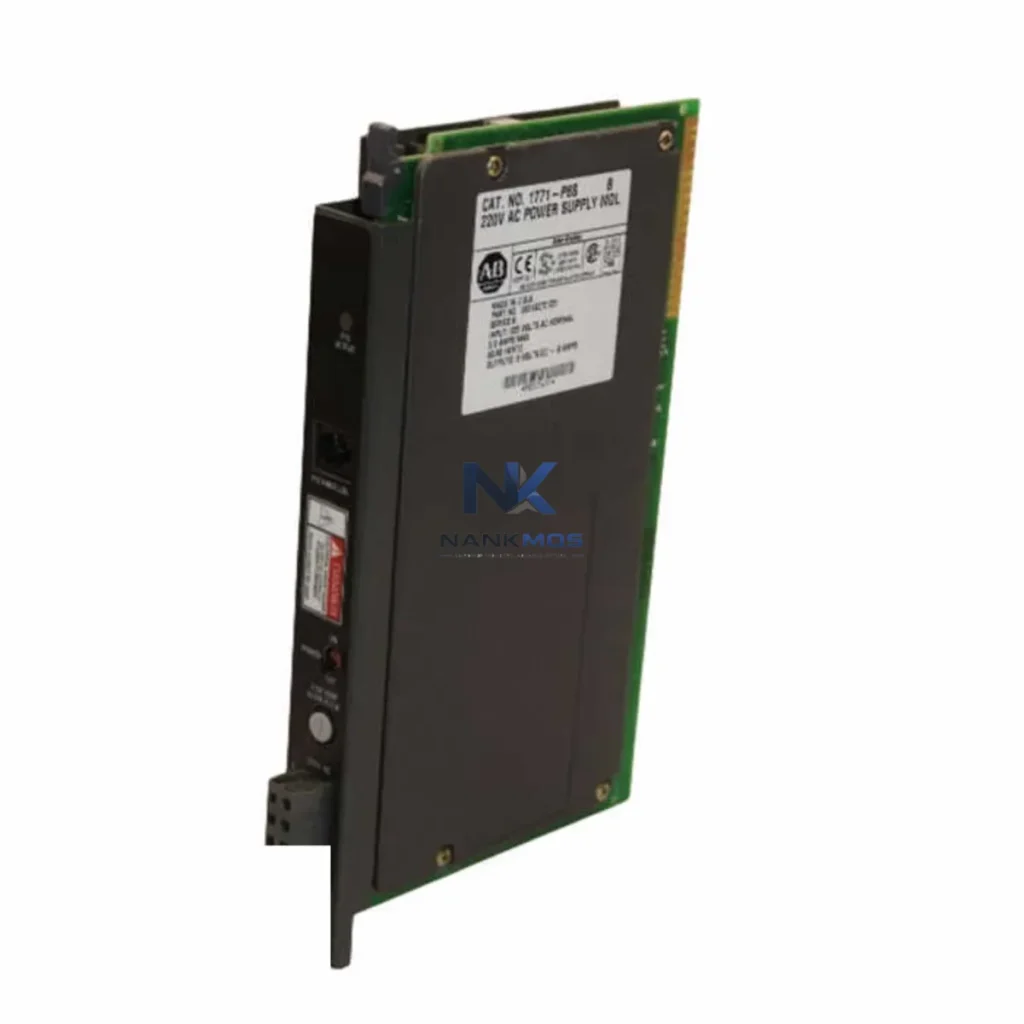
Allen-Bradley 1771-P6S is a NANKMOS industrial automation product record Listed under PLC-5 series and Business & Industrial > Automation, Control & Flow Devices > Programmable Logic Controllers. Confirm condition, availability, lead time, compatibility and documentation by email inquiry.
| Manufacturer | Allen-Bradley |
|---|---|
| Application | Control System Power Support |
| Part Number / Model | 1771-P6S |
| Compatible System | PLC-5 |
| Series | PLC-5 |
| Condition Options | To Confirm |
| Module Type | Power Supply Module |
| Warranty | 12 Months |
| Packaging | Anti-static Bag / Secure Box |
| Shipping Methods | DHL / FedEx / UPS / Air / Sea |
| Availability | To Confirm |
| Lead Time | To Confirm |
| Documentation | Part number and revision checked before quote |
The Allen-Bradley 1771-P6S is a high-capacity power supply module engineered for the PLC-5 programmable controller platform, delivering stable, conditioned DC power to the 1771 I/O chassis in demanding industrial environments. As smart factories evolve toward fully networked architectures, the 1771-P6S serves as the foundational energy backbone that keeps field devices, communication modules, and remote I/O subsystems continuously online. Its robust design supports uninterrupted data flow across the entire automation data chain — from sensor-level signal acquisition through PLC logic execution, protocol conversion, and upstream SCADA visualization.
In a connected factory environment, power integrity is inseparable from data integrity. The 1771-P6S ensures that every node in the control network — including 1771 analog and digital I/O modules, communication adapters such as the 1771-KE RS-232 interface module, and remote I/O scanner cards — receives clean, regulated power that eliminates noise-induced communication faults. When paired with Allen-Bradley's 1785 PLC-5 processor family, the 1771-P6S enables the controller to maintain deterministic scan cycles essential for real-time data exchange with upstream DCS or SCADA platforms.
Modern smart factory architectures demand that every layer of the control hierarchy — from field-level sensors and actuators to plant-wide MES and ERP systems — operates on a continuous, low-latency data pipeline. The 1771-P6S anchors this pipeline at the hardware level by powering the 1771 I/O chassis that hosts the communication and I/O modules responsible for data acquisition and protocol bridging.
At the field level, discrete and analog sensors feed real-time process values into 1771 digital input and analog input modules housed in the same chassis powered by the 1771-P6S. These values are scanned by the 1785-L80B or 1785-L60B PLC-5 processor, which executes ladder logic and forwards processed data upstream via the Data Highway Plus (DH+) network. The 1771-KF3 communication interface module, also chassis-resident, bridges DH+ to RS-232 or RS-422 serial links, enabling legacy HMI panels and operator workstations running RSView32 to receive live process data without protocol conversion delays.
For facilities integrating newer Ethernet-based SCADA platforms, the 1761-NET-ENI or a ControlLogix gateway such as the 1756-ENBT can be deployed alongside the PLC-5 system to translate DH+ traffic into EtherNet/IP packets, making process data available to FactoryTalk View SE clients, OPC servers, and cloud-edge gateways. Variable frequency drives (VFDs) connected via Remote I/O adapter cards in the 1771 chassis report speed feedback, fault codes, and energy consumption data back to the PLC-5 in real time, enabling closed-loop speed regulation and predictive maintenance alerts.
Edge computing nodes — such as Cisco IE industrial switches or Moxa EDS managed switches — aggregate network traffic from multiple PLC-5 drops on the Remote I/O trunk, ensuring deterministic data delivery even under high-traffic conditions. The 1771-P6S's stable power output is critical here: voltage fluctuations in the chassis power supply can corrupt Remote I/O frame timing, causing scanner timeouts that interrupt the data flow between field devices and the SCADA historian. With the 1771-P6S in place, chassis power remains within specification across the full operating temperature range, preserving communication integrity across all connected modules.
For remote diagnostic scenarios, the PLC-5 system's DH+ network can be accessed via a 1784-PKTX or 1784-U2DHP USB-to-DH+ adapter, allowing maintenance engineers to connect RSLogix 5 programming software from a laptop and perform online program monitoring, fault diagnostics, and I/O forcing without interrupting production. This remote access capability, underpinned by the reliable power delivery of the 1771-P6S, reduces mean time to repair (MTTR) and supports the shift toward condition-based maintenance strategies in smart manufacturing environments.
Many industrial sites operating legacy PLC-5 systems face a common set of data challenges: protocol fragmentation between older Remote I/O devices and newer EtherNet/IP infrastructure, data silos that prevent SCADA systems from accessing field-level diagnostics, and limited remote visibility into chassis health and module status. The 1771-P6S directly addresses the power-layer root cause of many of these issues.
Protocol Fragmentation: When multiple communication protocols — DH+, Remote I/O, DF1, and EtherNet/IP — coexist on the same plant floor, gateway modules in the 1771 chassis must operate continuously without power interruption. The 1771-P6S provides the stable chassis power that keeps protocol conversion modules online, eliminating the communication dropouts that create data gaps between legacy field devices and modern SCADA historians.
Data Silos and Production Transparency: Unreliable chassis power causes intermittent I/O module faults that prevent process values from reaching the SCADA layer. With the 1771-P6S ensuring consistent power delivery, all 1771 I/O modules remain in continuous communication with the PLC-5 processor, enabling complete production line transparency — from raw material input sensors through finished goods output counters.
Remote Monitoring and Alarm Tracking: The 1771-P6S supports the always-on chassis operation required for remote monitoring applications. When integrated with FactoryTalk Diagnostics or third-party alarm management platforms, the PLC-5 system can generate, timestamp, and transmit alarm events to central control rooms and mobile devices in real time, enabling rapid response to process deviations without requiring on-site personnel.
System Expansion: As production capacity grows, additional 1771 I/O chassis can be added to the Remote I/O network. Each expansion chassis requires its own power supply, and the 1771-P6S's proven reliability makes it the preferred choice for both new chassis installations and replacement of aging power supplies in existing systems, ensuring that network expansion does not introduce new points of failure.
Q1: Does the 1771-P6S support real-time communication with SCADA systems? The 1771-P6S is a power supply module, not a communication module itself. However, it powers the 1771 I/O chassis that hosts communication adapters — such as the 1771-KE and 1771-KF series — which enable the PLC-5 system to exchange real-time data with SCADA platforms including RSView32 and FactoryTalk View SE via DH+ and Remote I/O protocols. Stable chassis power from the 1771-P6S is essential for maintaining deterministic communication timing.
Q2: Is the 1771-P6S compatible with ControlNet and EtherNet/IP networks? The 1771-P6S powers the 1771 chassis, which can host ControlNet scanner modules (such as the 1771-ACNR15) enabling the PLC-5 system to participate in ControlNet networks. For EtherNet/IP integration, a gateway device such as the 1756-ENBT ControlLogix Ethernet module or a third-party protocol converter is used alongside the PLC-5 system. The 1771-P6S ensures the chassis remains powered and operational throughout these multi-protocol configurations.
Q3: How does the 1771-P6S support remote diagnostics and predictive maintenance? By maintaining stable, within-specification power to all chassis-resident modules, the 1771-P6S prevents the power-related faults that can mask genuine process alarms. This allows maintenance teams using RSLogix 5 with a 1784-U2DHP adapter to perform accurate remote diagnostics — reading I/O module status, reviewing fault history, and monitoring communication health — without false positives caused by power instability.
Q4: What warranty and pre-shipment testing does the 1771-P6S include? Every 1771-P6S unit supplied by NANKMOS is covered by a 12-Month Warranty and undergoes pre-shipment functional testing to verify output voltage regulation, current capacity, and chassis compatibility before dispatch. In-stock units are available for immediate shipment to minimize production downtime for replacement and system expansion projects.
Functional Inspection100% tested on professional platforms to ensure stable performance.
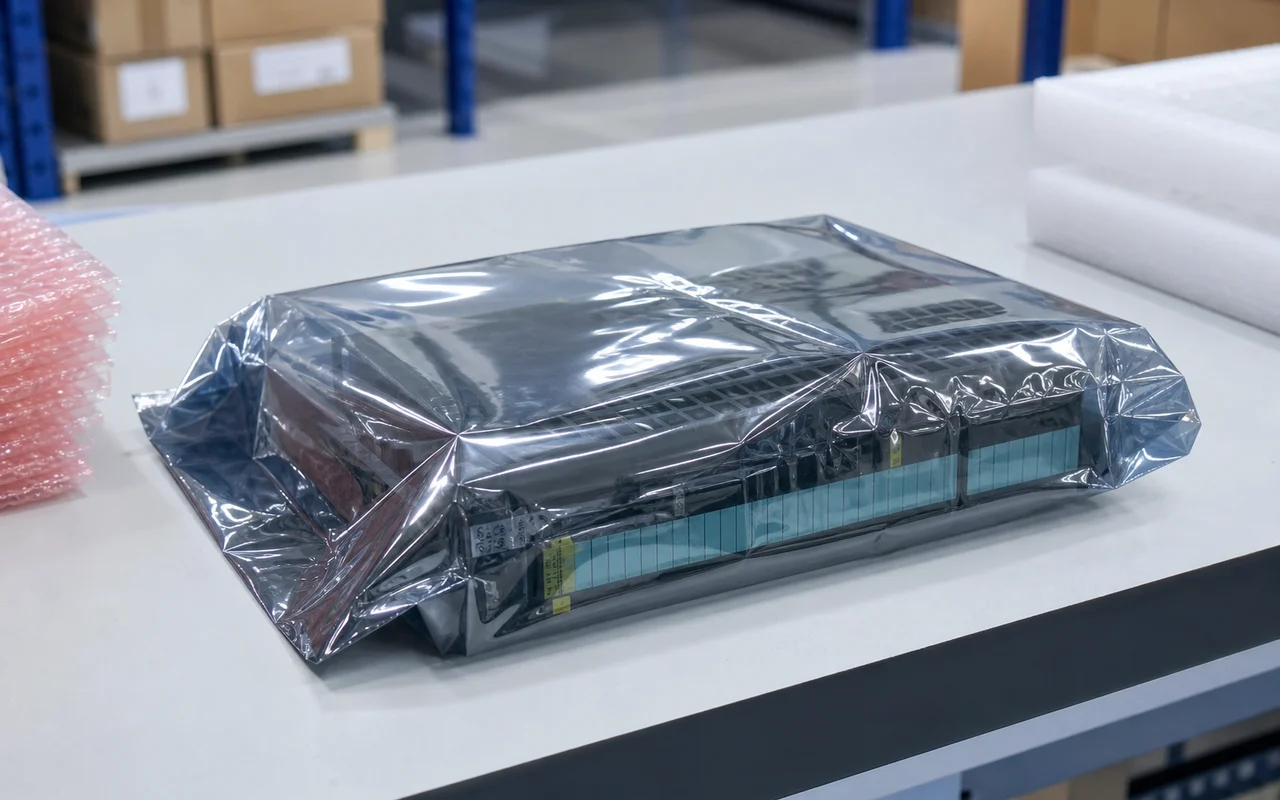 Anti-static Packaging
Modules are packed in anti-static bags to prevent electrostatic damage.
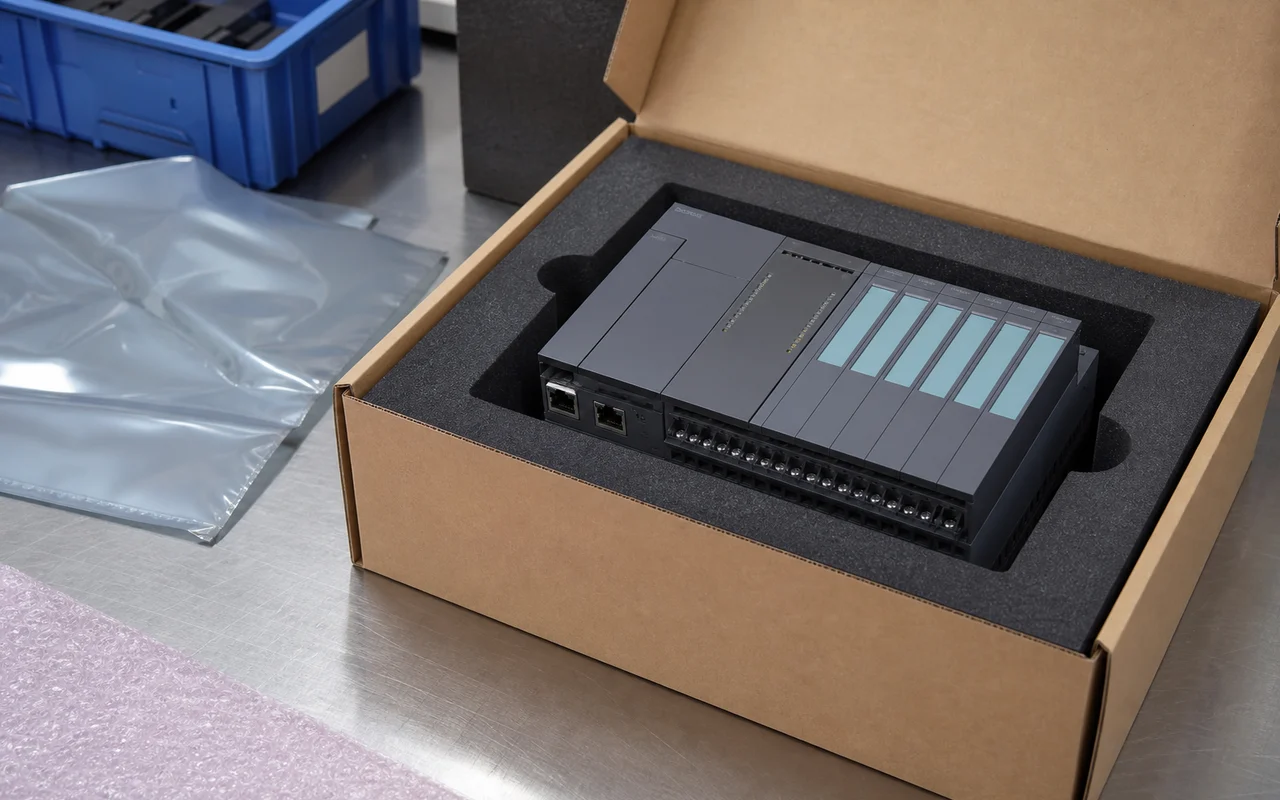 Secure Export Packing
Cushion protection and strong cartons ensure safe transportation.
 Worldwide Shipping
Global logistics network supports air, sea and express delivery.
 Documentation Check
Part number, revision and compatibility verified before shipment.
 After-sales Support
Professional technical support to help resolve your issues.