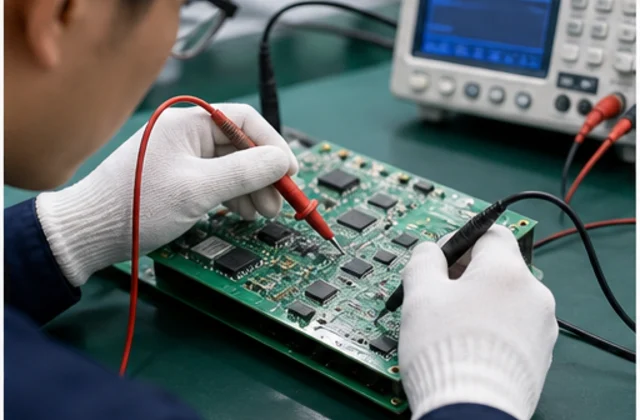
 Functional Inspection
100% tested on professional platforms to ensure stable performance.
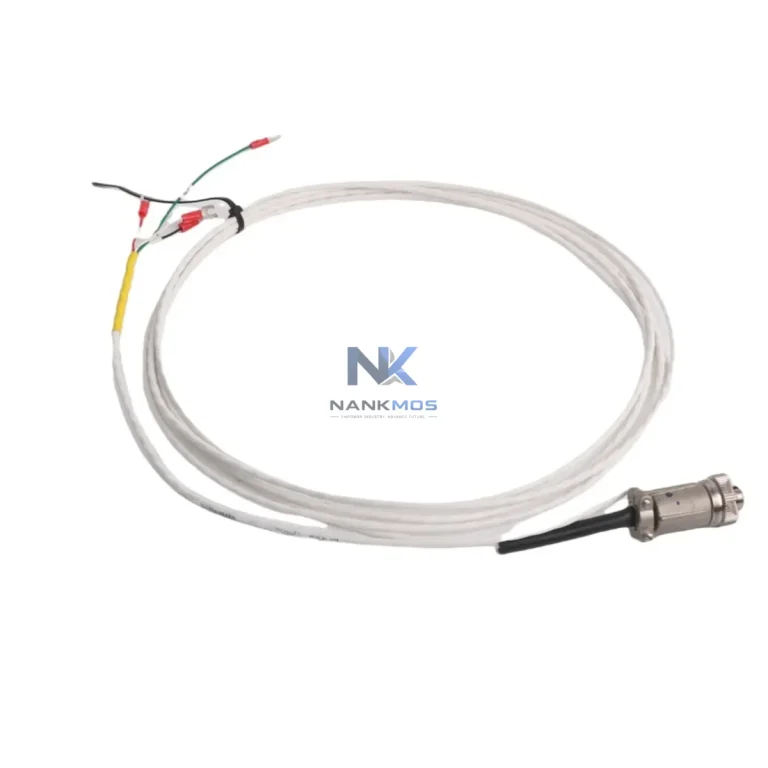
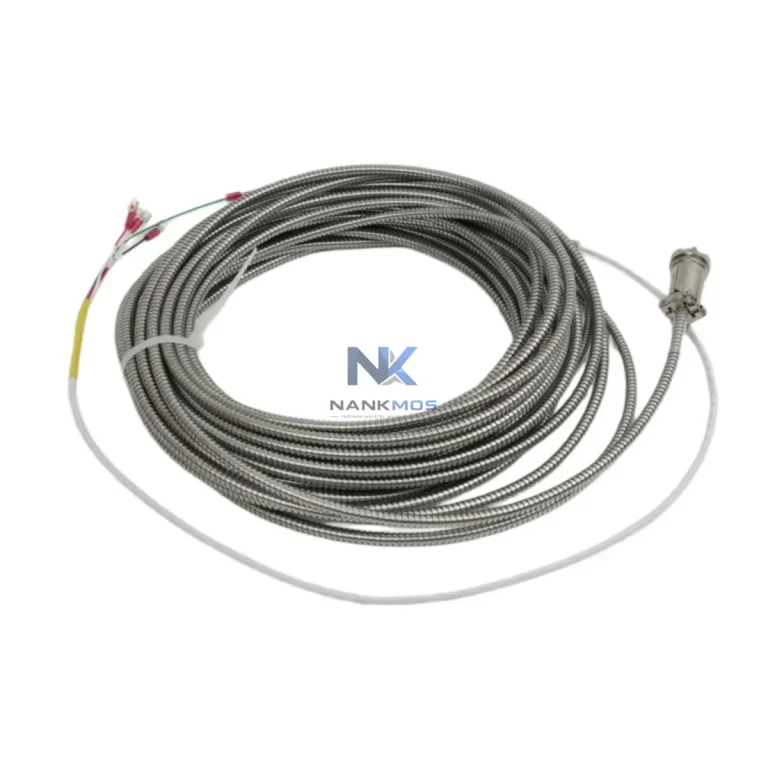
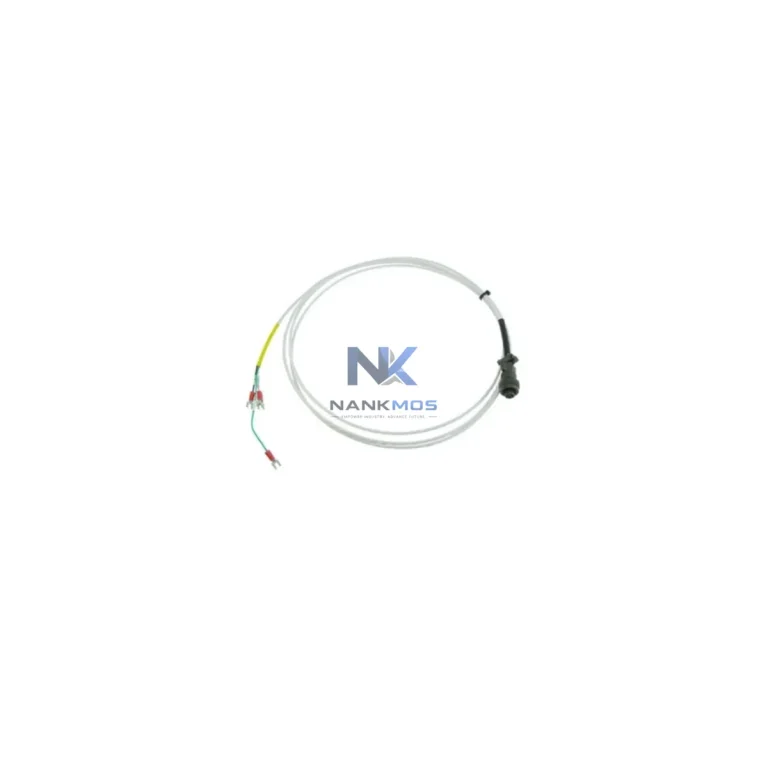
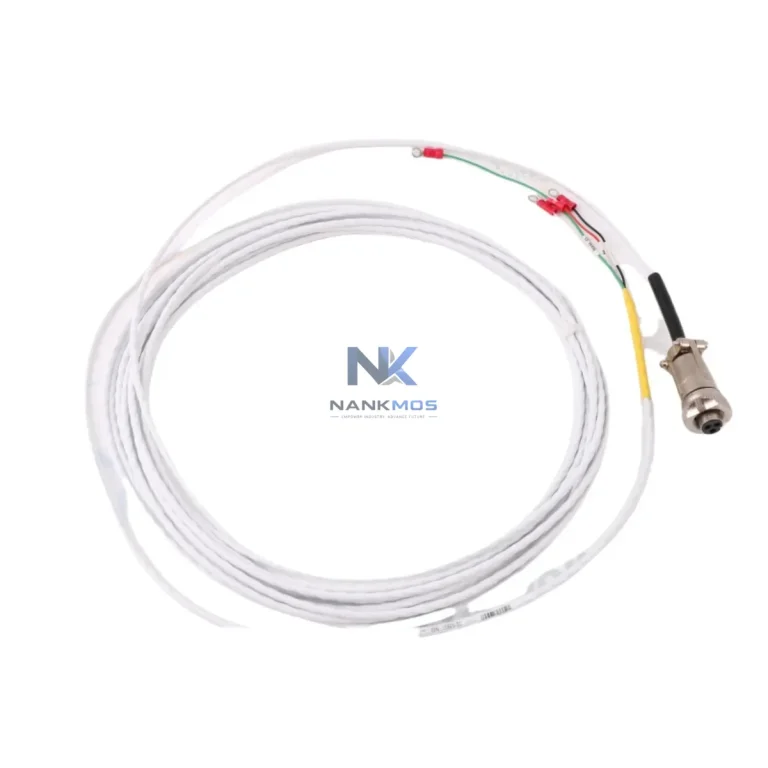
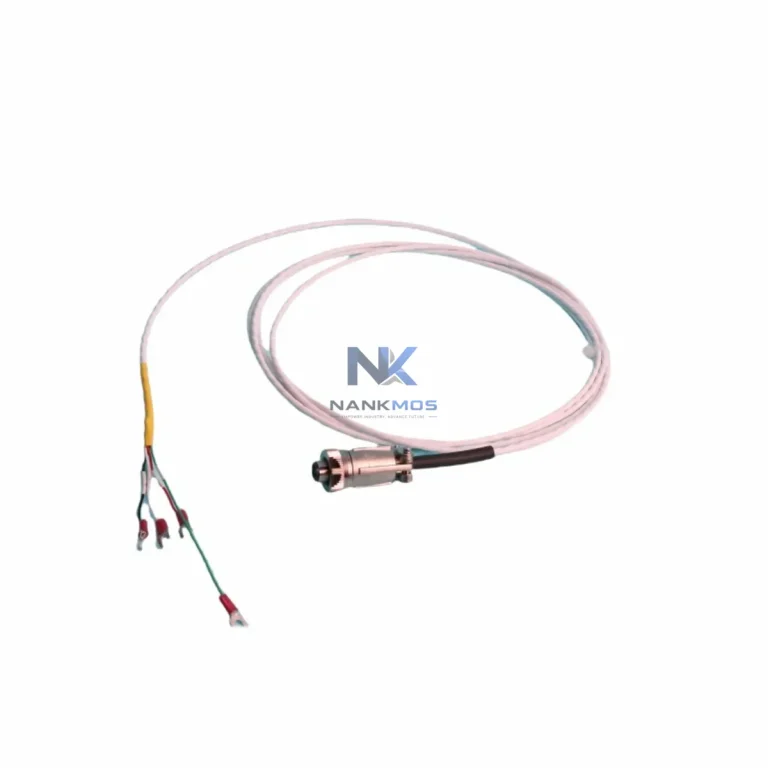
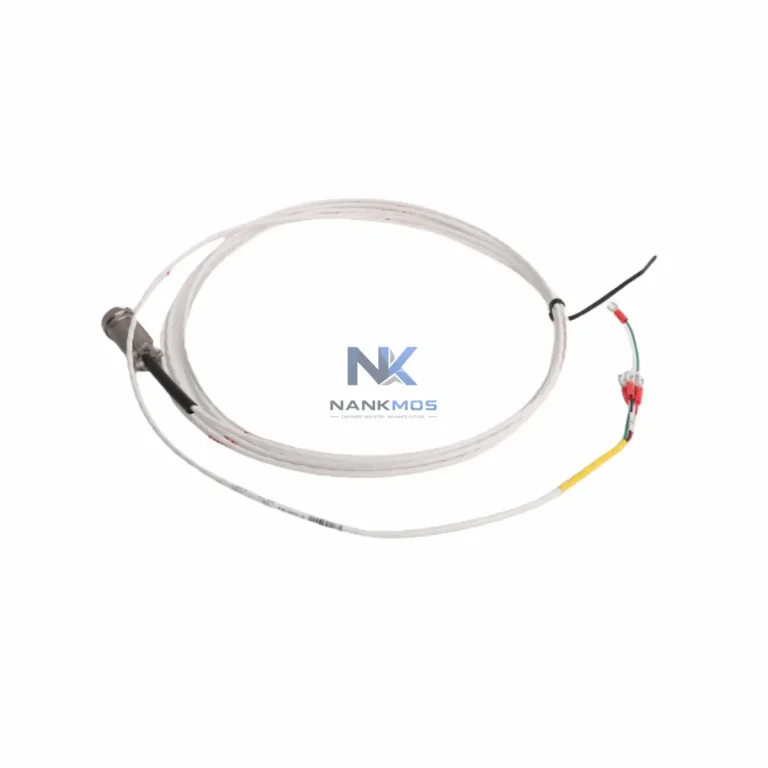
Bently Nevada 16710-21 is a NANKMOS industrial automation product record Listed under 3500 Series series and Cables & Connectors. Confirm condition, availability, lead time, compatibility and documentation by email inquiry.
Brand names are used for identification only.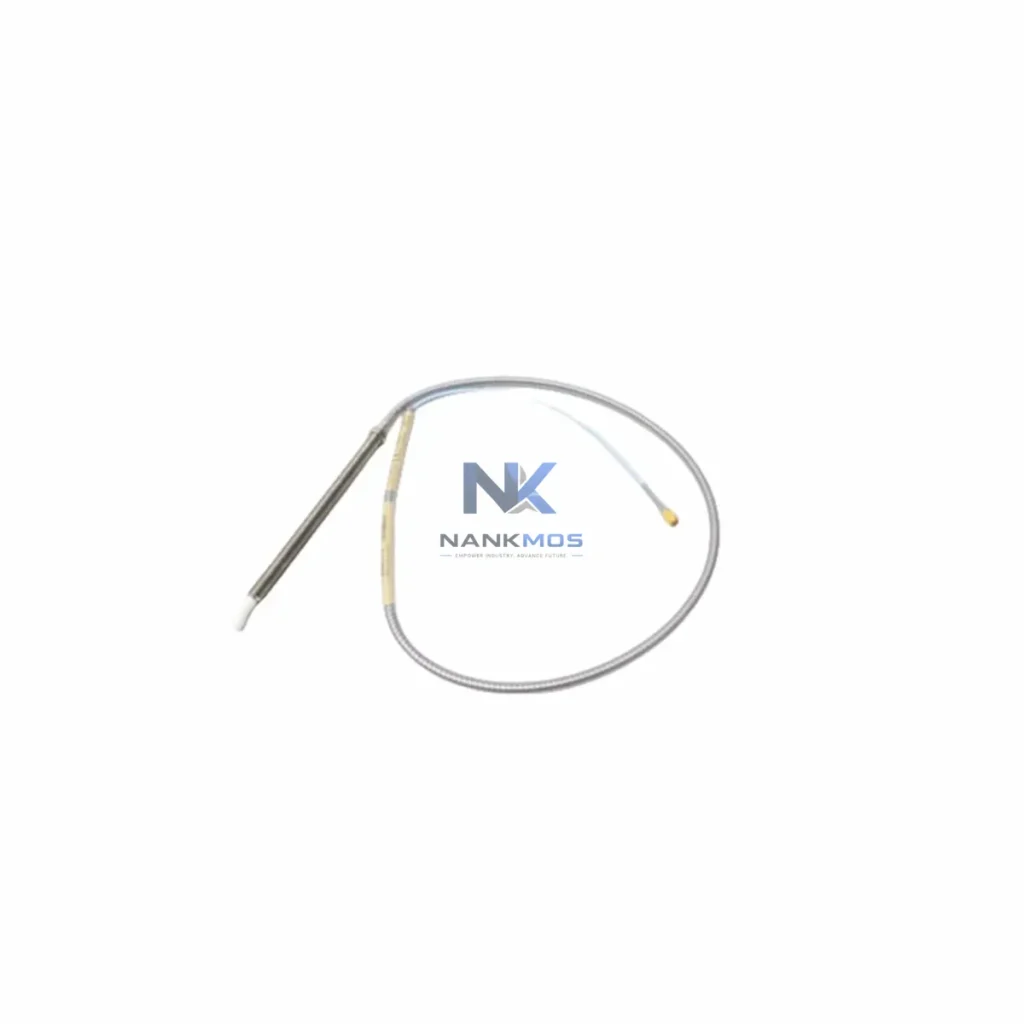
Bently Nevada 16710-21 is a NANKMOS industrial automation product record Listed under 3500 Series series and Cables & Connectors. Confirm condition, availability, lead time, compatibility and documentation by email inquiry.
| Manufacturer | Bently Nevada |
|---|---|
| Application | Turbine & Condition Monitoring |
| Part Number / Model | 16710-21 |
| Compatible System | 3500 Series |
| Series | 3500 Series |
| Condition Options | To Confirm |
| Module Type | Monitoring Module |
| Warranty | 12 Months |
| Packaging | Anti-static Bag / Secure Box |
| Shipping Methods | DHL / FedEx / UPS / Air / Sea |
| Availability | To Confirm |
| Lead Time | To Confirm |
| Documentation | Part number and revision checked before quote |
The Bently Nevada 16710-21 is a precision-engineered interconnect cable purpose-built for the Bently Nevada 3500 Series machinery protection and condition monitoring platform. In modern smart factory environments, reliable signal transmission between field-mounted transducers and the rack-based monitoring system is the foundation of every predictive maintenance strategy. The 16710-21 fulfils this role by delivering low-noise, shielded connectivity that preserves the integrity of vibration, position, and speed signals from the sensor all the way to the 3500 rack — and ultimately into the plant-wide SCADA and historian infrastructure.
As industrial sites migrate toward fully networked architectures, the physical data link layer represented by cables such as the 16710-21 becomes inseparable from the digital communication layer above it. A degraded or incorrectly specified cable introduces ground loops, signal attenuation, and EMI susceptibility that corrupt the very data that Bently Nevada System 1 software and connected OPC-UA or Modbus TCP gateways rely on for real-time analytics and alarm management. Selecting the correct, factory-tested interconnect cable is therefore a prerequisite for any meaningful IIoT or digital-twin deployment.
Understanding how the Bently Nevada 16710-21 fits into the broader plant data architecture helps engineers specify the right components at every layer of the automation stack.
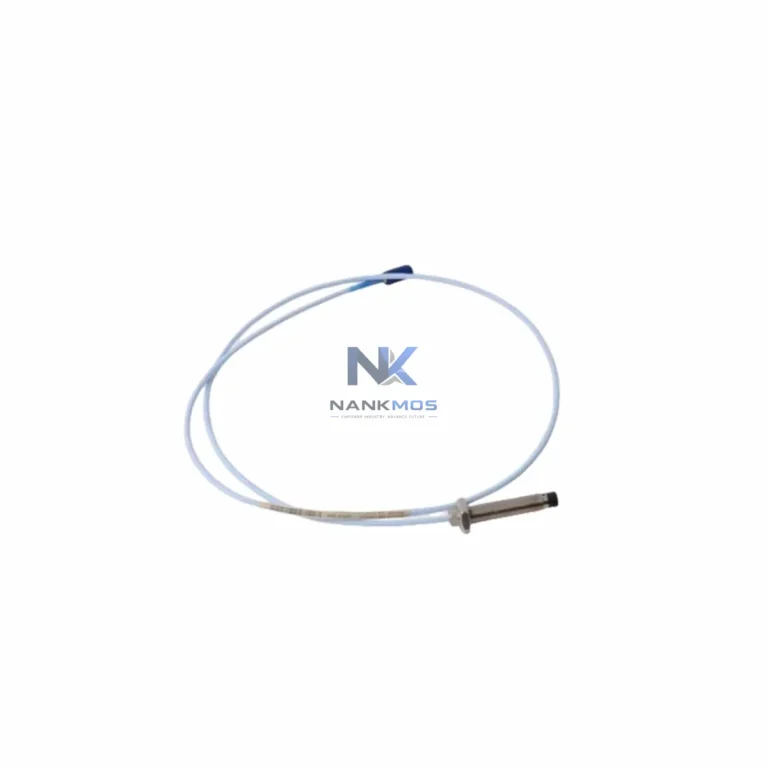
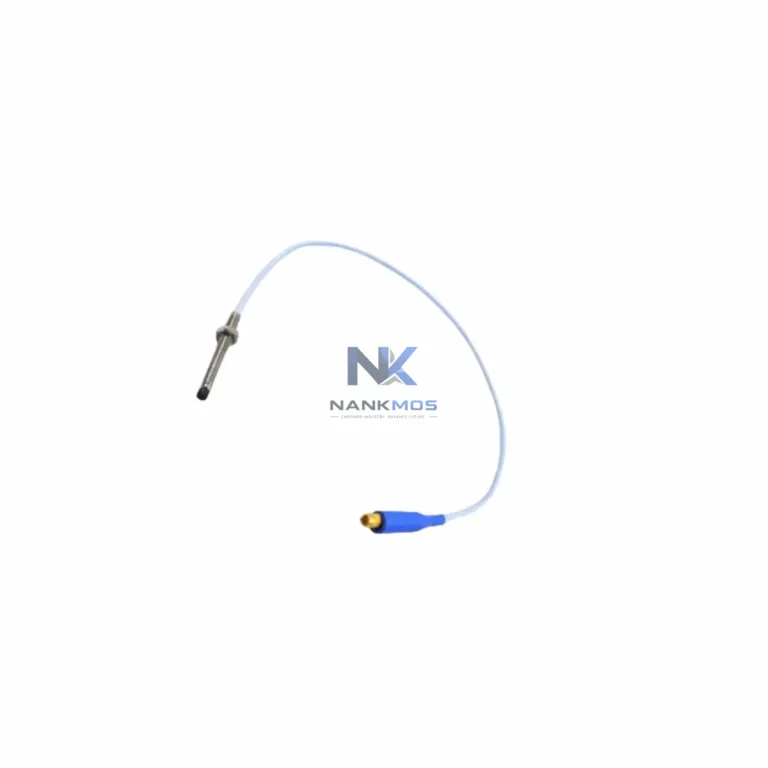
Layer 1 — Field Sensing: Proximity probes, accelerometers, and velocity transducers mounted on rotating equipment generate continuous analogue signals. These sensors connect to the 3500 rack via the 16710-21 interconnect cable, which routes both the raw signal and the transducer supply voltage through a single, shielded assembly. Proper cable routing and grounding at this layer directly determines the signal-to-noise ratio seen by the Bently Nevada 3500/42M Proximitor I/O Module and the 3500/44M Velocity Monitor.
Layer 2 — Rack-Level Processing: Inside the 3500 rack, monitor modules digitise the analogue inputs, apply alarm setpoints, and generate relay outputs for machinery trip logic. The 3500/20 Rack Interface Module (RIM) aggregates data from all monitor cards and exposes it to the plant network via Ethernet or serial interfaces. At this layer, the quality of the signal delivered by the 16710-21 determines whether the RIM reports accurate overall vibration levels or introduces false alarms caused by cable-induced noise.
Layer 3 — Protocol Conversion and Edge Intelligence: The 3500 RIM communicates upstream using Modbus TCP or OPC-UA, feeding data to edge gateways such as the Bently Nevada TDXnet or third-party industrial gateways running on DIN-rail-mounted edge computing platforms. These gateways perform protocol normalisation, buffering, and pre-processing before forwarding structured data packets to the plant historian or cloud analytics platform. A clean, low-jitter signal originating from a correctly installed 16710-21 cable ensures that edge-layer timestamps and amplitude values remain trustworthy.
Layer 4 — SCADA and HMI Integration: Condition monitoring data flows into GE iFIX, Wonderware System Platform, or Ignition SCADA via OPC-UA subscriptions. HMI panels — including Bently Nevada System 1 Evolution workstations — display real-time vibration trends, spectrum plots, and alarm states. Operators can acknowledge alarms, adjust setpoints, and initiate work orders directly from the SCADA interface, with all actions logged to the historian for compliance and root-cause analysis.
Layer 5 — Remote Diagnostics and Predictive Analytics: Vibration data archived in the historian feeds machine-learning models that predict bearing wear, rotor imbalance, and misalignment weeks before a failure event. Remote diagnostic sessions — conducted by Bently Nevada field engineers or in-house reliability teams — rely on the same data stream. Any interruption or degradation in the physical cable layer, such as a damaged 16710-21 connector or a compromised shield, propagates as noise artefacts that can mask genuine fault signatures or trigger nuisance trips, undermining the entire predictive maintenance programme.
Layer 6 — Enterprise Integration: Aggregated health indices and KPIs are published to ERP and asset management systems via REST APIs or MQTT brokers, closing the loop between field-level machinery health and enterprise maintenance scheduling. The 16710-21, as the first physical link in this chain, is the component that makes every upstream layer possible.
Protocol Inconsistency: Many brownfield plants operate a mix of legacy serial instruments and modern Ethernet-based monitoring systems. The 3500 platform bridges this gap by supporting both traditional hardwired relay outputs and digital communication via Modbus TCP and OPC-UA. The 16710-21 ensures that the analogue signal entering the rack is clean enough for the digital conversion to be meaningful, preventing protocol-level data errors that are often misdiagnosed as software or network issues.
Data Silos: Condition monitoring data trapped inside a standalone 3500 rack cannot contribute to plant-wide optimisation. By maintaining signal integrity from sensor to rack, the 16710-21 enables the RIM to export reliable data to SCADA historians and cloud platforms, breaking down the data silos that prevent cross-asset correlation and fleet-wide benchmarking.
Remote Monitoring Challenges: Remote diagnostic access to rotating machinery requires continuous, high-quality data streams. A faulty interconnect cable introduces intermittent signal dropouts that appear as spurious alarm events in the remote monitoring dashboard, forcing engineers to travel to site for investigations that could have been resolved remotely. Specifying a genuine, tested 16710-21 eliminates this class of false-positive alarm.
Production Line Transparency: Smart factory initiatives demand real-time visibility into every asset's health status. The 16710-21 supports this by ensuring that the 3500 rack always has valid inputs to process, enabling continuous online monitoring rather than periodic manual checks. This transparency is the prerequisite for autonomous alarm management and closed-loop maintenance scheduling.
Alarm Tracking and System Expansion: As plants add new monitoring points — additional compressors, pumps, or turbines — the 3500 system scales by adding monitor cards and corresponding interconnect cables. Standardising on the 16710-21 across all new installations ensures consistent signal quality and simplifies spare-parts management, reducing the risk of mismatched cables causing localised data quality issues that are difficult to trace.
Q1: Does the Bently Nevada 16710-21 support digital communication protocols such as PROFIBUS or OPC-UA directly? The 16710-21 is an analogue interconnect cable that carries transducer signals to the 3500 rack. Digital protocol support — including Modbus TCP, OPC-UA, and PROFIBUS DP — is provided by the 3500 Rack Interface Module (RIM) and optional communication gateway cards installed in the rack. The 16710-21 is the physical foundation that ensures the analogue data entering those digital modules is accurate and noise-free.
Q2: How does cable quality affect network stability and remote diagnostic accuracy? A degraded or counterfeit interconnect cable introduces EMI, ground loops, and signal attenuation that manifest as elevated noise floors in the vibration spectrum. These artefacts propagate through the entire data chain — from the 3500 rack to the SCADA historian and remote diagnostic platform — causing false alarms, masked fault signatures, and unreliable trend data. Using a genuine, factory-tested 16710-21 is the most cost-effective way to protect the integrity of the entire monitoring network.
Q3: Can the 16710-21 be used in system expansion projects alongside newer Bently Nevada modules? Yes. The 16710-21 is compatible with the full range of 3500 Series monitor modules, including the 3500/42M, 3500/44M, 3500/46M, 3500/50M, and 3500/72M. It is the standard interconnect cable for both new installations and expansion of existing 3500 racks, making it a reliable choice for phased smart factory upgrade programmes.
Q4: What does the 12-Month Warranty cover, and how is pre-shipment testing conducted? Every 16710-21 supplied by NANKMOS is covered by a 12-Month Warranty from the date of shipment, covering manufacturing defects and functional failures under normal operating conditions. Prior to dispatch, each unit undergoes continuity, insulation resistance, and connector integrity testing to confirm it meets Bently Nevada specifications. A test report is available upon request. In-stock units are available for immediate dispatch with full documentation support.
Functional Inspection100% tested on professional platforms to ensure stable performance.
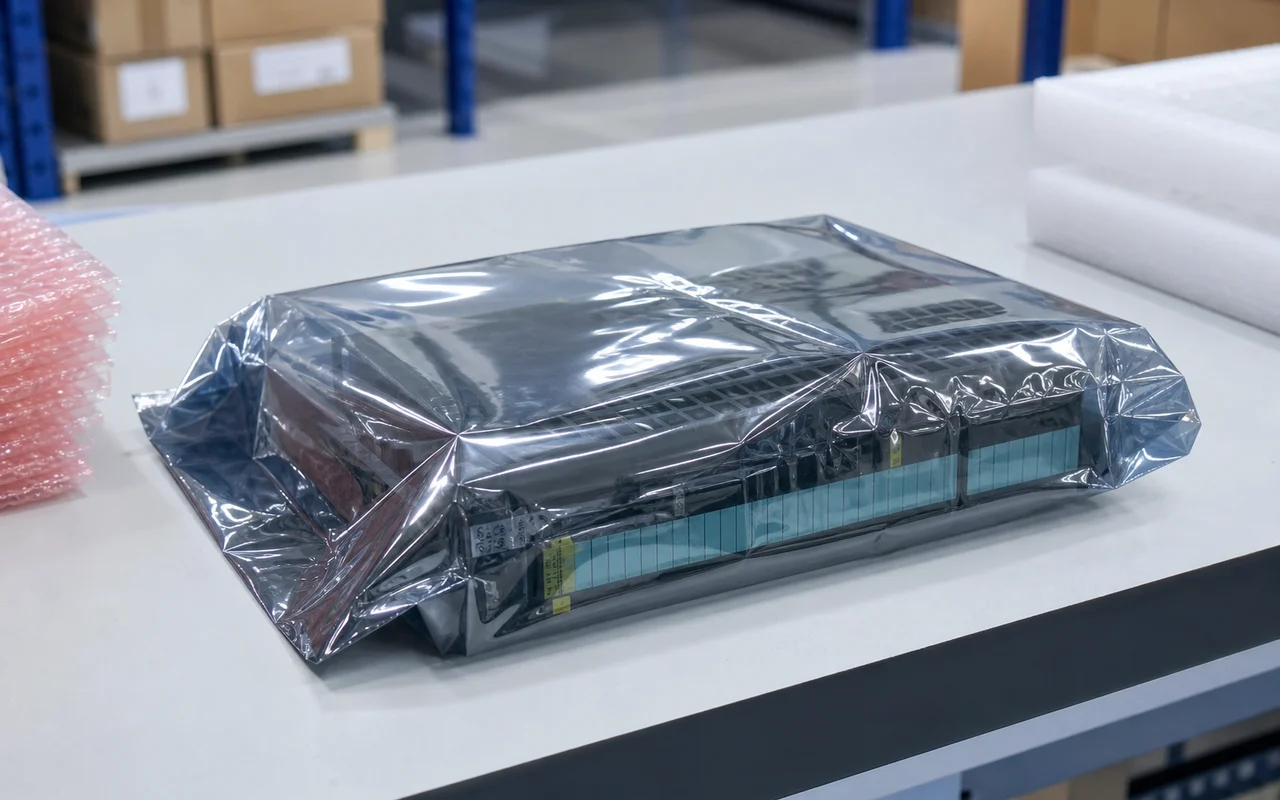 Anti-static Packaging
Modules are packed in anti-static bags to prevent electrostatic damage.
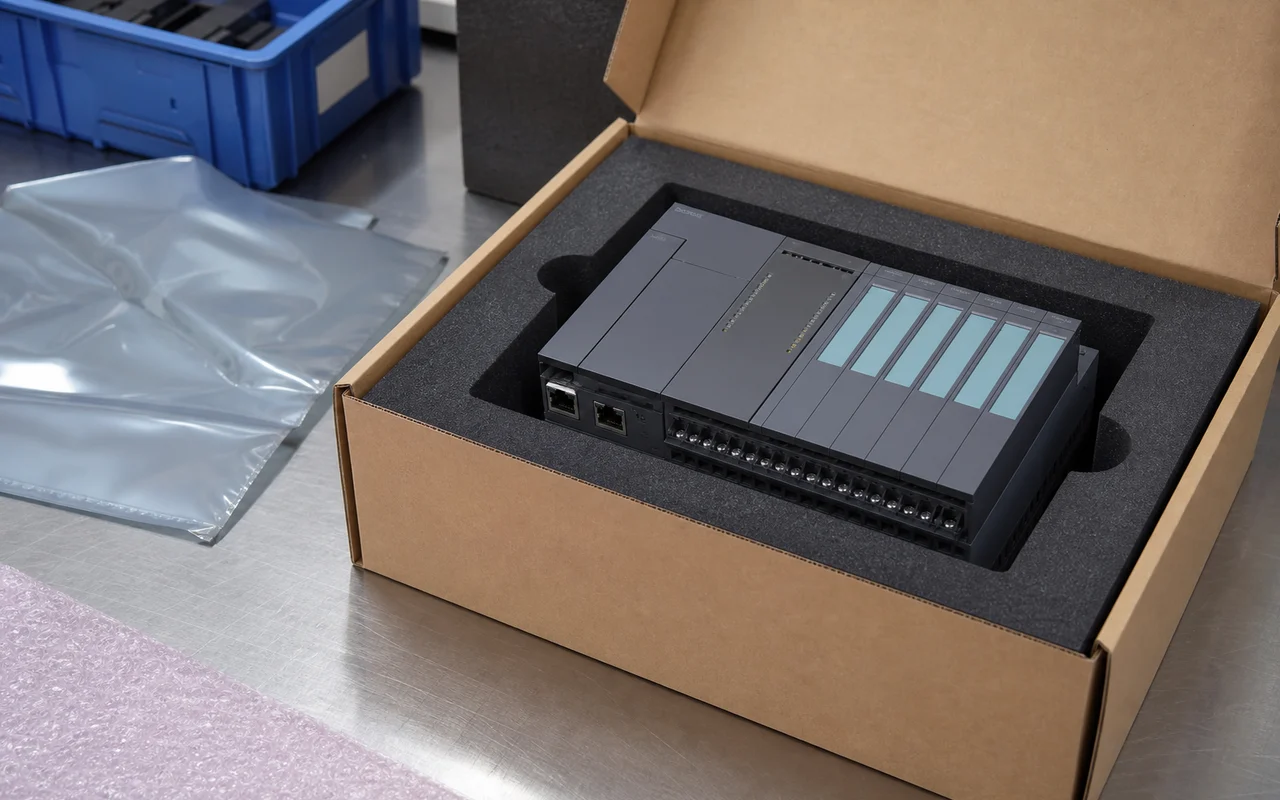 Secure Export Packing
Cushion protection and strong cartons ensure safe transportation.
 Worldwide Shipping
Global logistics network supports air, sea and express delivery.
 Documentation Check
Part number, revision and compatibility verified before shipment.
 After-sales Support
Professional technical support to help resolve your issues.