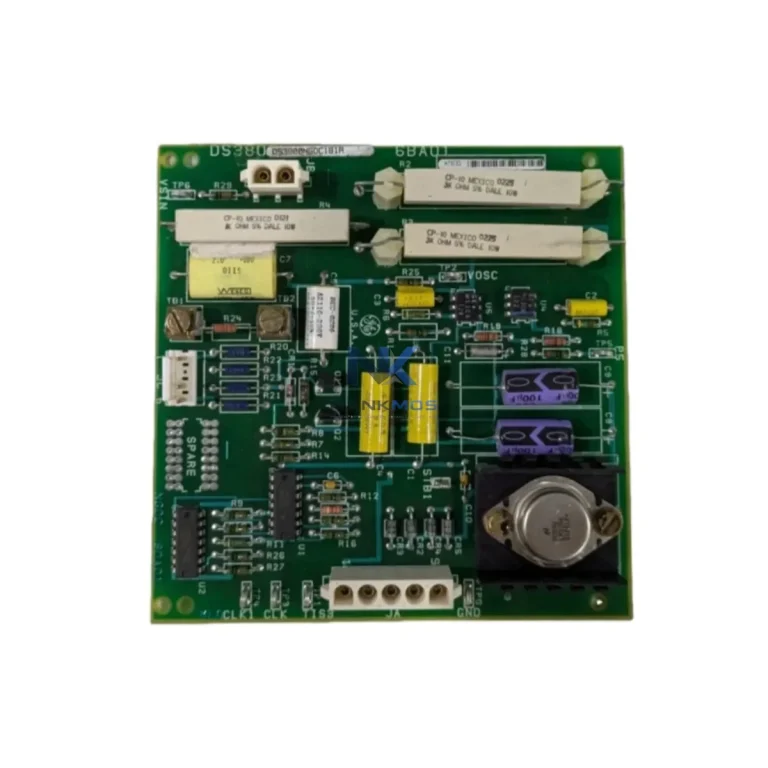
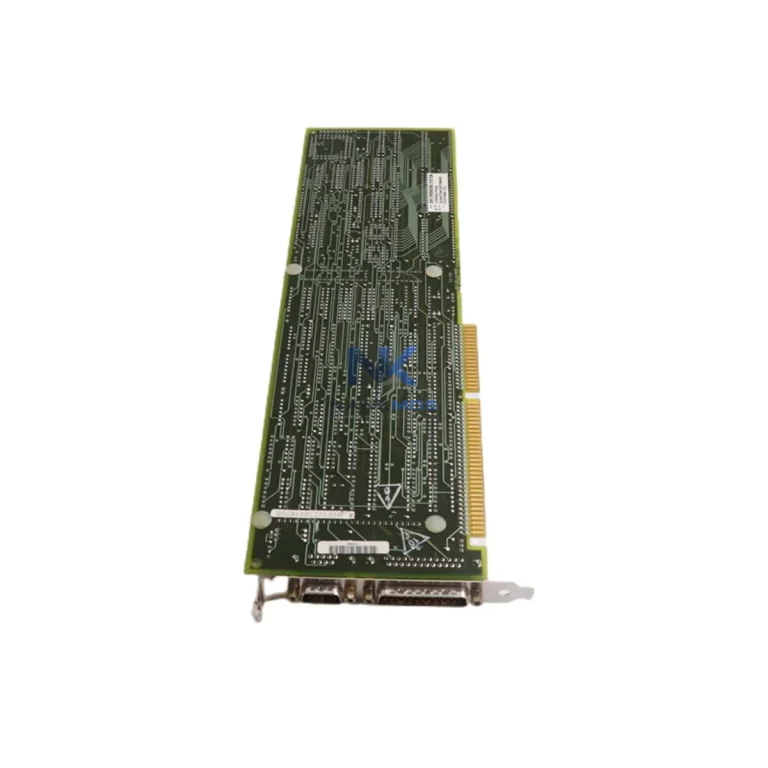
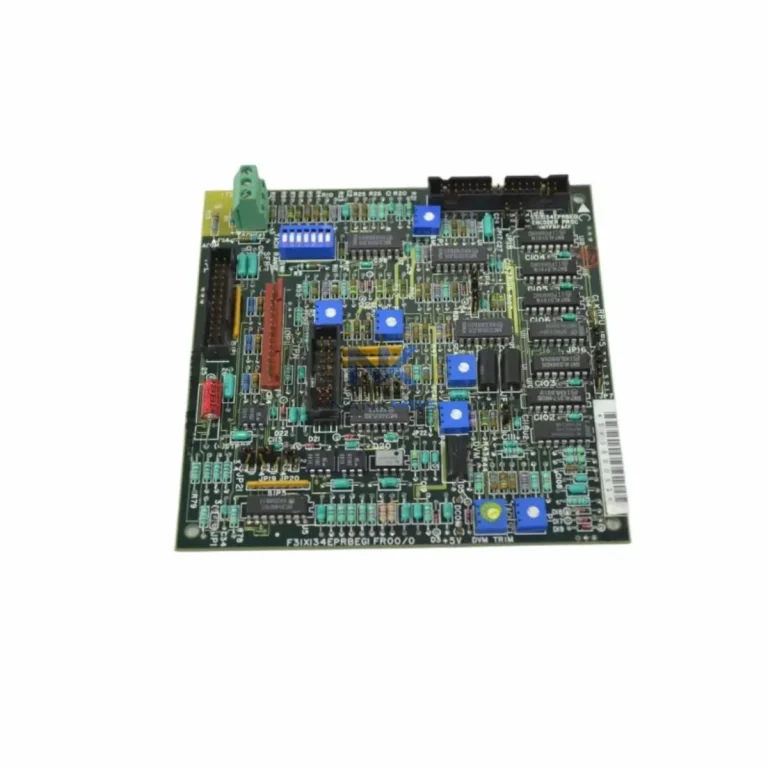
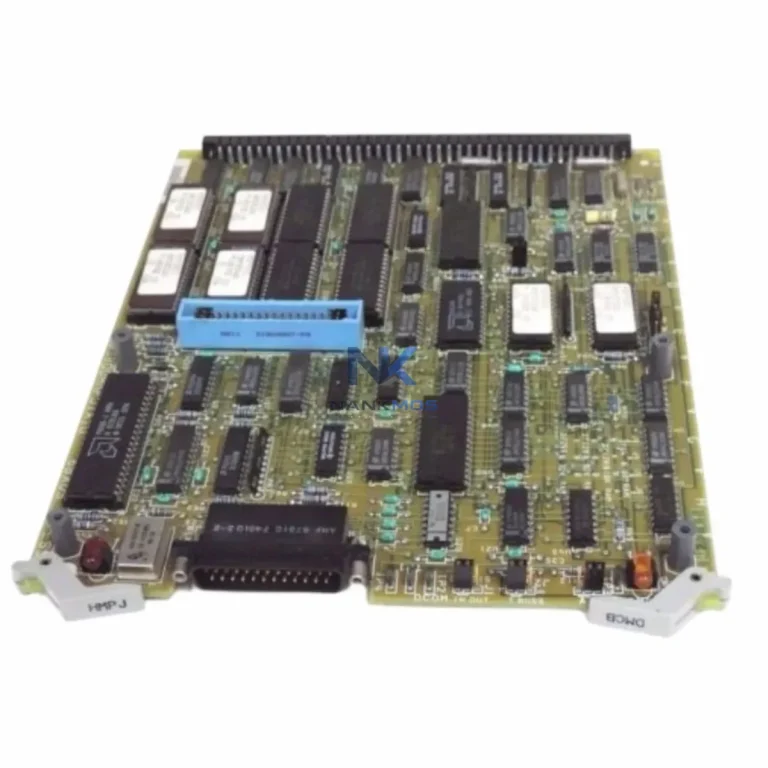
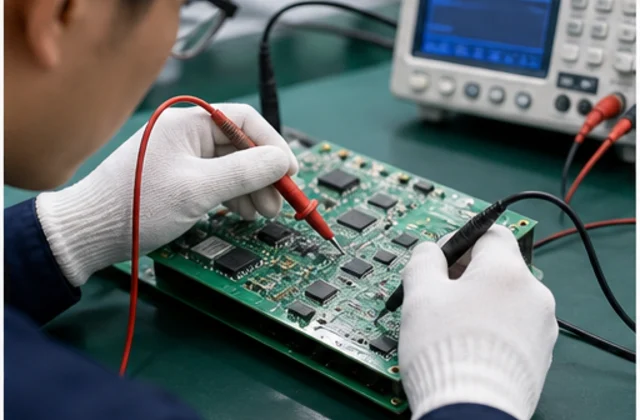
 Functional Inspection
100% tested on professional platforms to ensure stable performance.
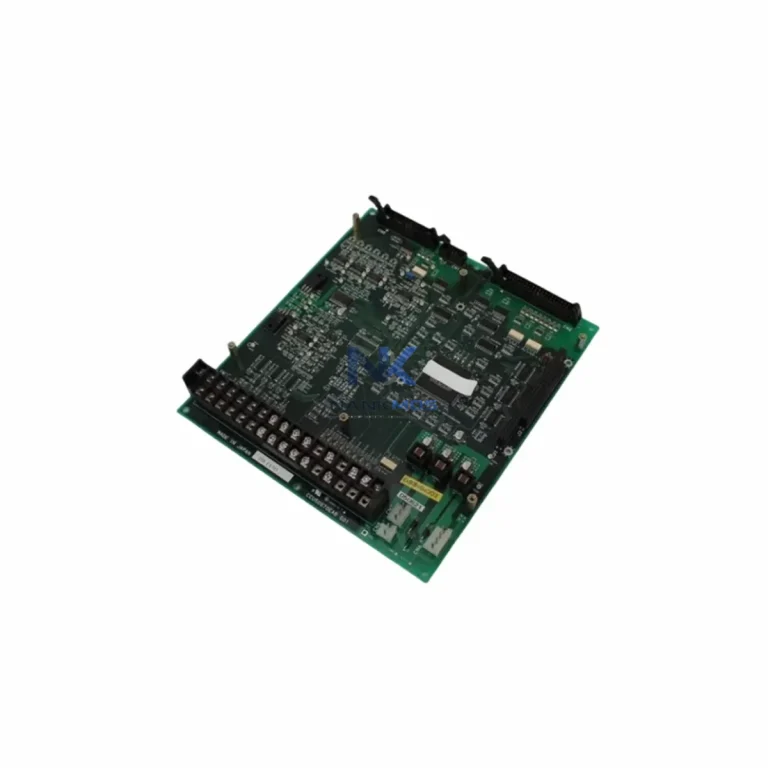
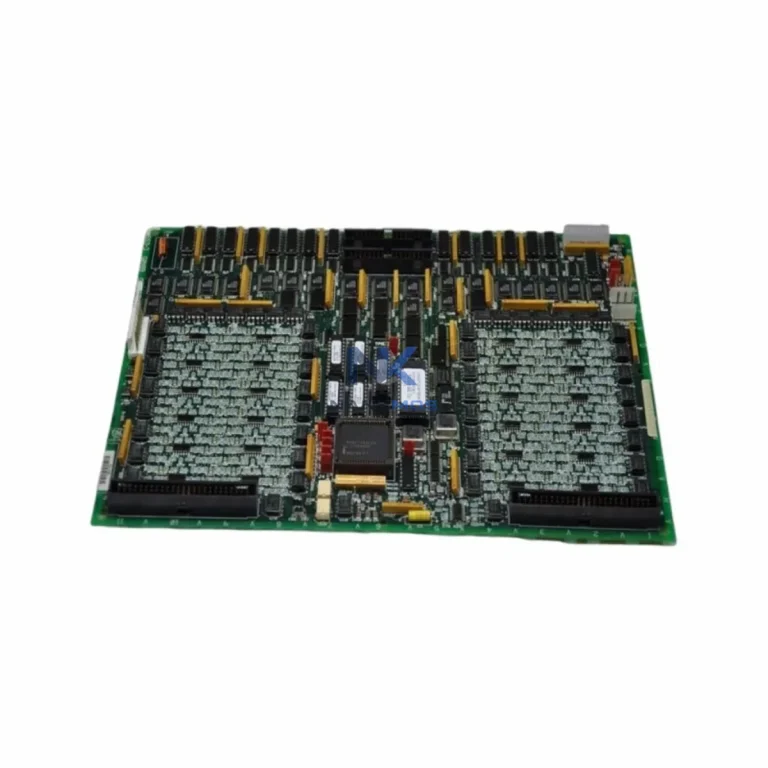
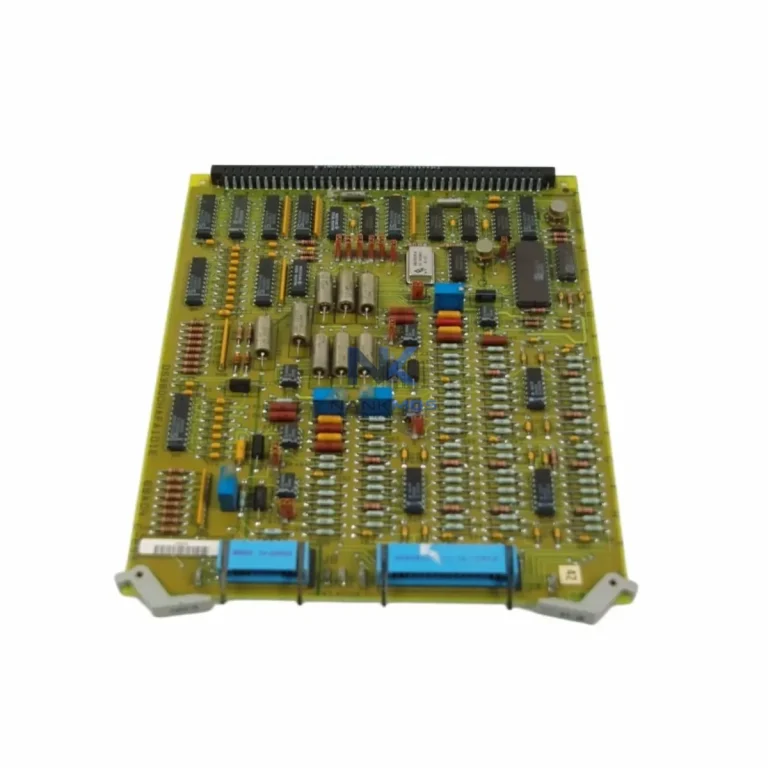
GE 531X111PSHARG3 is a NANKMOS industrial automation product record Listed under Mark V series and Business & Industrial > Automation, Control & Flow Devices. Confirm condition, availability, lead time, compatibility and documentation by email inquiry.
Brand names are used for identification only.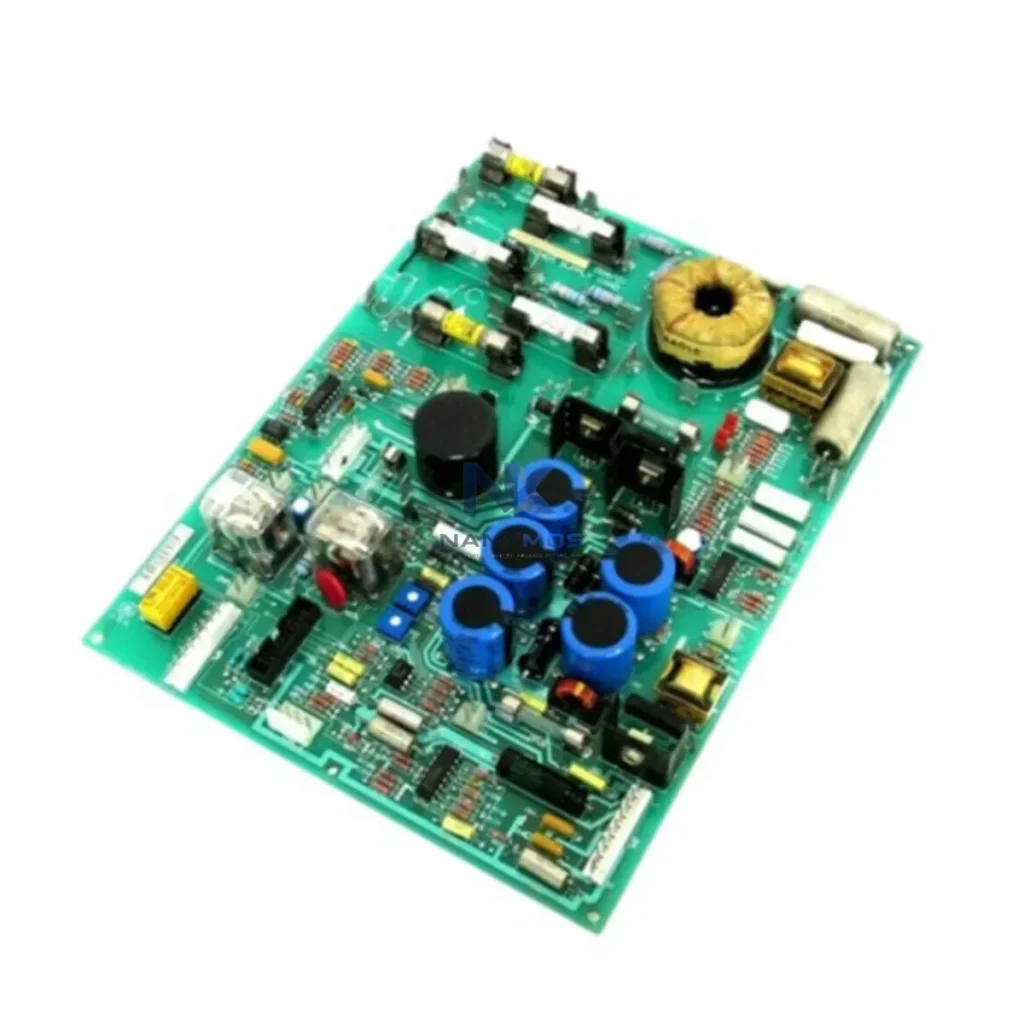
GE 531X111PSHARG3 is a NANKMOS industrial automation product record Listed under Mark V series and Business & Industrial > Automation, Control & Flow Devices. Confirm condition, availability, lead time, compatibility and documentation by email inquiry.
| Manufacturer | GE |
|---|---|
| Application | DCS / Control Board Replacement |
| Part Number / Model | 531X111PSHARG3 |
| Compatible System | Mark V |
| Series | Mark V |
| Condition Options | To Confirm |
| Module Type | Control Board / Card |
| Warranty | 12 Months |
| Packaging | Anti-static Bag / Secure Box |
| Shipping Methods | DHL / FedEx / UPS / Air / Sea |
| Availability | To Confirm |
| Lead Time | To Confirm |
| Documentation | Part number and revision checked before quote |
The GE 531X111PSHARG3 is a high-reliability motor field control board engineered for the GE Mark V and Mark VI turbine control platform. Designed to serve as a critical node in the industrial data chain, this board bridges field-level motor excitation signals with upper-layer automation networks, enabling seamless data flow from rotating machinery through to SCADA supervisory systems and enterprise-level data visualization platforms. In smart factory environments where turbine-driven compressors, generators, and pumps must operate with zero unplanned downtime, the 531X111PSHARG3 delivers the network-linked intelligence that modern industrial connectivity demands.
In a fully connected smart factory architecture, the 531X111PSHARG3 operates at the intersection of field-level hardware and digital control infrastructure. The data flow begins at the motor excitation stage: field current sensors feed analog signals into the 531X111PSHARG3 board, which conditions and digitizes these readings for transmission across the GE Mark V backplane. From there, the Mark V controller — typically a GE IS215UCVEH2A VME controller card — aggregates turbine operating data and routes it via serial gateway to the plant DCS or SCADA layer.
Within the Mark V rack, companion boards such as the GE 531X307LTBAGN1 terminal board and the GE DS200TCQAG1BHF I/O board handle discrete and analog I/O, while the 531X111PSHARG3 manages the motor field loop specifically. This division of function ensures that excitation control remains isolated from general I/O noise, improving signal integrity across the data chain. The GE IS200TSVOH1A servo control board may operate in parallel for valve positioning, with both boards reporting status to the Mark V processor simultaneously.
At the network transport layer, a serial-to-Ethernet gateway — such as a Moxa NPort 5150 or equivalent industrial serial server — converts the RS-485 Modbus RTU output from the Mark V serial bridge into TCP/IP packets suitable for transmission over the plant Ethernet backbone. Industrial managed switches, including Hirschmann MACH104 or Cisco IE-2000 series, provide the Layer 2 switching fabric that connects turbine control panels, remote I/O cabinets, and the central SCADA server room.
At the SCADA and HMI layer, platforms such as GE iFIX or Wonderware InTouch receive real-time motor field data — excitation current, field voltage, rotor temperature trends — and display them on operator dashboards. Alarm thresholds configured in the SCADA system trigger automated notifications when field current deviates beyond setpoint, enabling remote diagnostics without requiring on-site personnel. Edge computing nodes, such as a Siemens SIMATIC IPC427E or equivalent industrial PC, can run local analytics on the excitation data stream, detecting early signs of field winding degradation before a fault propagates to a full turbine trip.
For plants operating hybrid control architectures, the 531X111PSHARG3 integrates cleanly alongside third-party PLCs — including ABB AC500 or Rockwell ControlLogix systems — through the serial gateway layer, allowing cross-platform data aggregation into a unified historian database. This enables production engineers to correlate motor field performance with upstream process variables such as fuel gas pressure, inlet temperature, and load demand, supporting both real-time optimization and long-term predictive maintenance strategies.
Many industrial sites running legacy GE Mark V turbine control systems face a common set of data challenges: protocol fragmentation between the Mark V serial bus and modern Ethernet-based SCADA infrastructure, data silos where turbine excitation data never reaches the plant historian, and limited remote visibility into motor field health during off-hours operation. The 531X111PSHARG3 addresses these challenges at the hardware level by providing a stable, well-defined interface point for serial data extraction.
By standardizing the motor field control signal path through the 531X111PSHARG3, plant engineers can implement a consistent serial gateway strategy across multiple turbine units, eliminating the protocol inconsistencies that arise when different boards handle excitation control on different units. Once the serial data stream is normalized, it becomes straightforward to route excitation telemetry into a centralized alarm management system, enabling cross-unit fault correlation and reducing mean time to diagnose (MTTD) for excitation-related trips.
Remote monitoring becomes practical when the 531X111PSHARG3's output is connected through a properly configured serial-to-IP gateway: operations teams can monitor field current trends from a control room located kilometers from the turbine hall, or even from a remote operations center via VPN-secured SCADA access. Production line transparency improves as excitation data joins the broader plant data model, and system expansion — adding new turbine units or upgrading to Mark VI — is simplified because the 531X series board architecture is consistent across the platform family.
Q1: What communication protocols does the GE 531X111PSHARG3 support for SCADA integration? The 531X111PSHARG3 operates natively on the GE Mark V proprietary serial backplane bus. For SCADA integration, the Mark V system's serial gateway port supports Modbus RTU over RS-485, which can be bridged to Modbus TCP/IP via an industrial serial server. This allows the board's motor field data to be consumed by any SCADA platform with Modbus driver support, including GE iFIX, Wonderware, and Ignition.
Q2: How does the 531X111PSHARG3 support remote diagnostics and fault detection? The board continuously outputs field current feedback and fault relay signals through the Mark V backplane. When connected to a SCADA system via serial gateway, these signals are available for real-time trending and alarm configuration. Remote diagnostics teams can monitor excitation anomalies — such as field current oscillation or overcurrent events — without physical access to the turbine control panel, significantly reducing diagnostic response time.
Q3: Is the GE 531X111PSHARG3 compatible with Mark VI upgrades and modern network architectures? The 531X series board family was designed with architectural consistency across the Mark V and early Mark VI platforms. While Mark VI introduced Ethernet-native I/O modules, the 531X111PSHARG3 can continue to operate within hybrid upgrade configurations where the Mark V excitation control rack is retained alongside new Mark VI processor modules. Network compatibility is maintained through the serial gateway layer, ensuring continuity of SCADA data flow during phased upgrade projects.
Q4: What does the 12-month warranty cover, and how is pre-shipment testing conducted? Every GE 531X111PSHARG3 unit supplied by NANKMOS is covered by a 12-month warranty against manufacturing defects and functional failure. Prior to shipment, each board undergoes functional verification testing including power-on self-test, backplane communication check, and field current output validation. Units are shipped with test documentation upon request. In-stock units are available for same-week dispatch to support urgent maintenance and unplanned outage scenarios.
Functional Inspection100% tested on professional platforms to ensure stable performance.
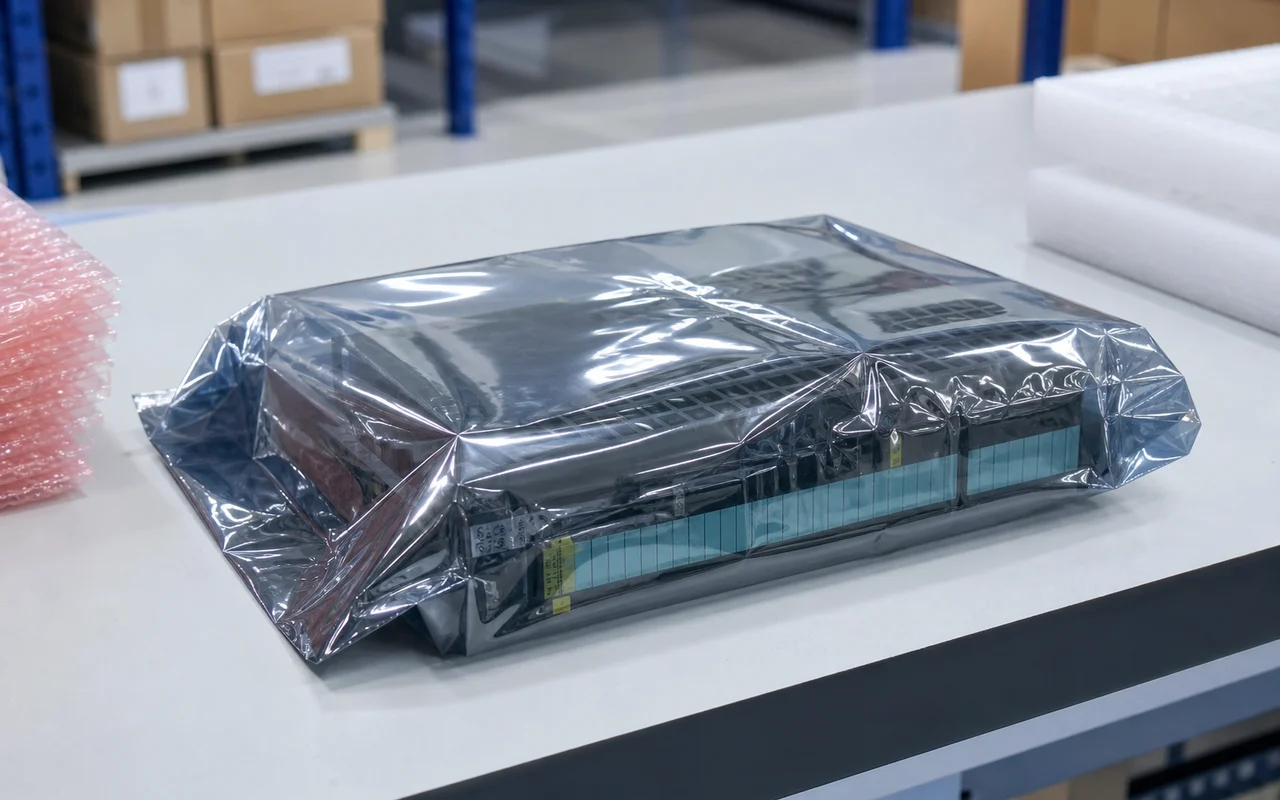 Anti-static Packaging
Modules are packed in anti-static bags to prevent electrostatic damage.
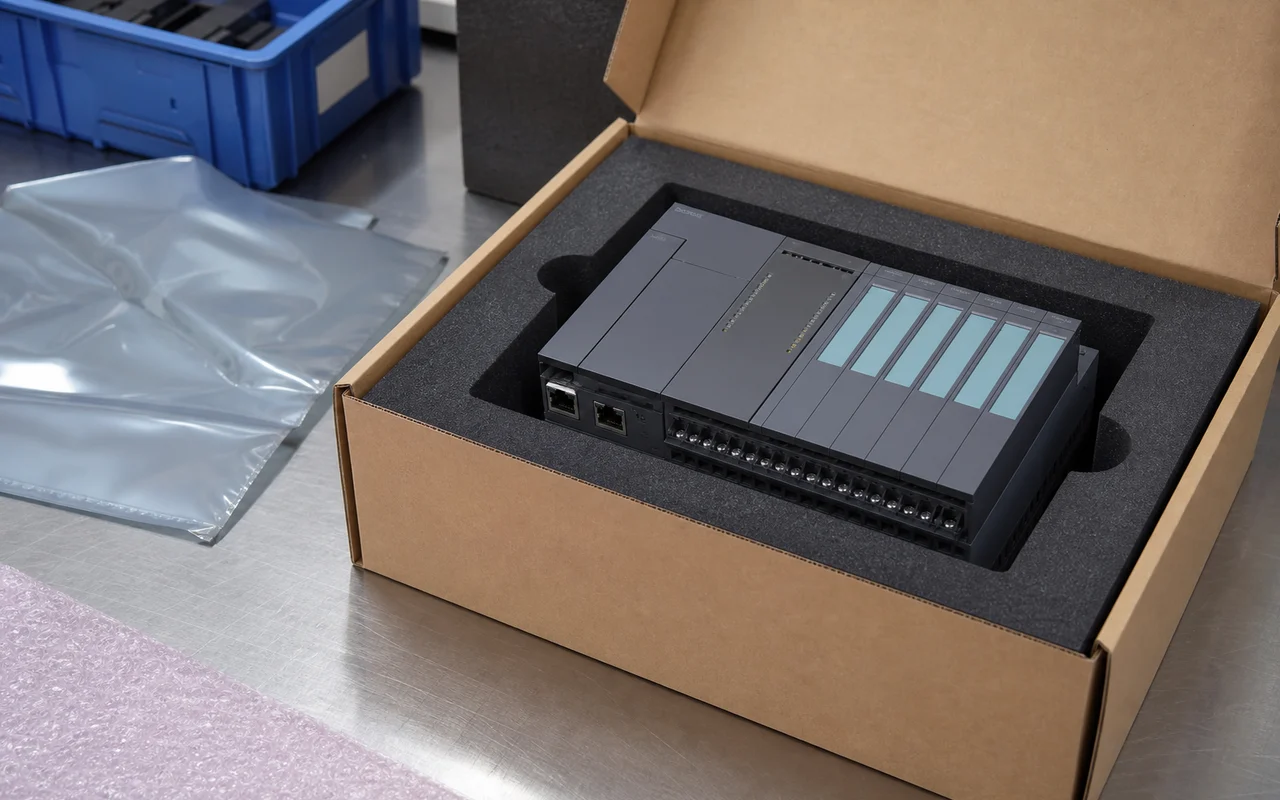 Secure Export Packing
Cushion protection and strong cartons ensure safe transportation.
 Worldwide Shipping
Global logistics network supports air, sea and express delivery.
 Documentation Check
Part number, revision and compatibility verified before shipment.
 After-sales Support
Professional technical support to help resolve your issues.