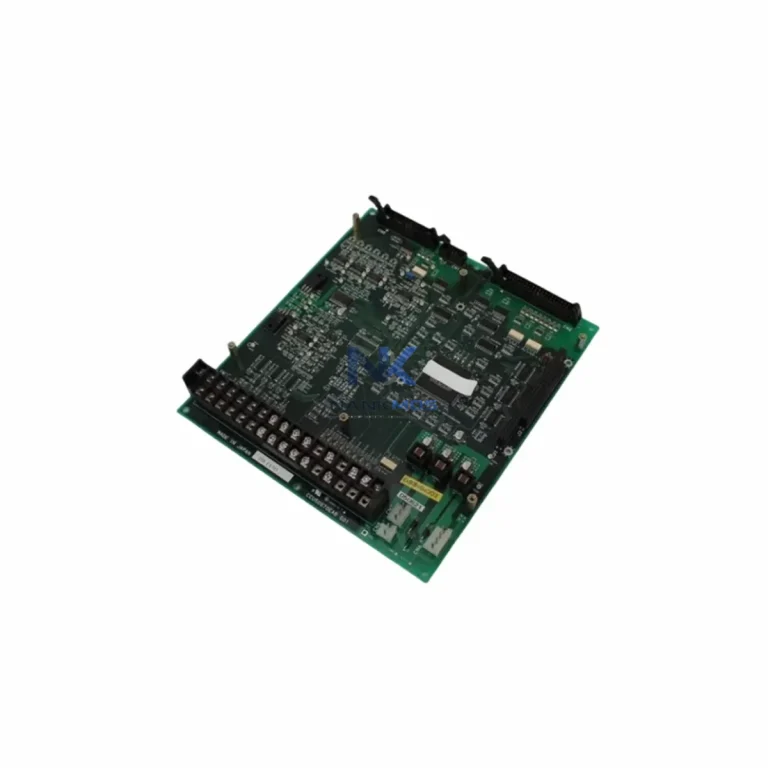
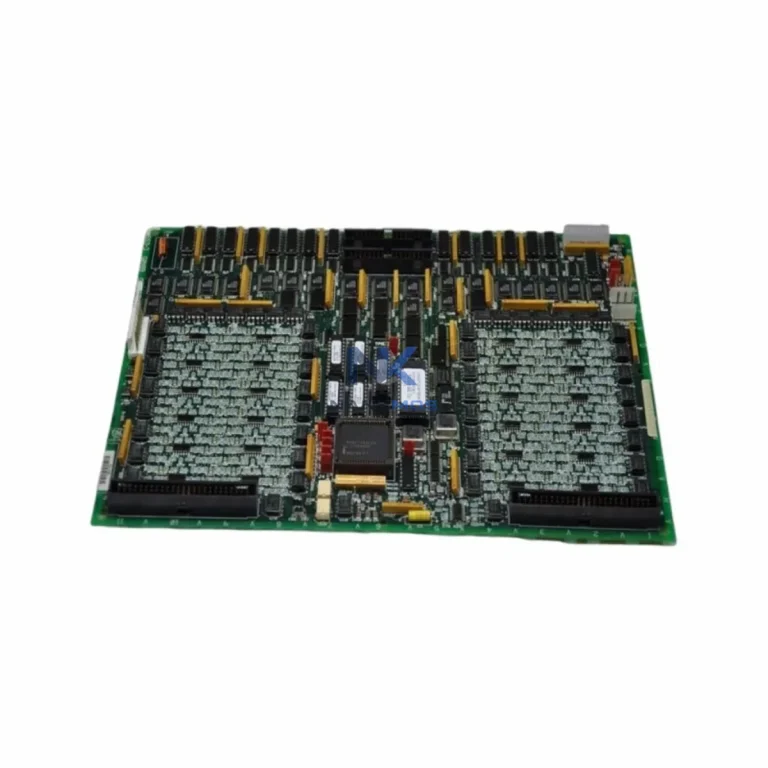
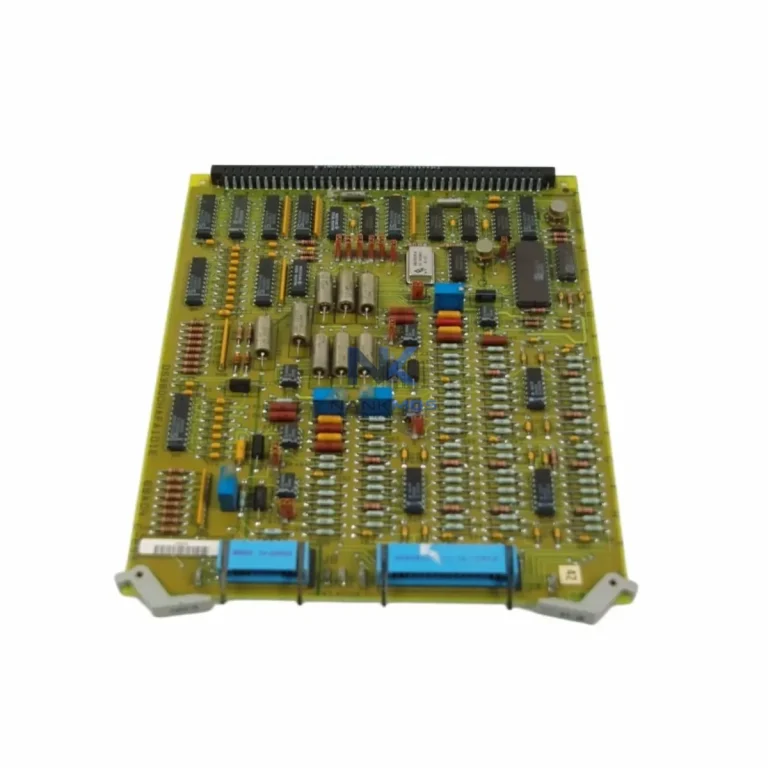
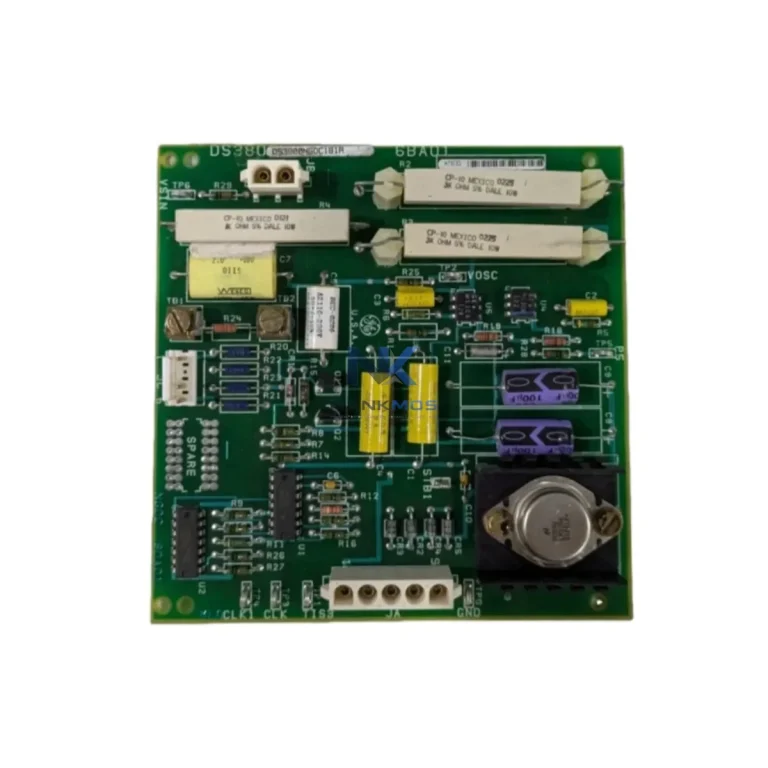
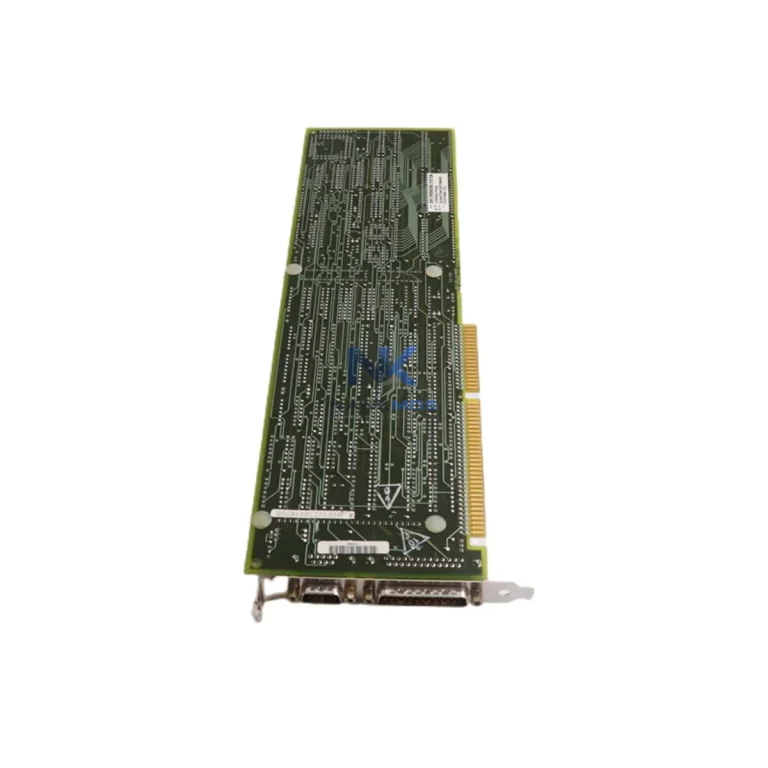
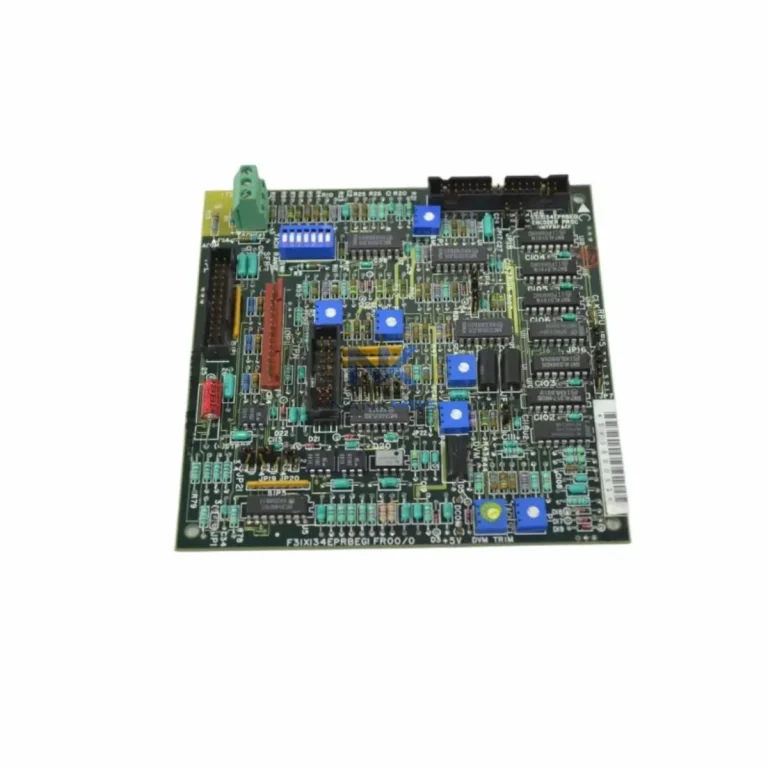
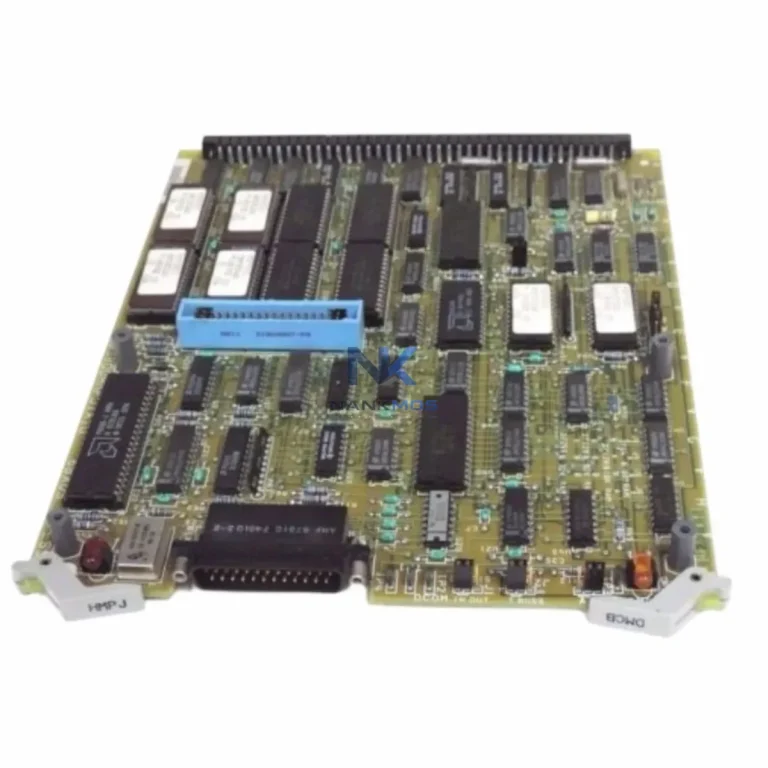
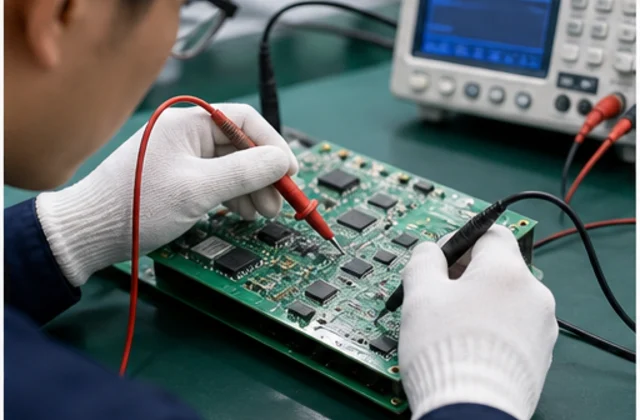
 Functional Inspection
100% tested on professional platforms to ensure stable performance.
GE 531X139APMARM7 is a NANKMOS industrial automation product record Listed under Mark VI series and Business & Industrial > Automation, Control & Flow Devices. Confirm condition, availability, lead time, compatibility and documentation by email inquiry.
Brand names are used for identification only.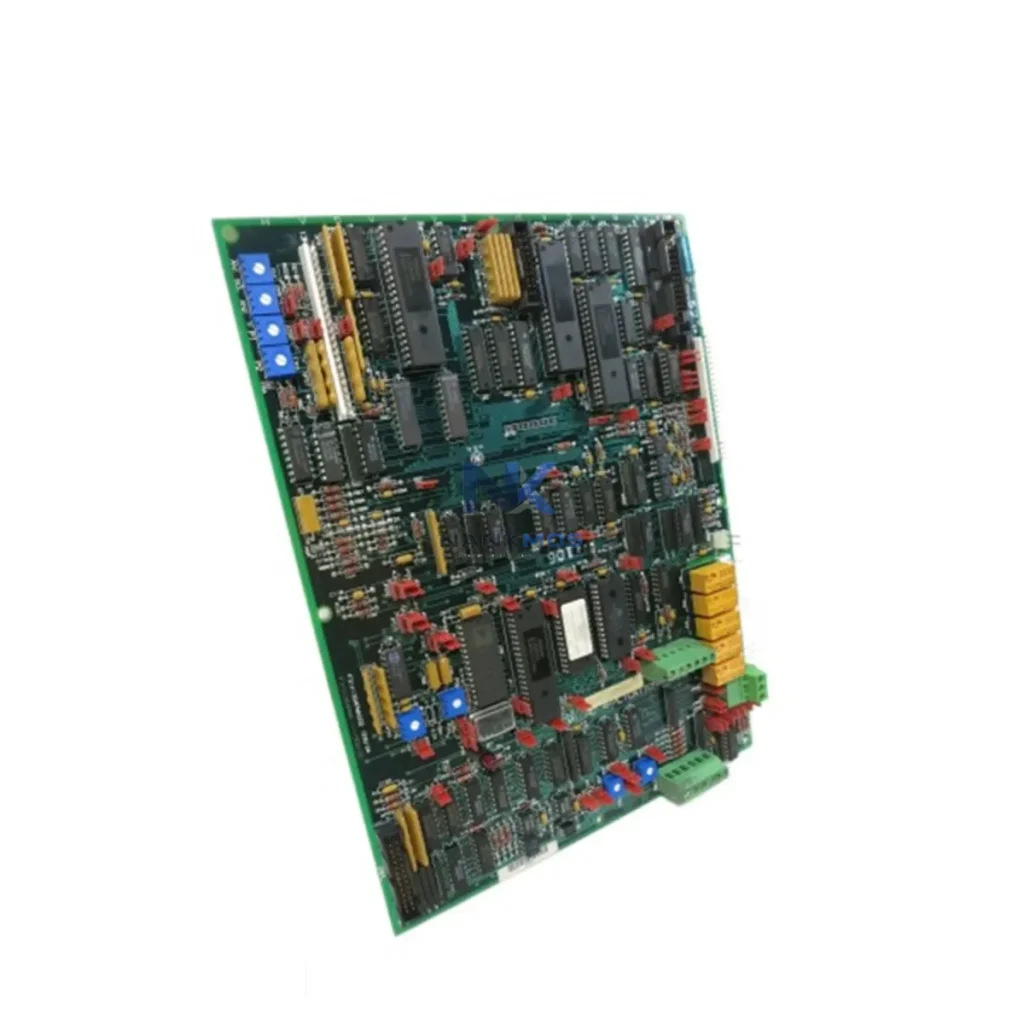
GE 531X139APMARM7 is a NANKMOS industrial automation product record Listed under Mark VI series and Business & Industrial > Automation, Control & Flow Devices. Confirm condition, availability, lead time, compatibility and documentation by email inquiry.
| Manufacturer | GE |
|---|---|
| Application | Industrial Network Communication |
| Part Number / Model | 531X139APMARM7 |
| Compatible System | Mark VI |
| Series | Mark VI |
| Condition Options | To Confirm |
| Module Type | Communication Module |
| Warranty | 12 Months |
| Packaging | Anti-static Bag / Secure Box |
| Shipping Methods | DHL / FedEx / UPS / Air / Sea |
| Availability | To Confirm |
| Lead Time | To Confirm |
| Documentation | Part number and revision checked before quote |
The GE 531X139APMARM7 is a high-performance PC Application Board engineered for the Mark VIe Speedtronic turbine control platform, delivering robust industrial network connectivity across complex smart factory environments. Designed to bridge field-level instrumentation with upper-layer control and supervisory systems, this board serves as a critical data link node within distributed automation architectures. From signal acquisition at the sensor level to real-time data visualization on SCADA dashboards, the 531X139APMARM7 enables seamless, low-latency communication across every layer of the industrial data chain.
In modern smart factory deployments, the ability to move data reliably from turbine control panels through PLCs, remote I/O modules, HMI terminals, and edge gateways to enterprise-level MES and SCADA platforms is non-negotiable. The 531X139APMARM7 fulfills this role within the GE Mark VIe ecosystem, supporting protocol-level interoperability and ensuring that critical process variables — speed, temperature, pressure, vibration — are continuously available for monitoring, alarming, and remote diagnostics. Its architecture supports integration with GE's IS420UCSBH1A communication modules and IS200TREGH1B I/O terminal boards, enabling a tightly coupled control network that minimizes data latency and maximizes system transparency.
The board's communication design supports Ethernet-based industrial protocols commonly used in turbine and power generation control, making it compatible with Modbus TCP, EtherNet/IP, and proprietary GE Mark VIe network layers. This protocol flexibility allows the 531X139APMARM7 to interface with third-party SCADA platforms, historian servers, and OPC-UA data aggregators without requiring additional protocol converters. When paired with GE IS200VCRCH1BBB VME communication boards or IS420ESWBH3A industrial Ethernet switches, the system forms a resilient, redundant network backbone capable of sustaining continuous data flow even under fault conditions.
Signal flow within a Mark VIe system equipped with the 531X139APMARM7 typically originates at field sensors — thermocouples, RTDs, pressure transmitters, and vibration probes — connected through IS200TREGH1B or IS200TTURH1CBB terminal boards. These signals are conditioned and digitized before being passed to the application processor layer, where the 531X139APMARM7 handles computational tasks and network packet routing. Processed data is then forwarded upstream to HMI workstations running GE's ToolboxST configuration environment, or to third-party SCADA systems via OPC servers. This end-to-end data path ensures that operators have real-time visibility into turbine health, enabling proactive maintenance scheduling and reducing unplanned downtime.
Remote diagnostics capability is a defining feature of the 531X139APMARM7's value proposition in smart factory contexts. By maintaining a live network connection to the Mark VIe controller rack, maintenance engineers can remotely interrogate fault logs, review alarm histories, and perform configuration updates without requiring physical access to the control panel. This capability is especially valuable in remote power generation sites, offshore platforms, and unmanned substations where on-site intervention is costly and time-consuming. Integration with GE's Mark VIe diagnostic tools and third-party remote access platforms further extends this capability, supporting predictive maintenance workflows driven by real-time data analytics.
The 531X139APMARM7 also plays a key role in data visualization pipelines. By feeding structured process data to historian platforms such as OSIsoft PI or GE Proficy Historian, it enables long-term trend analysis, KPI dashboards, and energy efficiency reporting. In combined-cycle power plants and industrial cogeneration facilities, this data visibility supports both operational optimization and regulatory compliance reporting. The board's compatibility with GE IS200VSVOH1B servo output boards and IS200DSPXH1DBB digital signal processor boards within the same Mark VIe rack further enhances its role as a central data aggregation and distribution node.
All units supplied by NANKMOS undergo pre-shipment functional verification, including communication link testing, protocol handshake validation, and board-level diagnostics. Each 531X139APMARM7 is backed by a 12-month warranty covering manufacturing defects and operational failures under normal industrial use conditions. Stock availability is maintained to support urgent replacement requirements, with expedited shipping options available for critical plant maintenance scenarios.
Within a fully integrated Mark VIe control architecture, the 531X139APMARM7 operates at the intersection of field instrumentation and supervisory control networks. Field sensors connected through IS200TREGH1B terminal boards feed analog and digital signals into the Mark VIe I/O pack layer. These signals traverse the IONet communication bus — a deterministic, high-speed Ethernet network proprietary to GE's Mark VIe platform — before reaching the application processor where the 531X139APMARM7 resides. The board processes control algorithms, executes protection logic, and simultaneously manages network communication tasks, routing real-time data to connected HMI workstations and SCADA servers.
Upstream data delivery is handled through the Unit Data Highway (UDH), a plant-level Ethernet network that connects the Mark VIe controller to operator stations, engineering workstations, and historian servers. GE IS420ESWBH3A managed industrial Ethernet switches provide the network infrastructure for UDH connectivity, ensuring deterministic packet delivery and network redundancy. For sites requiring protocol translation to third-party systems — such as Siemens SIMATIC S7 PLCs, Rockwell ControlLogix controllers, or Yokogawa CENTUM VP DCS platforms — protocol gateway devices such as the Moxa MGate MB3480 or HMS Anybus X-Gateway can be deployed alongside the Mark VIe network to bridge communication domains without disrupting the native GE network architecture.
Remote I/O expansion is supported through GE's distributed I/O pack architecture, where IS200VCRCH1BBB VME communication boards extend the I/O network to remote equipment skids and auxiliary control panels. Variable frequency drives (VFDs) controlling auxiliary pumps, fans, and compressors can be integrated into the data flow via Modbus TCP or EtherNet/IP, with drive status, speed reference, and fault data aggregated at the Mark VIe controller level. Edge gateway devices such as the Moxa UC-8112 or Advantech WISE-5231 can further extend data collection to legacy field devices, converting serial Modbus RTU signals to Ethernet-based protocols compatible with the Mark VIe network layer.
At the visualization layer, data collected and processed by the 531X139APMARM7 feeds into GE Proficy Historian or OSIsoft PI data historians, enabling long-term trend analysis, performance benchmarking, and predictive maintenance dashboards. SCADA platforms such as GE iFIX, Wonderware InTouch, or Ignition by Inductive Automation consume this data stream to provide operators with real-time turbine health displays, alarm management interfaces, and remote control capabilities. This complete data chain — from field sensor through application processor to enterprise dashboard — represents the full connectivity value delivered by the 531X139APMARM7 in smart factory and power generation environments.
Industrial automation sites operating legacy turbine control systems frequently encounter data fragmentation challenges that limit operational visibility and increase maintenance costs. The GE 531X139APMARM7 addresses several of the most common connectivity pain points encountered in Mark VIe-based installations.
Protocol Fragmentation: Sites integrating GE Mark VIe controllers with third-party PLCs, DCS platforms, or SCADA systems often face protocol incompatibility issues. The 531X139APMARM7's support for OPC-UA and standard industrial Ethernet protocols provides a standardized data interface that eliminates the need for custom protocol adapters in most integration scenarios, reducing engineering complexity and commissioning time.
Data Silos and Production Transparency: Without a reliable application processor managing network communication, turbine control data often remains isolated within the Mark VIe controller, inaccessible to plant-level MES or ERP systems. The 531X139APMARM7 breaks down these data silos by maintaining continuous, structured data feeds to historian and SCADA platforms, enabling production transparency and data-driven decision-making across the enterprise.
Remote Monitoring Limitations: In geographically distributed power generation assets, the inability to remotely access controller diagnostics forces costly on-site maintenance visits. The 531X139APMARM7's network connectivity enables remote fault log retrieval, alarm history review, and configuration management through secure network connections, significantly reducing maintenance travel costs and response times.
Alarm Management and Fault Traceability: Effective alarm management requires that fault events be timestamped, logged, and transmitted to SCADA alarm management systems in real time. The 531X139APMARM7 supports sequence-of-events (SOE) recording and alarm forwarding, ensuring that fault conditions are captured with millisecond-level precision and made available for post-event analysis and regulatory reporting.
System Scalability: As plant automation requirements evolve, the ability to expand the control network without replacing core controller hardware is essential. The 531X139APMARM7's modular architecture within the Mark VIe VME rack supports incremental system expansion, allowing additional I/O packs, communication modules, and network interfaces to be added without disrupting existing control logic or network configurations.
Q1: What communication protocols does the GE 531X139APMARM7 support for SCADA integration? The 531X139APMARM7 operates within the GE Mark VIe network architecture, which supports Modbus TCP, EtherNet/IP, and OPC-UA for integration with third-party SCADA and historian platforms. Native connectivity to GE ToolboxST engineering workstations is provided through the Unit Data Highway (UDH) Ethernet network. For integration with non-GE systems, OPC server middleware is typically deployed to bridge the Mark VIe data layer with external SCADA platforms.
Q2: How does the 531X139APMARM7 support remote diagnostics and predictive maintenance? The board maintains a continuous network connection to the Mark VIe controller rack, enabling remote access to fault logs, alarm histories, and real-time process data through secure network connections. When integrated with GE Proficy Historian or third-party predictive maintenance platforms, the 531X139APMARM7 provides the data foundation for condition-based maintenance programs, reducing unplanned downtime and extending equipment service intervals.
Q3: Is the GE 531X139APMARM7 compatible with existing Mark VIe installations, and what is the network stability assurance? The 531X139APMARM7 is designed as a direct replacement component for Mark VIe Speedtronic turbine control systems. It is compatible with the standard Mark VIe VME rack architecture and IONet communication infrastructure. Network stability is ensured through the deterministic, fault-tolerant design of the GE IONet protocol, which supports redundant network paths and automatic failover to maintain continuous data communication even in the event of a single network link failure.
Q4: What warranty and pre-shipment testing does NANKMOS provide for the 531X139APMARM7? All 531X139APMARM7 units supplied by NANKMOS undergo pre-shipment functional verification including communication link testing, protocol handshake validation, and board-level diagnostic checks. Each unit is covered by a 12-month warranty against manufacturing defects and operational failures under normal industrial use conditions. Expedited shipping is available for urgent plant maintenance requirements, with stock maintained to support immediate dispatch.
Functional Inspection100% tested on professional platforms to ensure stable performance.
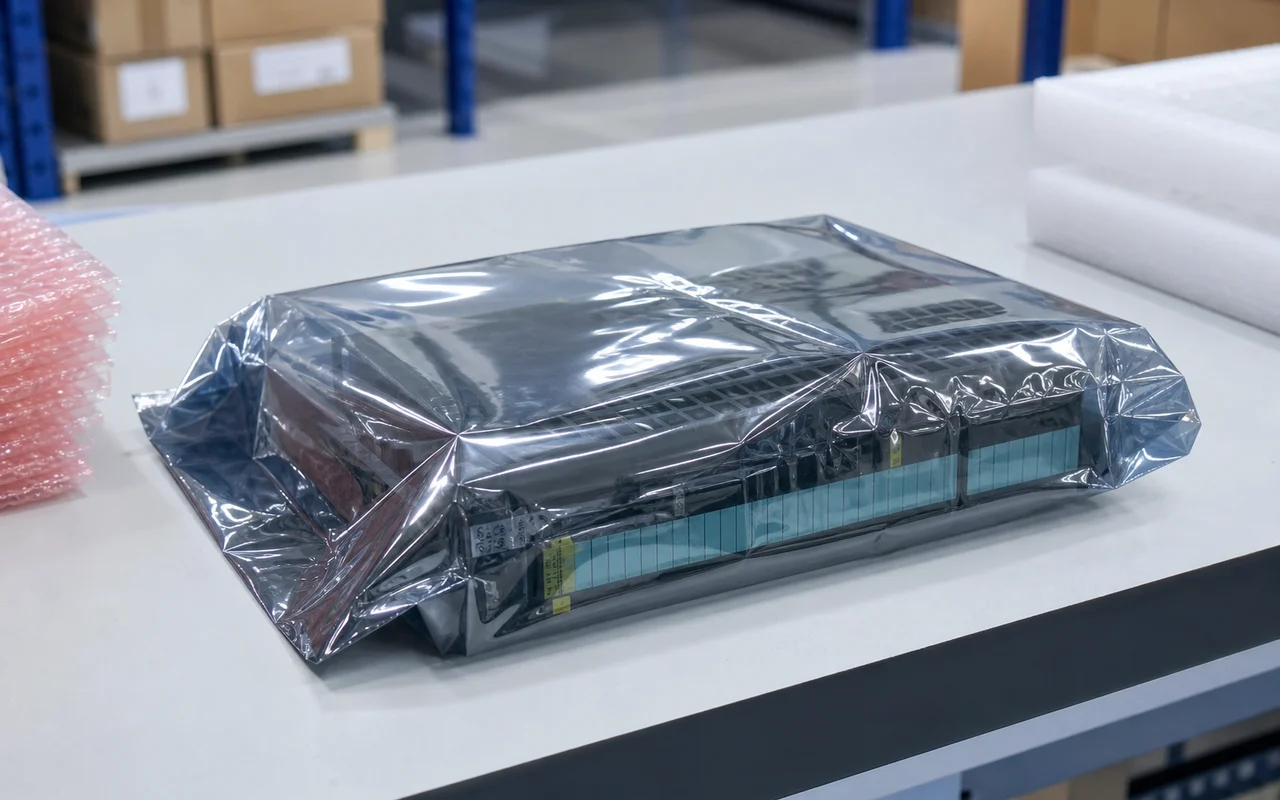 Anti-static Packaging
Modules are packed in anti-static bags to prevent electrostatic damage.
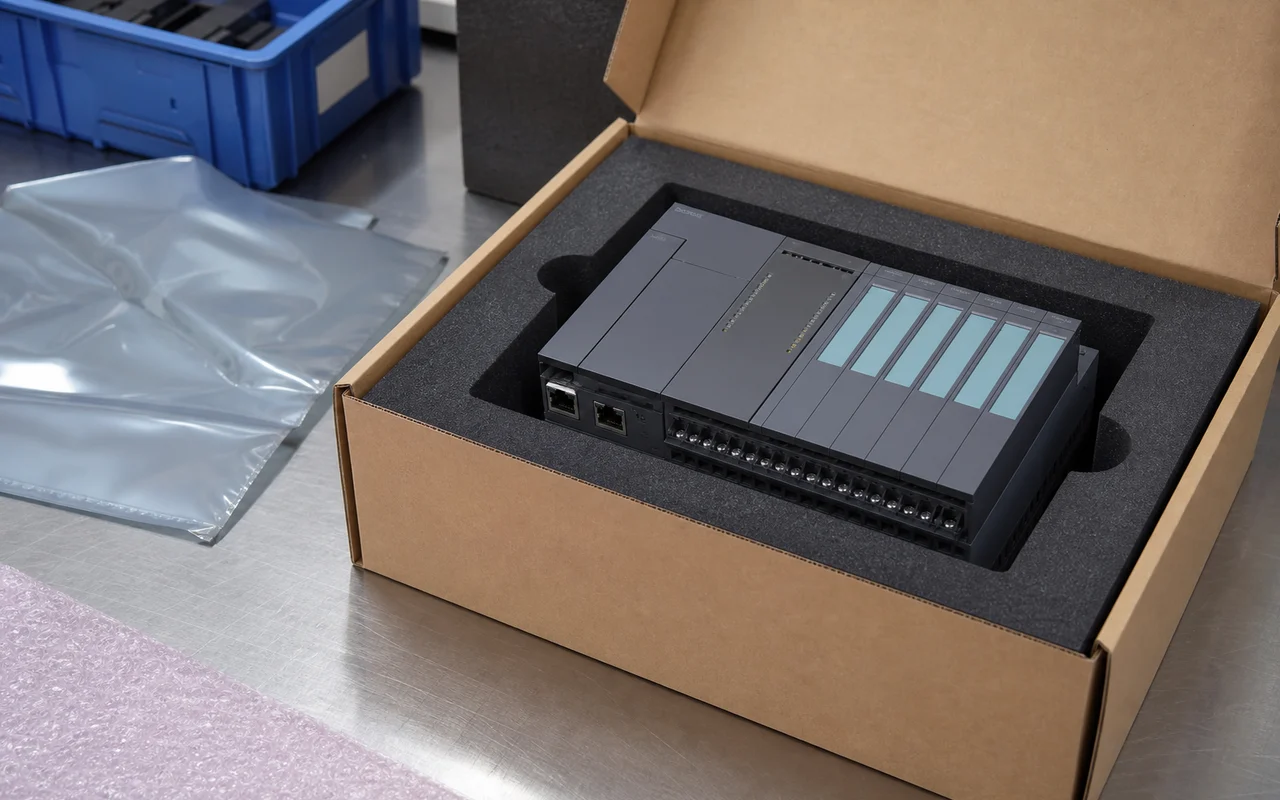 Secure Export Packing
Cushion protection and strong cartons ensure safe transportation.
 Worldwide Shipping
Global logistics network supports air, sea and express delivery.
 Documentation Check
Part number, revision and compatibility verified before shipment.
 After-sales Support
Professional technical support to help resolve your issues.