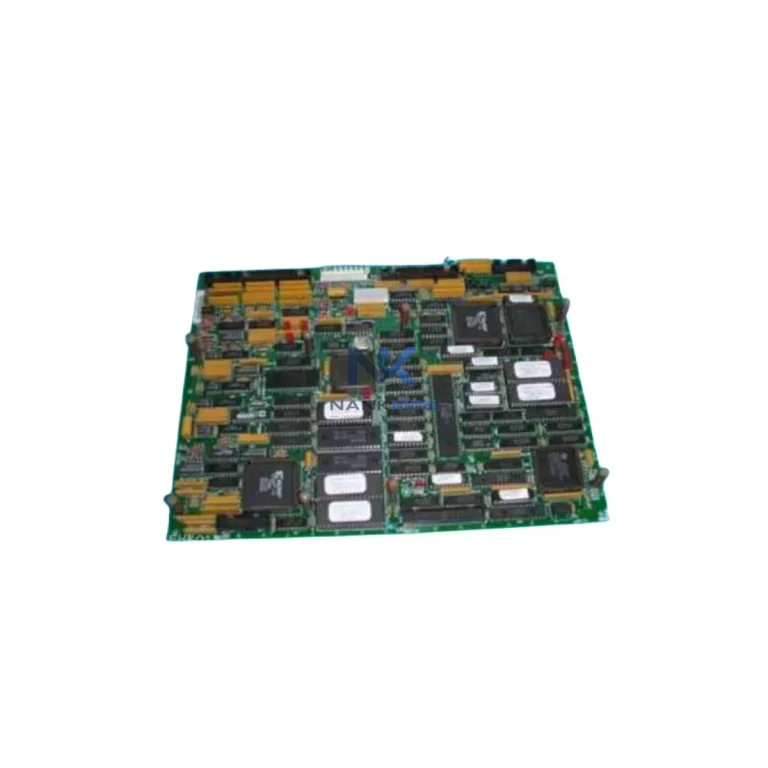
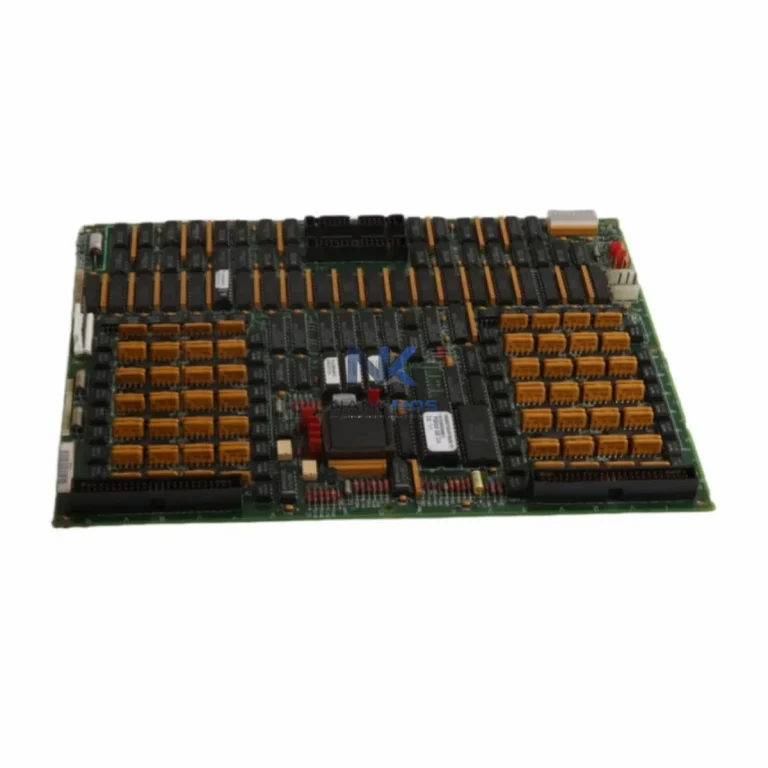
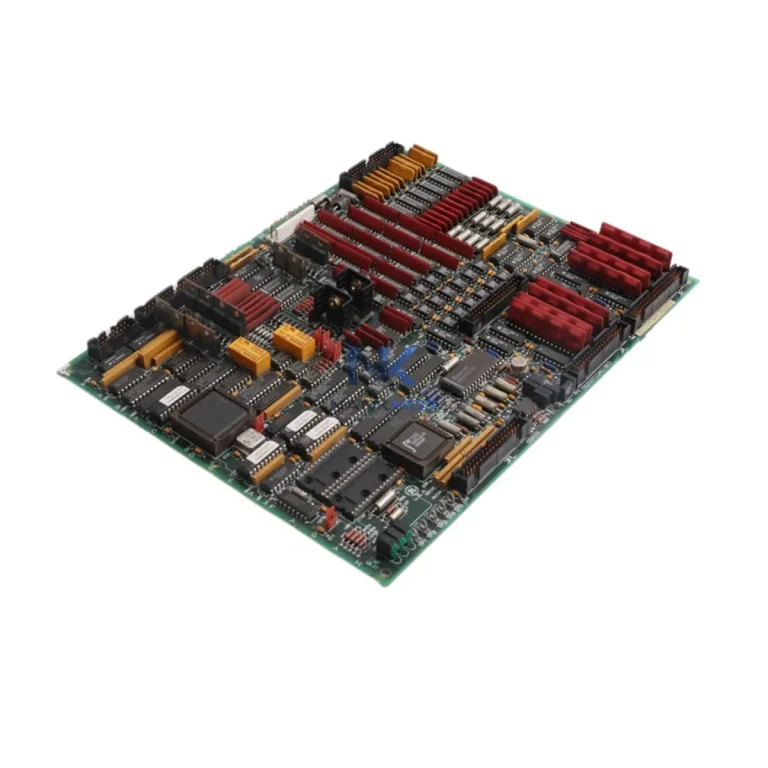
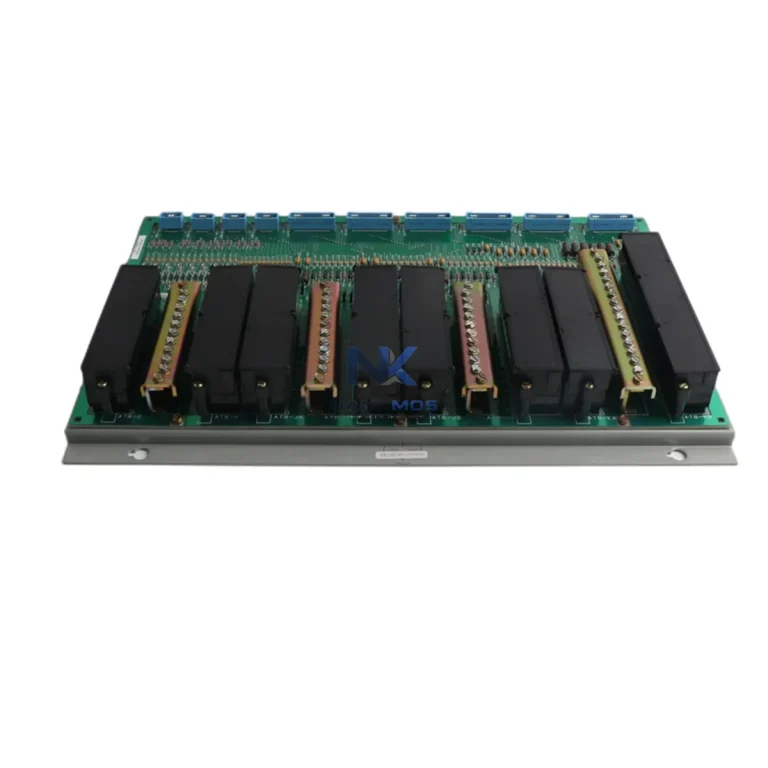
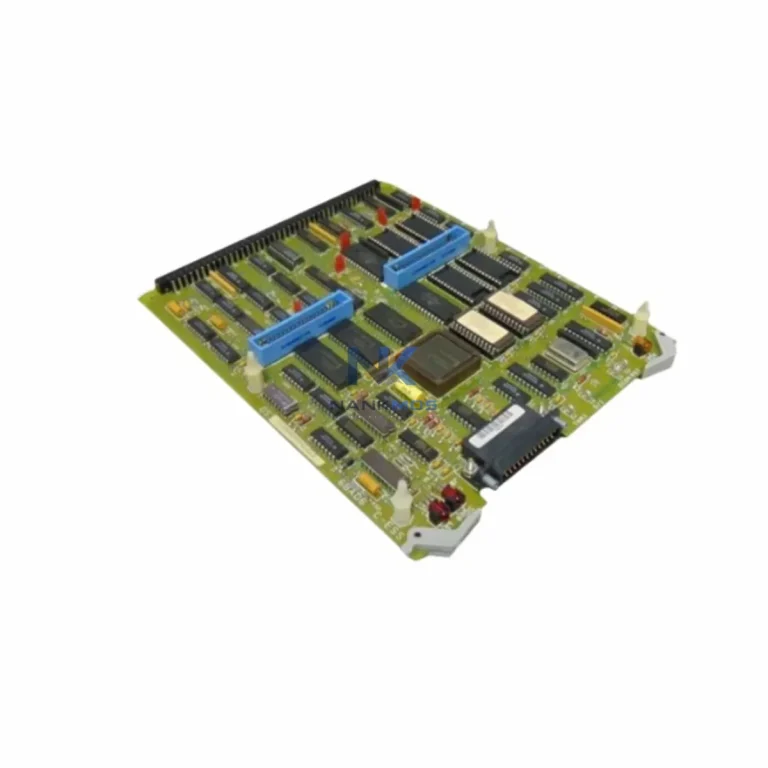
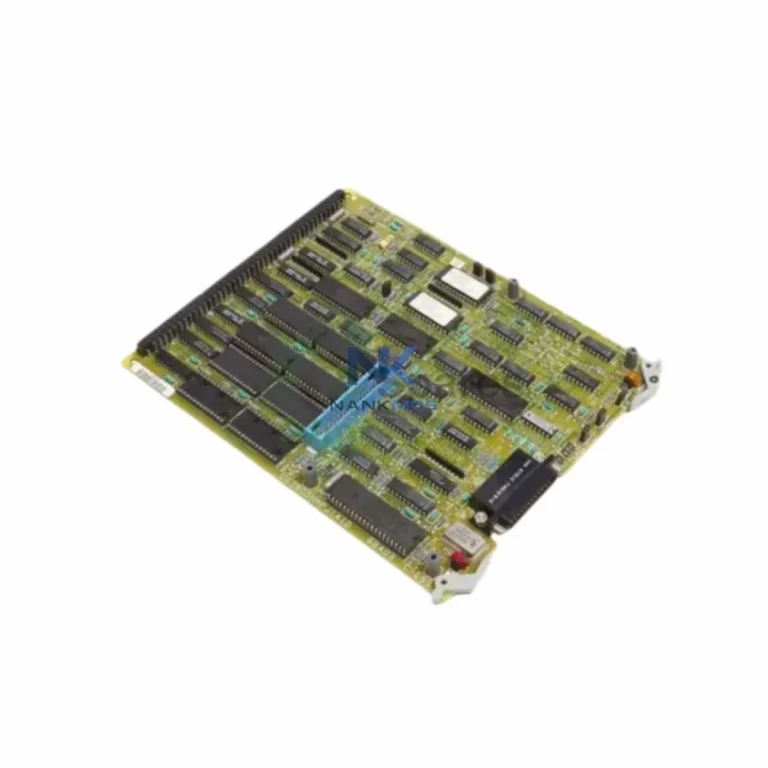
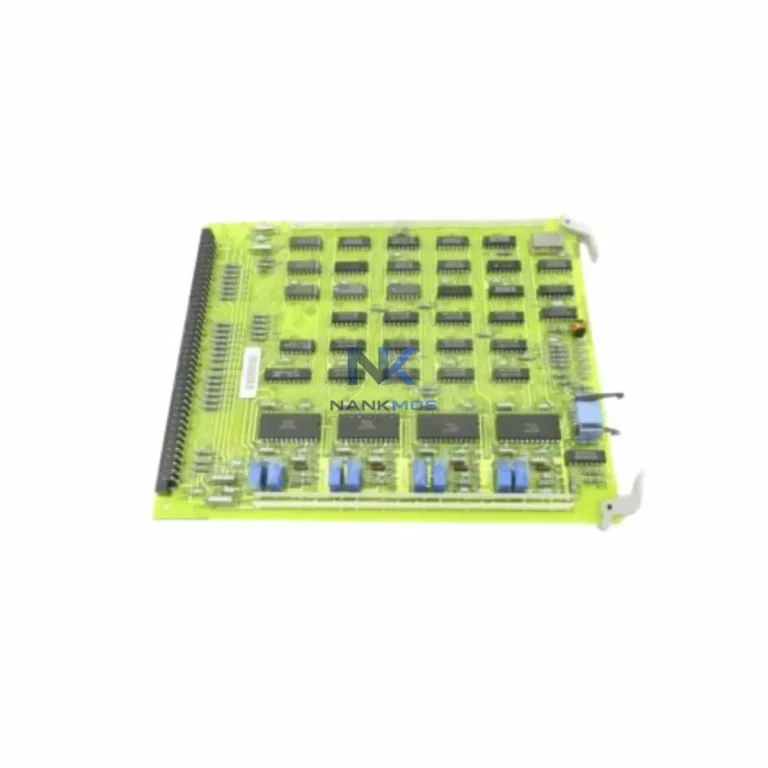
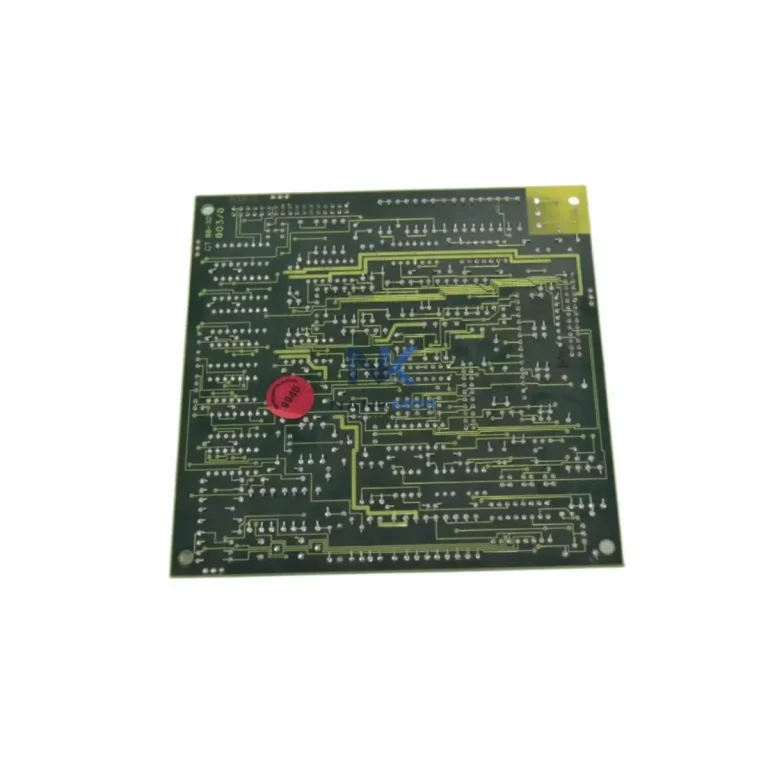
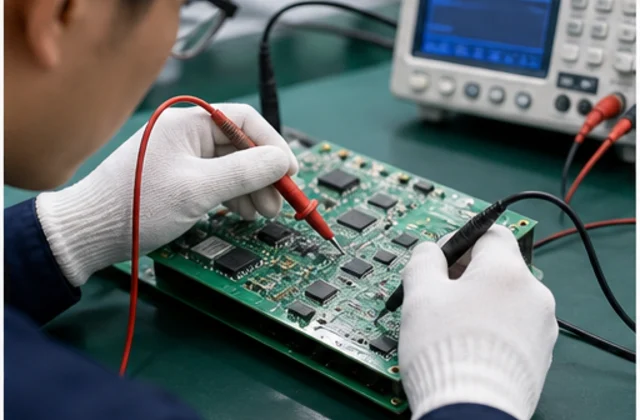
 Functional Inspection
100% tested on professional platforms to ensure stable performance.
GE 531X191RTBAJG1 is a NANKMOS industrial automation product record Listed under Mark VI series and Business & Industrial > Automation, Control & Flow Devices > Programmable Logic Controllers. Confirm condition, availability, lead time, compatibility and documentation by email inquiry.
Brand names are used for identification only.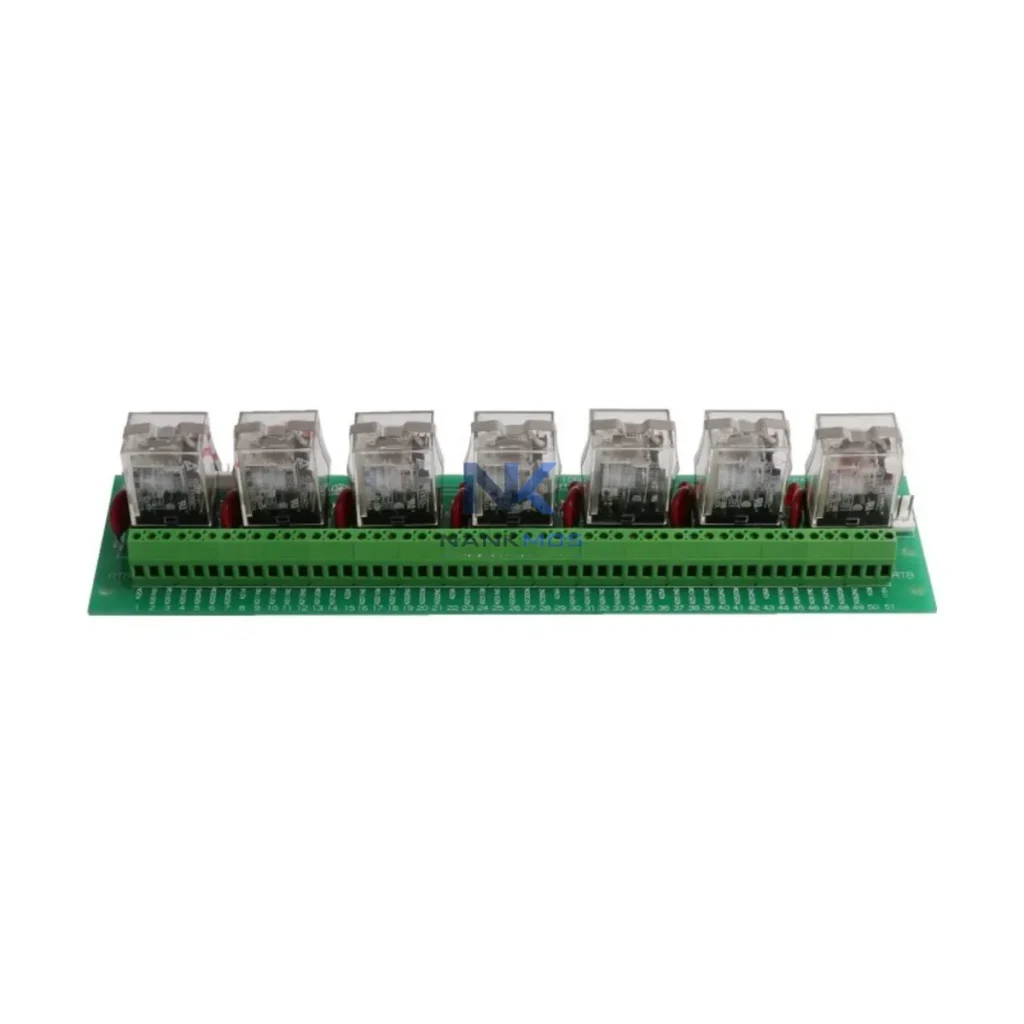
GE 531X191RTBAJG1 is a NANKMOS industrial automation product record Listed under Mark VI series and Business & Industrial > Automation, Control & Flow Devices > Programmable Logic Controllers. Confirm condition, availability, lead time, compatibility and documentation by email inquiry.
| Manufacturer | GE |
|---|---|
| Application | Controller Processing & System Control |
| Part Number / Model | 531X191RTBAJG1 |
| Compatible System | Mark VI |
| Series | Mark VI |
| Condition Options | To Confirm |
| Module Type | Controller / CPU Module |
| Warranty | 12 Months |
| Packaging | Anti-static Bag / Secure Box |
| Shipping Methods | DHL / FedEx / UPS / Air / Sea |
| Availability | To Confirm |
| Lead Time | To Confirm |
| Documentation | Part number and revision checked before quote |
The GE 531X191RTBAJG1 is a precision-engineered relay terminal board designed for seamless integration within the GE Mark VI Speedtronic turbine control architecture. As a critical component in the I/O and signal conditioning layer, this terminal board provides reliable relay output interfacing between the Mark VI controller and field-level actuators, solenoids, and protective devices. Its role within the control hierarchy ensures deterministic signal routing, robust electrical isolation, and long-term operational stability across gas turbine, steam turbine, and combined-cycle power generation applications.
Engineered to GE's stringent Speedtronic platform standards, the 531X191RTBAJG1 supports the modular expansion philosophy of the Mark VI system, enabling engineers to scale relay output capacity without compromising system integrity or communication latency. Its plug-and-play compatibility with the Mark VI I/O rack simplifies commissioning workflows and reduces engineering hours during both initial installation and subsequent maintenance cycles. The board's robust construction ensures reliable performance in demanding industrial environments, including high-vibration turbine enclosures and thermally challenging control cabinets.
From a system architecture perspective, the 531X191RTBAJG1 occupies a foundational position in the relay output layer, working in concert with the Mark VI VCMI communication interface module, the PPRO protection processor, the TTUR turbine control I/O terminal board, and the VSVO servo output module. Together, these components form a tightly integrated control fabric that governs turbine sequencing, protective tripping, fuel valve actuation, and auxiliary system coordination. The terminal board's relay contacts provide the hardwired output paths that translate digital control commands into physical switching actions at the field device level.
The 531X191RTBAJG1 achieves its full operational value when deployed within a complete Mark VI control architecture. In a typical turbine control cabinet, this relay terminal board interfaces directly with the GE IS200VCMIH2BAA VCMI Communication Interface Module, which manages the high-speed data exchange between the Mark VI controller core and the distributed I/O terminal boards. The VCMI ensures that relay output commands are transmitted with minimal latency, maintaining the deterministic response times required for protective tripping and sequencing functions.
On the protection layer, the 531X191RTBAJG1 works alongside the GE IS200PPROH1BDB PPRO Protection Processor Board, which monitors critical turbine parameters and issues trip commands through the relay output paths provided by the terminal board. This hardwired protection architecture ensures that safety-critical actions — such as emergency fuel shutoff or generator breaker tripping — are executed independently of software-layer delays, meeting the functional safety requirements of power generation applications.
For servo and valve control applications, the terminal board complements the GE IS200VSVO Servo Output Module, which handles analog positioning commands for fuel control valves and inlet guide vanes. The relay outputs from the 531X191RTBAJG1 provide the discrete switching signals that coordinate valve sequencing, auxiliary pump starts, and cooling system activation in synchronization with the servo control loop. This layered approach to output management — combining analog servo control with discrete relay switching — is a hallmark of the Mark VI architecture's engineering philosophy.
The system's I/O layer is further supported by the GE IS200TTURH1CBB TTUR Turbine I/O Terminal Board and the GE IS200TREGH1A TREG Voltage Regulator Board, which together manage speed sensing, temperature monitoring, and excitation control functions. The 531X191RTBAJG1 relay terminal board provides the output switching capability that completes the control loop from these sensing and regulation modules to the field actuators. In redundant Mark VI configurations (TMR — Triple Modular Redundancy), three sets of relay terminal boards operate in parallel, with voting logic ensuring that no single board failure can cause an unintended trip or control action.
Power distribution within the Mark VI cabinet is managed by the GE IS200EPCTG1A EPC Power Distribution Board, which supplies regulated DC power to the I/O terminal boards including the 531X191RTBAJG1. Stable power delivery is essential for relay coil energization and contact reliability, particularly during turbine startup sequences when inrush currents and voltage transients are most pronounced. The EPC board's overcurrent protection features safeguard the relay terminal board from electrical stress events that could compromise contact integrity over time.
For facilities integrating the Mark VI system with plant-wide DCS networks, the GE IS200ENEGH1A Ethernet Network Interface Board provides the communication gateway between the Speedtronic platform and Modbus TCP, OPC-DA, or GE's proprietary CIMPLICITY HMI environment. While the 531X191RTBAJG1 operates at the hardwired relay layer, its status and diagnostic data are accessible through the Mark VI's network interface, enabling remote monitoring of relay contact states, cycle counts, and fault conditions from the plant control room. This integration capability supports predictive maintenance programs and reduces unplanned downtime in continuous-operation power plants.
Power Generation — Gas Turbine Control: The 531X191RTBAJG1 is most commonly deployed in gas turbine control panels where the Mark VI system governs fuel valve sequencing, compressor bleed valve control, and generator protection relay coordination. In combined-cycle plants, the relay terminal board's outputs interface with the heat recovery steam generator (HRSG) bypass damper actuators and steam turbine trip solenoids, providing the discrete switching capability required for coordinated plant startup and shutdown sequences.
Steam Turbine and Power Island Applications: In steam turbine control architectures, the relay terminal board provides the output interface for main stop valve trip solenoids, extraction valve control relays, and turbine supervisory system alarm outputs. Its compatibility with the Mark VI TMR protection architecture makes it suitable for nuclear-adjacent balance-of-plant applications where relay output redundancy and voting logic are mandatory design requirements.
Petrochemical and Refinery Compressor Control: Centrifugal and reciprocating compressor trains in petrochemical facilities frequently employ GE Mark VI systems for anti-surge control, load sharing, and protective shutdown management. The 531X191RTBAJG1 relay terminal board provides the discrete output interface for compressor suction valve unloaders, recycle valve actuators, and emergency shutdown (ESD) system relay interfaces, supporting the functional safety requirements of SIL-rated compressor protection systems.
Water and Wastewater Treatment — Pump Station Automation: Large pumping stations and water treatment facilities utilizing GE control platforms benefit from the relay terminal board's ability to interface with motor control center (MCC) starters, variable frequency drive (VFD) enable signals, and process valve actuators. The board's galvanic isolation ensures reliable signal integrity in environments where ground loops and electrical noise from large motor loads can compromise control system performance.
Mining and Mineral Processing: In mining applications, the Mark VI platform and associated relay terminal boards are deployed in conveyor drive control systems, crusher motor protection panels, and ventilation fan control architectures. The 531X191RTBAJG1's robust construction and wide operating temperature range make it suitable for the harsh electrical environments typical of underground mining control rooms and surface processing plant control buildings.
Q1: Is the GE 531X191RTBAJG1 compatible with both Mark VI and Mark VIe control systems?The 531X191RTBAJG1 is designed and validated for use within the GE Mark VI Speedtronic turbine control platform. Compatibility with the Mark VIe distributed control architecture should be verified against the specific I/O rack configuration and backplane revision of the target system. GE's Mark VIe platform introduced revised I/O terminal board form factors and connector standards in certain configurations; engineers should confirm the terminal board's mechanical and electrical compatibility with the Mark VIe I/O module bay before installation. Our technical team can assist with cross-reference verification prior to order fulfillment.
Q2: What is the recommended installation and commissioning procedure for the 531X191RTBAJG1 in a live turbine control cabinet?Installation of the 531X191RTBAJG1 should follow GE's Mark VI system installation and maintenance manual (GEH-6421 series). Prior to installation, the turbine should be in a safe, shutdown state with the Mark VI system powered down or the relevant I/O rack isolated. The relay terminal board should be inserted into the designated I/O slot with the system de-energized, followed by torque verification of all field wiring terminal connections per GE's specified torque values. After installation, the Mark VI toolbox software should be used to verify relay output configuration, perform contact continuity checks, and execute a controlled output test sequence before returning the turbine to service. All 531X191RTBAJG1 units supplied by NANKMOS are pre-tested and verified functional prior to shipment.
Q3: What warranty and long-term supply support does NANKMOS provide for the GE 531X191RTBAJG1?NANKMOS provides a 12-Month Warranty on all GE 531X191RTBAJG1 relay terminal boards, covering manufacturing defects and functional failures under normal operating conditions. Our inventory is maintained to support both immediate replacement requirements and planned maintenance outages, with expedited shipping available for critical plant applications. For long-term supply agreements, NANKMOS offers scheduled inventory reservation programs that ensure continued availability of Mark VI spare parts across multi-year maintenance contracts. Contact our technical sales team at [email protected] or +86 18359268345 to discuss supply chain support options tailored to your plant's maintenance strategy.
Functional Inspection100% tested on professional platforms to ensure stable performance.
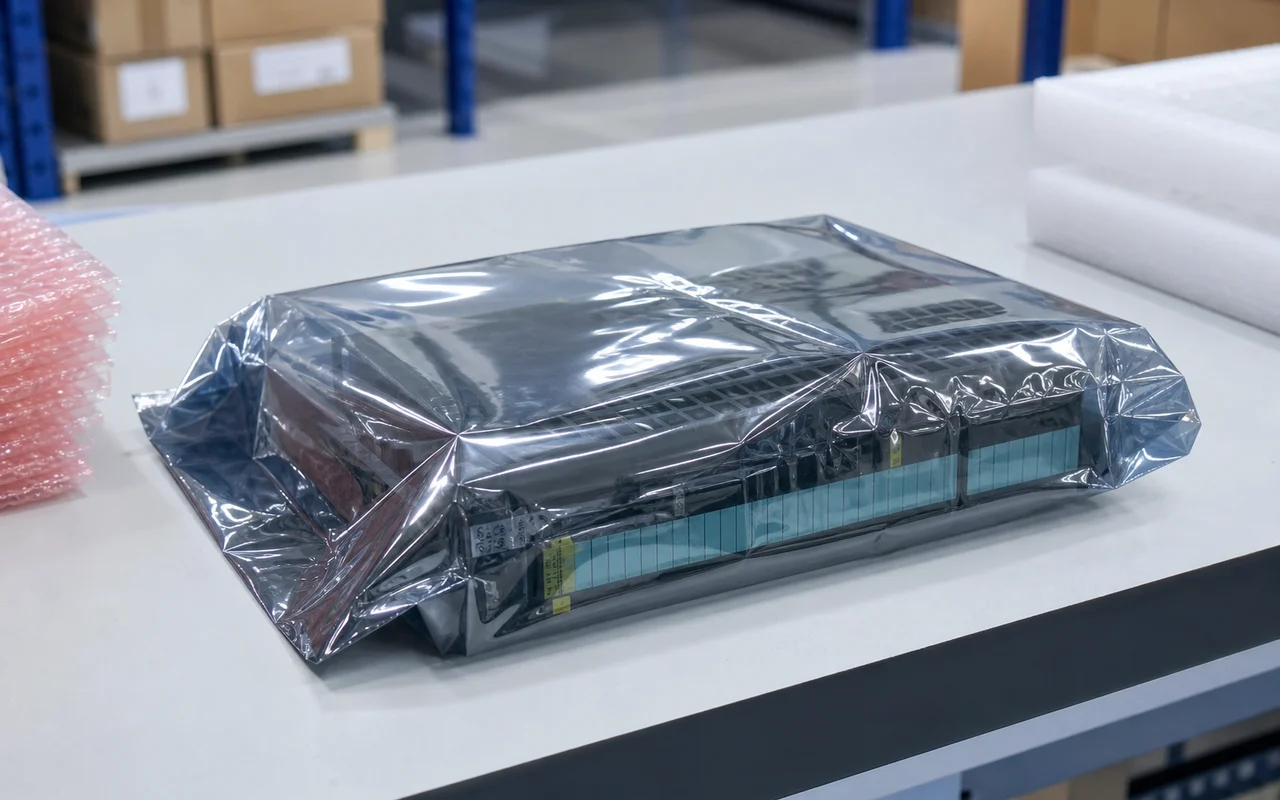 Anti-static Packaging
Modules are packed in anti-static bags to prevent electrostatic damage.
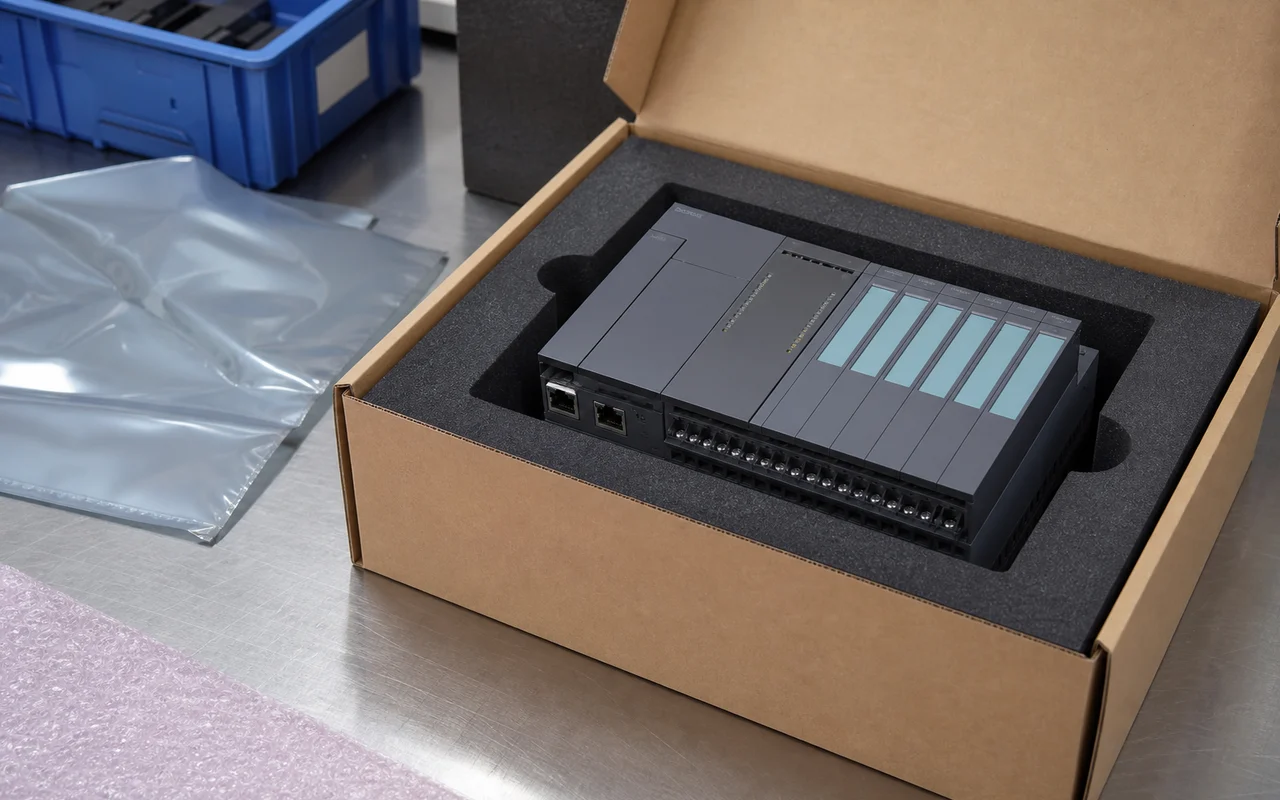 Secure Export Packing
Cushion protection and strong cartons ensure safe transportation.
 Worldwide Shipping
Global logistics network supports air, sea and express delivery.
 Documentation Check
Part number, revision and compatibility verified before shipment.
 After-sales Support
Professional technical support to help resolve your issues.