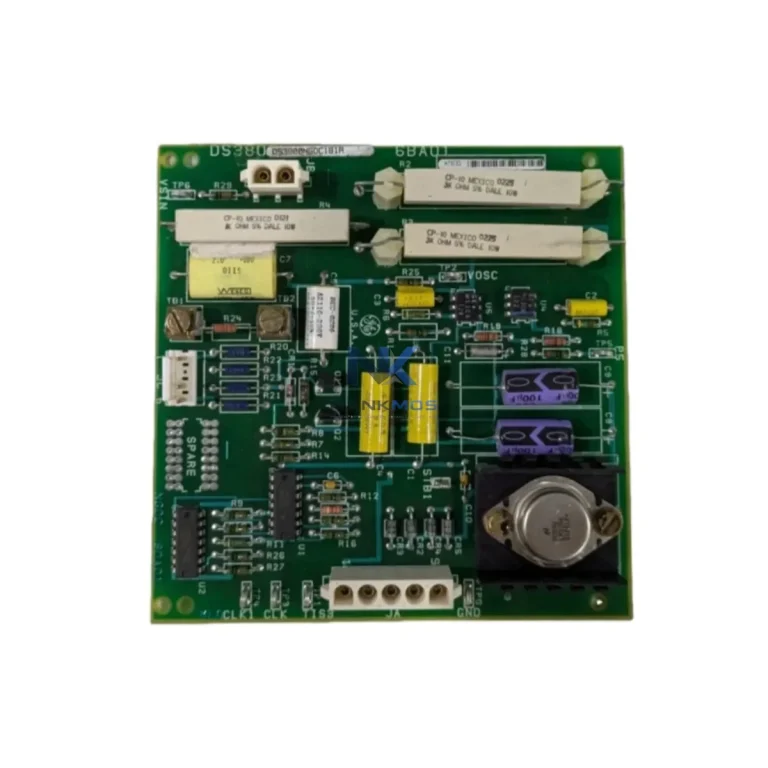
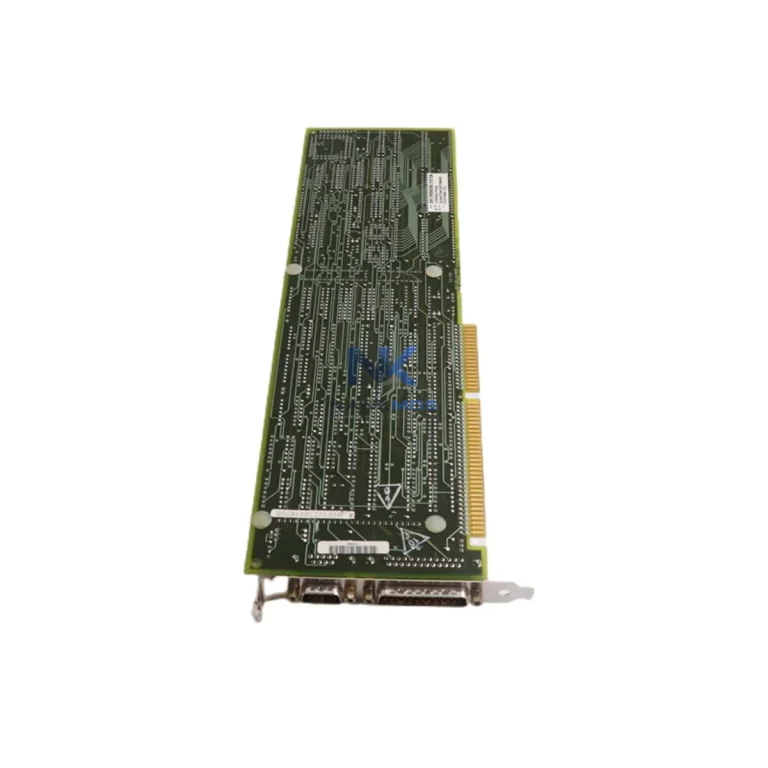
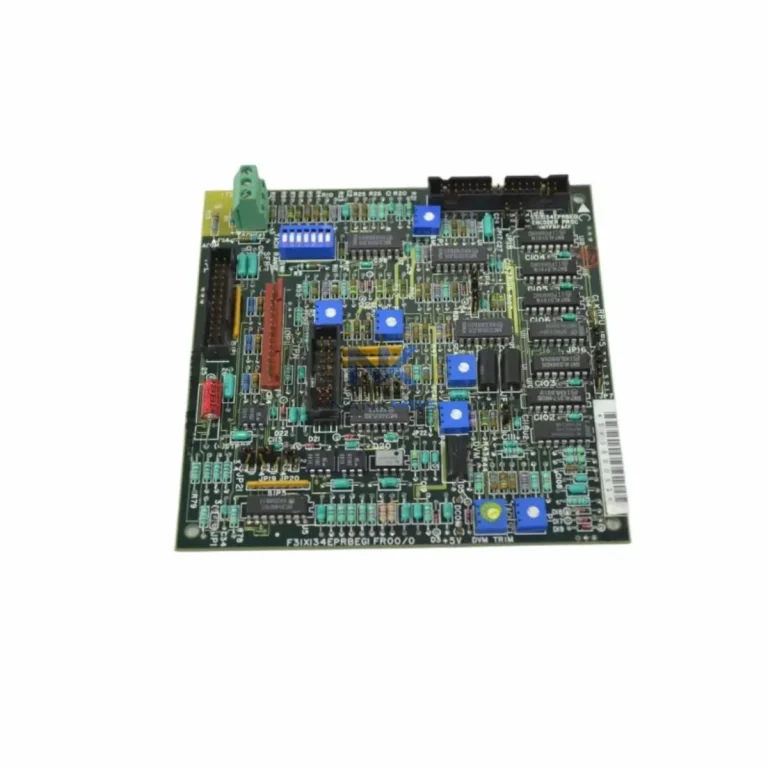
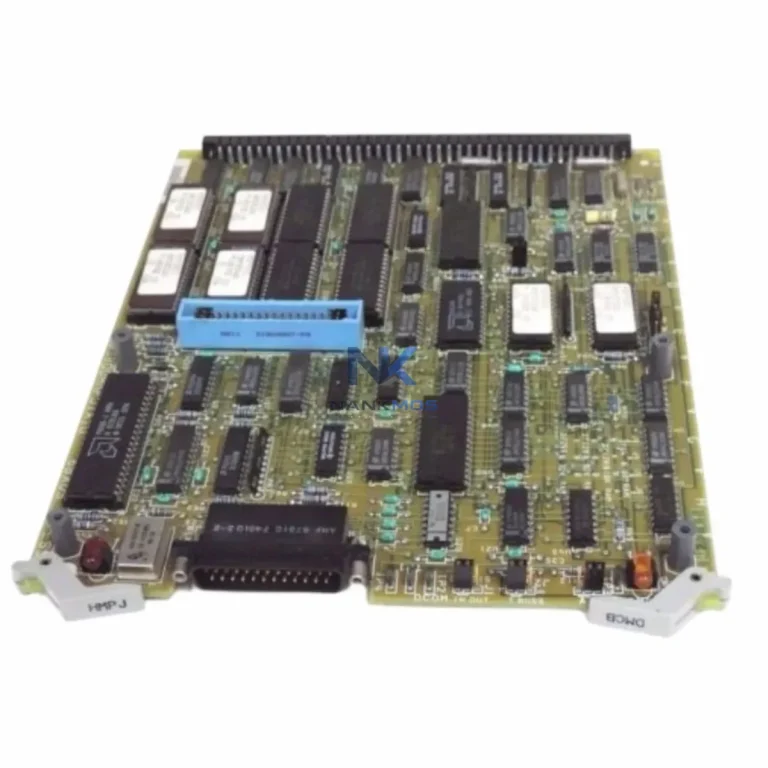
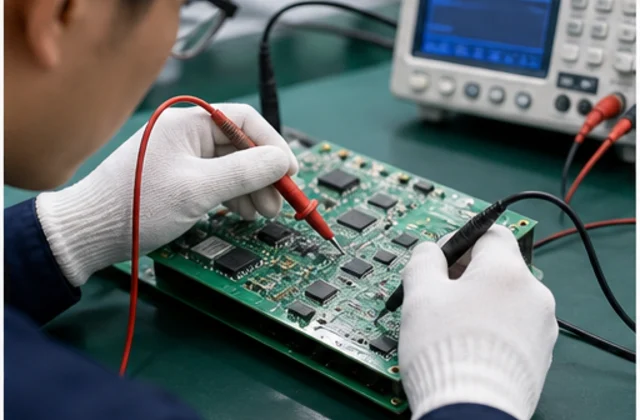
 Functional Inspection
100% tested on professional platforms to ensure stable performance.
GE DS200QTBAG1ACB is a NANKMOS industrial automation product record Listed under Mark V series and Business & Industrial > Automation, Control & Flow Devices. Confirm condition, availability, lead time, compatibility and documentation by email inquiry.
Brand names are used for identification only.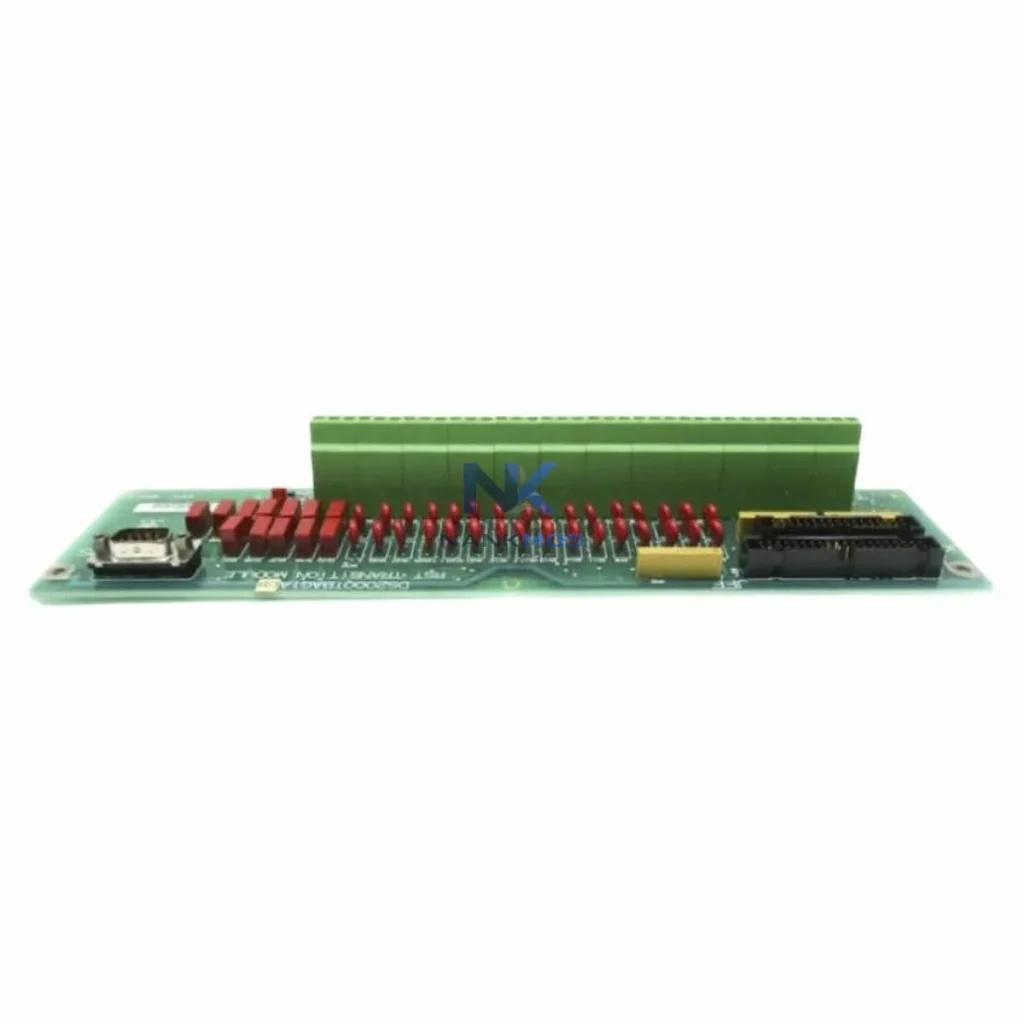
GE DS200QTBAG1ACB is a NANKMOS industrial automation product record Listed under Mark V series and Business & Industrial > Automation, Control & Flow Devices. Confirm condition, availability, lead time, compatibility and documentation by email inquiry.
| Manufacturer | GE |
|---|---|
| Application | Industrial Network & Bus Termination |
| Part Number / Model | DS200QTBAG1ACB |
| Compatible System | Mark V |
| Series | Mark V |
| Condition Options | To Confirm |
| Module Type | Bus / Network Interface Module |
| Warranty | 12 Months |
| Packaging | Anti-static Bag / Secure Box |
| Shipping Methods | DHL / FedEx / UPS / Air / Sea |
| Availability | To Confirm |
| Lead Time | To Confirm |
| Documentation | Part number and revision checked before quote |
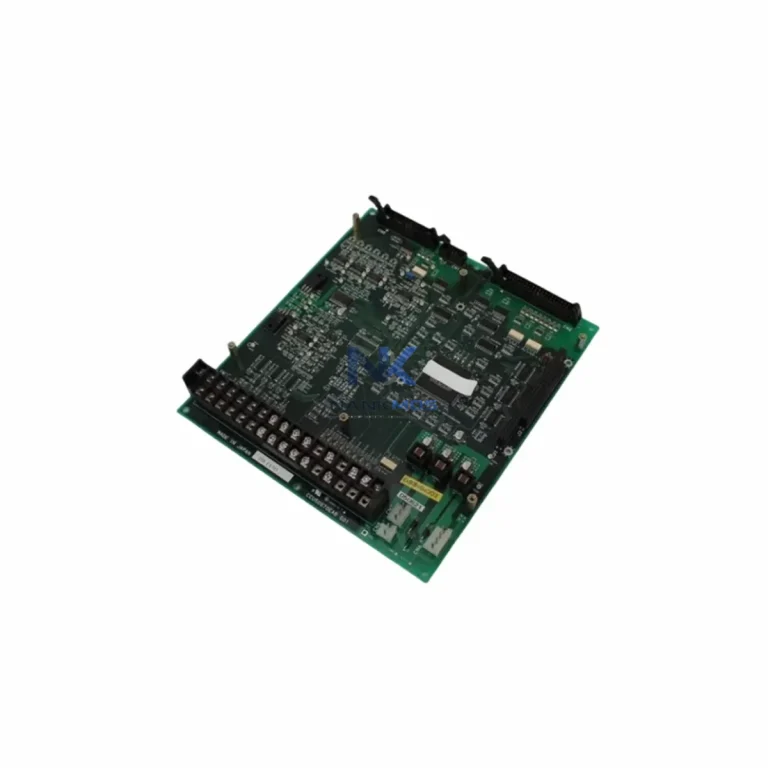
The GE DS200QTBAG1ACB is a precision-engineered termination board designed for the Mark V Speedtronic turbine control platform. As a core I/O interface component within the DS200 series architecture, it plays a direct role in energy-control strategy across smart production lines — routing analog and digital signals between field devices and the Mark V controller with minimal signal loss and maximum electrical efficiency. In energy-intensive industrial environments where every watt of parasitic draw and every millisecond of signal latency translates into measurable production cost, the DS200QTBAG1ACB delivers the structured, low-impedance termination infrastructure that modern power generation and process automation facilities demand.
Sourced from verified inventory, each DS200QTBAG1ACB unit undergoes functional testing prior to shipment to confirm channel integrity, connector condition, and board-level continuity. In-stock availability supports rapid deployment for both planned maintenance windows and unplanned outages, reducing turbine downtime and protecting production throughput. All units are backed by a 12-month warranty, providing procurement teams and plant engineers with the confidence to integrate this component into long-cycle maintenance programs.
Within a Mark V Speedtronic control architecture, the DS200QTBAG1ACB termination board serves as the structured wiring interface between field instrumentation and the core control processor. Its role in a power-aware automation strategy becomes clear when examined alongside the broader DS200 ecosystem. The DS200TCQAG1BHF turbine control board and DS200SDCCG1AFB speed and dynamics control card rely on clean, low-noise termination to execute precise fuel valve and inlet guide vane commands — commands that directly govern turbine heat rate and fuel efficiency. Any degradation at the termination layer introduces signal jitter that forces the control loop to compensate, increasing actuator cycling and energy waste.
The DS200QTBAG1ACB also interfaces with analog input channels connected to thermocouple and RTD sensors monitoring exhaust temperature, compressor discharge pressure, and lube oil temperature. These measurements feed the Mark V's load management algorithms, which balance turbine output against grid demand to minimize fuel burn per megawatt-hour. When paired with the DS200IIBDG1A I/O interface board and DS200DSPCH1ADA digital signal processor, the termination board ensures that temperature and pressure data arrive at the controller with the accuracy needed to sustain optimal combustion efficiency and reduce thermal stress on hot-section components.
For facilities integrating GE turbine control with plant-wide SCADA systems, the DS200QTBAG1ACB's reliable I/O termination supports the data acquisition layer that feeds energy management dashboards. The DS200SLCCG3ACB sequence logic control card and DS200EXPSG1ADA expansion power supply board work in concert with the termination board to maintain stable control bus voltage and signal reference levels — a prerequisite for accurate power metering and load forecasting. HMI workstations connected to the Mark V network depend on this signal integrity to display real-time turbine efficiency metrics, enabling operators to make informed load-dispatch decisions that reduce unnecessary fuel consumption.
In combined-cycle and cogeneration plants, the DS200QTBAG1ACB supports the I/O channels that monitor heat recovery steam generator (HRSG) bypass damper positions and steam turbine inlet conditions. Accurate position feedback from these field devices, routed through the termination board to the DS200TCEAG1BHF turbine control electronics assembly, allows the Mark V to optimize the thermal energy recovery cycle — capturing exhaust heat that would otherwise represent a direct efficiency loss. The DS200ADGIH1A analog-to-digital conversion board further refines these signals, ensuring that the energy balance calculations performed by the control system reflect actual plant thermodynamic conditions rather than noise-corrupted approximations.
Industrial facilities operating GE Mark V-controlled gas turbines face a continuous challenge: maintaining peak turbine efficiency while managing the thermal and electrical load demands of connected production processes. The DS200QTBAG1ACB termination board contributes to this challenge at the foundational level — by ensuring that every sensor signal, every actuator command, and every status feedback reaches the control processor without degradation. Clean signal termination reduces the frequency of spurious alarms and false trips, which are among the most disruptive and energy-wasteful events in turbine operations. Each unnecessary shutdown and restart cycle consumes significant fuel during the purge, ignition, and acceleration phases, and imposes thermal fatigue on combustion hardware that shortens component life and increases maintenance frequency.
Predictive maintenance programs benefit directly from the signal quality that the DS200QTBAG1ACB provides. Vibration sensors, bearing temperature monitors, and compressor inlet condition transmitters all route their data through the termination board before reaching the Mark V's diagnostic algorithms. When this data is clean and consistent, the control system can detect developing faults — such as compressor fouling, bearing wear, or fuel nozzle degradation — at an early stage, allowing maintenance teams to schedule corrective action during planned outages rather than responding to emergency failures. This shift from reactive to predictive maintenance reduces both unplanned downtime and the energy penalty associated with operating degraded equipment at reduced efficiency.
Load management is another area where the DS200QTBAG1ACB's role in the control architecture delivers measurable energy savings. By maintaining accurate I/O signal paths for the load control and frequency response channels, the termination board supports the Mark V's ability to modulate turbine output in response to grid frequency deviations and plant load demand signals. Precise load following reduces the need for spinning reserve margin, allowing the turbine to operate closer to its optimal heat rate point for a greater proportion of its operating hours. Over a full operating year, this improvement in load-following accuracy translates into a meaningful reduction in fuel consumption and CO₂ emissions per unit of electrical output.
Production line stability in facilities that draw power from on-site gas turbine generation depends on the turbine control system's ability to maintain stable voltage and frequency output under varying load conditions. The DS200QTBAG1ACB's contribution to this stability — through reliable termination of the generator excitation control and governor feedback channels — directly supports the quality of power delivered to sensitive manufacturing equipment such as variable-frequency drives, servo amplifiers, and precision CNC machinery. Voltage sags and frequency excursions caused by turbine control instability can disrupt production processes, damage in-process work, and force equipment restarts that consume additional energy and reduce overall equipment effectiveness (OEE).
Q1: How does the DS200QTBAG1ACB contribute to turbine energy efficiency? The DS200QTBAG1ACB provides the low-noise, low-impedance signal termination that the Mark V Speedtronic control system requires to execute precise fuel control, load management, and thermal protection functions. By ensuring signal integrity across all I/O channels, it enables the control system to maintain the turbine at its optimal operating point, minimizing fuel consumption per unit of output and reducing unnecessary thermal cycling.
Q2: Is the DS200QTBAG1ACB compatible with all Mark V Speedtronic configurations? The DS200QTBAG1ACB is designed for use within the GE DS200 series Mark V Speedtronic turbine control platform. Compatibility with specific Mark V panel configurations — including TMR (Triple Modular Redundant) and simplex arrangements — should be verified against the original panel wiring documentation and GE Mark V hardware reference manuals. Our technical team can assist with compatibility verification prior to order placement.
Q3: What testing is performed before shipment, and what does the 12-month warranty cover? Each DS200QTBAG1ACB unit is functionally tested prior to shipment to verify channel continuity, connector integrity, and board-level electrical performance. The 12-month warranty covers defects in materials and workmanship under normal operating conditions. Units that fail to perform as specified within the warranty period are eligible for replacement or repair, subject to standard return merchandise authorization (RMA) procedures.
Q4: What is the typical lead time, and is replacement stock available for urgent outages? The DS200QTBAG1ACB is maintained in ready-to-ship inventory to support both planned maintenance schedules and emergency outage requirements. Standard orders are processed and dispatched promptly. For urgent requirements associated with unplanned turbine outages, expedited shipping options are available. Contact our team directly to confirm current stock levels and arrange priority dispatch.
Functional Inspection100% tested on professional platforms to ensure stable performance.
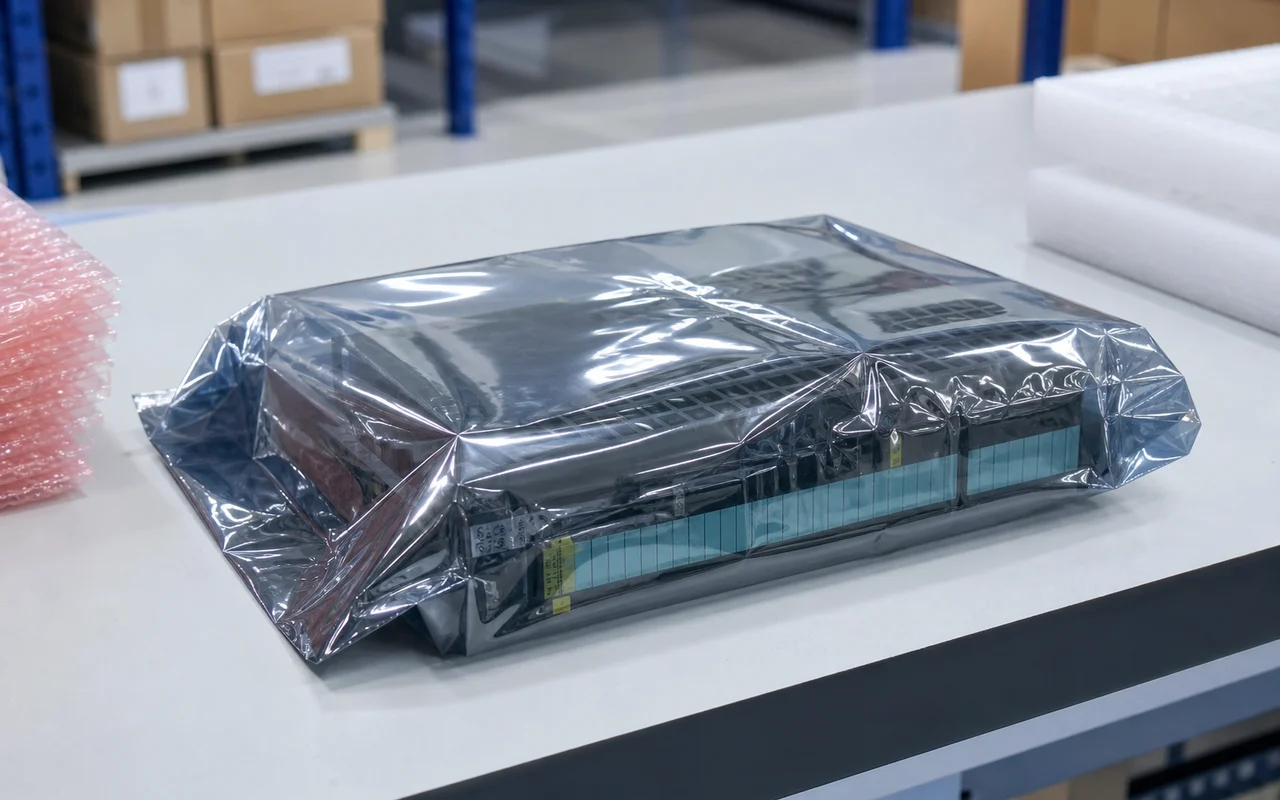 Anti-static Packaging
Modules are packed in anti-static bags to prevent electrostatic damage.
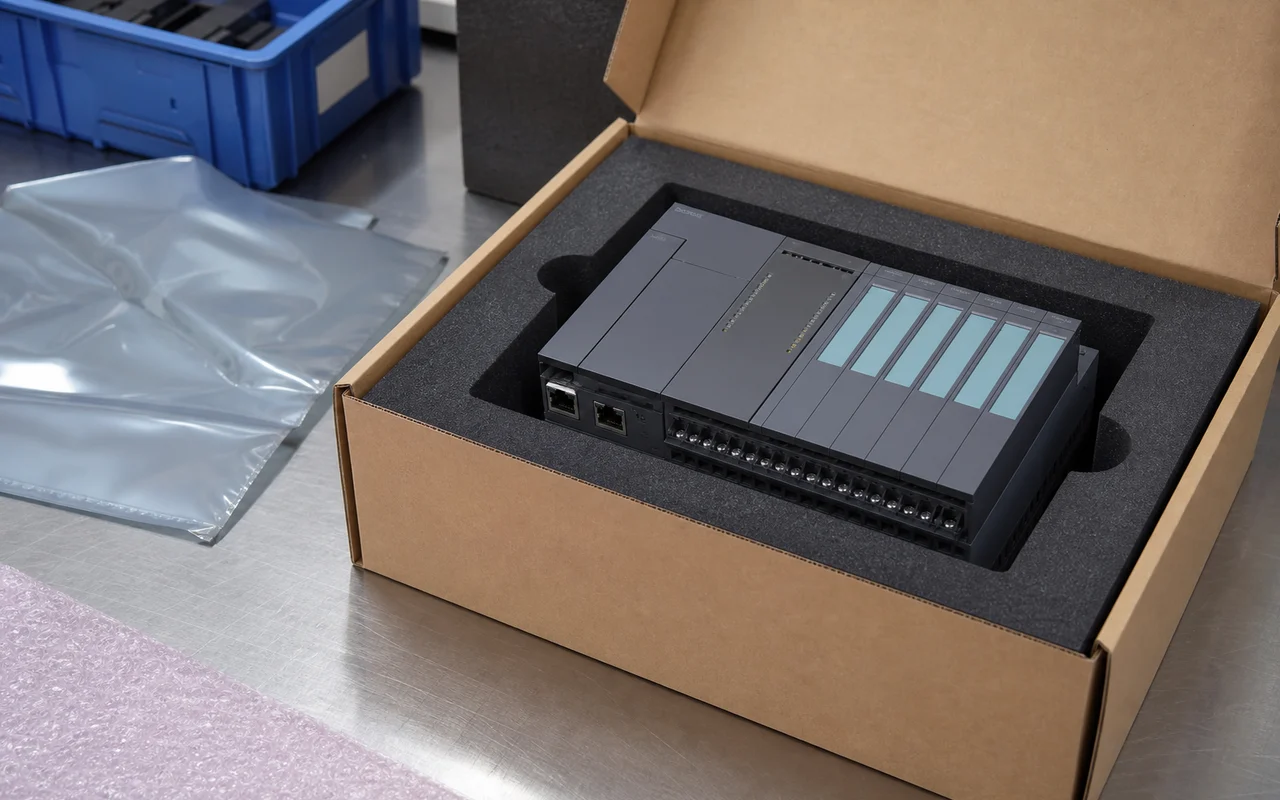 Secure Export Packing
Cushion protection and strong cartons ensure safe transportation.
 Worldwide Shipping
Global logistics network supports air, sea and express delivery.
 Documentation Check
Part number, revision and compatibility verified before shipment.
 After-sales Support
Professional technical support to help resolve your issues.