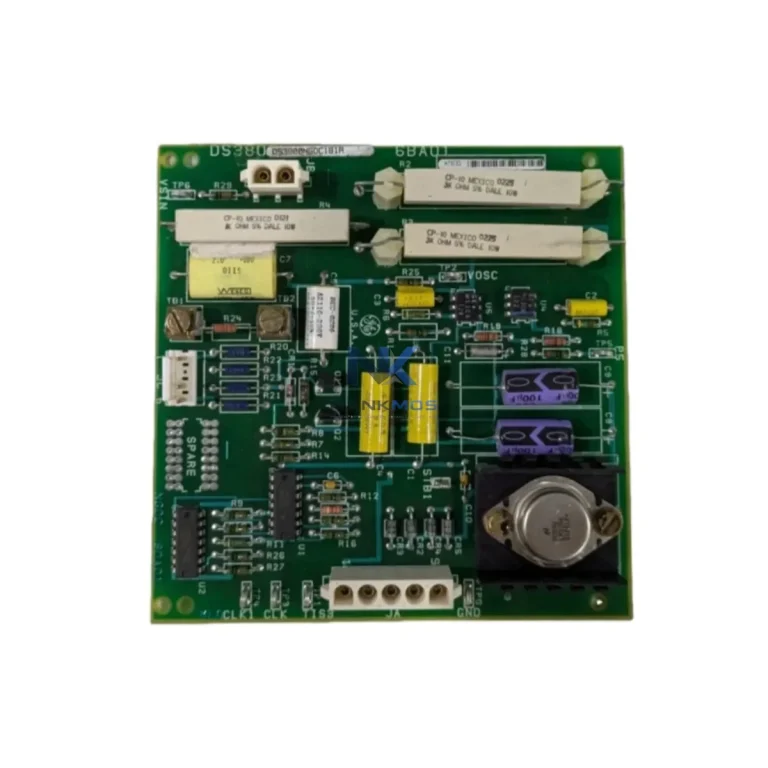
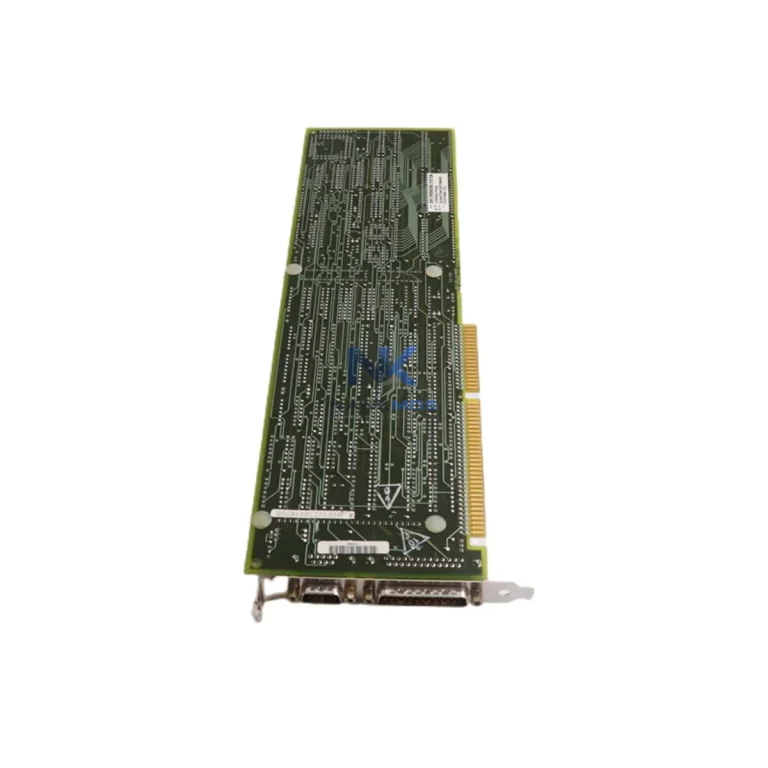
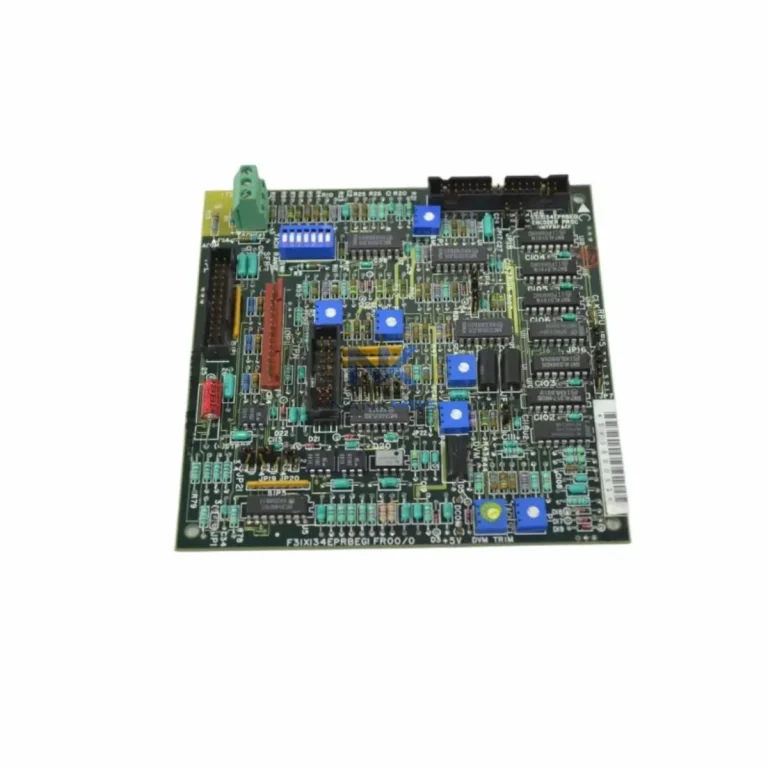
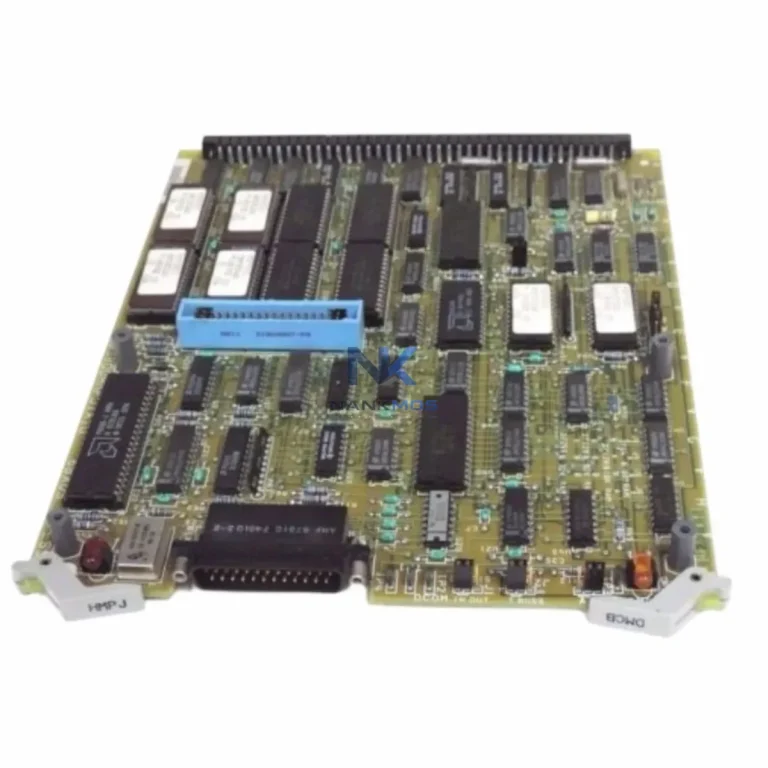
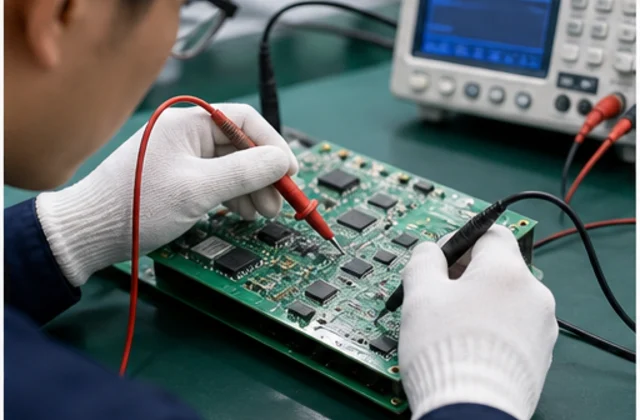
 Functional Inspection
100% tested on professional platforms to ensure stable performance.
GE IS200ECTBG1A is a NANKMOS industrial automation product record Listed under Mark VI series and Business & Industrial > Automation, Control & Flow Devices. Confirm condition, availability, lead time, compatibility and documentation by email inquiry.
Brand names are used for identification only.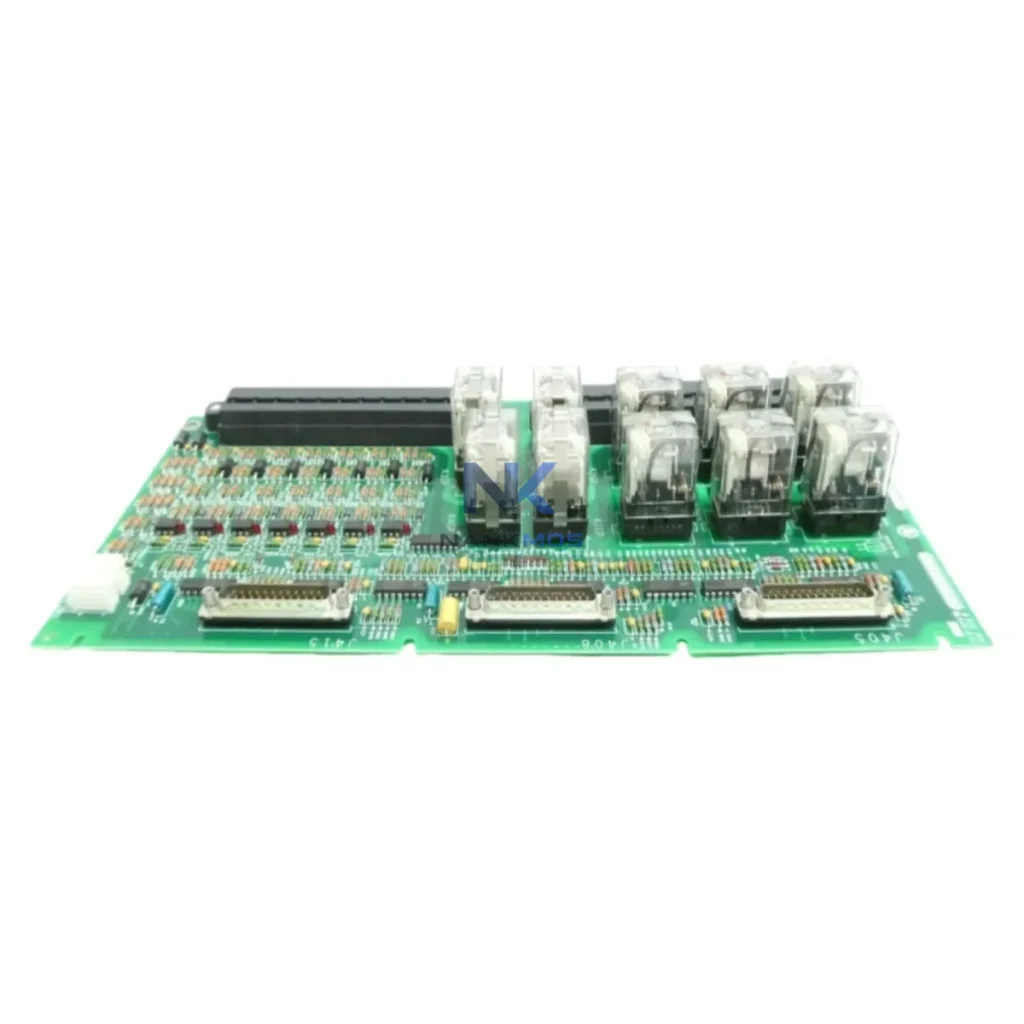
GE IS200ECTBG1A is a NANKMOS industrial automation product record Listed under Mark VI series and Business & Industrial > Automation, Control & Flow Devices. Confirm condition, availability, lead time, compatibility and documentation by email inquiry.
| Manufacturer | GE |
|---|---|
| Application | DCS / Control Board Replacement |
| Part Number / Model | IS200ECTBG1A |
| Compatible System | Mark VI |
| Series | Mark VI |
| Condition Options | To Confirm |
| Module Type | Control Board / Card |
| Warranty | 12 Months |
| Packaging | Anti-static Bag / Secure Box |
| Shipping Methods | DHL / FedEx / UPS / Air / Sea |
| Availability | To Confirm |
| Lead Time | To Confirm |
| Documentation | Part number and revision checked before quote |
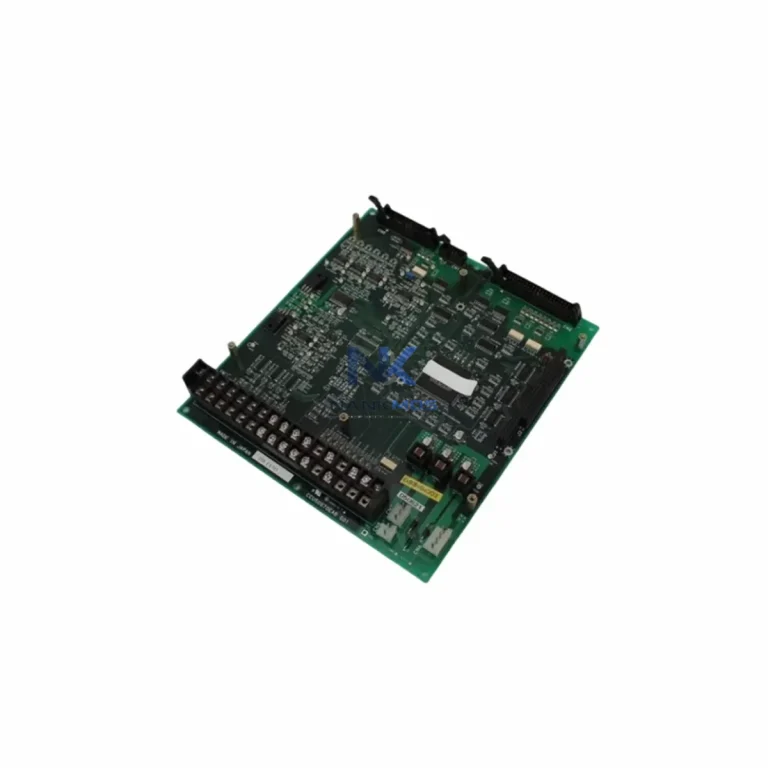
The GE IS200ECTBG1A is a precision-engineered exciter contact terminal board designed for the GE Mark VI turbine control platform. As a critical interface component within high-demand industrial power generation and process automation environments, the IS200ECTBG1A plays a central role in energy-aware excitation management, enabling operators to maintain stable generator output while minimizing reactive power losses and thermal stress across the drive system.
In modern smart production lines where energy efficiency is a measurable KPI, the IS200ECTBG1A integrates seamlessly into the Mark VI control architecture — coordinating excitation signals between the turbine controller, AVR (Automatic Voltage Regulator), and field excitation circuits. This tight integration reduces unnecessary field current draw, lowers heat dissipation in the exciter winding, and contributes directly to improved power factor and reduced auxiliary energy consumption across the plant.
The IS200ECTBG1A does not operate in isolation — its true value emerges when viewed as part of a coordinated, energy-conscious automation ecosystem. Within a GE Mark VI turbine control cabinet, this board interfaces directly with the IS200EACFG1A exciter AC feedback board, which monitors generator terminal voltage and feeds real-time data back to the Mark VI controller for closed-loop AVR regulation. Together, these boards ensure that field excitation is applied precisely and efficiently, avoiding over-excitation conditions that waste energy and accelerate insulation aging.
On the drive side, the IS200ECTBG1A works in coordination with the IS200VCRCH1B VME communications board, which handles high-speed data exchange between the turbine controller and plant-level SCADA systems. This communication pathway allows energy management software to monitor excitation status in real time, enabling operators to optimize reactive power dispatch and reduce grid penalty charges associated with poor power factor.
The board also interacts with the IS200TBAIH1C terminal board assembly for analog I/O, which collects temperature, pressure, and vibration signals from field sensors. These inputs feed into the Mark VI's predictive maintenance algorithms, allowing the system to detect early signs of exciter winding degradation or contact wear — conditions that, if left unaddressed, lead to inefficient energy transfer and unplanned downtime. Alongside the IS200JPDFG1A power distribution board, which manages auxiliary DC supply rails within the control cabinet, the IS200ECTBG1A benefits from clean, regulated power that ensures contact switching accuracy and minimizes spurious signal noise.
For plants running hybrid automation architectures, the IS200ECTBG1A can coexist with third-party PLCs and DCS platforms through the Mark VI's IS200BICLH1A bus interface card, which supports Modbus, Profibus, and Ethernet/IP communication protocols. This interoperability allows energy management systems (EMS) and SCADA platforms to pull excitation data alongside motor drive telemetry from variable frequency drives (VFDs) and servo amplifiers, creating a unified energy dashboard that supports load balancing and peak demand management across the entire production line.
In gas turbine power plants and combined-cycle facilities, excitation control is one of the most direct levers available for improving overall plant heat rate and reducing fuel consumption per megawatt-hour generated. The GE IS200ECTBG1A contributes to this goal by providing reliable, low-resistance contact switching that ensures the excitation system responds quickly and accurately to load changes on the generator bus.
When production lines experience load transients — such as the startup of large motor drives, the switching of high-power resistance heating elements, or the ramping of compressor trains — the excitation system must respond within milliseconds to maintain terminal voltage stability. A degraded or faulty exciter terminal board introduces contact resistance, signal delay, or intermittent open circuits that cause the AVR to over-correct, resulting in voltage oscillations, increased reactive current draw, and elevated thermal stress on the generator stator and rotor windings. By maintaining the IS200ECTBG1A in optimal condition, plant operators ensure that the excitation response remains crisp and energy-efficient under all load conditions.
Beyond voltage stability, the IS200ECTBG1A supports production line rhythm optimization by enabling the Mark VI controller to execute coordinated start-stop sequences for turbine-generator sets with minimal energy waste during run-up and coast-down phases. Integrated with the plant's energy management system, the board's contact status signals can trigger automated load shedding routines during off-peak periods, reducing auxiliary power consumption and extending the service life of rotating equipment.
Predictive maintenance integration is another key energy optimization benefit. By monitoring contact wear indicators through the Mark VI's diagnostic framework, maintenance teams can schedule IS200ECTBG1A replacements during planned outages rather than responding to emergency failures — eliminating the energy waste and production losses associated with unplanned shutdowns. NANKMOS maintains ready inventory of the IS200ECTBG1A to support rapid deployment, with each unit undergoing full functional testing and burn-in verification before shipment, backed by a 12-month warranty that covers both parts and workmanship.
Q1: How does the IS200ECTBG1A contribute to energy savings in a turbine generator system?The IS200ECTBG1A ensures low-resistance, high-reliability contact switching within the excitation circuit, which directly reduces reactive power losses and prevents over-excitation conditions. A properly functioning exciter terminal board allows the AVR to maintain optimal field current levels, improving the generator's power factor and reducing fuel consumption per unit of electrical output.
Q2: Is the IS200ECTBG1A compatible with both GE Mark VI and Mark VIe control systems?Yes. The IS200ECTBG1A is designed for the GE Mark VI platform and is also compatible with Mark VIe systems that share the same I/O bus architecture. For integration with third-party DCS or PLC platforms, the Mark VI's bus interface cards support standard industrial communication protocols, allowing excitation data to be shared with plant-wide energy management and SCADA systems.
Q3: What is the recommended replacement interval, and how do I verify the board before installation?Replacement intervals depend on operating environment and duty cycle, but condition-based monitoring through the Mark VI diagnostic suite is recommended. Each IS200ECTBG1A supplied by NANKMOS undergoes pre-shipment functional testing, including contact resistance measurement, insulation verification, and signal integrity checks, ensuring the board meets OEM performance specifications before it enters service.
Q4: What warranty and supply lead time can I expect for the IS200ECTBG1A?NANKMOS stocks the IS200ECTBG1A for immediate shipment, with typical lead times of 1–3 business days for in-stock units. All boards are covered by a 12-month warranty from the date of shipment, covering manufacturing defects and functional failures under normal operating conditions. Expedited shipping options are available for urgent production line recovery situations.
Functional Inspection100% tested on professional platforms to ensure stable performance.
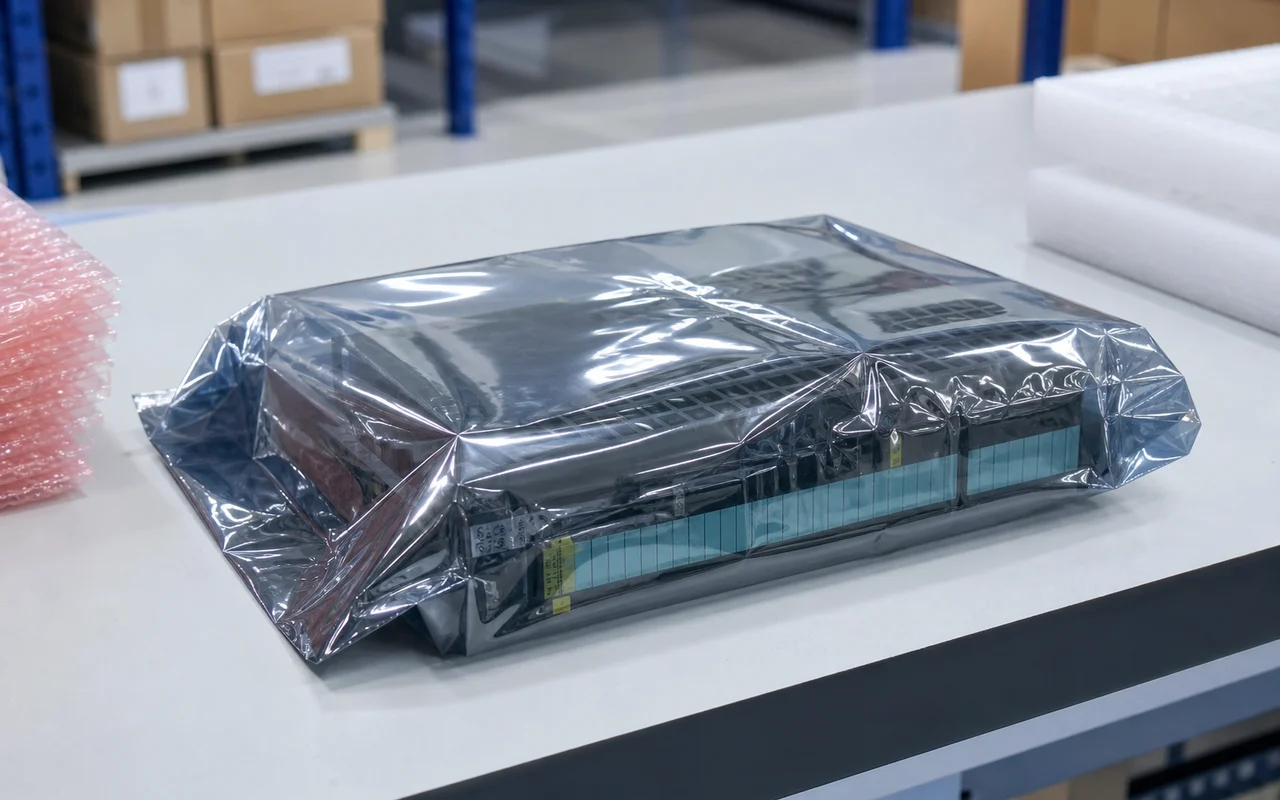 Anti-static Packaging
Modules are packed in anti-static bags to prevent electrostatic damage.
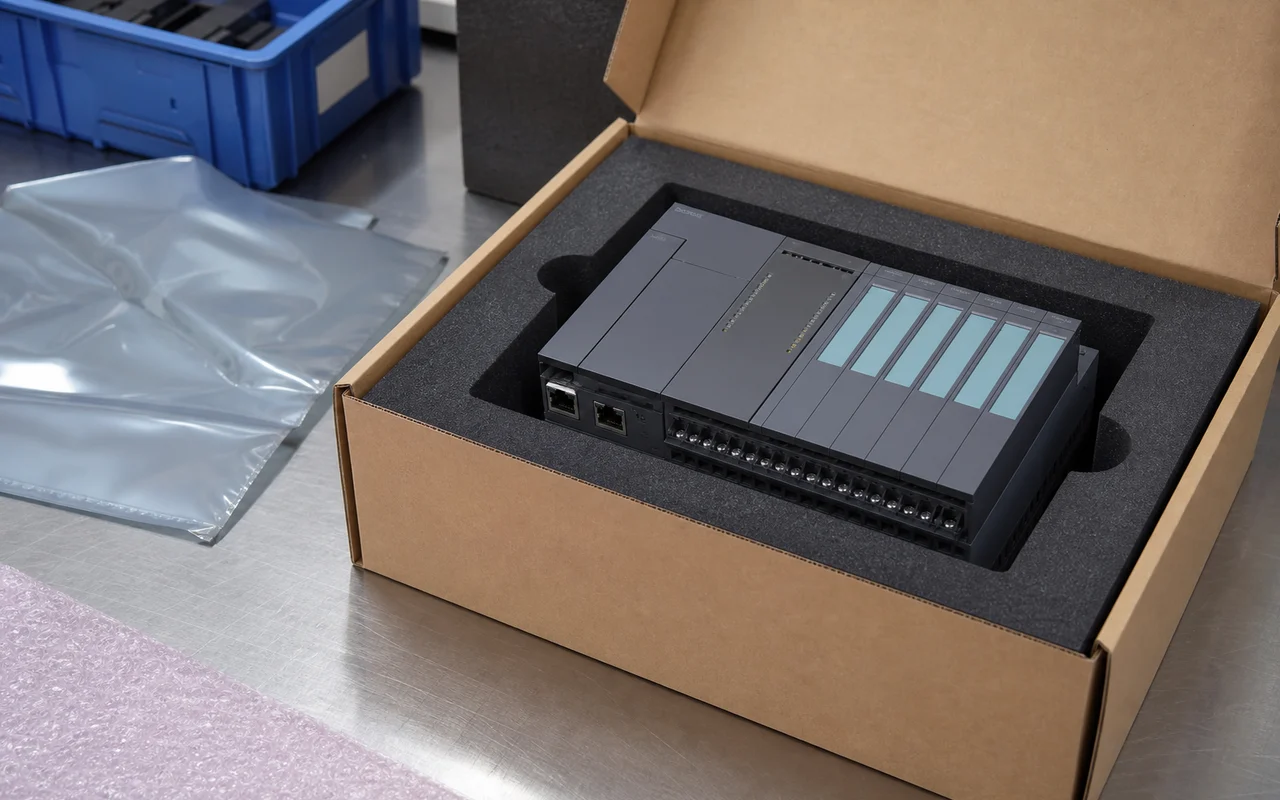 Secure Export Packing
Cushion protection and strong cartons ensure safe transportation.
 Worldwide Shipping
Global logistics network supports air, sea and express delivery.
 Documentation Check
Part number, revision and compatibility verified before shipment.
 After-sales Support
Professional technical support to help resolve your issues.