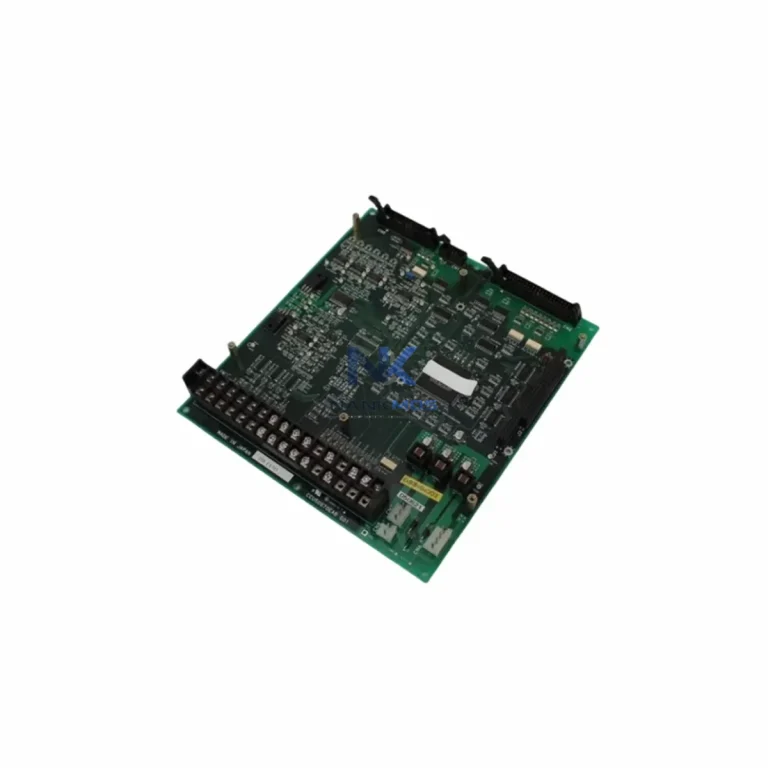
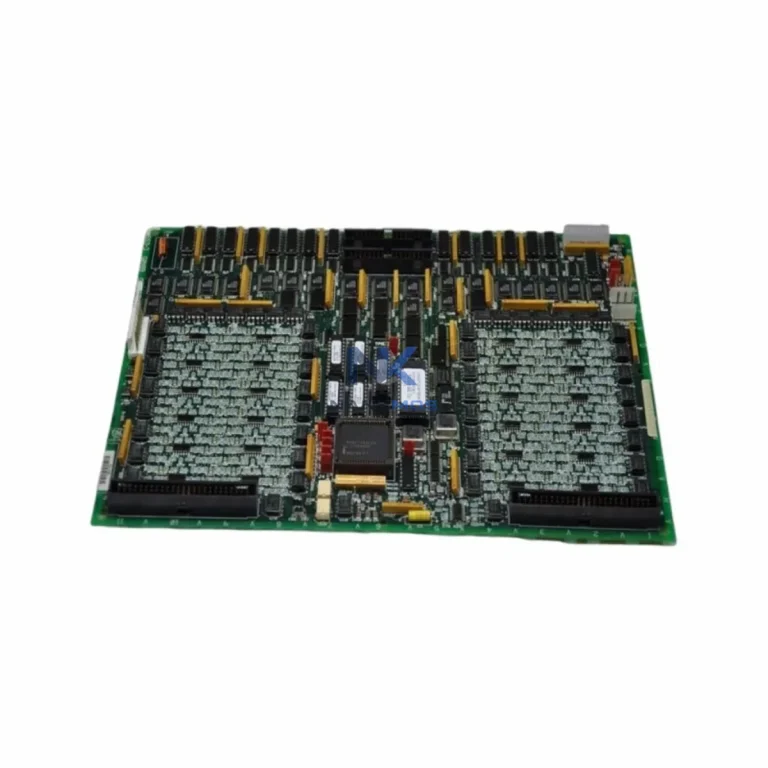
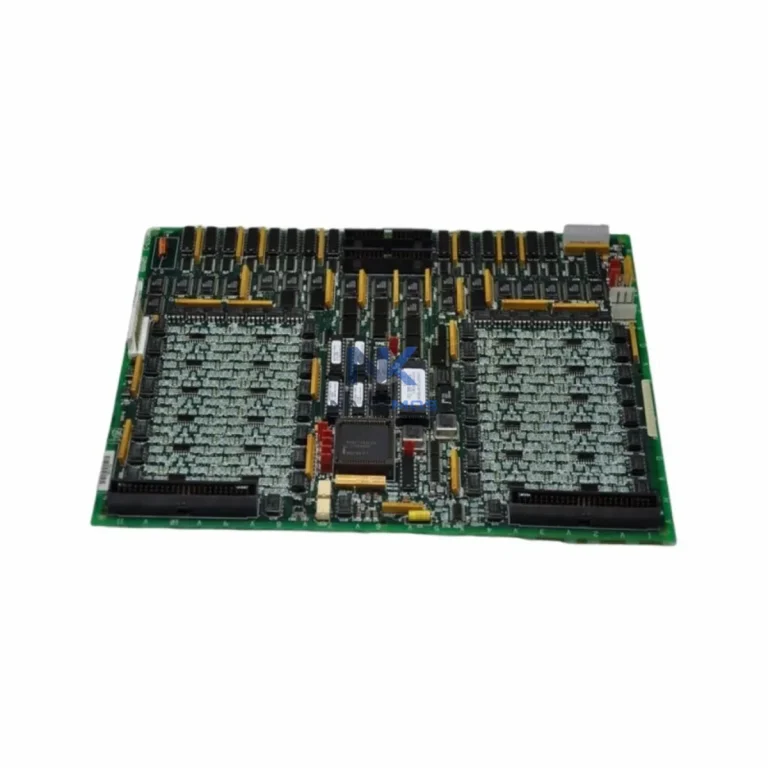
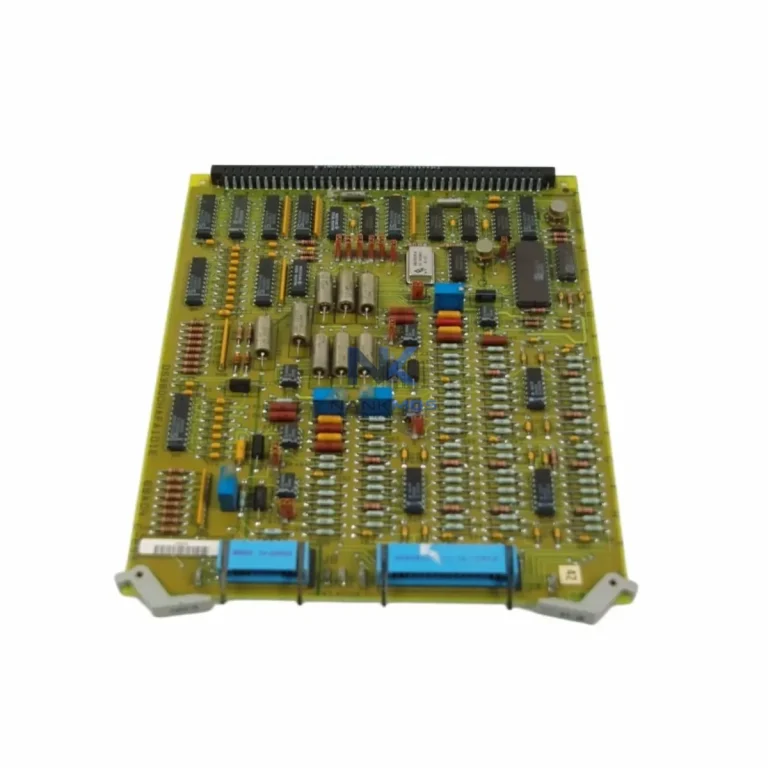
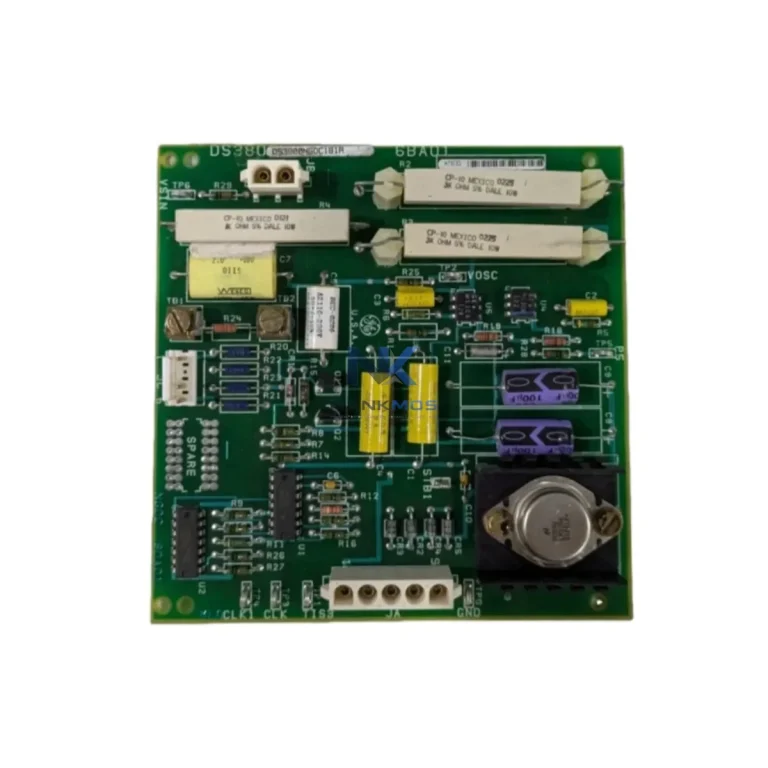
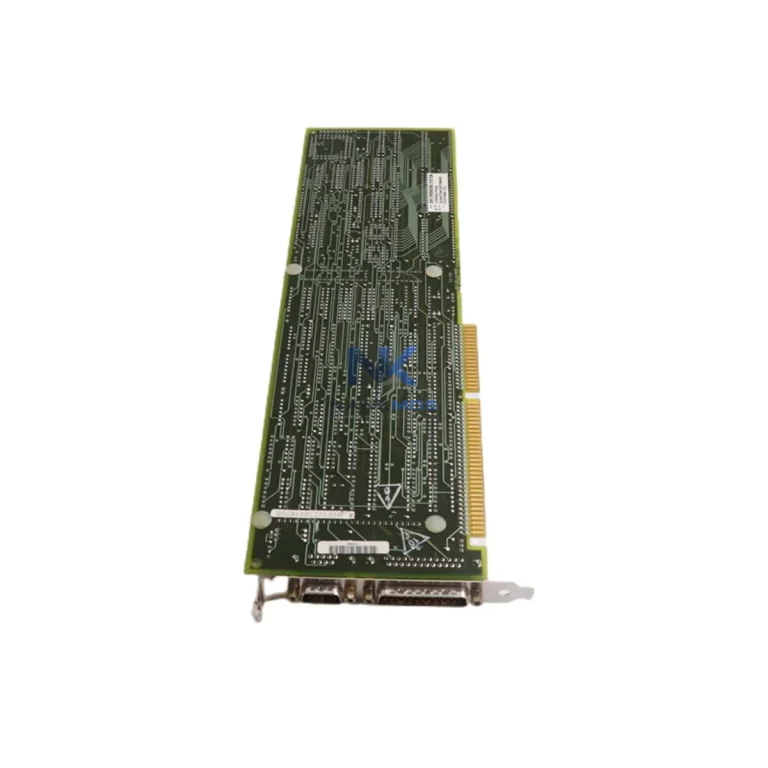
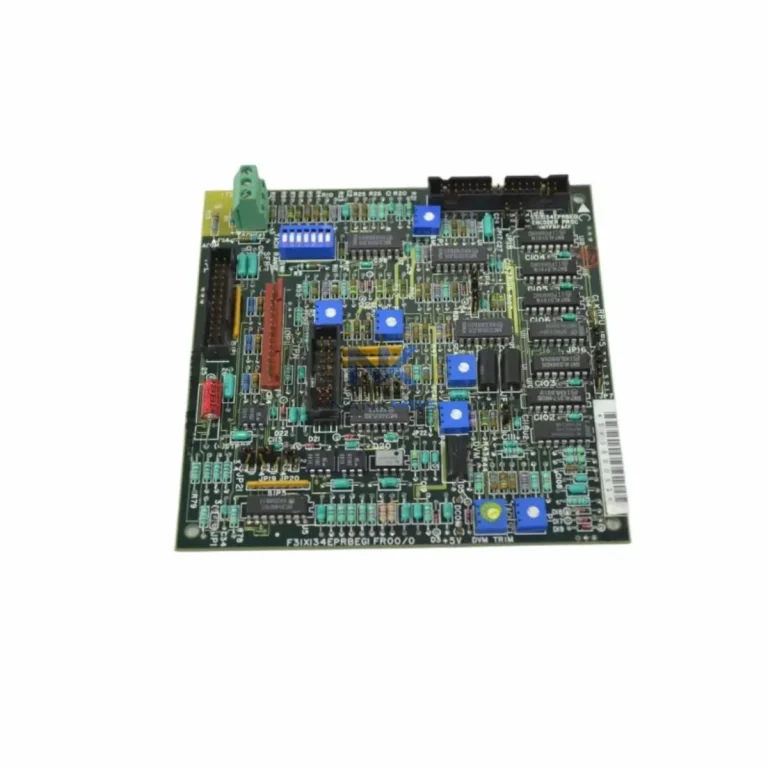
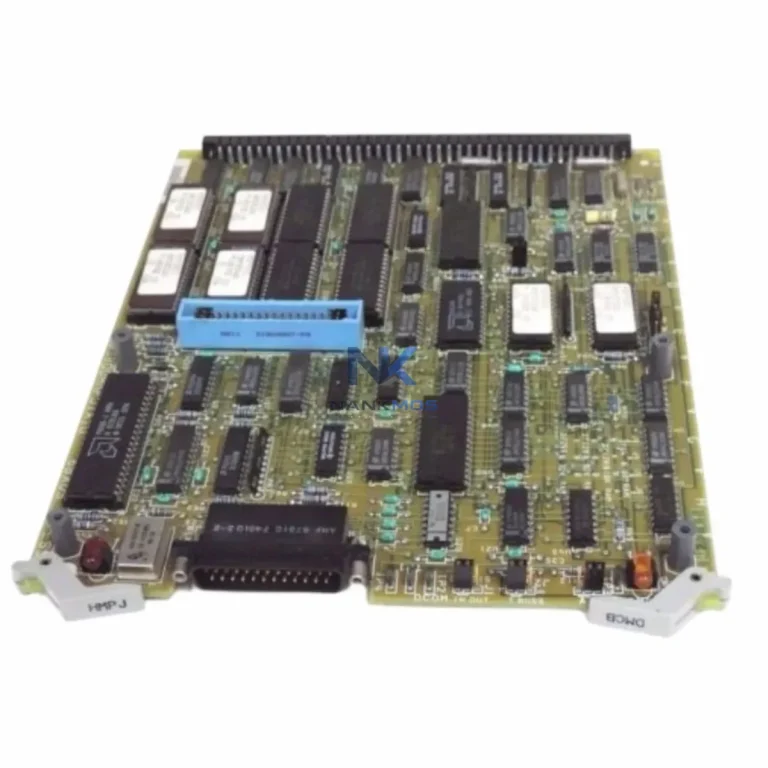
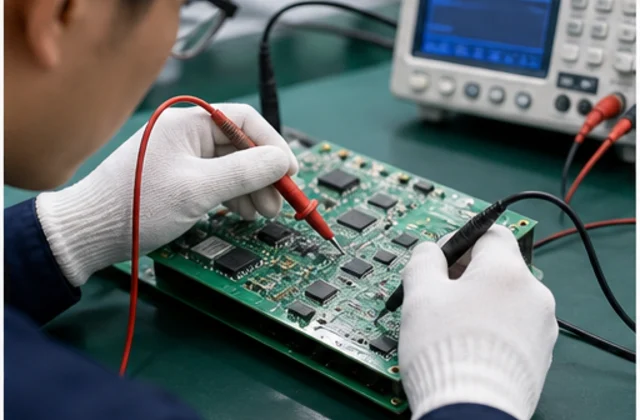
 Functional Inspection
100% tested on professional platforms to ensure stable performance.
GE IS200ESELH1A IS200ESELH1AAA is a NANKMOS industrial automation product record Listed under Mark VI series and Business & Industrial > Automation, Control & Flow Devices. Confirm condition, availability, lead time, compatibility and documentation by email inquiry.
Brand names are used for identification only.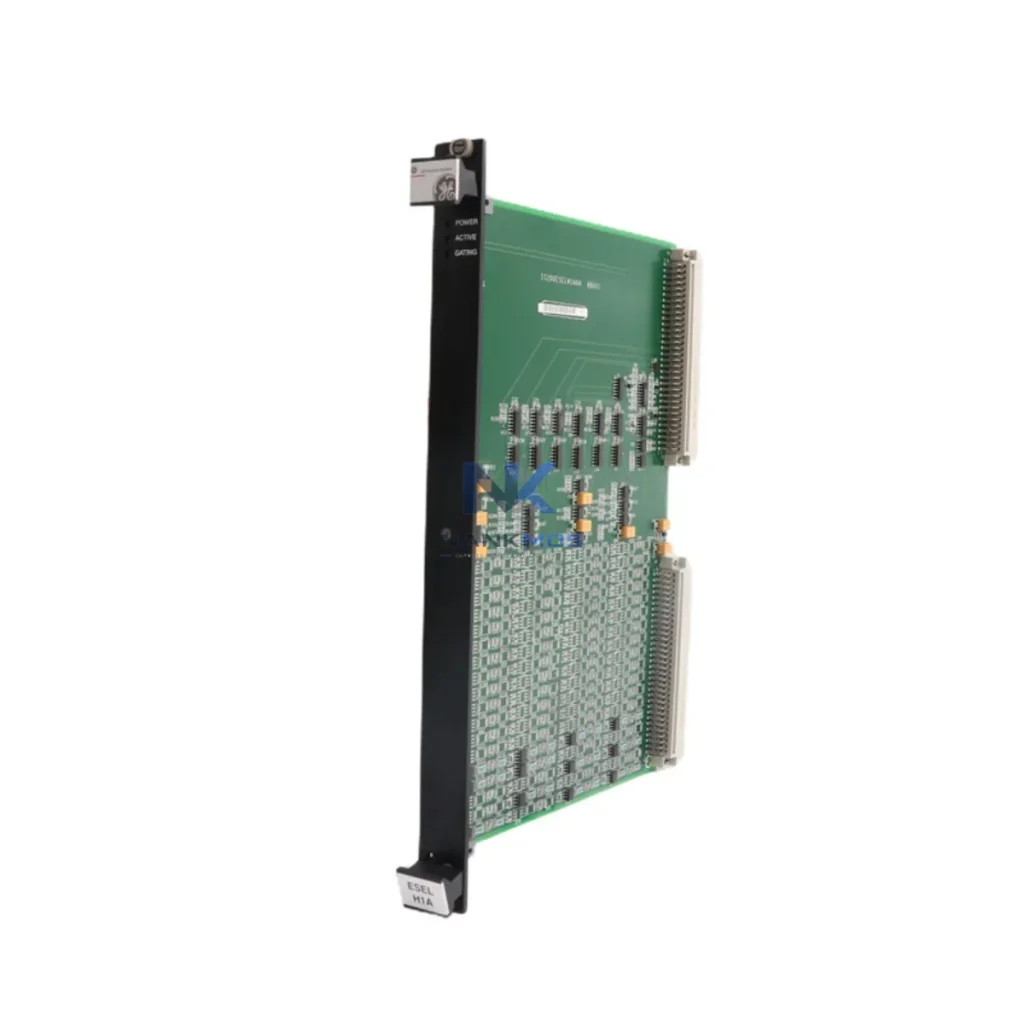
GE IS200ESELH1A IS200ESELH1AAA is a NANKMOS industrial automation product record Listed under Mark VI series and Business & Industrial > Automation, Control & Flow Devices. Confirm condition, availability, lead time, compatibility and documentation by email inquiry.
| Manufacturer | GE |
|---|---|
| Application | DCS / Control Board Replacement |
| Part Number / Model | IS200ESELH1A IS200ESELH1AAA |
| Compatible System | Mark VI |
| Series | Mark VI |
| Condition Options | To Confirm |
| Module Type | Control Board / Card |
| Warranty | 12 Months |
| Packaging | Anti-static Bag / Secure Box |
| Shipping Methods | DHL / FedEx / UPS / Air / Sea |
| Availability | To Confirm |
| Lead Time | To Confirm |
| Documentation | Part number and revision checked before quote |
The GE IS200ESELH1A is a high-reliability Exciter Selector Board engineered for the GE Mark VI turbine control platform, serving as a critical node in the industrial data chain between field excitation hardware and upper-level automation systems. Designed for gas turbine, steam turbine, and combined-cycle power generation environments, the IS200ESELH1A enables seamless exciter signal selection, redundancy switching, and real-time status reporting across the Mark VI control architecture. Its integration into the IONET-based communication backbone ensures that exciter state data flows continuously from the turbine control cabinet to SCADA platforms, DCS systems, and HMI workstations without interruption.
In modern smart factory and power plant automation environments, every millisecond of data latency matters. The IS200ESELH1A addresses this by maintaining deterministic signal paths within the Mark VI I/O network, supporting real-time data acquisition from excitation circuits and forwarding structured status packets to the IS200IOCIH1B I/O controller and IS215UCVEH2A VME controller modules. This tight integration eliminates data islands between the exciter subsystem and the broader plant automation layer, enabling operators to monitor exciter health, switching events, and fault conditions directly from their SCADA or HMI consoles.
The IS200ESELH1A sits at the intersection of field-level excitation hardware and the plant-wide data network. In a typical Mark VI turbine control cabinet, the exciter selector board receives analog and discrete signals from the excitation system, evaluates redundancy conditions, and routes the selected exciter output to the IS200EACFH1A exciter application board for further processing. Simultaneously, the IS200ESELH1A transmits switching status and health data over the VME backplane to the IS215UCVEH2A VME controller, which aggregates I/O data from multiple Mark VI boards and forwards it upstream via the IONET Ethernet backbone.
At the network layer, the IONET backbone connects the Mark VI control cabinet to the plant's industrial Ethernet infrastructure. An OPC-UA gateway — such as those integrated into GE's ToolboxST configuration environment — bridges the IONET protocol to standard Modbus TCP or OPC-DA, making IS200ESELH1A exciter data accessible to third-party SCADA platforms, historian servers, and HMI workstations. Operators using GE's WorkstationST HMI can view real-time exciter selector status, switching events, and alarm conditions on dedicated turbine overview screens.
For remote I/O expansion and distributed monitoring, the IS200ESELH1A data chain extends to IS200IOCIH1B I/O controller boards that manage additional field signals across the turbine skid. Edge gateway devices installed at the substation level can aggregate IONET data streams from multiple Mark VI cabinets, enabling plant-wide energy management systems to correlate exciter performance with generator output, grid frequency, and reactive power demand. Variable frequency drives (VFDs) controlling auxiliary systems — cooling fans, lube oil pumps, and fuel gas compressors — can also be monitored within the same SCADA view, providing a unified operational picture of the entire turbine-generator unit.
Data visualization dashboards built on historian platforms receive time-stamped exciter switching records from the IS200ESELH1A data path, enabling trend analysis, predictive maintenance scheduling, and compliance reporting. Alarm management systems configured in the SCADA layer can trigger automated notifications when the IS200ESELH1A detects an exciter fault or initiates an unplanned redundancy switch, ensuring maintenance teams receive immediate alerts regardless of their physical location.
Many power generation and industrial automation sites operate with fragmented control architectures where exciter subsystems, turbine controllers, and plant SCADA platforms use incompatible protocols or proprietary communication standards. The IS200ESELH1A, as part of the GE Mark VI ecosystem, addresses this challenge by providing a standardized IONET interface that can be bridged to open protocols including Modbus TCP and OPC-UA, eliminating the protocol mismatch that often creates data silos between the turbine control layer and enterprise-level monitoring systems.
Remote diagnostics represent another critical capability enabled by the IS200ESELH1A data path. Maintenance engineers can access real-time exciter selector status, switching history, and fault logs through the ToolboxST diagnostic interface without requiring physical access to the turbine control cabinet. This capability is particularly valuable for remote or offshore installations where on-site intervention is costly and time-consuming. Alarm tracking and event logging functions capture every exciter switching event with millisecond-resolution timestamps, providing the audit trail required for root cause analysis and regulatory compliance.
Production line transparency is enhanced when IS200ESELH1A data is integrated into plant-wide energy management dashboards. Operations teams can correlate exciter performance metrics with generator efficiency KPIs, identifying degradation trends before they result in unplanned outages. System expansion is straightforward within the Mark VI architecture — additional IS200ESELH1A boards can be added to support multi-exciter configurations or redundant control paths without requiring changes to the IONET network topology or SCADA configuration.
Q: What communication protocols does the GE IS200ESELH1A support for SCADA integration? A: The IS200ESELH1A communicates natively over GE's IONET proprietary Ethernet protocol within the Mark VI control architecture. For integration with third-party SCADA and DCS platforms, IONET data is bridged to Modbus TCP or OPC-DA/UA via the ToolboxST gateway configuration, enabling compatibility with standard industrial automation supervisory systems.
Q: Can the IS200ESELH1A support remote diagnostics and fault monitoring? A: Yes. Through the Mark VI IONET backbone and ToolboxST diagnostic software, maintenance engineers can remotely access real-time exciter selector status, switching event logs, and fault condition data. This remote diagnostic capability reduces the need for on-site intervention and supports predictive maintenance programs in power generation facilities.
Q: How does the IS200ESELH1A ensure network stability in high-availability turbine control applications? A: The IS200ESELH1A is designed for the Mark VI's triple-redundant control architecture (TMR — Triple Modular Redundancy), where three parallel control paths continuously cross-check exciter selector states. Network stability is maintained through deterministic IONET communication with hardware-level fault detection, ensuring that a single board or network segment failure does not interrupt turbine control or data reporting to the SCADA layer.
Q: What warranty and pre-shipment testing does the IS200ESELH1A include? A: Every IS200ESELH1A unit supplied by NANKMOS is covered by a 12-Month Warranty and undergoes pre-shipment functional testing to verify board integrity, communication interface operation, and signal path continuity. In-stock units are available for immediate dispatch, with full traceability documentation provided upon request.
Functional Inspection100% tested on professional platforms to ensure stable performance.
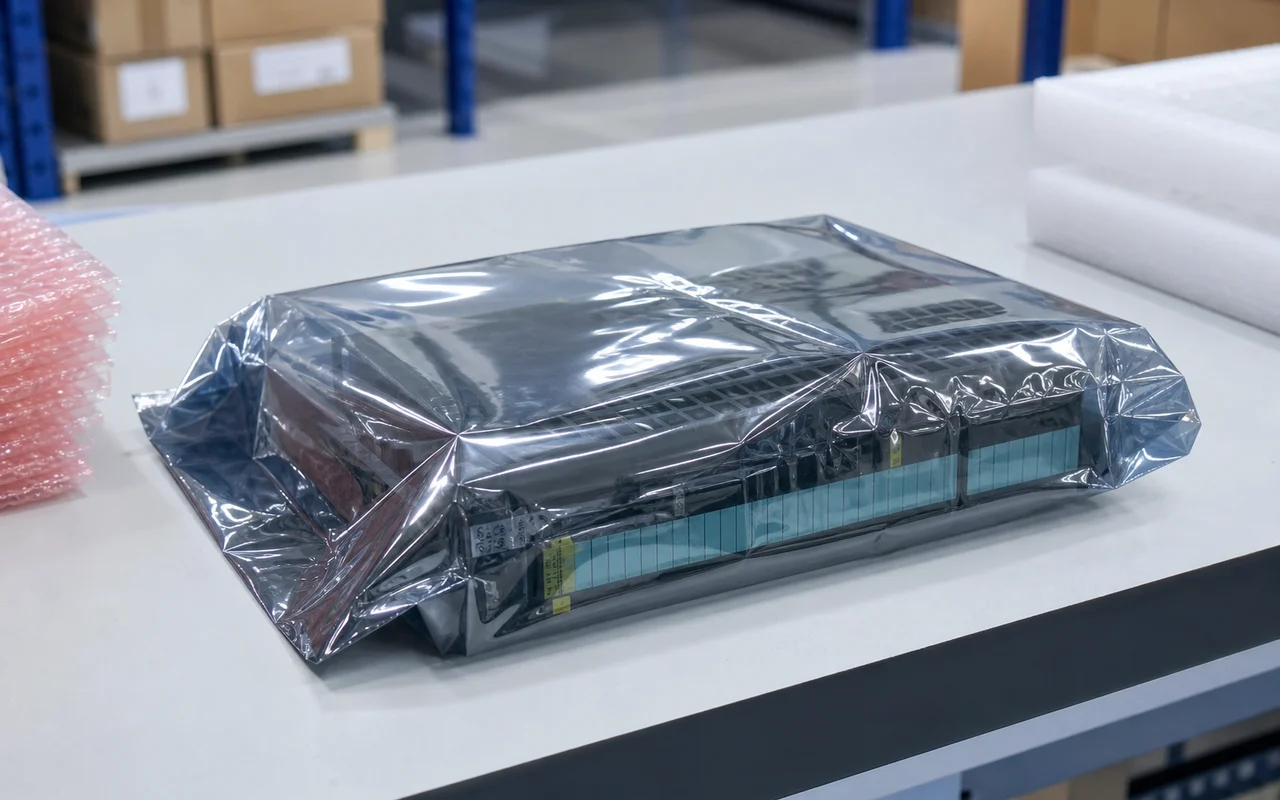 Anti-static Packaging
Modules are packed in anti-static bags to prevent electrostatic damage.
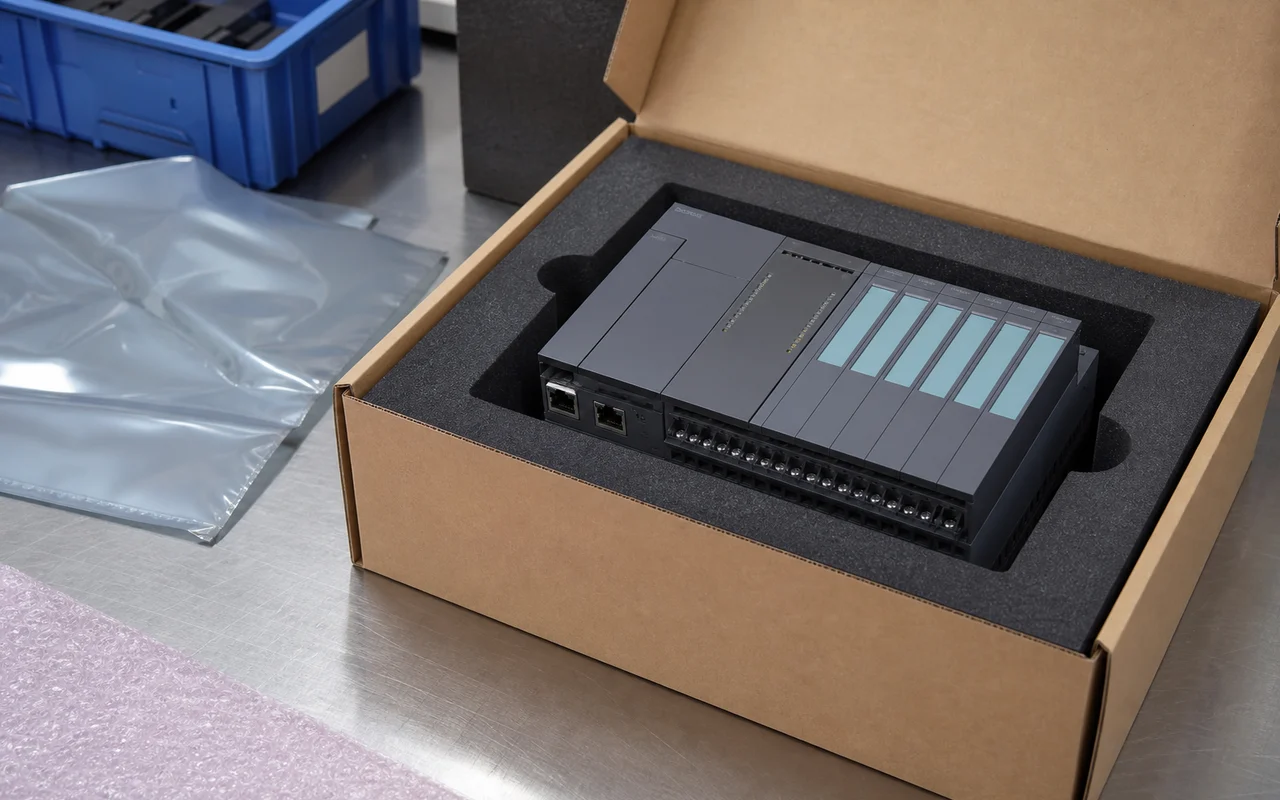 Secure Export Packing
Cushion protection and strong cartons ensure safe transportation.
 Worldwide Shipping
Global logistics network supports air, sea and express delivery.
 Documentation Check
Part number, revision and compatibility verified before shipment.
 After-sales Support
Professional technical support to help resolve your issues.