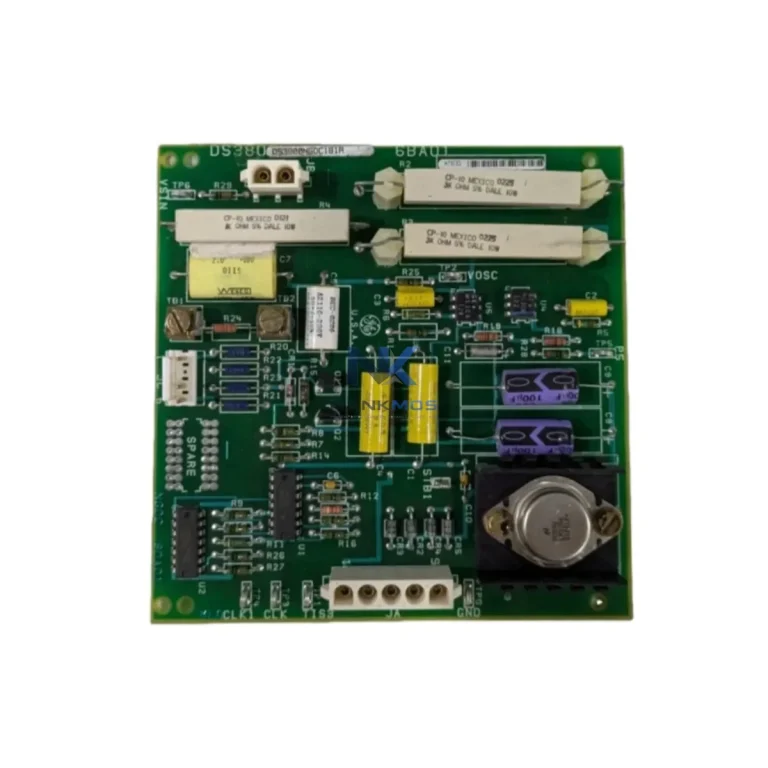
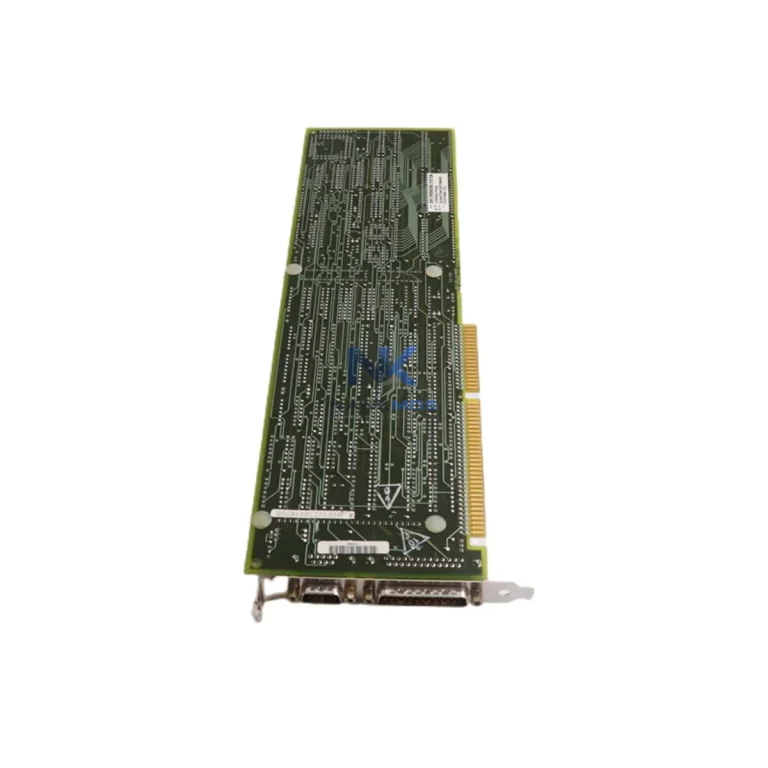
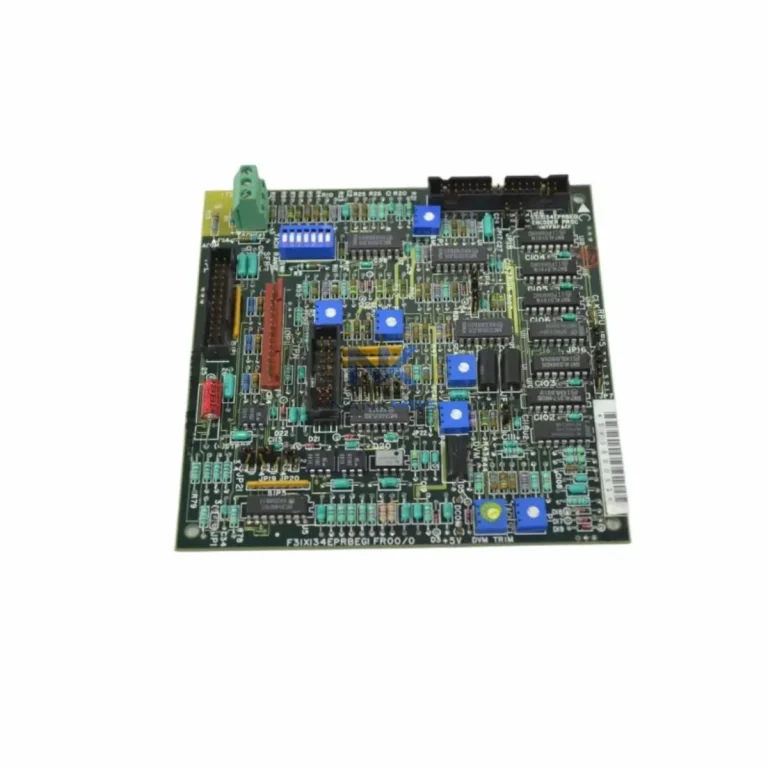
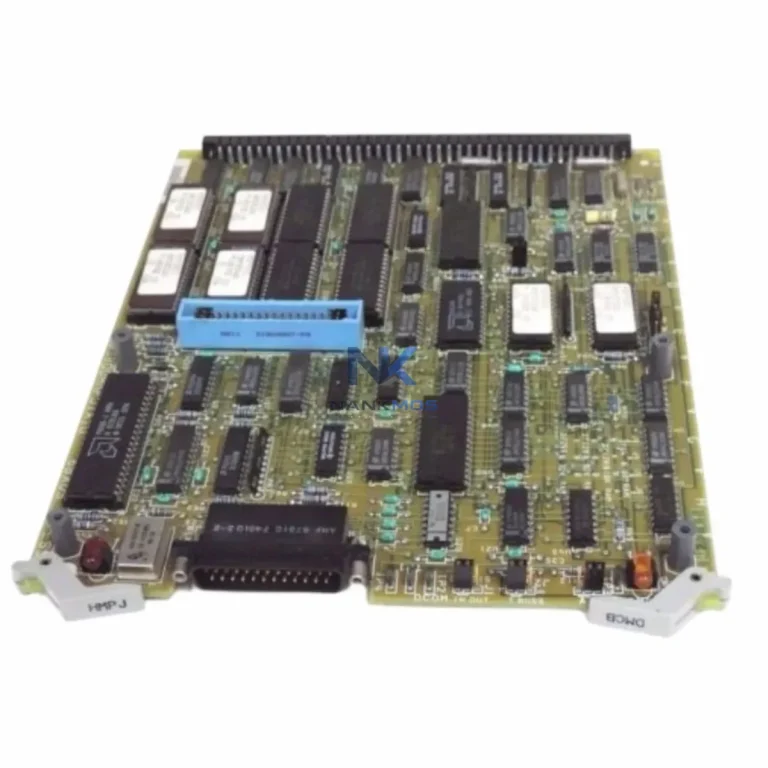
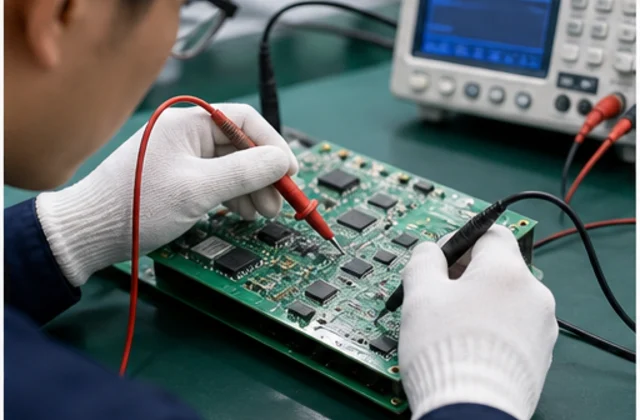
 Functional Inspection
100% tested on professional platforms to ensure stable performance.
GE IS200EXHSG4A is a NANKMOS industrial automation product record Listed under Mark VI series and Business & Industrial > Automation, Control & Flow Devices. Confirm condition, availability, lead time, compatibility and documentation by email inquiry.
Brand names are used for identification only.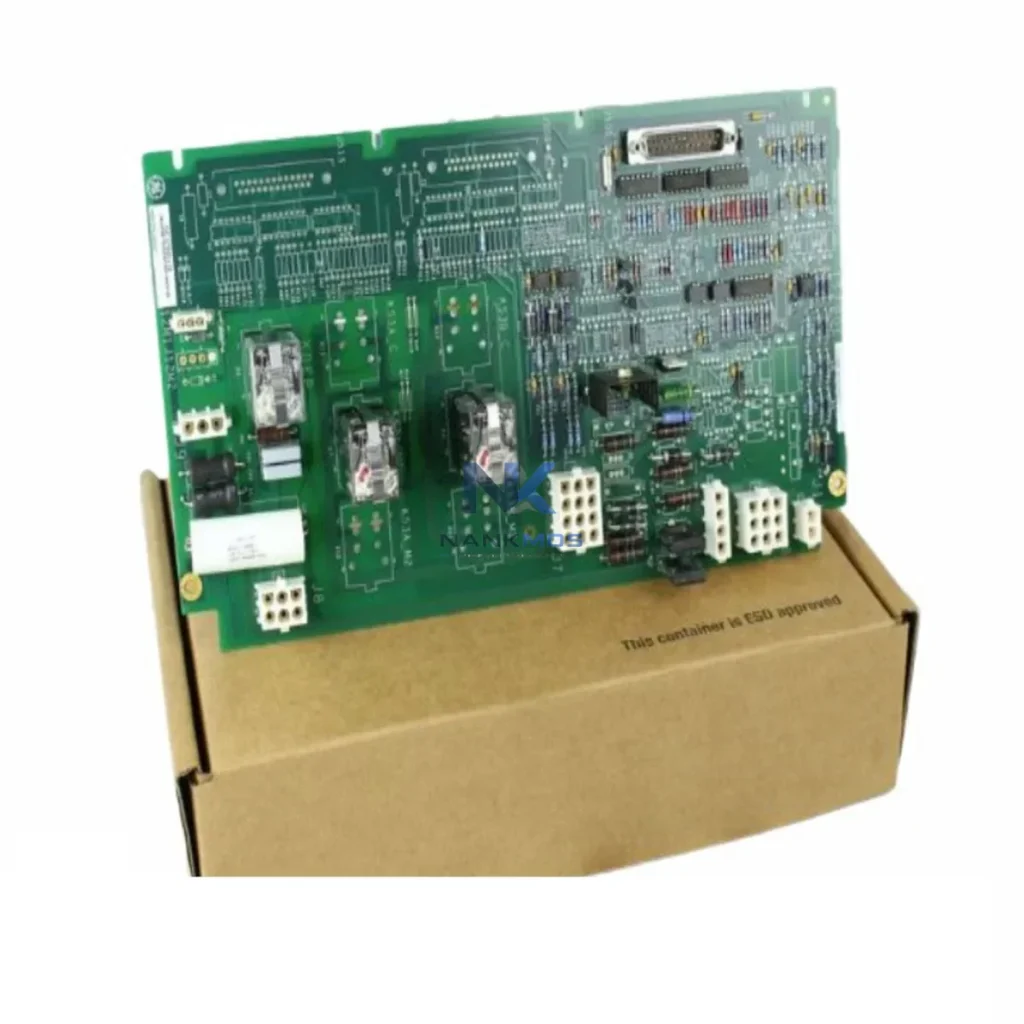
GE IS200EXHSG4A is a NANKMOS industrial automation product record Listed under Mark VI series and Business & Industrial > Automation, Control & Flow Devices. Confirm condition, availability, lead time, compatibility and documentation by email inquiry.
| Manufacturer | GE |
|---|---|
| Application | DCS / Control Board Replacement |
| Part Number / Model | IS200EXHSG4A |
| Compatible System | Mark VI |
| Series | Mark VI |
| Condition Options | To Confirm |
| Module Type | Control Board / Card |
| Warranty | 12 Months |
| Packaging | Anti-static Bag / Secure Box |
| Shipping Methods | DHL / FedEx / UPS / Air / Sea |
| Availability | To Confirm |
| Lead Time | To Confirm |
| Documentation | Part number and revision checked before quote |
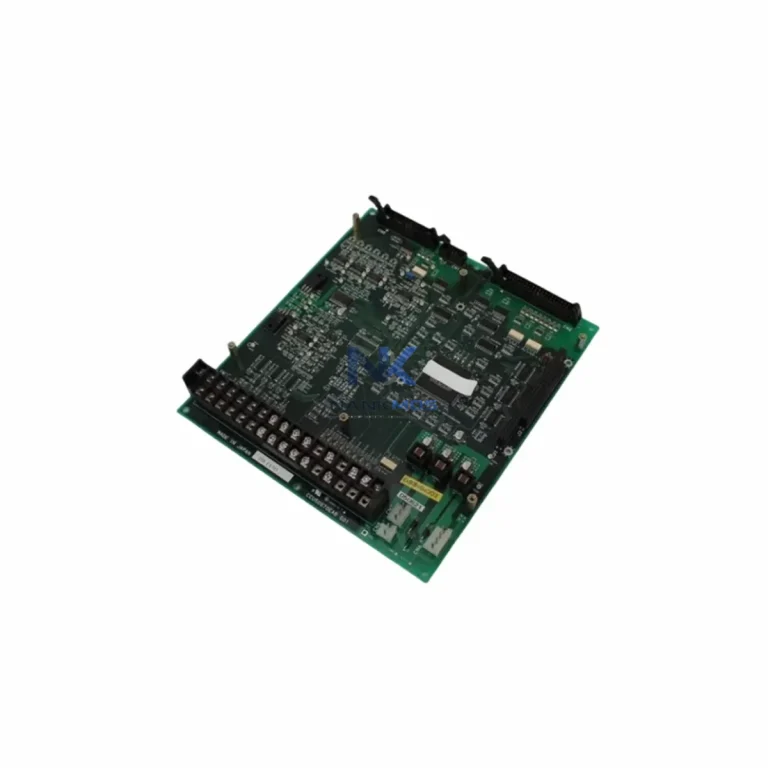
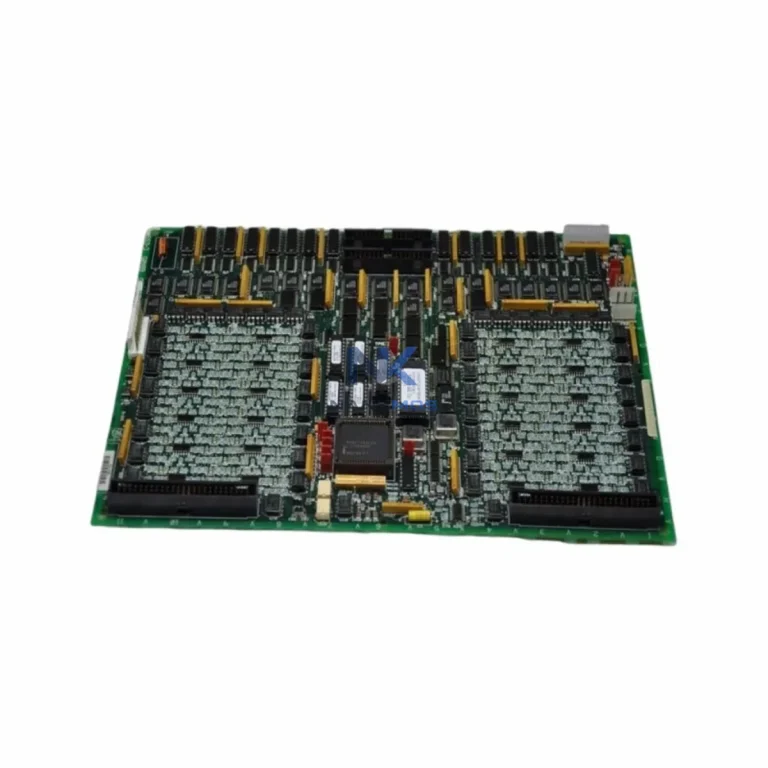
The GE IS200EXHSG4A is a precision-engineered exciter terminal board designed for the GE Mark VI turbine control platform, serving as a critical node in the industrial data chain between field excitation hardware and the plant-wide control network. In modern smart factory and power generation environments, the IS200EXHSG4A bridges the gap between analog excitation signals and the digital communication backbone that feeds SCADA systems, HMI panels, and distributed control architectures. Its role extends far beyond simple signal termination — it is an active participant in the real-time data flow that enables remote diagnostics, alarm management, and continuous performance monitoring across the entire turbine control loop.
Within a Mark VI-based control architecture, the IS200EXHSG4A interfaces directly with exciter drive modules and power conditioning boards, collecting voltage, current, and field excitation feedback signals that are then processed and transmitted upstream through the Mark VI I/O network. This data is consumed by the Mark VI controller — typically housed in an MKVI TMR (Triple Modular Redundant) cabinet — and forwarded via industrial Ethernet or serial gateway modules to the plant DCS or SCADA server. The result is a seamless, low-latency data pipeline from the generator excitation field to the operator workstation, enabling real-time visibility into excitation health, field current trends, and AVR (Automatic Voltage Regulator) performance.
In connected factory deployments, the IS200EXHSG4A works in concert with companion boards such as the IS200ESELH1A exciter selector board and the IS200EPCTG1A power converter terminal board, forming a tightly integrated excitation subsystem. Signal integrity from these boards is essential for the Mark VI's ability to execute closed-loop excitation control and report accurate data to upstream systems. When paired with GE's IS200STCIH1A or IS200STCIG1A terminal boards for I/O signal conditioning, the excitation data chain achieves the resolution and reliability required for turbine protection and grid synchronization applications.
From a network architecture perspective, the Mark VI platform supporting the IS200EXHSG4A typically communicates over IONet — GE's proprietary deterministic industrial Ethernet — as well as standard Modbus TCP/IP and OPC-DA/OPC-UA interfaces for SCADA and historian integration. This means excitation data captured at the IS200EXHSG4A level can be surfaced in real time on GE iFIX or Cimplicity HMI screens, logged to OSIsoft PI historians, or forwarded to cloud-based analytics platforms via edge gateway devices. The communication path supports both cyclic data exchange for continuous monitoring and acyclic messaging for alarm and event reporting, ensuring that excitation faults are immediately visible to plant operators regardless of their location.
Remote diagnostics capability is a key value driver for the IS200EXHSG4A in smart factory contexts. When integrated with a plant's remote monitoring infrastructure — whether through a dedicated industrial VPN gateway, a cellular RTU, or a Modbus-to-Ethernet protocol converter — maintenance engineers can interrogate excitation board status, review historical fault logs, and perform parameter adjustments without requiring physical access to the turbine control cabinet. This capability dramatically reduces mean time to repair (MTTR) and supports predictive maintenance strategies by enabling trend analysis on excitation current, field voltage, and AVR output over time.
The IS200EXHSG4A is also compatible with plant-wide asset management systems that rely on standardized industrial communication protocols. In facilities running Profibus DP or DeviceNet alongside Ethernet-based networks, protocol gateway modules — such as those in the HMS Anybus or Moxa MGate series — can be deployed to bridge the Mark VI's native IONet data to the broader plant fieldbus, ensuring that excitation data is accessible to PLCs, remote I/O stations, and energy management systems operating on different protocol stacks. This interoperability is critical in brownfield installations where legacy fieldbus infrastructure coexists with modern Ethernet-based control systems.
Data visualization and alarm management are further enhanced when the IS200EXHSG4A's excitation data is integrated into a unified SCADA dashboard. Operators can configure real-time trend displays for field current and excitation voltage, set threshold-based alarms for over-excitation or under-excitation conditions, and generate automated reports for compliance and performance review. When combined with GE's Mark VI diagnostic software tools and third-party SCADA platforms such as Wonderware System Platform or Ignition by Inductive Automation, the excitation data chain becomes a fully transparent, auditable record of turbine electrical performance.
For system integrators and plant engineers specifying replacement or spare boards, the IS200EXHSG4A is available from stock with a 12-month warranty, full pre-shipment functional testing, and documented traceability. Each unit undergoes outgoing quality inspection to verify connector integrity, board-level continuity, and compatibility with Mark VI firmware revisions. Fast lead times and reliable inventory availability make the IS200EXHSG4A a dependable choice for both planned maintenance windows and emergency replacement scenarios in power generation and industrial automation facilities worldwide.
In a fully connected smart factory or power plant, the IS200EXHSG4A sits at the intersection of the physical excitation hardware and the plant's digital data infrastructure. Field excitation signals — including field current feedback, AVR reference signals, and exciter protection inputs — are terminated at the IS200EXHSG4A's precision terminal blocks, where they are conditioned and routed to the Mark VI controller backplane. The Mark VI TMR controller processes these signals in real time, executing excitation control algorithms and publishing data to the IONet communication bus.
From the IONet bus, data flows to the Mark VI HMI server, where GE Cimplicity or iFIX HMI software renders real-time excitation dashboards for plant operators. Simultaneously, an OPC-UA server running on the Mark VI workstation publishes excitation data to the plant DCS — often a GE Ovation, ABB 800xA, or Emerson DeltaV system — enabling cross-system alarm correlation and integrated plant-wide monitoring. For facilities requiring historian integration, OSIsoft PI data collectors subscribe to the OPC-UA feed, archiving excitation trends for long-term performance analysis and regulatory reporting.
Where legacy fieldbus infrastructure exists alongside the Mark VI network, protocol gateway devices bridge the communication gap. An HMS Anybus X-gateway or Moxa MGate MB3000 series converter can translate Modbus TCP data from the Mark VI network to Profibus DP or DeviceNet, making excitation data accessible to remote I/O stations, variable frequency drives (VFDs), and third-party PLCs operating on different protocol stacks. This architecture ensures that the IS200EXHSG4A's data contribution is not siloed within the Mark VI platform but is instead available across the full plant automation hierarchy — from field device to enterprise MES and ERP systems.
Edge computing nodes deployed near the turbine control cabinet can further enhance the data flow by performing local analytics on excitation data before forwarding aggregated results to the cloud or central SCADA server. Industrial edge gateways running IEC 61131-3 logic or Python-based analytics can detect early signs of excitation degradation — such as rising field current at constant load — and trigger predictive maintenance alerts before a fault condition develops. This closed-loop diagnostic capability, enabled by the IS200EXHSG4A's role in the data chain, transforms reactive maintenance into a proactive, data-driven discipline.
Many industrial facilities operating GE Mark VI turbine control systems face persistent data challenges: protocol fragmentation between the Mark VI IONet and plant-wide Modbus or Profibus networks, data silos that prevent excitation health data from reaching the SCADA or DCS layer, and limited remote monitoring capability that forces on-site intervention for routine diagnostics. The IS200EXHSG4A, as the primary excitation signal termination point in the Mark VI architecture, is central to resolving these challenges.
Protocol unification is addressed by deploying OPC-UA or Modbus TCP gateways at the Mark VI workstation level, converting IONet data — including excitation board signals from the IS200EXHSG4A — into standard industrial protocols accessible to any SCADA, DCS, or historian platform. This eliminates the need for proprietary integration middleware and reduces the risk of data loss during protocol translation.
Data silo elimination is achieved by integrating the Mark VI's OPC-UA server with the plant's unified data platform, ensuring that excitation data from the IS200EXHSG4A is available alongside process data from other plant systems — boiler controls, cooling water systems, and electrical switchgear — in a single operational dashboard. This unified view enables cross-system alarm correlation and root cause analysis that would be impossible with siloed data architectures.
Remote monitoring and alarm tracking are enabled by configuring the Mark VI's Modbus TCP interface to publish excitation board status registers to a remote monitoring platform accessible via secure industrial VPN. Maintenance engineers can review IS200EXHSG4A-related fault codes, excitation current trends, and AVR status remotely, reducing the need for on-site visits and enabling faster response to developing fault conditions.
Production line transparency and system expansion are supported by the IS200EXHSG4A's compatibility with the broader Mark VI I/O ecosystem. As plant capacity expands or turbine configurations change, additional excitation boards and terminal modules can be integrated into the existing Mark VI architecture without disrupting the established data flow, ensuring that the smart factory data infrastructure scales with operational requirements.
Q1: What communication protocols does the GE IS200EXHSG4A support for SCADA and DCS integration? The IS200EXHSG4A operates within the GE Mark VI platform, which natively supports IONet (GE's deterministic industrial Ethernet), Modbus TCP/IP, OPC-DA, and OPC-UA. These protocols enable direct integration with SCADA platforms such as GE iFIX, Cimplicity, Wonderware, and Ignition, as well as DCS systems from ABB, Emerson, and Siemens via standard OPC or Modbus interfaces.
Q2: Can the IS200EXHSG4A be used in systems with mixed protocol environments (e.g., Profibus DP alongside Modbus TCP)? Yes. While the IS200EXHSG4A itself interfaces with the Mark VI backplane and IONet bus, protocol gateway devices — such as HMS Anybus converters or Moxa MGate series — can bridge the Mark VI's Modbus TCP output to Profibus DP, DeviceNet, or other fieldbus protocols. This makes excitation data accessible to PLCs and remote I/O systems operating on legacy fieldbus networks without requiring changes to the Mark VI architecture.
Q3: How does the IS200EXHSG4A support remote diagnostics and network stability in critical power generation applications? The Mark VI platform's OPC-UA and Modbus TCP interfaces allow remote monitoring systems to continuously poll excitation board status, field current values, and fault registers associated with the IS200EXHSG4A. Industrial VPN gateways or cellular RTUs can provide secure remote access to this data, enabling maintenance engineers to perform diagnostics, review alarm histories, and assess excitation health without physical access to the turbine control cabinet. Network stability is ensured by the Mark VI's deterministic IONet communication architecture, which prioritizes control-critical data and maintains consistent scan rates even under high network load.
Q4: What warranty and quality assurance does the IS200EXHSG4A come with? Every IS200EXHSG4A supplied by NANKMOS includes a 12-month warranty covering manufacturing defects and functional performance. Each unit undergoes pre-shipment functional testing, connector integrity verification, and board-level continuity checks before dispatch. Full traceability documentation is provided, supporting quality management requirements in ISO-certified facilities. In-stock availability ensures fast delivery for both planned maintenance and emergency replacement scenarios.
Functional Inspection100% tested on professional platforms to ensure stable performance.
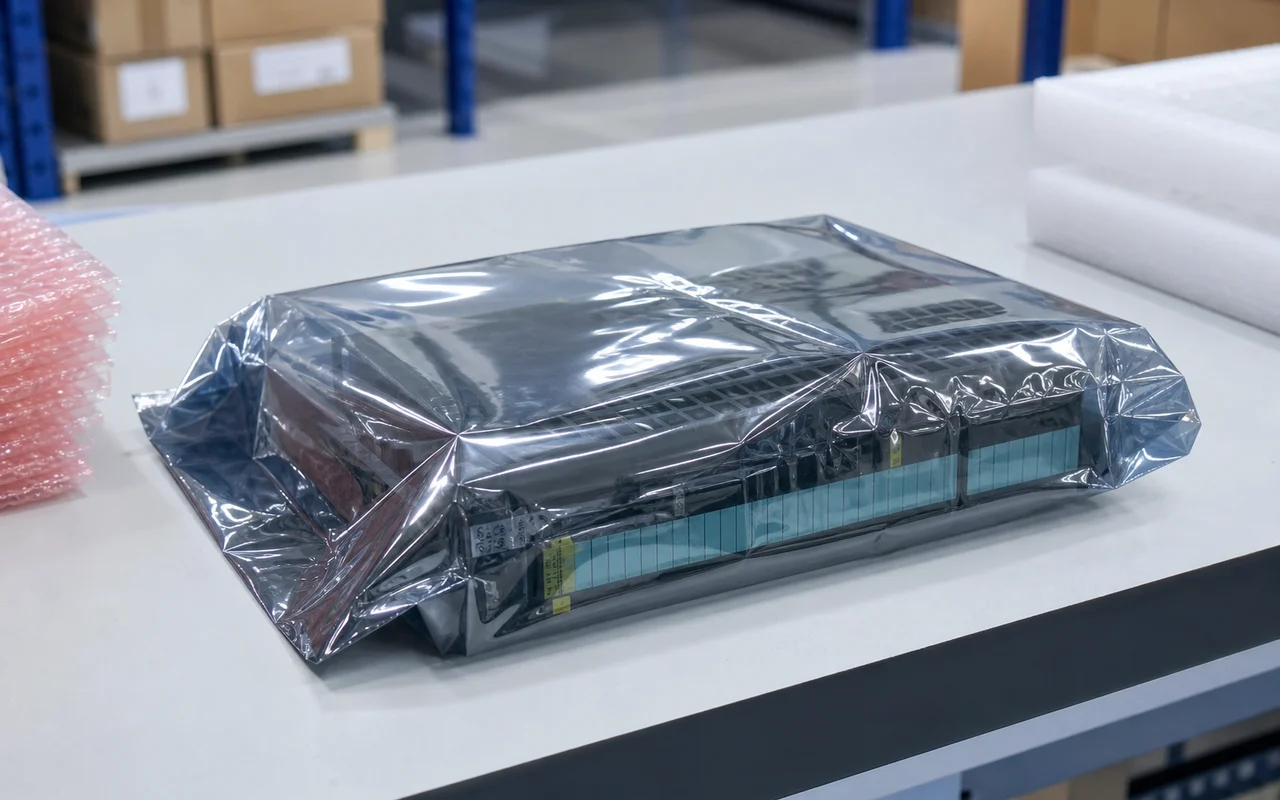 Anti-static Packaging
Modules are packed in anti-static bags to prevent electrostatic damage.
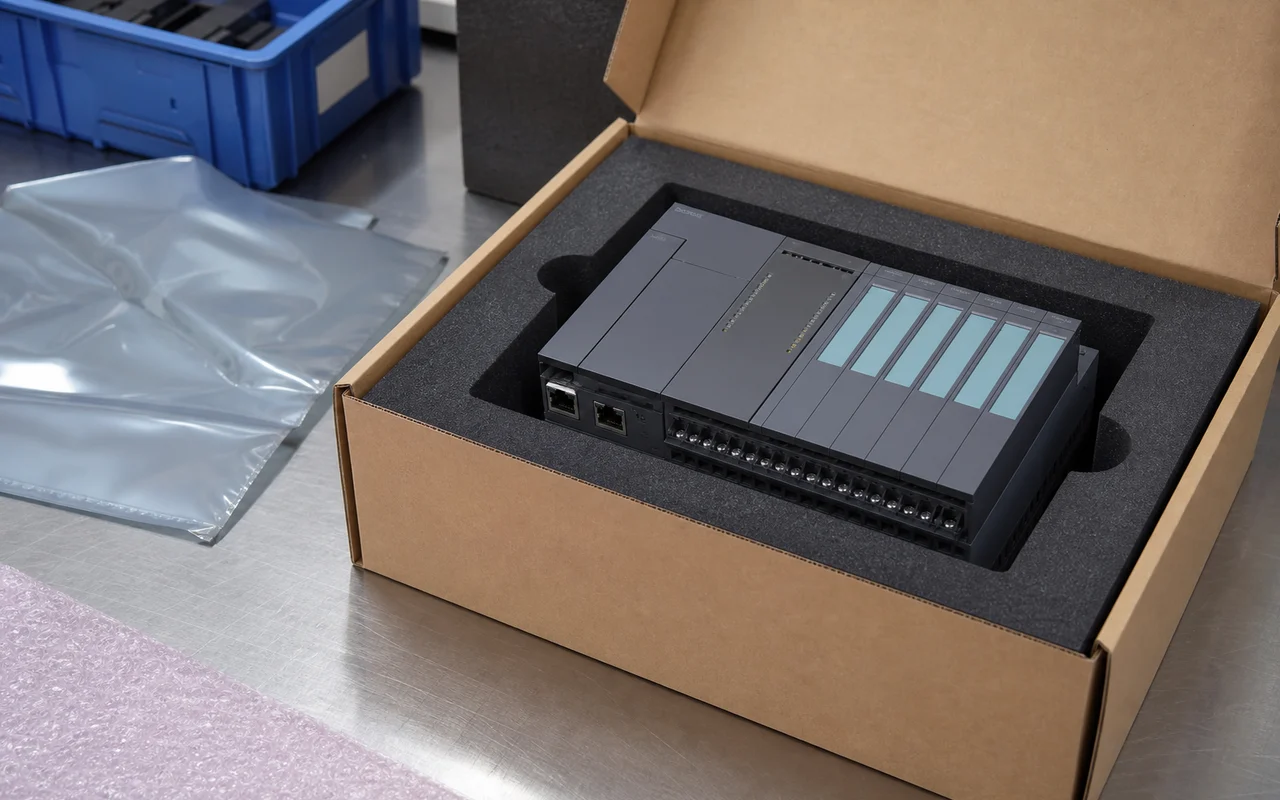 Secure Export Packing
Cushion protection and strong cartons ensure safe transportation.
 Worldwide Shipping
Global logistics network supports air, sea and express delivery.
 Documentation Check
Part number, revision and compatibility verified before shipment.
 After-sales Support
Professional technical support to help resolve your issues.