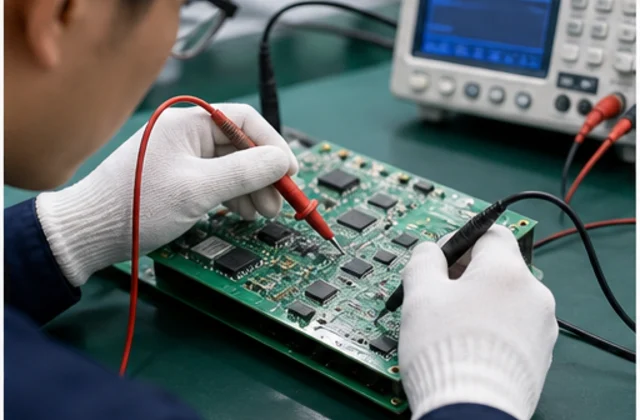
 Functional Inspection
100% tested on professional platforms to ensure stable performance.
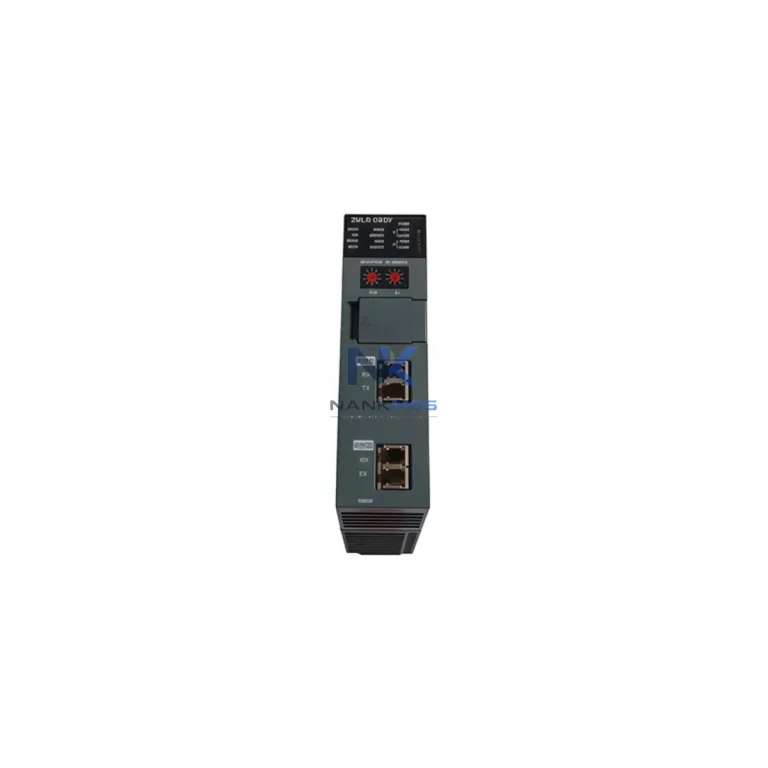
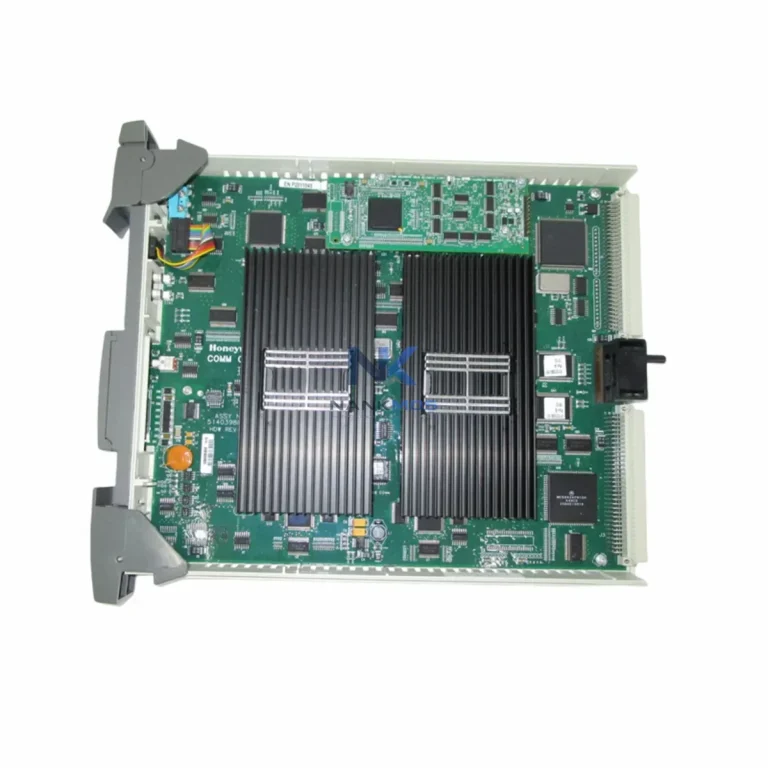
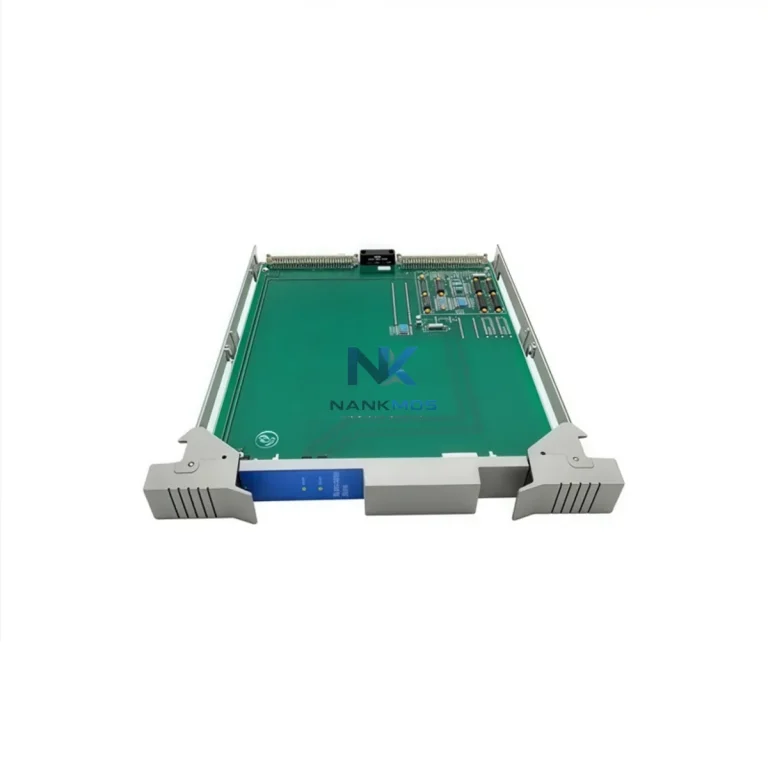
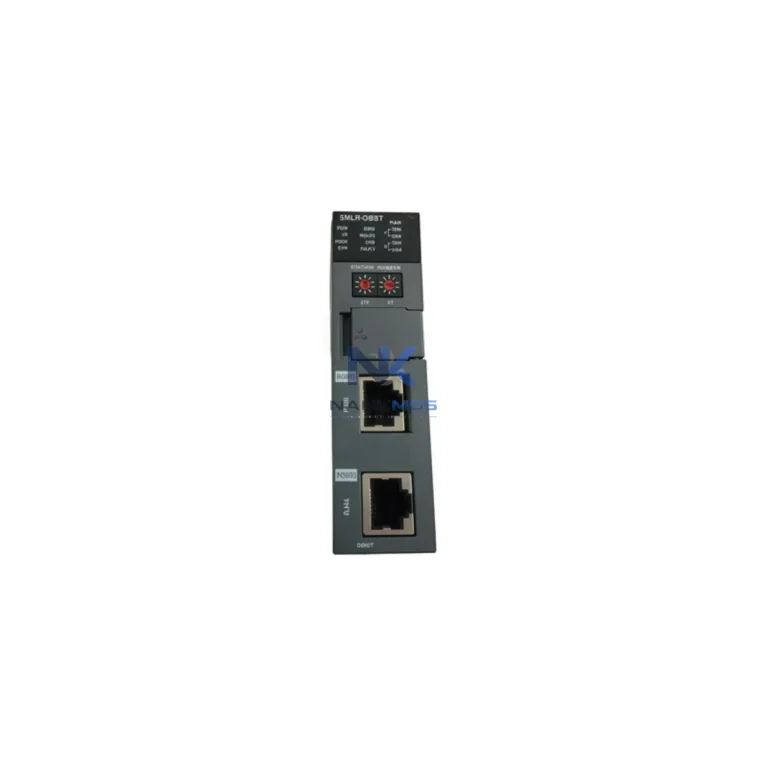
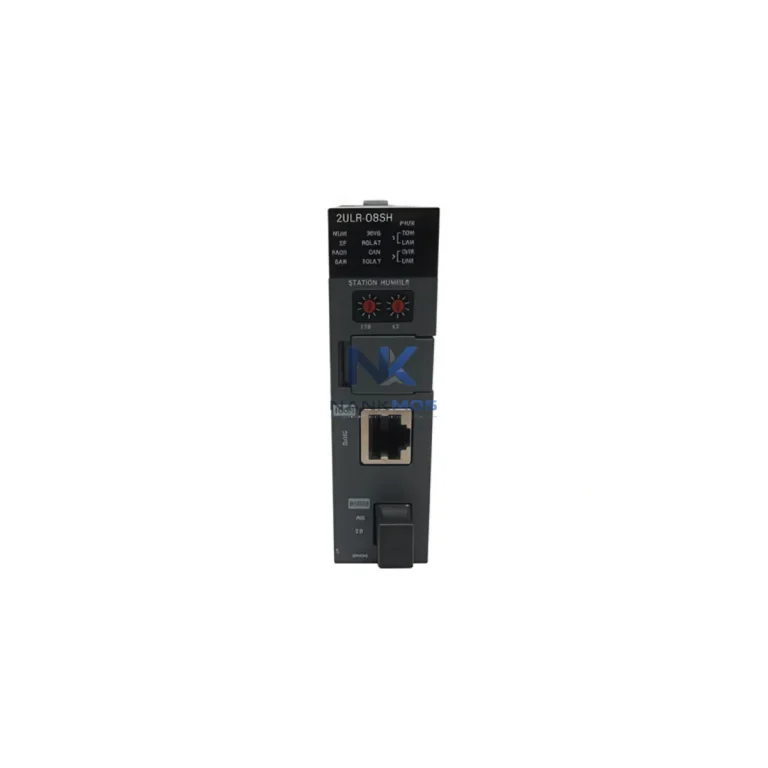
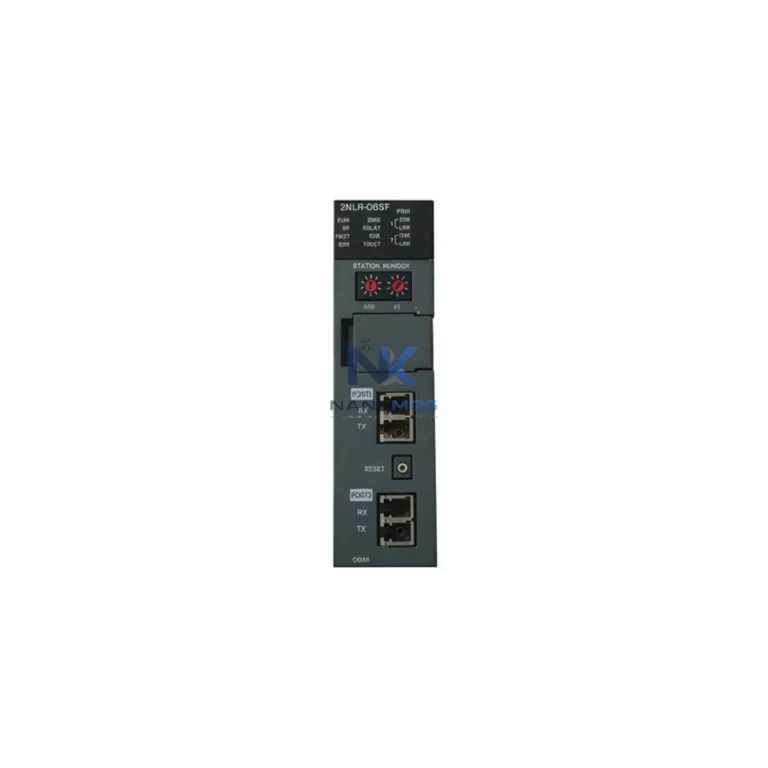
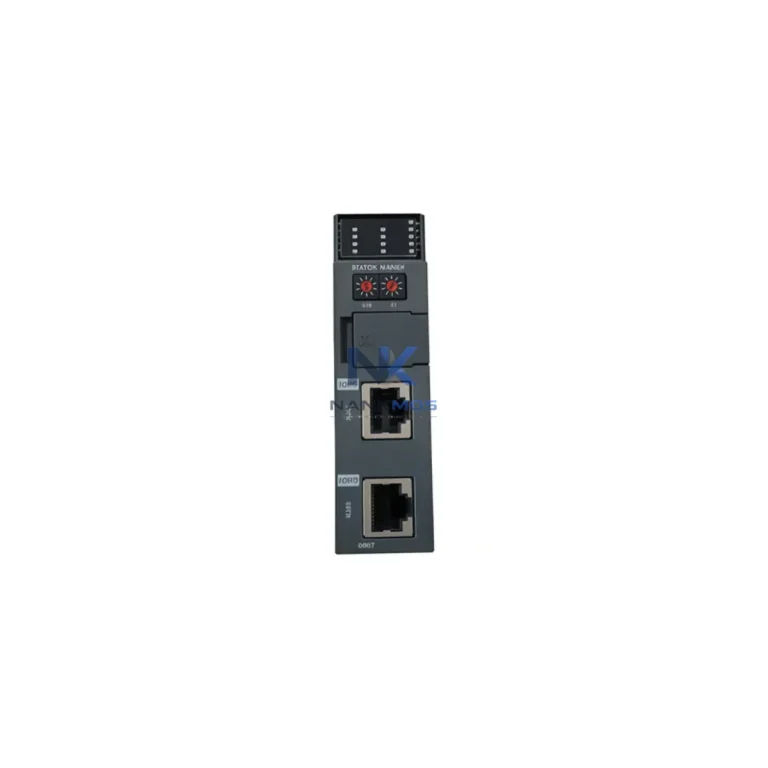
Honeywell 2MLR-DBST-CC 2MLR-DBSF-CC 2MLR-DBSH-CC is a NANKMOS industrial automation product record Listed under TDC 3000 series and Drives. Confirm condition, availability, lead time, compatibility and documentation by email inquiry.
Brand names are used for identification only.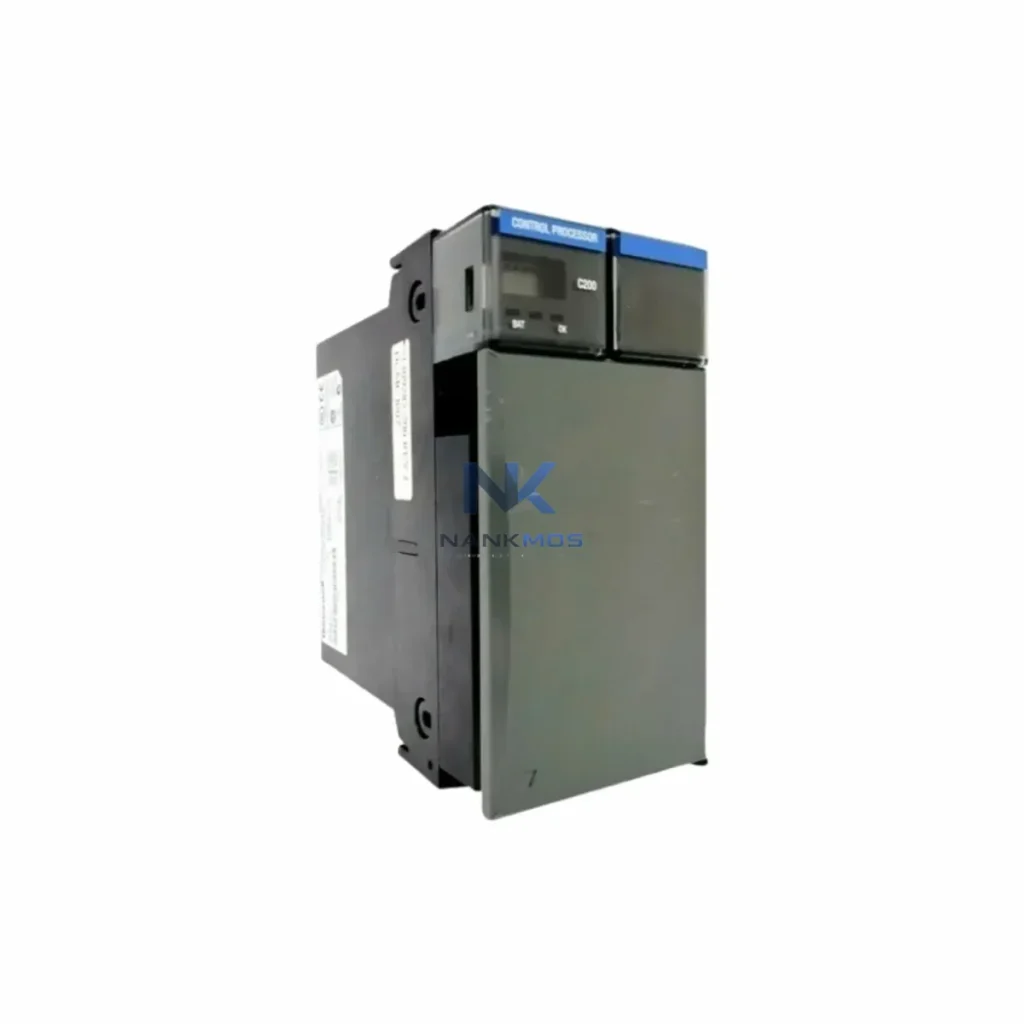
Honeywell 2MLR-DBST-CC 2MLR-DBSF-CC 2MLR-DBSH-CC is a NANKMOS industrial automation product record Listed under TDC 3000 series and Drives. Confirm condition, availability, lead time, compatibility and documentation by email inquiry.
| Manufacturer | Honeywell |
|---|---|
| Application | Motion Control & Drive System |
| Part Number / Model | 2MLR-DBST-CC 2MLR-DBSF-CC 2MLR-DBSH-CC |
| Compatible System | TDC 3000 |
| Series | TDC 3000 |
| Condition Options | To Confirm |
| Module Type | Servo / Drive Module |
| Warranty | 12 Months |
| Packaging | Anti-static Bag / Secure Box |
| Shipping Methods | DHL / FedEx / UPS / Air / Sea |
| Availability | To Confirm |
| Lead Time | To Confirm |
| Documentation | Part number and revision checked before quote |
The Honeywell 2MLR-DBST-CC is a high-reliability DCS expansion driver module engineered for the TDC 3000 and TotalPlant Solution (TPS) distributed control architecture. Designed to serve as the critical communication and drive interface between the Local Control Network (LCN) and field-level process equipment, this module enables precise energy-control signaling across complex industrial production lines. Available in coaxial (2MLR-DBST-CC), fiber-optic short-range (2MLR-DBSF-CC), and fiber-optic high-power (2MLR-DBSH-CC) variants, it delivers consistent bus-level performance in energy-intensive environments including refining, petrochemical processing, power generation, and continuous manufacturing.
In a modern energy-optimized plant, the 2MLR-DBST-CC does not operate in isolation — it functions as the nerve fiber connecting the Honeywell TDC 3000 control backbone to a broader ecosystem of energy-aware field devices. At the controller level, the Honeywell HPM (High-Performance Process Manager) issues setpoint commands that travel through the LCN bus, with the 2MLR-DBST-CC serving as the physical driver that maintains signal fidelity across long cable runs or noisy industrial environments.
On the drive side, variable frequency drives (VFDs) and motor starters receive precisely timed control signals from the DCS, enabling speed-matched motor operation that eliminates energy waste from fixed-speed overdriving. When paired with Honeywell's AM (Application Module) for advanced regulatory control, the 2MLR-DBST-CC ensures that energy-intensive actuators — pumps, compressors, fans, and conveyor drives — respond only when process conditions demand, rather than running at continuous full load.
The module also integrates cleanly with Honeywell NIM (Network Interface Module) nodes, allowing SCADA systems and plant historians to receive real-time device status and bus health data. This telemetry feeds directly into energy management dashboards, where power monitoring modules can correlate bus activity with consumption spikes. I/O modules connected downstream — including analog input cards reading 4–20 mA signals from current transformers and power transducers — provide the raw energy data that the TDC 3000 AM uses to calculate load factor and efficiency KPIs.
For facilities running hybrid architectures, the 2MLR-DBST-CC fiber variants (2MLR-DBSF-CC and 2MLR-DBSH-CC) extend LCN reach into electrically noisy zones such as motor control centers (MCCs) and high-voltage switchgear rooms, where copper coax would suffer from EMI-induced signal degradation. This galvanic isolation also protects upstream PLC and HMI nodes from ground loop currents that can corrupt energy metering data. Operator workstations running Honeywell's GUS (Global User Station) or modern TPS consoles display real-time process graphics that reflect the bus-level data the 2MLR-DBST-CC carries, giving operators immediate visibility into load trends and energy anomalies without leaving the control room.
The fundamental energy optimization value of the 2MLR-DBST-CC lies in its role as a high-integrity communication link that eliminates control dead-time. In process industries, control dead-time — the delay between a process deviation and the corrective actuator response — directly translates to energy waste. A sluggish or intermittently failing bus driver forces the DCS to issue repeated or over-corrective commands, causing actuators to hunt, motors to cycle unnecessarily, and heat exchangers to operate outside their efficiency envelope.
By maintaining clean, low-jitter LCN bus communication, the 2MLR-DBST-CC enables the TDC 3000 to execute tight regulatory control loops. Tighter loops mean smaller process deviations, which in turn means less corrective energy expenditure. In a refinery crude unit or a power plant boiler control system, this translates to measurable reductions in fuel consumption, steam waste, and auxiliary power draw from pumps and fans operating in manual override.
From a thermal management perspective, the module's low-power bus driver design reduces backplane heat generation within the TDC 3000 cabinet. Lower cabinet temperatures extend the service life of adjacent modules — including UCN (Universal Control Network) cards, AM modules, and power supply units — reducing the frequency of unplanned shutdowns caused by thermal stress. Fewer unplanned stops mean higher Overall Equipment Effectiveness (OEE) and lower energy cost per unit of production output.
Predictive maintenance integration is another key energy benefit. When the 2MLR-DBST-CC is monitored via the Honeywell NIM and plant historian, gradual degradation in bus signal quality can be detected before it causes a control fault. Maintenance teams can schedule replacement during planned downtime windows rather than responding to emergency failures, avoiding the energy-intensive restart sequences that follow unplanned shutdowns — particularly in continuous processes like ethylene cracking, ammonia synthesis, or paper machine wet-end control.
All units supplied by NANKMOS undergo pre-shipment functional testing on a live TDC 3000 backplane, verifying bus driver output levels, signal rise times, and thermal stability under load. This ensures that replacement modules restore full control loop performance from the first power-on, with no burn-in period that could compromise production efficiency. Combined with a 12-month warranty and verified in-stock availability, the 2MLR-DBST-CC from NANKMOS represents a low-risk, high-return investment in sustained plant energy performance.
Q1: How does the 2MLR-DBST-CC contribute to measurable energy savings in a TDC 3000 plant? By maintaining low-latency, high-integrity LCN bus communication, the module enables the TDC 3000 to execute tighter regulatory control loops. Tighter control reduces process variability, which directly lowers corrective actuator activity — cutting unnecessary motor starts, valve strokes, and pump cycling that collectively account for a significant share of auxiliary energy consumption in continuous process plants.
Q2: Is the 2MLR-DBST-CC compatible with both legacy TDC 3000 and upgraded TPS (TotalPlant Solution) architectures? Yes. The 2MLR-DBST-CC and its fiber variants (2MLR-DBSF-CC, 2MLR-DBSH-CC) are fully compatible with both the original TDC 3000 LCN infrastructure and TPS-upgraded systems. They interface with HPM, AM, NIM, and UCN nodes without firmware modification, making them suitable for phased modernization projects where legacy and upgraded hardware coexist.
Q3: What is the recommended replacement and testing procedure for a failed LCN bus driver module? NANKMOS recommends a hot-standby swap procedure where the replacement 2MLR-DBST-CC is pre-tested off-line before installation. Each unit shipped by NANKMOS has passed pre-shipment functional testing on a live TDC 3000 backplane. After installation, verify LCN bus status via the Honeywell NIM diagnostic display and confirm control loop performance through the GUS operator station before returning the loop to automatic mode.
Q4: What warranty and supply assurance does NANKMOS provide for the 2MLR-DBST-CC? All 2MLR-DBST-CC units carry a 12-month warranty covering functional defects under normal operating conditions. NANKMOS maintains verified in-stock inventory of this module and its fiber variants, enabling rapid dispatch to minimize plant downtime. For critical spares programs, volume pricing and reserved stock arrangements are available — contact [email protected] for details.
Functional Inspection100% tested on professional platforms to ensure stable performance.
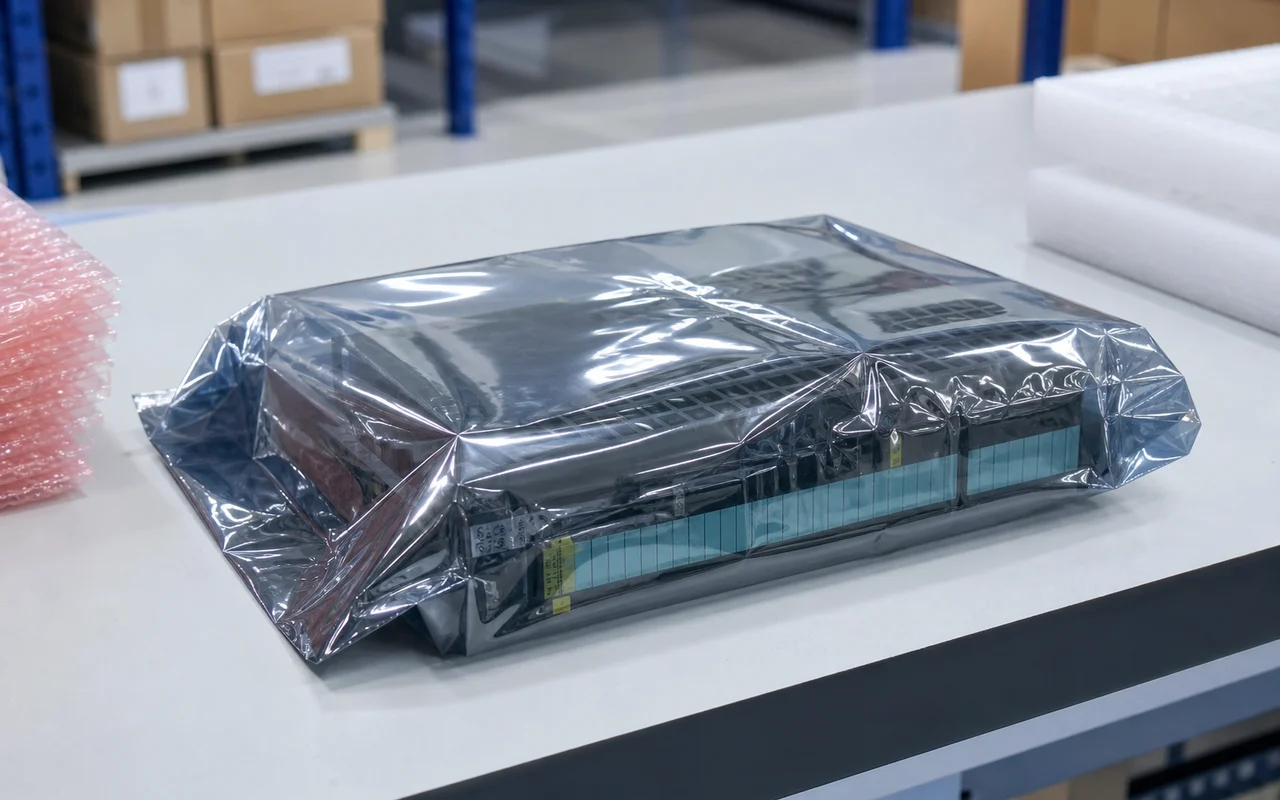 Anti-static Packaging
Modules are packed in anti-static bags to prevent electrostatic damage.
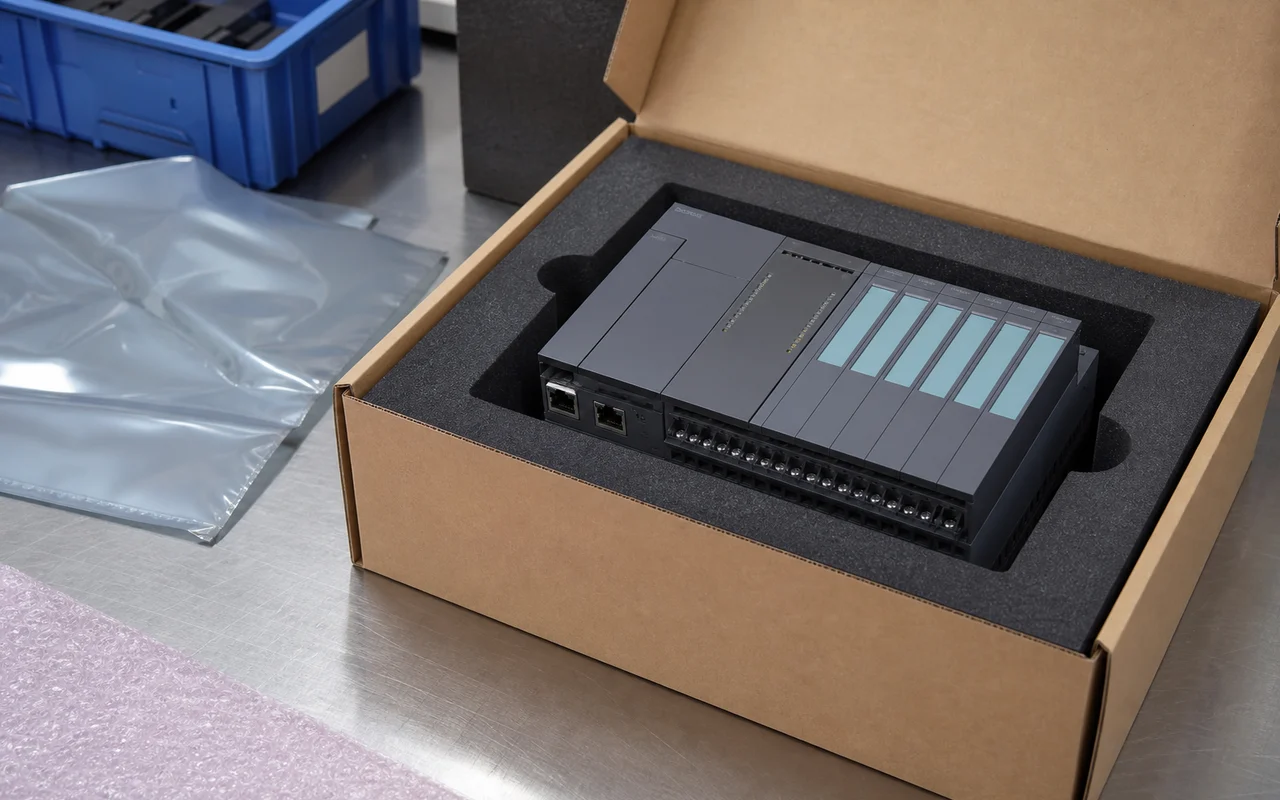 Secure Export Packing
Cushion protection and strong cartons ensure safe transportation.
 Worldwide Shipping
Global logistics network supports air, sea and express delivery.
 Documentation Check
Part number, revision and compatibility verified before shipment.
 After-sales Support
Professional technical support to help resolve your issues.