Functional Inspection
100% tested on professional platforms to ensure stable performance.
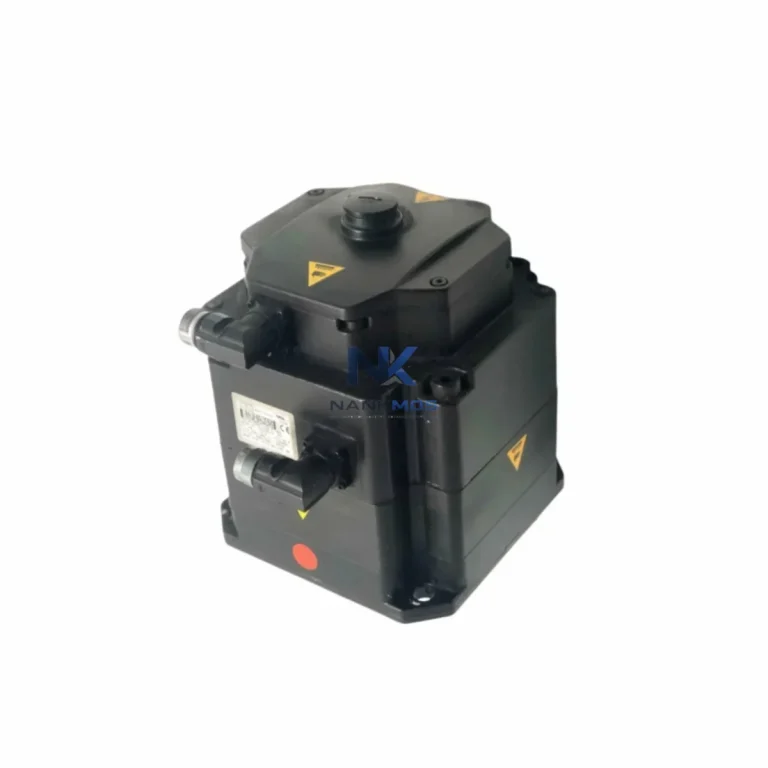
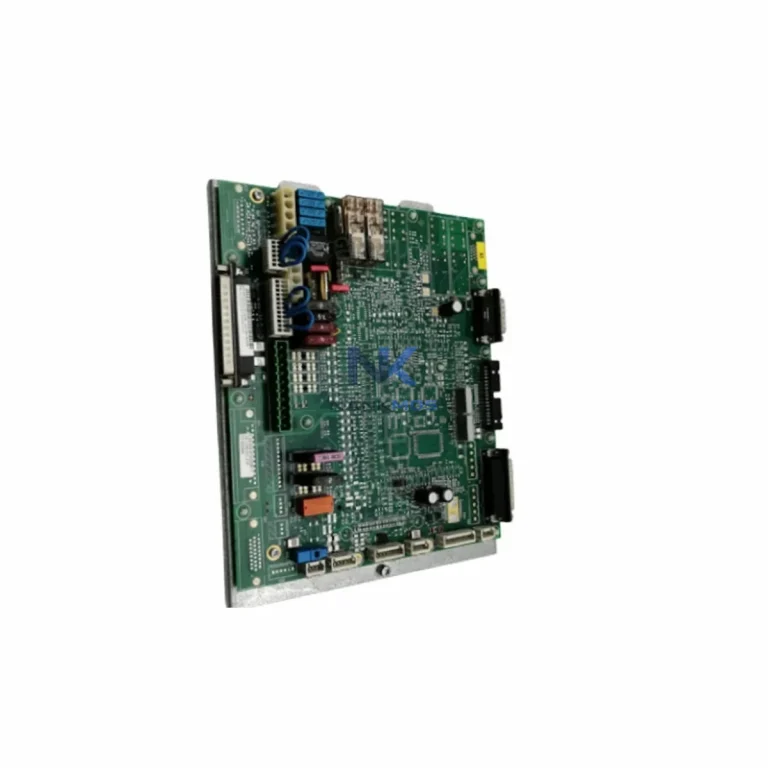
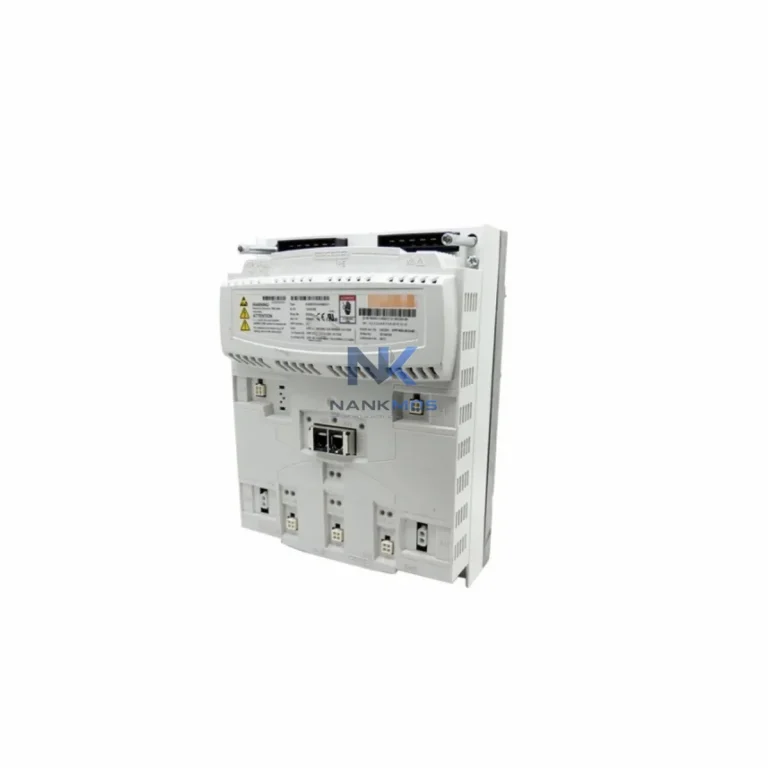
KUKA 00-127-754 is a NANKMOS industrial automation product record Listed under Other series series and Drives. Confirm condition, availability, lead time, compatibility and documentation by email inquiry.
Brand names are used for identification only.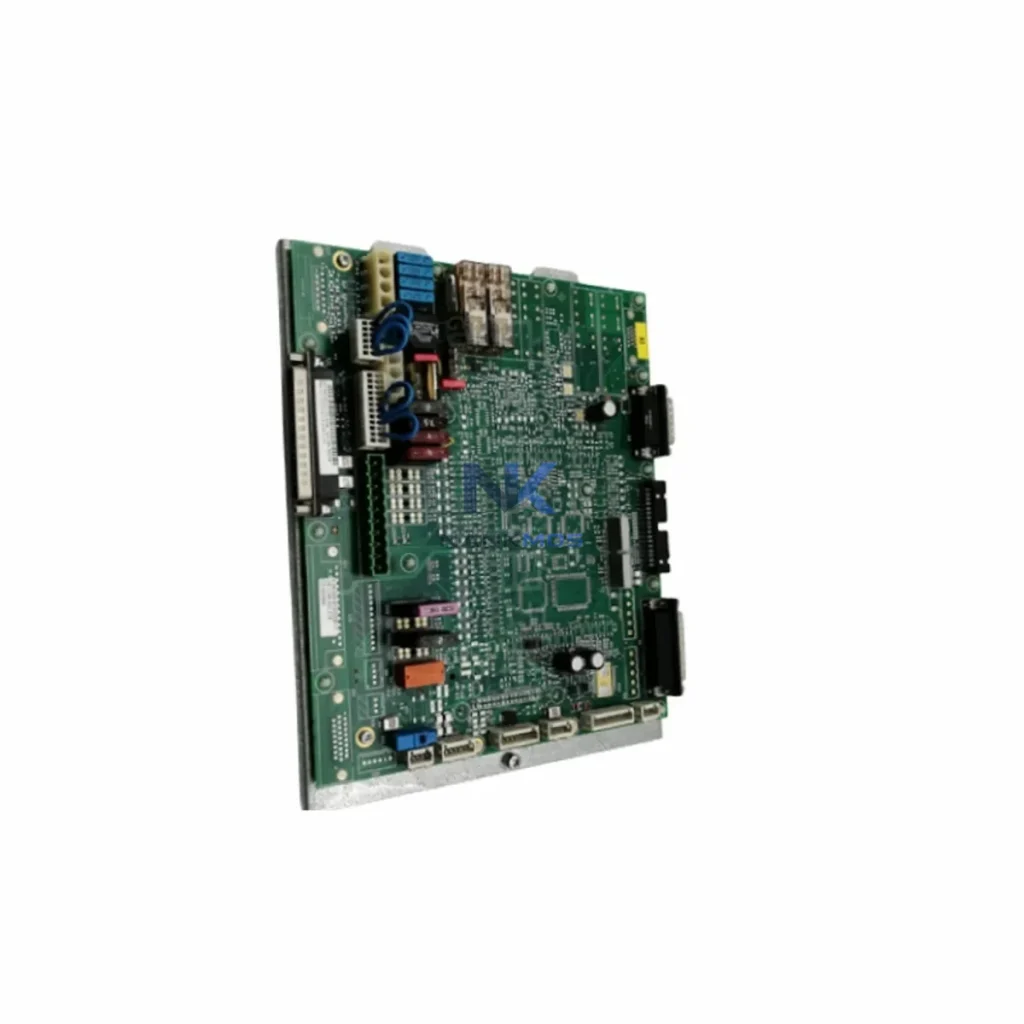
KUKA 00-127-754 is a NANKMOS industrial automation product record Listed under Other series series and Drives. Confirm condition, availability, lead time, compatibility and documentation by email inquiry.
| Manufacturer | KUKA |
|---|---|
| Application | Controller Processing & System Control |
| Part Number / Model | 00-127-754 |
| Compatible System | Confirmed by inquiry |
| Condition Options | To Confirm |
| Module Type | Controller / CPU Module |
| Warranty | 12 Months |
| Packaging | Anti-static Bag / Secure Box |
| Shipping Methods | DHL / FedEx / UPS / Air / Sea |
| Availability | To Confirm |
| Lead Time | To Confirm |
| Documentation | Part number and revision checked before quote |
The KUKA 00-127-754 is a high-performance KRC-series robot controller board engineered for energy-conscious industrial environments. Designed to operate within KUKA's KRC robot controller architecture, this board governs drive coordination, motion sequencing, and real-time load management — making it a critical component in factories pursuing measurable reductions in energy consumption, thermal load, and unplanned downtime. With global stock availability, pre-shipment functional testing, and a 12-month warranty, the 00-127-754 is a dependable replacement and upgrade solution for production lines where uptime and efficiency are non-negotiable.
In modern smart production environments, energy efficiency is not achieved by a single component — it is the result of tightly integrated systems working in concert. The KUKA 00-127-754 controller board sits at the heart of this integration within the KRC platform, coordinating signals between the robot's motion controller, the KUKA KPS 600 power supply module, and the KSD servo drives that actuate each robot axis. By managing drive enable states and motion sequencing at the board level, the 00-127-754 ensures that servo axes are only energized when motion is required — directly reducing idle-state power draw across multi-axis robot cells.
In production lines where KUKA robots operate alongside Siemens S7-1500 PLCs or FANUC Series 0i CNC controllers, the 00-127-754 interfaces via standard industrial communication protocols, enabling the PLC to issue coordinated start/stop commands that align robot motion with upstream and downstream equipment cycles. This synchronization eliminates unnecessary robot dwell time and reduces the frequency of full-torque acceleration events — one of the largest contributors to peak energy demand in robotic cells.
When integrated with Siemens SENTRON PAC power monitoring modules or equivalent energy metering devices on the factory floor, the data generated by the KRC controller's drive bus can be correlated with real-time consumption figures, giving energy managers actionable insight into per-cell and per-shift power profiles. Facilities using Wonderware SCADA or Ignition-based energy management systems can ingest this data to build predictive load models, flagging anomalies that may indicate bearing wear, drive degradation, or controller board faults before they escalate into unplanned downtime.
For lines equipped with KUKA SmartPAD HMI terminals, operators gain direct visibility into robot status and motion programs, allowing rapid adjustment of cycle parameters to match production demand without over-driving the system. Paired with Beckhoff EL3xxx analog I/O terminals or Phoenix Contact Axioline F I/O modules for sensor feedback, the controller board can respond dynamically to process conditions — adjusting motion profiles in real time to maintain throughput while keeping energy consumption within target bands.
In high-density automation environments, thermal management is as important as electrical efficiency. The 00-127-754's role in sequencing drive activation reduces the cumulative heat load within the KRC controller cabinet, extending the service life of adjacent components including the KUKA KPC industrial PC board and the cabinet's cooling infrastructure. This translates directly into lower maintenance frequency and reduced spare parts consumption over the system's operational life.
Factory energy optimization programs increasingly focus on robotic cells as high-impact targets, given that industrial robots can account for a significant share of a facility's total electrical consumption. The KUKA 00-127-754 controller board supports energy optimization at multiple levels of the production line hierarchy.
At the device level, the board governs the activation and deactivation of individual servo drives, ensuring that axes not required for a given motion segment are held in a low-power standby state rather than remaining fully energized. This load-adaptive behavior is particularly valuable in multi-robot cells where not all axes are active simultaneously — a common configuration in automotive body-in-white welding and assembly applications.
At the cell level, the controller board's communication with upstream PLCs and downstream conveyor control systems enables production-paced motion scheduling. When line throughput is reduced — during shift changes, material shortages, or planned maintenance windows — the robot's motion programs can be adjusted to match the reduced cycle rate, avoiding the energy waste associated with robots cycling at full speed against a stopped line.
At the plant level, the operational data generated by KRC-platform robots equipped with the 00-127-754 board feeds into broader energy management and predictive maintenance frameworks. Facilities tracking mean time between failures (MTBF) for controller boards can use this data to schedule proactive replacements during planned maintenance windows, avoiding the energy and productivity losses associated with emergency shutdowns. Our in-stock inventory of the KUKA 00-127-754, combined with pre-shipment functional testing and a 12-month warranty, ensures that replacement boards are available when scheduled maintenance demands them — without the lead-time uncertainty that can force extended downtime.
The result is a measurable improvement in Overall Equipment Effectiveness (OEE): higher availability through reduced unplanned downtime, better performance through optimized motion profiles, and improved quality through stable, consistent robot behavior across shifts and production runs.
Q1: How does the KUKA 00-127-754 contribute to energy savings in a robotic production cell? The 00-127-754 manages drive enable sequencing within the KRC controller, ensuring servo axes are only fully energized during active motion phases. This reduces idle-state power consumption and peak demand events, contributing to measurable energy savings — particularly in multi-axis cells with complex, non-simultaneous motion profiles.
Q2: Is the 00-127-754 compatible with both KRC2 and KRC4 controller platforms? Compatibility depends on the specific KRC generation and cabinet configuration. We recommend verifying the controller serial number and existing board layout before ordering. Our technical team can assist with cross-referencing the 00-127-754 against your KRC platform to confirm fit and function.
Q3: What is the replacement and testing process for this controller board? Every KUKA 00-127-754 unit we supply undergoes full functional testing prior to shipment. Upon receipt, installation should follow KUKA's standard controller board replacement procedure, including proper ESD precautions and drive parameter backup. Post-installation, a full robot calibration and motion test cycle is recommended to confirm restored performance.
Q4: What warranty and supply assurance does this unit carry? The KUKA 00-127-754 is supplied with a 12-month warranty covering functional defects under normal operating conditions. We maintain in-stock inventory to support rapid dispatch, minimizing the downtime window for facilities requiring urgent replacement. Global shipping is available with standard and expedited options to match your maintenance schedule.
Functional Inspection100% tested on professional platforms to ensure stable performance.
 Anti-static Packaging
Modules are packed in anti-static bags to prevent electrostatic damage.
 Secure Export Packing
Cushion protection and strong cartons ensure safe transportation.
 Worldwide Shipping
Global logistics network supports air, sea and express delivery.
 Documentation Check
Part number, revision and compatibility verified before shipment.
 After-sales Support
Professional technical support to help resolve your issues.