Functional Inspection
100% tested on professional platforms to ensure stable performance.
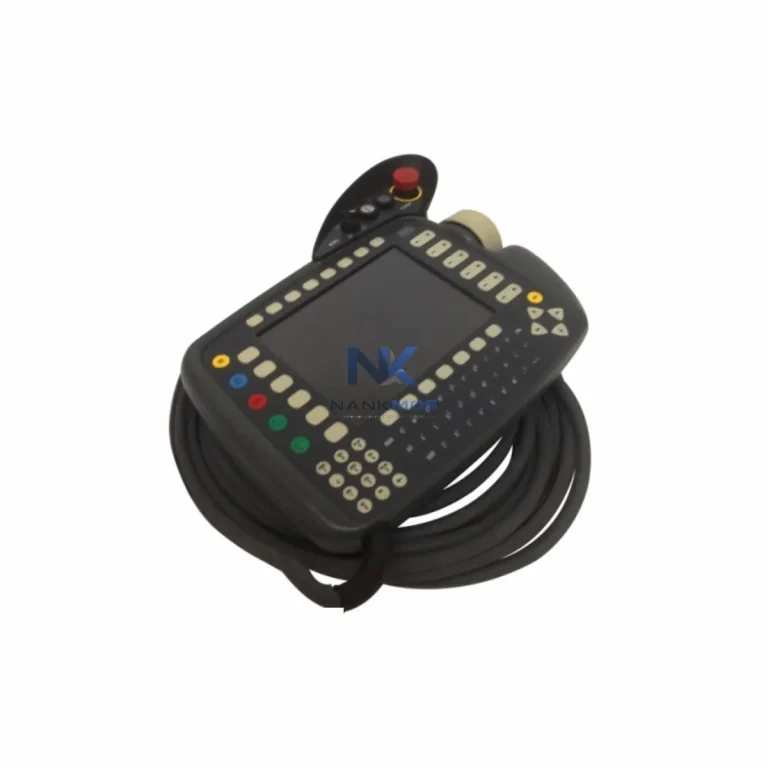
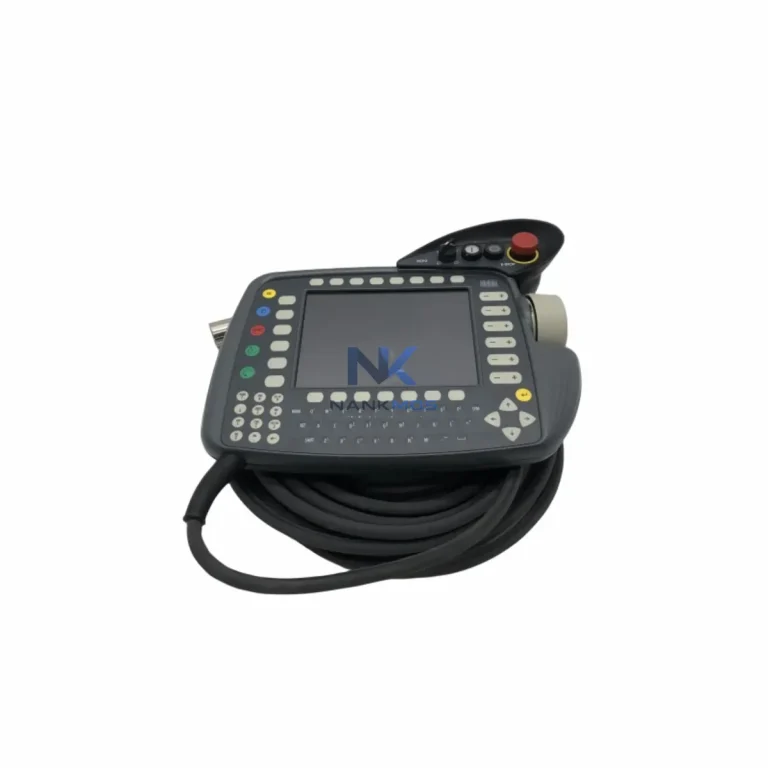
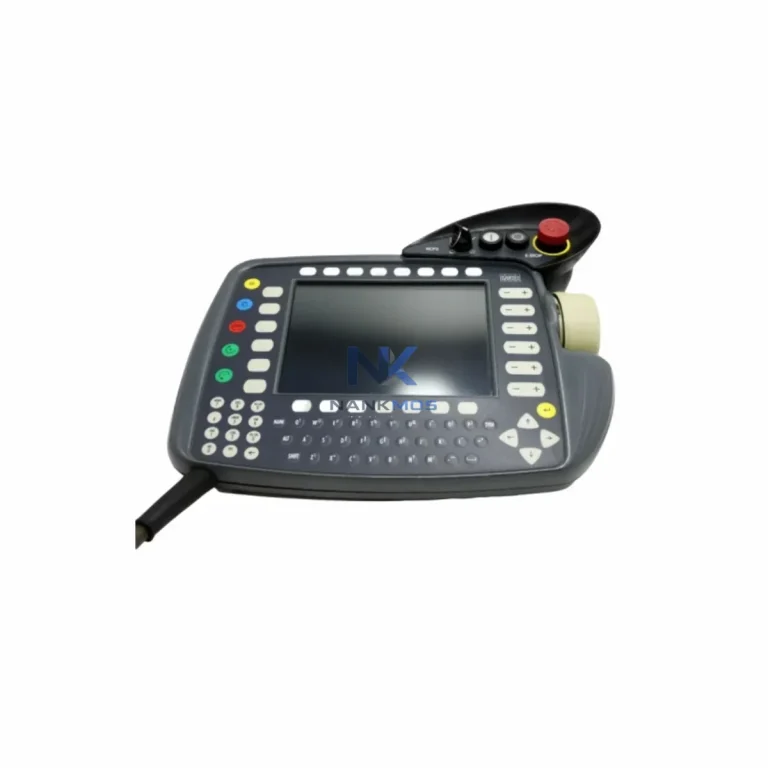
KUKA 00-130-547 KCP2 is a NANKMOS industrial automation product record Listed under Other series series and Business & Industrial > Automation, Control & Flow Devices > Programmable Logic Controllers. Confirm condition, availability, lead time, compatibility and documentation by email inquiry.
Brand names are used for identification only.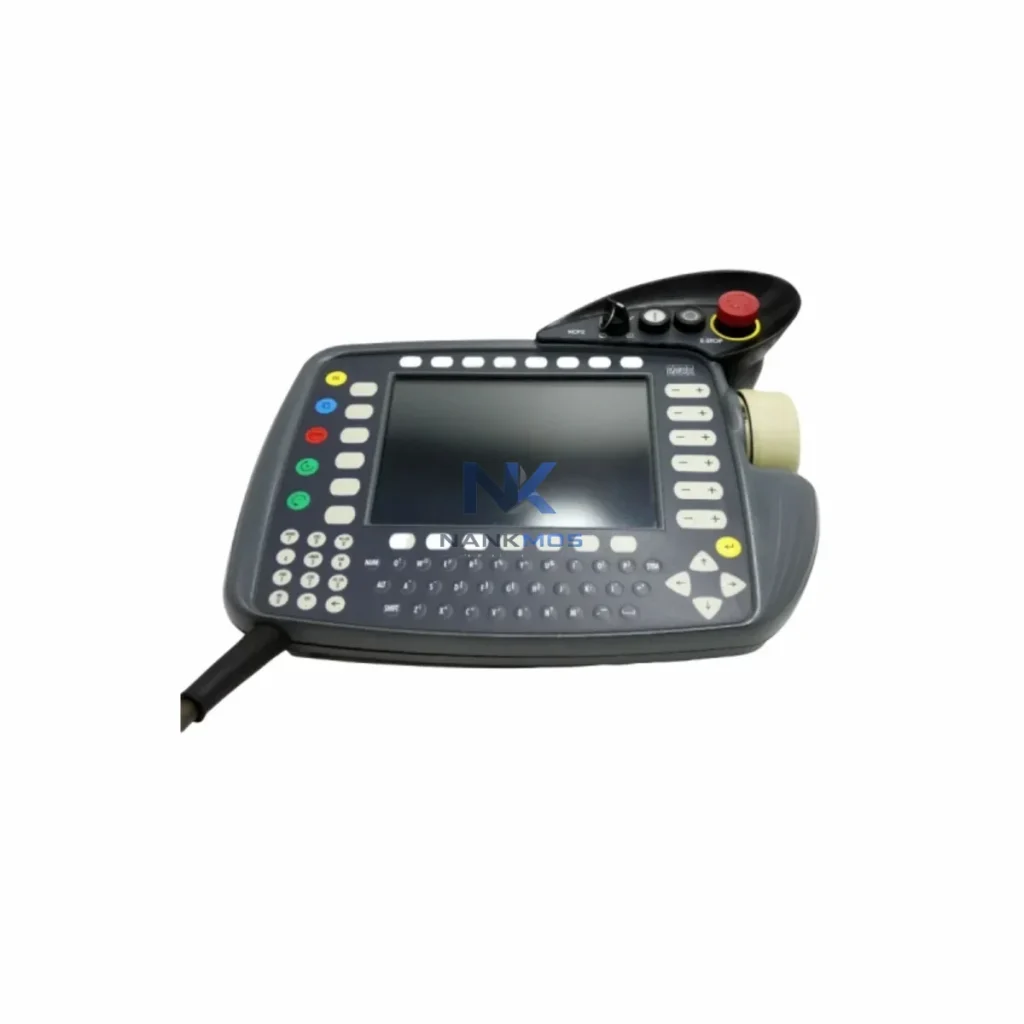
KUKA 00-130-547 KCP2 is a NANKMOS industrial automation product record Listed under Other series series and Business & Industrial > Automation, Control & Flow Devices > Programmable Logic Controllers. Confirm condition, availability, lead time, compatibility and documentation by email inquiry.
| Manufacturer | KUKA |
|---|---|
| Application | Controller Processing & System Control |
| Part Number / Model | 00-130-547 KCP2 |
| Compatible System | Confirmed by inquiry |
| Condition Options | To Confirm |
| Module Type | Controller / CPU Module |
| Warranty | 12 Months |
| Packaging | Anti-static Bag / Secure Box |
| Shipping Methods | DHL / FedEx / UPS / Air / Sea |
| Availability | To Confirm |
| Lead Time | To Confirm |
| Documentation | Part number and revision checked before quote |
The KUKA 00-130-547 KCP2 is a professional-grade teach pendant engineered for KUKA KR C2 robot controllers, delivering precise motion programming, energy-aware operation management, and real-time feedback across demanding industrial production environments. Designed for integration into smart manufacturing cells, this pendant enables operators to directly manage robot energy states, monitor load cycles, and optimize motion profiles — reducing unnecessary power draw and thermal stress on connected drive systems.
As industrial facilities push toward leaner energy consumption and higher equipment utilization, the KCP2 pendant serves as the primary human-machine interface for energy-conscious robot operation. Its ergonomic design, combined with KUKA's KR C2 controller architecture, allows technicians to fine-tune velocity profiles, adjust acceleration ramps, and configure standby states — all of which directly contribute to measurable reductions in per-cycle energy consumption and heat generation within the robot cell.
In a fully integrated KUKA robot cell, the KCP2 teach pendant (00-130-547) operates as the central programming and monitoring interface for the KUKA KR C2 controller, which manages servo power distribution across all robot axes. When paired with the KUKA KR C2 cabinet power supply unit, the pendant allows operators to configure energy-saving motion programs that reduce peak current demand during acceleration phases — a critical factor in facilities running multiple robots on shared power infrastructure.
The KCP2 integrates directly with the KR C2's internal servo drive modules, enabling precise velocity and torque profiling that minimizes reactive power losses. In production lines where the robot works alongside Siemens SINAMICS frequency inverters or SEW-EURODRIVE MOVITRAC drives on peripheral conveyor and positioning axes, coordinated motion timing programmed via the KCP2 ensures that peak load events are staggered — preventing simultaneous current spikes that inflate energy demand charges.
For facilities using Siemens S7-300 or S7-400 PLCs as the line controller, the KR C2 robot — managed through the KCP2 pendant — communicates via PROFIBUS-DP or DeviceNet fieldbus, enabling the PLC to issue energy-state commands such as reduced-speed standby or controlled shutdown during line stoppages. This integration eliminates the common inefficiency of robots idling at full servo-energized state during upstream bottlenecks.
Power monitoring at the cell level is typically handled by Siemens SENTRON PAC power measurement devices or Schneider Electric PowerLogic meters, which log the robot cell's real-time consumption. Data from these meters, combined with motion programs optimized via the KCP2, gives energy managers a clear picture of per-cycle power cost and identifies opportunities for further load reduction. When integrated into a SCADA system such as Wonderware InTouch or Siemens WinCC, this data supports predictive maintenance scheduling and energy KPI reporting.
On the sensing side, SICK or Keyence safety light curtains and area scanners connected to the KR C2 safety circuit interact with the KCP2's emergency stop and safeguarding logic. When a safety zone is breached and the robot enters a controlled stop, the KCP2 ensures the drives de-energize in a controlled sequence rather than an abrupt halt — protecting both the servo drive modules and the mechanical structure from stress-induced wear that would otherwise increase maintenance frequency and energy waste from misaligned components.
Factories operating KUKA KR C2 robots in continuous multi-shift production benefit significantly from the energy management capabilities accessible through the 00-130-547 KCP2 pendant. By programming optimized motion paths with reduced peak velocities during non-critical transfer moves, line engineers can lower the robot's average power consumption per cycle without sacrificing throughput. Over a three-shift operation, even a 5–10% reduction in per-cycle energy draw translates to meaningful savings across an annual production calendar.
Thermal load management is equally important in enclosed robot cells. The KCP2 enables operators to configure smooth S-curve acceleration profiles that reduce the rate of current rise in the servo drives, directly lowering the heat generated in the drive modules and motor windings. Cooler operating temperatures extend the service life of drive components, reduce the frequency of thermal shutdowns, and decrease the load on cell ventilation systems — all contributing to a lower total energy footprint for the production cell.
Production line rhythm stability — maintaining consistent cycle times without energy-wasting over-speed compensation — is another area where the KCP2 delivers value. When upstream or downstream equipment signals a pace change via the PLC, the robot program can be adjusted in real time through the pendant interface, ensuring the robot operates at the most energy-efficient speed for the current line state rather than defaulting to maximum velocity regardless of demand.
Predictive maintenance integration is supported through the KR C2 controller's diagnostic outputs, accessible and configurable via the KCP2. Drive load data, motor temperature trends, and axis error histories can be reviewed directly on the pendant, allowing maintenance teams to identify components approaching wear thresholds before failure occurs. Planned maintenance is far less energy-intensive than emergency repairs, which often require extended re-commissioning cycles and production restarts that consume disproportionate energy.
NANKMOS maintains ready stock of the KUKA 00-130-547 KCP2 to support rapid replacement needs in production environments where robot downtime directly impacts line output and energy efficiency targets. Every unit undergoes full functional testing prior to shipment, and all units are covered by a 12-month warranty, ensuring your production investment is protected from day one of installation.
Q1: How does the KUKA 00-130-547 KCP2 contribute to energy savings in a robot cell?The KCP2 pendant provides direct access to motion program parameters including velocity, acceleration, and standby configuration. By optimizing these settings, operators can reduce peak current demand, lower average cycle power consumption, and configure energy-saving standby states during line pauses — all without hardware changes to the KR C2 controller or drive system.
Q2: Is the 00-130-547 KCP2 compatible with all KUKA KR C2 controller variants?The KCP2 pendant is designed for use with the KUKA KR C2 controller family. Compatibility should be verified against the specific KR C2 software version installed in your system. NANKMOS technical support can assist with compatibility confirmation prior to order if required.
Q3: What is the replacement and testing process for the KCP2 pendant?Each NANKMOS-supplied KCP2 unit undergoes a full pre-shipment functional test covering display, keypad, emergency stop circuit, and communication interface. Replacement is a direct swap on the KR C2 controller's KCP port. No controller re-programming is required; existing robot programs remain intact on the controller.
Q4: What warranty and supply support does NANKMOS provide for the 00-130-547 KCP2?All units are supplied with a 12-month warranty covering manufacturing defects and functional failures under normal operating conditions. NANKMOS maintains inventory stock for rapid dispatch, minimizing production downtime for facilities requiring urgent replacement. Contact [email protected] or +86 18359268345 for availability and lead time confirmation.
Functional Inspection100% tested on professional platforms to ensure stable performance.
 Anti-static Packaging
Modules are packed in anti-static bags to prevent electrostatic damage.
 Secure Export Packing
Cushion protection and strong cartons ensure safe transportation.
 Worldwide Shipping
Global logistics network supports air, sea and express delivery.
 Documentation Check
Part number, revision and compatibility verified before shipment.
 After-sales Support
Professional technical support to help resolve your issues.