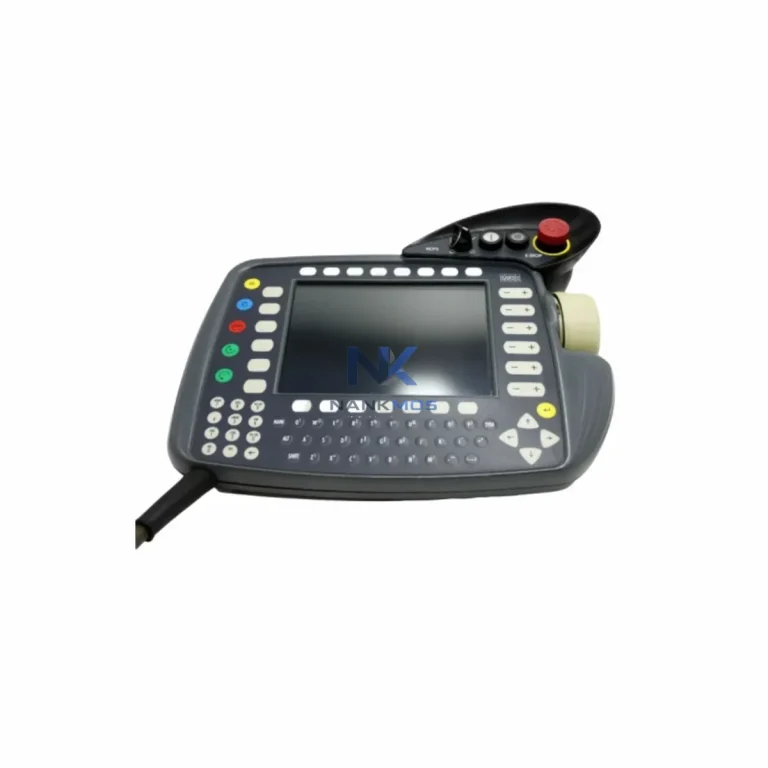
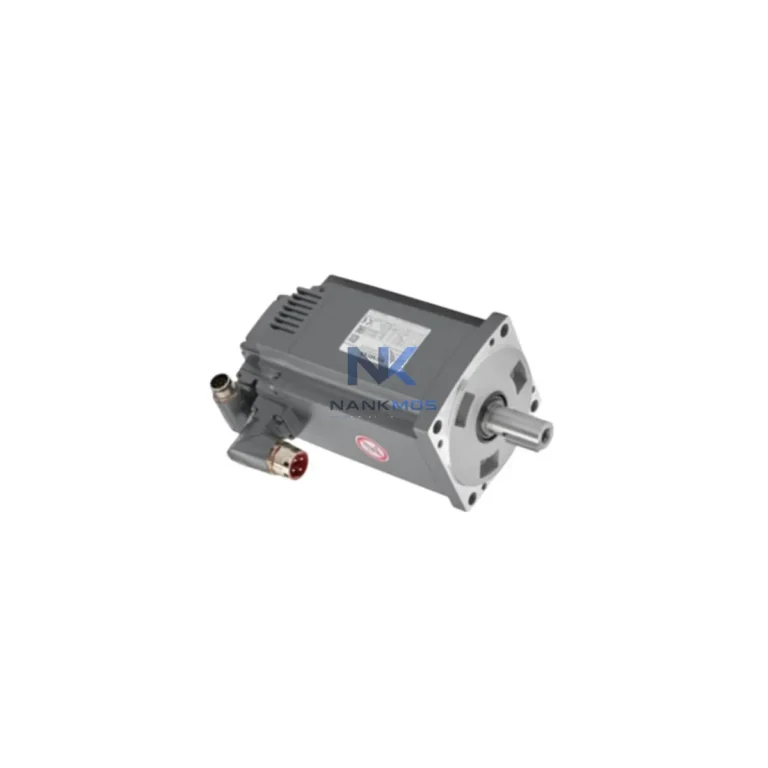
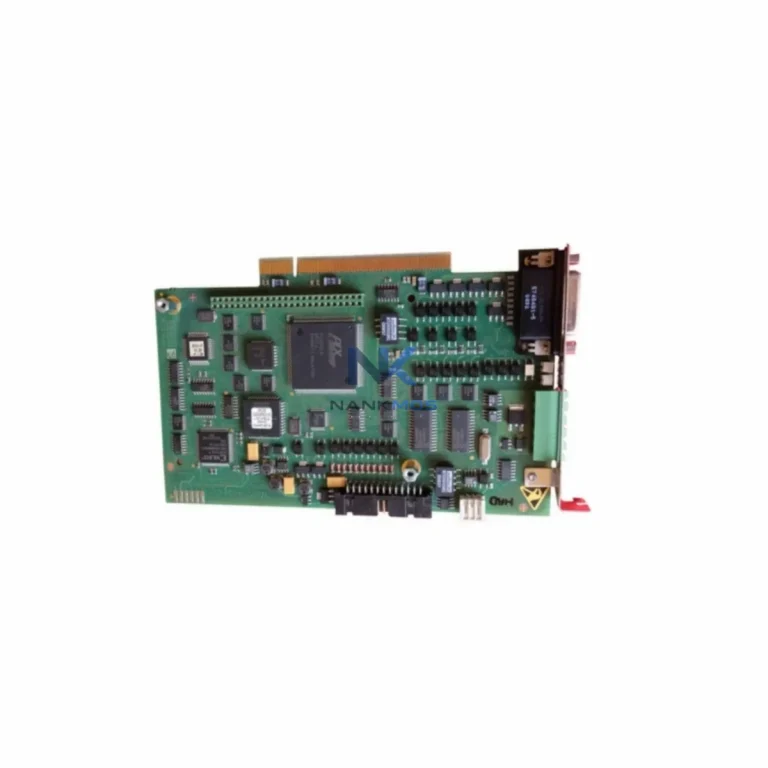
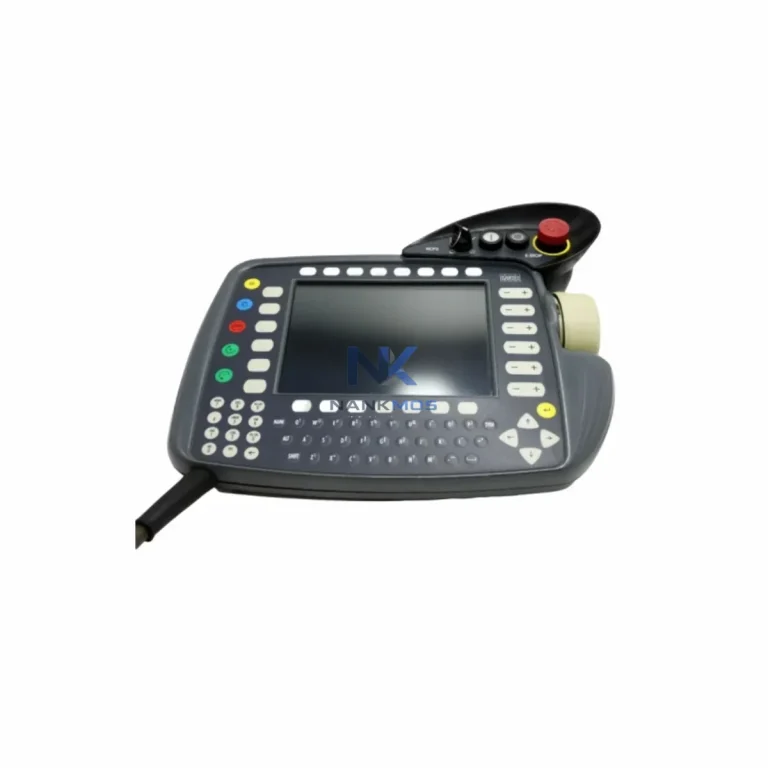
Functional Inspection
100% tested on professional platforms to ensure stable performance.
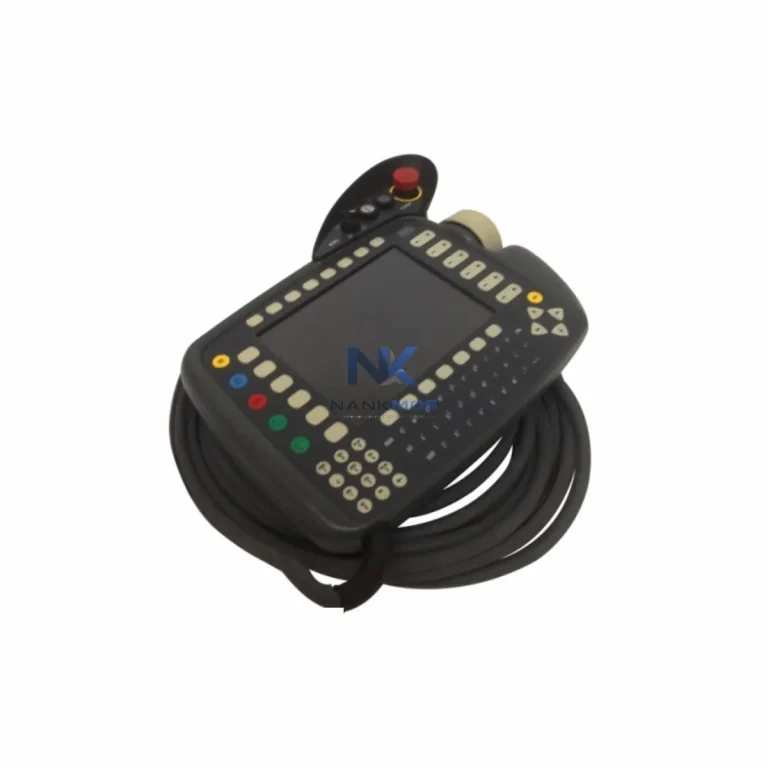
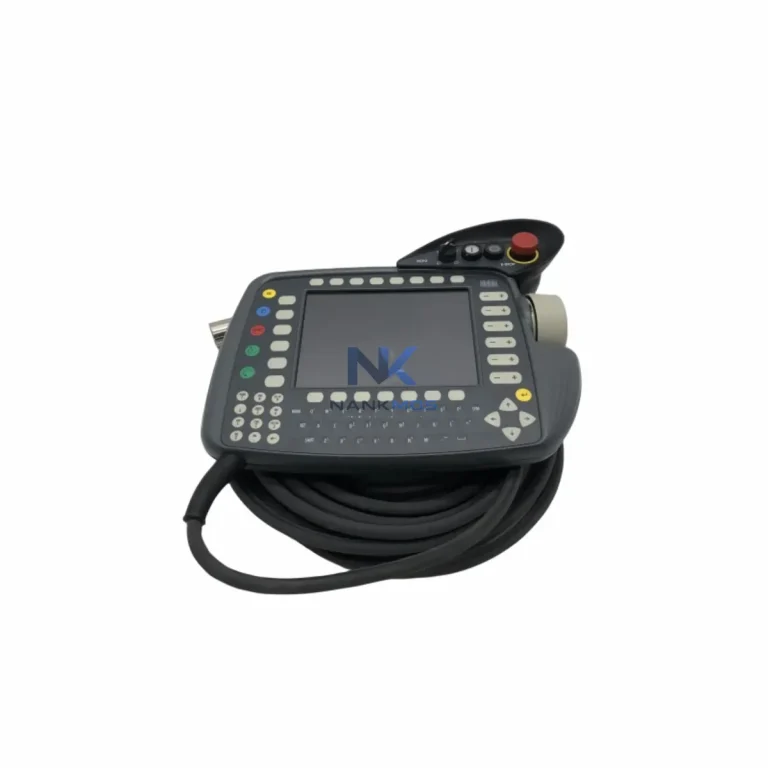
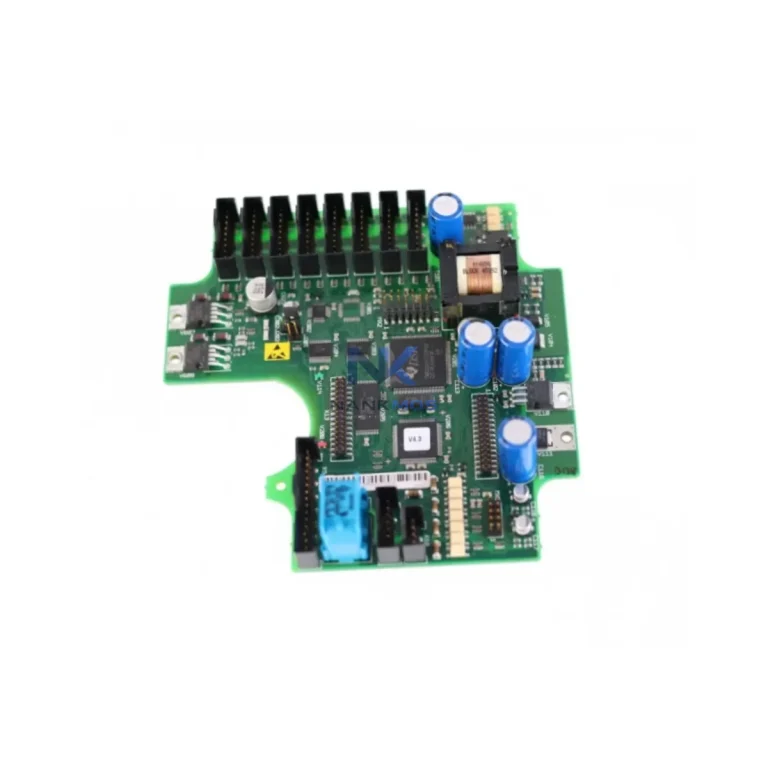
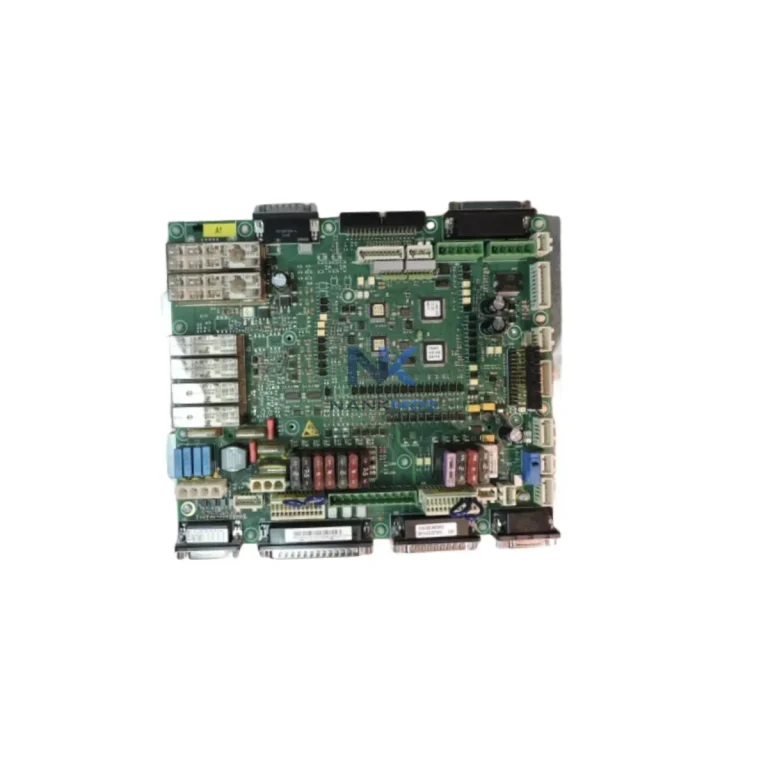
KUKA 00-291-556 00-291-556 KRC5 C500-291-556 is a NANKMOS industrial automation product record Listed under Other series series and Business & Industrial > Automation, Control & Flow Devices > Programmable Logic Controllers. Confirm condition, availability, lead time, compatibility and documentation by email inquiry.
Brand names are used for identification only.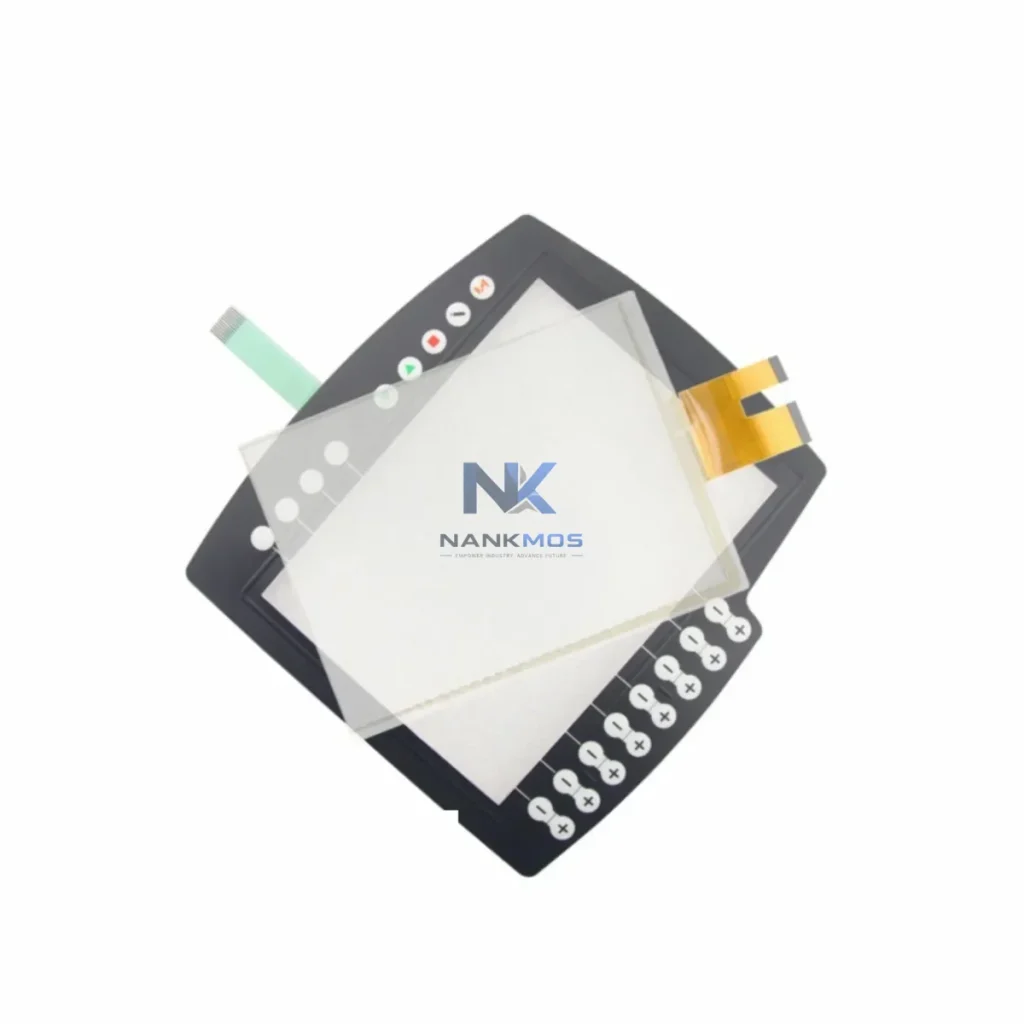
KUKA 00-291-556 00-291-556 KRC5 C500-291-556 is a NANKMOS industrial automation product record Listed under Other series series and Business & Industrial > Automation, Control & Flow Devices > Programmable Logic Controllers. Confirm condition, availability, lead time, compatibility and documentation by email inquiry.
| Manufacturer | KUKA |
|---|---|
| Application | Controller Processing & System Control |
| Part Number / Model | 00-291-556 00-291-556 KRC5 C500-291-556 |
| Compatible System | Confirmed by inquiry |
| Condition Options | To Confirm |
| Module Type | Controller / CPU Module |
| Warranty | 12 Months |
| Packaging | Anti-static Bag / Secure Box |
| Shipping Methods | DHL / FedEx / UPS / Air / Sea |
| Availability | To Confirm |
| Lead Time | To Confirm |
| Documentation | Part number and revision checked before quote |
The KUKA 00-291-556 controller module is engineered as the central processing backbone of the KRC5 robotic control architecture. Rather than functioning as a standalone component, it is designed to operate within a tightly integrated automation ecosystem where every layer — from the control tier to the field device tier — contributes to system coherence, signal fidelity, and long-term operational reliability.
At the control layer, the 00-291-556 module interfaces directly with the KRC5 cabinet's internal backplane, coordinating real-time motion commands and safety logic with the KUKA KSP (KUKA Servo Pack) drives. The servo drives receive interpolated trajectory data from the controller module via the internal EtherCAT bus, ensuring sub-millisecond synchronization across all robot axes. This tight coupling between the controller module and the KSP servo amplifiers is fundamental to achieving the path accuracy and repeatability demanded in precision manufacturing and assembly applications.
At the I/O layer, the KRC5 architecture supports modular I/O expansion through KUKA's internal I/O boards and external fieldbus-connected I/O systems. The 00-291-556 module manages digital and analog signal routing through the KRC5's I/O interface, enabling seamless integration with safety-rated I/O modules, end-of-arm tooling controllers, and peripheral device signal conditioning units. Signal isolation modules are commonly deployed at the cabinet boundary to protect the controller module from transient voltages originating in the field wiring environment.
At the communication layer, the KRC5 platform supports PROFINET, EtherNet/IP, and EtherCAT as primary industrial Ethernet protocols. The 00-291-556 module enables the KRC5 to participate as a PROFINET device or EtherNet/IP adapter within a broader plant-level control network, allowing a Siemens S7-1500 PLC or Allen-Bradley ControlLogix controller to issue coordinated motion commands and monitor robot status in real time. For legacy installations, DeviceNet and PROFIBUS connectivity is available through protocol gateway modules mounted within the same control cabinet.
At the HMI layer, the KUKA smartPAD teach pendant connects directly to the KRC5 cabinet and communicates with the 00-291-556 controller module to provide operators with real-time program execution status, axis position feedback, error diagnostics, and manual jogging capability. For supervisory visualization, the KRC5 platform integrates with SCADA systems and MES platforms via OPC UA, enabling production data aggregation and remote monitoring without disrupting the real-time control loop.
At the power layer, the KRC5 cabinet incorporates a dedicated power supply unit that conditions incoming three-phase AC power and distributes regulated DC voltages to the controller module, servo drives, and I/O subsystems. Proper power sequencing and grounding architecture are critical to the stable operation of the 00-291-556 module, and KUKA's cabinet design guidelines specify shielded cable routing and equipotential bonding to minimize electromagnetic interference within the enclosure.
At the safety layer, the KRC5 architecture integrates a dedicated safety controller — the KUKA KSS safety module — that monitors robot workspace boundaries, speed limits, and force thresholds in compliance with ISO 10218-1 and ISO/TS 15066. The 00-291-556 controller module communicates with the safety controller via a certified safety bus, ensuring that protective stop commands are executed within the required response time regardless of the operational program state.
For maintenance and diagnostics, the KUKA WorkVisual engineering environment provides full project configuration, I/O mapping, fieldbus parameterization, and firmware management for the KRC5 platform. Technicians can perform online diagnostics, trace signal states, and update controller module firmware without removing the robot from service, significantly reducing planned maintenance downtime in high-utilization production environments.
The KUKA 00-291-556 controller module is deployed across a broad spectrum of industrial automation applications where robotic motion control must be tightly integrated with plant-level process control systems.
In automotive body-in-white manufacturing, KRC5-based robot cells equipped with the 00-291-556 module perform spot welding, seam sealing, and component handling operations synchronized with conveyor tracking systems and vision-guided positioning. The controller module's EtherCAT-based servo coordination enables the multi-axis path accuracy required for consistent weld quality across high-volume production shifts.
In electronics and semiconductor assembly, the KRC5 platform's precision motion capability — enabled by the 00-291-556 module's real-time trajectory processing — supports pick-and-place, dispensing, and inspection operations in cleanroom-compatible robot configurations. Integration with vision systems and force-torque sensors via the KRC5's I/O and fieldbus interfaces allows adaptive assembly strategies that compensate for component placement tolerances.
In petrochemical and energy sector applications, KRC5 robots equipped with the 00-291-556 controller module perform inspection, maintenance, and material handling tasks in hazardous area environments. The controller module's robust communication architecture supports integration with DCS platforms and safety instrumented systems, ensuring that robot operations remain coordinated with process control interlocks and emergency shutdown logic.
In food and beverage packaging lines, the KRC5 platform's hygienic robot variants — controlled by the 00-291-556 module — perform primary and secondary packaging, palletizing, and quality inspection tasks integrated with line PLC systems via PROFINET. The controller module's support for coordinated motion across multiple robot cells enables high-throughput packaging architectures with minimal inter-robot interference.
In metal fabrication and welding applications, the 00-291-556 module coordinates arc welding processes through KUKA's ArcTech software package, managing torch positioning, weave patterns, and seam tracking in real time. Integration with welding power sources via analog and digital I/O interfaces — managed through the KRC5's I/O subsystem — enables closed-loop weld quality control based on arc voltage and current feedback.
Q1: Is the KUKA 00-291-556 compatible with existing KRC4 robot installations, and what is required for migration to KRC5? The 00-291-556 module is designed specifically for the KRC5 controller platform and is not directly interchangeable with KRC4 hardware. Migration from KRC4 to KRC5 requires replacement of the controller cabinet, servo drives, and associated wiring harnesses. KUKA provides migration tooling within WorkVisual to assist with program conversion and I/O remapping. Our team can advise on migration scope and provide KRC5 cabinet assemblies and spare modules to support phased upgrade projects.
Q2: What fieldbus protocols does the KRC5 platform support for integration with third-party PLC systems, and how is the 00-291-556 module configured for multi-protocol environments? The KRC5 platform natively supports PROFINET IRT, EtherNet/IP, and EtherCAT. Additional protocol support — including PROFIBUS DP, DeviceNet, and Modbus TCP — is available through external gateway modules. The 00-291-556 controller module is configured via KUKA WorkVisual, where fieldbus master/slave roles, I/O mapping, and network parameters are defined and downloaded to the controller. For multi-protocol environments, protocol gateways are mounted within the KRC5 cabinet and connected to the controller module's Ethernet interface.
Q3: What does the 12-Month Warranty cover for the KUKA 00-291-556 module, and what support is available for long-term spare parts supply? The 12-Month Warranty covers manufacturing defects and functional failures under normal operating conditions. Each unit undergoes pre-shipment functional testing to verify communication interfaces, power regulation, and control signal integrity before dispatch. For long-term maintenance planning, we maintain inventory of KRC5 controller modules and associated spare parts to support multi-year service agreements. Replacement units are available for rapid dispatch to minimize unplanned downtime in production-critical robot installations.
Functional Inspection100% tested on professional platforms to ensure stable performance.
 Anti-static Packaging
Modules are packed in anti-static bags to prevent electrostatic damage.
 Secure Export Packing
Cushion protection and strong cartons ensure safe transportation.
 Worldwide Shipping
Global logistics network supports air, sea and express delivery.
 Documentation Check
Part number, revision and compatibility verified before shipment.
 After-sales Support
Professional technical support to help resolve your issues.