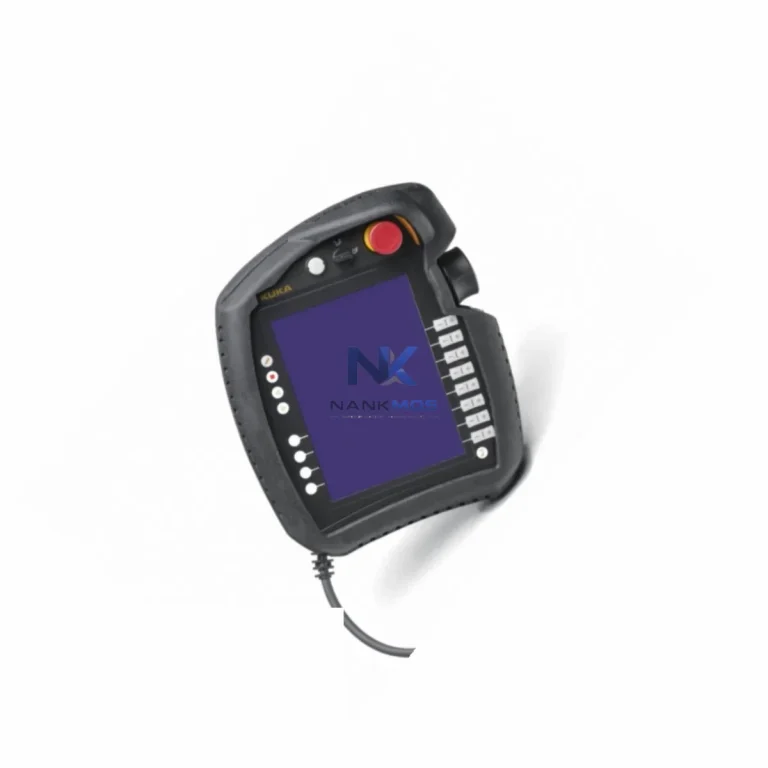
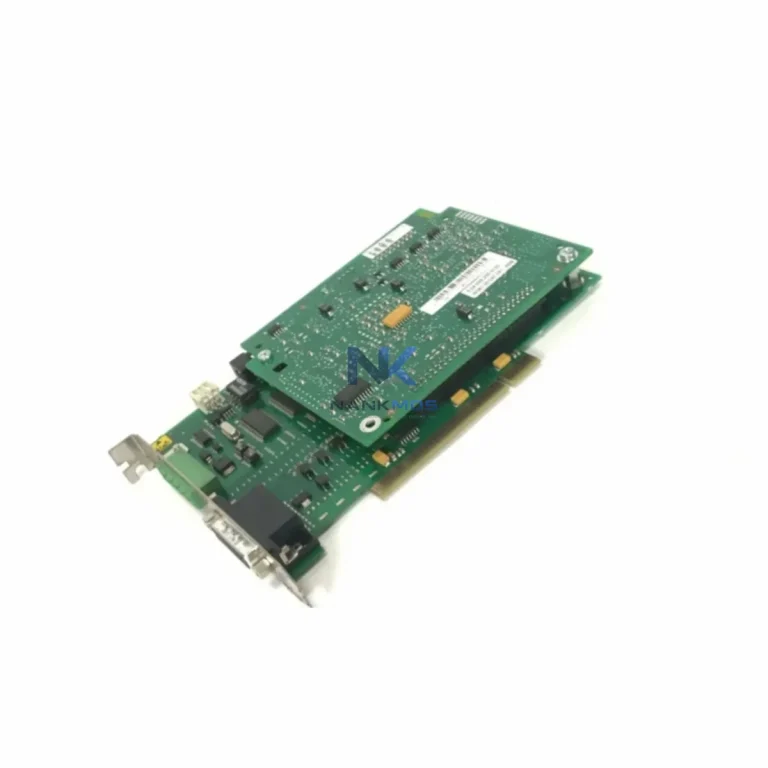
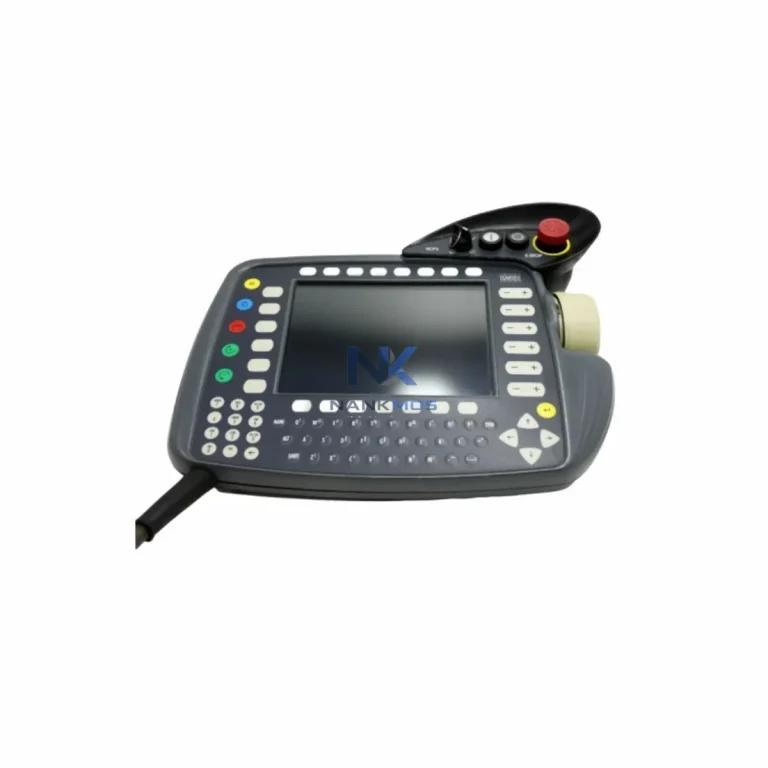
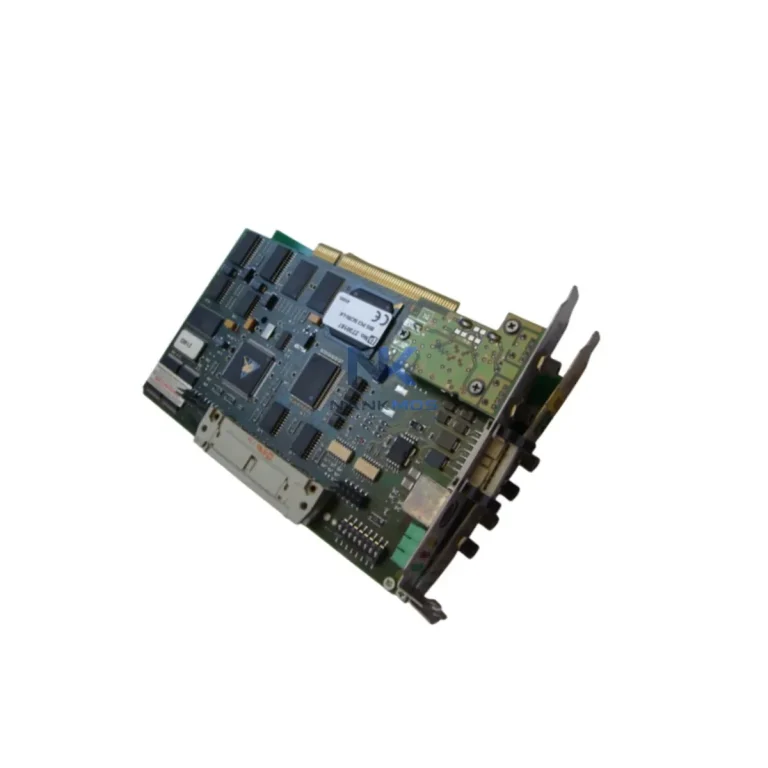
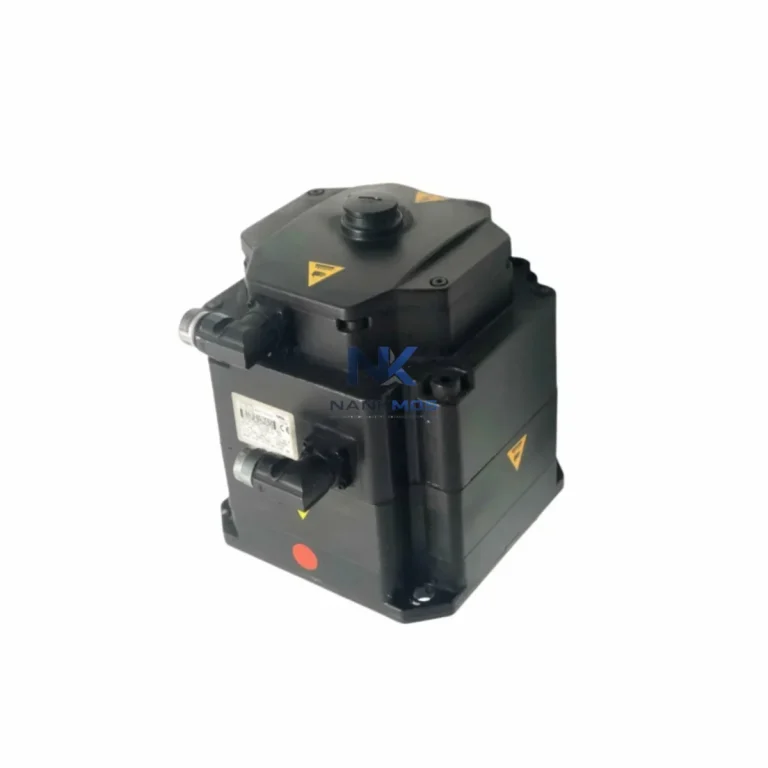
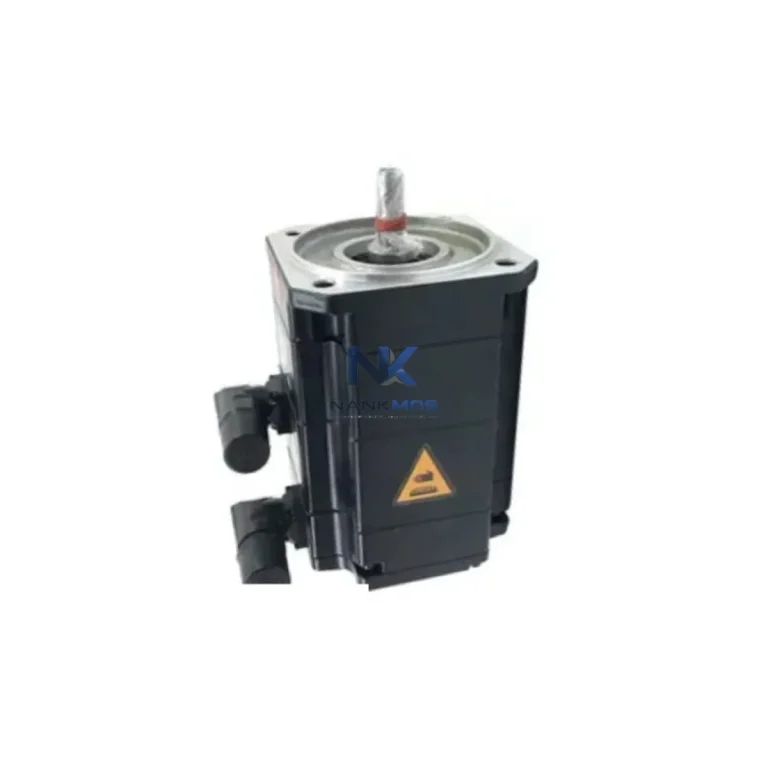
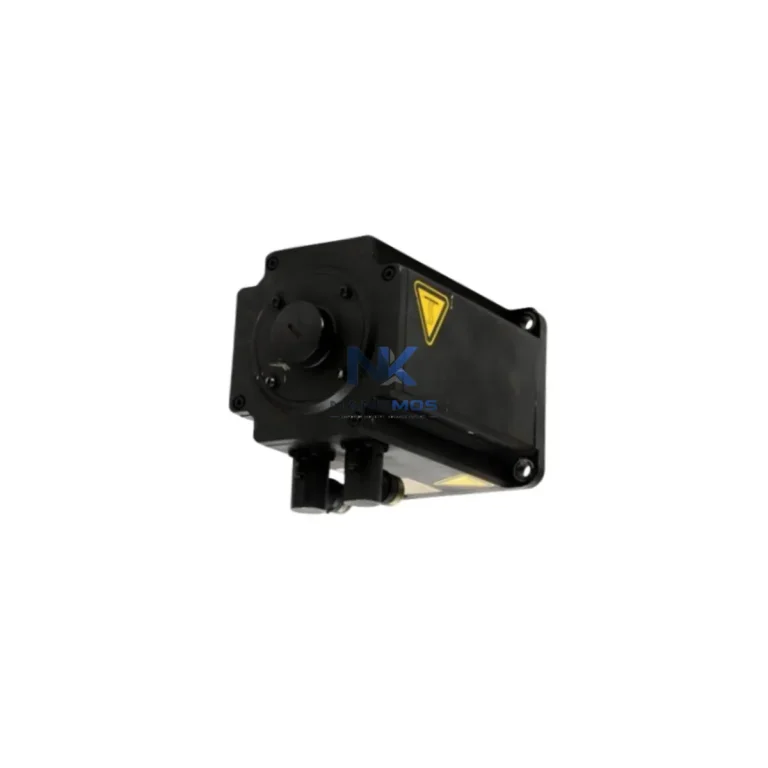
Functional Inspection
100% tested on professional platforms to ensure stable performance.
KUKA 00-161-116 is a NANKMOS industrial automation product record Listed under Other series series and Business & Industrial > Automation, Control & Flow Devices. Confirm condition, availability, lead time, compatibility and documentation by email inquiry.
Brand names are used for identification only.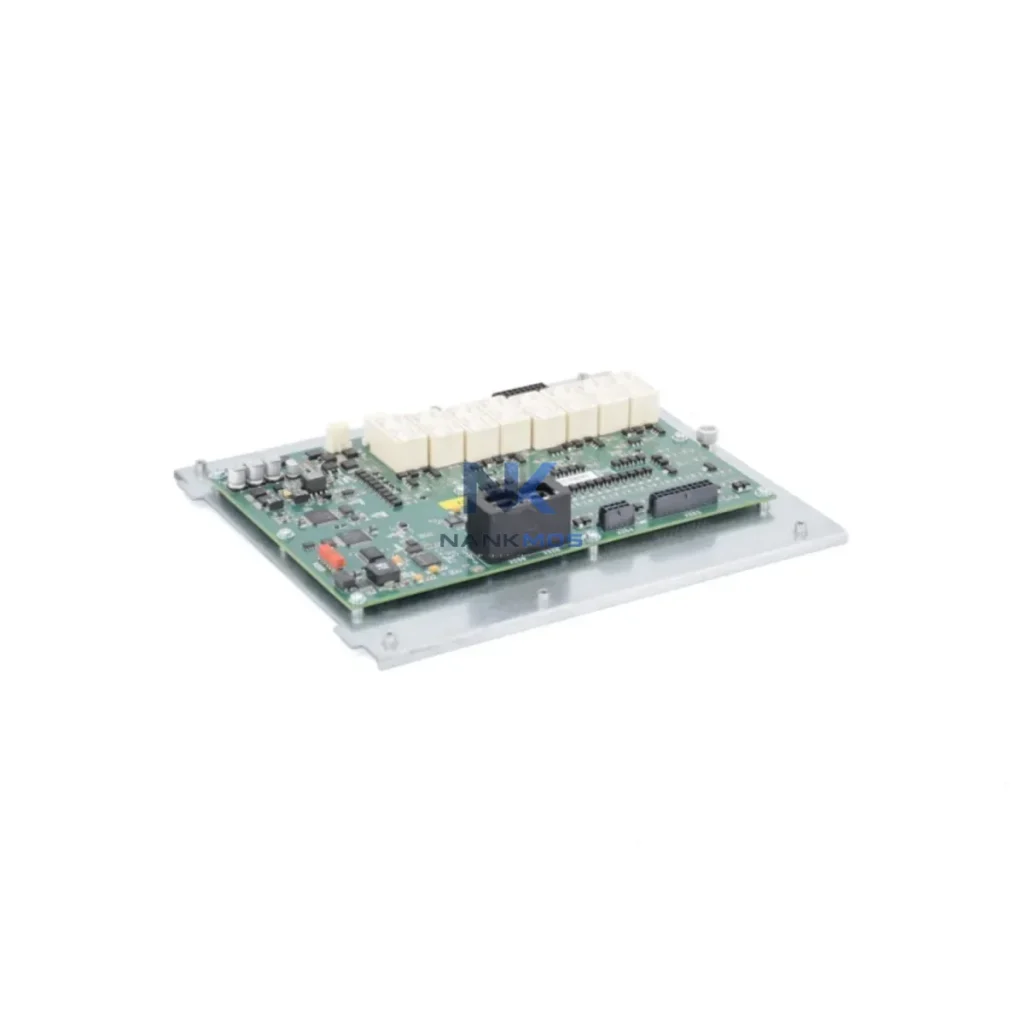
KUKA 00-161-116 is a NANKMOS industrial automation product record Listed under Other series series and Business & Industrial > Automation, Control & Flow Devices. Confirm condition, availability, lead time, compatibility and documentation by email inquiry.
| Manufacturer | KUKA |
|---|---|
| Application | DCS / Control Board Replacement |
| Part Number / Model | 00-161-116 |
| Compatible System | Confirmed by inquiry |
| Condition Options | To Confirm |
| Module Type | Control Board / Card |
| Warranty | 12 Months |
| Packaging | Anti-static Bag / Secure Box |
| Shipping Methods | DHL / FedEx / UPS / Air / Sea |
| Availability | To Confirm |
| Lead Time | To Confirm |
| Documentation | Part number and revision checked before quote |
The KUKA 00-161-116 Safety Interface Board is a critical connectivity component engineered for KRC-series robot controllers, purpose-built to bridge safety-critical signal paths with the broader industrial data network. In modern smart factory environments, where every millisecond of latency and every byte of diagnostic data matters, this board functions as the nerve center between the robot's internal safety logic and the plant-wide communication infrastructure — enabling real-time monitoring, remote diagnostics, and seamless SCADA/HMI integration across the entire production cell.
In a fully connected smart factory, the KUKA 00-161-116 sits at the intersection of robot-level safety logic and plant-level data infrastructure. The data flow begins at the field device layer: safety sensors — such as light curtains, emergency stop relays, and door interlock switches — feed discrete signals into the KRC controller's safety circuit. The 00-161-116 board processes and validates these signals internally, then relays structured safety status data upward through the communication stack.
At the network layer, the board interfaces with the KRC controller's communication backplane, where modules such as the KUKA KPC (KRC4 PC unit) and KUKA KSP (servo power module) exchange cyclic process data. This data is then forwarded via an industrial Ethernet switch — typically a managed switch supporting PROFINET or EtherNet/IP — to the plant's control backbone. Siemens S7-series PLCs or Allen-Bradley ControlLogix controllers acting as the primary automation controller receive safety state information in real time, enabling coordinated cell-level interlocking and zone management.
The safety status data propagates further to the SCADA layer, where systems such as Wonderware InTouch or Siemens WinCC aggregate robot cell health data alongside data from remote I/O modules, variable frequency drives (VFDs), and distributed sensor networks. HMI panels mounted at the cell level — such as KUKA smartPAD or third-party Weintek/Proface terminals — display live safety state, fault codes, and operational mode status, giving operators immediate visibility without requiring physical access to the controller cabinet.
For remote diagnostics, the 00-161-116's safety data stream is captured by an edge gateway device — such as a Moxa MGate protocol converter or a Hilscher netTAP gateway — which translates proprietary KUKA safety bus frames into standard OPC-UA or MQTT payloads. These payloads are then consumed by cloud-based or on-premise MES/SCADA platforms, enabling maintenance engineers to monitor safety circuit status, track fault history, and trigger predictive maintenance workflows from any location on the plant network.
Power integrity for the entire safety interface chain is maintained by a dedicated KUKA KPS (power supply unit) within the KRC cabinet, ensuring that the 00-161-116 board and its connected safety I/O channels receive stable, conditioned DC power even during transient load events. This architecture ensures that the safety data link remains uninterrupted across all operating modes — from normal production to emergency stop recovery and controlled restart sequences.
Protocol Fragmentation: Many legacy robot cells run proprietary safety bus protocols that cannot be directly read by modern SCADA or MES systems. The KUKA 00-161-116, when paired with an appropriate protocol gateway module, bridges this gap — converting KUKA-native safety signals into standard industrial Ethernet frames that any PROFINET or EtherNet/IP-capable controller can consume without custom middleware.
Data Silos and Production Transparency: Without a functioning safety interface board, robot cell safety states become invisible to the plant network — creating data silos where operators must physically inspect each cell to confirm safe status. The 00-161-116 eliminates this blind spot by continuously publishing safety state data to the network, enabling real-time production transparency across multi-cell layouts and multi-robot workcells.
Remote Monitoring and Alarm Tracking: Unplanned safety stops are among the most costly disruptions in automated production. With the 00-161-116 maintaining a live safety data link, SCADA systems can log every safety event with timestamp, fault code, and recovery action — building a complete alarm history that supports root cause analysis, shift reporting, and compliance documentation without manual data entry.
System Expansion and Scalability: As production lines expand, new robot cells must be integrated into the existing safety and data network without disrupting ongoing operations. The 00-161-116's standard interface architecture allows new KRC controllers to be added to the network incrementally, with each board contributing its safety data stream to the central SCADA/MES layer through the same protocol stack — ensuring consistent data quality and network stability as the system scales.
Q1: What communication protocols does the KUKA 00-161-116 support for SCADA integration? The 00-161-116 operates within the KRC controller's internal safety bus architecture, which supports data exchange with PROFINET and EtherNet/IP networks via the controller's communication interface modules. For direct OPC-UA or MQTT integration, a protocol gateway such as a Moxa MGate or Hilscher netTAP is recommended to translate safety bus data into standard industrial Ethernet payloads compatible with most SCADA and MES platforms.
Q2: How does this board ensure network stability in high-cycle production environments? The 00-161-116 is designed for continuous-duty operation within the KRC controller cabinet, with hardware-level watchdog circuits that detect communication faults and trigger controlled safety responses within milliseconds. This ensures that network instability — such as packet loss or switch failover events — does not result in undetected safety state changes, maintaining data integrity across the full production cycle.
Q3: Can the 00-161-116 support remote diagnostics without on-site access? Yes. When the KRC controller is connected to the plant network via a managed industrial Ethernet switch, the safety state data maintained by the 00-161-116 is accessible to remote diagnostic tools through the controller's network interface. Maintenance engineers can query fault codes, safety zone status, and operational mode data from a remote workstation or mobile device connected to the plant VPN, reducing the need for on-site intervention during routine diagnostics.
Q4: What warranty and pre-shipment testing does NANKMOS provide for the 00-161-116? Every KUKA 00-161-116 Safety Interface Board supplied by NANKMOS is covered by a 12-month warranty from the date of shipment. Prior to dispatch, each unit undergoes functional verification testing to confirm safety signal relay, communication interface integrity, and board-level power stability. Units that do not pass pre-shipment testing are not dispatched. In-stock units are available for immediate global shipping, with lead times confirmed at the time of order.
Functional Inspection100% tested on professional platforms to ensure stable performance.
 Anti-static Packaging
Modules are packed in anti-static bags to prevent electrostatic damage.
 Secure Export Packing
Cushion protection and strong cartons ensure safe transportation.
 Worldwide Shipping
Global logistics network supports air, sea and express delivery.
 Documentation Check
Part number, revision and compatibility verified before shipment.
 After-sales Support
Professional technical support to help resolve your issues.