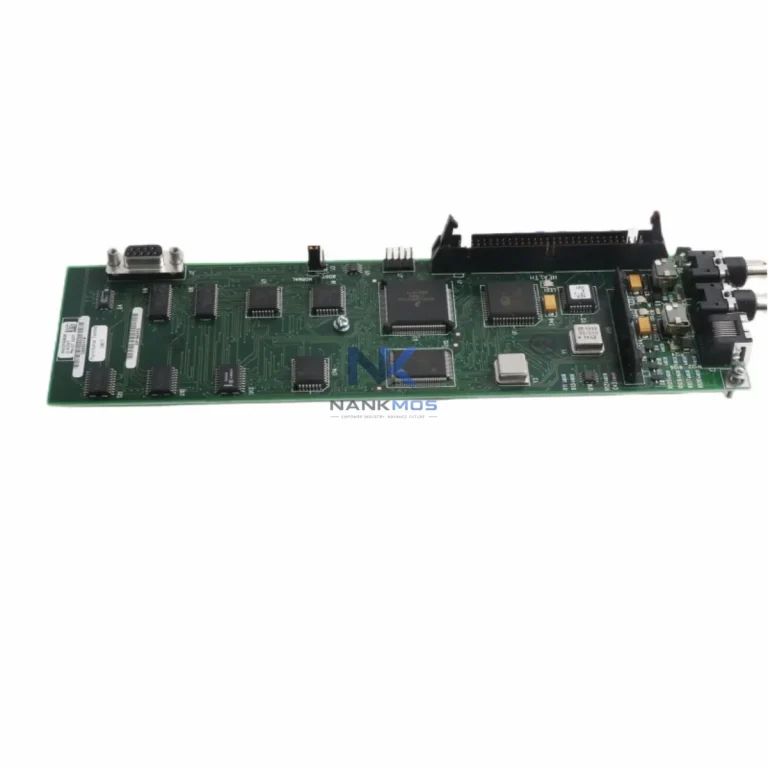
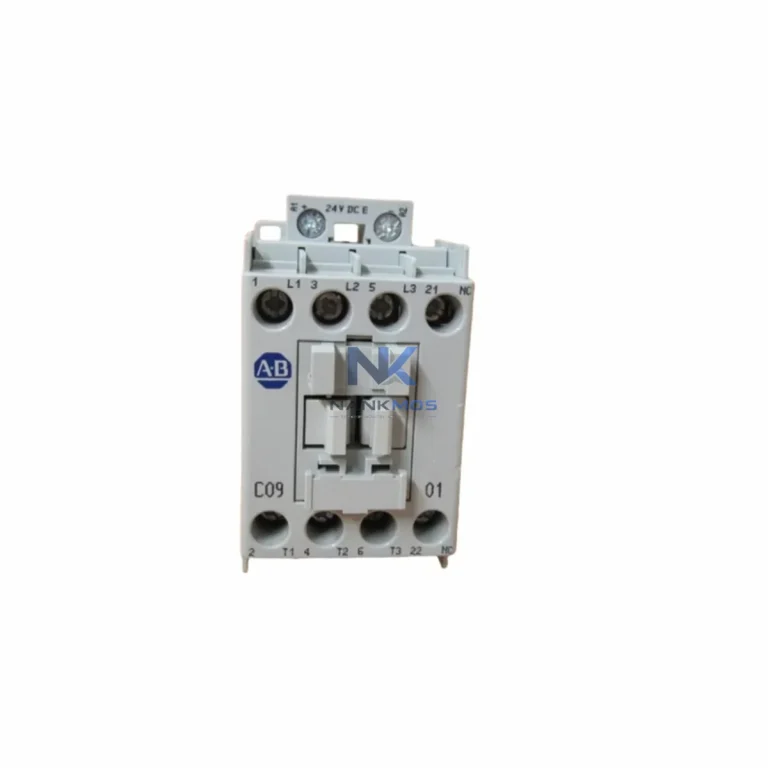
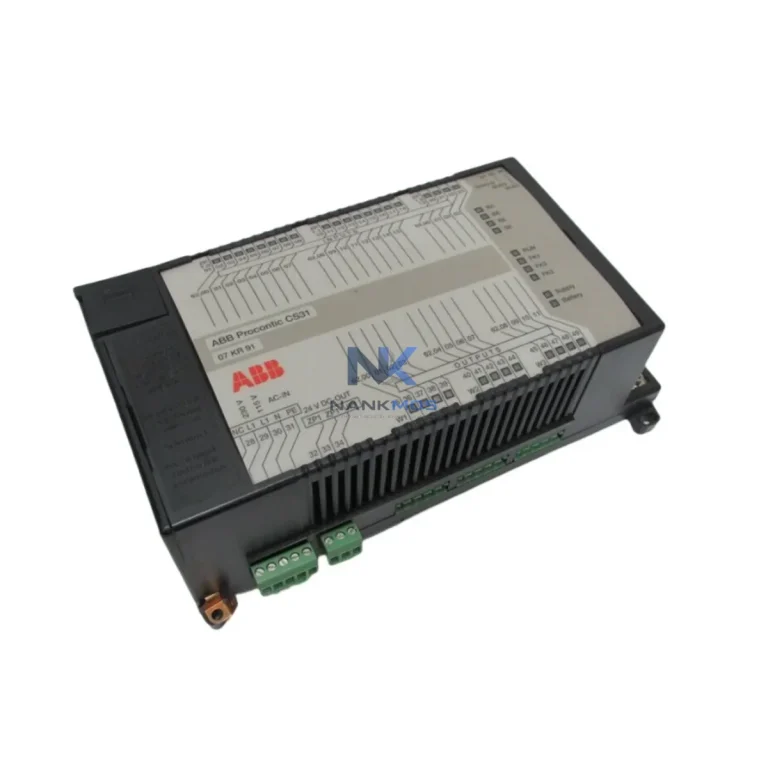
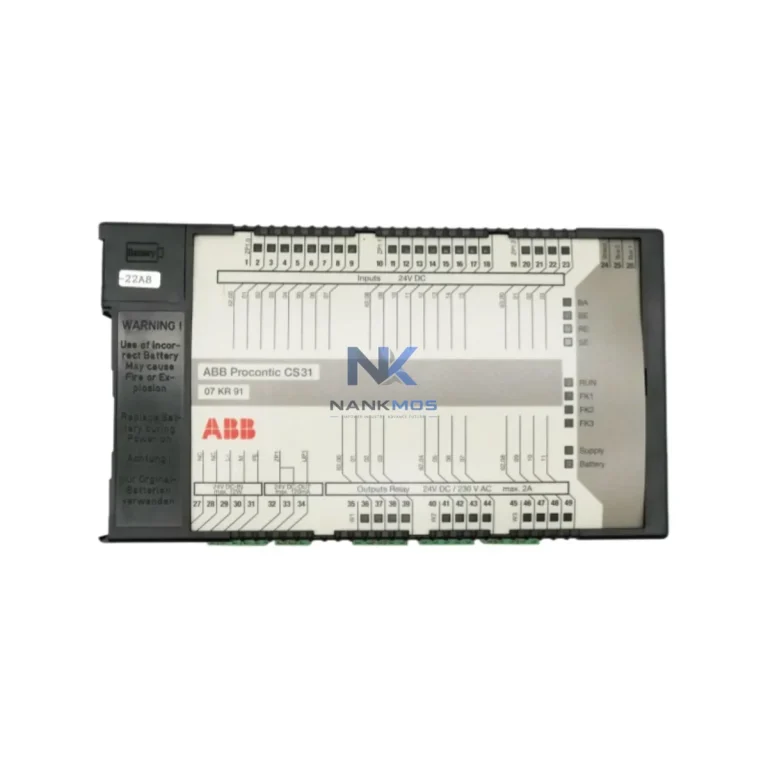
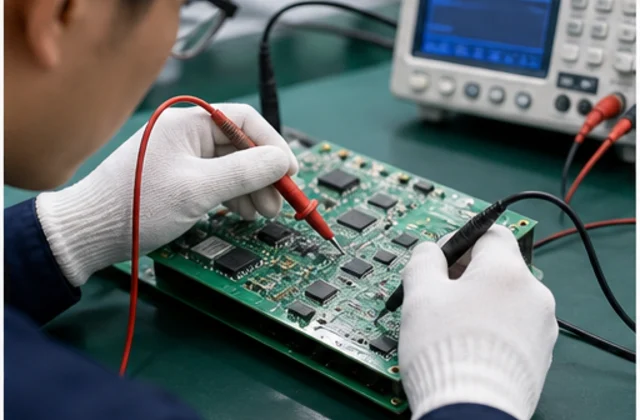
 Functional Inspection
100% tested on professional platforms to ensure stable performance.
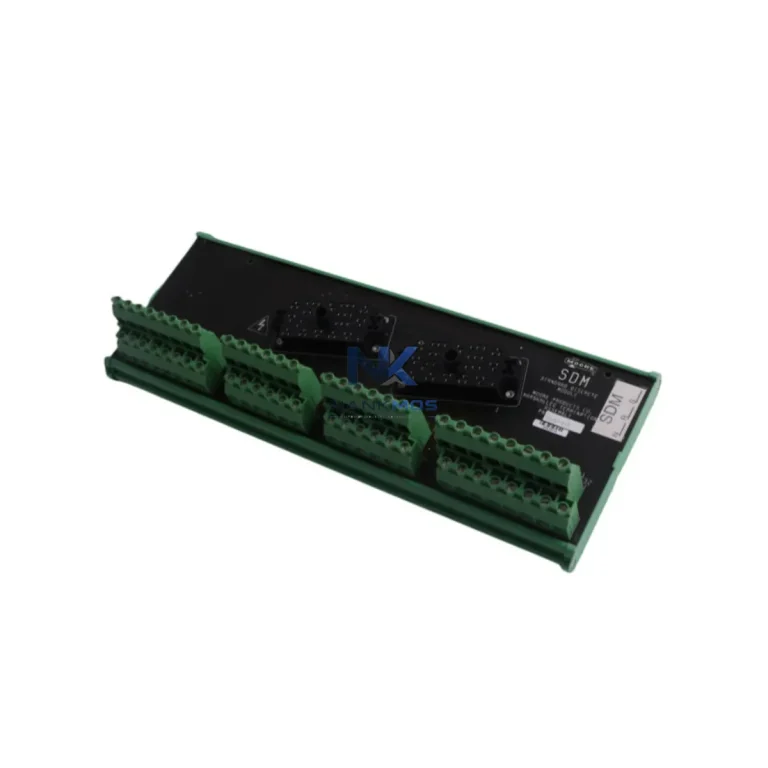
Moore Industries 16416-1-2 is a NANKMOS industrial automation product record Listed under Other series series and Business & Industrial > Automation, Control & Flow Devices. Confirm condition, availability, lead time, compatibility and documentation by email inquiry.
Brand names are used for identification only.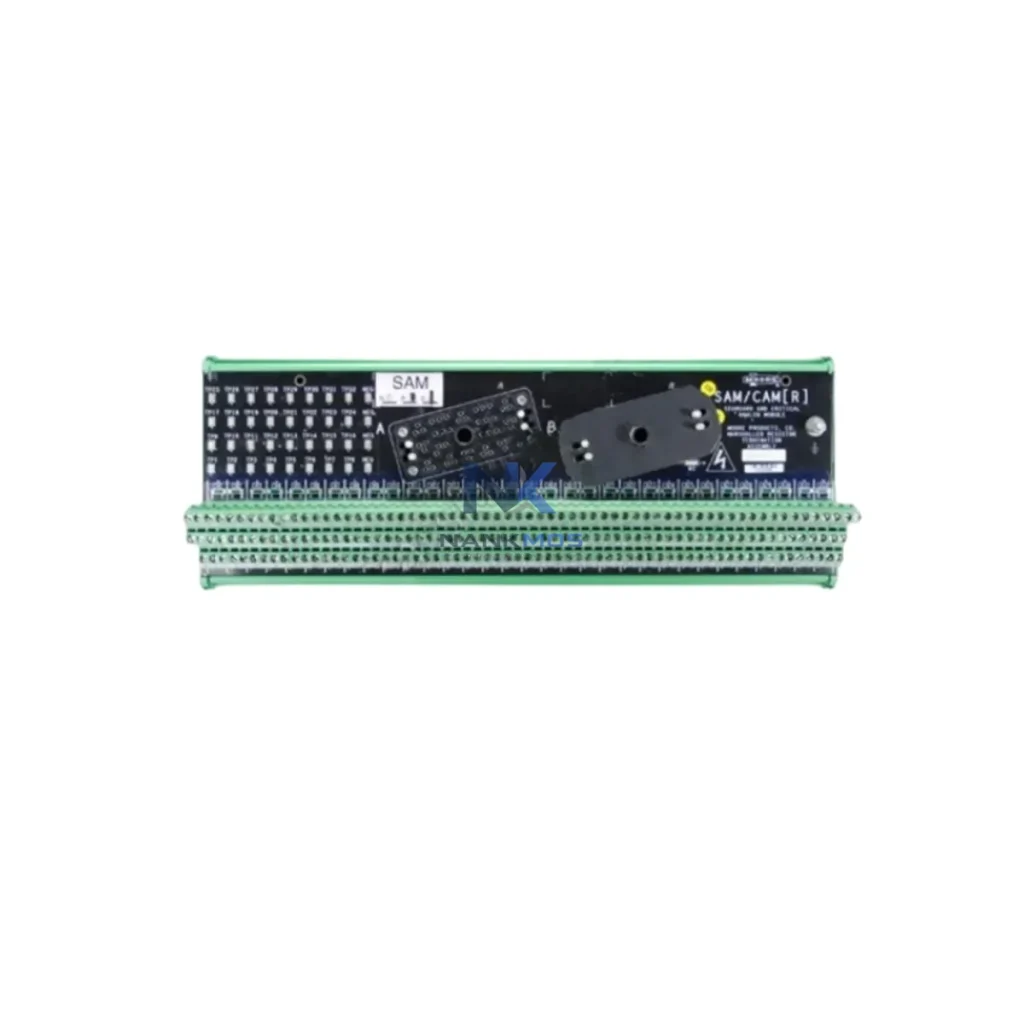
Moore Industries 16416-1-2 is a NANKMOS industrial automation product record Listed under Other series series and Business & Industrial > Automation, Control & Flow Devices. Confirm condition, availability, lead time, compatibility and documentation by email inquiry.
| Manufacturer | Moore Industries |
|---|---|
| Application | Industrial Network & Bus Termination |
| Part Number / Model | 16416-1-2 |
| Compatible System | Confirmed by inquiry |
| Condition Options | To Confirm |
| Module Type | Bus / Network Interface Module |
| Warranty | 12 Months |
| Packaging | Anti-static Bag / Secure Box |
| Shipping Methods | DHL / FedEx / UPS / Air / Sea |
| Availability | To Confirm |
| Lead Time | To Confirm |
| Documentation | Part number and revision checked before quote |
The Moore Industries 16416-1-2 Marshalled Termination Unit is engineered to serve as the structured signal interface between field instrumentation and the DCS I/O subsystem — a role that is foundational to any reliable process control architecture. In large-scale automation environments, signal marshalling is not a passive function; it defines the integrity of every analog loop, discrete input, and diagnostic pathway that flows into the control layer.
Within a complete DCS architecture, the 16416-1-2 operates at the I/O termination layer, receiving field wiring from transmitters, sensors, and actuators, and presenting clean, organized termination points to the DCS I/O cards. This eliminates direct field-to-card wiring, dramatically reducing the risk of wiring errors during commissioning and simplifying loop modifications during plant expansions. When paired with Moore Industries STA Series signal conditioners and the NCS Net Concentrator System, the termination unit becomes part of a fully coordinated signal chain — from field device to controller — with consistent impedance matching and loop integrity across all channels.
For DCS platforms such as Honeywell Experion PKS, Emerson DeltaV, Yokogawa CENTUM VP, or ABB System 800xA, the 16416-1-2 provides a standardized termination footprint that aligns with the I/O card pitch and cabinet layout conventions of these systems. This compatibility reduces engineering hours during detailed design and ensures that the marshalling cabinet layout can be replicated across multiple process units or plant expansions without redesign. The unit also supports integration with Moore Industries RIX Rack-Mounted Isolators and the TDY Series temperature-to-current transmitters, enabling a complete signal conditioning and termination solution within a single cabinet footprint.
Signal isolation is a critical consideration in marshalled termination architectures. The 16416-1-2 is designed to work alongside Moore Industries SPA Series signal-powered isolators and the HIM HART Interface Module, ensuring that ground loops, common-mode noise, and cross-channel interference are managed at the termination layer rather than propagating into the DCS I/O cards. This approach protects the controller backplane from field-side electrical disturbances and maintains measurement accuracy across long cable runs in electrically noisy environments such as motor control centers, variable frequency drive (VFD) panels, and high-voltage switchgear rooms.
In redundant control architectures, the 16416-1-2 supports dual-termination configurations where field signals are simultaneously presented to primary and secondary DCS I/O cards. This is essential for Safety Instrumented Systems (SIS) and high-availability process loops where single-point failures in the termination layer cannot be tolerated. The unit's passive architecture ensures that redundancy switching — managed by the DCS or SIS controller — is not compromised by active components in the termination path. Compatible redundancy configurations include Triconex Tricon CX, Honeywell Safety Manager, and Emerson DeltaV SIS platforms.
From a cabinet engineering perspective, the 16416-1-2 supports structured wiring practices that align with IEC 61511 and ISA-5.1 documentation standards. Each termination point is clearly labeled and accessible for loop testing, calibration, and fault isolation without disturbing adjacent circuits. This is particularly valuable during pre-commissioning activities, where loop checks must be completed rapidly across hundreds of field instruments. The unit's compatibility with Moore Industries MTL Zener barriers and galvanic isolators further extends its applicability to intrinsically safe (IS) circuits in Zone 1 and Zone 2 hazardous areas.
Oil & Gas / Petrochemical: In upstream and downstream process facilities, the 16416-1-2 is deployed in marshalling cabinets that interface field transmitters — pressure, temperature, flow, and level — with the DCS I/O subsystem. The unit's robust termination design withstands the vibration and thermal cycling common in compressor stations, refinery process units, and LNG terminals. Its compatibility with HART-enabled instruments allows asset management software such as Emerson AMS Device Manager or Honeywell Field Device Manager to access field device diagnostics through the termination layer without additional hardware.
Power Generation & Utilities: In combined-cycle power plants and utility substations, the 16416-1-2 supports the termination of analog signals from turbine control systems, boiler instrumentation, and generator protection relays. The unit's passive architecture ensures that it does not introduce additional failure modes into safety-critical loops, and its compatibility with redundant DCS I/O configurations supports the high-availability requirements of grid-connected generation assets.
Water & Wastewater Treatment: Municipal and industrial water treatment facilities use the 16416-1-2 to organize field wiring from flow meters, pH analyzers, dissolved oxygen sensors, and pump control circuits. The unit's structured termination approach simplifies the work of maintenance technicians who must perform loop checks and instrument calibrations on a regular basis, reducing mean time to repair (MTTR) and supporting compliance with environmental monitoring requirements.
Mining & Minerals Processing: In concentrator plants and smelting facilities, the 16416-1-2 provides reliable signal termination in environments characterized by high dust levels, mechanical vibration, and wide ambient temperature swings. Its compatibility with Moore Industries intrinsic safety barriers supports the termination of signals from sensors located in potentially explosive atmospheres, such as coal handling areas and solvent extraction circuits.
Pharmaceutical & Food Processing: In GMP-regulated manufacturing environments, the 16416-1-2 supports the structured documentation and traceability requirements of FDA 21 CFR Part 11 and EU GMP Annex 11. Its clearly labeled termination points facilitate the loop documentation and validation activities required during equipment qualification (IQ/OQ/PQ), and its compatibility with HART instruments supports the electronic calibration records required by modern quality management systems.
Q1: Is the Moore Industries 16416-1-2 compatible with both legacy and modern DCS platforms? Yes. The 16416-1-2 uses a passive termination architecture that is inherently compatible with any DCS platform that accepts standard analog (4–20 mA) and discrete I/O signals. It has been successfully deployed with Honeywell TDC 3000, Experion PKS, Emerson DeltaV, Yokogawa CENTUM CS/VP, ABB Advant/System 800xA, and Siemens PCS 7 systems. For legacy system migrations, the unit's standardized termination footprint allows field wiring to be preserved while the DCS I/O cards are upgraded, significantly reducing migration risk and downtime.
Q2: How does the 16416-1-2 support long-term maintenance and spare parts management? The 16416-1-2's passive, modular design means that it has no active components subject to wear or drift, resulting in an exceptionally long service life with minimal maintenance requirements. Moore Industries' long-term product support policy ensures that replacement units and compatible accessories remain available for the life of the installation. NANKMOS maintains verified stock of the 16416-1-2 and compatible Moore Industries signal conditioning components, with pre-shipment functional testing and a 12-Month Warranty on every unit shipped. This inventory commitment supports both planned maintenance shutdowns and emergency replacement scenarios.
Q3: What is the recommended installation practice for the 16416-1-2 in a redundant DCS architecture? In redundant DCS architectures, the 16416-1-2 should be installed with field signal wiring terminated to a common marshalling point, with separate cable runs to the primary and secondary DCS I/O cards. This configuration ensures that a single wiring fault does not simultaneously affect both redundant I/O paths. Cable segregation should follow IEC 61511 requirements, with primary and secondary I/O cables routed in separate cable trays. For SIS applications, the termination unit should be installed in a dedicated SIS marshalling cabinet, physically separated from the basic process control system (BPCS) terminations, in accordance with IEC 61511-1 Clause 11.6.4.
Functional Inspection100% tested on professional platforms to ensure stable performance.
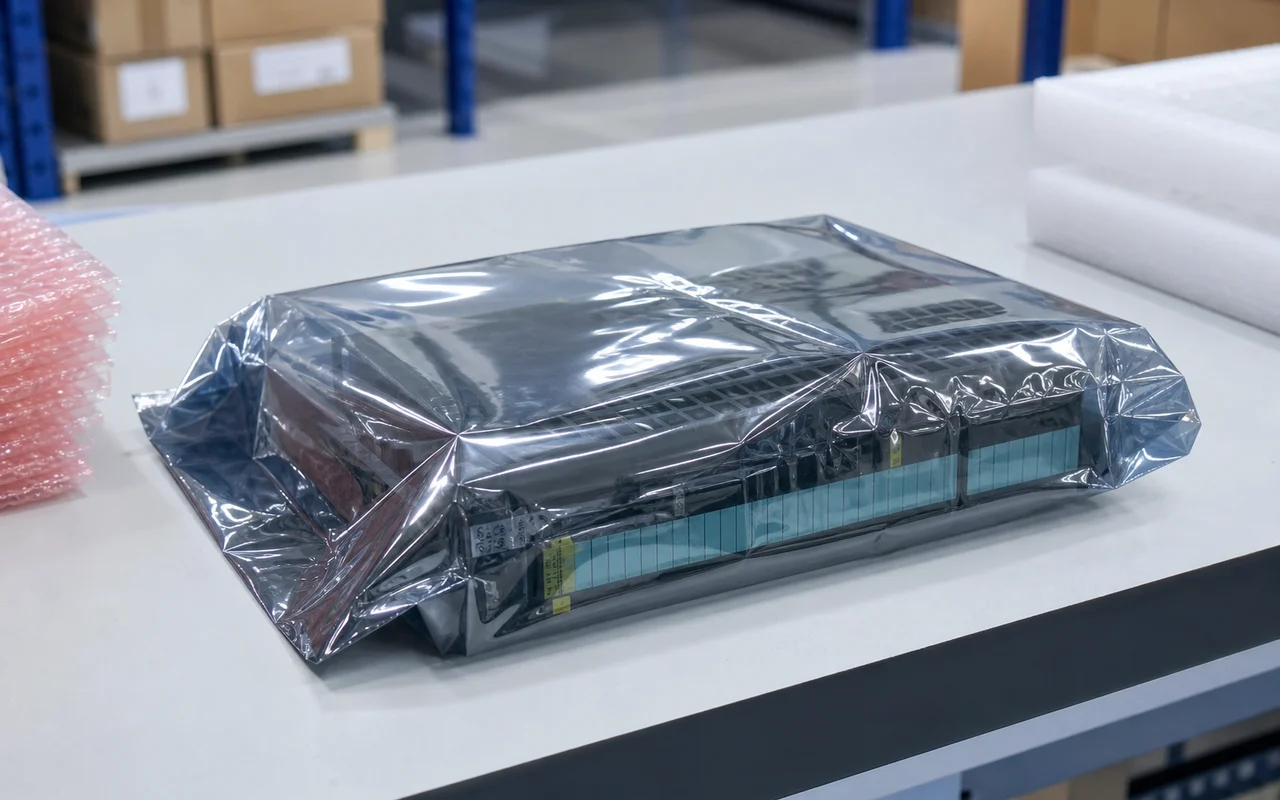 Anti-static Packaging
Modules are packed in anti-static bags to prevent electrostatic damage.
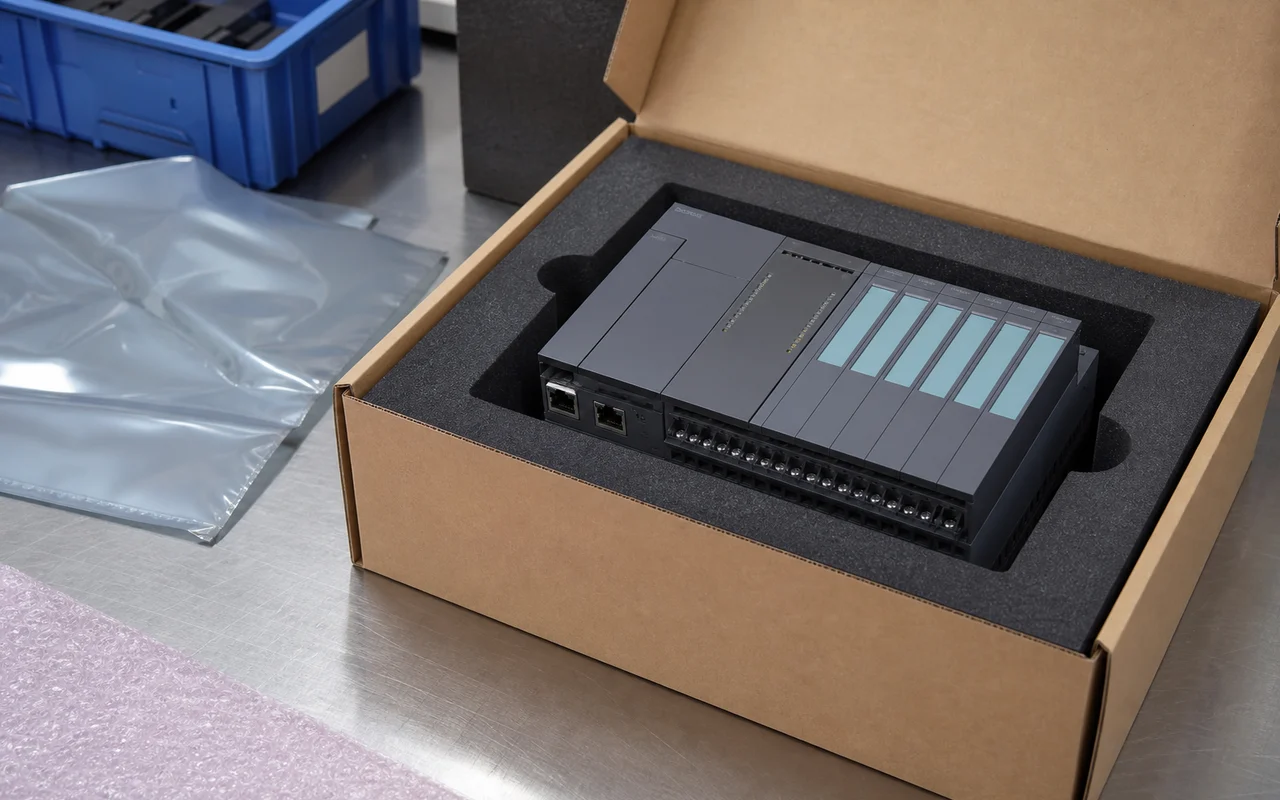 Secure Export Packing
Cushion protection and strong cartons ensure safe transportation.
 Worldwide Shipping
Global logistics network supports air, sea and express delivery.
 Documentation Check
Part number, revision and compatibility verified before shipment.
 After-sales Support
Professional technical support to help resolve your issues.