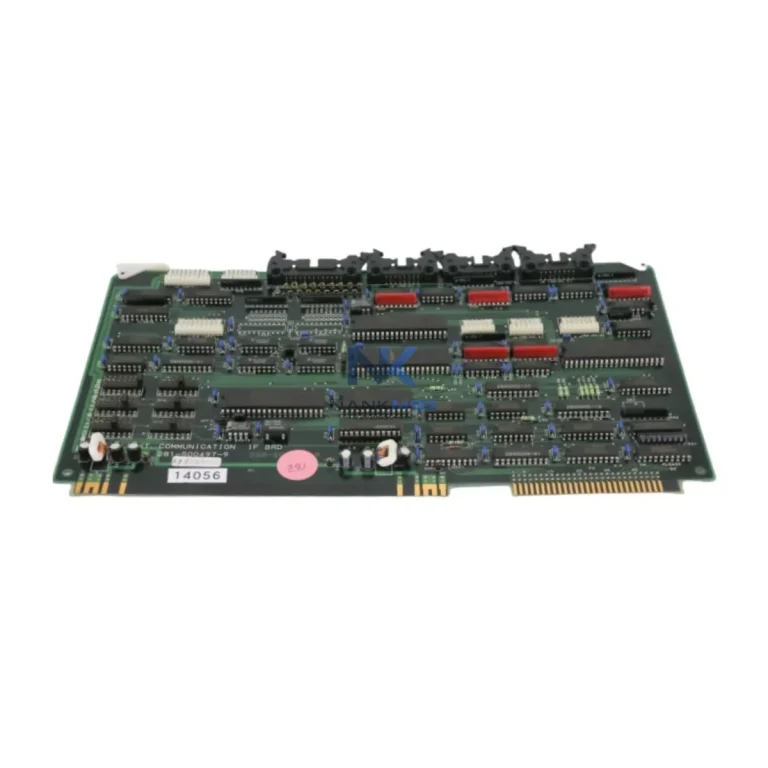
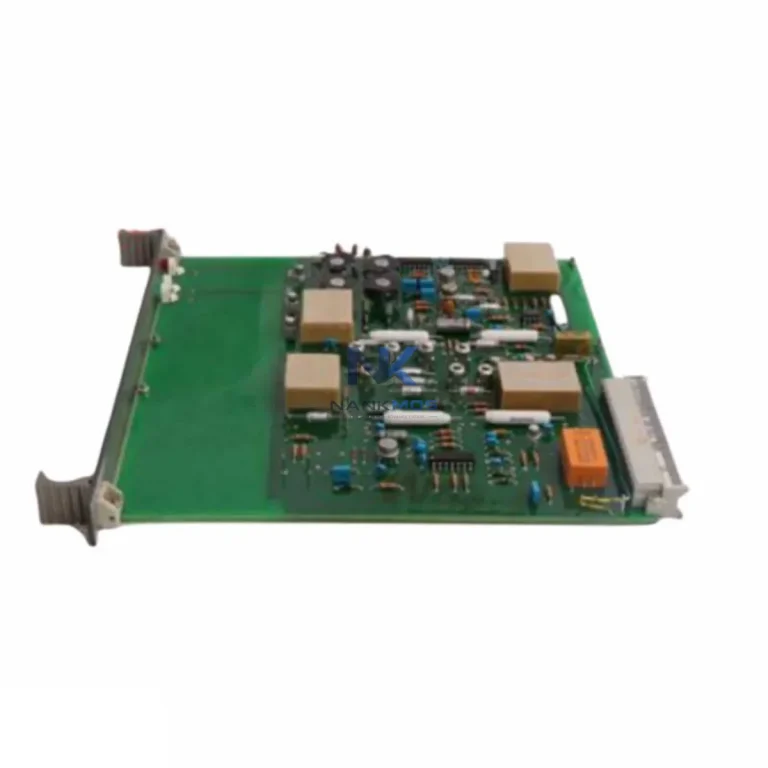
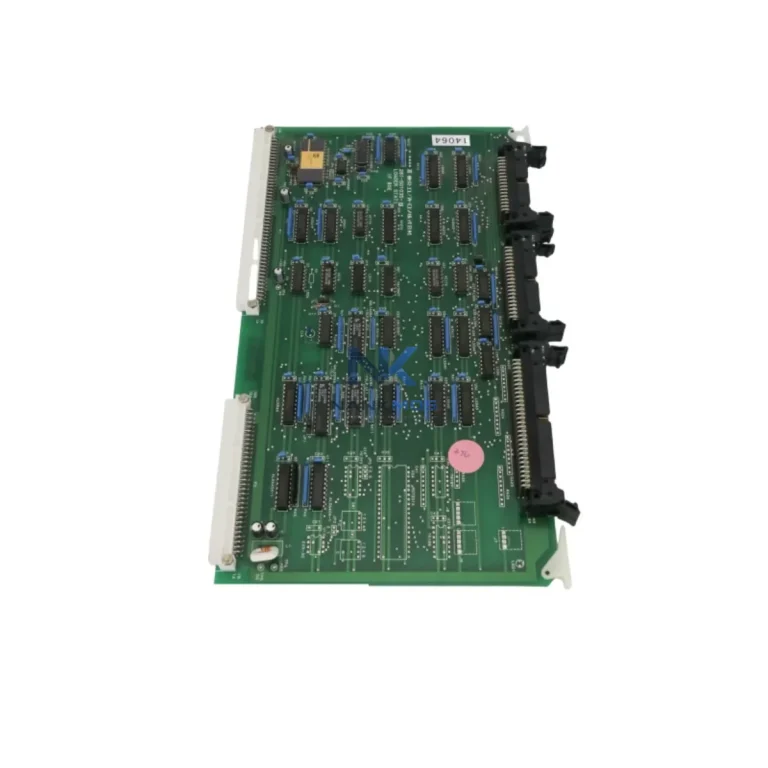
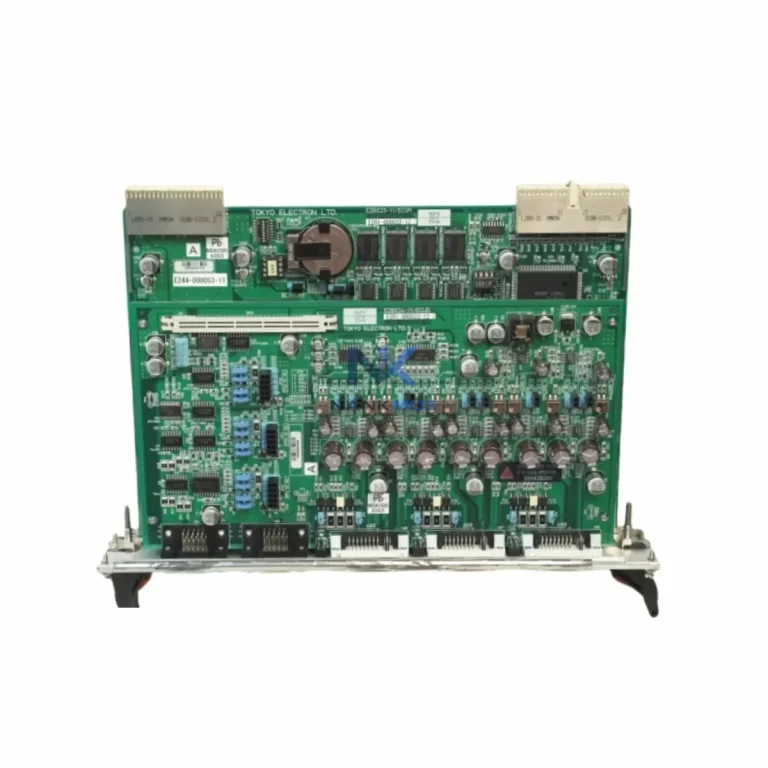
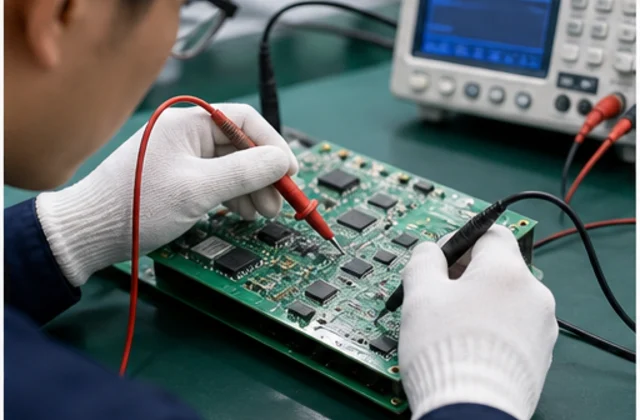
 Functional Inspection
100% tested on professional platforms to ensure stable performance.
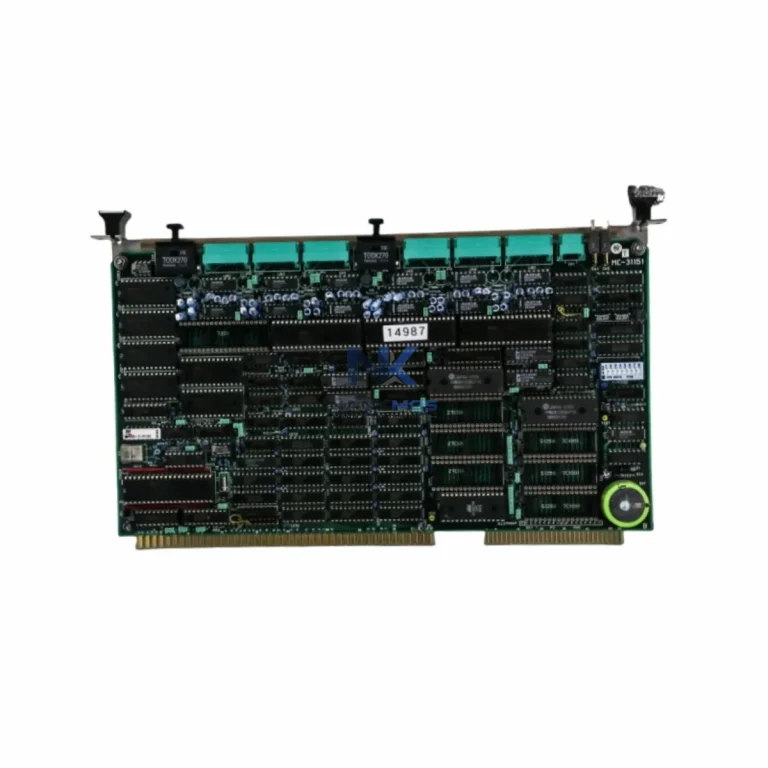
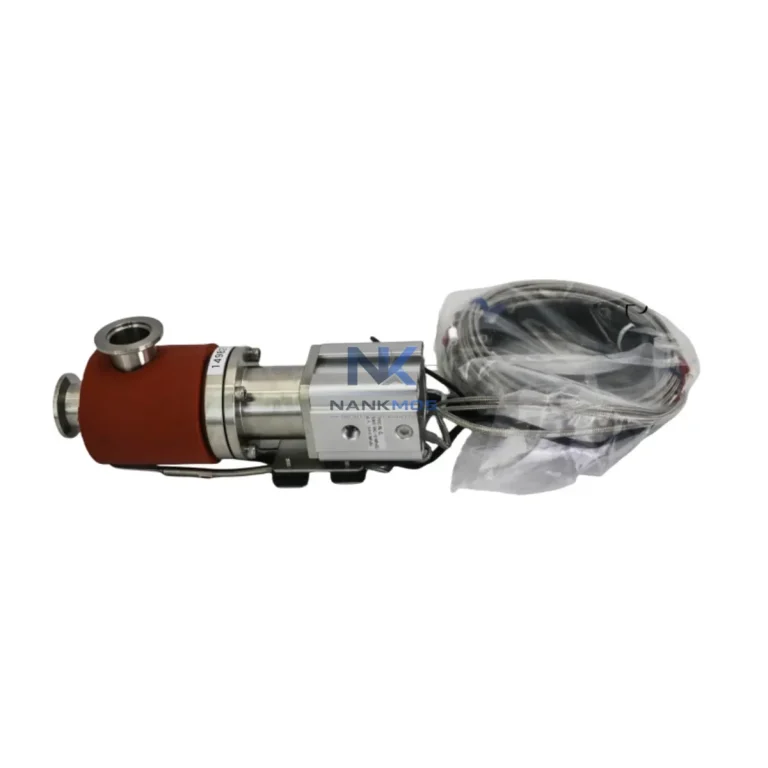
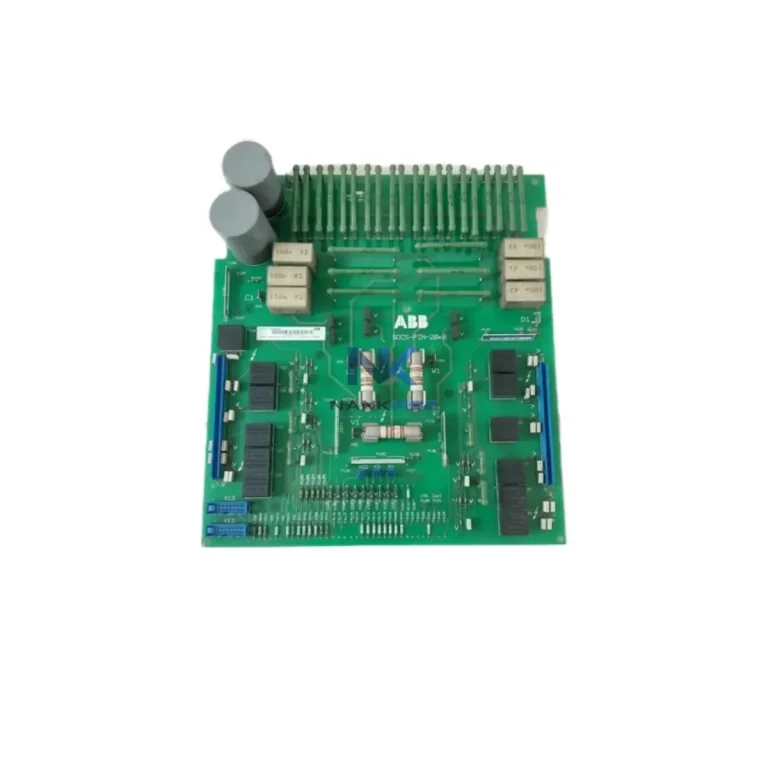
TOKYO ELECTRON 1D10-203699-11 119151-01 PW3-32/900 is a NANKMOS industrial automation product record Listed under Other series series and Business & Industrial > Automation, Control & Flow Devices. Confirm condition, availability, lead time, compatibility and documentation by email inquiry.
Brand names are used for identification only.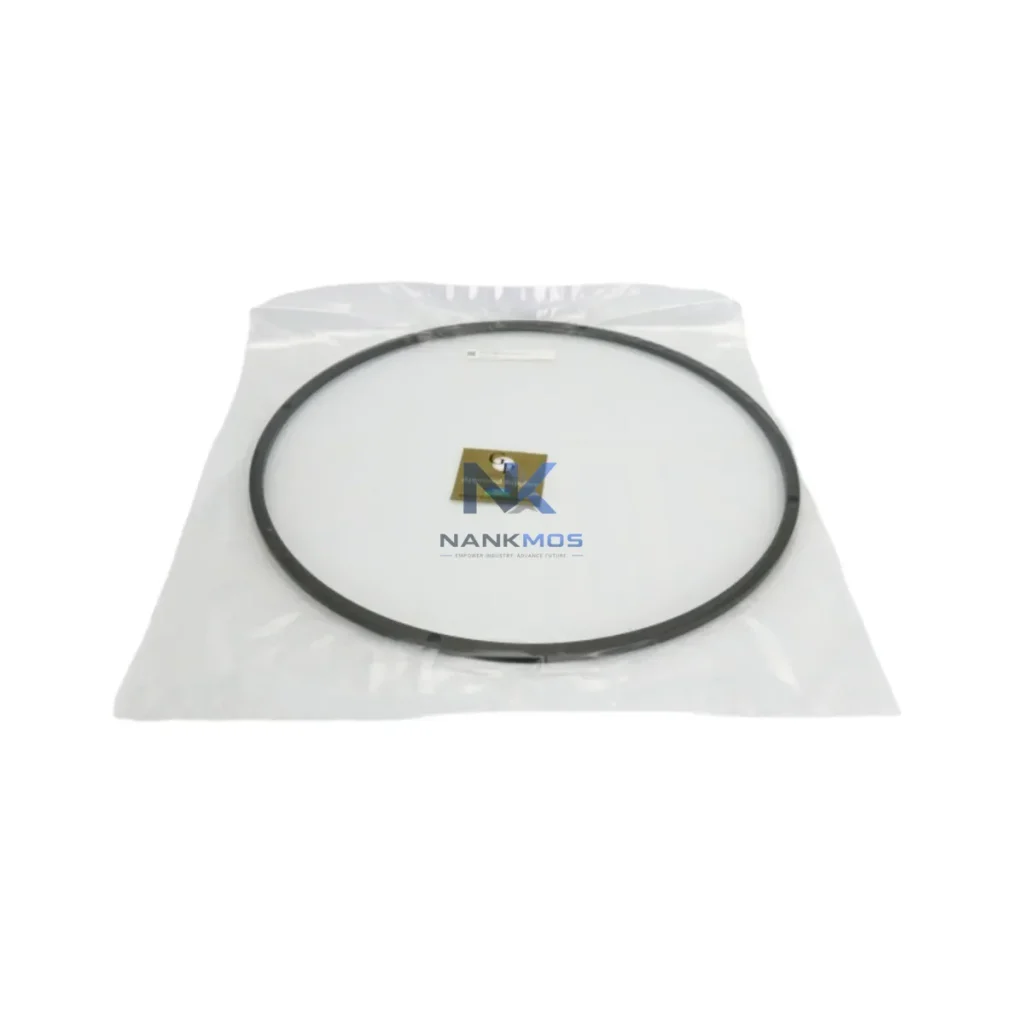
TOKYO ELECTRON 1D10-203699-11 119151-01 PW3-32/900 is a NANKMOS industrial automation product record Listed under Other series series and Business & Industrial > Automation, Control & Flow Devices. Confirm condition, availability, lead time, compatibility and documentation by email inquiry.
| Manufacturer | TOKYO ELECTRON |
|---|---|
| Application | Industrial Automation Maintenance |
| Part Number / Model | 1D10-203699-11 119151-01 PW3-32/900 |
| Compatible System | Confirmed by inquiry |
| Condition Options | To Confirm |
| Module Type | Automation, Control & Flow Devices |
| Warranty | 12 Months |
| Packaging | Anti-static Bag / Secure Box |
| Shipping Methods | DHL / FedEx / UPS / Air / Sea |
| Availability | To Confirm |
| Lead Time | To Confirm |
| Documentation | Part number and revision checked before quote |
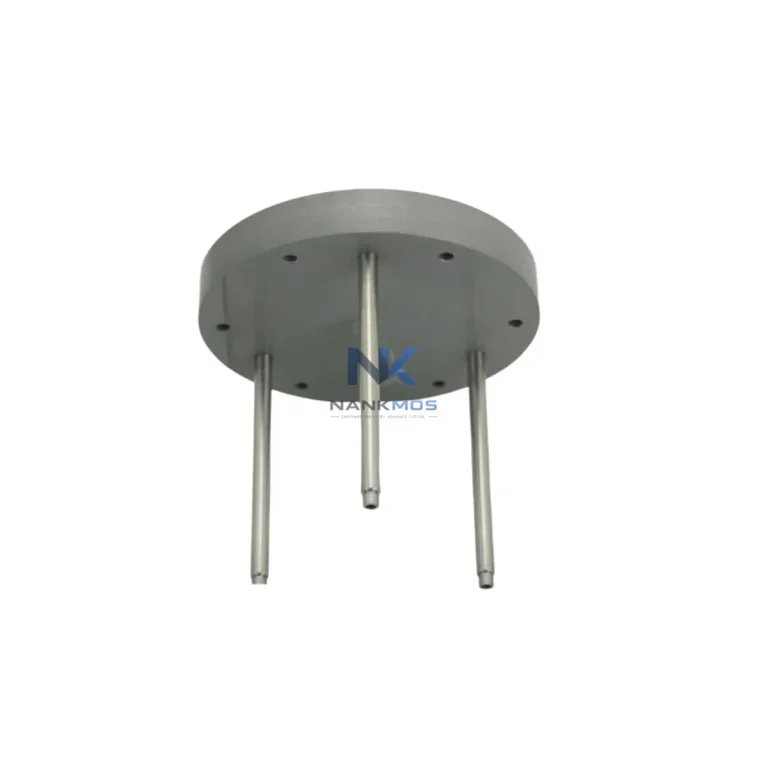
The TEL 1D10-203699-11 / 119151-01 PW3-32/900 Process Ring is a precision OEM spare component manufactured by Tokyo Electron (TEL) for advanced semiconductor process chambers. Designed for integration within TEL's Trias, Tactras, and Vigus etch and deposition platforms, this ring plays a critical role in maintaining process uniformity, plasma confinement, and chamber integrity across high-throughput wafer fabrication lines. In the context of smart factory automation, the PW3-32/900 ring is not merely a mechanical component — it is a key node in the equipment data chain that enables real-time process monitoring, predictive maintenance scheduling, and seamless SCADA/MES integration across the fab floor.
Modern semiconductor fabs operate under strict process control requirements where every chamber component must be tracked, monitored, and replaced within defined RF-hour or wafer-count thresholds. The TEL 1D10-203699-11 ring interfaces with the chamber's embedded sensor network, feeding real-time wear and process data through the equipment's SECS-GEM (SEMI E5/E30) communication layer to the host MES or SCADA system. This data flow — from the physical ring surface through the chamber controller, across the fab LAN via EtherNet/IP or RS-422 serial links, and into the upper-level manufacturing execution system — is the backbone of connected fab automation.
In a fully connected semiconductor fab, the TEL 1D10-203699-11 PW3-32/900 ring sits at the intersection of physical process control and digital data infrastructure. The data flow begins at the chamber level: embedded sensors within the TEL Trias or Tactras process module continuously monitor RF power delivery, chamber pressure, gas flow uniformity, and edge ring wear status. These signals are collected by the chamber's local process controller — typically a TEL-proprietary embedded controller or a third-party PLC such as a Siemens S7-1500 or Allen-Bradley ControlLogix — and transmitted upstream via SECS-GEM over HSMS-SS (Single Session) to the fab host system.
At the network layer, the SECS-GEM data stream travels across the fab's industrial Ethernet backbone — often built on managed industrial switches such as the Cisco IE-3400 or Hirschmann MACH104 — ensuring deterministic, low-latency packet delivery between the equipment and the MES server. For legacy TEL tools still using RS-422 serial communication, a serial-to-Ethernet gateway (such as the Moxa NPort 5650 or Lantronix UDS1100) bridges the older interface to the modern fab LAN, enabling full SECS-GEM over HSMS connectivity without requiring hardware replacement.
Once the process data reaches the MES or SCADA layer — platforms such as Applied Materials' Cimetrics, Camstar, or Siemens Opcenter — the ring's RF-hour count, wafer throughput, and process deviation alerts are logged, trended, and visualized on real-time dashboards. Maintenance engineers can set automated alarm thresholds: when the PW3-32/900 ring approaches its end-of-life RF-hour limit, the SCADA system triggers a preventive maintenance work order, ensuring zero unplanned downtime. This closed-loop data architecture — from the physical ring through the chamber controller, across the industrial network, and into the upper-level analytics platform — is the foundation of Industry 4.0 semiconductor manufacturing.
For fabs deploying edge computing architectures, an edge gateway (such as the Advantech ECU-1251 or Beckhoff CX2040) can be deployed at the equipment cluster level to pre-process SECS-GEM event data locally, reducing latency for real-time alarm response and enabling local data buffering during network interruptions. The edge node also supports OPC-UA protocol conversion, allowing TEL equipment data to be consumed by modern cloud-based analytics platforms alongside data from other fab tools — remote I/O modules, variable frequency drives (VFDs) on vacuum pump systems, and mass flow controller (MFC) networks — creating a unified, vendor-agnostic data fabric across the entire fab.
One of the most persistent challenges in semiconductor fab automation is the coexistence of legacy and modern equipment generations, each using different communication protocols and data formats. A fab running both older TEL Trias tools (RS-422/SECS-I) and newer Tactras platforms (HSMS/SECS-GEM over Ethernet) faces a protocol fragmentation problem: data from the older tools cannot be directly ingested by modern MES systems without protocol conversion middleware. The TEL 1D10-203699-11 PW3-32/900 ring, when installed in a properly networked chamber, becomes part of the solution — its wear data is accessible via the chamber's SECS-GEM interface regardless of the underlying physical layer, provided the correct gateway or NPort device is in place.
Data silos are another critical issue. When chamber component data — including ring wear status, process recipe deviations, and alarm histories — is trapped within the equipment controller and not forwarded to the MES, maintenance teams lose visibility into cross-tool trends. By ensuring that every TEL process chamber running the PW3-32/900 ring is properly configured for SECS-GEM host connectivity, fab engineers can aggregate ring lifecycle data across all chambers, enabling fleet-level predictive maintenance and reducing spare parts inventory carrying costs through data-driven reorder planning.
Remote diagnostics capability is equally important for fabs with distributed tool sets or multi-site operations. With SECS-GEM event reporting enabled, TEL equipment engineers can remotely access chamber status, alarm logs, and process data without physical presence on the fab floor — dramatically reducing mean time to repair (MTTR) for ring-related process excursions. Combined with a robust industrial network infrastructure and a well-configured SCADA alarm management system, the TEL 1D10-203699-11 ring becomes a traceable, data-rich asset in the smart factory ecosystem rather than an opaque mechanical consumable.
Q1: Does the TEL 1D10-203699-11 PW3-32/900 ring support SECS-GEM communication for MES integration? The ring itself is a mechanical process component, but it operates within TEL Trias and Tactras chambers that are fully SECS-GEM (SEMI E5/E30) compliant. Chamber-level data — including ring RF-hour counters, process alarms, and maintenance events — is reported to the host MES via SECS-GEM over HSMS, enabling full traceability and automated maintenance scheduling.
Q2: Can this ring be used in chambers connected via legacy RS-422 serial interfaces? Yes. The PW3-32/900 ring is compatible with both legacy TEL tools using RS-422/SECS-I and modern platforms using HSMS over Ethernet. For RS-422 tools, a serial-to-Ethernet gateway (e.g., Moxa NPort series) enables SECS-GEM over HSMS connectivity, ensuring the chamber's data — including ring status — is accessible to modern MES and SCADA systems without hardware replacement.
Q3: How does NANKMOS ensure network stability and system compatibility before shipment? Every TEL 1D10-203699-11 unit undergoes pre-shipment functional inspection and documentation verification. We confirm part number cross-references (1D10-203699-11 / 119151-01), dimensional compliance, and material certification before dispatch. All units are shipped with full traceability documentation to support incoming QC and MES asset registration at the receiving fab.
Q4: What warranty and support terms apply to this spare part? NANKMOS provides a 12-month warranty on the TEL 1D10-203699-11 PW3-32/900 ring from the date of shipment. In the event of a warranty claim, our technical team provides remote diagnostic support to determine root cause — whether the issue is component-related or driven by process conditions — and arranges expedited replacement to minimize fab downtime. Contact us at [email protected] or +86 18359268345 for RFQ and support.
Functional Inspection100% tested on professional platforms to ensure stable performance.
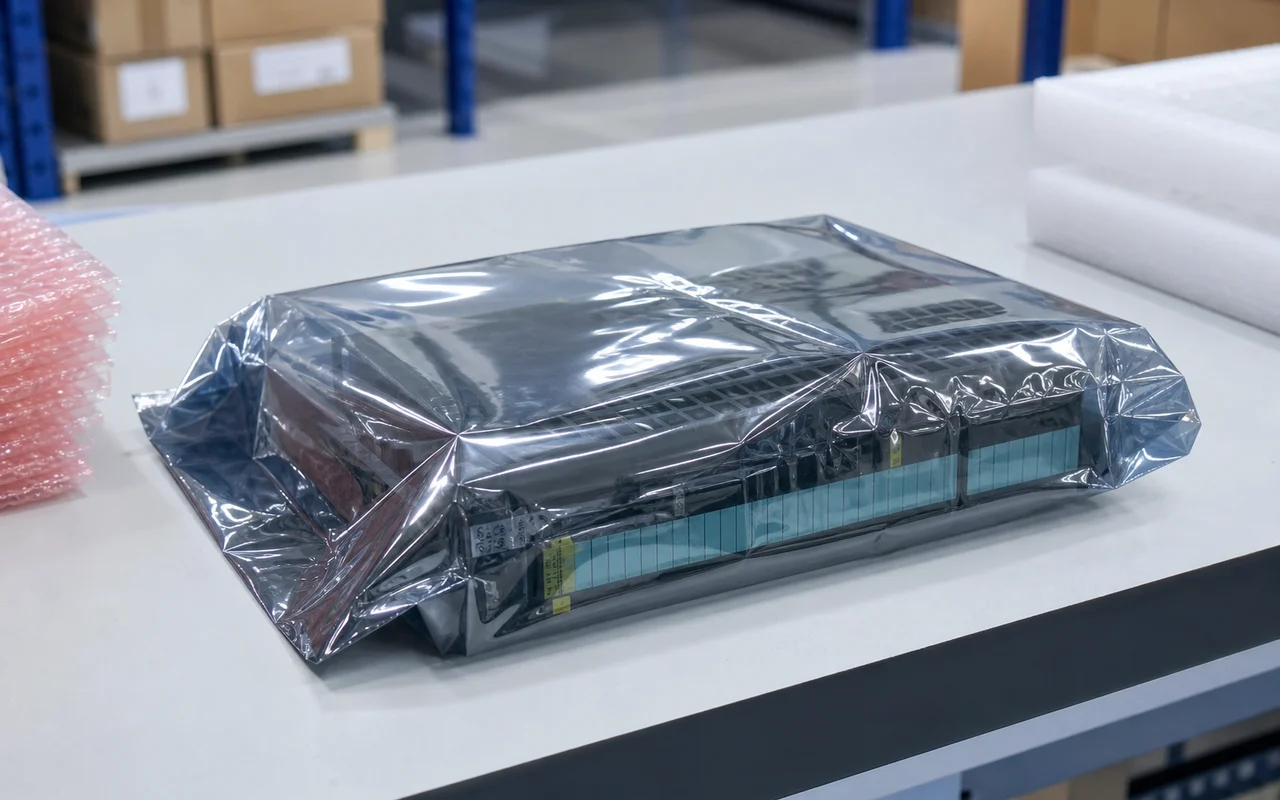 Anti-static Packaging
Modules are packed in anti-static bags to prevent electrostatic damage.
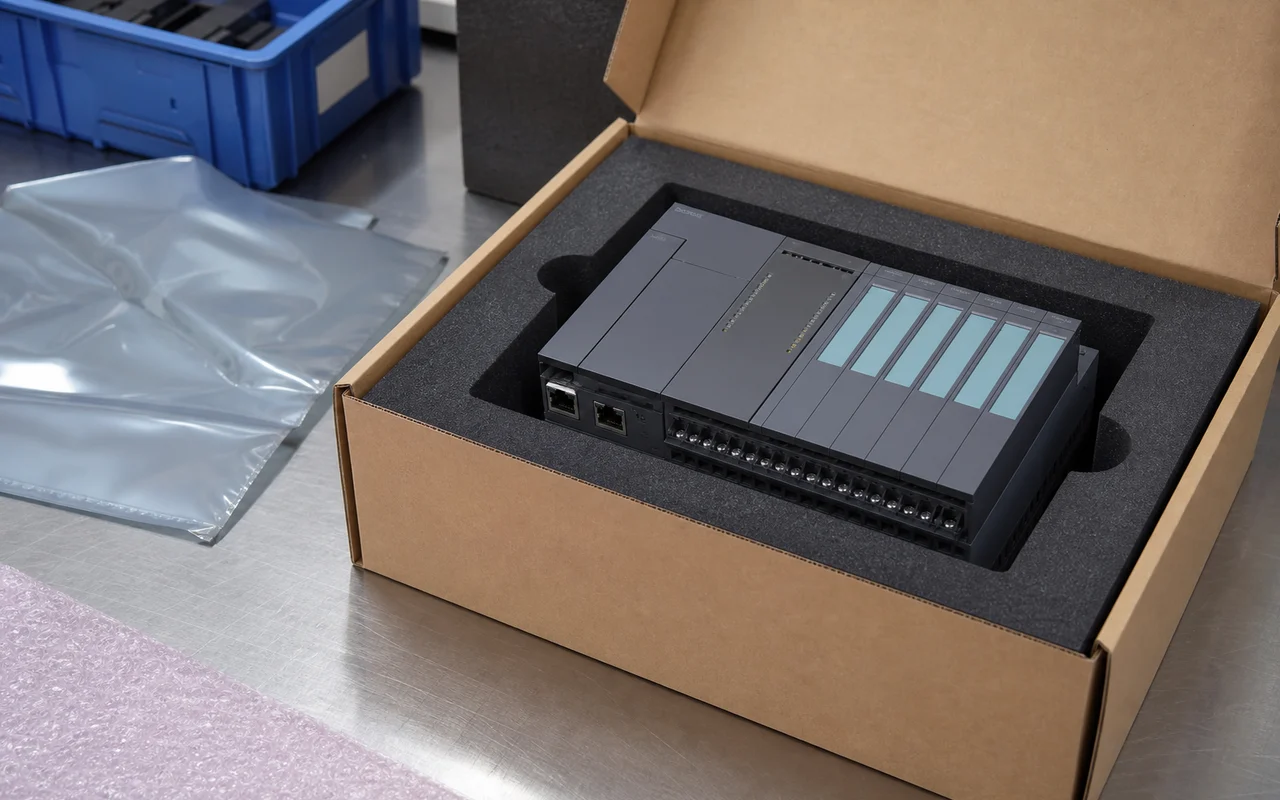 Secure Export Packing
Cushion protection and strong cartons ensure safe transportation.
 Worldwide Shipping
Global logistics network supports air, sea and express delivery.
 Documentation Check
Part number, revision and compatibility verified before shipment.
 After-sales Support
Professional technical support to help resolve your issues.