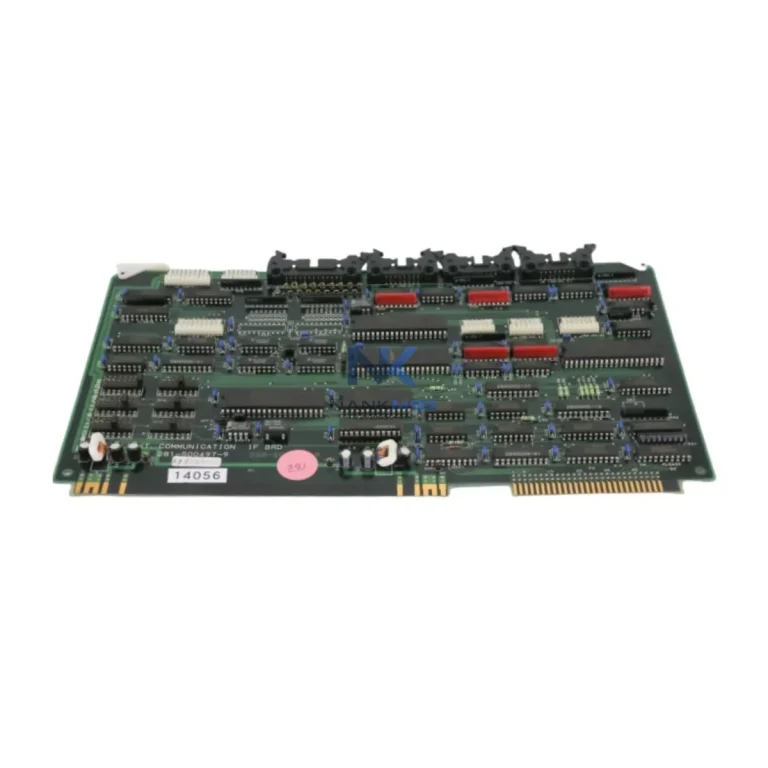
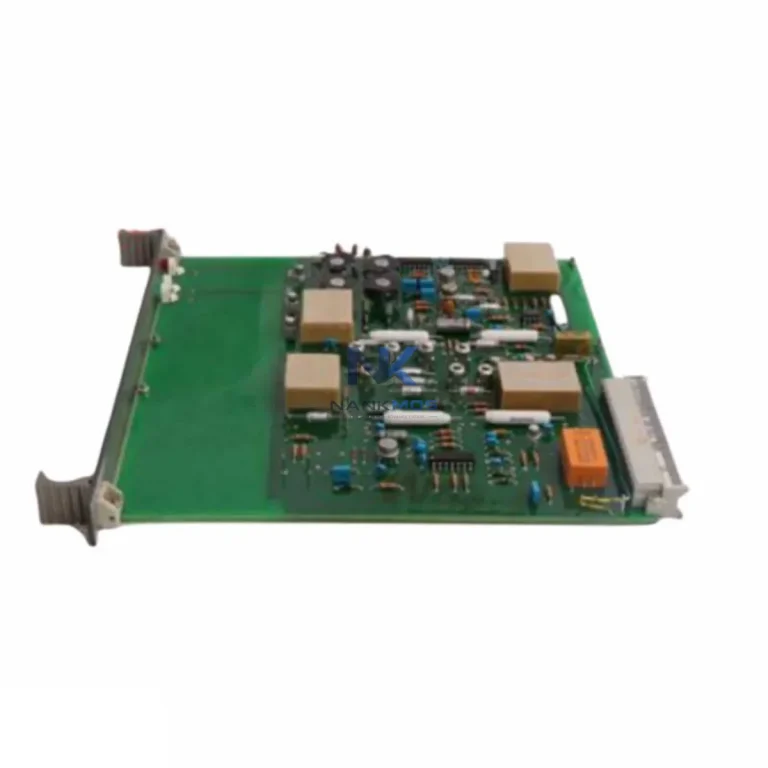
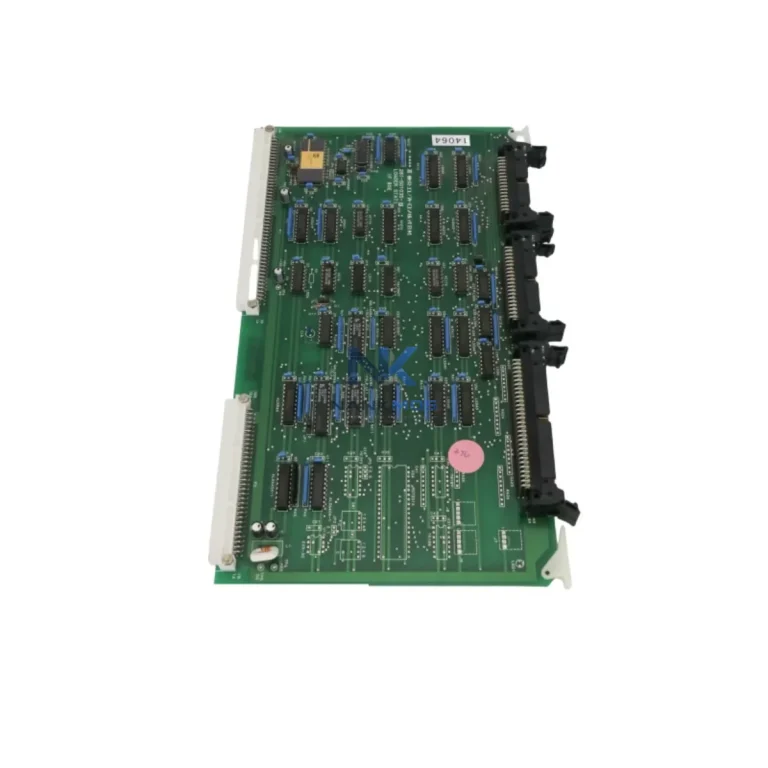
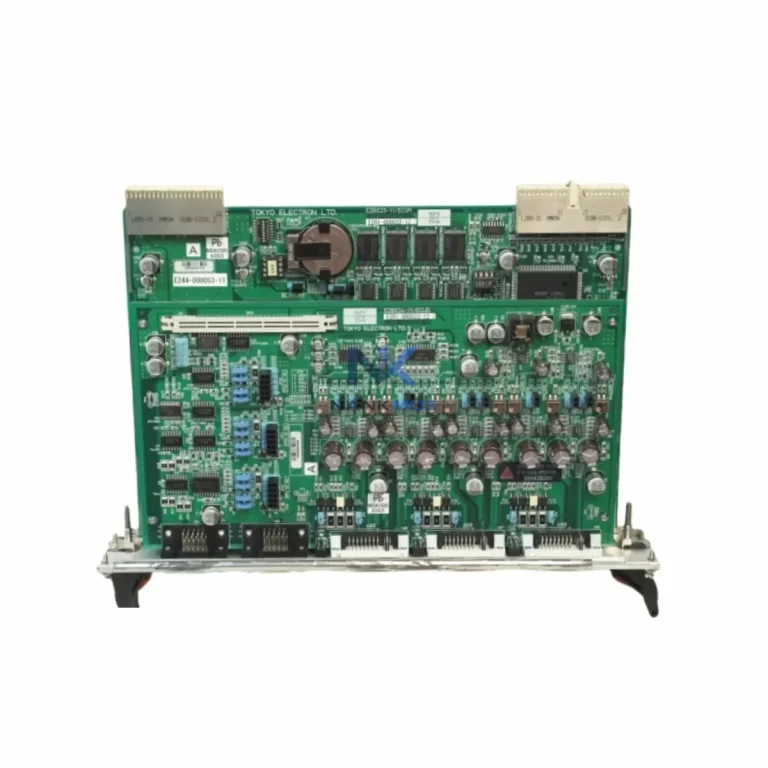
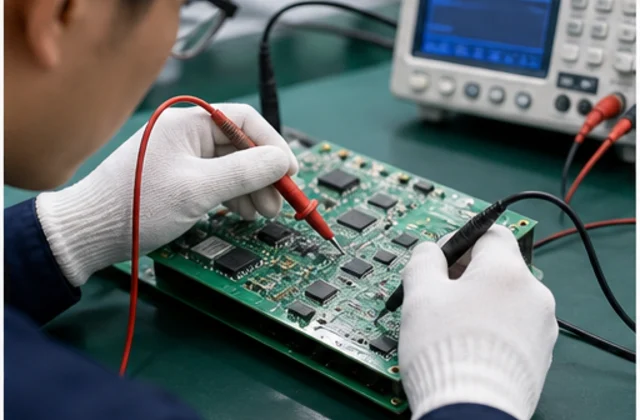
 Functional Inspection
100% tested on professional platforms to ensure stable performance.
TOKYO ELECTRON BB81-000009-18 0200-14704 0020-44976 is a NANKMOS industrial automation product record Listed under Other series series and Business & Industrial > Automation, Control & Flow Devices. Confirm condition, availability, lead time, compatibility and documentation by email inquiry.
Brand names are used for identification only.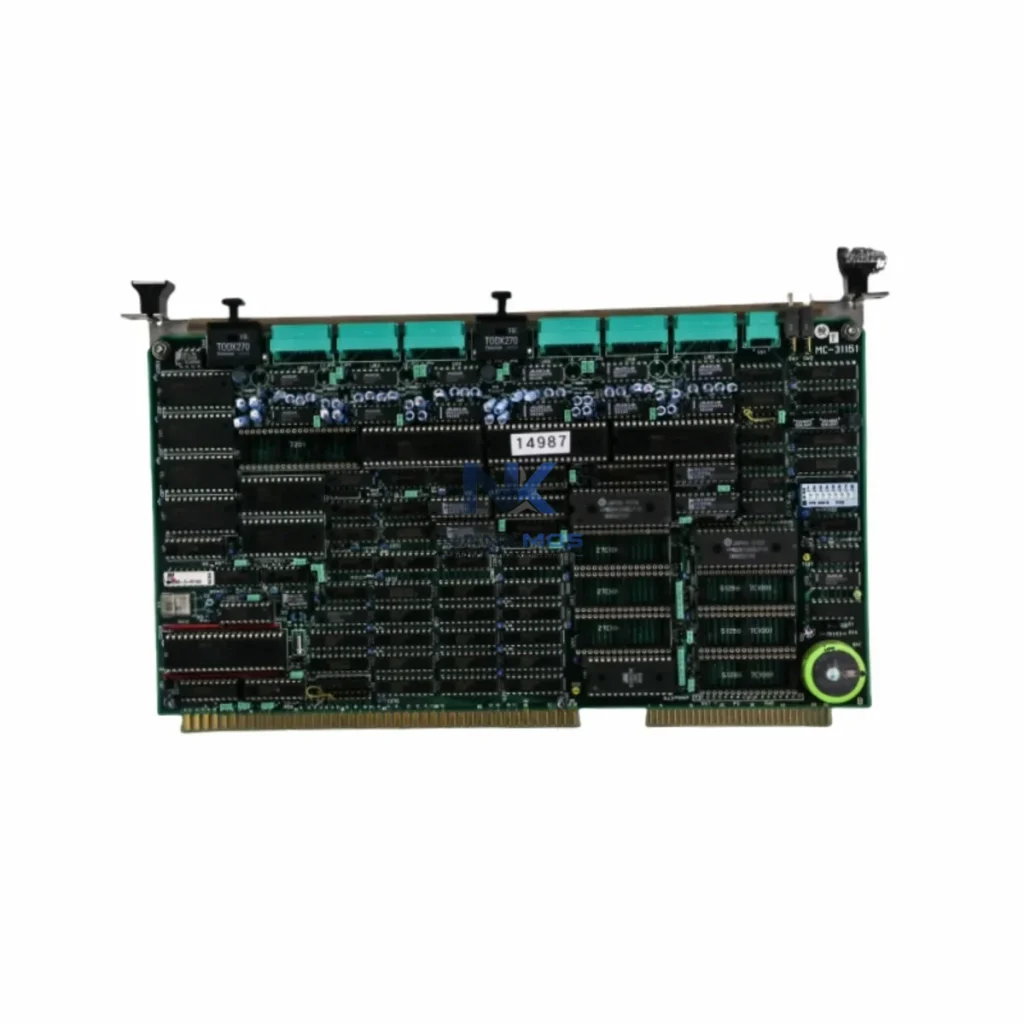
TOKYO ELECTRON BB81-000009-18 0200-14704 0020-44976 is a NANKMOS industrial automation product record Listed under Other series series and Business & Industrial > Automation, Control & Flow Devices. Confirm condition, availability, lead time, compatibility and documentation by email inquiry.
| Manufacturer | TOKYO ELECTRON |
|---|---|
| Application | Industrial Automation Maintenance |
| Part Number / Model | BB81-000009-18 0200-14704 0020-44976 |
| Compatible System | Confirmed by inquiry |
| Condition Options | To Confirm |
| Module Type | Automation, Control & Flow Devices |
| Warranty | 12 Months |
| Packaging | Anti-static Bag / Secure Box |
| Shipping Methods | DHL / FedEx / UPS / Air / Sea |
| Availability | To Confirm |
| Lead Time | To Confirm |
| Documentation | Part number and revision checked before quote |
The Tokyo Electron BB81-000009-18 (cross-reference: 0200-14704 / 0020-44976) is a precision-engineered industrial network interface module designed for the Trias control platform. In modern semiconductor fabrication and process automation environments, reliable data communication between field devices and upper-level control systems is not optional — it is the backbone of every productive, transparent, and remotely manageable smart factory. The BB81-000009-18 fulfills this role by providing stable, low-latency signal routing between equipment-level controllers and plant-wide SCADA/HMI architectures.
Tokyo Electron's Trias system is a highly integrated process control platform used across semiconductor etch, deposition, and thermal processing equipment. The BB81-000009-18 serves as the network interface layer within this architecture, enabling structured data exchange between the Trias process controller, I/O subsystems, and external monitoring or diagnostic platforms. Whether deployed in a 300mm wafer fab or a precision thin-film deposition line, this module ensures that real-time process data — including chamber pressure, gas flow, temperature setpoints, and interlock status — is continuously available to operators and engineering systems.
In a fully connected semiconductor fab, the BB81-000009-18 sits at the intersection of equipment-level control and plant-wide data infrastructure. The data flow begins at the process chamber, where sensors — including pressure transducers, mass flow controllers, thermocouple assemblies, and RF power monitors — continuously feed real-time signals into the Trias I/O subsystem. These signals are aggregated and routed through the BB81-000009-18 network interface to the Trias main process controller, where recipe execution, interlock logic, and alarm management are handled in real time.
From the Trias controller, structured process data is passed upstream through a SECS/GEM communication gateway — such as a dedicated GEM host interface module or an equipment integration server — to the fab-level Manufacturing Execution System (MES) or SCADA platform. This enables operators at remote HMI workstations to monitor chamber status, view real-time process trends, and receive alarm notifications without being physically present at the tool. In facilities running Yokogawa CENTUM VP or Siemens SIMATIC WinCC as their SCADA backbone, the BB81-000009-18's role in maintaining clean, uninterrupted data flow from the tool level to the supervisory layer is critical.
For remote I/O expansion within the Trias rack, companion modules such as the TEL Trias I/O interface boards and analog input/output cards work in concert with the BB81-000009-18 to extend the system's signal acquisition capacity. In multi-chamber configurations — common in cluster tools used for etch or PVD processes — the network interface module ensures that each chamber's data stream is properly arbitrated and delivered to the host without collision or latency spikes.
Edge computing nodes deployed near the process tool can subscribe to the data stream facilitated by the BB81-000009-18, enabling local analytics, predictive maintenance algorithms, and real-time statistical process control (SPC) without burdening the central SCADA server. Industrial Ethernet switches — such as managed switches supporting IEEE 802.3 with VLAN segmentation — are typically used to isolate tool-level traffic from office networks, ensuring deterministic communication latency for time-sensitive process data.
In facilities where legacy equipment must coexist with modern automation infrastructure, protocol conversion gateways bridge the gap between the Trias proprietary bus and standard industrial protocols such as Modbus TCP, PROFINET, or OPC-UA. This allows the BB81-000009-18-equipped tool to participate in a unified data fabric alongside PLCs, variable frequency drives (VFDs), and third-party sensor networks — all feeding into a common data visualization and historian platform.
One of the most persistent challenges in semiconductor and process automation facilities is the existence of data silos — isolated equipment systems that cannot share process information with the broader factory network. The BB81-000009-18 directly addresses this by providing a structured, reliable network interface within the Trias platform, ensuring that process data generated at the chamber level is not trapped within the equipment controller but is instead made available to plant-wide monitoring and control systems.
Protocol fragmentation is another common pain point. Older Trias-based tools may use proprietary communication schemes that are incompatible with modern OPC-UA or PROFINET infrastructure. By maintaining a clean interface layer within the Trias architecture, the BB81-000009-18 simplifies the integration of protocol conversion middleware, reducing the engineering effort required to connect legacy tools to contemporary MES or SCADA platforms.
Remote monitoring and diagnostics are increasingly mandatory in high-value fab environments where unplanned downtime carries significant cost. The BB81-000009-18 supports continuous data availability, enabling remote engineering teams to access real-time tool status, review alarm histories, and perform diagnostic assessments without requiring on-site access. This capability is particularly valuable for facilities operating across multiple shifts or geographic locations.
Production line transparency — the ability to see, in real time, what every tool is doing and why — is a core requirement of smart factory initiatives. By ensuring that the Trias controller's data is consistently and accurately transmitted to the supervisory layer, the BB81-000009-18 contributes directly to the KPI dashboards, OEE calculations, and yield management workflows that drive continuous improvement in advanced manufacturing environments. Alarm tracking and escalation workflows, fed by reliable data from the network interface, allow maintenance teams to respond faster and with better information, reducing mean time to repair (MTTR) and improving overall equipment effectiveness.
Q1: What communication protocols does the BB81-000009-18 support, and is it compatible with modern SCADA systems?The BB81-000009-18 operates within the Tokyo Electron Trias proprietary network architecture. Integration with modern SCADA or MES platforms is typically achieved via a SECS/GEM gateway layer, which translates Trias controller data into standardized equipment communication formats. This approach is widely used in semiconductor fabs running Yokogawa, Siemens, or Rockwell-based supervisory systems.
Q2: How does this module perform in terms of communication latency and network stability?As a dedicated network interface within the Trias rack, the BB81-000009-18 is designed for deterministic, low-latency data exchange between the process controller and I/O subsystems. Its rack-mount integration eliminates the variability associated with external communication adapters, ensuring stable, consistent data throughput even during high-frequency process events such as endpoint detection or interlock triggers.
Q3: Can the BB81-000009-18 support system expansion or multi-chamber configurations?Yes. The Trias platform is designed to support modular expansion, and the BB81-000009-18 network interface is compatible with multi-chamber and cluster tool configurations. Additional I/O modules and interface cards can be added to the Trias rack to extend signal acquisition capacity, with the BB81-000009-18 managing data arbitration and routing across the expanded system.
Q4: What quality assurance and warranty coverage is provided with this unit?Every BB81-000009-18 unit supplied by NANKMOS undergoes pre-shipment functional testing and inspection to verify communication integrity and hardware condition. All units are covered by a 12-Month Warranty, providing assurance of performance and reliability from the date of delivery. Inventory is maintained in-stock for rapid dispatch to minimize equipment downtime.
Functional Inspection100% tested on professional platforms to ensure stable performance.
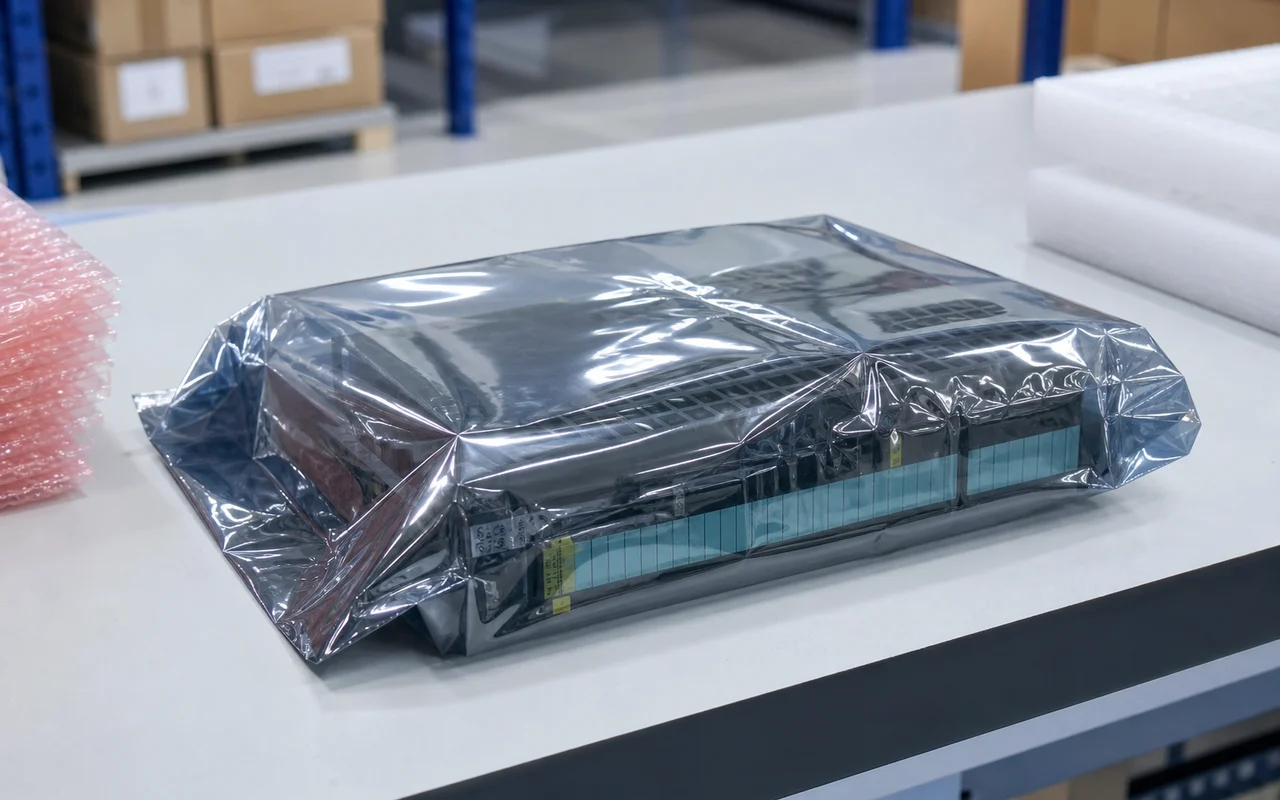 Anti-static Packaging
Modules are packed in anti-static bags to prevent electrostatic damage.
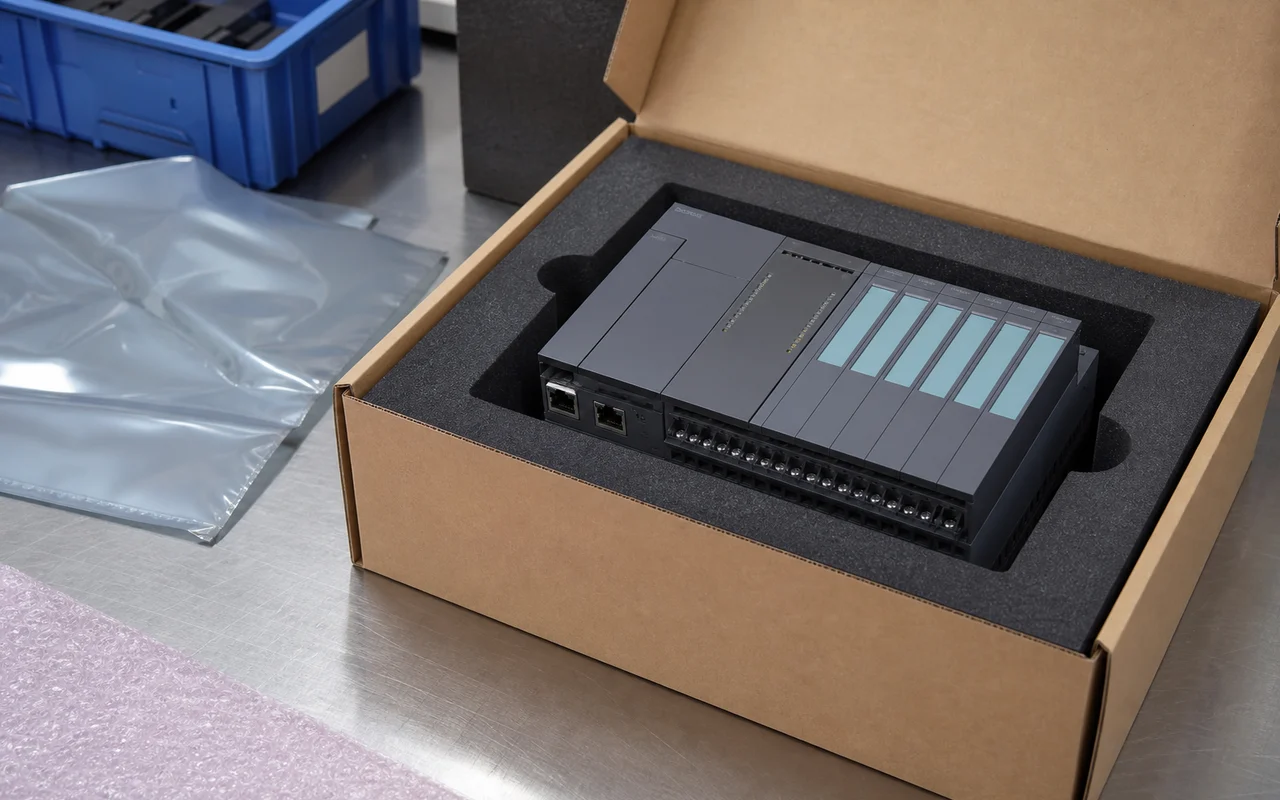 Secure Export Packing
Cushion protection and strong cartons ensure safe transportation.
 Worldwide Shipping
Global logistics network supports air, sea and express delivery.
 Documentation Check
Part number, revision and compatibility verified before shipment.
 After-sales Support
Professional technical support to help resolve your issues.