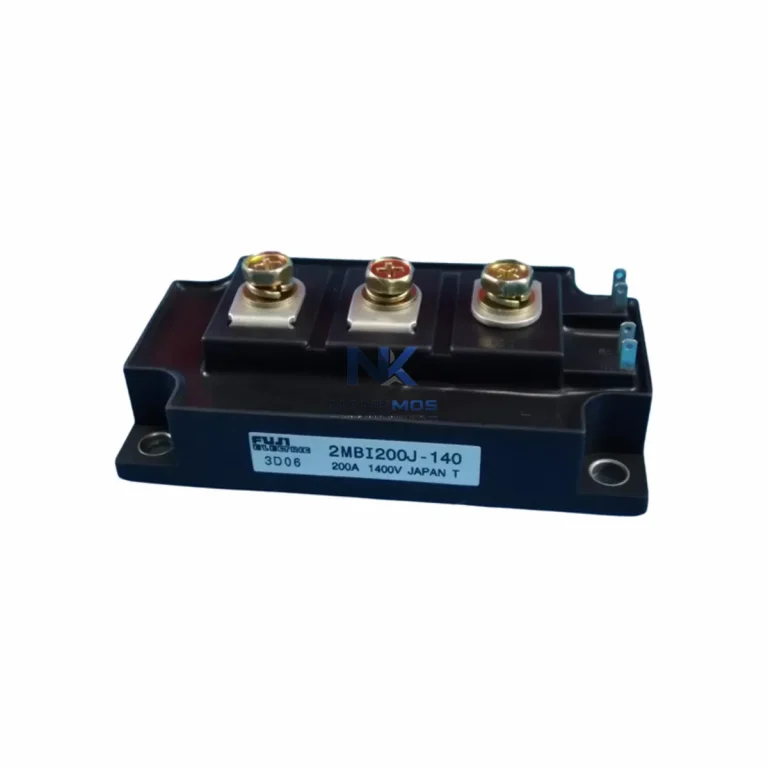
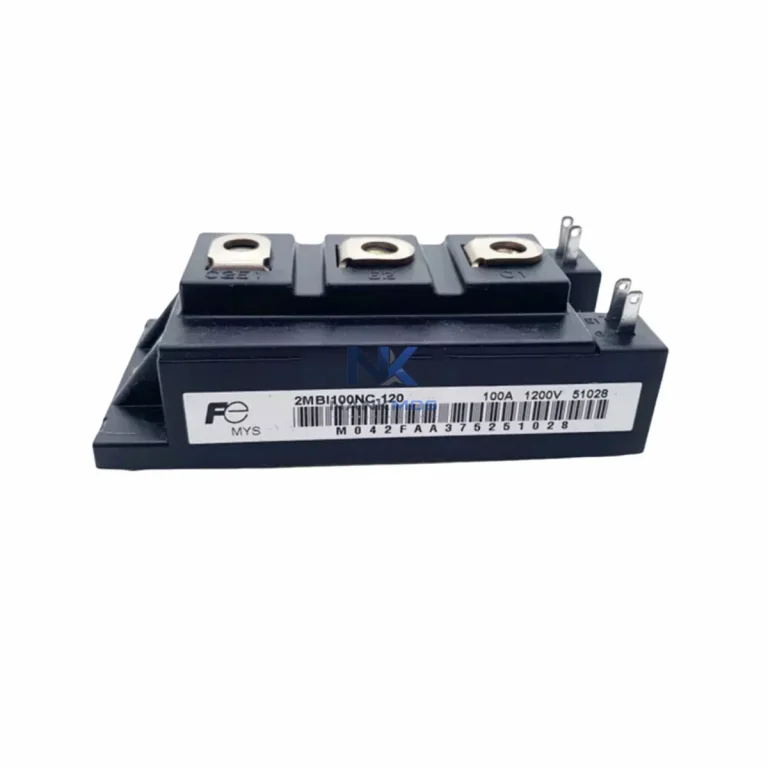
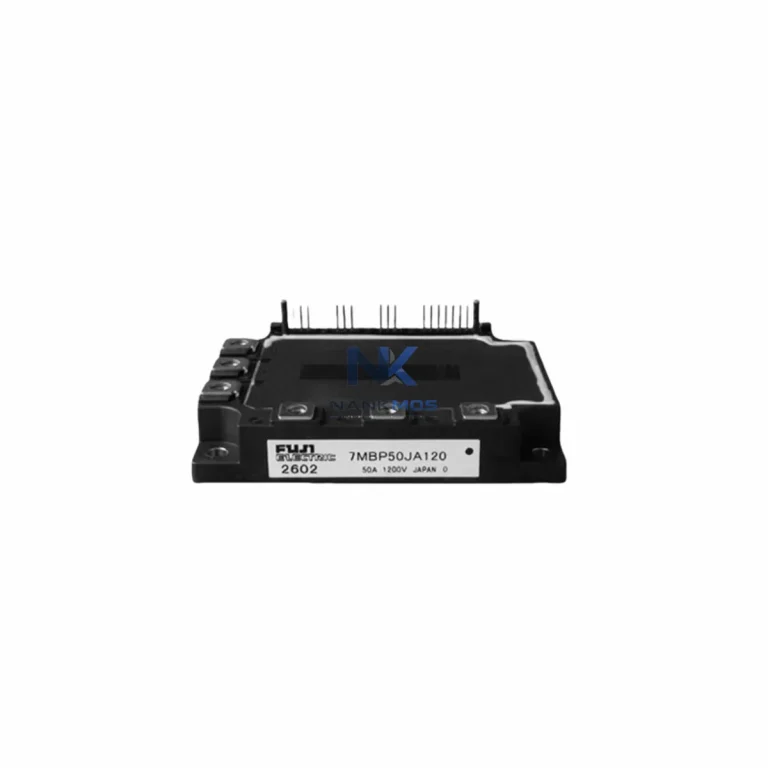
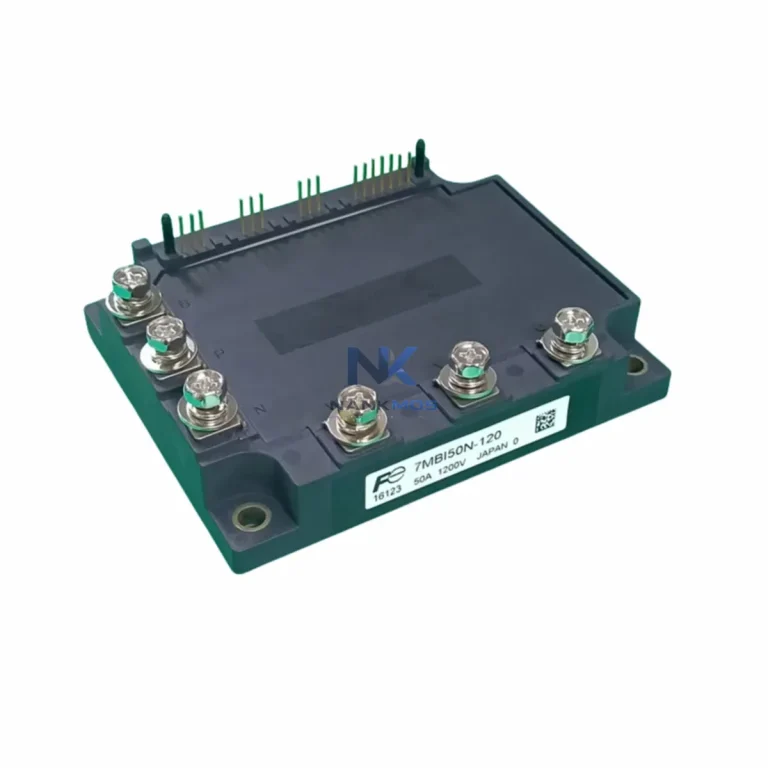
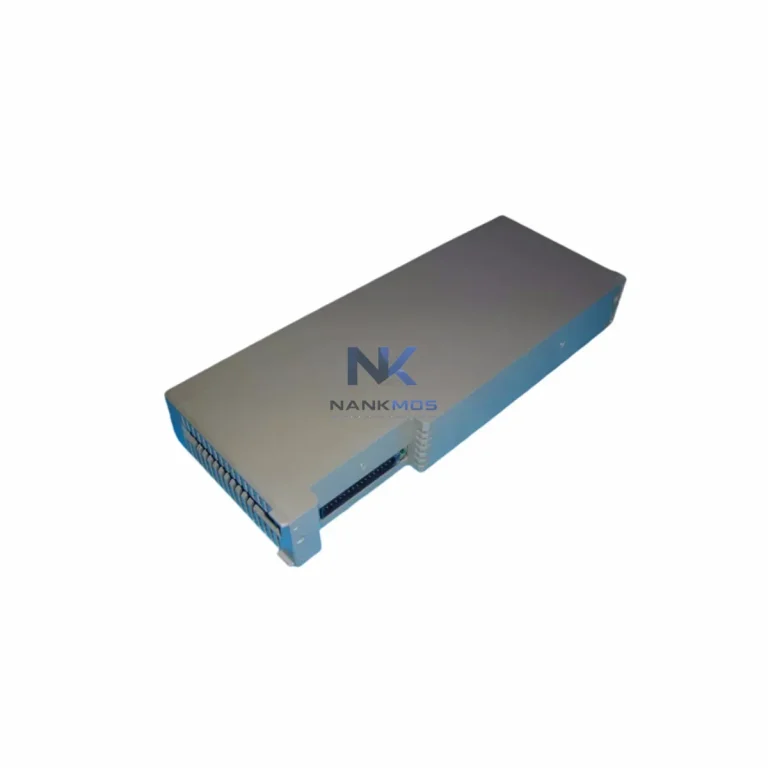
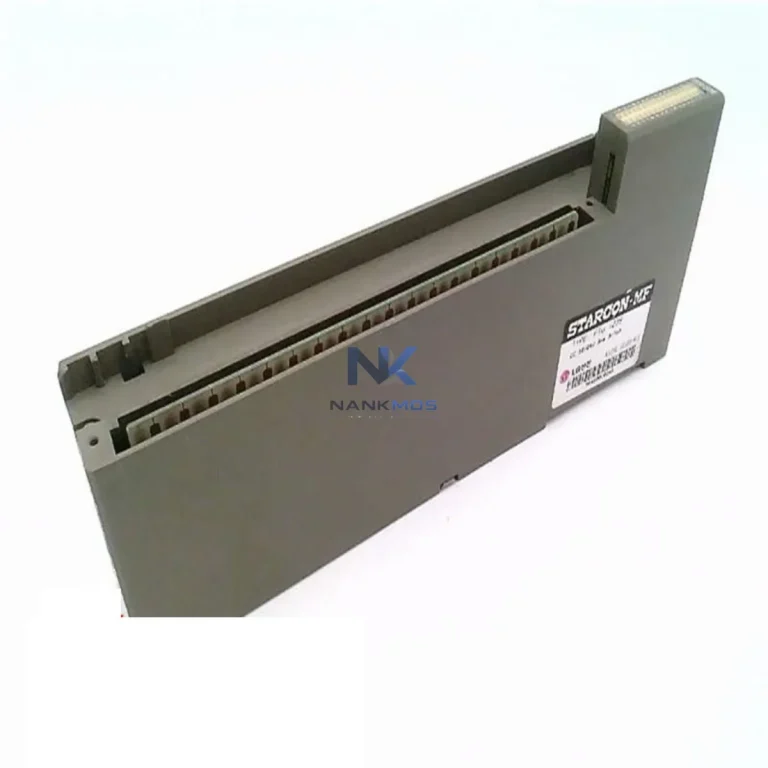
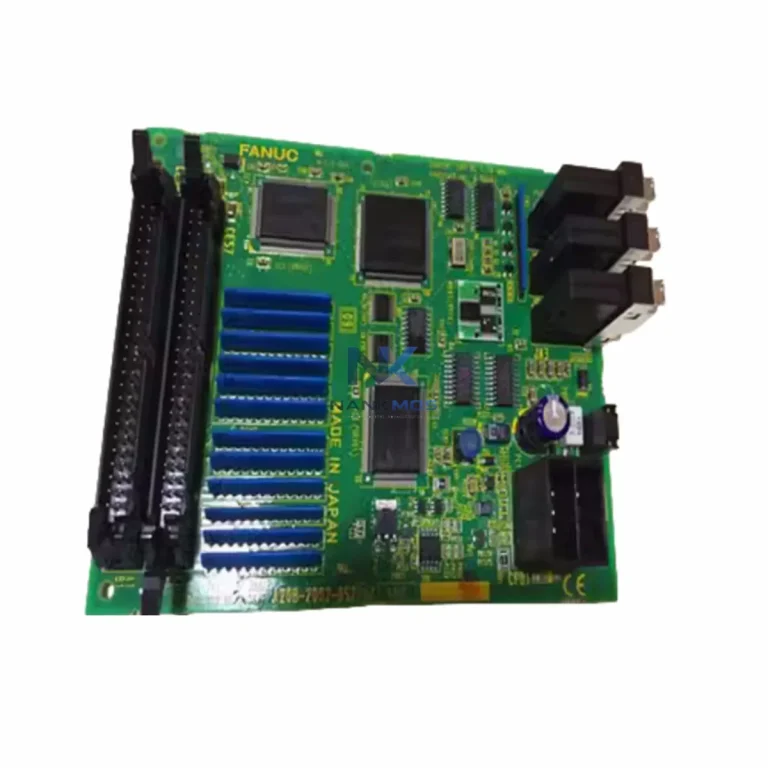
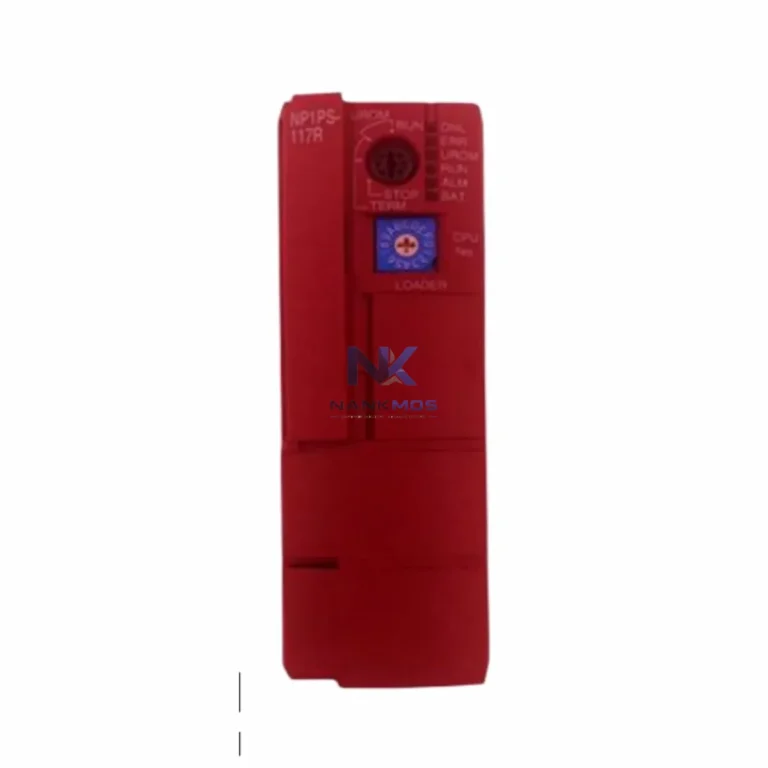
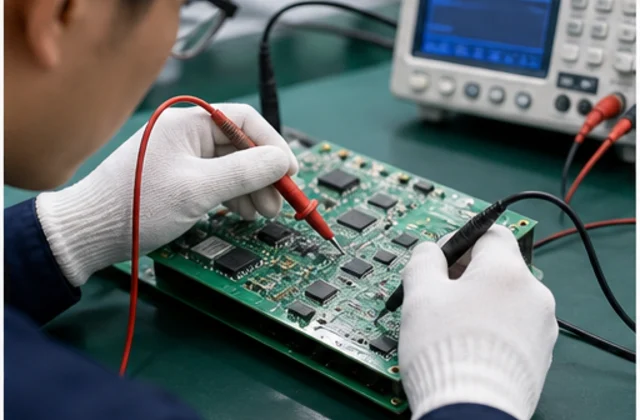
 Functional Inspection
100% tested on professional platforms to ensure stable performance.
Fuji Electric 2DI75D-050A is a NANKMOS industrial automation product record Listed under Other series series and Business & Industrial > Automation, Control & Flow Devices > Programmable Logic Controllers. Confirm condition, availability, lead time, compatibility and documentation by email inquiry.
Brand names are used for identification only.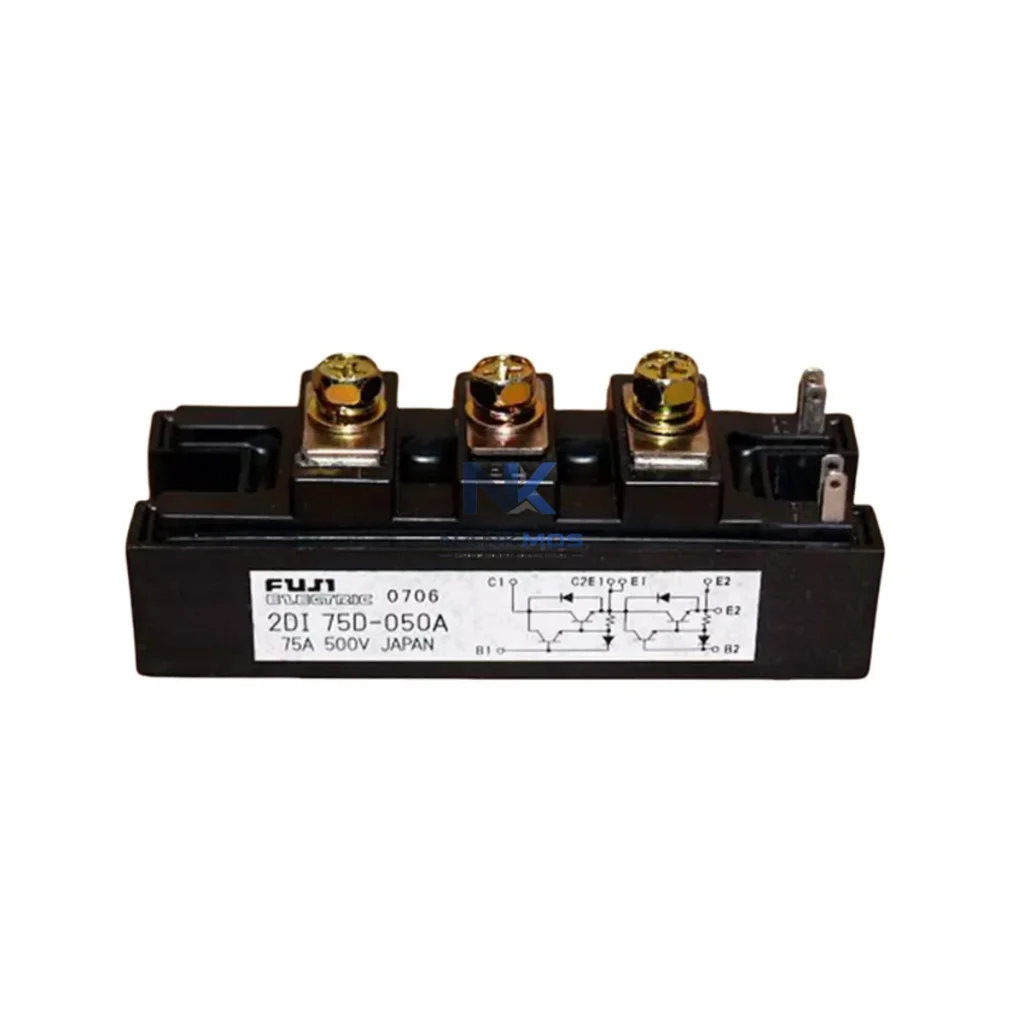
Fuji Electric 2DI75D-050A is a NANKMOS industrial automation product record Listed under Other series series and Business & Industrial > Automation, Control & Flow Devices > Programmable Logic Controllers. Confirm condition, availability, lead time, compatibility and documentation by email inquiry.
| Manufacturer | Fuji Electric |
|---|---|
| Application | Control System Power Support |
| Part Number / Model | 2DI75D-050A |
| Compatible System | Confirmed by inquiry |
| Condition Options | To Confirm |
| Module Type | Power Supply Module |
| Warranty | 12 Months |
| Packaging | Anti-static Bag / Secure Box |
| Shipping Methods | DHL / FedEx / UPS / Air / Sea |
| Availability | To Confirm |
| Lead Time | To Confirm |
| Documentation | Part number and revision checked before quote |
The Fuji 2DI75D-050A is a dual IGBT power module rated at 75A / 500V, engineered for high-reliability power switching in industrial drive systems, servo amplifiers, and smart factory automation platforms. As manufacturing environments evolve toward fully connected production lines, the 2DI75D-050A serves as a critical power-stage component within the broader data chain — bridging field-level energy conversion with supervisory control, real-time monitoring, and remote diagnostics across the plant network.
In modern smart factory deployments, the power module does not operate in isolation. It functions as an integral node within a layered automation architecture: field devices generate process signals, PLCs execute control logic, and gateway modules translate data across protocols. The 2DI75D-050A is designed to operate reliably within these environments, supporting the high-frequency switching demands of variable frequency drives (VFDs), AC servo drives, and regenerative braking units that are themselves connected to SCADA systems and HMI panels for real-time visibility.
Understanding where the Fuji 2DI75D-050A fits within the smart factory data flow requires tracing the signal path from field device to enterprise system. At the field level, sensors — including current transducers, temperature probes, and encoder feedback modules — continuously feed process data into the drive system. The 2DI75D-050A, mounted within the power stage of a Fuji FRENIC series variable frequency drive or a compatible third-party servo amplifier, performs the actual energy conversion: translating DC bus voltage into precisely timed AC output pulses that control motor speed, torque, and direction.
The drive system communicates upward through a fieldbus or industrial Ethernet backbone. In a typical deployment, a Fuji FRENIC-Ace or FRENIC-Multi VFD equipped with an optional communication card — such as a PROFIBUS-DP or EtherNet/IP adapter — transmits real-time operating parameters (output frequency, current draw, fault codes, thermal status) to a PLC controller. Siemens S7-1200 or S7-1500 PLCs, for example, aggregate this data alongside inputs from remote I/O modules and safety relays, executing the control logic that governs the entire production cell.
From the PLC layer, data flows to the SCADA and HMI tier. An industrial edge gateway — such as a Moxa MGate or Advantech ADAM series protocol converter — may bridge legacy Modbus RTU devices with modern PROFINET or OPC-UA networks, ensuring that even older field instruments contribute to the unified data picture. HMI panels display real-time drive status, alarm histories, and energy consumption trends, while SCADA platforms like Ignition or WinCC archive time-series data for trend analysis and predictive maintenance.
Industrial managed switches — such as those from the Hirschmann MICE or Phoenix Contact FL SWITCH series — provide the network backbone, ensuring deterministic Ethernet communication with VLAN segmentation, redundancy protocols (RSTP/MRP), and port-level diagnostics. These switches connect PLCs, drives, remote I/O racks, and edge computing nodes into a coherent, fault-tolerant network fabric.
At the edge computing layer, platforms such as the Siemens SIMATIC IPC or Advantech UNO series run local analytics, buffering data during network interruptions and executing pre-processing algorithms before forwarding aggregated results to cloud-based MES or ERP systems. This architecture ensures that the power switching events managed by the 2DI75D-050A are not invisible to the enterprise — every switching cycle, thermal event, and fault condition is captured, contextualized, and made available for remote diagnostics and continuous improvement workflows.
Industrial power supplies — such as MEAN WELL DIN-rail units or Phoenix Contact QUINT series — provide stable 24VDC control power to gate driver boards, PLC I/O modules, and communication interfaces, ensuring that the entire data chain remains operational even during load transients caused by motor starting or regenerative braking events managed by the 2DI75D-050A power stage.
Many industrial sites face persistent challenges that prevent full production transparency: protocol fragmentation, data silos, unreliable remote monitoring, and limited alarm traceability. The Fuji 2DI75D-050A, when deployed within a properly architected drive system, directly addresses several of these pain points.
Protocol Fragmentation: Legacy drive systems often use proprietary or serial communication interfaces that cannot natively integrate with modern Ethernet-based SCADA platforms. By replacing a failed or degraded IGBT module with the 2DI75D-050A in a drive that supports optional communication cards, engineers restore the drive's ability to participate in PROFINET, EtherNet/IP, or Modbus TCP networks — eliminating the protocol gap without replacing the entire drive unit.
Data Silos: When drive systems operate without network connectivity, their operational data — energy consumption, fault histories, thermal trends — remains trapped at the field level. Restoring a drive to full operation with a replacement 2DI75D-050A module, combined with a gateway device that bridges the drive's serial port to the plant Ethernet, breaks down these silos and feeds drive data into the unified SCADA historian.
Remote Monitoring and Alarm Tracking: In multi-site or geographically distributed facilities, remote diagnostics depend on continuous, reliable data from every drive in the network. A failed IGBT module causes drive shutdown and data loss. Fast replacement with a pre-tested 2DI75D-050A — backed by a 12-month warranty and pre-shipment functional verification — minimizes downtime and restores the remote monitoring data stream. Alarm events are once again captured, timestamped, and forwarded to the SCADA alarm management system for root-cause analysis.
Production Line Transparency and System Expansion: As production lines expand, new drive systems must integrate seamlessly with existing network infrastructure. The 2DI75D-050A's compatibility with the Fuji 2DI series platform ensures that replacement and expansion modules share the same electrical and mechanical footprint, simplifying integration and reducing commissioning time. Engineers can scale the drive network without redesigning the power stage architecture.
Q1: Does the Fuji 2DI75D-050A support direct fieldbus communication? The 2DI75D-050A is a power stage IGBT module — it does not itself implement a communication protocol. However, it operates within drive systems (such as Fuji FRENIC series VFDs) that support optional fieldbus communication cards for PROFIBUS-DP, EtherNet/IP, PROFINET, and Modbus RTU/TCP. The module's reliable switching performance is the foundation that enables the drive's communication subsystem to operate without fault-induced interruptions.
Q2: How does replacing this module affect network stability and communication latency? A degraded or failed IGBT module causes drive faults that interrupt the drive's communication heartbeat on the fieldbus network. Replacing the 2DI75D-050A with a pre-tested unit restores normal drive operation, eliminating fault-induced communication dropouts. Network latency returns to baseline levels determined by the fieldbus protocol and switch infrastructure — typically sub-millisecond for PROFINET IRT or EtherNet/IP with appropriate QoS configuration.
Q3: Is the 2DI75D-050A compatible with SCADA and remote diagnostic systems? Yes — indirectly. The module enables the drive to operate correctly, and the drive's communication interface (via optional protocol cards or built-in serial ports with gateway converters) feeds real-time data to SCADA platforms, HMI panels, and remote diagnostic tools. Parameters such as output current, DC bus voltage, thermal status, and fault codes are accessible through the drive's network interface once the power stage is restored to full operation.
Q4: What warranty and pre-shipment testing does the 2DI75D-050A include? Every Fuji 2DI75D-050A supplied by NANKMOS includes a 12-Month Warranty and undergoes functional parameter verification before dispatch. Testing confirms gate threshold voltage, collector-emitter saturation voltage, leakage current, and switching characteristics against Fuji Electric datasheet specifications. This ensures that the module performs correctly from first power-on, minimizing commissioning risk and protecting your automation investment.
Functional Inspection100% tested on professional platforms to ensure stable performance.
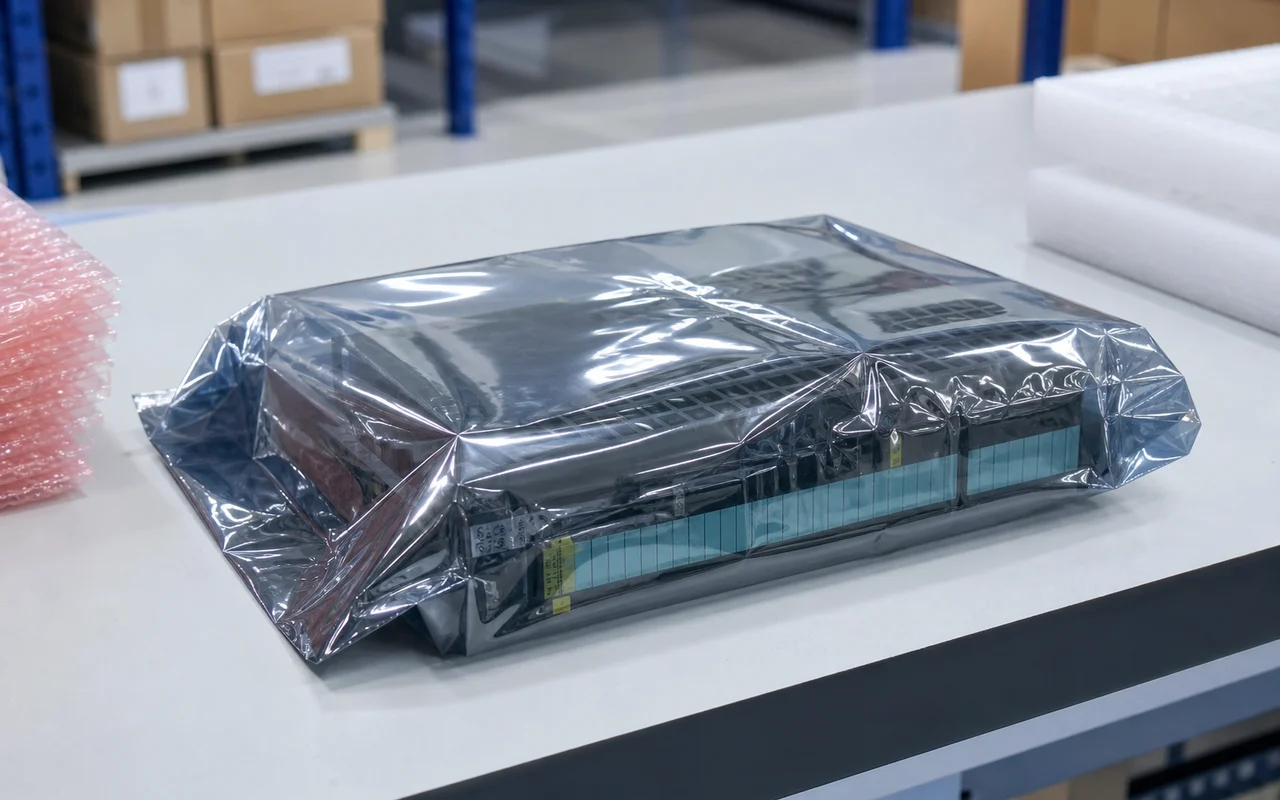 Anti-static Packaging
Modules are packed in anti-static bags to prevent electrostatic damage.
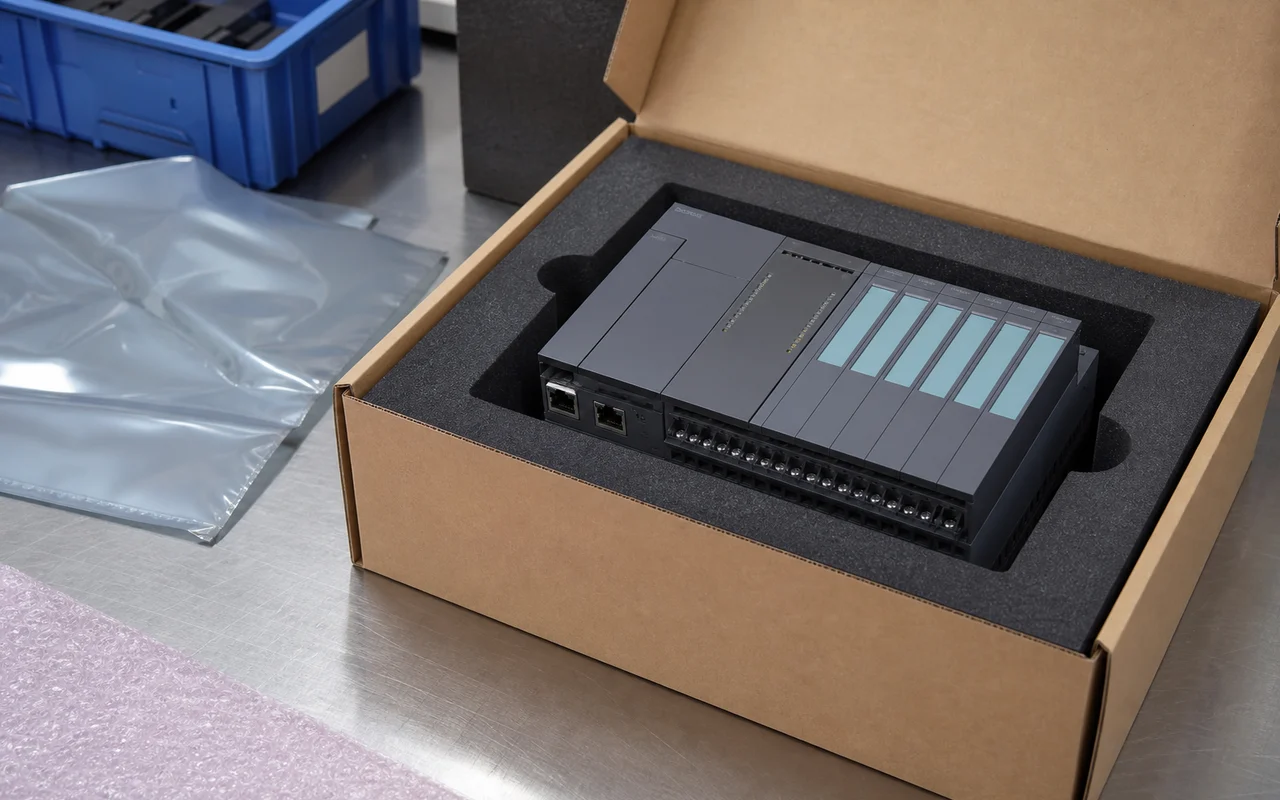 Secure Export Packing
Cushion protection and strong cartons ensure safe transportation.
 Worldwide Shipping
Global logistics network supports air, sea and express delivery.
 Documentation Check
Part number, revision and compatibility verified before shipment.
 After-sales Support
Professional technical support to help resolve your issues.