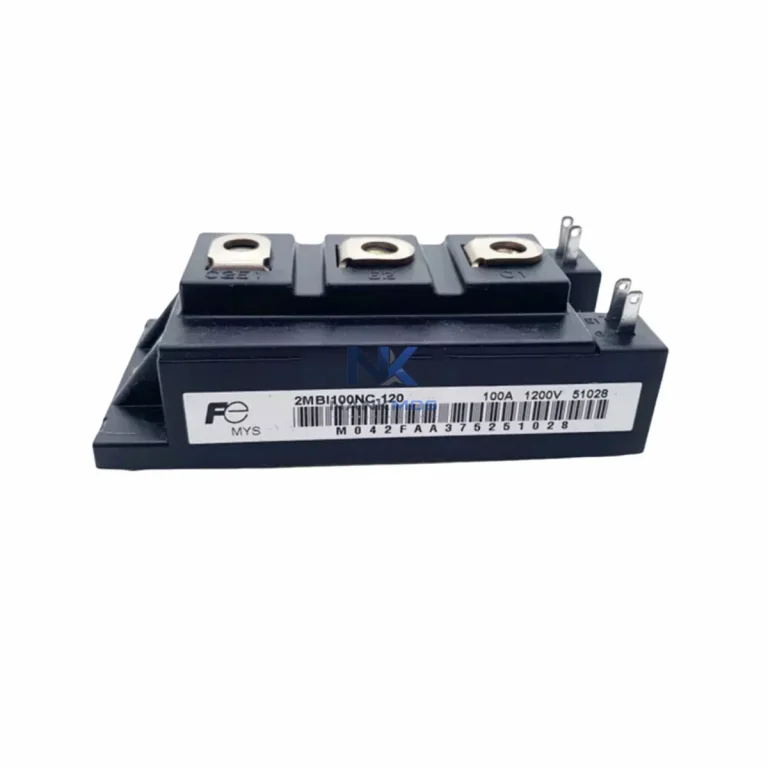
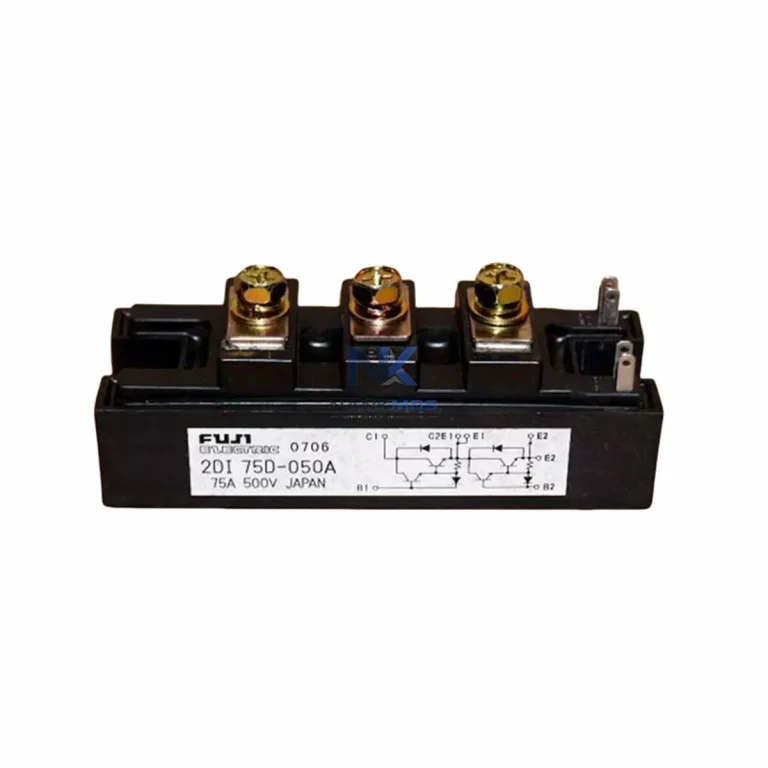
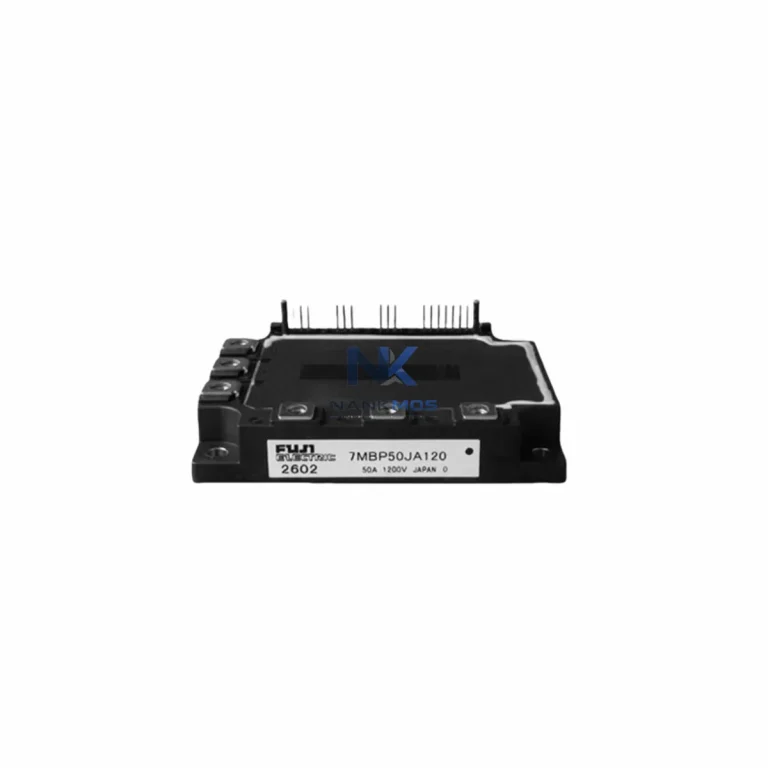
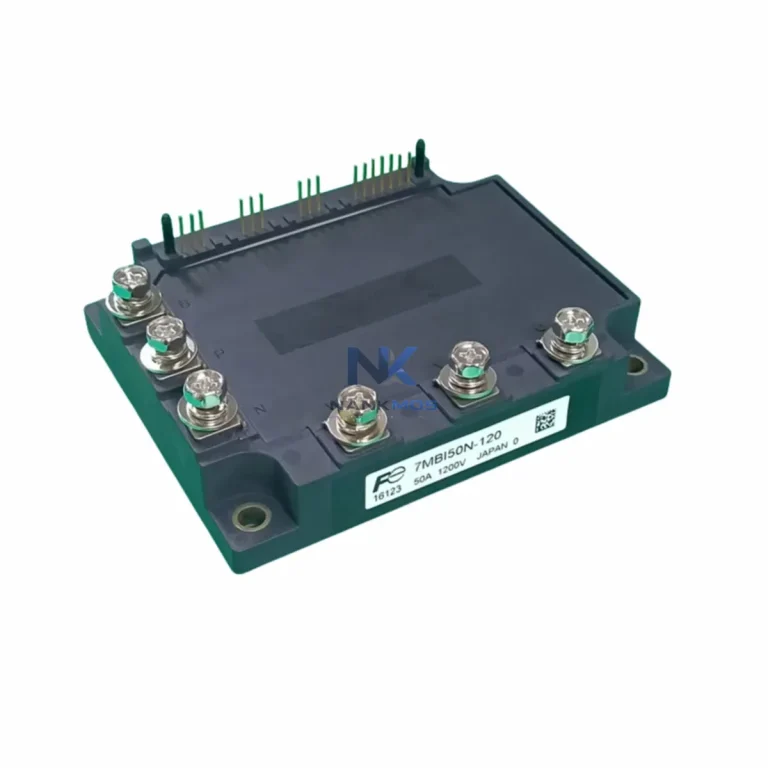
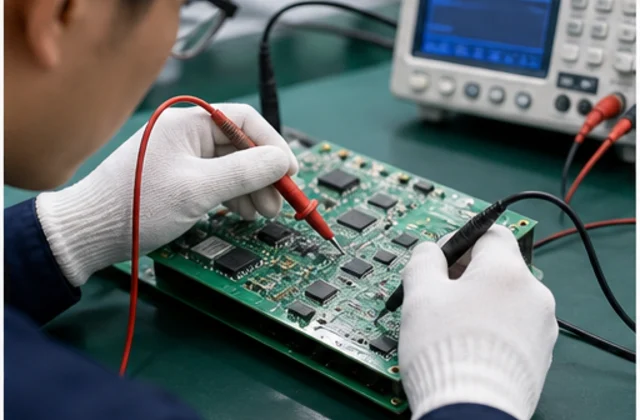
 Functional Inspection
100% tested on professional platforms to ensure stable performance.
Fuji Electric 2MBI200J-140 is a NANKMOS industrial automation product record Listed under Other series series and Business & Industrial > Automation, Control & Flow Devices > Programmable Logic Controllers. Confirm condition, availability, lead time, compatibility and documentation by email inquiry.
Brand names are used for identification only.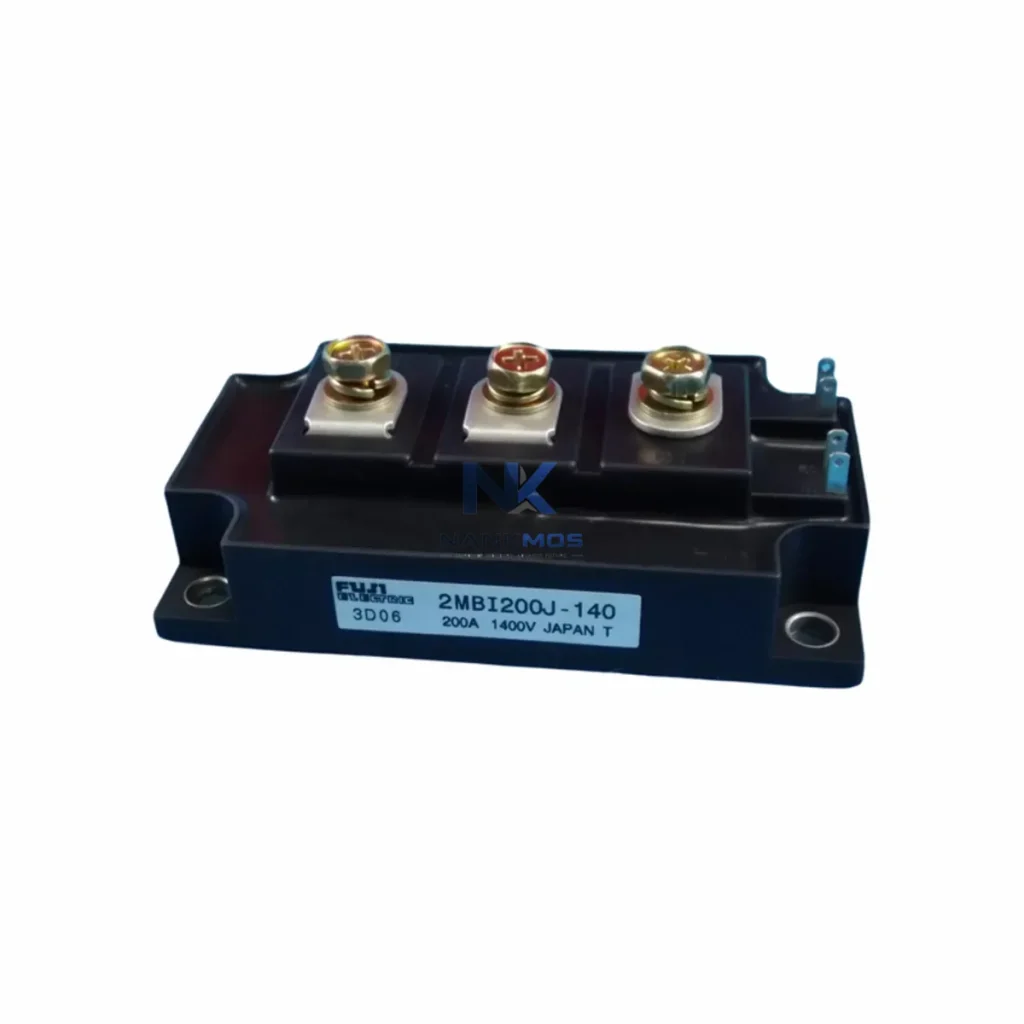
Fuji Electric 2MBI200J-140 is a NANKMOS industrial automation product record Listed under Other series series and Business & Industrial > Automation, Control & Flow Devices > Programmable Logic Controllers. Confirm condition, availability, lead time, compatibility and documentation by email inquiry.
| Manufacturer | Fuji Electric |
|---|---|
| Application | Control System Power Support |
| Part Number / Model | 2MBI200J-140 |
| Compatible System | Confirmed by inquiry |
| Condition Options | To Confirm |
| Module Type | Power Supply Module |
| Warranty | 12 Months |
| Packaging | Anti-static Bag / Secure Box |
| Shipping Methods | DHL / FedEx / UPS / Air / Sea |
| Availability | To Confirm |
| Lead Time | To Confirm |
| Documentation | Part number and revision checked before quote |
The Fuji 2MBI200J-140 is a 200A / 1400V dual IGBT power module engineered for high-performance industrial drive systems, servo controllers, and energy conversion platforms. Beyond its role as a switching device, the 2MBI200J-140 serves as a critical node in the smart factory data chain — bridging field-level power conversion with upper-layer control, monitoring, and diagnostic networks. Whether deployed in variable frequency drives (VFDs), regenerative inverters, or multi-axis servo systems, this module enables seamless data flow from the power stage to SCADA, HMI, and cloud-based analytics platforms.
In a modern smart factory, the Fuji 2MBI200J-140 sits at the intersection of power conversion and data intelligence. The data flow begins at the sensor and actuator layer: temperature sensors, current transducers, and encoder feedback devices feed real-time signals into the drive controller housing the 2MBI200J-140. These signals are processed by the gate driver board — such as a Fuji EXB841 or compatible isolated gate driver — which translates switching commands from the PLC or motion controller into precise IGBT gate pulses while simultaneously capturing fault events, over-temperature conditions, and desaturation signals.
The drive controller — typically a Siemens SINAMICS G120, ABB ACS880, or a custom OEM inverter platform — aggregates this data and exposes it upstream via an industrial communication module. Using a PROFINET or EtherCAT communication card, the drive connects to the plant's Industrial Ethernet backbone, where a managed industrial switch (such as a Hirschmann RS20 or Phoenix Contact FL SWITCH series) routes data packets to the SCADA server and HMI terminals. Operators at the HMI — running platforms like Siemens WinCC, Wonderware, or iFIX — can monitor real-time inverter status, IGBT junction temperature estimates, DC bus voltage, and output current waveforms without interrupting production.
For facilities using Modbus RTU legacy infrastructure, a protocol gateway module — such as an Anybus Communicator or Moxa MGate series — bridges the RS-485 Modbus network to the Ethernet backbone, ensuring that older PLCs and remote I/O racks remain fully integrated into the data chain. Remote I/O modules from Wago or Beckhoff can extend digital and analog signal collection to distributed field devices, feeding additional process variables into the same data pipeline. Edge gateway devices — such as an Advantech WISE-5000 or Siemens SINEMA Remote Connect appliance — then aggregate, pre-process, and securely transmit this data to cloud analytics or MES platforms for production KPI tracking, predictive maintenance scheduling, and energy consumption reporting.
The 2MBI200J-140's fault output signals are mapped directly to PLC input modules, enabling automated alarm generation, drive shutdown sequences, and maintenance work order triggers — all without manual intervention. This closed-loop data architecture ensures that every switching event, thermal excursion, or communication fault is logged, timestamped, and traceable through the SCADA historian, supporting both real-time response and post-event root cause analysis.
Many industrial sites still operate with fragmented automation architectures: legacy Modbus RTU devices on one segment, newer PROFINET controllers on another, and IGBT-based drives that expose only analog fault outputs. The Fuji 2MBI200J-140, when integrated with the right gateway and communication infrastructure, directly addresses these data gaps.
Protocol fragmentation is resolved by pairing the drive system with a multi-protocol gateway that translates between Modbus, PROFIBUS, PROFINET, and EtherCAT — ensuring that the 2MBI200J-140's operational data is accessible regardless of the PLC or DCS platform in use. Data silos are eliminated by connecting the drive controller to the plant's Industrial Ethernet ring, making inverter health data visible to SCADA, MES, and ERP systems simultaneously. Remote monitoring gaps are closed through VPN-secured remote access appliances, allowing engineering teams to diagnose IGBT fault patterns, review switching waveforms, and adjust drive parameters from off-site locations — reducing mean time to repair (MTTR) and eliminating unnecessary site visits.
Production line transparency is achieved by mapping drive output data — including load current, output frequency, and fault codes — to HMI dashboards and SCADA trend displays, giving operators and plant managers a real-time view of energy consumption and equipment health. Alarm traceability is ensured through SCADA historian integration, where every fault event generated by the 2MBI200J-140's gate driver is logged with timestamp, duration, and process context. System scalability is supported by the module's compatibility with standard J-Series mounting and gate driver interfaces, allowing future capacity expansion — adding parallel IGBT modules or upgrading to higher-current variants — without redesigning the communication or control architecture.
Q1: Does the Fuji 2MBI200J-140 support direct PROFINET or EtherCAT communication? The 2MBI200J-140 is a power semiconductor module and does not itself implement fieldbus protocols. Industrial network connectivity is achieved through the drive controller or inverter platform in which it is installed, combined with the appropriate communication option card (e.g., PROFINET, EtherCAT, or Modbus TCP adapter). This architecture is standard across all J-Series Fuji IGBT modules and ensures compatibility with virtually any industrial network topology.
Q2: What is the communication latency when integrating this module's drive system into a SCADA network? Communication latency depends on the fieldbus protocol and network load. PROFINET IRT and EtherCAT typically achieve cycle times of 250 µs to 1 ms for real-time control data. For SCADA monitoring (non-real-time), Modbus TCP or PROFINET RT delivers update rates of 10–100 ms, which is more than sufficient for thermal monitoring, fault logging, and energy metering applications involving the 2MBI200J-140.
Q3: How is remote diagnostics handled for IGBT fault events? Fault signals from the gate driver (desaturation, over-temperature, short-circuit) are mapped to PLC digital inputs or drive controller fault registers. These registers are exposed via the fieldbus interface to the SCADA system, where alarm management software logs, timestamps, and escalates fault events. Remote access is provided through a secure VPN gateway or Shopify Remote Connect appliance, enabling engineers to review fault history, adjust protection thresholds, and perform drive parameter changes without on-site presence.
Q4: What warranty and pre-shipment testing does NANKMOS provide for the 2MBI200J-140? All Fuji 2MBI200J-140 units supplied by NANKMOS carry a 12-month warranty covering manufacturing defects and parametric failures. Each unit undergoes pre-shipment functional verification including gate-emitter threshold voltage check, collector leakage current measurement, and visual inspection for package integrity. Units are shipped in anti-static packaging with full traceability documentation. In-stock units are available for dispatch within 1–3 business days globally.
Functional Inspection100% tested on professional platforms to ensure stable performance.
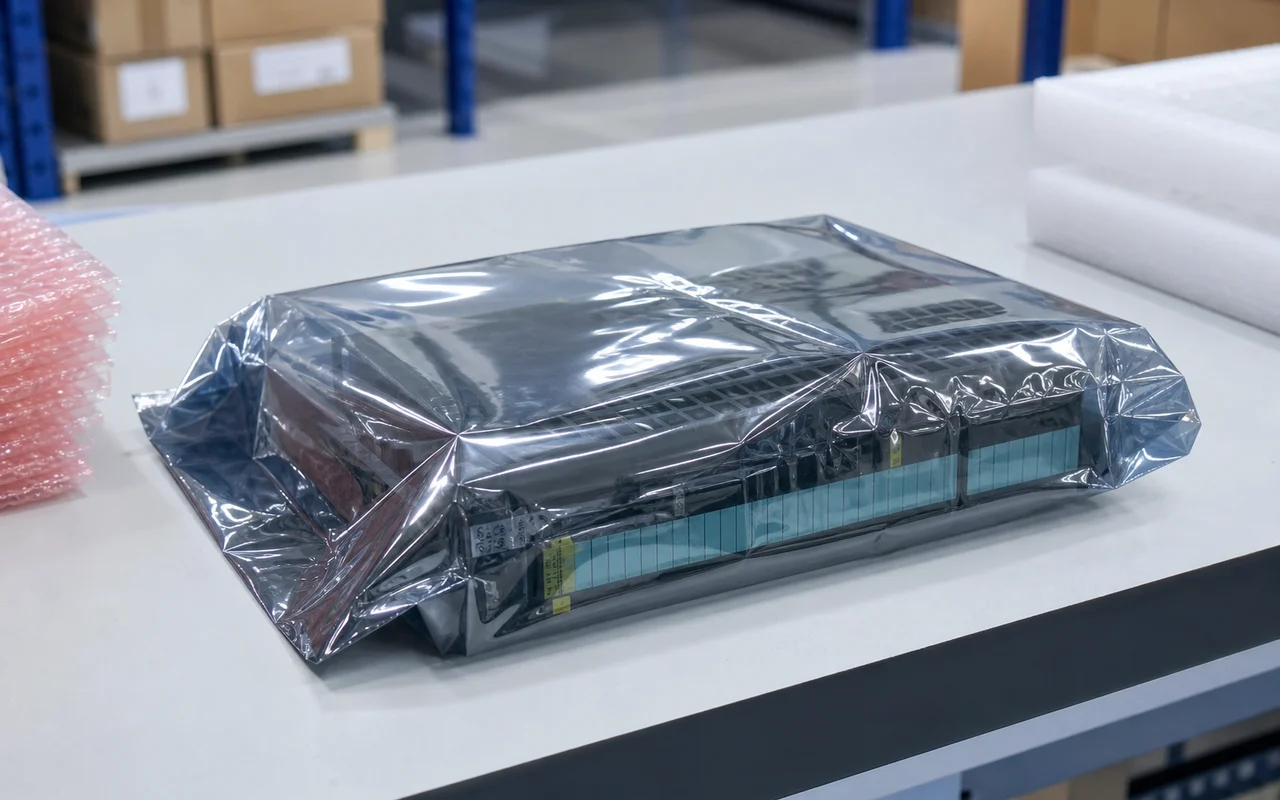 Anti-static Packaging
Modules are packed in anti-static bags to prevent electrostatic damage.
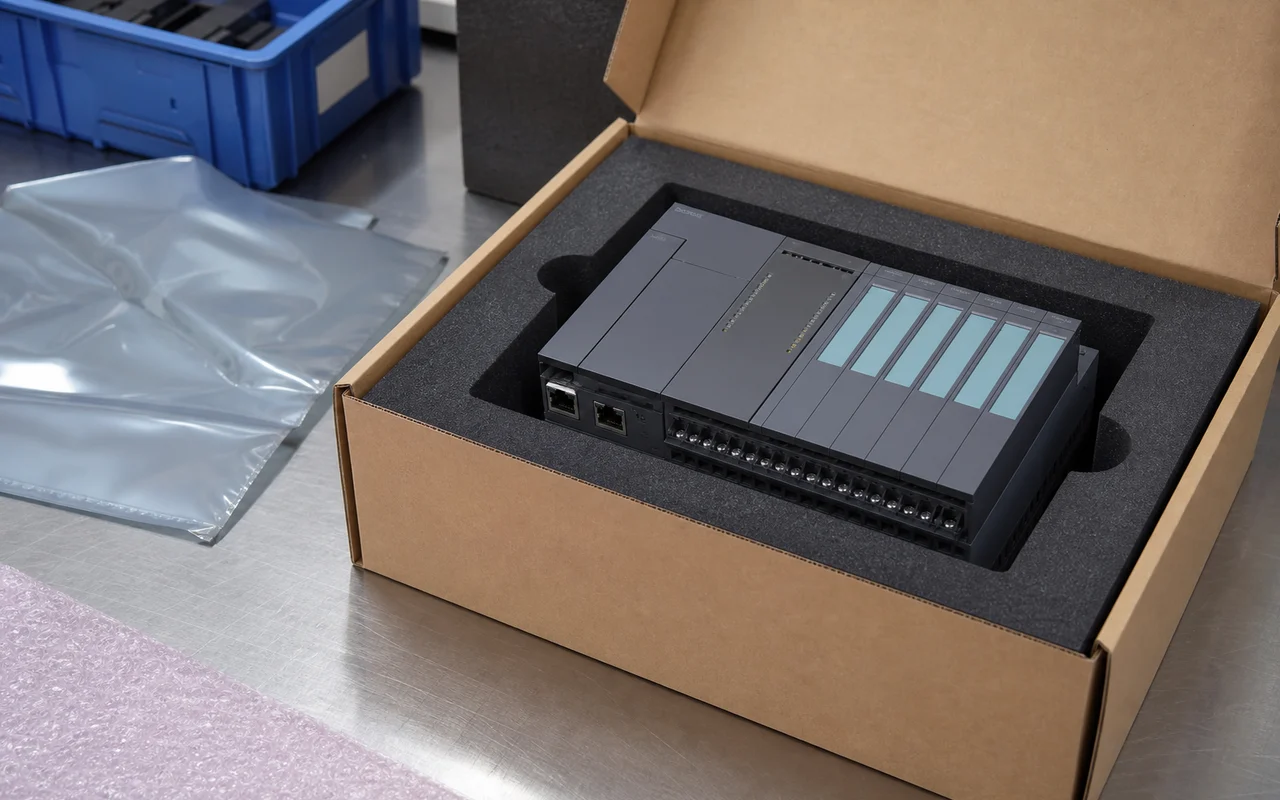 Secure Export Packing
Cushion protection and strong cartons ensure safe transportation.
 Worldwide Shipping
Global logistics network supports air, sea and express delivery.
 Documentation Check
Part number, revision and compatibility verified before shipment.
 After-sales Support
Professional technical support to help resolve your issues.