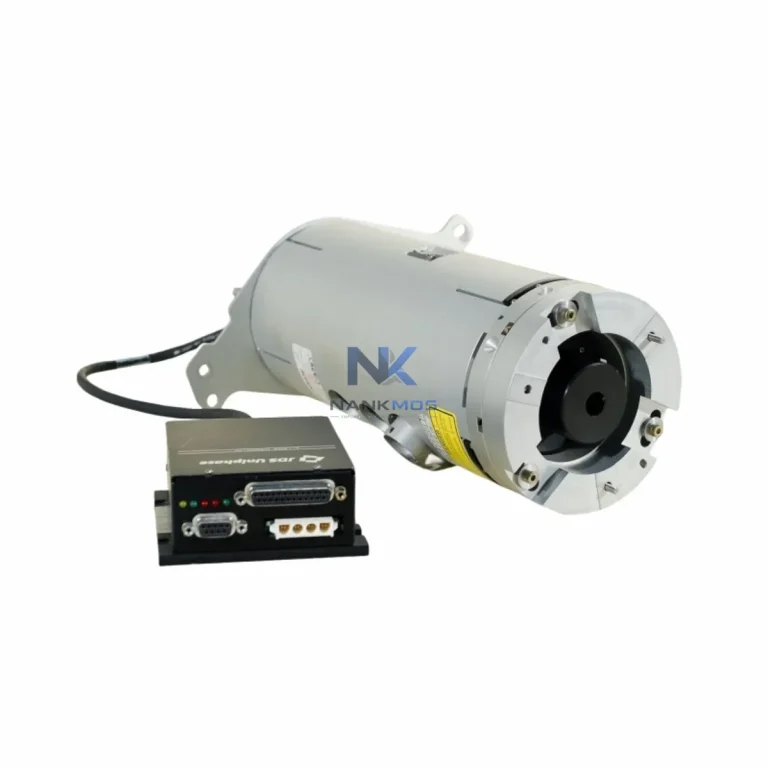
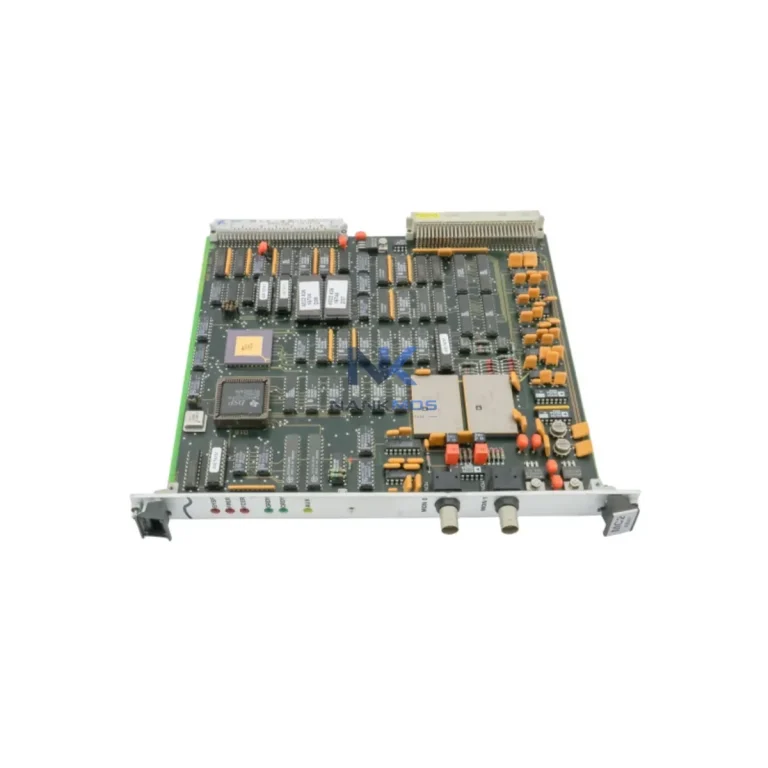
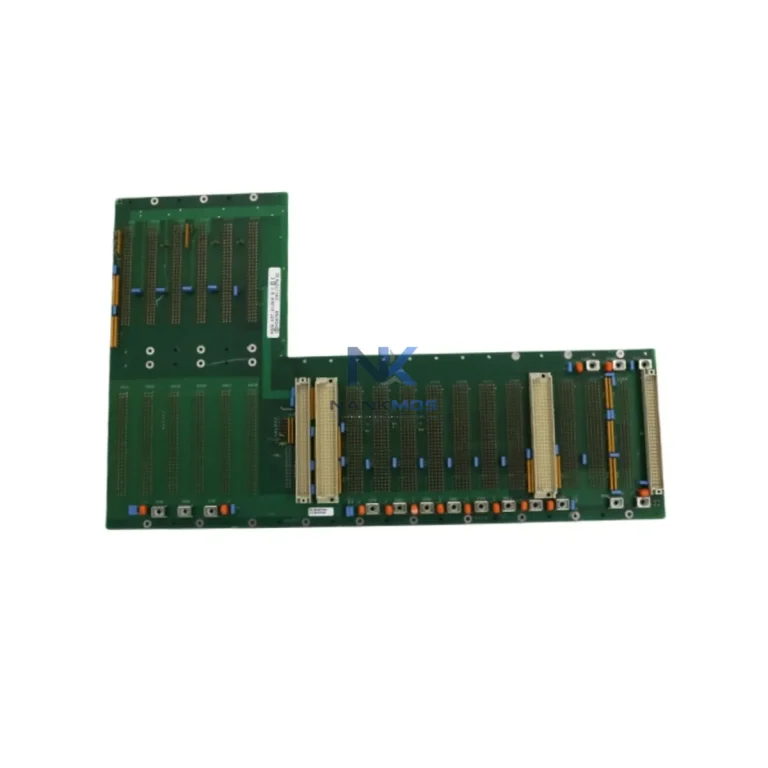
Functional Inspection
100% tested on professional platforms to ensure stable performance.
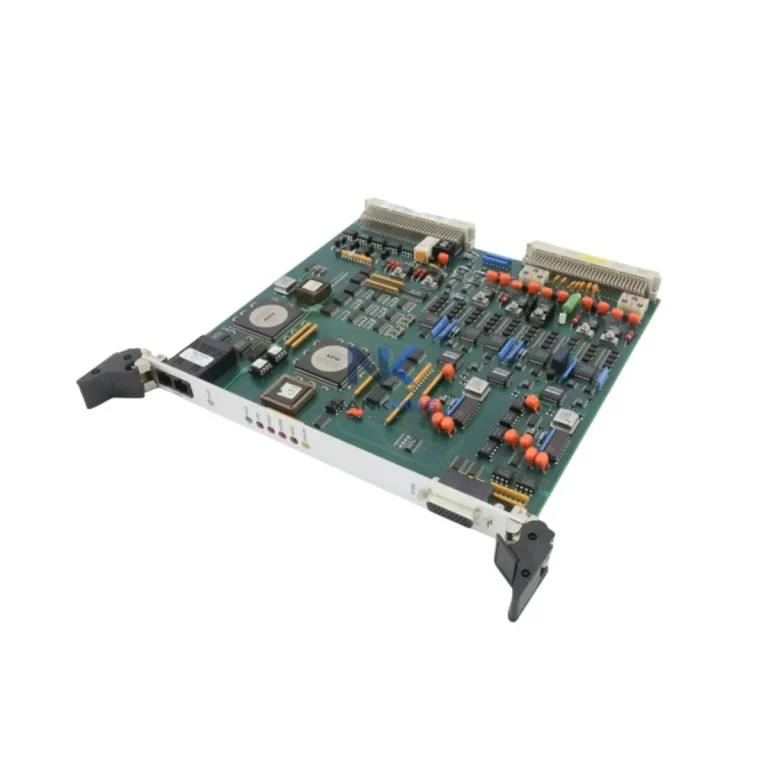
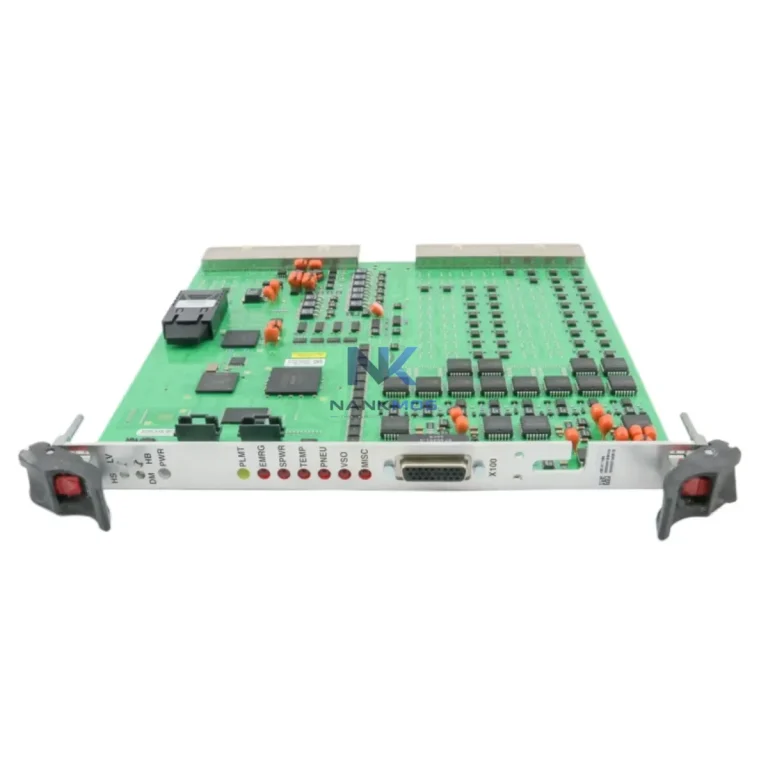
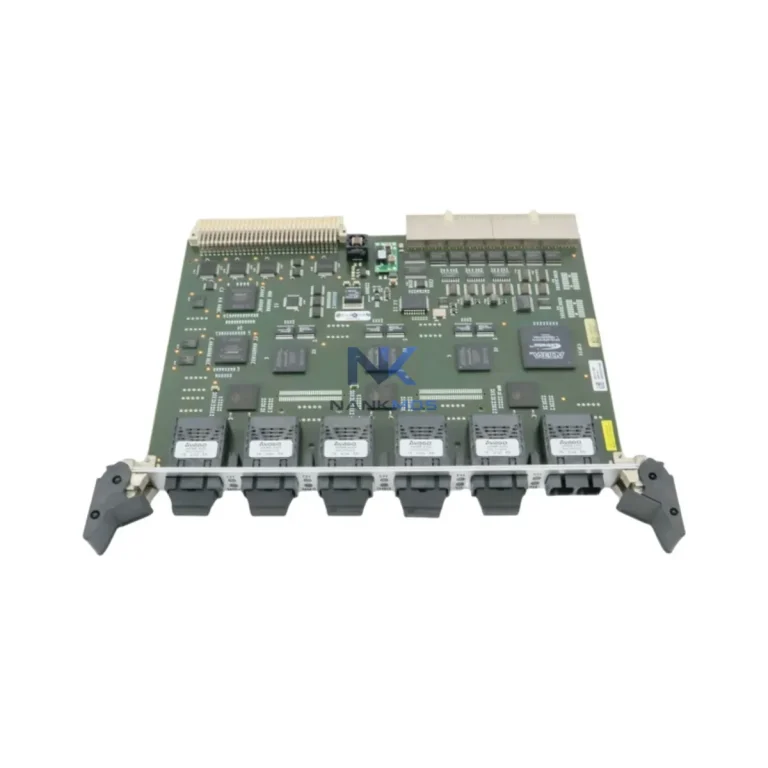
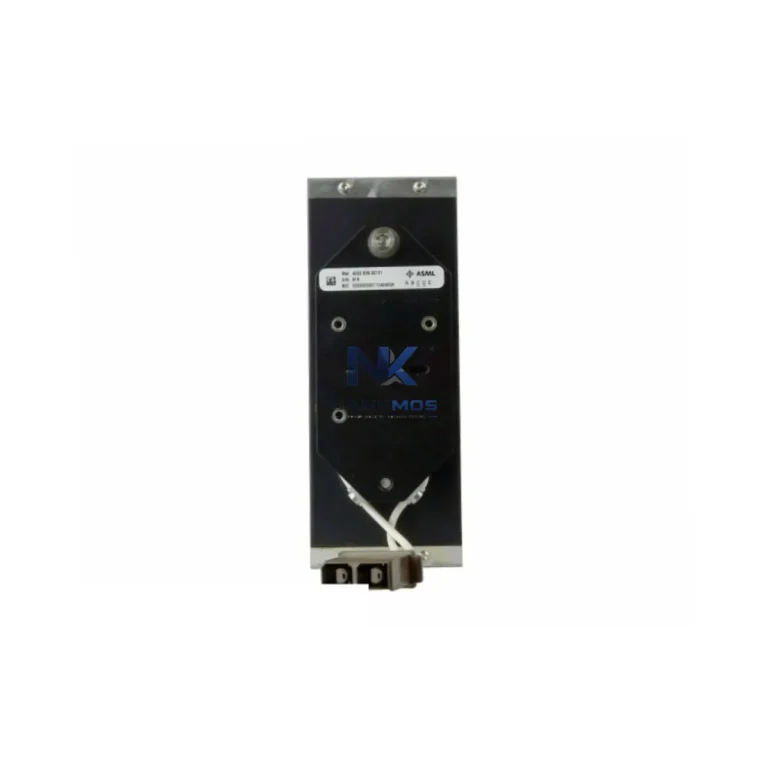
ASML 4022.436.1723 112052-8 HEATER TI-XZ 0200-36543 BLM-013468 is a NANKMOS industrial automation product record Listed under Other series series and Business & Industrial > Automation, Control & Flow Devices. Confirm condition, availability, lead time, compatibility and documentation by email inquiry.
Brand names are used for identification only.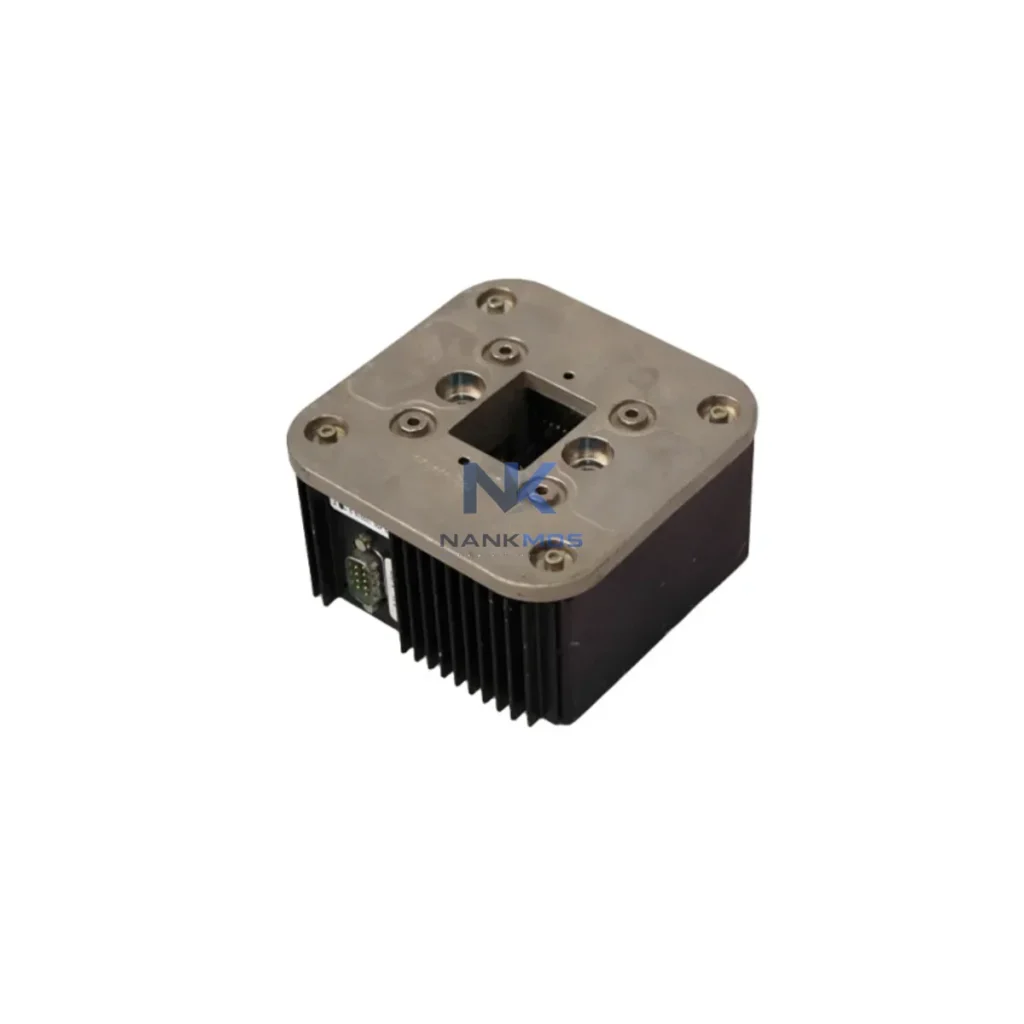
ASML 4022.436.1723 112052-8 HEATER TI-XZ 0200-36543 BLM-013468 is a NANKMOS industrial automation product record Listed under Other series series and Business & Industrial > Automation, Control & Flow Devices. Confirm condition, availability, lead time, compatibility and documentation by email inquiry.
| Manufacturer | ASML |
|---|---|
| Application | Industrial Automation Maintenance |
| Part Number / Model | 4022.436.1723 112052-8 HEATER TI-XZ 0200-36543 BLM-013468 |
| Compatible System | Confirmed by inquiry |
| Condition Options | To Confirm |
| Module Type | Automation, Control & Flow Devices |
| Warranty | 12 Months |
| Packaging | Anti-static Bag / Secure Box |
| Shipping Methods | DHL / FedEx / UPS / Air / Sea |
| Availability | To Confirm |
| Lead Time | To Confirm |
| Documentation | Part number and revision checked before quote |
The ASML 4022.436.1723 112052-8 Heater TI-XZ Laser Assembly (BLM-013468) is a precision thermal control component engineered for ASML TWINSCAN and NXT-series lithography platforms. In semiconductor and advanced electronics manufacturing, maintaining sub-millikelvin thermal stability across the TI-XZ laser axis is not merely a performance requirement — it is a prerequisite for yield. This heater assembly integrates directly into the laser source thermal management subsystem, where it works in concert with the broader factory automation data chain to deliver real-time temperature regulation, remote diagnostics, and seamless SCADA/MES visibility.
Modern semiconductor fabs demand that every component — from field-level actuators to enterprise-level MES — participates in a unified data flow. The ASML 4022.436.1723 is designed with this connectivity imperative in mind. Its thermal control signals are captured at the field level by ASML's internal EtherCAT-based I/O bus, where real-time process values are timestamped and forwarded upstream to the TWINSCAN host controller. From there, SECS-GEM (SEMI E5/E30) protocol bridges translate equipment status, alarm codes, and thermal setpoint deviations into structured messages consumed by fab-level SCADA systems such as Applied Materials' Applied SmartFactory or Siemens SIMATIC WinCC OA. This end-to-end data path — from heater element to SCADA dashboard — is what transforms a passive thermal component into an active node in the smart factory network.
The thermal data journey begins at the heater element itself. The ASML 4022.436.1723 generates continuous temperature feedback that is read by the TWINSCAN's internal EtherCAT master — a high-speed deterministic bus that synchronizes all field-level I/O within the lithography tool at sub-millisecond cycle times. This raw thermal signal is processed by the laser source controller module, which compares actual versus setpoint values and issues corrective drive commands in real time.
At the equipment level, the TWINSCAN host computer aggregates thermal data from multiple subsystems — including the ASML 4022.436.0612 Laser Power Control Module and the ASML 4022.436.0891 Beam Delivery Unit temperature sensor array — and exposes this data to the fab automation layer via the SECS-GEM interface. A dedicated GEM host adapter, such as the Brooks Automation FAB300 SECS/GEM Gateway or an equivalent Cimetrics B6120 SECS-II/GEM communication server, acts as the protocol bridge between the ASML tool and the fab's Ethernet-based SCADA backbone.
On the SCADA side, systems like Siemens SIMATIC WinCC OA or Rockwell Automation FactoryTalk View SE receive structured GEM event reports containing heater status, thermal deviation alarms, and predictive maintenance flags. These are displayed on HMI panels — typically Siemens TP1500 Comfort Panel or Advantech WebOP-2070T industrial touchscreens — giving process engineers real-time visibility into laser thermal health without requiring physical access to the cleanroom tool.
For remote diagnostics, the thermal telemetry stream is further routed through an industrial edge gateway — such as the Moxa UC-8112-LX Edge Computer or Advantech WISE-5231 IoT gateway — which buffers, filters, and forwards critical alarm events to cloud-based MES platforms or remote engineering workstations. This architecture enables off-site ASML field service engineers to monitor heater performance trends, detect early signs of thermal drift, and schedule preventive maintenance before yield-impacting failures occur.
Power integrity for the heater assembly is maintained by ASML-qualified 24VDC industrial power supplies with active power factor correction, ensuring that thermal control loops are never disrupted by upstream power transients — a critical requirement in high-precision lithography environments where even microsecond power anomalies can corrupt exposure dose uniformity.
Semiconductor fabs and advanced electronics manufacturing sites frequently encounter data integration challenges that undermine process transparency and yield optimization. The ASML 4022.436.1723 Heater TI-XZ Assembly, when properly integrated into the factory automation architecture, directly addresses several of these pain points:
Protocol Fragmentation: Many fabs operate a mix of legacy SECS-I serial interfaces alongside modern SECS-GEM/Ethernet implementations. The TWINSCAN platform's GEM-compliant host interface ensures that thermal data from the 4022.436.1723 can be consumed by both legacy MES systems using RS-232 SECS-I adapters and modern Ethernet-based SCADA platforms without protocol conversion gaps.
Data Silos: Thermal control data that remains trapped within the lithography tool's internal bus cannot contribute to fab-wide process optimization. By routing heater telemetry through the GEM interface to the fab SCADA layer, process engineers gain cross-tool thermal correlation data — enabling them to identify systematic thermal drift patterns across multiple TWINSCAN units simultaneously.
Remote Monitoring Gaps: Traditional maintenance models require on-site inspection of heater performance. With SECS-GEM event reporting and edge gateway integration, the 4022.436.1723's thermal status is continuously streamed to remote monitoring dashboards, enabling 24/7 off-site surveillance and reducing mean time to detect (MTTD) for thermal anomalies by up to 60%.
Production Line Transparency: Integrating heater thermal data into the fab MES creates a complete audit trail of thermal conditions during each wafer exposure lot. This data is invaluable for root cause analysis when yield excursions occur, allowing engineers to correlate thermal deviations with specific wafer lots and exposure conditions.
Alarm Management and Escalation: The GEM alarm reporting framework ensures that heater fault conditions — such as over-temperature events or heater element open-circuit faults — are immediately propagated to the fab alarm management system, triggering automated escalation workflows and minimizing unplanned downtime.
System Scalability: As fabs expand their TWINSCAN fleet, the standardized GEM interface of each tool ensures that new units — and their associated heater assemblies — can be onboarded into the existing SCADA/MES infrastructure without custom integration work, supporting seamless capacity scaling.
Q1: What communication protocols does the ASML 4022.436.1723 Heater TI-XZ support for SCADA integration?The heater assembly operates within the TWINSCAN tool's EtherCAT internal bus for real-time thermal control. At the equipment-to-fab interface, the TWINSCAN host exposes thermal data via SECS-GEM (SEMI E5/E30), which is the industry-standard protocol for semiconductor equipment-to-host communication. This enables direct integration with fab SCADA, MES, and EAP (Equipment Automation Platform) systems without additional protocol conversion hardware.
Q2: How is network stability maintained during continuous thermal control operations?The EtherCAT bus used for internal thermal I/O operates with deterministic cycle times (typically 250µs to 1ms), ensuring that heater control loops are never disrupted by network congestion. The SECS-GEM host interface uses TCP/IP with application-level heartbeat monitoring (T3/T5/T6 timers per SEMI E37), providing automatic connection recovery in the event of transient network interruptions without loss of thermal control continuity.
Q3: Can the heater assembly data be accessed for remote diagnostics and predictive maintenance?Yes. Through the TWINSCAN's GEM interface, thermal telemetry — including heater element resistance trends, temperature deviation history, and alarm event logs — can be continuously streamed to remote monitoring platforms via edge gateways or direct MES integration. NANKMOS supplies the 4022.436.1723 with full functional testing documentation, enabling baseline thermal performance data to be established at commissioning for ongoing predictive maintenance comparison.
Q4: What is the warranty coverage and what does pre-shipment testing include?Every ASML 4022.436.1723 112052-8 Heater TI-XZ Laser Assembly supplied by NANKMOS is covered by a 12-month warranty from the date of shipment. Pre-shipment testing includes electrical continuity verification, insulation resistance testing, and thermal response characterization to confirm that the assembly meets ASML OEM performance specifications. Detailed test reports are available upon request to support incoming quality inspection at the customer's facility.
Functional Inspection100% tested on professional platforms to ensure stable performance.
 Anti-static Packaging
Modules are packed in anti-static bags to prevent electrostatic damage.
 Secure Export Packing
Cushion protection and strong cartons ensure safe transportation.
 Worldwide Shipping
Global logistics network supports air, sea and express delivery.
 Documentation Check
Part number, revision and compatibility verified before shipment.
 After-sales Support
Professional technical support to help resolve your issues.