Functional Inspection
100% tested on professional platforms to ensure stable performance.
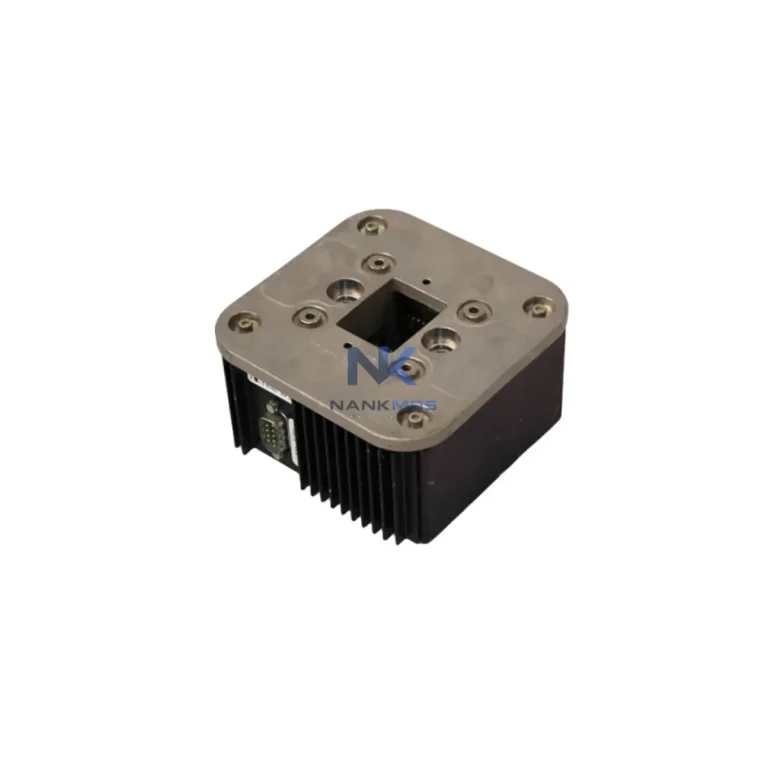
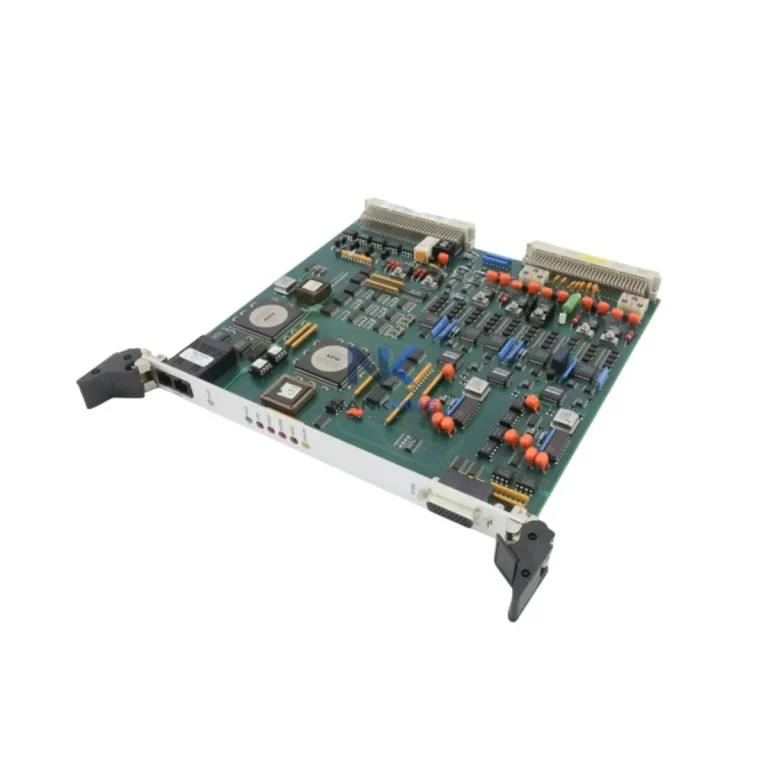
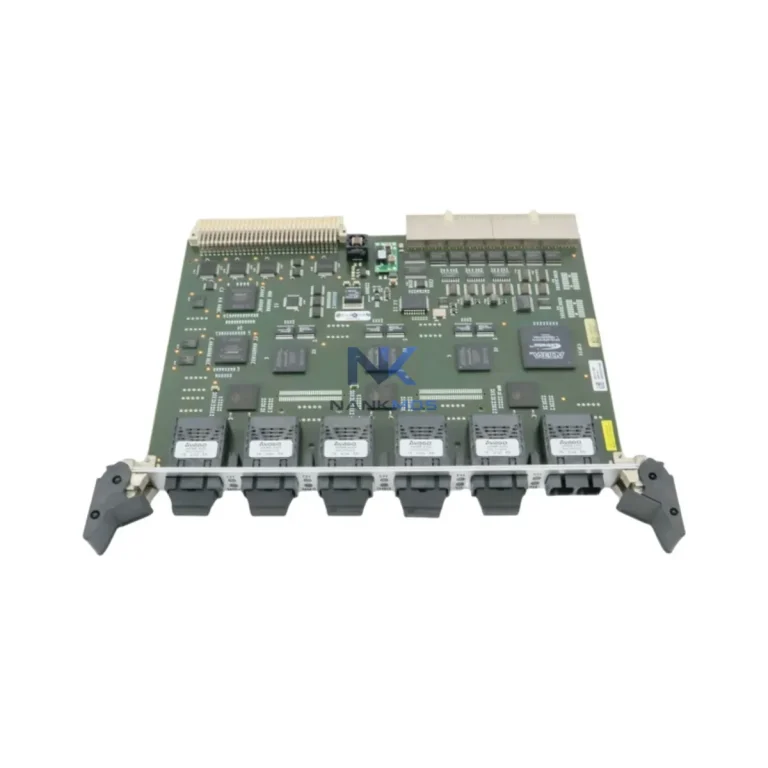
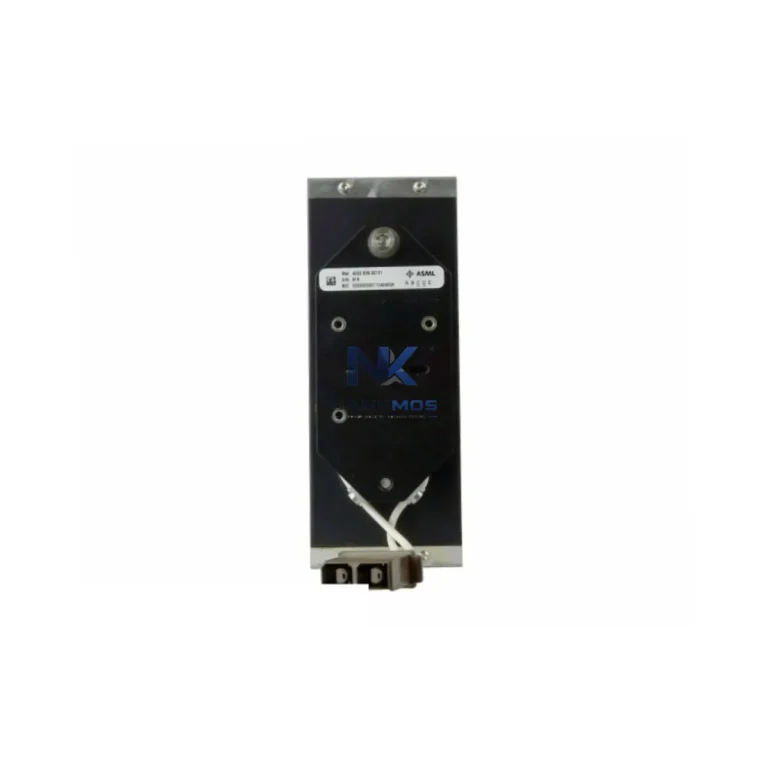
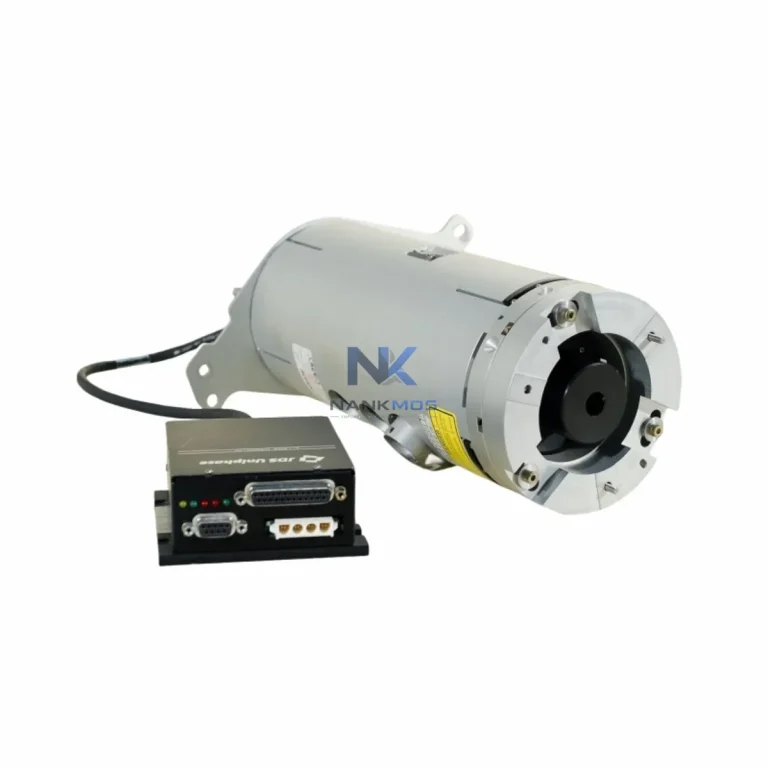
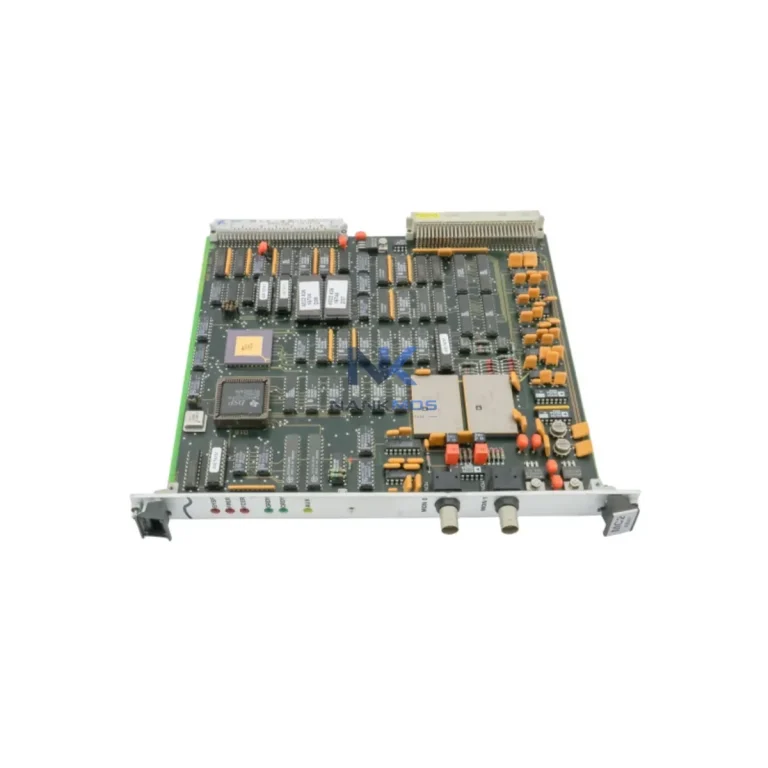
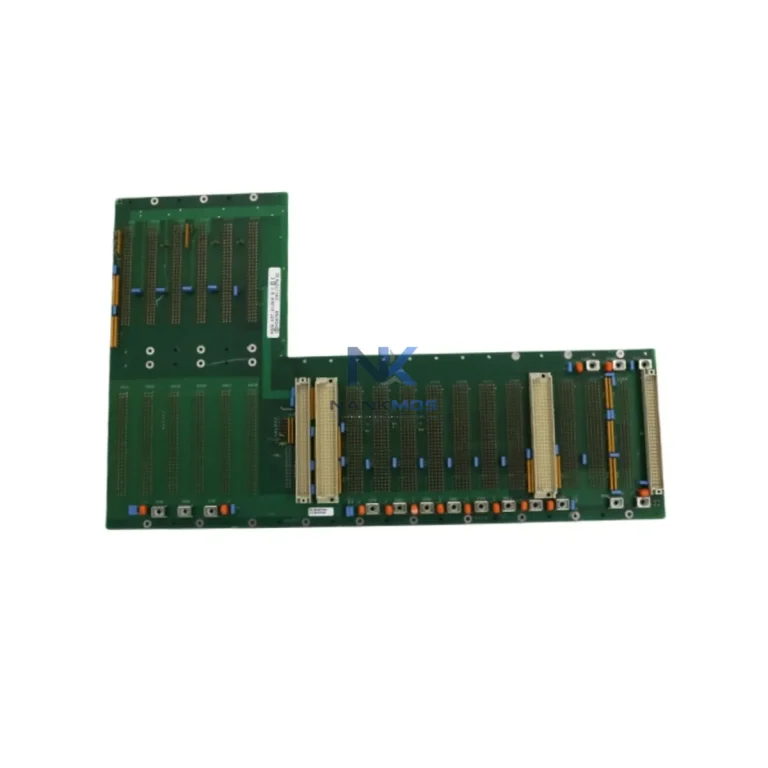
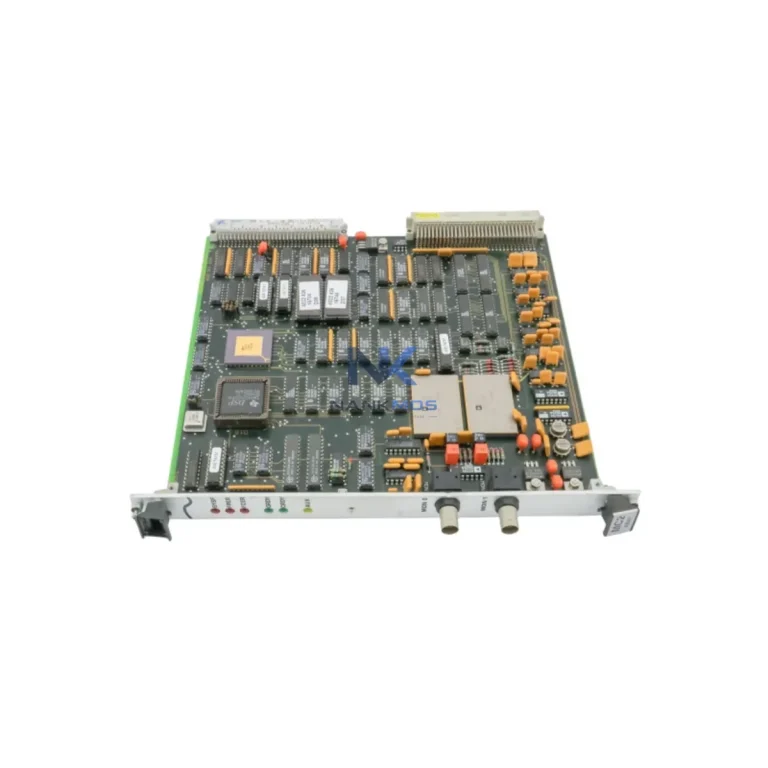
ASML 4022.471.73662 0195-12261 UHG50-2B A4249-9215HG is a NANKMOS industrial automation product record Listed under Other series series and Business & Industrial > Automation, Control & Flow Devices. Confirm condition, availability, lead time, compatibility and documentation by email inquiry.
Brand names are used for identification only.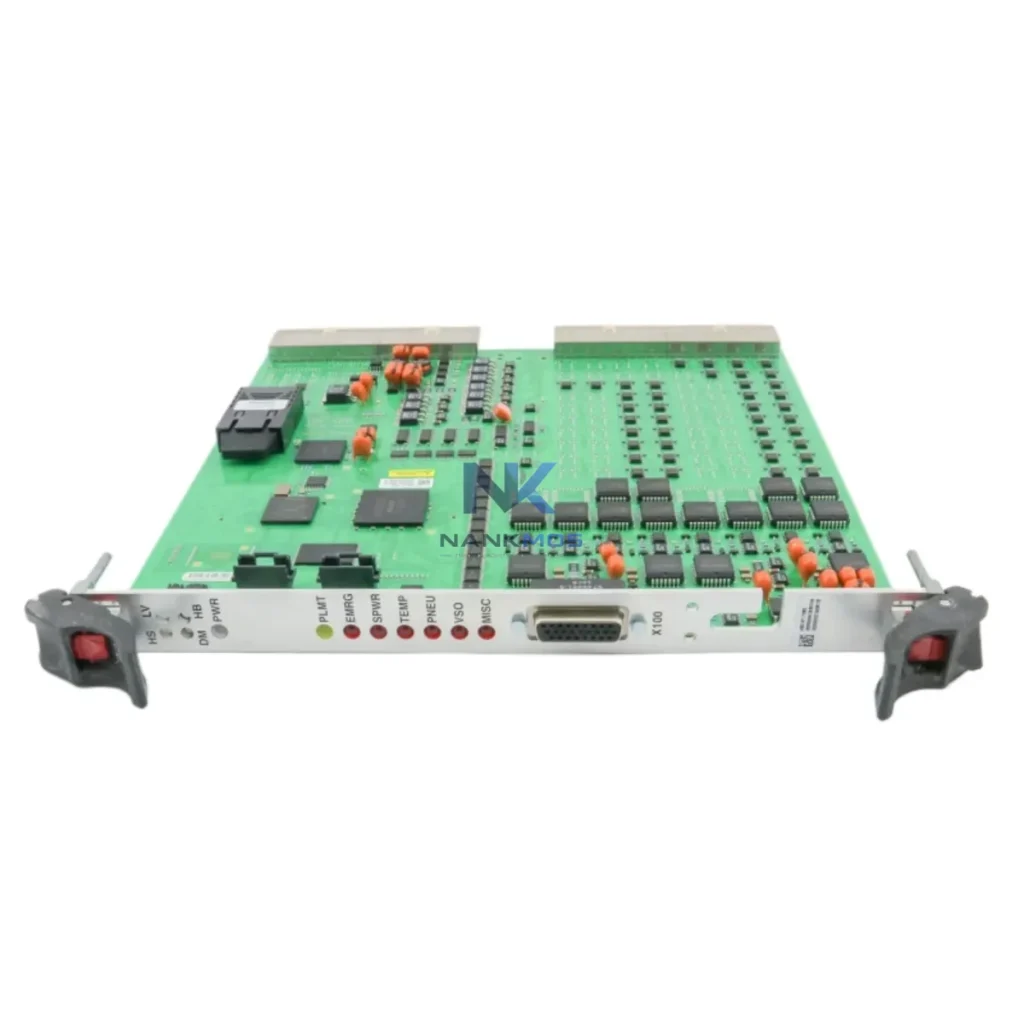
ASML 4022.471.73662 0195-12261 UHG50-2B A4249-9215HG is a NANKMOS industrial automation product record Listed under Other series series and Business & Industrial > Automation, Control & Flow Devices. Confirm condition, availability, lead time, compatibility and documentation by email inquiry.
| Manufacturer | ASML |
|---|---|
| Application | Industrial Automation Maintenance |
| Part Number / Model | 4022.471.73662 0195-12261 UHG50-2B A4249-9215HG |
| Compatible System | Confirmed by inquiry |
| Condition Options | To Confirm |
| Module Type | Automation, Control & Flow Devices |
| Warranty | 12 Months |
| Packaging | Anti-static Bag / Secure Box |
| Shipping Methods | DHL / FedEx / UPS / Air / Sea |
| Availability | To Confirm |
| Lead Time | To Confirm |
| Documentation | Part number and revision checked before quote |
The ASML 4022.471.73662 (also referenced as 0195-12261 / UHG50-2B / A4249-9215HG) is a precision industrial network interface PCB assembly engineered for ASML lithography and semiconductor process equipment. Designed to operate at the intersection of field-level device communication and upper-layer control systems, this module serves as a critical data link node — bridging real-time equipment signals with SCADA platforms, MES layers, and remote diagnostic networks in advanced smart factory environments.
In modern semiconductor fabs and precision manufacturing lines, data continuity across every layer of the automation stack is non-negotiable. The ASML 4022.471.73662 addresses this requirement by providing stable, low-latency communication between the lithography system's internal control bus and external industrial networks, enabling seamless integration with PLC controllers, HMI terminals, remote I/O modules, and edge computing gateways.
The ASML 4022.471.73662 sits at the heart of a multi-layer industrial data flow architecture. At the field level, sensors embedded in the lithography chamber — including wafer alignment sensors, pressure transducers, and temperature probes — generate continuous process signals. These signals are routed through the PCB interface module, which normalizes and encodes the data for transmission across the facility's industrial network backbone.
Upstream, the module communicates with ASML TwinScan and NXT series motion controllers, passing real-time axis position data and interlock status to the central PLC layer. In parallel, the interface supports handshaking with SEMI E84-compliant EFEM (Equipment Front End Module) controllers, coordinating wafer cassette loading sequences and lot tracking signals that feed directly into the fab's MES system.
For facilities running Siemens S7-1500 or Allen-Bradley ControlLogix PLCs as the primary automation backbone, the 4022.471.73662 provides a stable gateway path — converting ASML proprietary backplane signals into Profibus DP or EtherCAT frames that the PLC can natively process. This eliminates the need for external protocol converters and reduces network latency to sub-millisecond levels critical for lithography overlay accuracy.
At the HMI and SCADA layer, operators using Wonderware System Platform, Ignition SCADA, or Siemens WinCC receive live equipment status dashboards populated by data flowing through this interface. Alarm conditions — such as reticle stage position faults or chuck vacuum loss — are transmitted in real time, triggering automated interlock sequences and logging events to the historian database for post-process analysis.
Edge computing nodes, such as Moxa UC-8100 or Advantech WISE-5000 series edge gateways, can be integrated downstream of the 4022.471.73662 to perform local data preprocessing — filtering noise, aggregating cycle-time metrics, and forwarding compressed datasets to cloud-based analytics platforms. This architecture supports predictive maintenance models that analyze vibration signatures, thermal drift, and throughput trends across multiple lithography tools simultaneously.
Remote I/O expansion — using modules such as Phoenix Contact Axioline F or Beckhoff EK1100 EtherCAT couplers — can be connected through the network segment managed by this interface, extending the data acquisition reach to auxiliary subsystems including chemical delivery units, exhaust management systems, and UPS power monitoring circuits. The result is a fully transparent, end-to-end data chain from the wafer stage to the enterprise dashboard.
Semiconductor fabs and precision automation facilities frequently encounter data fragmentation challenges: legacy equipment running proprietary protocols cannot communicate with modern SCADA or MES platforms, creating information silos that obscure process performance and delay fault response. The ASML 4022.471.73662 directly addresses these gaps.
Protocol Unification: By supporting both ASML-native backplane communication and standard industrial protocols including SECS/GEM and EtherCAT, this interface eliminates the translation bottleneck between the lithography tool and the plant-wide automation network. Equipment that previously required manual data entry or offline log extraction can now contribute live data streams to the central SCADA historian.
Data Island Elimination: Process data generated within the lithography chamber — exposure dose, stage velocity, focus map coordinates — is no longer isolated within the tool controller. The 4022.471.73662 routes this data to the network layer, making it available to quality control systems, yield analysis platforms, and engineering review dashboards in real time.
Remote Monitoring and Diagnostics: Field service engineers can access equipment health parameters — board temperature, communication error counters, signal integrity metrics — remotely via the SCADA network, reducing the need for on-site intervention and shortening mean time to repair (MTTR). Alarm thresholds can be configured at the network level, enabling proactive fault detection before process excursions occur.
Production Line Transparency: With the 4022.471.73662 in place, fab managers gain full visibility into lithography tool utilization, cycle time distribution, and downtime root causes — data that feeds directly into OEE (Overall Equipment Effectiveness) calculations and continuous improvement programs.
System Scalability: The modular architecture of this interface supports incremental network expansion. As additional process tools are integrated into the smart factory network, the communication infrastructure built around the 4022.471.73662 scales without requiring redesign of the core data flow architecture.
Every unit supplied by NANKMOS undergoes pre-shipment functional testing, including communication protocol handshake verification, signal integrity checks, and thermal cycling validation, backed by a 12-month warranty covering manufacturing defects and communication failures.
Q1: What communication protocols does the ASML 4022.471.73662 support, and is it compatible with third-party SCADA systems? The 4022.471.73662 supports ASML proprietary backplane communication alongside SEMI E84/E87, SECS/GEM, EtherCAT, and Profibus DP protocols. It is compatible with major SCADA platforms including Ignition, Wonderware, and Siemens WinCC, provided the appropriate protocol driver or OPC-UA gateway is configured at the network interface layer.
Q2: How does this module handle communication latency in high-throughput lithography environments? The PCB interface is designed for deterministic, low-latency data transfer consistent with the real-time requirements of ASML lithography motion control. EtherCAT-based communication paths achieve cycle times under 1 ms, ensuring that stage position feedback and interlock signals are processed within the timing windows required for overlay accuracy at advanced process nodes.
Q3: Can the 4022.471.73662 be integrated into an existing Profibus or EtherCAT network without replacing the host PLC? Yes. The module is designed as a network interface node that connects to the existing industrial network segment. It does not require replacement of the host PLC or DCS controller. Configuration is performed at the network topology level, and the module presents itself as a standard Profibus DP slave or EtherCAT device to the existing master controller.
Q4: What does the 12-month warranty cover, and what is the pre-shipment testing process? The 12-month warranty covers manufacturing defects, component failures, and communication protocol malfunctions under normal operating conditions. Prior to shipment, each unit undergoes functional testing including protocol handshake verification, power-on self-test, signal integrity measurement, and thermal stress screening. Test records are available upon request for quality documentation purposes.
Functional Inspection100% tested on professional platforms to ensure stable performance.
 Anti-static Packaging
Modules are packed in anti-static bags to prevent electrostatic damage.
 Secure Export Packing
Cushion protection and strong cartons ensure safe transportation.
 Worldwide Shipping
Global logistics network supports air, sea and express delivery.
 Documentation Check
Part number, revision and compatibility verified before shipment.
 After-sales Support
Professional technical support to help resolve your issues.