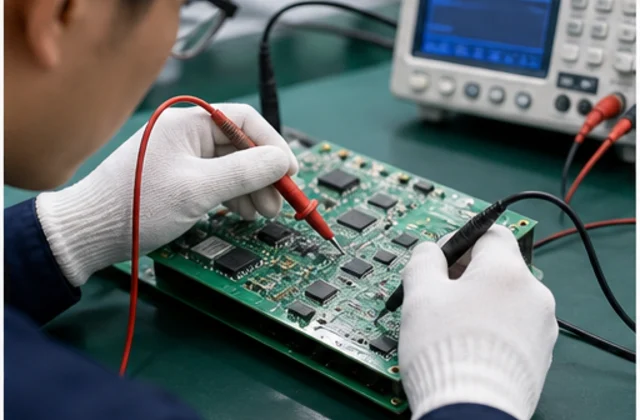
 Functional Inspection
100% tested on professional platforms to ensure stable performance.
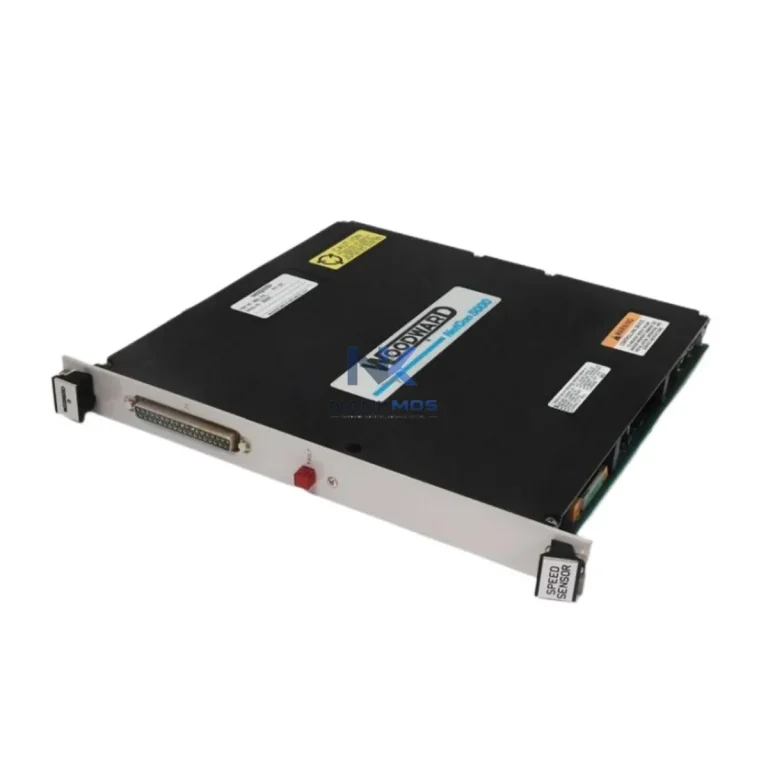
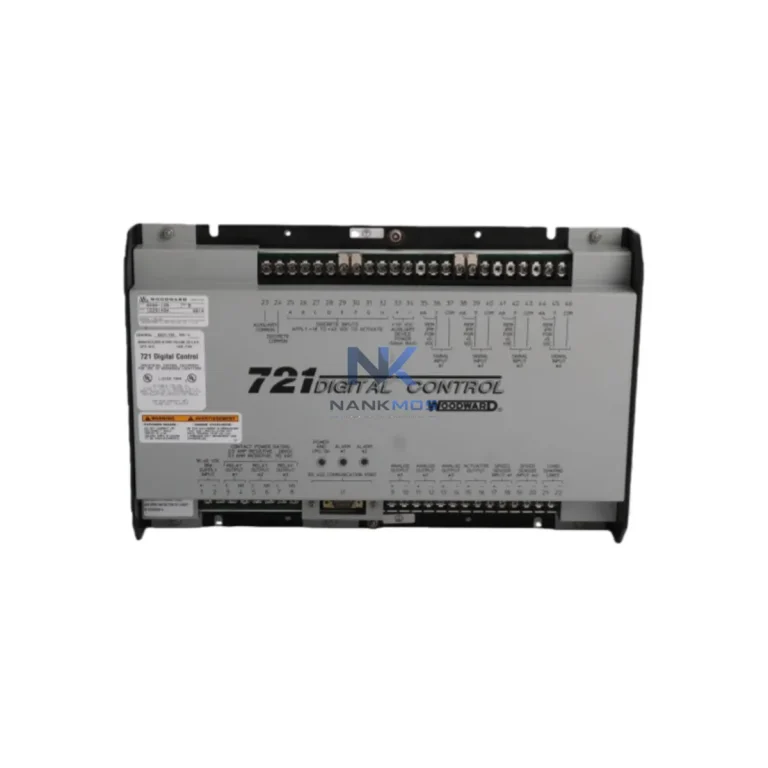
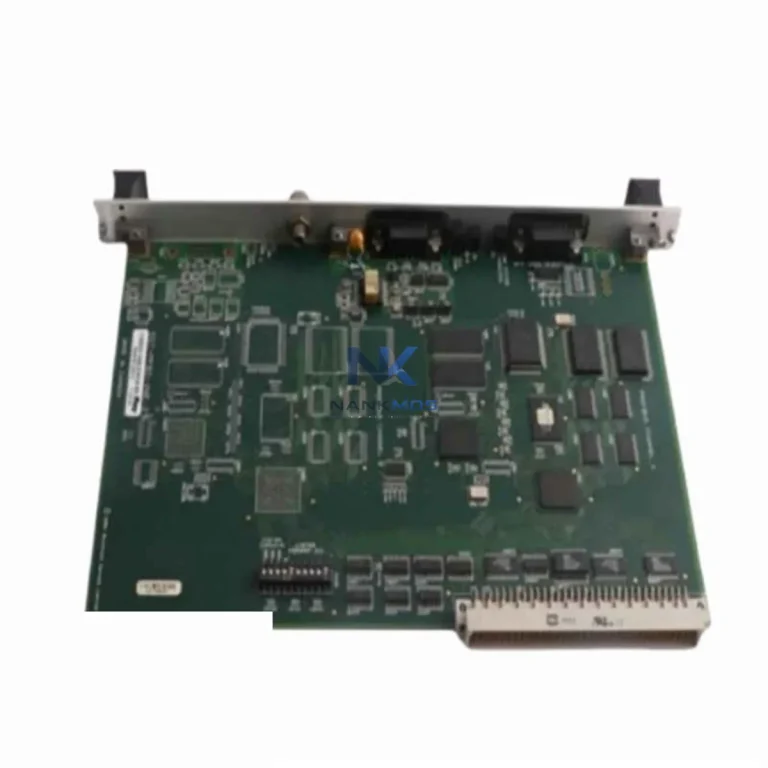
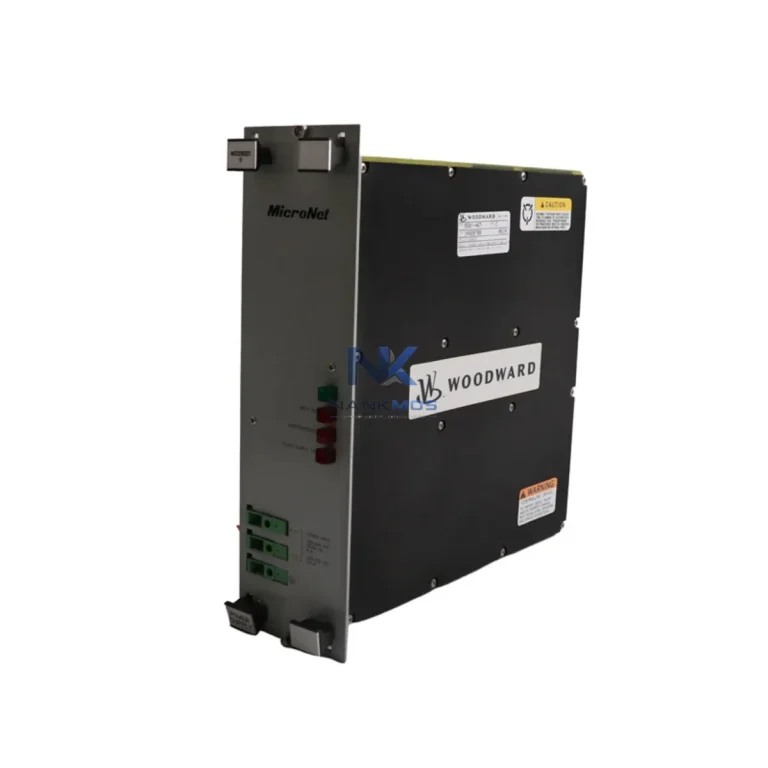
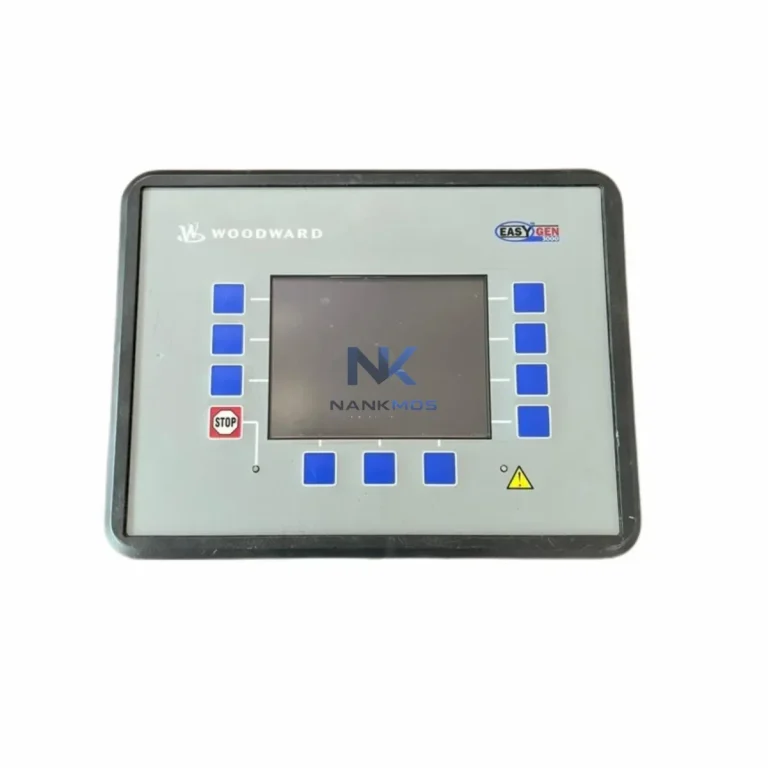
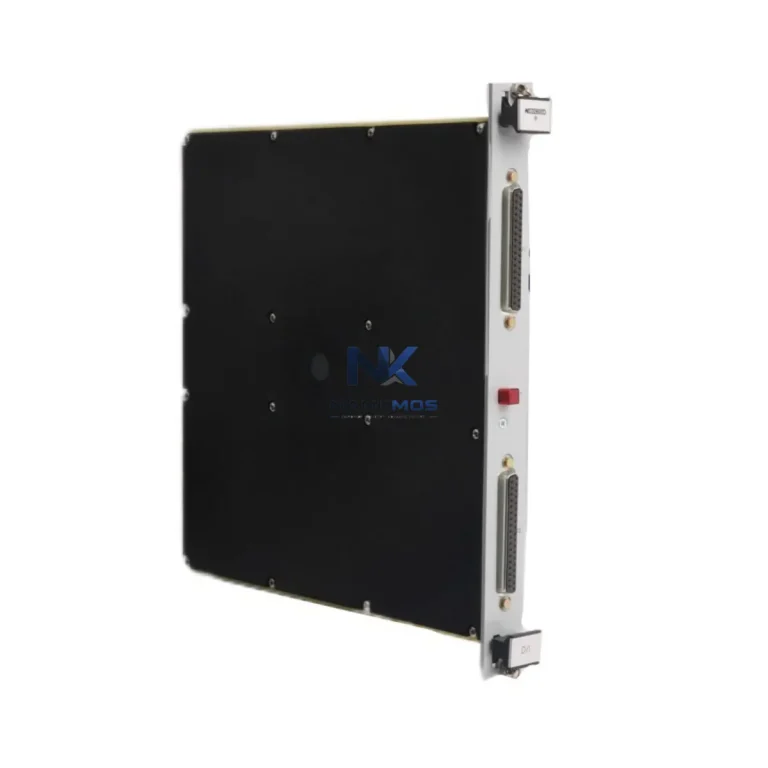
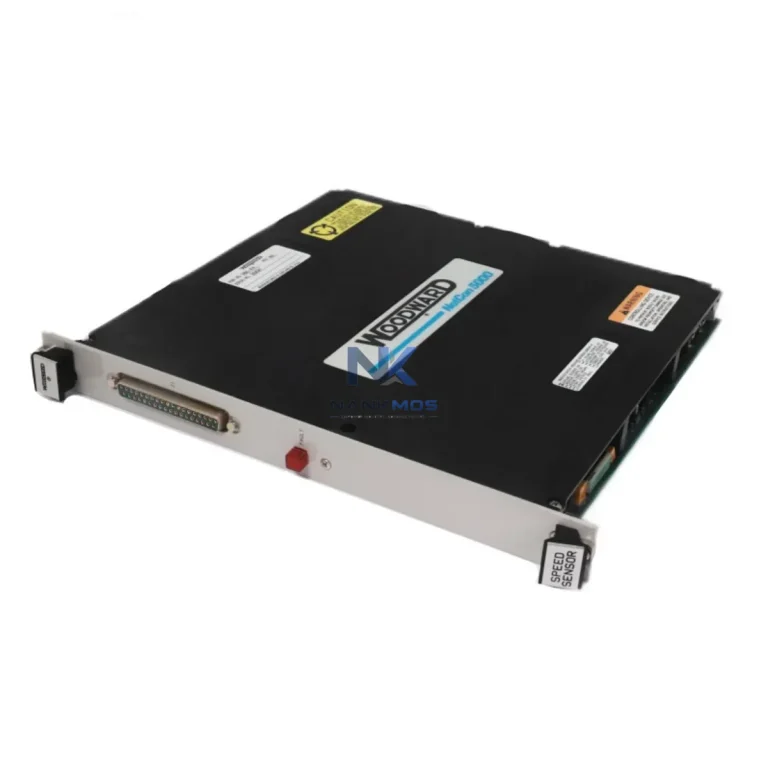
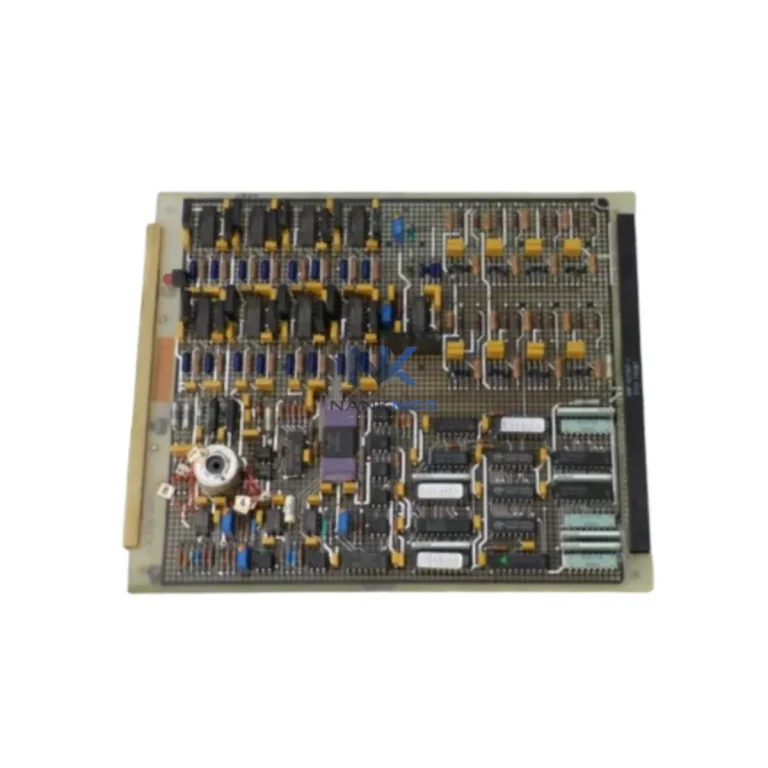
Woodward 5464-013 is a NANKMOS industrial automation product record Listed under Other series series and Drives. Confirm condition, availability, lead time, compatibility and documentation by email inquiry.
Brand names are used for identification only.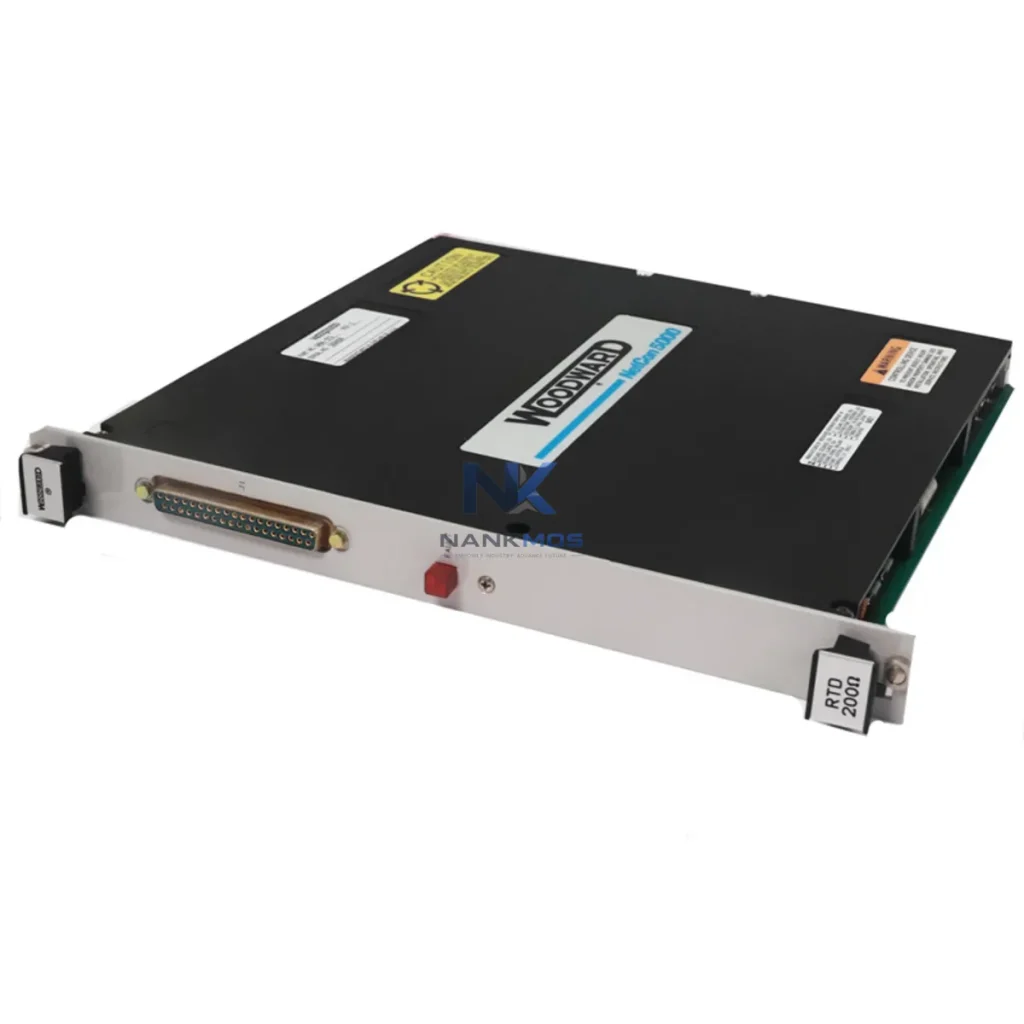
Woodward 5464-013 is a NANKMOS industrial automation product record Listed under Other series series and Drives. Confirm condition, availability, lead time, compatibility and documentation by email inquiry.
| Manufacturer | Woodward |
|---|---|
| Application | Field Signal Input / Output |
| Part Number / Model | 5464-013 |
| Compatible System | Confirmed by inquiry |
| Condition Options | To Confirm |
| Module Type | I/O Module |
| Warranty | 12 Months |
| Packaging | Anti-static Bag / Secure Box |
| Shipping Methods | DHL / FedEx / UPS / Air / Sea |
| Availability | To Confirm |
| Lead Time | To Confirm |
| Documentation | Part number and revision checked before quote |
The Woodward 5464-013 is a precision-engineered Input Driver Module designed for the MicroNet turbine and industrial control platform. Built to exacting standards for energy-intensive production environments, this module serves as a critical signal-conditioning and input-management component within distributed control architectures. By accurately capturing and processing field-level signals — from sensors, transducers, and feedback devices — the 5464-013 ensures that upstream controllers receive clean, reliable data, eliminating the signal noise and latency that drive unnecessary energy consumption and unplanned downtime.
In modern industrial facilities where energy costs represent a significant share of operating expenditure, the quality of input signal management directly affects how efficiently a control system responds to load changes. The Woodward 5464-013 reduces the risk of false triggers, over-correction cycles, and hunting behavior in turbine governors and drive controllers — all of which translate into measurable reductions in fuel consumption, thermal stress, and mechanical wear. For plant engineers focused on energy optimization, this module is a foundational component in any power-aware automation strategy.
The Woodward 5464-013 Input Driver Module does not operate in isolation — its value is realized within a tightly integrated control architecture. In a typical turbine or industrial energy management installation, this module interfaces directly with the MicroNet controller chassis, receiving signals from speed sensors, pressure transducers, temperature probes, and position feedback devices. These signals are then conditioned and passed to the MicroNet CPU module, which executes the governor and load-sharing algorithms that determine fuel valve position and generator output.
When paired with Woodward's NetCon network control modules, the 5464-013 enables coordinated load management across multiple generating units, ensuring that each turbine operates at its most efficient point on the heat-rate curve. In facilities that also deploy Woodward's MSLC (Master Synchronizer and Load Control) or DSLC (Digital Synchronizer and Load Control) modules, the input driver's signal fidelity becomes even more critical — any degradation in input quality propagates directly into synchronization errors and load-sharing imbalances that waste energy and stress mechanical components.
Beyond the Woodward ecosystem, the 5464-013 is commonly integrated into broader plant automation architectures that include third-party variable frequency drives (VFDs) for auxiliary motor control, Modbus RTU or Modbus TCP communication gateways for SCADA connectivity, and distributed I/O modules that aggregate field signals from across the production floor. In combined heat and power (CHP) plants and industrial cogeneration facilities, the module works alongside power monitoring systems — such as power quality analyzers and energy metering modules — to provide the real-time feedback loops that energy management systems (EMS) require for demand-response optimization.
HMI panels connected to the MicroNet platform display the processed input data in real time, giving operators immediate visibility into turbine state, load demand, and efficiency metrics. This closed-loop visibility — from field sensor through the 5464-013 input driver to the HMI — is what enables operators to make informed decisions about load shedding, startup sequencing, and maintenance scheduling, all of which have direct implications for energy consumption and production throughput.
In production environments where turbines, compressors, or large rotating machines are part of the energy supply chain, the stability and accuracy of input signal processing is a primary lever for energy optimization. The Woodward 5464-013 contributes to this goal in several interconnected ways.
Reducing Unnecessary Correction Cycles: When input signals are noisy or imprecise, governor algorithms respond with frequent, small corrections to fuel valve position or generator output. Each correction cycle consumes actuator energy, generates heat, and introduces mechanical wear. The 5464-013's signal conditioning capability reduces the frequency and magnitude of these corrections, lowering both energy consumption and component fatigue.
Stabilizing Production Line Tempo: In facilities where turbine-driven generators supply power to variable-speed drives, CNC machining centers, or robotic assembly lines, voltage and frequency stability directly affects production line tempo. Unstable power quality forces drives to compensate continuously, increasing their own energy draw. By improving the accuracy of the turbine governor's input data, the 5464-013 helps maintain tighter frequency regulation, which in turn stabilizes the downstream production environment.
Lowering Thermal Load: Excessive actuator cycling and governor hunting generate heat in both the control electronics and the mechanical components they govern. Elevated thermal loads accelerate insulation degradation, increase cooling system energy demand, and shorten component service life. The 5464-013's contribution to smoother control action directly reduces thermal stress across the system.
Supporting Predictive Maintenance: Clean, consistent input data is the foundation of effective condition monitoring. When the 5464-013 delivers high-fidelity signals to the MicroNet controller, trend analysis algorithms can detect subtle changes in vibration signatures, temperature profiles, and load patterns that indicate developing faults. Early fault detection enables planned maintenance interventions that avoid unplanned shutdowns — the single largest source of energy waste and production loss in industrial facilities.
Inventory Availability and Supply Continuity: Unplanned downtime caused by unavailable spare parts is a critical risk in energy-intensive industries. The 5464-013 is maintained in stock and is available for immediate dispatch, ensuring that replacement cycles do not extend beyond planned maintenance windows. Every unit undergoes full functional testing prior to shipment, and is covered by a 12-month warranty, providing confidence in both performance and supply continuity.
Q1: How does the Woodward 5464-013 contribute to measurable energy savings? The 5464-013 improves the quality of input signals delivered to the MicroNet governor controller. Higher signal fidelity reduces the frequency of unnecessary fuel valve corrections and load adjustments, which directly lowers fuel consumption, reduces actuator wear, and decreases the thermal load on control electronics. In turbine-based power generation, even small reductions in governor hunting can translate into meaningful improvements in heat rate and overall plant efficiency.
Q2: Is the 5464-013 compatible with other Woodward MicroNet modules and third-party systems? Yes. The 5464-013 is designed as a native component of the Woodward MicroNet platform and is fully compatible with other MicroNet chassis modules, including CPU, output driver, and communication modules. It can also be integrated into broader automation architectures that include third-party SCADA systems, Modbus-compatible communication gateways, and distributed I/O networks, provided that the MicroNet controller serves as the primary signal processing hub.
Q3: What is the recommended replacement and testing procedure for the 5464-013? Replacement should follow Woodward's standard MicroNet module swap procedure: power down the chassis, remove the faulty module, install the replacement 5464-013, and perform a full I/O calibration and functional verification before returning the system to service. All units supplied by NANKMOS are pre-tested prior to shipment. Post-installation testing should include signal loop verification for all connected sensors and a governor response test under controlled load conditions.
Q4: What warranty and stock availability does NANKMOS provide for the 5464-013? NANKMOS maintains the Woodward 5464-013 in stock for immediate dispatch. Every unit is functionally tested before shipment and is covered by a 12-month warranty against manufacturing defects and operational failure under normal operating conditions. For urgent replacement requirements, expedited shipping options are available. Contact our technical team to confirm current stock levels and lead times for your specific project schedule.
Functional Inspection100% tested on professional platforms to ensure stable performance.
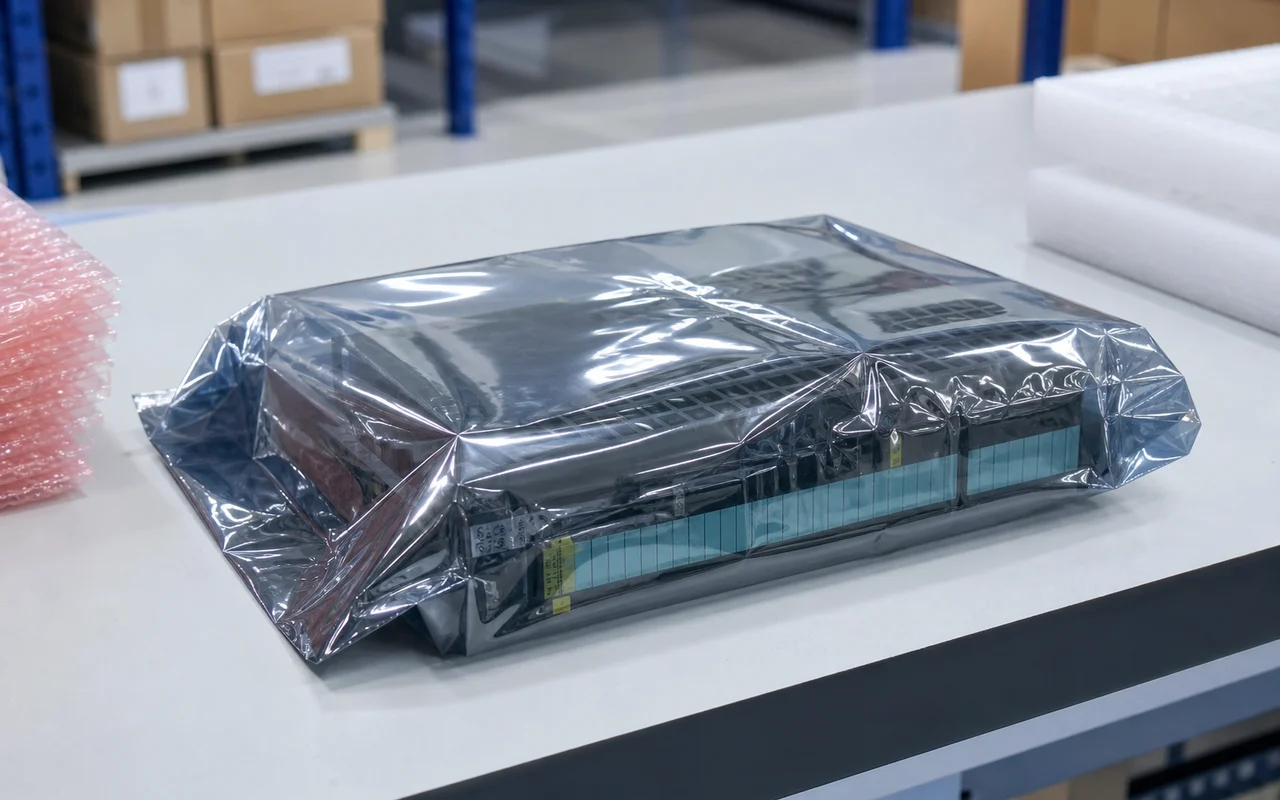 Anti-static Packaging
Modules are packed in anti-static bags to prevent electrostatic damage.
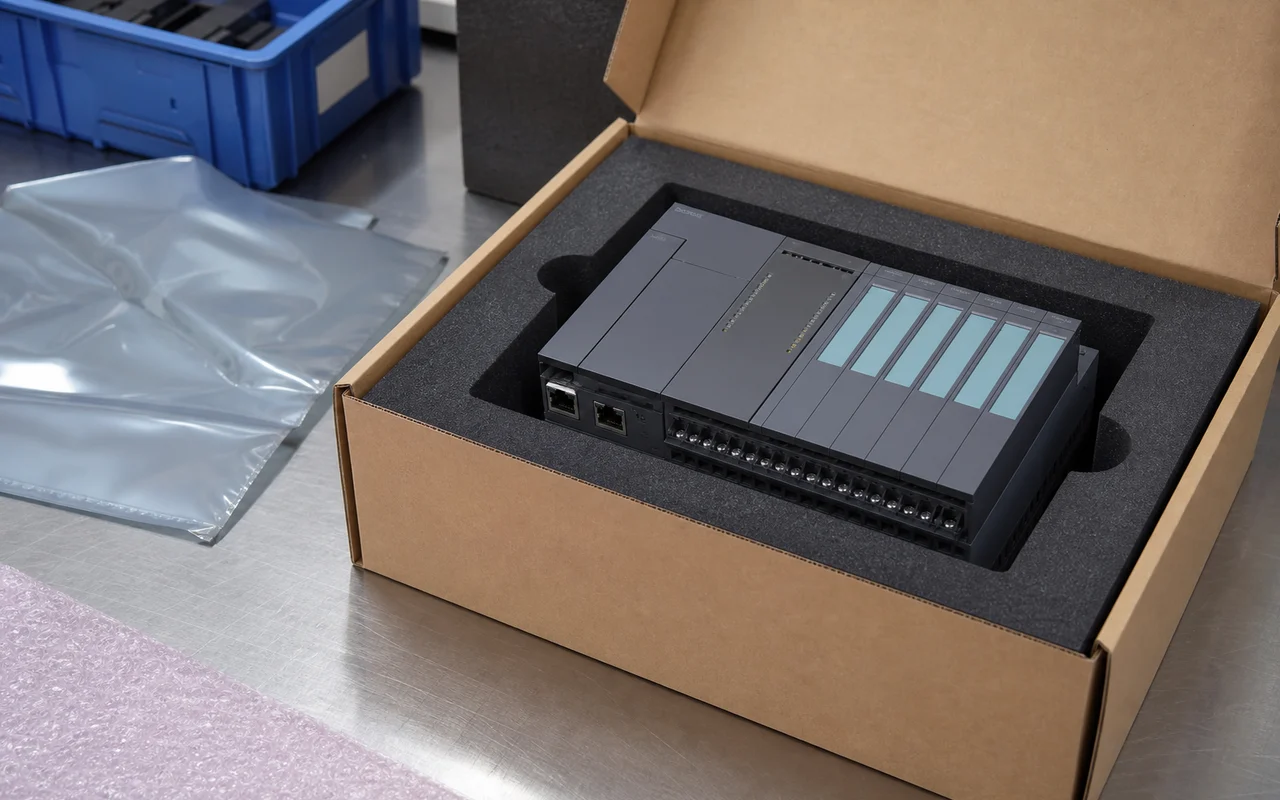 Secure Export Packing
Cushion protection and strong cartons ensure safe transportation.
 Worldwide Shipping
Global logistics network supports air, sea and express delivery.
 Documentation Check
Part number, revision and compatibility verified before shipment.
 After-sales Support
Professional technical support to help resolve your issues.