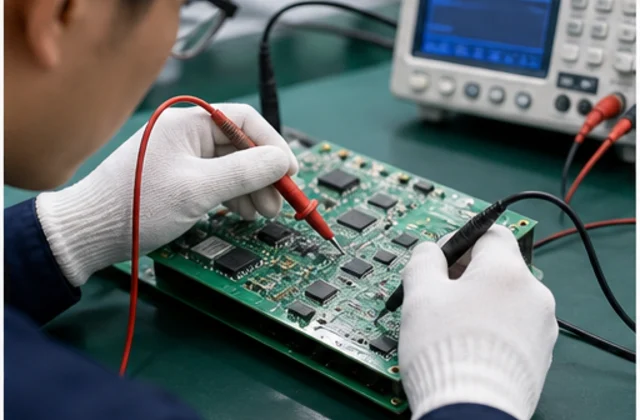
 Functional Inspection
100% tested on professional platforms to ensure stable performance.
Woodward 5462-408 is a NANKMOS industrial automation product record Listed under Other series series and Sensors. Confirm condition, availability, lead time, compatibility and documentation by email inquiry.
Brand names are used for identification only.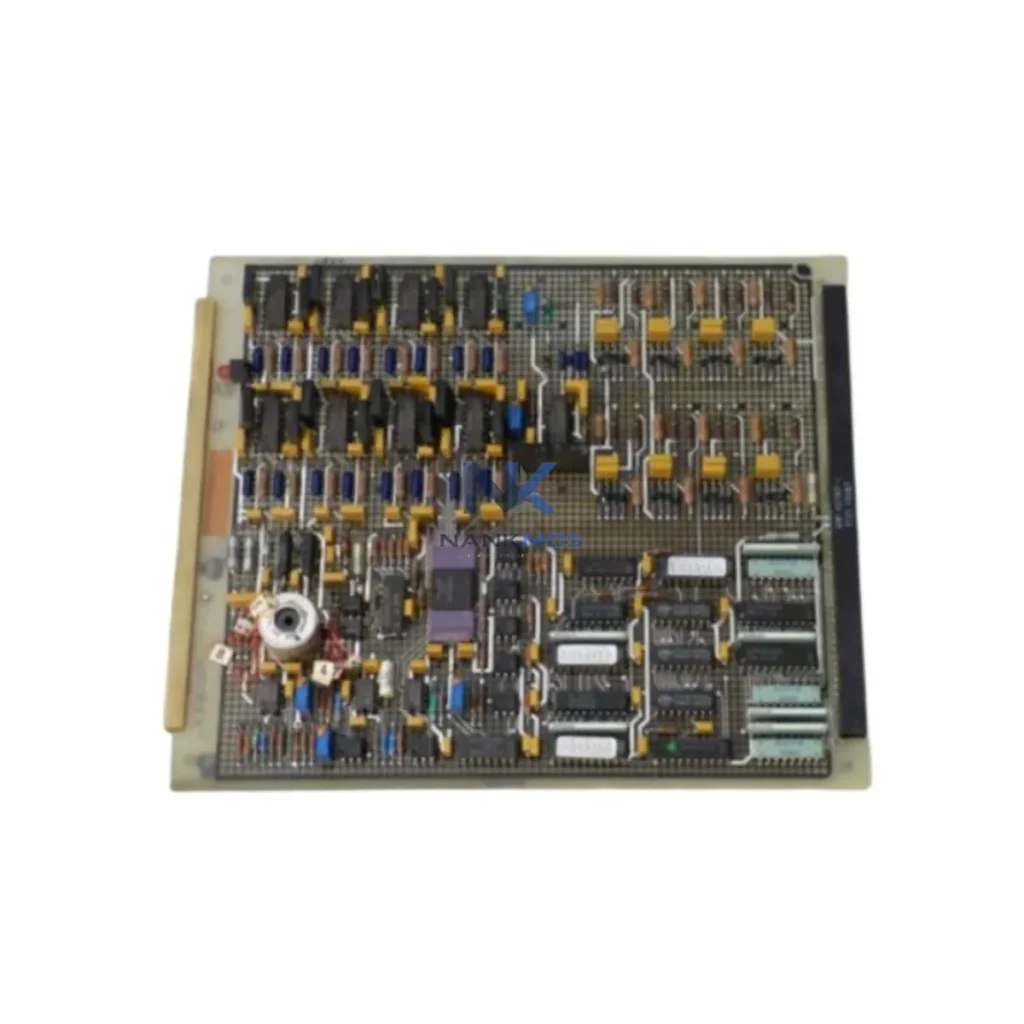
Woodward 5462-408 is a NANKMOS industrial automation product record Listed under Other series series and Sensors. Confirm condition, availability, lead time, compatibility and documentation by email inquiry.
| Manufacturer | Woodward |
|---|---|
| Application | Industrial Automation Maintenance |
| Part Number / Model | 5462-408 |
| Compatible System | Confirmed by inquiry |
| Condition Options | To Confirm |
| Module Type | Sensors |
| Warranty | 12 Months |
| Packaging | Anti-static Bag / Secure Box |
| Shipping Methods | DHL / FedEx / UPS / Air / Sea |
| Availability | To Confirm |
| Lead Time | To Confirm |
| Documentation | Part number and revision checked before quote |
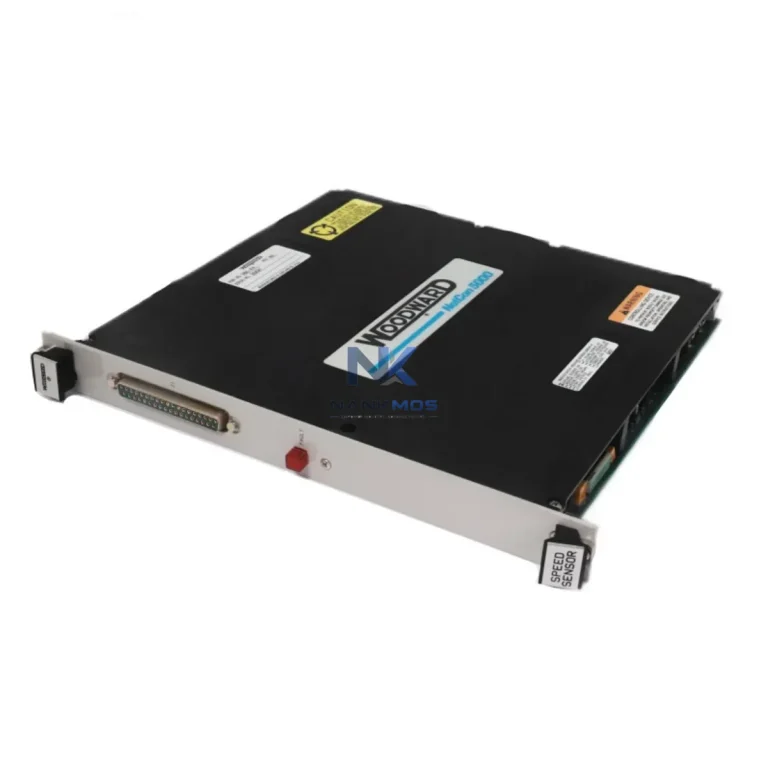
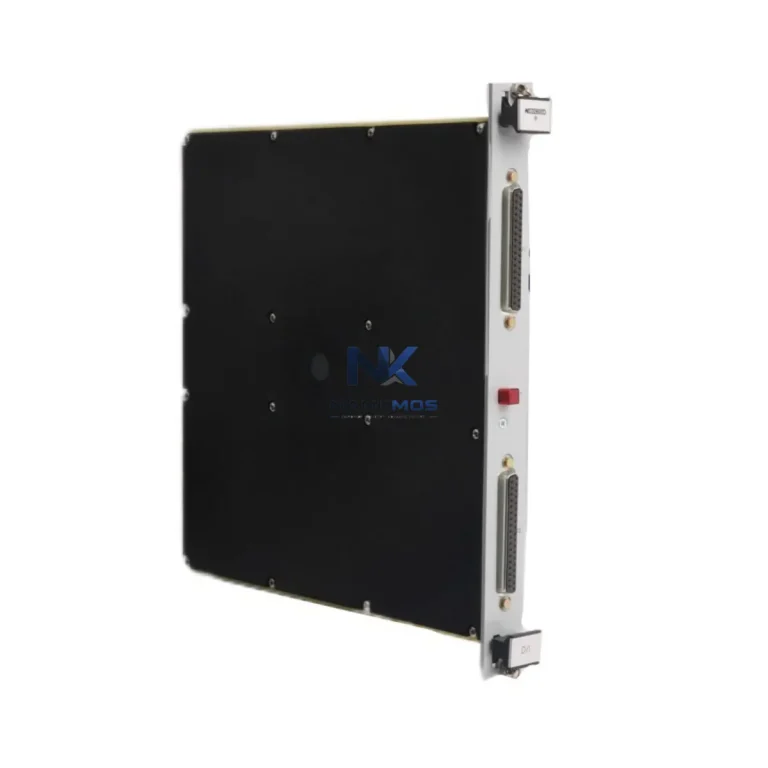
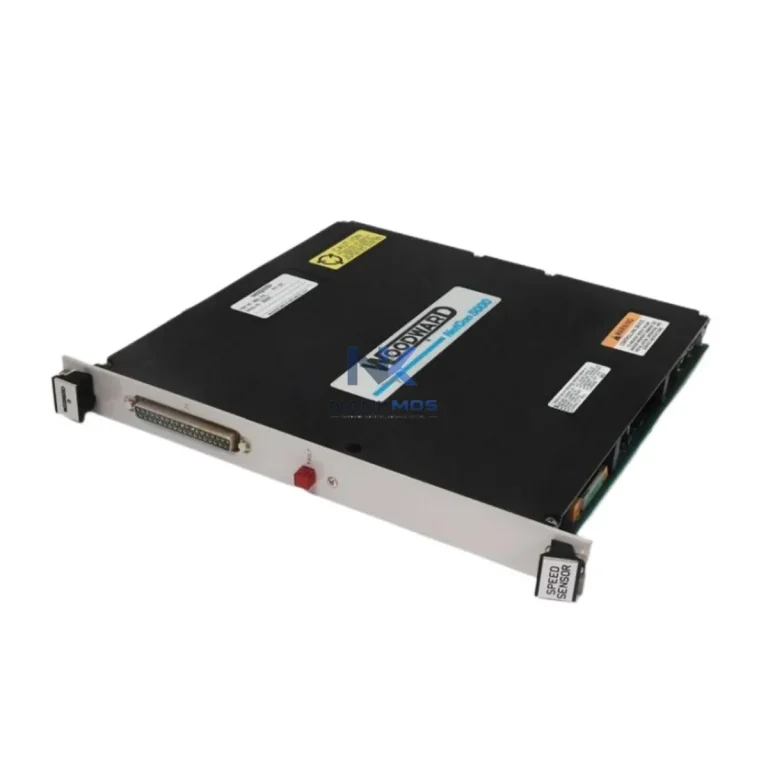
The Woodward 5462-408 is a precision-engineered speed sensor module designed for governor control systems, turbine automation, and energy-critical production environments. As a direct-fit replacement within the Woodward 5462 Series, it delivers accurate rotational speed feedback to the control loop, enabling the governor controller to maintain optimal fuel-to-power ratios, reduce unnecessary load cycling, and suppress energy waste across the drivetrain. In facilities where turbine efficiency directly impacts operating costs, the 5462-408 serves as a foundational sensing element that keeps the entire energy-control architecture responsive and stable.
Engineered for continuous-duty industrial service, the 5462-408 integrates seamlessly with Woodward governor controllers, digital control units, and speed-governing PLCs. Its signal output is compatible with standard industrial control platforms, making it a reliable choice for both OEM installations and field replacement programs. With a 12-month warranty and verified pre-shipment testing, each unit is dispatched ready for immediate commissioning.
In a well-designed energy-control architecture, the Woodward 5462-408 speed sensor does not operate in isolation — it is the sensing foundation upon which the entire governor control loop depends. The sensor feeds real-time RPM data to the Woodward digital governor controller (such as units in the 2301 or 505 series), which uses this signal to modulate fuel actuator position and maintain target shaft speed under varying load conditions. This closed-loop interaction is what prevents over-fueling during light-load periods and under-fueling during load surges — both of which represent direct energy inefficiency.
On the broader automation layer, the governor controller communicates with the plant PLC (commonly a Siemens S7-300/400 or Allen-Bradley ControlLogix platform) via hardwired I/O or fieldbus protocols such as Modbus RTU or CANopen. The PLC aggregates speed, load, and temperature data from multiple field devices — including power monitoring modules like the Woodward 2301E load-sharing controller — to coordinate multi-unit energy dispatch. The 5462-408's signal accuracy directly influences how precisely the PLC can balance load across parallel generating sets, reducing reactive power losses and improving overall plant power factor.
For facilities using SCADA systems to manage energy across multiple production zones, the speed signal from the 5462-408 is typically mapped through a communication gateway (such as a Moxa MGate or ProSoft MVI series) to the SCADA historian, enabling trend analysis of turbine speed stability over time. Deviations from the nominal speed band — even within acceptable limits — can indicate bearing wear, fuel system degradation, or governor actuator drift, all of which are early indicators of rising energy consumption. Integrating the 5462-408 into a predictive maintenance workflow via the SCADA layer allows maintenance teams to schedule interventions before efficiency losses compound.
On the power quality side, the speed sensor's output is also used by automatic voltage regulators (AVR) and synchronization panels to confirm that the generating unit has reached synchronous speed before grid connection. Premature or delayed synchronization events — caused by inaccurate speed feedback — result in transient current surges that stress insulation, increase thermal load on industrial power supplies and bus protection relays, and reduce the service life of downstream variable frequency drives (VFDs) connected to auxiliary motor loads. The 5462-408's precision signal eliminates this risk at the source.
In compressor station and pump drive applications, the 5462-408 works alongside Woodward ProAct actuators and speed control modules to maintain process flow rates within energy-optimal bands. When paired with HMI panels running on the same control network, operators gain real-time visibility into speed deviation, load percentage, and fuel consumption — enabling manual trim adjustments that further reduce energy waste during partial-load operation cycles.
Energy optimization in turbine-driven and governor-controlled production lines begins with measurement accuracy. The Woodward 5462-408 provides the high-resolution speed signal that makes precise governor response possible. When the governor can react to speed deviations within milliseconds — rather than hundreds of milliseconds — the fuel control system spends less time hunting for the setpoint, reducing the cumulative fuel consumption that results from oscillatory governor behavior. In gas turbine and diesel generator applications, even a 1–2% reduction in fuel consumption translates to significant annual cost savings at industrial scale.
Beyond fuel efficiency, accurate speed sensing reduces mechanical stress on the drivetrain. When the governor maintains tighter speed regulation, torque fluctuations are minimized — reducing fatigue loading on couplings, gearboxes, and driven equipment. This directly extends mean time between failures (MTBF) for the entire drive train, reducing unplanned downtime and the energy cost of emergency restarts. In continuous-process industries such as petrochemical, power generation, and water treatment, unplanned shutdowns carry both direct energy penalties (purge cycles, restart fuel consumption) and indirect costs (lost production, quality rejects).
The 5462-408 also supports production line rhythm stability. In multi-unit installations where several generating sets or compressor trains operate in parallel, consistent speed feedback from each unit allows the load-sharing controller to distribute load evenly. Uneven load distribution — often caused by degraded or mismatched speed sensors — forces some units to operate at higher-than-optimal load points, increasing their specific fuel consumption and thermal output. Replacing worn sensors with verified 5462-408 units restores load balance and brings the entire fleet back to its design efficiency curve.
From a thermal management perspective, a well-regulated governor reduces heat rejection from the prime mover. Lower heat rejection means reduced demand on cooling systems — whether air-cooled radiators, heat exchangers, or chilled water circuits — which in turn reduces auxiliary power consumption. In facilities where cooling loads represent 10–15% of total site power, this indirect energy saving is material. The 5462-408's role in maintaining tight speed regulation is therefore a contributor not just to prime mover efficiency, but to whole-site energy performance.
Each Woodward 5462-408 unit shipped by NANKMOS undergoes pre-dispatch functional verification to confirm signal output integrity, insulation resistance, and connector condition. This testing protocol ensures that the replacement unit performs to specification from the first moment of commissioning, avoiding the efficiency losses and diagnostic delays associated with installing an untested component into a live production system.
Q1: How does the Woodward 5462-408 contribute to energy savings in governor-controlled systems? The 5462-408 provides high-accuracy RPM feedback that enables the governor controller to maintain tighter speed regulation. Tighter regulation reduces fuel system hunting, minimizes over-fueling events, and keeps the prime mover operating closer to its peak efficiency point — directly reducing specific fuel consumption and heat rejection.
Q2: Is the 5462-408 compatible with third-party PLCs and SCADA systems? Yes. The 5462-408 outputs a standard magnetic pickup frequency signal compatible with Woodward governor controllers and most industrial PLC speed input modules. Via communication gateways supporting Modbus RTU or CANopen, the speed signal can be integrated into SCADA historians and energy management systems for trend monitoring and predictive maintenance workflows.
Q3: What is the recommended replacement interval, and how do I verify sensor degradation? Woodward does not publish a fixed calendar replacement interval for the 5462-408; replacement is typically condition-based. Signs of sensor degradation include increased governor hunting, speed signal dropout alarms on the controller, or SCADA trend data showing widening speed deviation bands. If any of these symptoms appear, replacing the sensor with a verified 5462-408 unit is the recommended first diagnostic step before investigating actuator or fuel system components.
Q4: What warranty and testing does NANKMOS provide with the 5462-408? Every Woodward 5462-408 supplied by NANKMOS carries a 12-month warranty covering manufacturing defects and functional performance. Each unit is tested prior to shipment to verify signal output, connector integrity, and insulation resistance. In-stock units are available for immediate dispatch, minimizing production line downtime during unplanned replacement events.
Functional Inspection100% tested on professional platforms to ensure stable performance.
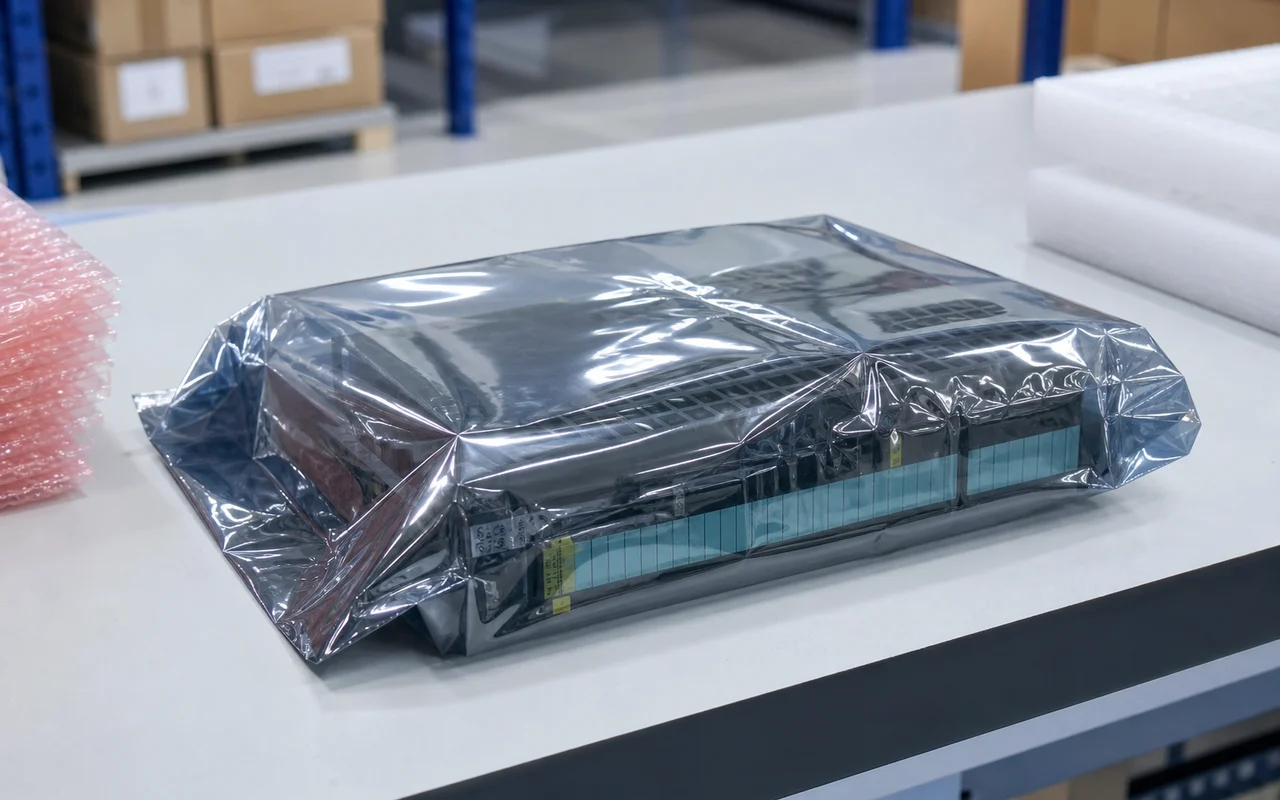 Anti-static Packaging
Modules are packed in anti-static bags to prevent electrostatic damage.
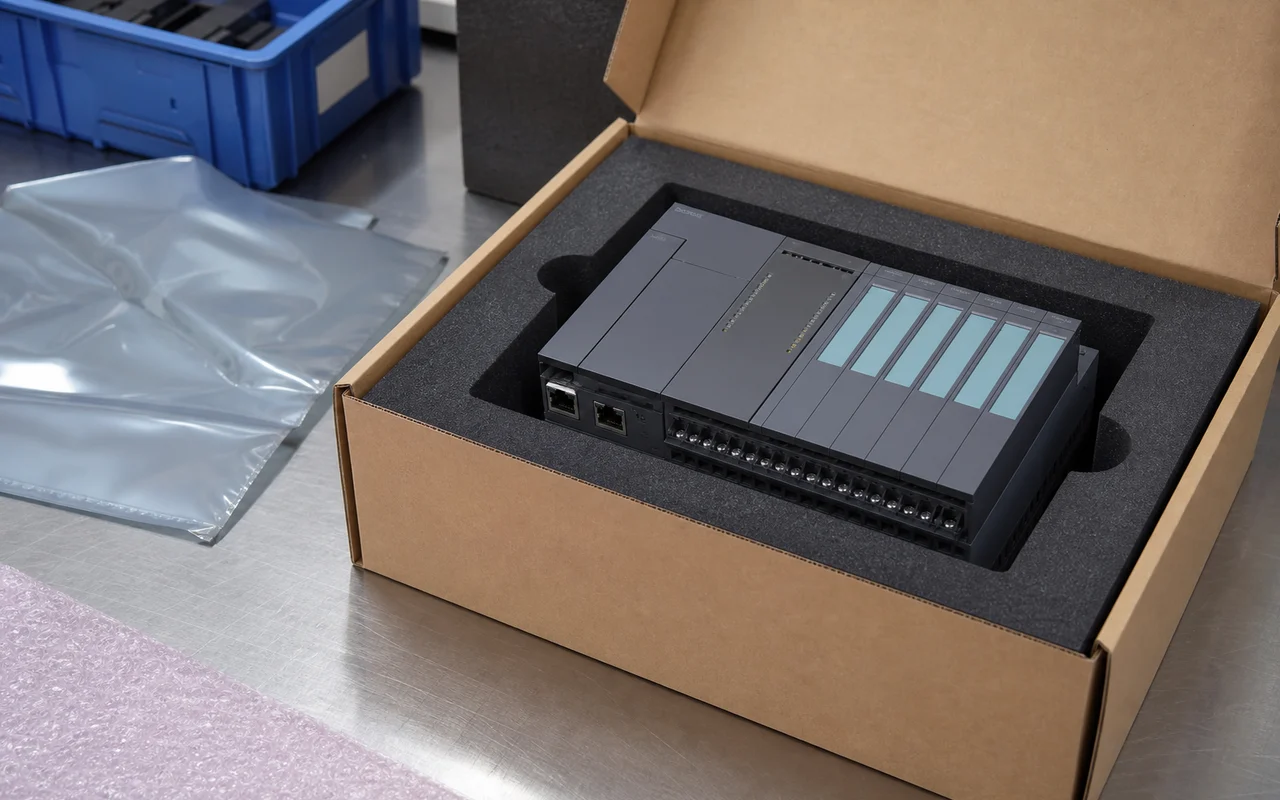 Secure Export Packing
Cushion protection and strong cartons ensure safe transportation.
 Worldwide Shipping
Global logistics network supports air, sea and express delivery.
 Documentation Check
Part number, revision and compatibility verified before shipment.
 After-sales Support
Professional technical support to help resolve your issues.