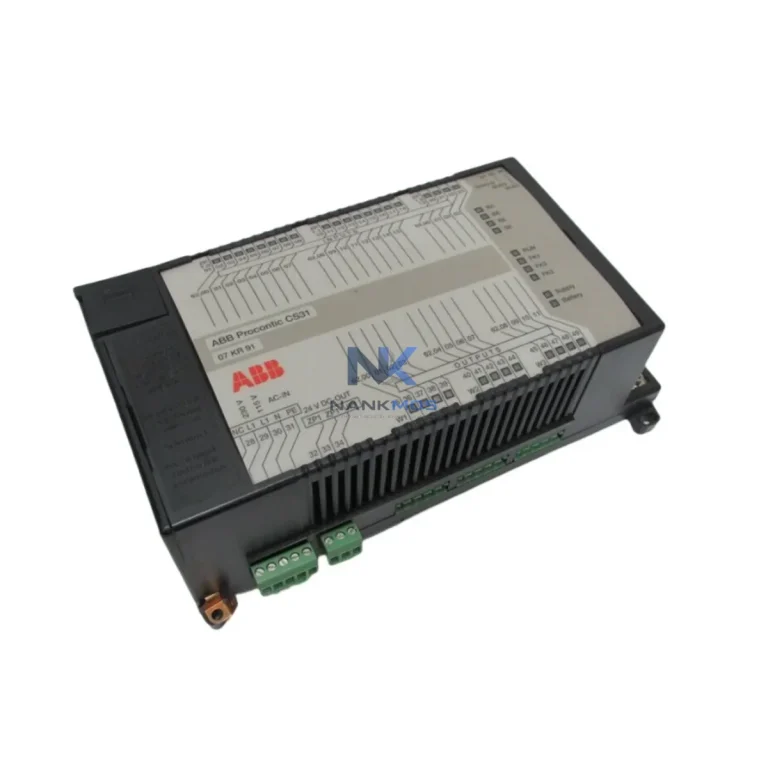
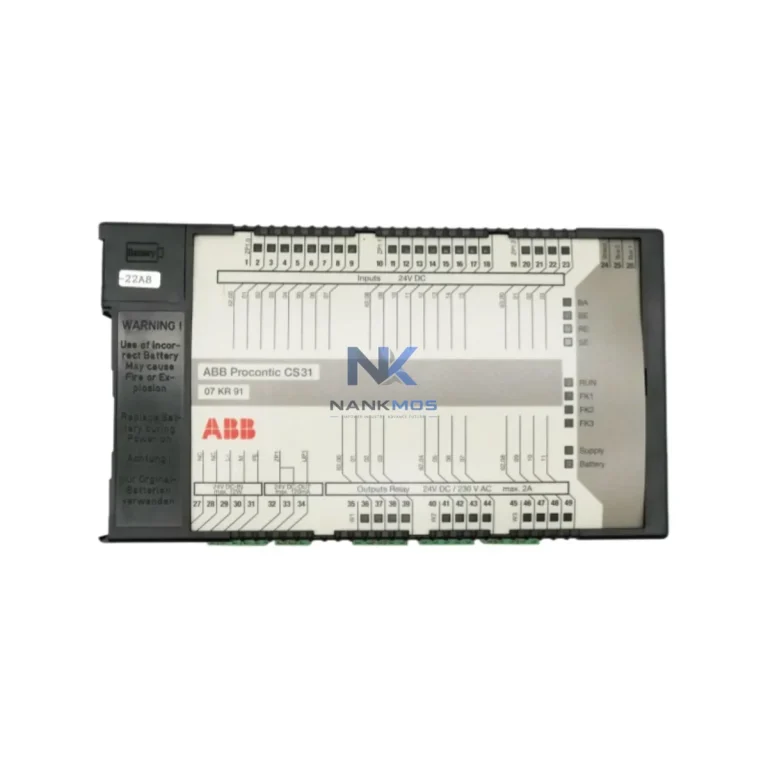
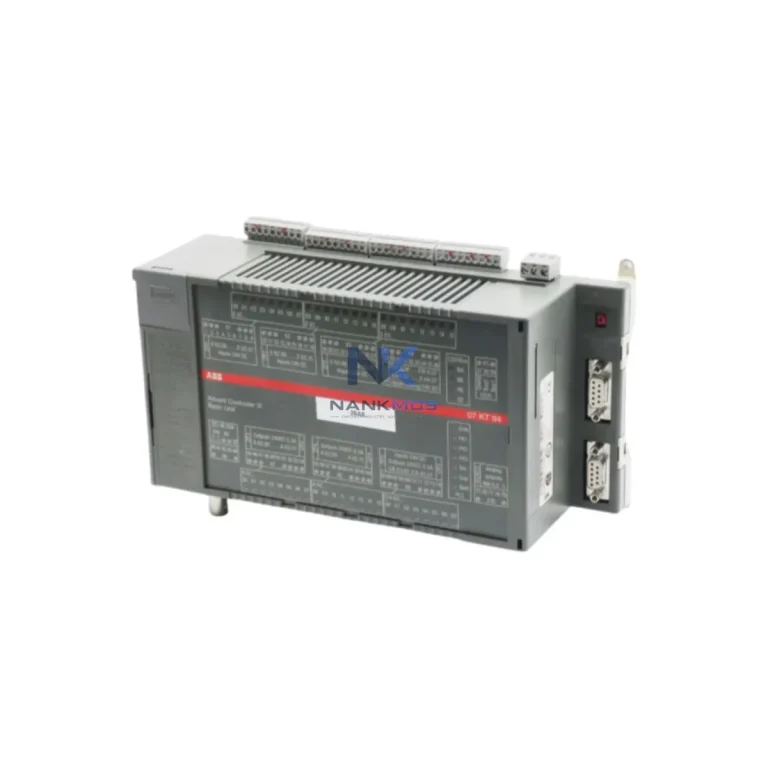
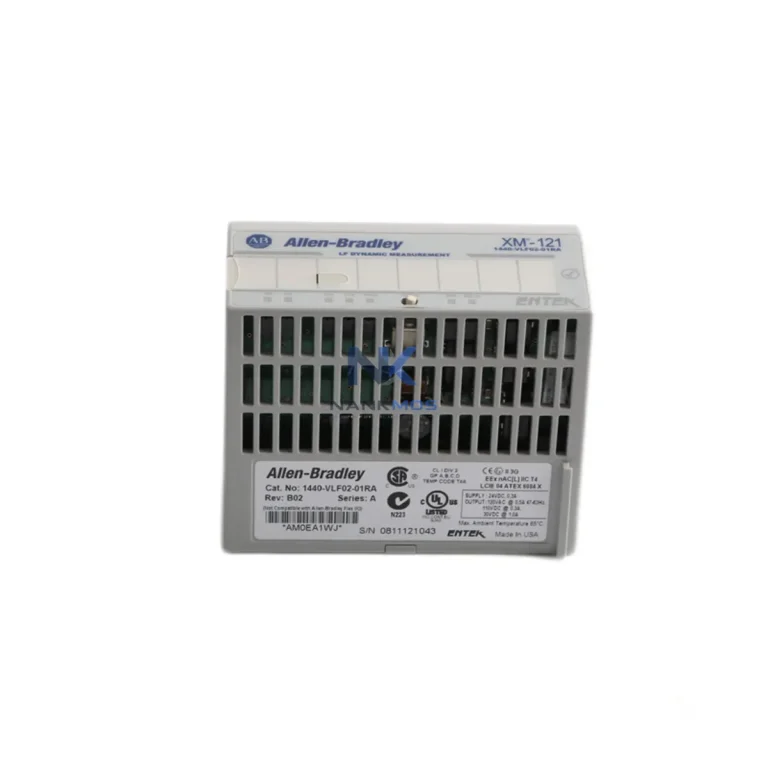
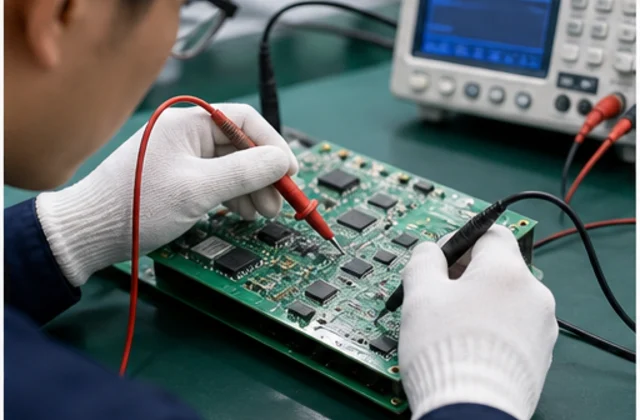
 Functional Inspection
100% tested on professional platforms to ensure stable performance.
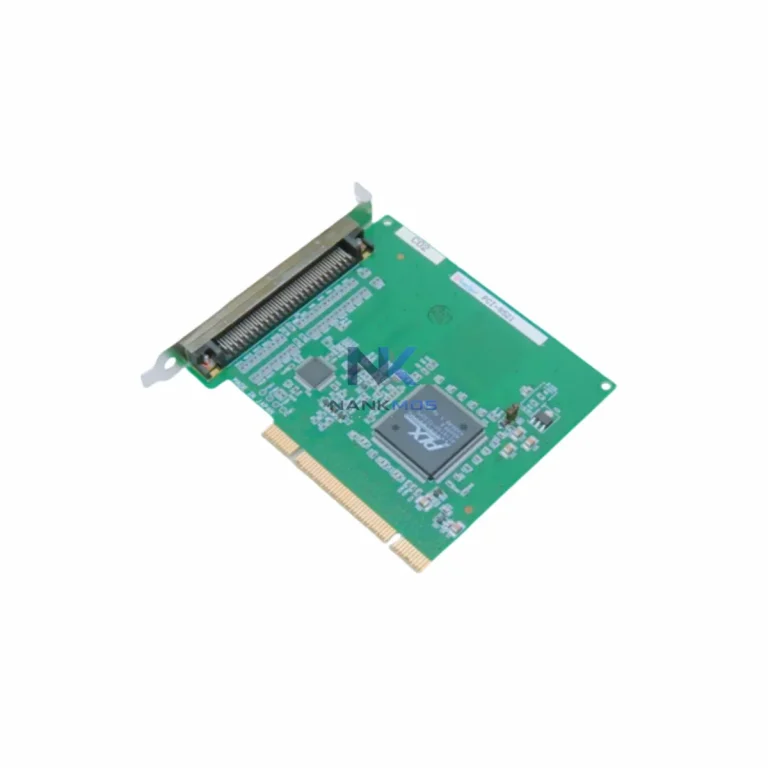
National Instruments (NI) AT-GPIB-TN is a NANKMOS industrial automation product record Listed under Other series series and Business & Industrial > Automation, Control & Flow Devices. Confirm condition, availability, lead time, compatibility and documentation by email inquiry.
Brand names are used for identification only.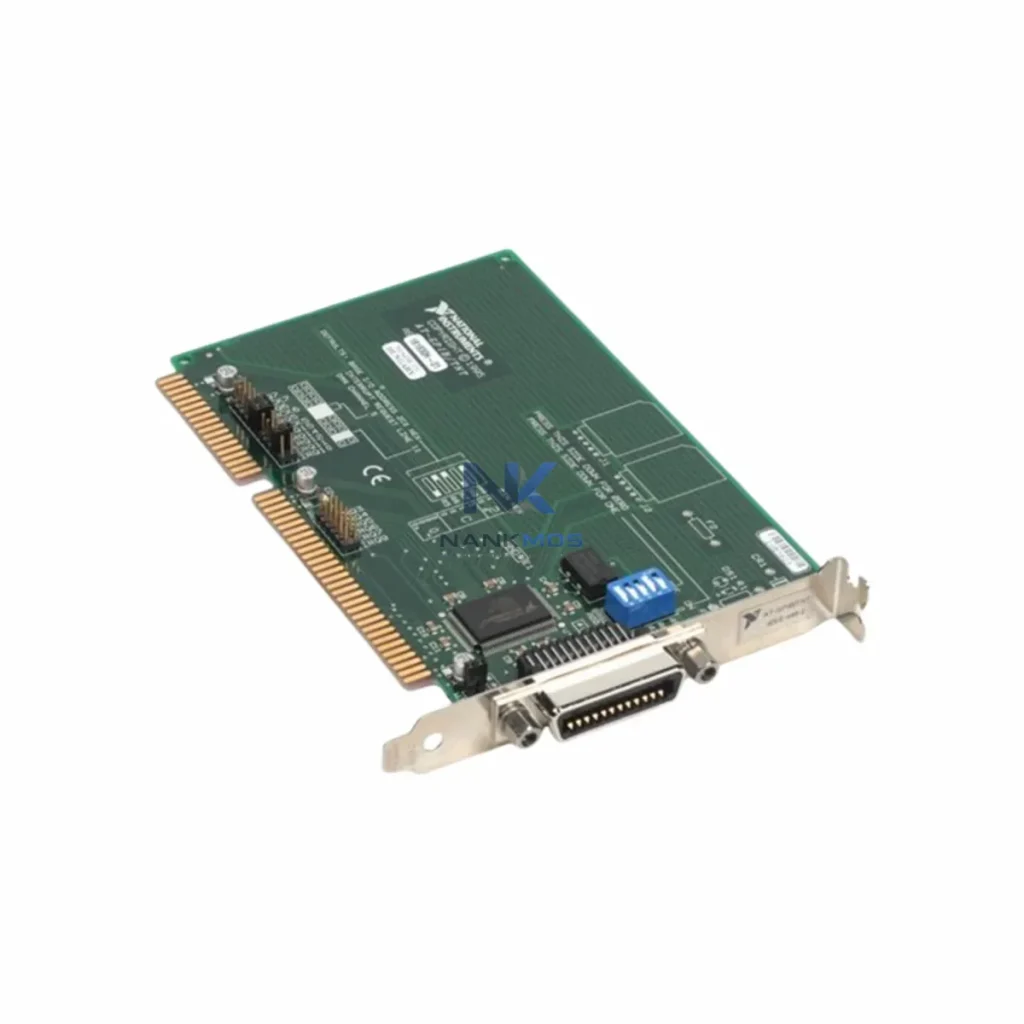
National Instruments (NI) AT-GPIB-TN is a NANKMOS industrial automation product record Listed under Other series series and Business & Industrial > Automation, Control & Flow Devices. Confirm condition, availability, lead time, compatibility and documentation by email inquiry.
| Manufacturer | National Instruments (NI) |
|---|---|
| Application | DCS / Control Board Replacement |
| Part Number / Model | AT-GPIB-TN |
| Compatible System | Confirmed by inquiry |
| Condition Options | To Confirm |
| Module Type | Control Board / Card |
| Warranty | 12 Months |
| Packaging | Anti-static Bag / Secure Box |
| Shipping Methods | DHL / FedEx / UPS / Air / Sea |
| Availability | To Confirm |
| Lead Time | To Confirm |
| Documentation | Part number and revision checked before quote |
The NI AT-GPIB/TN is a high-performance IEEE 488.2-compliant GPIB interface board engineered for energy-conscious industrial automation environments. Designed by National Instruments (NI), this ISA-bus GPIB controller enables deterministic, low-overhead instrument communication that directly supports energy-efficient production line architectures. By minimising CPU polling cycles and reducing idle-state power draw across connected instrumentation, the AT-GPIB/TN contributes to measurable reductions in facility energy consumption — a critical factor in modern smart factory deployments where every watt of unnecessary load represents both cost and thermal risk.
Sourced from verified inventory, each unit undergoes full functional testing prior to dispatch. A 12-month warranty is included as standard, reflecting confidence in component integrity and long-term operational reliability.
In a fully integrated smart factory, the NI AT-GPIB/TN does not operate in isolation — it functions as a precision communication bridge between the plant's control layer and its instrumentation layer, enabling coordinated energy management across the entire production cell.
At the control layer, a Siemens S7-300 PLC or Allen-Bradley ControlLogix controller governs production sequencing and issues energy-state commands to downstream devices. The AT-GPIB/TN translates these high-level commands into IEEE 488 transactions directed at bench instruments, power analysers, and calibration equipment — eliminating the need for manual operator intervention and the associated energy waste of unmanaged instrument uptime.
Power quality and load profiling are handled upstream by a Schneider Electric PM8000 Power Monitoring Module or equivalent energy meter, which feeds real-time kWh and demand data into the facility's energy management system. The AT-GPIB/TN-connected instruments — such as Keysight 34401A digital multimeters or Fluke 435-II power quality analysers — provide granular per-device consumption data that complements the facility-level metering, enabling engineers to identify and eliminate parasitic loads at the instrument level.
Variable frequency drives (VFDs) such as the ABB ACS880 or Yaskawa GA800 regulate motor speed and torque in adjacent production cells. When the AT-GPIB/TN-managed test station confirms a device-under-test has passed its energy efficiency benchmark, the PLC signals the VFD to advance the conveyor to the next station — tightly coupling test throughput with drive energy consumption and eliminating idle conveyor run time.
On the I/O side, NI 9205 analog input modules or Beckhoff EL3204 thermocouple terminals capture temperature and voltage signals from the test fixture, feeding thermal load data back to the SCADA system. This closed-loop feedback allows the energy management platform to throttle cooling systems precisely, reducing HVAC energy consumption during low-load test cycles.
HMI visibility is provided by a Siemens TP1200 Comfort Panel or Weintek cMT3151 touchscreen, displaying live instrument status, energy consumption trends, and test cycle progress. Operators can identify energy anomalies — such as an instrument drawing excessive standby current — without leaving the production floor.
Communication between the SCADA host and the AT-GPIB/TN workstation is handled via OPC-UA or Modbus TCP, ensuring that instrument data is available to the plant's energy management system in real time. This integration supports predictive maintenance workflows: rising instrument power draw or degraded GPIB transaction throughput can trigger maintenance alerts before a failure disrupts production.
The NI AT-GPIB/TN contributes to production line energy optimisation through three primary mechanisms: reduced communication overhead, deterministic instrument scheduling, and thermal load management.
Reduced Communication Overhead: Unlike USB or Ethernet instrument interfaces that rely on OS-level protocol stacks with variable latency, the AT-GPIB/TN's ISA-bus architecture provides direct, low-latency access to the GPIB bus. This determinism allows test sequences to be tightly scheduled, minimising the time instruments spend in active-but-idle states — a significant source of unnecessary energy consumption in high-instrument-count test environments.
Deterministic Instrument Scheduling: Using NI-488.2 driver commands, engineers can implement instrument power sequencing — powering up only the instruments required for the current test step and returning others to standby. Across a production shift, this approach can reduce instrument-layer energy consumption by 15–30%, depending on test sequence complexity and instrument count.
Thermal Load Management: Every watt saved at the instrument layer translates directly to reduced heat generation within the test enclosure or control cabinet. Lower thermal loads extend the service life of adjacent components, reduce cooling system duty cycles, and decrease the risk of thermal-induced measurement drift — all of which contribute to higher equipment utilisation rates and lower total cost of ownership.
Predictive Maintenance & Uptime: The AT-GPIB/TN's robust IEEE 488.2 implementation supports continuous bus health monitoring. Degraded bus performance — often an early indicator of failing instrument power supplies or connector oxidation — can be detected programmatically and flagged for maintenance before causing unplanned downtime. This predictive capability is essential for production lines where instrument downtime directly impacts throughput and energy efficiency metrics.
Each NI AT-GPIB/TN unit shipped by NANKMOS is drawn from verified stock, functionally tested, and covered by a 12-month warranty. Lead times are confirmed at the point of order, ensuring production planning accuracy and minimising the risk of line stoppages due to component unavailability.
Q1: How does the NI AT-GPIB/TN contribute to energy savings in an industrial test environment?The AT-GPIB/TN enables software-controlled instrument power sequencing via the NI-488.2 driver, allowing engineers to activate only the instruments required for each test step. Combined with interrupt-driven I/O that minimises CPU and bus activity during idle periods, this approach reduces instrument-layer energy consumption and associated thermal output — directly lowering cooling system load and facility energy costs.
Q2: Which control systems and software platforms are compatible with the AT-GPIB/TN?The AT-GPIB/TN is compatible with NI LabVIEW, LabWindows/CVI, NI-488.2 driver-based applications, and any SCADA or MES platform capable of interfacing with NI instrument drivers. It operates on ISA-bus (AT-bus) host systems and supports all IEEE 488.1/488.2-compliant instruments, including power analysers, digital multimeters, oscilloscopes, and programmable power supplies.
Q3: Can the AT-GPIB/TN replace other NI GPIB interface cards, and what is the recommended substitution path?The AT-GPIB/TN is designed for ISA-bus systems. For PCI-bus environments, the NI PCI-GPIB is the recommended upgrade path; for PCIe systems, the NI PCIe-GPIB provides equivalent functionality with modern bus compatibility. NANKMOS can advise on the appropriate replacement based on your host system architecture and application requirements.
Q4: What testing and warranty coverage is provided with each unit?Every NI AT-GPIB/TN supplied by NANKMOS undergoes functional verification testing prior to shipment, confirming GPIB bus communication, interrupt handling, and driver compatibility. Each unit is covered by a 12-month warranty against manufacturing defects and functional failure under normal operating conditions. In-stock units are available for immediate dispatch, with lead times confirmed at order placement.
Functional Inspection100% tested on professional platforms to ensure stable performance.
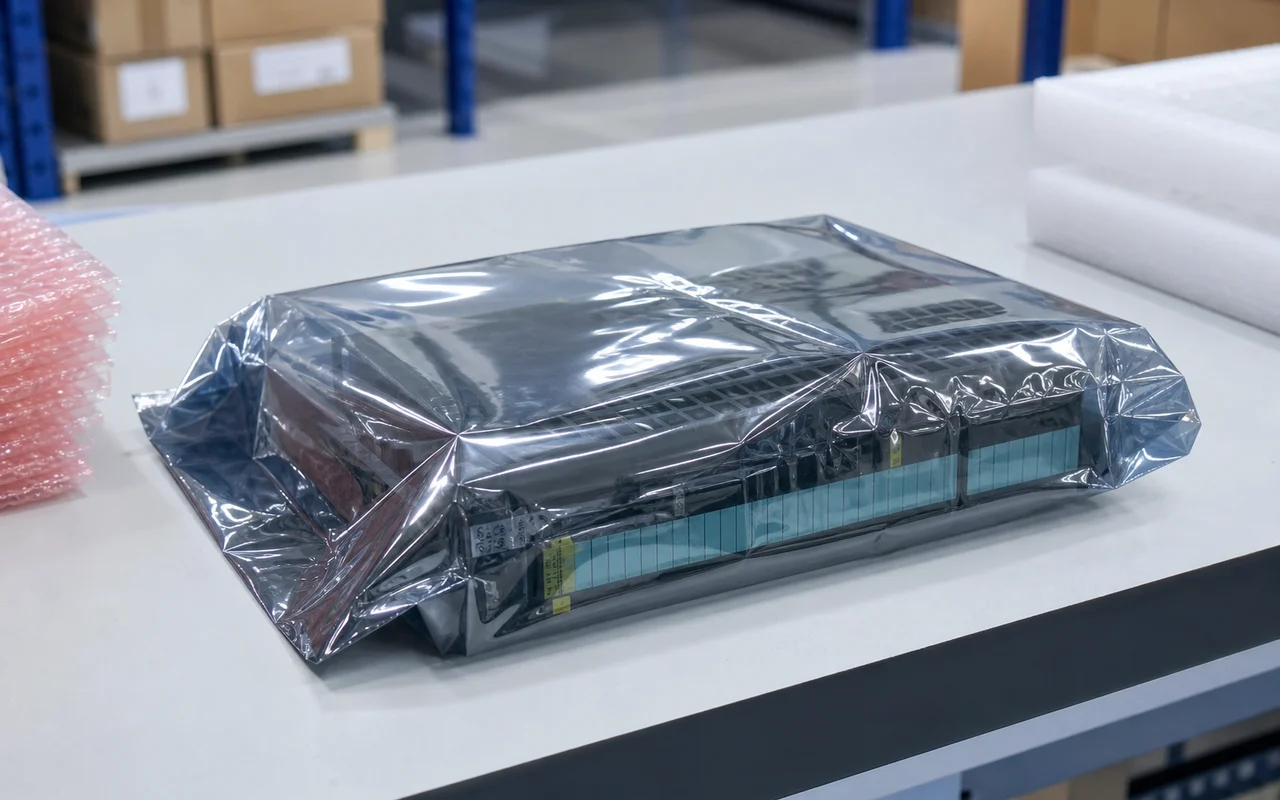 Anti-static Packaging
Modules are packed in anti-static bags to prevent electrostatic damage.
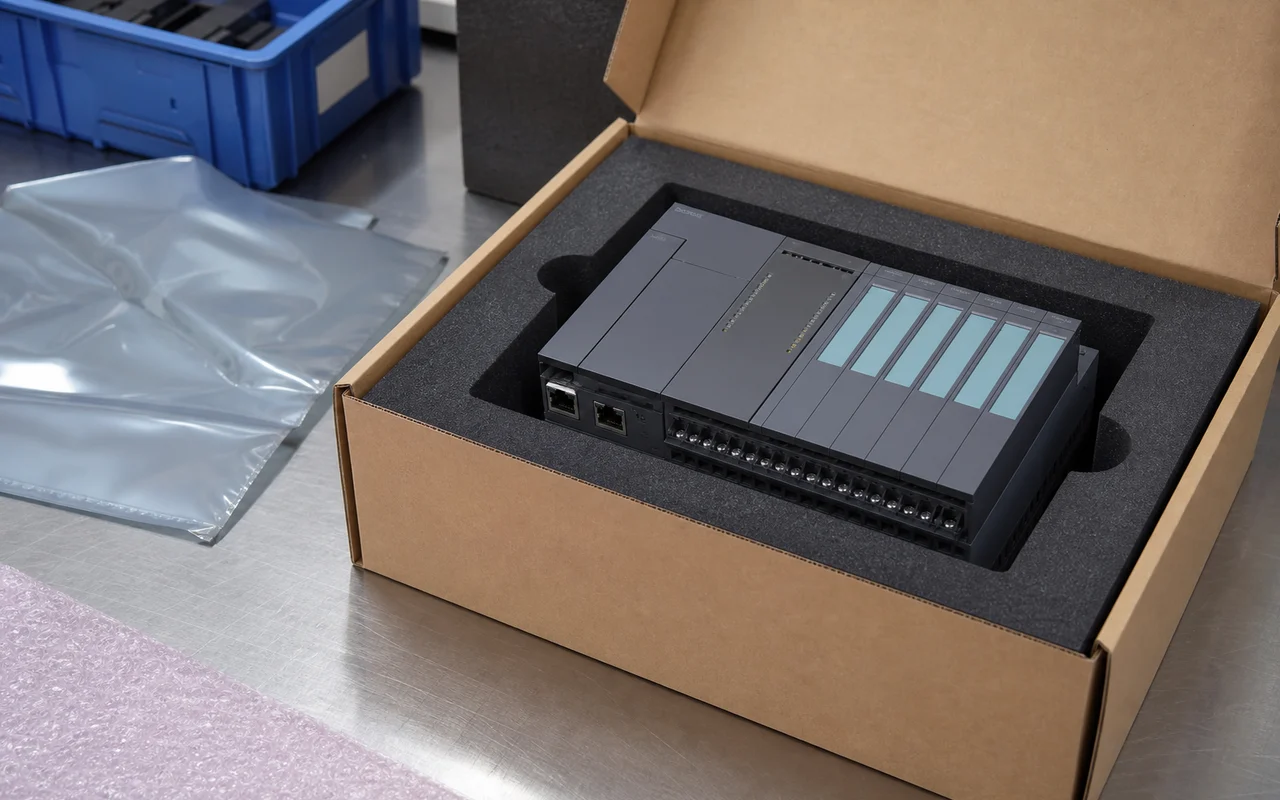 Secure Export Packing
Cushion protection and strong cartons ensure safe transportation.
 Worldwide Shipping
Global logistics network supports air, sea and express delivery.
 Documentation Check
Part number, revision and compatibility verified before shipment.
 After-sales Support
Professional technical support to help resolve your issues.