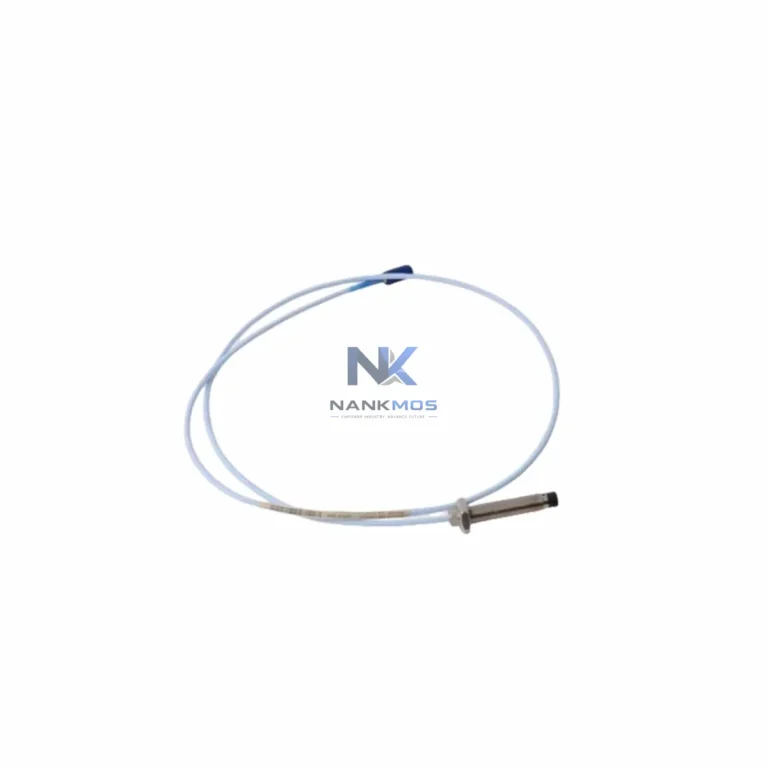
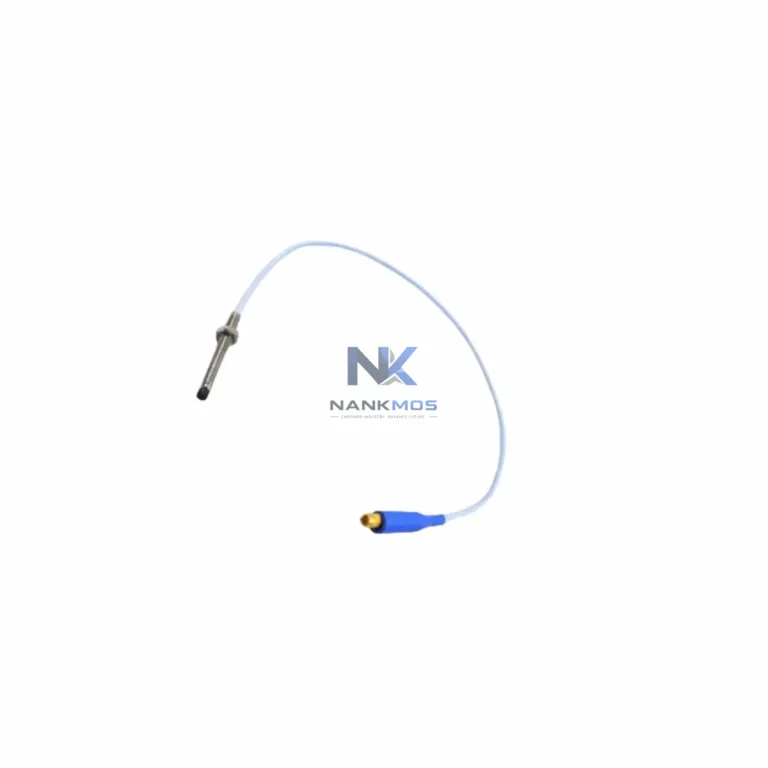
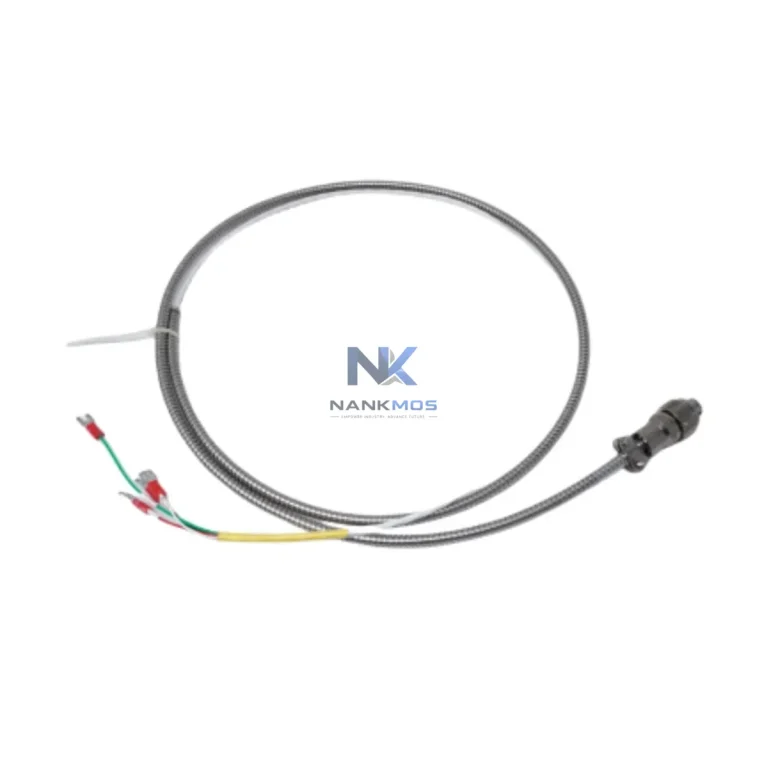
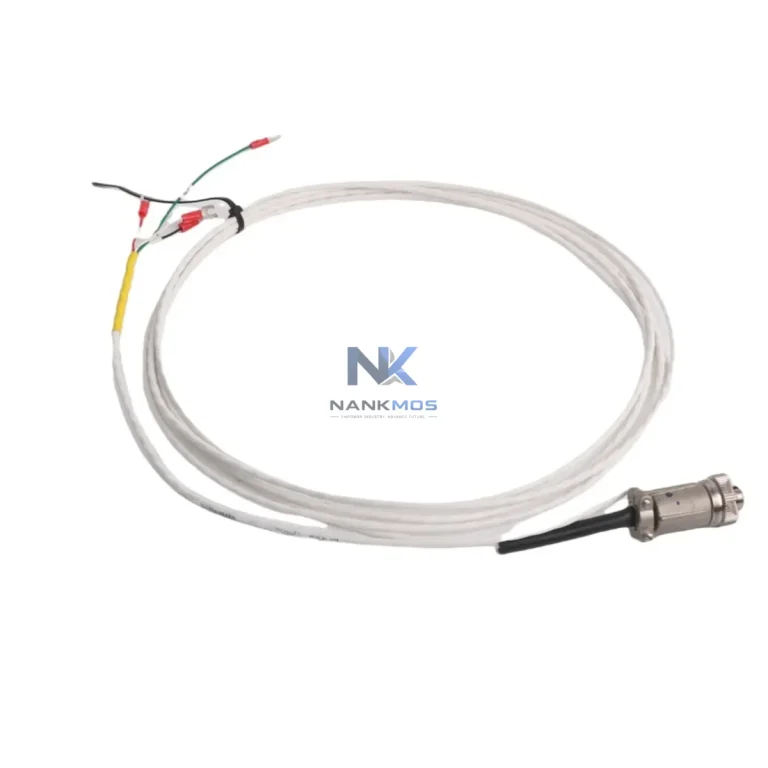
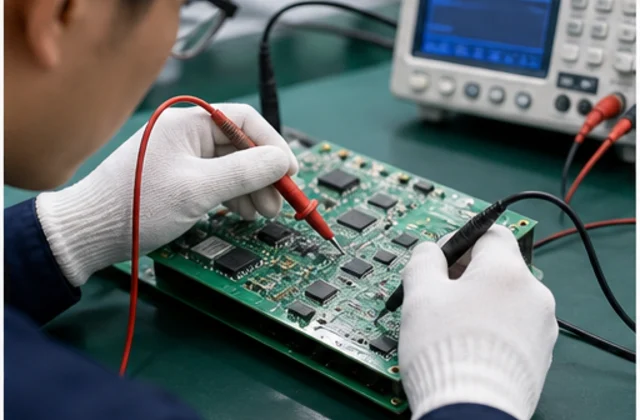
 Functional Inspection
100% tested on professional platforms to ensure stable performance.
Mitsubishi Electric MR-J3CN1 is a NANKMOS industrial automation product record. Confirm condition, availability, lead time, compatibility and documentation by email inquiry.
Brand names are used for identification only.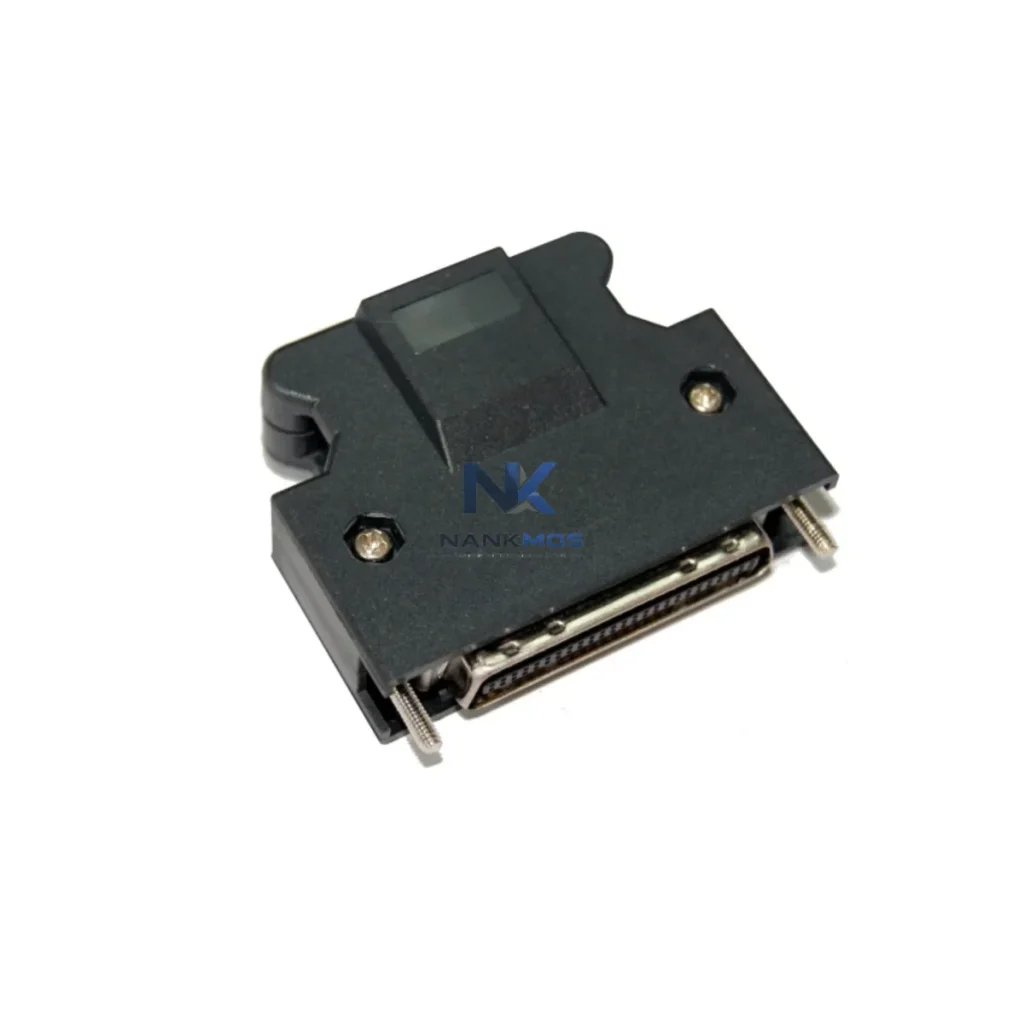
Mitsubishi Electric MR-J3CN1 is a NANKMOS industrial automation product record. Confirm condition, availability, lead time, compatibility and documentation by email inquiry.
| Manufacturer | Mitsubishi Electric |
|---|---|
| Application | Motion Control & Drive System |
| Part Number / Model | MR-J3CN1 |
| Compatible System | Confirmed by inquiry |
| Condition Options | To Confirm |
| Module Type | Servo / Drive Module |
| Warranty | 12 Months |
| Packaging | Anti-static Bag / Secure Box |
| Shipping Methods | DHL / FedEx / UPS / Air / Sea |
| Availability | To Confirm |
| Lead Time | To Confirm |
| Documentation | Part number and revision checked before quote |
The Mitsubishi MR-J3CN1 is a dedicated servo signal connector engineered for the MR-J3 series AC servo amplifier platform. Designed to maintain low-resistance, high-integrity signal transmission between the servo amplifier and the encoder feedback circuit, the MR-J3CN1 plays a foundational role in energy-efficient motor control architectures. In modern smart factories where every watt of consumed energy is tracked and optimized, the quality of signal connectors directly impacts drive efficiency, thermal performance, and overall equipment effectiveness (OEE).
By ensuring clean, uninterrupted encoder feedback, the MR-J3CN1 enables the Mitsubishi MR-J3 servo amplifier to execute precise closed-loop torque and velocity control. This eliminates unnecessary correction cycles that waste energy and generate excess heat. When paired with the Mitsubishi MR-J3-10B or MR-J3-20B servo amplifiers, the connector supports full-resolution encoder communication, allowing the drive to operate at its rated efficiency curve rather than compensating for signal degradation.
In a fully integrated servo motion system, the MR-J3CN1 connector serves as the critical link between the encoder and the Mitsubishi MR-J3 servo amplifier. When this interface is compromised by a worn or incompatible connector, the amplifier's DSP must issue additional correction pulses, increasing switching frequency and power draw. Replacing or maintaining the MR-J3CN1 restores the signal path and returns the drive to its optimal energy consumption profile.
The MR-J3CN1 is commonly deployed alongside the Mitsubishi Q Series PLC (e.g., Q06UDEHCPU) acting as the motion controller, issuing position and velocity commands via SSCNET III/H to the servo amplifier. The clean encoder feedback enabled by the MR-J3CN1 ensures that the PLC's motion program executes without positional drift compensation, reducing CPU load and network retransmission overhead. In multi-axis systems, this translates to measurable reductions in bus cycle time and aggregate power consumption.
For energy monitoring, the MR-J3CN1-equipped servo system integrates naturally with Mitsubishi iQ-R series power monitoring modules such as the RJ71EN71 Ethernet module feeding data to a SCADA platform or energy management system (EMS). Real-time torque current data from the MR-J3 amplifier — made reliable by the MR-J3CN1's signal integrity — can be logged and analyzed to identify inefficient operating windows, enabling load scheduling and peak-demand reduction strategies.
On the I/O side, Mitsubishi QX40 or QX80 digital input modules handle machine-state signals (door interlocks, E-stop, cycle-start), while the servo system's energy state is reported back through QY10 or QY40P output modules. The Mitsubishi GOT2000 HMI (e.g., GT2710-VTBA) provides operators with real-time visibility into servo load factor, regenerative energy recovery status, and alarm history — all dependent on the encoder feedback quality that the MR-J3CN1 maintains.
In variable-load applications such as conveyor indexing or robotic arm positioning, the MR-J3CN1 supports the servo amplifier's regenerative braking function. Clean encoder data allows the MR-J3 amplifier to accurately calculate deceleration energy and route it to the regenerative resistor or back to the DC bus, reducing net energy consumption per production cycle. When combined with a Mitsubishi FR-A800 series inverter driving auxiliary equipment on the same production line, the overall energy profile of the cell becomes more predictable and manageable.
Production line energy optimization is not solely a function of large drives or power supplies — it depends equally on the reliability of every signal interface in the control chain. The MR-J3CN1 addresses this at the connector level. A degraded encoder connector introduces micro-interruptions that force the servo amplifier into fault-recovery routines, consuming additional energy and introducing latency into the motion cycle. Over a multi-shift production schedule, these micro-events accumulate into measurable energy waste and reduced throughput.
By maintaining a stock of MR-J3CN1 connectors as part of a planned maintenance inventory, maintenance engineers can execute connector replacements during scheduled downtime rather than responding to unplanned stoppages. This approach — central to predictive maintenance strategies — reduces mean time to repair (MTTR) and keeps the production line operating at its designed cycle rate (takt time). Stable takt time directly correlates with lower energy consumption per unit produced, as the line avoids the energy-intensive ramp-up sequences that follow unplanned stops.
In semiconductor wafer handling and precision assembly applications, where servo positioning accuracy is measured in micrometers, the MR-J3CN1 is a non-negotiable component. Signal noise at the encoder interface in these environments does not merely waste energy — it causes yield loss. Maintaining connector integrity with genuine Mitsubishi MR-J3CN1 parts ensures that the servo system's energy input translates directly into productive mechanical work rather than heat dissipation from correction cycles.
Each MR-J3CN1 unit supplied by NANKMOS undergoes outgoing quality control testing prior to shipment, verifying connector contact resistance and mechanical retention force. This ensures that the part performs to Mitsubishi Electric's original specification from the moment it is installed, supporting both energy efficiency targets and equipment reliability KPIs from day one of deployment.
Q1: How does the MR-J3CN1 contribute to energy savings in a servo system? The MR-J3CN1 maintains low-resistance, noise-free encoder signal transmission between the motor encoder and the MR-J3 servo amplifier. Clean feedback eliminates unnecessary correction pulses from the drive's DSP, reducing switching losses and heat generation. Over extended production runs, this directly lowers the servo system's net energy consumption and reduces thermal stress on the amplifier's power stage.
Q2: Which Mitsubishi servo amplifiers and systems are compatible with the MR-J3CN1? The MR-J3CN1 is designed for the Mitsubishi MR-J3 series AC servo amplifier family, including the MR-J3-10B, MR-J3-20B, MR-J3-40B, MR-J3-70B, and higher-capacity models. It is compatible with MELSERVO encoder cables and integrates with Mitsubishi Q Series and iQ-R Series PLC motion control platforms via SSCNET III/H. If you are migrating to the MR-J4 or MR-J5 series, please confirm connector compatibility before ordering.
Q3: What is the recommended replacement interval and testing process for the MR-J3CN1? Mitsubishi Electric recommends inspecting servo signal connectors during each scheduled preventive maintenance cycle, typically every 6–12 months depending on operating environment (vibration, temperature, humidity). NANKMOS performs outgoing contact resistance and retention force testing on each MR-J3CN1 before shipment. Upon installation, verify encoder feedback signal quality using the MR-J3 amplifier's built-in diagnostic display or the MR Configurator2 software to confirm the connector is performing within specification.
Q4: What warranty and supply continuity does NANKMOS provide for the MR-J3CN1? All MR-J3CN1 units supplied by NANKMOS are covered by a 12-month warranty against manufacturing defects and premature failure under normal operating conditions. NANKMOS maintains buffer stock of MR-J3CN1 and related MR-J3 series accessories to support urgent maintenance requirements and planned procurement schedules. For volume orders or long-term supply agreements, contact our industrial components team directly.
Functional Inspection100% tested on professional platforms to ensure stable performance.
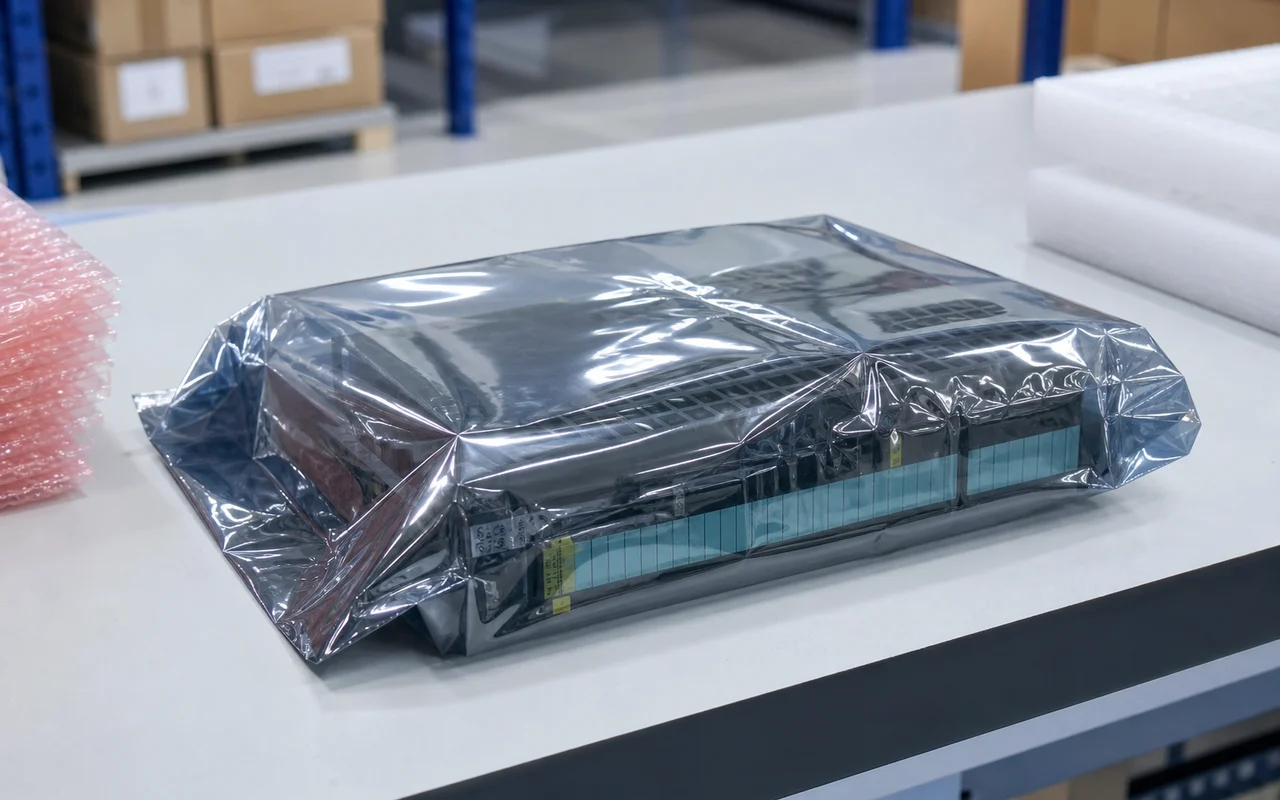 Anti-static Packaging
Modules are packed in anti-static bags to prevent electrostatic damage.
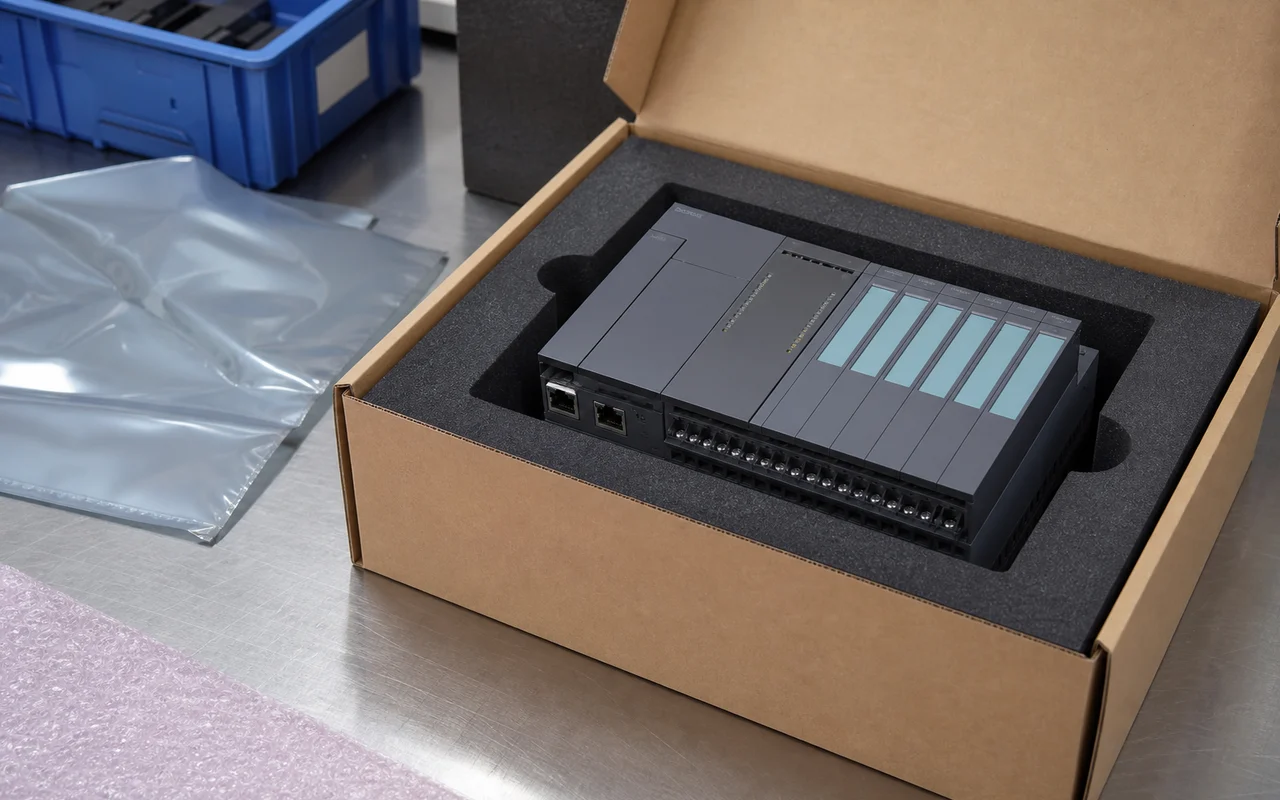 Secure Export Packing
Cushion protection and strong cartons ensure safe transportation.
 Worldwide Shipping
Global logistics network supports air, sea and express delivery.
 Documentation Check
Part number, revision and compatibility verified before shipment.
 After-sales Support
Professional technical support to help resolve your issues.