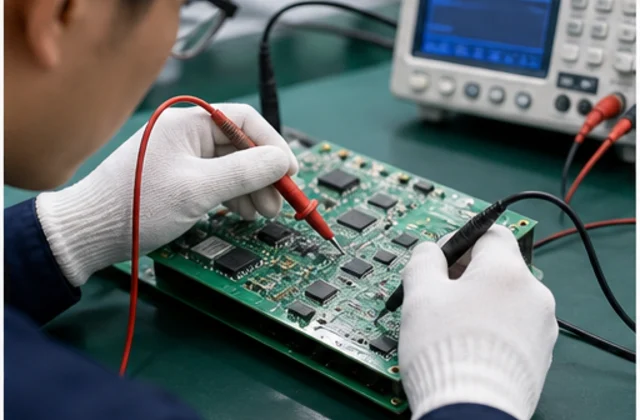
 Functional Inspection
100% tested on professional platforms to ensure stable performance.
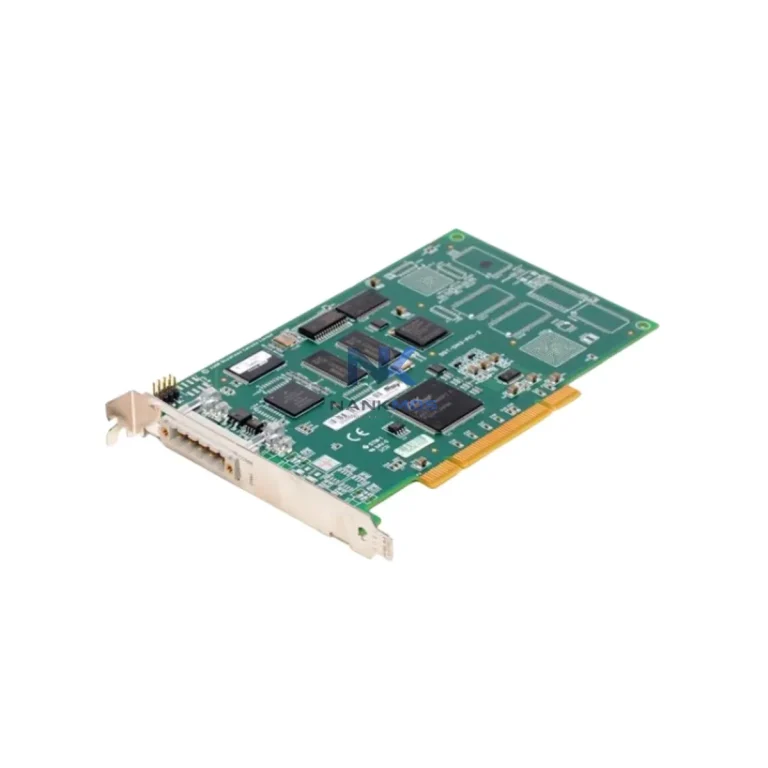
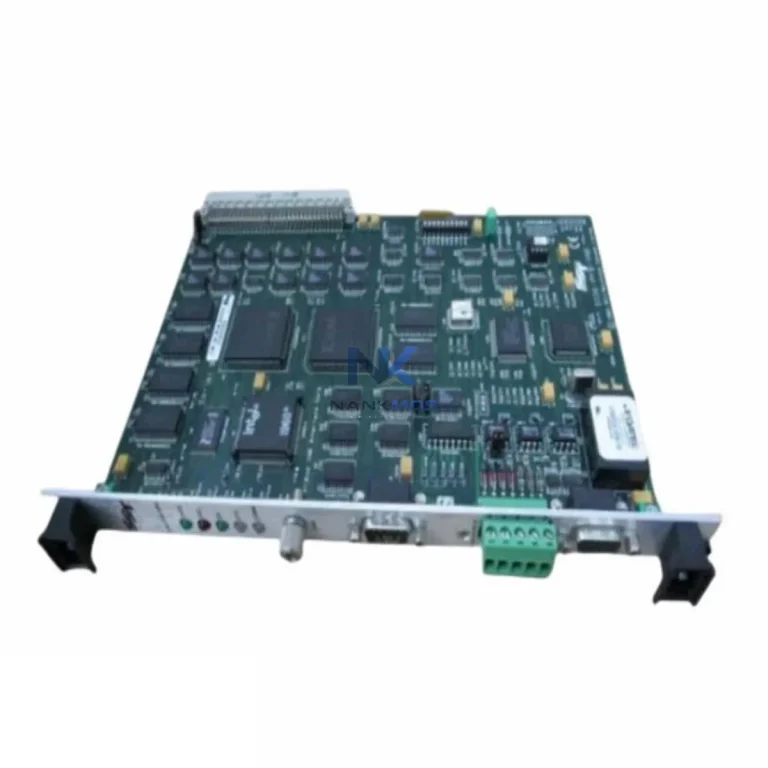
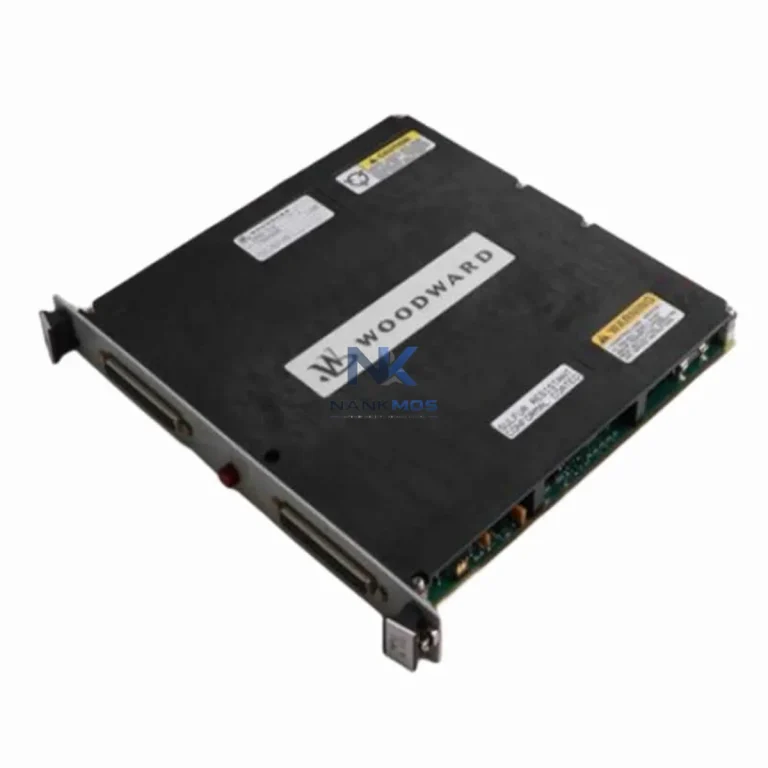
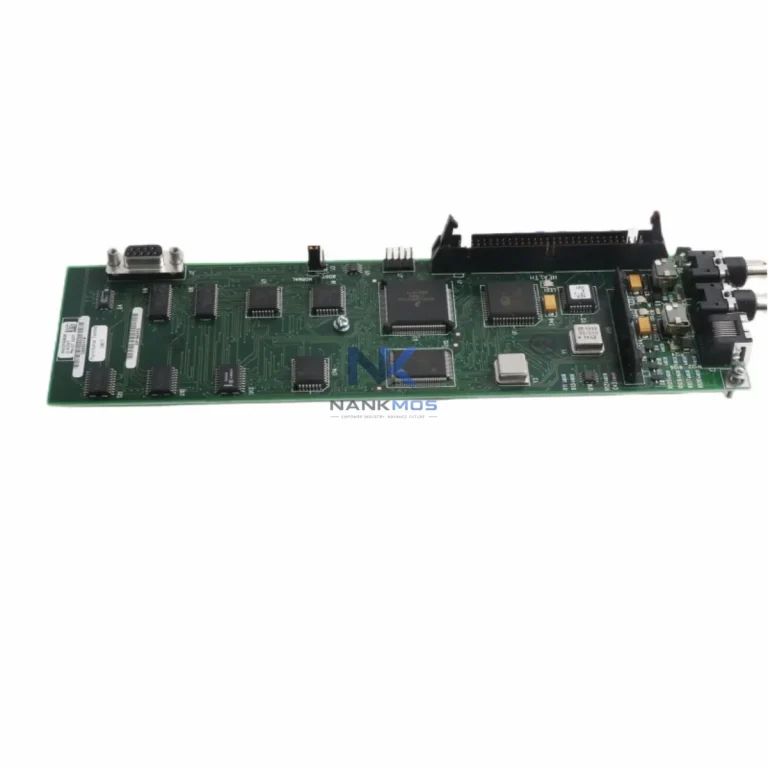
Woodhead PCU2000ETH is a NANKMOS industrial automation product record Listed under Other series series and Business & Industrial > Automation, Control & Flow Devices. Confirm condition, availability, lead time, compatibility and documentation by email inquiry.
Brand names are used for identification only.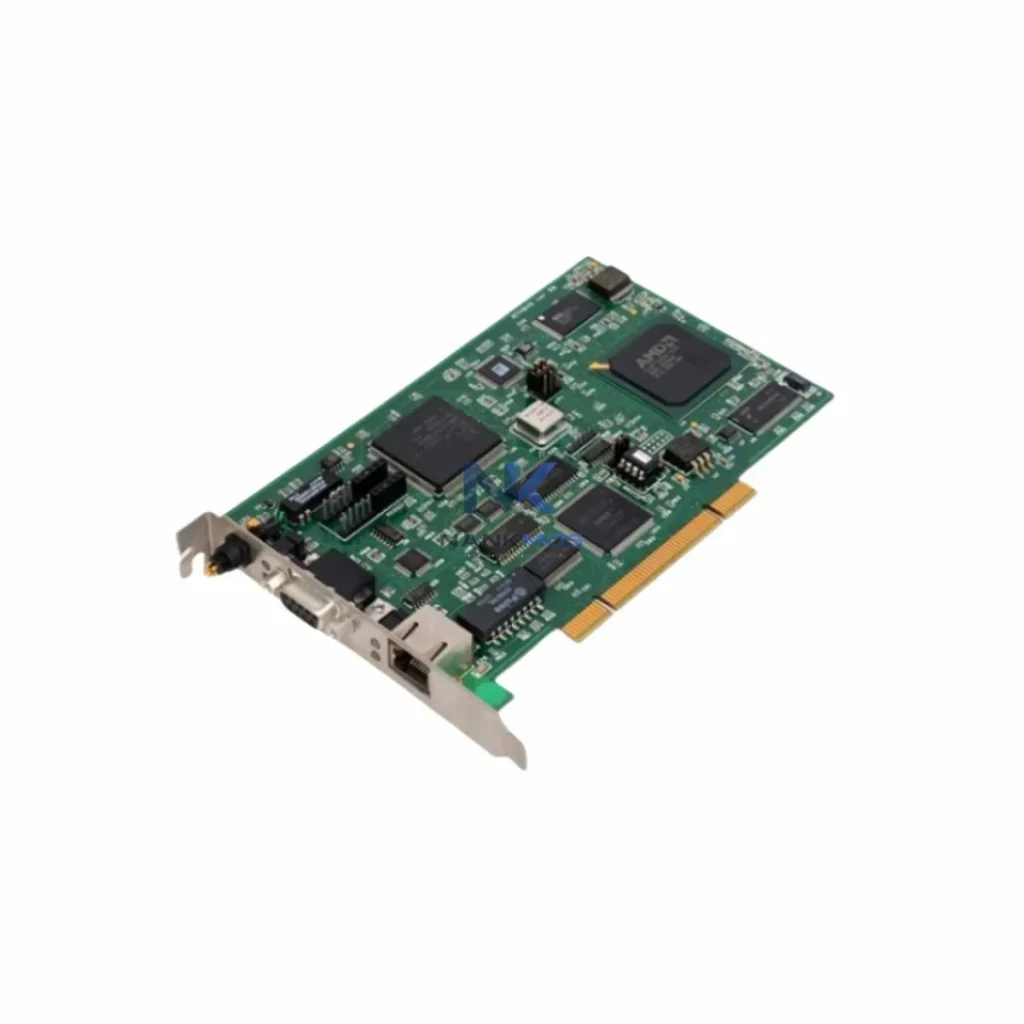
Woodhead PCU2000ETH is a NANKMOS industrial automation product record Listed under Other series series and Business & Industrial > Automation, Control & Flow Devices. Confirm condition, availability, lead time, compatibility and documentation by email inquiry.
| Manufacturer | Woodhead |
|---|---|
| Application | Industrial Network Communication |
| Part Number / Model | PCU2000ETH |
| Compatible System | Confirmed by inquiry |
| Condition Options | To Confirm |
| Module Type | Communication Module |
| Warranty | 12 Months |
| Packaging | Anti-static Bag / Secure Box |
| Shipping Methods | DHL / FedEx / UPS / Air / Sea |
| Availability | To Confirm |
| Lead Time | To Confirm |
| Documentation | Part number and revision checked before quote |
The Woodhead PCU2000ETH is a PCI-bus Ethernet communication card engineered for the SST architecture, purpose-built to serve as the backbone of energy-aware industrial automation networks. In modern smart factories where every watt of consumed power must be accounted for, the PCU2000ETH delivers deterministic, low-latency Ethernet connectivity that enables real-time energy monitoring, load balancing, and drive coordination across the production floor. Whether you are managing a high-throughput assembly line, a continuous process plant, or a discrete manufacturing cell, this card provides the communication infrastructure needed to eliminate idle-state energy waste and keep every connected device operating at peak efficiency.
Sourced directly from verified inventory, each PCU2000ETH unit undergoes rigorous pre-shipment functional testing to confirm signal integrity, bus compatibility, and protocol handshake performance before dispatch. A 12-month warranty is included as standard, reflecting confidence in both the component quality and the supply chain verification process. Stock is maintained on-hand for immediate fulfillment, minimizing procurement lead times for MRO and capital project requirements alike.
The PCU2000ETH is not simply a communication interface — it is a strategic node in a power-aware automation architecture. When integrated with a Siemens S7-300 or S7-1500 PLC, the card enables the controller to issue real-time load-shedding commands to downstream devices, reducing peak demand charges and smoothing energy consumption curves across production shifts. Paired with an ABB ACS880 variable frequency drive or a Yaskawa GA700 inverter, the Ethernet link allows the drive to receive dynamic speed references derived from energy optimization algorithms running in the SCADA layer, ensuring motors operate at the most efficient point on their torque-speed curve rather than at fixed setpoints.
In systems where a Schneider Electric PowerLogic PM8000 power monitoring module is deployed, the PCU2000ETH provides the high-speed Ethernet backbone that carries real-time kW, kVAR, and power factor data from the meter to the energy management system, enabling closed-loop reactive power compensation and transformer loading optimization. The card also interfaces seamlessly with Rockwell Automation 1756-EN2T ControlLogix Ethernet modules in mixed-vendor environments, supporting topology flexibility without sacrificing determinism.
For I/O-intensive applications, the PCU2000ETH works alongside Beckhoff EK1100 EtherCAT couplers and distributed I/O racks to consolidate field device status — including motor running state, thermal trip signals, and energy meter pulses — into a unified data stream accessible to the SCADA historian. This consolidation eliminates redundant polling cycles that would otherwise generate unnecessary bus traffic and CPU load, both of which translate directly into wasted electrical energy. Integration with Omron NX-series safety I/O modules further enables safe-state energy reduction: when a safety zone is triggered, the PCU2000ETH relays the event to the energy management layer, which can immediately de-energize non-essential loads in the affected cell.
HMI visualization is equally well-served. Connected to a Weintek cMT Series HMI or a Proface GP4000 operator panel, the PCU2000ETH delivers live energy dashboards to the operator, displaying per-zone power consumption, drive efficiency ratings, and alarm states without requiring a separate OPC-UA gateway. This direct visibility empowers operators to make informed decisions about production pacing and equipment scheduling, reducing the likelihood of energy-intensive unplanned restarts.
Factory energy waste most commonly originates from three sources: motors running at full speed when partial load would suffice, equipment remaining energized during idle periods, and thermal losses caused by inefficient power distribution. The Woodhead PCU2000ETH addresses all three by providing the communication layer that makes intelligent energy control possible at the field device level.
By enabling the PLC or DCS to receive continuous feedback from power monitoring modules and drive controllers, the PCU2000ETH supports the implementation of demand-response strategies that automatically reduce motor speeds, defer non-critical actuator cycles, and stagger equipment startup sequences to flatten inrush current peaks. In a typical mid-size automotive stamping line, this type of coordinated load management can reduce peak electrical demand by 12–18%, with corresponding reductions in energy cost and transformer thermal stress.
The card's deterministic Ethernet performance also underpins predictive maintenance workflows. Vibration sensors, thermal imaging modules, and current signature analyzers connected through the SST architecture can stream condition data to the SCADA historian in real time. Anomalies — such as a motor drawing 8% more current than its baseline — are detected before they escalate into failures, allowing maintenance teams to schedule interventions during planned downtime rather than responding to unplanned breakdowns that disrupt production rhythm and trigger energy-intensive cold restarts of entire production cells.
Production line takt time stability is another direct beneficiary. When communication latency is low and deterministic, the PLC can synchronize conveyor speeds, robot cycle times, and press stroke rates with precision, eliminating the micro-stoppages and speed variations that force downstream equipment to operate in energy-wasteful catch-up modes. The PCU2000ETH's SST architecture is specifically designed for this level of timing precision, making it a preferred choice for high-cadence assembly and packaging lines where energy efficiency and throughput are equally weighted KPIs.
Equipment utilization rates improve as well. With accurate, real-time device status data flowing through the PCU2000ETH to the MES and SCADA layers, production planners gain the visibility needed to schedule equipment more effectively, reducing the proportion of time that high-energy assets spend in idle or warm-standby states. Over a 12-month operational period, the cumulative energy savings from improved scheduling alone can offset the capital cost of the communication infrastructure investment.
Q1: How does the PCU2000ETH contribute to measurable energy savings on the production floor? The PCU2000ETH enables real-time data exchange between PLCs, drives, power monitors, and SCADA systems, which is the prerequisite for any closed-loop energy optimization strategy. By eliminating communication bottlenecks, it allows energy management algorithms to act on current data rather than polled snapshots, improving the responsiveness of load-shedding, speed adjustment, and idle-state shutdown commands. The result is a measurable reduction in both peak demand and baseline energy consumption across connected equipment.
Q2: Is the PCU2000ETH compatible with my existing PLC and SCADA infrastructure? The PCU2000ETH is designed for the SST architecture and supports standard Industrial Ethernet protocols, making it compatible with a broad range of PLC platforms including Siemens, Rockwell Automation, Schneider Electric, and Omron controllers, as well as SCADA and DCS systems from major vendors. For specific protocol compatibility confirmation, the SKU and your existing controller model can be cross-referenced against the SST compatibility matrix prior to procurement.
Q3: What is the replacement and upgrade path if I am migrating from an older SST communication card? The PCU2000ETH is a direct form-factor replacement for earlier SST PCI Ethernet cards in the same product family. Configuration migration typically involves re-importing the existing network configuration file into the updated driver software, with no hardware modifications to the host system required. For systems transitioning from legacy serial-based SST cards, a parallel commissioning approach is recommended to validate Ethernet performance before decommissioning the legacy interface.
Q4: What testing and warranty coverage is provided with each unit? Every PCU2000ETH unit shipped by NANKMOS undergoes pre-shipment functional testing that verifies PCI bus recognition, Ethernet link establishment, and basic protocol handshake performance. Units that do not pass testing are not dispatched. All units are covered by a 12-month warranty from the date of shipment, covering manufacturing defects and functional failures under normal operating conditions. In-stock availability ensures rapid fulfillment for both MRO replacement and new project deployment requirements.
Functional Inspection100% tested on professional platforms to ensure stable performance.
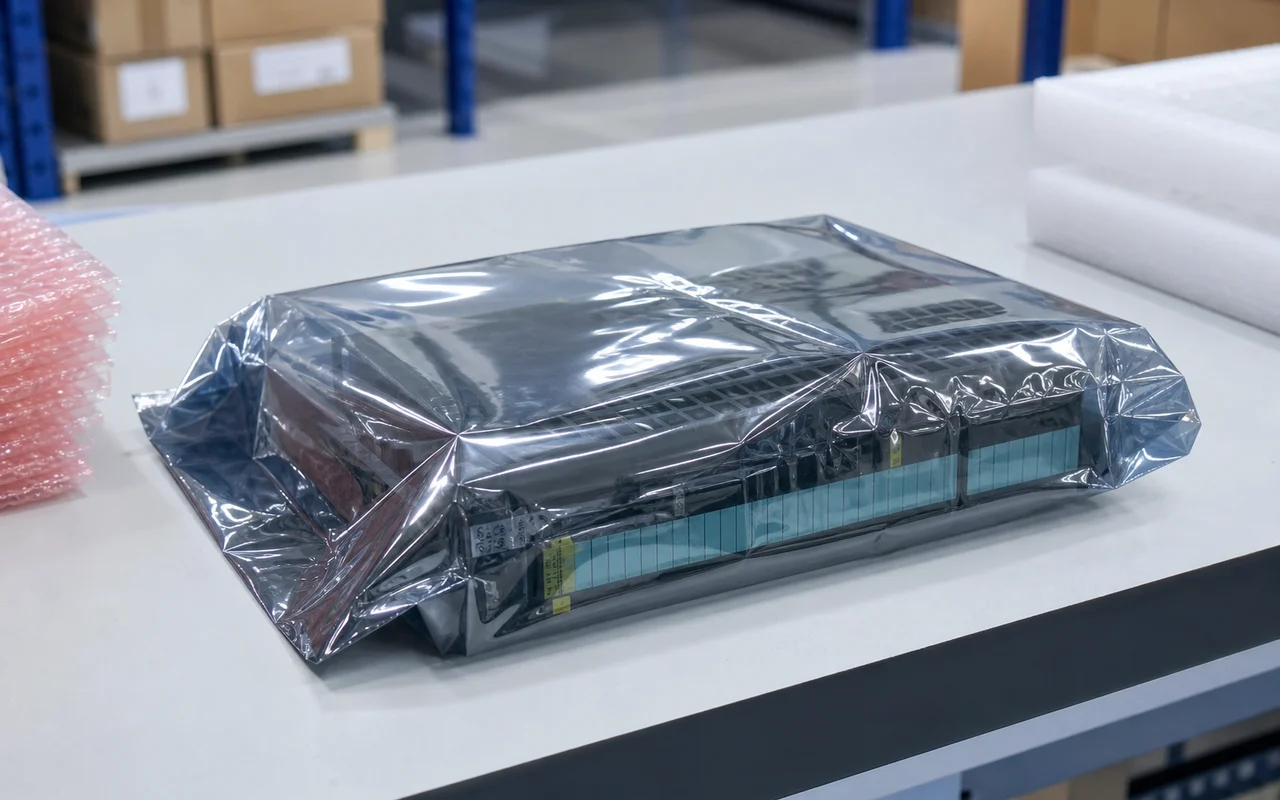 Anti-static Packaging
Modules are packed in anti-static bags to prevent electrostatic damage.
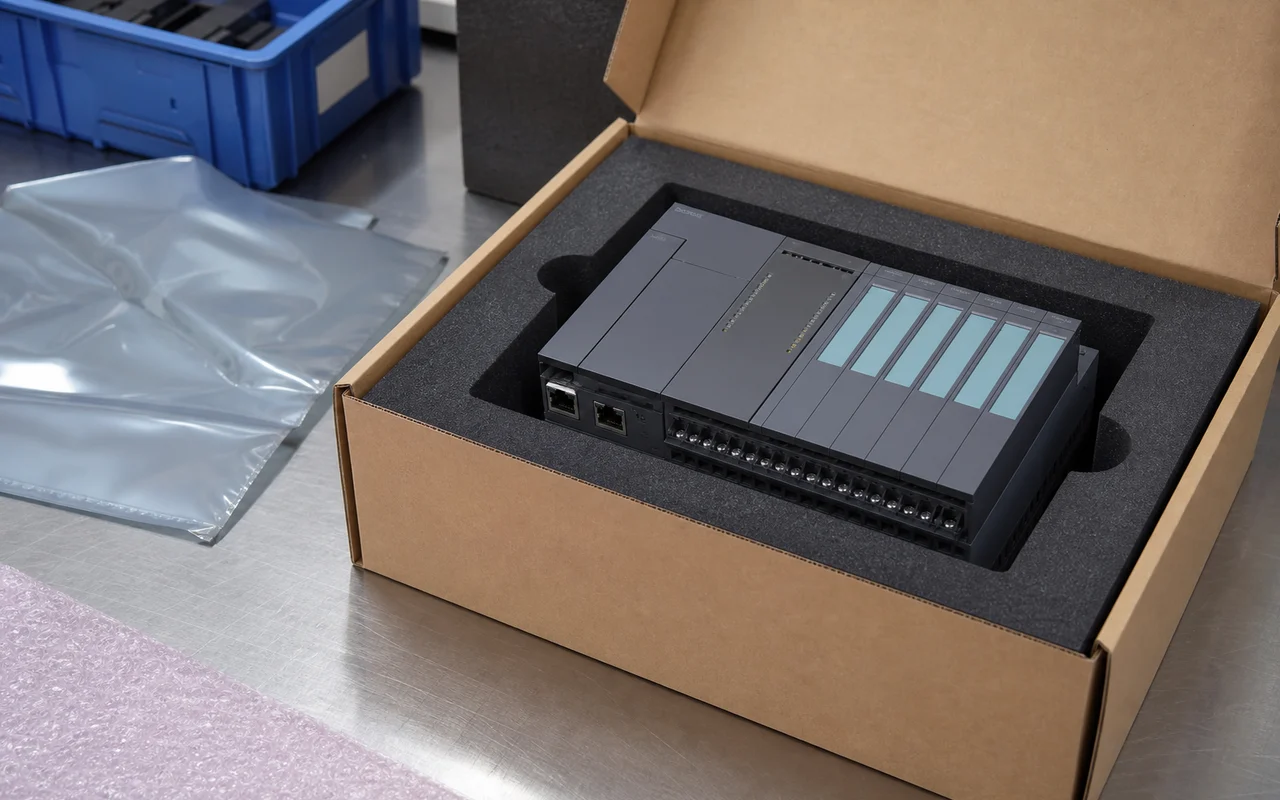 Secure Export Packing
Cushion protection and strong cartons ensure safe transportation.
 Worldwide Shipping
Global logistics network supports air, sea and express delivery.
 Documentation Check
Part number, revision and compatibility verified before shipment.
 After-sales Support
Professional technical support to help resolve your issues.