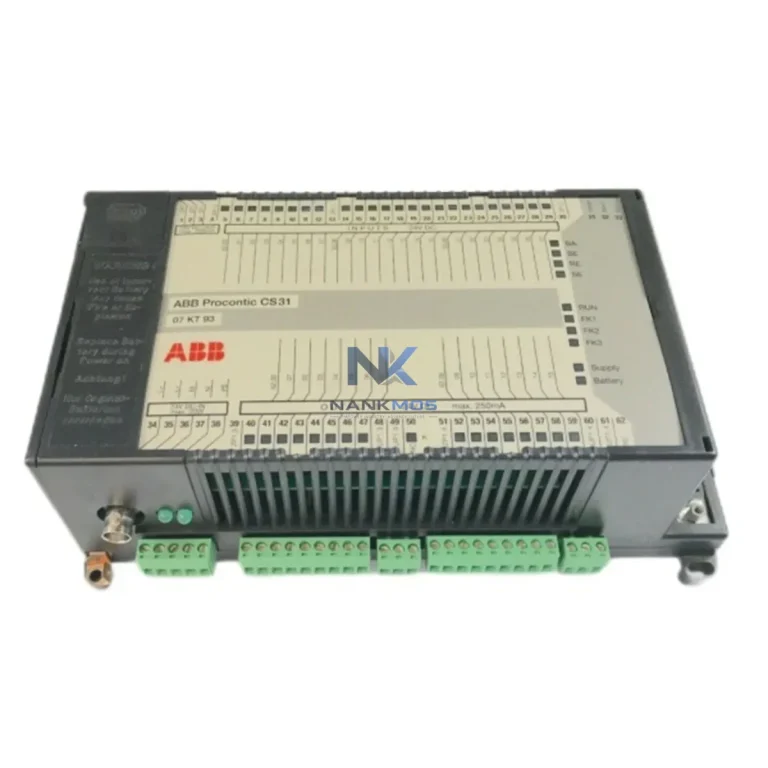
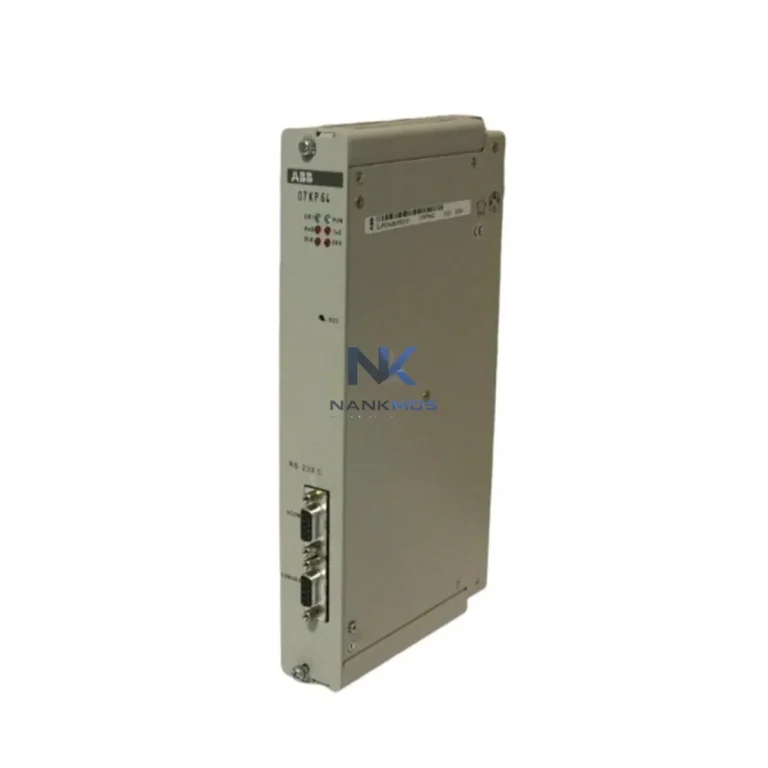
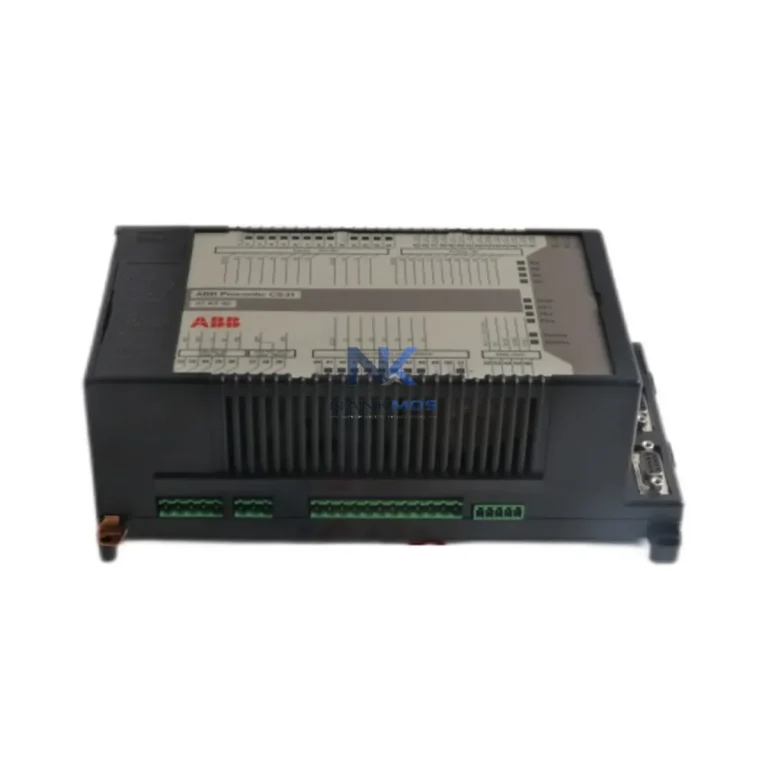
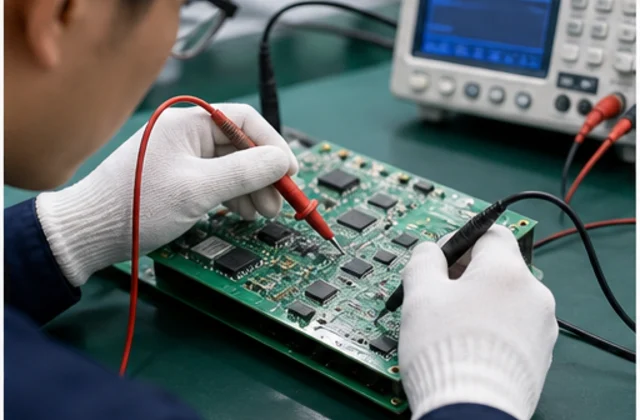
 Functional Inspection
100% tested on professional platforms to ensure stable performance.
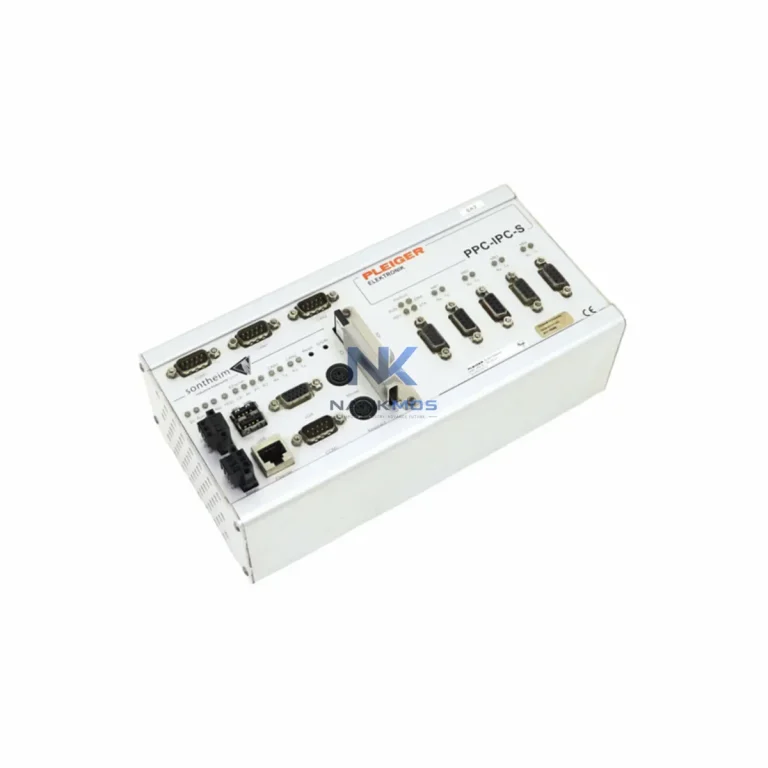
Pleiger PPC-IPC-S2 is a NANKMOS industrial automation product record Listed under Other series series and Business & Industrial > Automation, Control & Flow Devices > Programmable Logic Controllers. Confirm condition, availability, lead time, compatibility and documentation by email inquiry.
Brand names are used for identification only.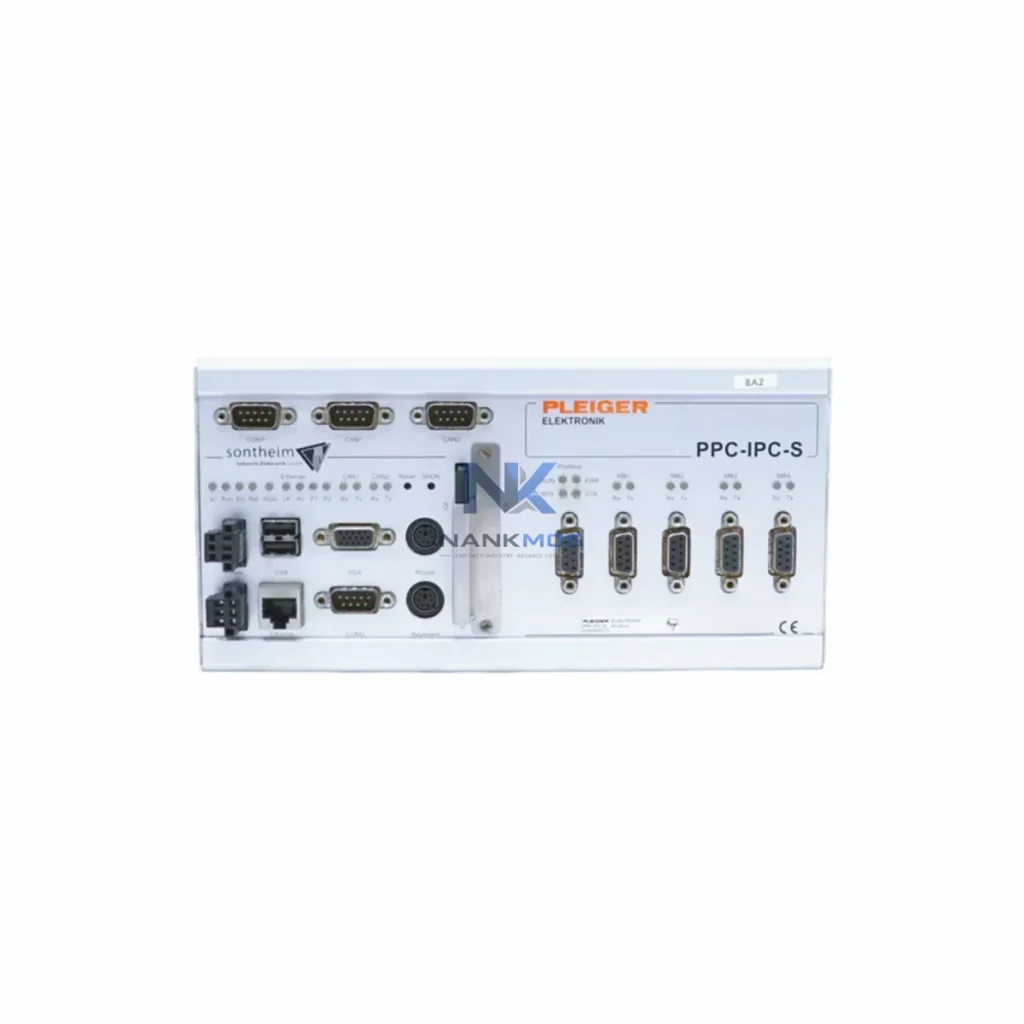
Pleiger PPC-IPC-S2 is a NANKMOS industrial automation product record Listed under Other series series and Business & Industrial > Automation, Control & Flow Devices > Programmable Logic Controllers. Confirm condition, availability, lead time, compatibility and documentation by email inquiry.
| Manufacturer | Pleiger |
|---|---|
| Application | Controller Processing & System Control |
| Part Number / Model | PPC-IPC-S2 |
| Compatible System | Confirmed by inquiry |
| Condition Options | To Confirm |
| Module Type | Controller / CPU Module |
| Warranty | 12 Months |
| Packaging | Anti-static Bag / Secure Box |
| Shipping Methods | DHL / FedEx / UPS / Air / Sea |
| Availability | To Confirm |
| Lead Time | To Confirm |
| Documentation | Part number and revision checked before quote |
The Pleiger PPC-IPC-S2 is a high-performance PC-based industrial controller engineered for deployment within distributed PPC-IPC control architectures. Designed to serve as the central processing node in demanding automation environments, the PPC-IPC-S2 delivers deterministic real-time control, robust fieldbus communication, and modular I/O integration across multi-layer industrial systems. Whether deployed in marine automation, process control, power distribution, or advanced manufacturing lines, this controller provides the computational backbone required for scalable, redundant, and diagnostically transparent control architectures.
The PPC-IPC-S2 is not a standalone device — it is the architectural anchor of a complete, layered automation platform. In a fully integrated PPC-IPC system, the S2 controller coordinates signal acquisition, process logic execution, and supervisory data exchange across every functional layer of the control cabinet and field network.
At the I/O layer, the PPC-IPC-S2 interfaces directly with Pleiger distributed I/O modules such as the PPC-DIO-16 digital I/O expansion module and the PPC-AIO-8 analogue input/output module, enabling high-density signal acquisition from field instruments including pressure transmitters, flow meters, and temperature sensors. These modules connect via the internal backplane bus, ensuring low-latency, deterministic data transfer to the controller's real-time processing core.
At the communication layer, the PPC-IPC-S2 supports PROFIBUS-DP master/slave operation, enabling seamless integration with third-party field devices such as variable frequency drives, intelligent motor control centres, and remote I/O stations. PROFINET connectivity extends the architecture into Ethernet-based plant networks, allowing the controller to exchange process data with SCADA systems, OPC-UA servers, and MES platforms without protocol conversion overhead. For legacy installations, Modbus RTU and Modbus TCP interfaces ensure backward compatibility with existing instrumentation.
At the power layer, the PPC-IPC-S2 operates from a 24 V DC rail supplied by a dedicated Pleiger PSU-24-10A panel power supply unit, which provides regulated, filtered DC power with built-in short-circuit and overload protection. In redundant power configurations, a Pleiger PSU-RED-MOD redundancy module enables seamless switchover between dual power feeds, eliminating single points of failure in critical process environments.
At the HMI layer, the PPC-IPC-S2 communicates with operator interface terminals via PROFINET or serial RS-232/RS-485 links. Compatible HMI platforms include the Pleiger PPC-HMI-10T touch panel, which provides real-time process visualisation, alarm management, and parameter configuration directly from the control cabinet door. For remote monitoring, the controller's OPC-UA server capability allows integration with plant-wide SCADA platforms and historian databases.
At the execution layer, the PPC-IPC-S2 issues control commands to actuators, servo drives, and variable speed drives. In valve control applications — a core Pleiger competency — the controller interfaces with Pleiger electrohydraulic actuator control units and PPC-VCC valve control cards, providing precise positioning feedback, torque monitoring, and end-of-travel detection across multi-valve manifold assemblies. For motor-driven applications, the controller's analogue output modules generate 4–20 mA speed reference signals to compatible frequency inverters.
At the protection and redundancy layer, the PPC-IPC-S2 supports watchdog timer functions, CPU redundancy configurations (with a secondary PPC-IPC-S2 hot-standby unit), and diagnostic heartbeat monitoring across all connected I/O nodes. Fault detection, alarm logging, and automatic failover logic are configurable via the Pleiger engineering software suite, ensuring system availability in safety-critical applications.
At the maintenance layer, the modular architecture of the PPC-IPC system allows individual modules — including the S2 controller itself — to be replaced without full system shutdown in hot-swap capable configurations. Diagnostic LEDs, onboard event logging, and remote diagnostic access via Ethernet reduce mean time to repair (MTTR) and support predictive maintenance strategies.
Marine and Offshore Automation: The PPC-IPC-S2 is widely deployed in marine vessel automation systems, where it manages ballast control, cargo pump sequencing, engine room monitoring, and thruster control. Its DNV GL-certified variants meet the stringent environmental and EMC requirements of offshore and naval applications, including vibration resistance, salt-mist tolerance, and wide-temperature operation. The controller's redundant architecture options align with class society requirements for essential service automation.
Power Generation and Distribution: In power plant and substation automation, the PPC-IPC-S2 serves as the primary control unit for generator management systems, switchgear interlocking, and load-shedding logic. Its PROFIBUS-DP and Modbus TCP interfaces enable direct communication with protection relays, energy meters, and transformer monitoring units, providing a unified control and data acquisition platform for medium-voltage distribution systems.
Process Industry and Petrochemical Plants: In continuous process environments — including oil refining, chemical processing, and gas compression — the PPC-IPC-S2 executes PID control loops, sequence logic, and safety interlock functions. Its analogue I/O modules support direct connection to 4–20 mA field transmitters, while its PROFIBUS-PA gateway capability extends the control network into hazardous area instrumentation.
Water and Wastewater Treatment: Municipal and industrial water treatment facilities deploy the PPC-IPC-S2 for pump station automation, dosing control, filtration sequencing, and SCADA integration. The controller's Modbus TCP interface enables seamless data exchange with remote telemetry units (RTUs) and centralised SCADA servers, supporting both local autonomous operation and remote supervisory control.
Manufacturing and Packaging Lines: In discrete manufacturing and high-speed packaging applications, the PPC-IPC-S2 coordinates multi-axis motion sequences, conveyor synchronisation, and vision system integration. Its deterministic real-time processing ensures precise timing control for servo drive coordination, label application, and product inspection systems operating at production line speeds.
Q1: Is the PPC-IPC-S2 compatible with third-party I/O modules and fieldbus devices from other manufacturers? A: Yes. The PPC-IPC-S2 supports open fieldbus standards including PROFIBUS-DP, PROFINET, Modbus RTU, and Modbus TCP, enabling integration with I/O modules, drives, and instruments from a wide range of manufacturers. For PROFIBUS-DP networks, the controller operates as a Class 1 DP master, supporting up to 125 slave devices per segment. PROFINET IO controller functionality allows integration with any PROFINET-certified device. For applications requiring protocol conversion, a dedicated Pleiger PPC-GW-PNPB PROFINET-to-PROFIBUS gateway can be added to the architecture without modifying the core control programme.
Q2: What redundancy options are available for the PPC-IPC-S2 in safety-critical installations? A: The PPC-IPC-S2 supports CPU redundancy through a hot-standby configuration using a second PPC-IPC-S2 unit. In this configuration, the primary and standby controllers synchronise process data and programme state continuously, enabling bumpless switchover in the event of a primary CPU fault. Power supply redundancy is achieved via the Pleiger PSU-RED-MOD module. For I/O redundancy, dual-channel I/O modules with cross-checking logic can be configured within the Pleiger engineering environment. These redundancy options are fully configurable without hardware modification to the base system architecture.
Q3: What does the 12-Month Warranty cover, and what is the typical lead time for replacement units? A: All PPC-IPC-S2 units supplied by NANKMOS are covered by a 12-Month Warranty from the date of shipment, covering manufacturing defects, component failures, and functional non-conformance under normal operating conditions. Warranty claims are processed through NANKMOS's technical support team at [email protected]. For in-stock units, standard lead time is 3–5 business days. For urgent replacement requirements in critical installations, expedited shipping options are available. NANKMOS maintains a dedicated inventory buffer for PPC-IPC series components to support rapid deployment and minimise system downtime during maintenance cycles.
Functional Inspection100% tested on professional platforms to ensure stable performance.
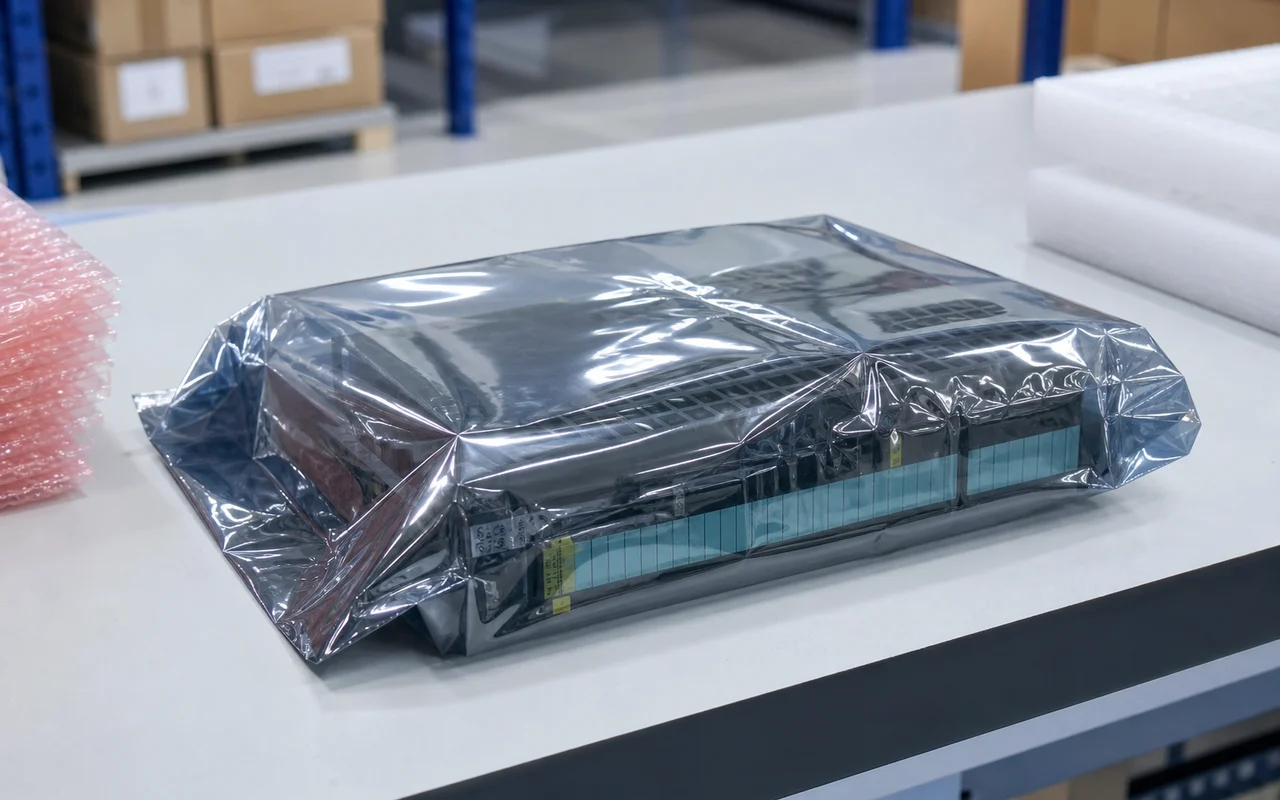 Anti-static Packaging
Modules are packed in anti-static bags to prevent electrostatic damage.
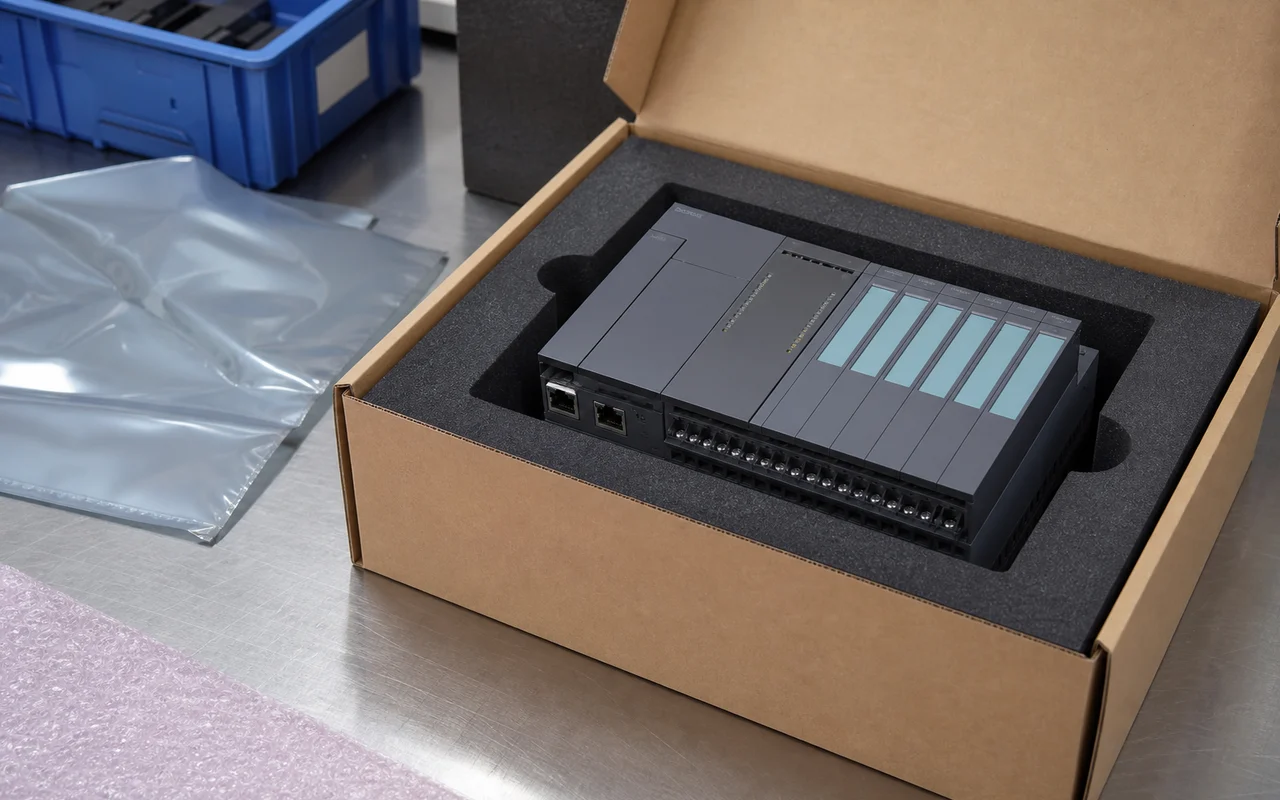 Secure Export Packing
Cushion protection and strong cartons ensure safe transportation.
 Worldwide Shipping
Global logistics network supports air, sea and express delivery.
 Documentation Check
Part number, revision and compatibility verified before shipment.
 After-sales Support
Professional technical support to help resolve your issues.