 Functional Inspection
100% tested on professional platforms to ensure stable performance.
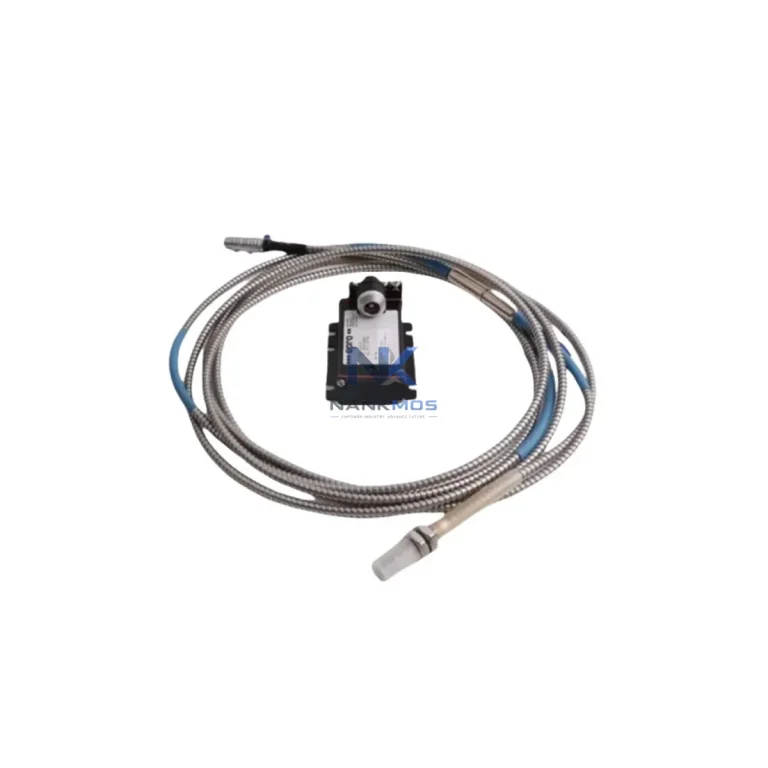
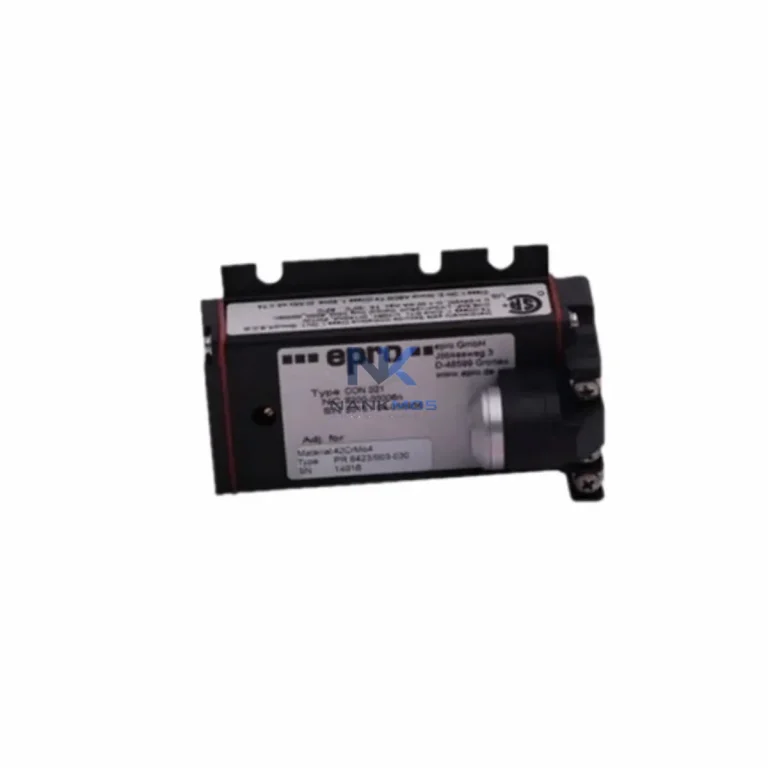
Epro (Emerson) PR6423/002-030 CON021 is a NANKMOS industrial automation product record. Confirm condition, availability, lead time, compatibility and documentation by email inquiry.
Brand names are used for identification only.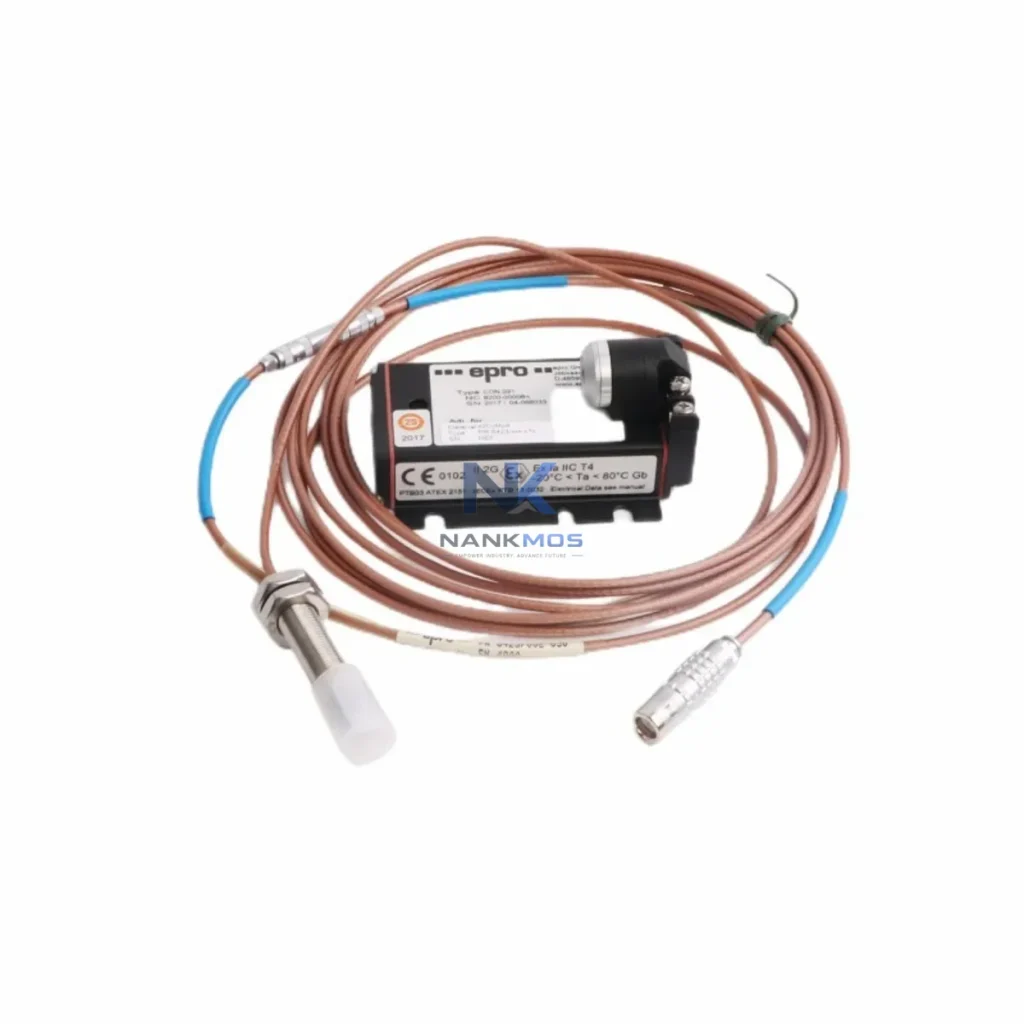
Epro (Emerson) PR6423/002-030 CON021 is a NANKMOS industrial automation product record. Confirm condition, availability, lead time, compatibility and documentation by email inquiry.
| Manufacturer | Epro (Emerson) |
|---|---|
| Application | Industrial Automation Maintenance |
| Part Number / Model | PR6423/002-030 CON021 |
| Compatible System | Confirmed by inquiry |
| Condition Options | To Confirm |
| Module Type | Sensors |
| Warranty | 12 Months |
| Packaging | Anti-static Bag / Secure Box |
| Shipping Methods | DHL / FedEx / UPS / Air / Sea |
| Availability | To Confirm |
| Lead Time | To Confirm |
| Documentation | Part number and revision checked before quote |
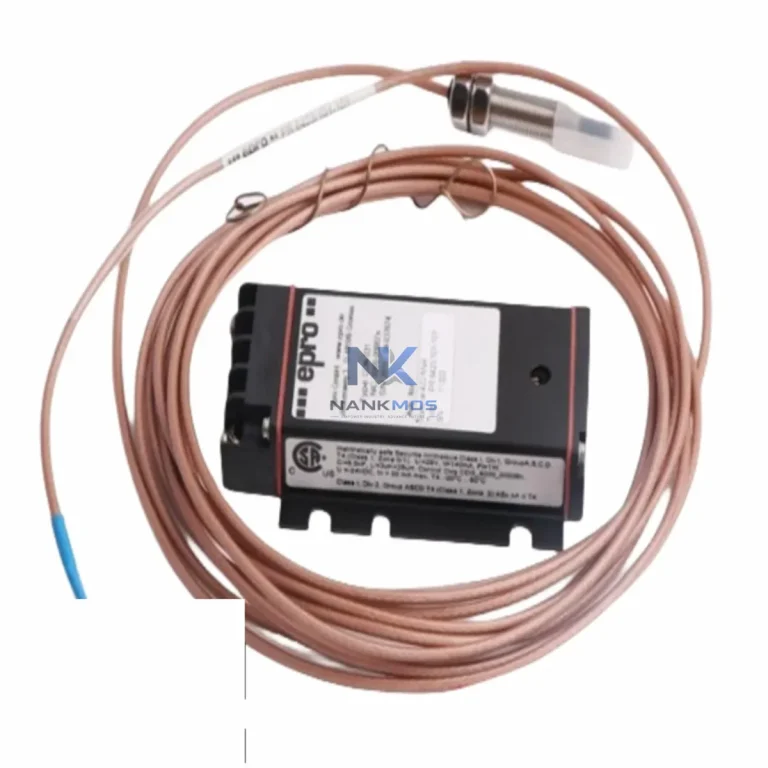
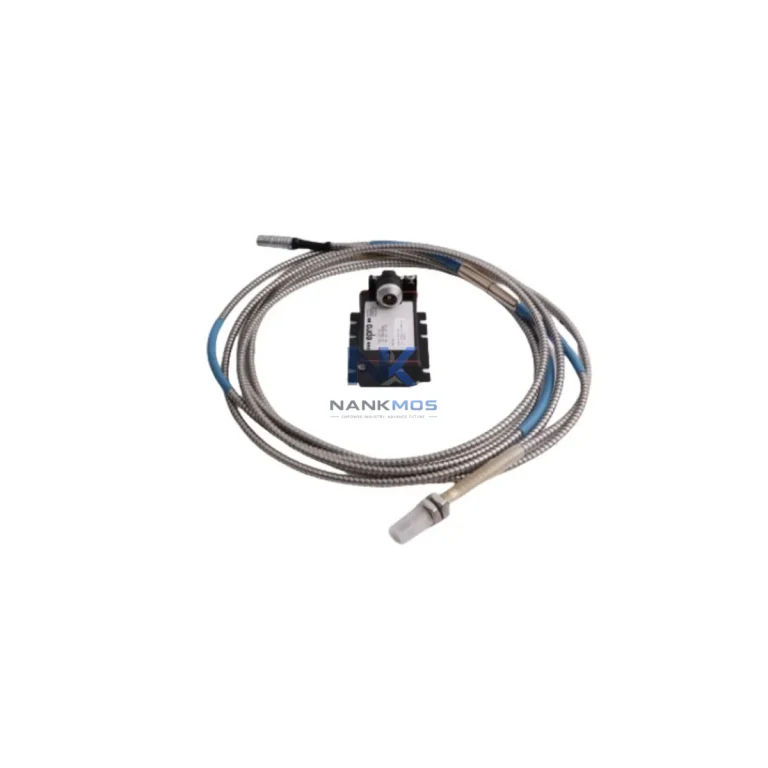
The Epro PR6423/002-030+CON021 is a precision eddy current proximity probe system engineered for continuous shaft displacement and vibration monitoring in rotating machinery environments. Combining the PR6423/002-030 probe with the CON021 signal converter, this assembly delivers calibrated analog output signals that integrate directly into plant-wide data acquisition networks, SCADA platforms, and condition monitoring systems. Designed for turbines, compressors, pumps, and high-speed rotating equipment, the PR6423/002-030+CON021 forms a critical node in the smart factory data chain — converting mechanical displacement into real-time digital intelligence accessible across the entire automation hierarchy.
In modern industrial facilities, vibration data is no longer siloed at the sensor level. The PR6423/002-030+CON021 feeds calibrated 4–20 mA or voltage signals into machinery protection systems such as the Epro MMS 6000 series and Epro MMS 6823 vibration monitoring modules, which in turn communicate over industrial Ethernet or Modbus TCP to plant DCS and SCADA layers. This seamless signal path — from shaft surface to control room dashboard — is the foundation of predictive maintenance and real-time asset health monitoring in smart manufacturing.
The PR6423/002-030+CON021 sits at the field instrumentation layer of the smart factory architecture, where its role is to convert physical shaft displacement into a clean, calibrated analog signal that feeds the broader automation data chain. The CON021 converter conditions the raw eddy current signal and outputs a standardized analog value that is consumed by machinery protection modules — typically the Epro MMS 6823 or Epro MMS 6350 vibration monitoring cards housed in a rack-mounted protection system. These modules perform real-time threshold comparison, alarm generation, and trip relay activation, ensuring that abnormal vibration events trigger immediate protective responses without human intervention.
From the machinery protection layer, digitized vibration data is forwarded via Modbus TCP or PROFIBUS DP to the plant PLC — such as a Siemens S7-400 or ABB AC500 — where it is merged with process variables from pressure transmitters, flow meters, and temperature sensors. The PLC aggregates this multi-source data and passes it upstream to the SCADA server via industrial Ethernet, enabling operators to view real-time vibration trends alongside process KPIs on a unified HMI dashboard. Integration with Emerson DeltaV DCS or Honeywell Experion PKS platforms is supported through standard analog input cards or fieldbus gateways, making the PR6423/002-030+CON021 compatible with both legacy and modern control architectures.
For facilities deploying edge computing strategies, the analog output of the CON021 converter can be digitized by an industrial edge gateway — such as a Moxa MGate or Advantech ADAM-6000 series module — which performs local protocol conversion from analog to Modbus TCP or MQTT, enabling direct data publication to cloud-based condition monitoring platforms or IIoT analytics engines. This edge-to-cloud pathway supports predictive maintenance algorithms that analyze vibration frequency spectra, detect bearing defects, and forecast remaining useful life of rotating assets.
Within the network topology, the PR6423/002-030+CON021 signal path is protected by industrial managed Ethernet switches — such as the Hirschmann MACH 100 or Phoenix Contact FL SWITCH series — which provide redundant ring topologies (MRP/RSTP) to ensure uninterrupted data flow even during network segment failures. Power supply stability for the CON021 converter and associated signal conditioning equipment is maintained by PULS or Phoenix Contact 24 VDC DIN-rail power supplies, which deliver clean, regulated power with built-in diagnostics accessible via PROFINET or Modbus.
Remote diagnostic access to the vibration monitoring network is enabled through industrial VPN routers or Ewon Cosy remote access gateways, allowing maintenance engineers to interrogate live vibration data, review alarm histories, and adjust monitoring thresholds from off-site locations — a capability that is essential for unmanned substations, offshore platforms, and geographically distributed production sites. The complete data chain — from the PR6423/002-030 probe tip to the remote diagnostic dashboard — represents a fully connected, protocol-transparent vibration monitoring architecture that supports both real-time protection and long-term asset health analytics.
Protocol Fragmentation: Many legacy plants operate mixed analog and digital instrumentation layers where vibration signals from eddy current probes cannot be directly consumed by modern Modbus TCP or PROFINET-based SCADA systems. The PR6423/002-030+CON021 addresses this by delivering a clean, standardized analog output from the CON021 converter that is universally compatible with any analog input module, DAQ card, or protocol gateway — eliminating the need for custom signal conditioning and reducing integration engineering time.
Data Islands and Visibility Gaps: Rotating machinery health data is frequently isolated in standalone machinery protection systems that do not share data with the plant PLC or SCADA. By connecting the PR6423/002-030+CON021 output to upstream Modbus TCP or OPC-UA gateways, operators gain full visibility of vibration trends, alarm states, and trip histories within the same SCADA environment used for process control — breaking down the data silos that prevent holistic asset management.
Remote Monitoring Limitations: Without networked vibration data, maintenance teams must conduct manual rounds to inspect rotating equipment, increasing labor costs and the risk of missed fault detection. The PR6423/002-030+CON021, integrated into a networked machinery protection system, enables continuous remote monitoring with configurable alarm thresholds, automatic alert notifications, and trend logging — supporting condition-based maintenance strategies that reduce unplanned downtime by up to 30–40%.
Production Line Transparency: In smart factory environments, production managers require real-time visibility of equipment health alongside OEE metrics. Vibration data from the PR6423/002-030+CON021 can be published to MES and ERP layers via OPC-UA or REST API interfaces, enabling automated work order generation when vibration thresholds are exceeded and providing a complete digital audit trail for regulatory compliance and maintenance reporting.
Q1: What communication protocols are compatible with the PR6423/002-030+CON021 output? The CON021 converter produces a standardized analog signal (typically 4–20 mA or voltage) that is natively compatible with any analog input module. For digital protocol integration — including Modbus RTU, Modbus TCP, PROFIBUS DP, PROFINET, or OPC-UA — the analog output is connected to a protocol gateway or DAQ module that performs the analog-to-digital conversion and protocol encapsulation. This makes the PR6423/002-030+CON021 compatible with virtually all industrial automation platforms without hardware modification.
Q2: How is network stability maintained for continuous vibration monitoring? Network stability is ensured through redundant industrial Ethernet topologies (MRP/RSTP ring configurations), managed switches with port-level diagnostics, and UPS-backed 24 VDC power supplies for all signal conditioning and communication equipment. The PR6423/002-030+CON021 itself is a passive analog device with no network dependency — its signal is always available at the CON021 output regardless of upstream network conditions, ensuring that machinery protection functions are never compromised by network faults.
Q3: Can the PR6423/002-030+CON021 support remote diagnostics and system expansion? Yes. When integrated into a networked machinery protection system, the PR6423/002-030+CON021 signal is accessible via remote diagnostic platforms using industrial VPN routers or dedicated remote access gateways. System expansion is straightforward — additional probe channels can be added to the same MMS 6000 rack, and the analog outputs are aggregated by the upstream DAQ or gateway without requiring changes to the probe or converter hardware. The modular architecture of the Epro MMS 6000 platform supports up to 16 monitoring channels per rack, enabling scalable deployment across large rotating machinery fleets.
Q4: What quality assurance and warranty coverage is provided? Every PR6423/002-030+CON021 unit supplied by NANKMOS undergoes pre-shipment functional testing, including probe sensitivity verification, CON021 output calibration check, and connector integrity inspection. All units are covered by a 12-month warranty from the date of shipment, covering manufacturing defects and functional failures under normal operating conditions. In-stock units are available for immediate dispatch with full test documentation, supporting rapid project timelines and minimizing procurement lead times for maintenance and capital projects.
Functional Inspection100% tested on professional platforms to ensure stable performance.
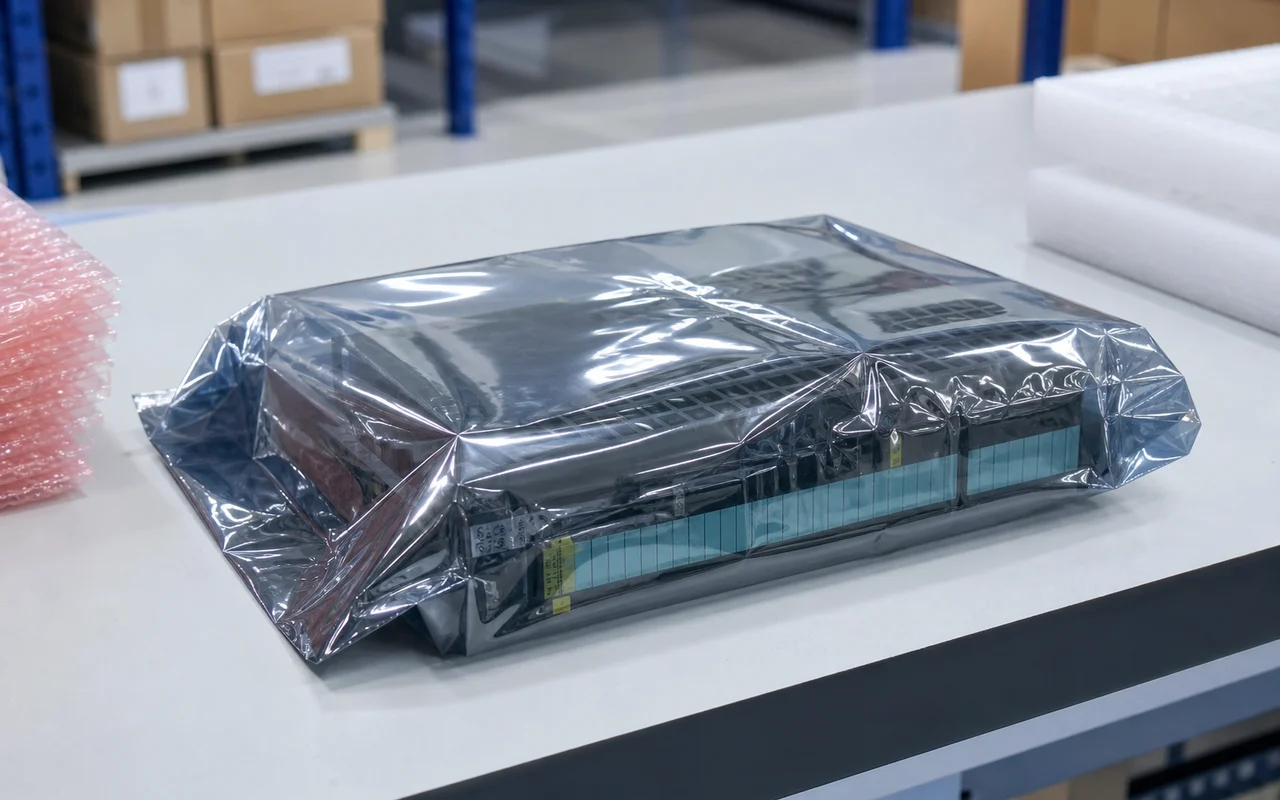 Anti-static Packaging
Modules are packed in anti-static bags to prevent electrostatic damage.
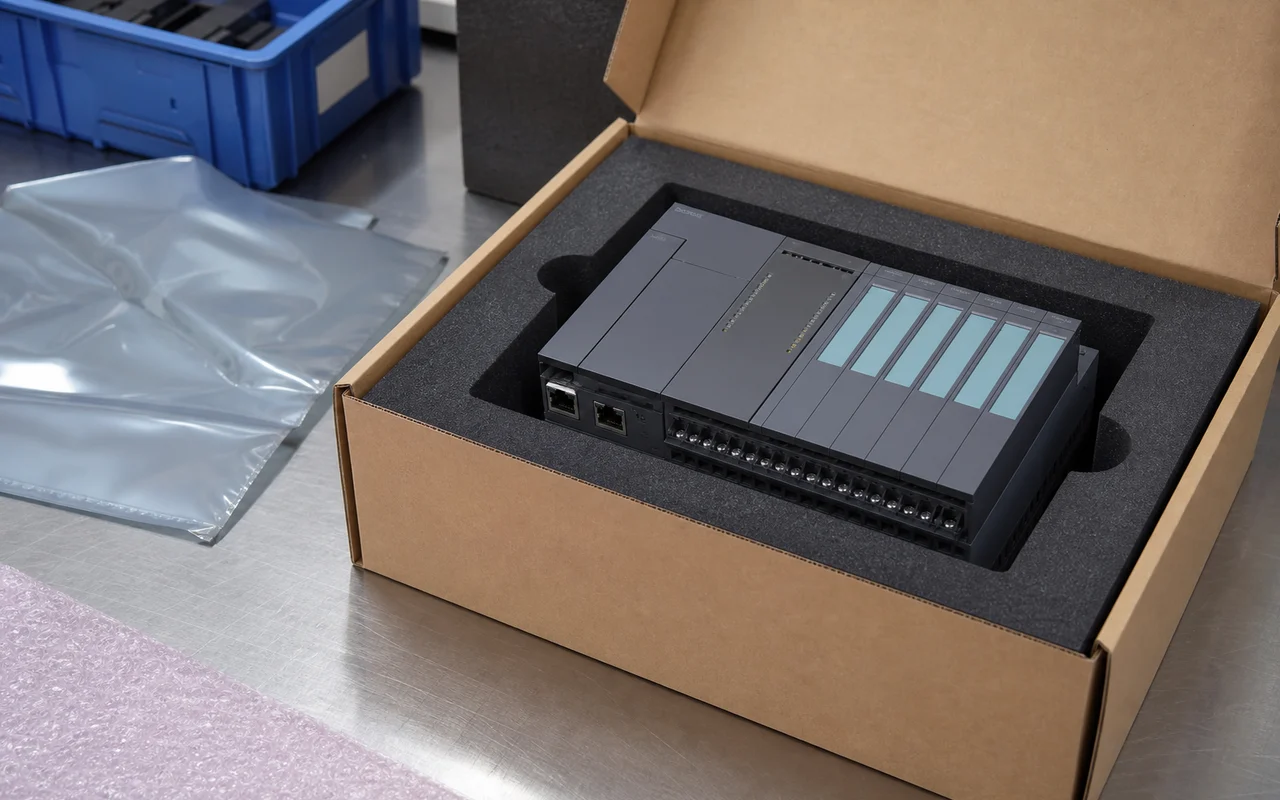 Secure Export Packing
Cushion protection and strong cartons ensure safe transportation.
 Worldwide Shipping
Global logistics network supports air, sea and express delivery.
 Documentation Check
Part number, revision and compatibility verified before shipment.
 After-sales Support
Professional technical support to help resolve your issues.