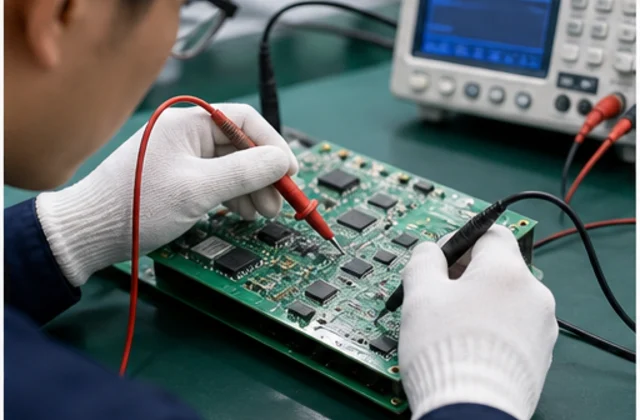
 Functional Inspection
100% tested on professional platforms to ensure stable performance.
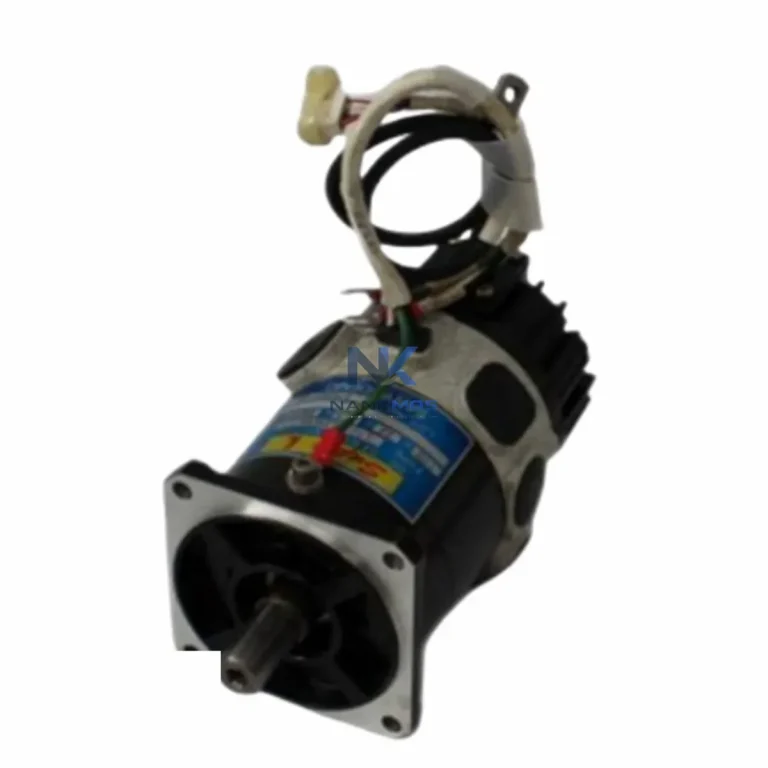
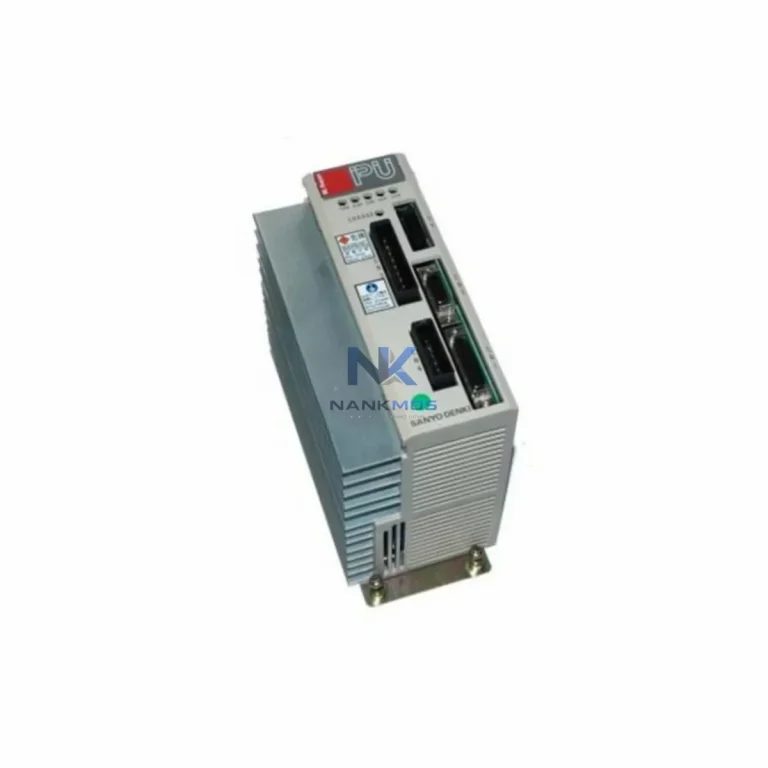
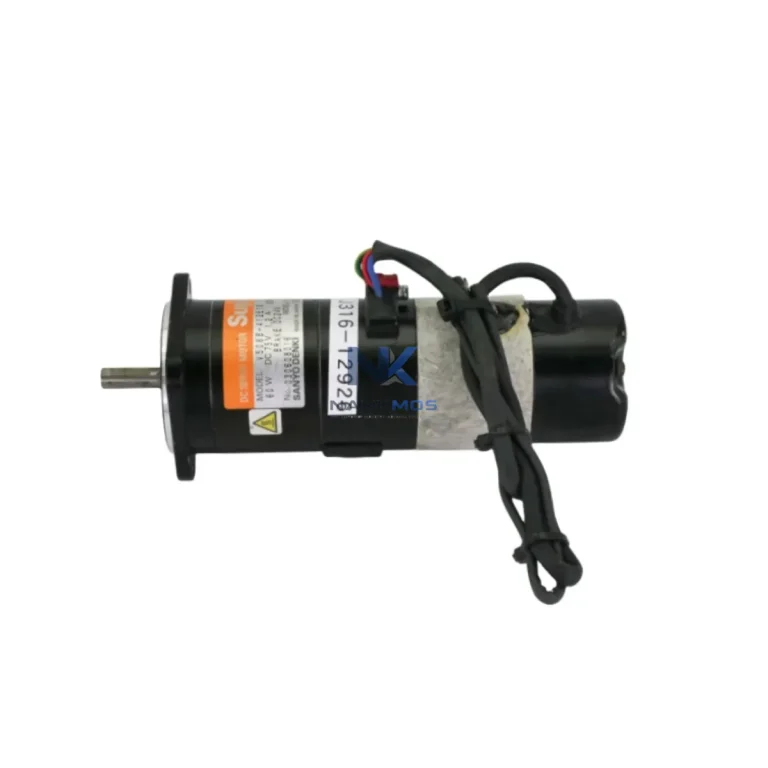
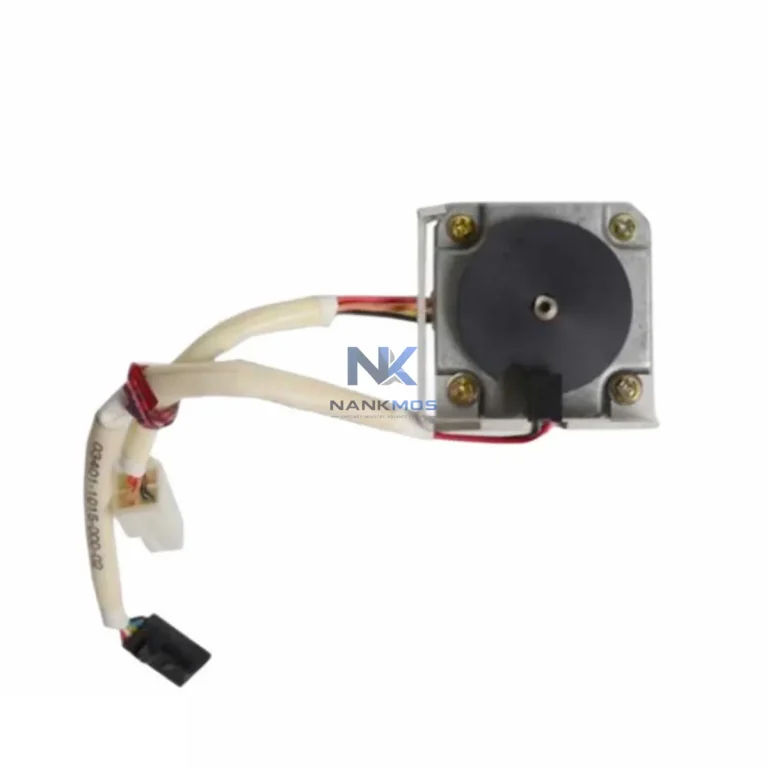
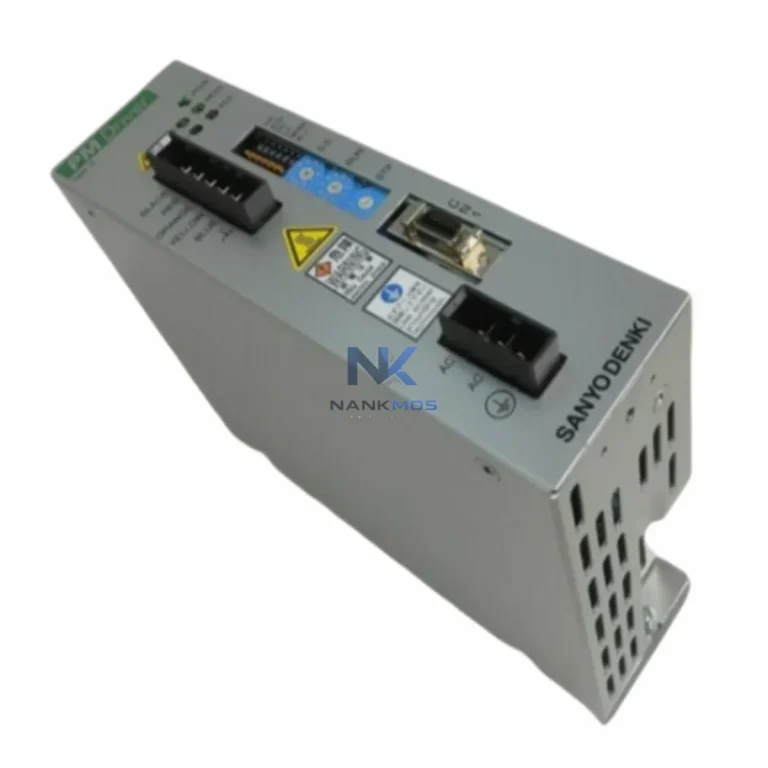
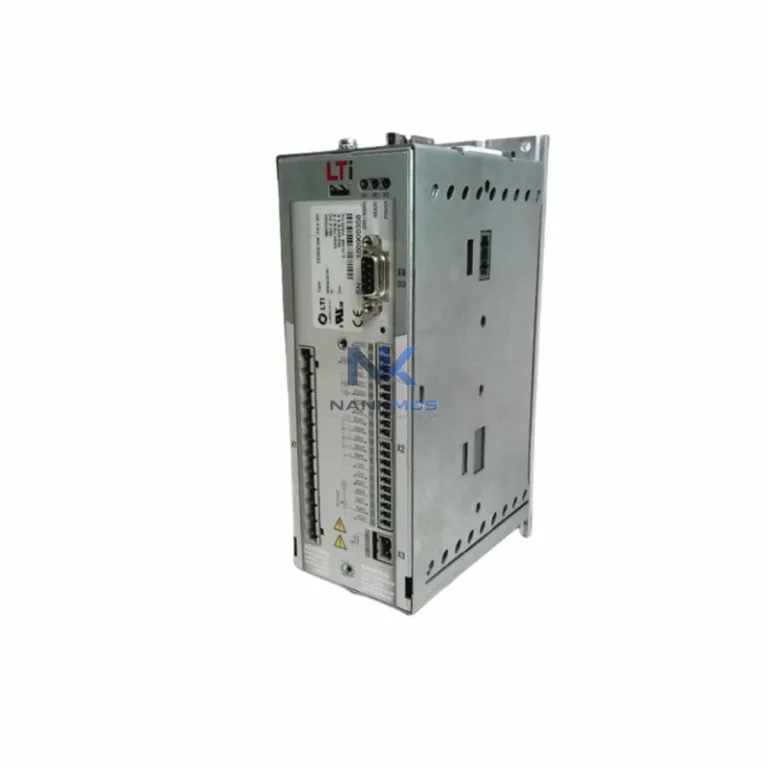
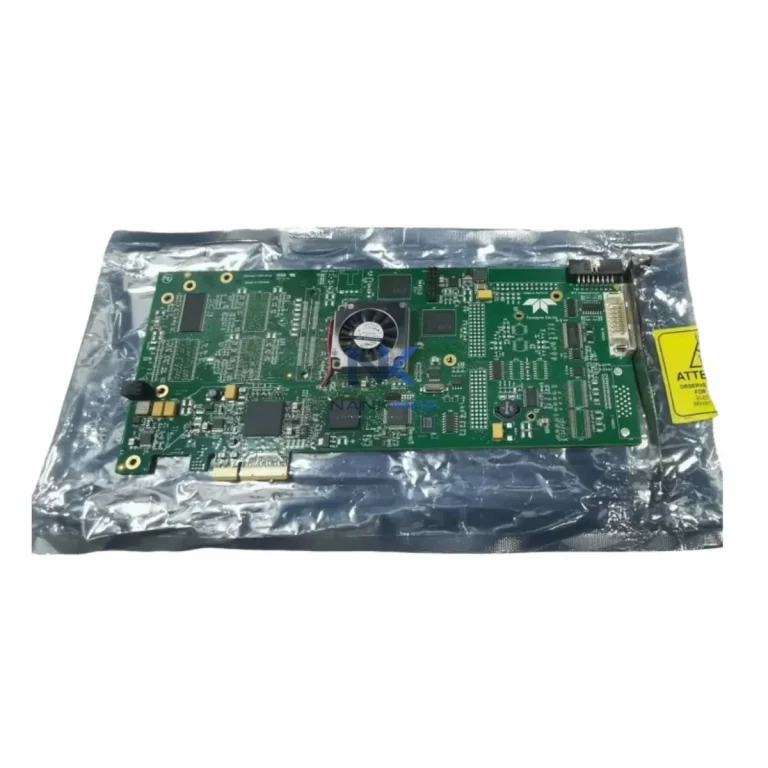
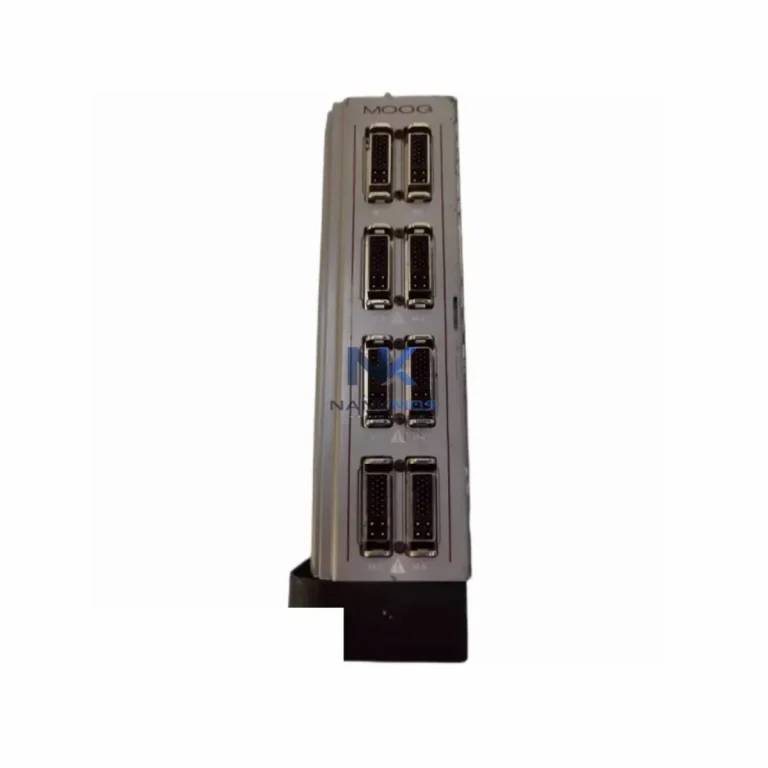
Sanyo Denki PV2A015SMT1P50-C1 E2-500-250-A A4249-9215HG-A1 BLUAC5-Q, 929537-003 5000-107 is a NANKMOS industrial automation product record Listed under Other series series and Business & Industrial > Automation, Control & Flow Devices. Confirm condition, availability, lead time, compatibility and documentation by email inquiry.
Brand names are used for identification only.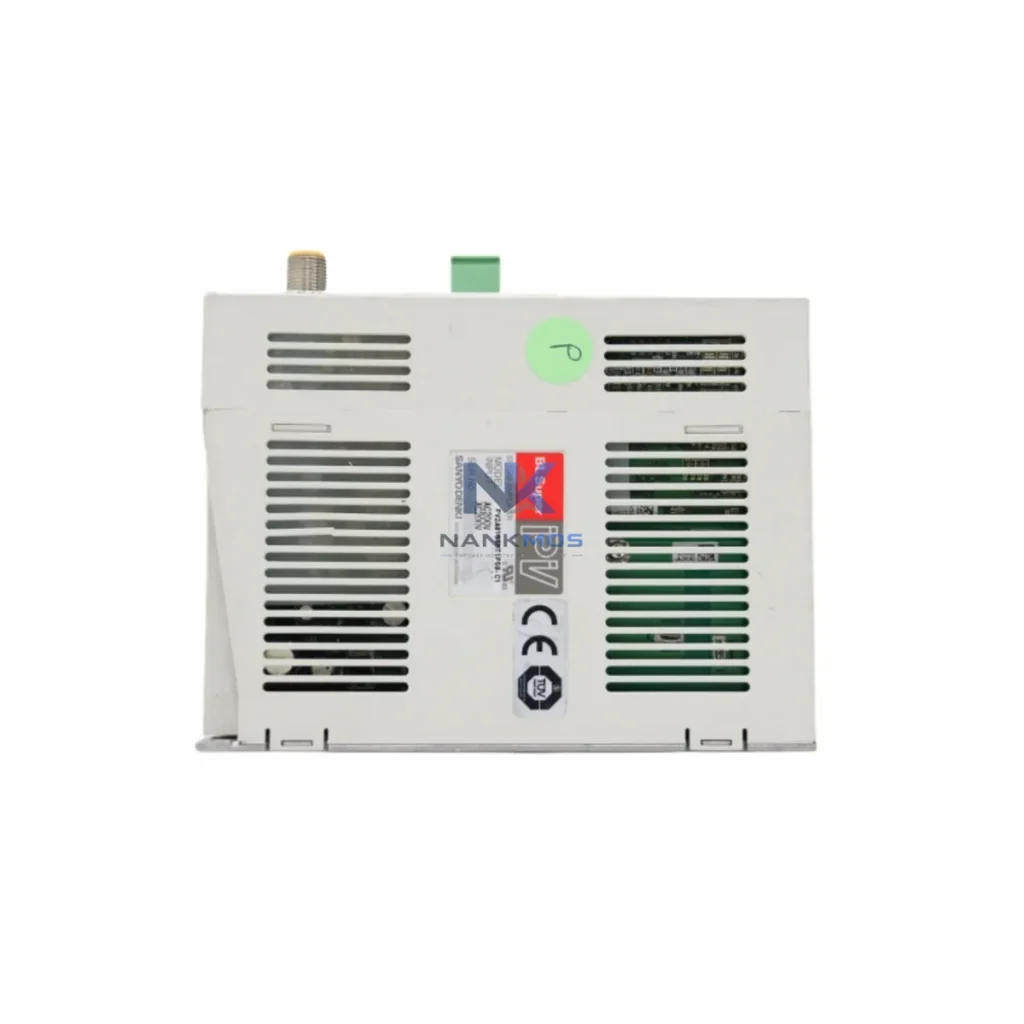
Sanyo Denki PV2A015SMT1P50-C1 E2-500-250-A A4249-9215HG-A1 BLUAC5-Q, 929537-003 5000-107 is a NANKMOS industrial automation product record Listed under Other series series and Business & Industrial > Automation, Control & Flow Devices. Confirm condition, availability, lead time, compatibility and documentation by email inquiry.
| Manufacturer | Sanyo Denki |
|---|---|
| Application | Industrial Automation Maintenance |
| Part Number / Model | PV2A015SMT1P50-C1 E2-500-250-A A4249-9215HG-A1 BLUAC5-Q, 929537-003 5000-107 |
| Compatible System | Confirmed by inquiry |
| Condition Options | To Confirm |
| Module Type | Automation, Control & Flow Devices |
| Warranty | 12 Months |
| Packaging | Anti-static Bag / Secure Box |
| Shipping Methods | DHL / FedEx / UPS / Air / Sea |
| Availability | To Confirm |
| Lead Time | To Confirm |
| Documentation | Part number and revision checked before quote |
The SANYO DENKI PV2A015SMT1P50-C1 is a high-performance AC servo amplifier from the PV2A Series, engineered for precision motion control and seamless integration into modern smart factory data architectures. As industrial facilities transition toward fully connected production environments, the PV2A015SMT1P50-C1 serves as a critical node in the motion control data chain — bridging field-level servo mechanics with upper-level SCADA, HMI, and MES platforms through structured, real-time communication.
In a typical smart factory deployment, the PV2A015SMT1P50-C1 operates under command from a PLC controller — such as a SANYO DENKI-compatible motion controller or a third-party Mitsubishi MELSEC or Siemens SIMATIC S7 series PLC — receiving position, speed, and torque references via high-speed pulse or analog interfaces. The servo amplifier's encoder feedback loop closes at the drive level, delivering sub-millisecond response times that are essential for precision assembly, CNC machining, and robotic pick-and-place applications.
Data generated at the servo drive level — including actual position, velocity, load ratio, alarm codes, and thermal status — is captured and forwarded upstream through the plant's industrial Ethernet backbone. When paired with an edge gateway or protocol converter, the PV2A015SMT1P50-C1's diagnostic data can be mapped into Modbus TCP or PROFINET frames, making it readable by SCADA systems such as Wonderware, Ignition, or Siemens WinCC. This enables operators to monitor servo health, track cycle counts, and receive predictive maintenance alerts without interrupting production.
Within a distributed motion architecture, the PV2A015SMT1P50-C1 frequently operates alongside remote I/O modules — for example, Wago 750-series or Phoenix Contact Axioline F I/O nodes — that aggregate digital and analog signals from proximity sensors, encoders, and safety relays at the machine level. These I/O signals are consolidated by the PLC and used to coordinate multi-axis motion sequences, ensuring that the servo amplifier receives synchronized command pulses aligned with upstream conveyor speeds or downstream robotic arm positions.
For facilities running EtherCAT-based motion networks, the PV2A015SMT1P50-C1 can be integrated via a gateway module that translates EtherCAT cyclic PDO data into the servo's native command interface, enabling deterministic, sub-1ms cycle times across multi-axis gantry systems. Similarly, in PROFIBUS DP environments, a DP/V1 communication adapter allows the drive to participate in the fieldbus segment alongside variable frequency drives (VFDs), smart sensors, and distributed I/O stations — all managed from a central PROFIBUS master.
HMI panels — such as SANYO DENKI's own operator interfaces or Weintek cMT series touchscreens — connect to the servo system via RS-485 or Ethernet, providing machine operators with real-time visualization of servo status, fault history, and tuning parameters. When an alarm condition occurs, the HMI triggers an immediate alert, while the SCADA layer logs the event with timestamp, axis ID, and fault code for root-cause analysis and compliance reporting.
Remote diagnostics capability is a key value of the PV2A015SMT1P50-C1 in Industry 4.0 deployments. By routing servo telemetry through an industrial IoT edge gateway — such as a Moxa UC-8100 or Advantech WISE-5000 series — maintenance engineers can access live drive parameters, oscilloscope traces, and alarm logs from any location via a secure VPN connection. This eliminates the need for on-site intervention during initial fault triage, reducing mean time to repair (MTTR) and minimizing unplanned downtime.
Power supply integrity is equally critical in servo drive installations. The PV2A015SMT1P50-C1 requires a stable, clean AC input, typically sourced through an industrial-grade power conditioner or UPS module — such as a PULS CP10 or Omron S8VK series — to protect against voltage sags, surges, and harmonic disturbances that could trigger nuisance trips or degrade encoder signal quality. Proper grounding and shielded cable routing, in accordance with SANYO DENKI's installation guidelines, further ensure EMC compliance in high-density panel environments.
NANKMOS maintains verified stock of the PV2A015SMT1P50-C1 and the broader PV2A Series lineup, with each unit subject to pre-shipment functional testing and packaged with full documentation. All units are covered by a 12-month warranty from the date of shipment, with technical support available for integration, commissioning, and parameter configuration queries.
A complete smart factory data flow built around the PV2A015SMT1P50-C1 begins at the servo motor shaft and ends at the enterprise MES dashboard. At the field level, the servo motor's encoder feeds real-time position and velocity data back to the PV2A015SMT1P50-C1 amplifier, which closes the control loop in microseconds. The amplifier receives motion commands from a PLC — for example, a Mitsubishi MELSEC iQ-R series or an Omron NJ/NX motion controller — via high-speed pulse or MECHATROLINK interface, coordinating multi-axis motion with sub-millisecond synchronization.
At the network layer, an industrial Ethernet switch — such as a Moxa EDS-408A or Hirschmann RS20 managed switch — aggregates data from the PLC, remote I/O modules (e.g., Beckhoff EK1100 EtherCAT coupler with EL1008 digital input terminals), HMI panels, and edge gateways onto a single, redundant ring topology. This ensures that servo status data, alarm events, and production counters flow continuously to the SCADA server without single-point-of-failure risk.
Variable frequency drives (VFDs) on adjacent conveyor axes — such as Yaskawa GA700 or Siemens SINAMICS G120 drives — share the same PROFIBUS DP or PROFINET segment as the servo system, allowing the PLC to coordinate servo positioning with conveyor speed in real time. Sensor data from photoelectric sensors, laser distance meters, and vision systems is collected by distributed I/O modules and fed into the same PLC program that governs the PV2A015SMT1P50-C1's motion profile, enabling adaptive, sensor-driven automation sequences.
An edge gateway — such as an Advantech ECU-1251 or Moxa MC-7270 — aggregates OPC-UA data from the PLC and servo system, applies local analytics (e.g., vibration trend analysis, thermal runaway prediction), and forwards structured JSON payloads to the cloud MES or SCADA historian. This architecture ensures that the PV2A015SMT1P50-C1's operational data contributes to plant-wide OEE calculations, predictive maintenance models, and energy consumption dashboards without requiring proprietary software on the servo drive itself.
Many industrial sites operating legacy servo systems face persistent data gaps: servo drives that generate rich diagnostic information but have no pathway to share it with SCADA or MES platforms. The PV2A015SMT1P50-C1, when deployed with appropriate protocol gateway hardware, resolves these gaps systematically.
Protocol fragmentation is addressed by inserting a Modbus TCP or PROFINET gateway between the servo's RS-485 port and the plant Ethernet backbone, translating proprietary SANYO DENKI parameter registers into standard industrial protocol frames readable by any SCADA platform. Data silos are eliminated by routing servo telemetry — alarm codes, load ratio, encoder position, thermal status — into the same historian database that stores PLC, VFD, and sensor data, enabling cross-system correlation and root-cause analysis.
Remote monitoring becomes practical when the PV2A015SMT1P50-C1's data is accessible via a secure OPC-UA server on the edge gateway, allowing maintenance engineers to review drive parameters, tune PID loops, and acknowledge alarms from a remote workstation or mobile device. Production line transparency is achieved through HMI dashboards that display real-time servo status alongside conveyor speed, reject rates, and cycle time KPIs, giving operators a unified view of machine health and production performance.
Alarm traceability is ensured by timestamping every servo fault event in the SCADA historian with axis ID, fault code, and production context (batch number, shift, operator ID), enabling rapid root-cause analysis and regulatory compliance reporting. System scalability is built in: the PV2A Series architecture supports multi-axis expansion by adding additional PV2A amplifiers to the same PLC motion program and Ethernet segment, with no changes required to the SCADA or MES integration layer.
Q1: Can the PV2A015SMT1P50-C1 communicate directly with a SCADA system over Ethernet? The PV2A015SMT1P50-C1 does not natively include an Ethernet port, but its RS-485 or pulse/analog interface can be bridged to Modbus TCP or PROFINET via a protocol gateway module. Once bridged, any SCADA platform with a Modbus TCP or PROFINET driver — including Ignition, Wonderware, and Siemens WinCC — can read and write servo parameters in real time, enabling full remote monitoring and alarm management.
Q2: What is the communication latency when integrating the PV2A015SMT1P50-C1 into an EtherCAT motion network? When integrated via an EtherCAT gateway, the PV2A015SMT1P50-C1 can participate in cyclic PDO exchanges with cycle times as low as 1ms, depending on the gateway hardware and network configuration. For applications requiring sub-millisecond synchronization — such as multi-axis gantry or flying shear systems — direct pulse train command mode is recommended, as it bypasses the gateway latency entirely and delivers deterministic motion response.
Q3: How is remote diagnostics performed on the PV2A015SMT1P50-C1 without on-site access? Remote diagnostics is enabled by routing the servo's status data through an IoT edge gateway (e.g., Moxa UC-8100 or Advantech WISE-5000) connected to the plant's secure VPN. Maintenance engineers can access live drive parameters — including load ratio, encoder position, alarm history, and thermal readings — via a web-based SCADA dashboard or OPC-UA client from any location. NANKMOS technical support can also assist with parameter review and fault analysis remotely upon request.
Q4: Does the PV2A015SMT1P50-C1 come with a warranty, and what does pre-shipment testing cover? Yes. Every PV2A015SMT1P50-C1 unit supplied by NANKMOS is covered by a 12-month warranty from the date of shipment. Pre-shipment testing includes power-on functional verification, encoder feedback signal integrity check, and alarm output validation. Units are packaged with anti-static protection and full documentation. For warranty claims or technical support, contact [email protected] or call +86 18359268345.
Functional Inspection100% tested on professional platforms to ensure stable performance.
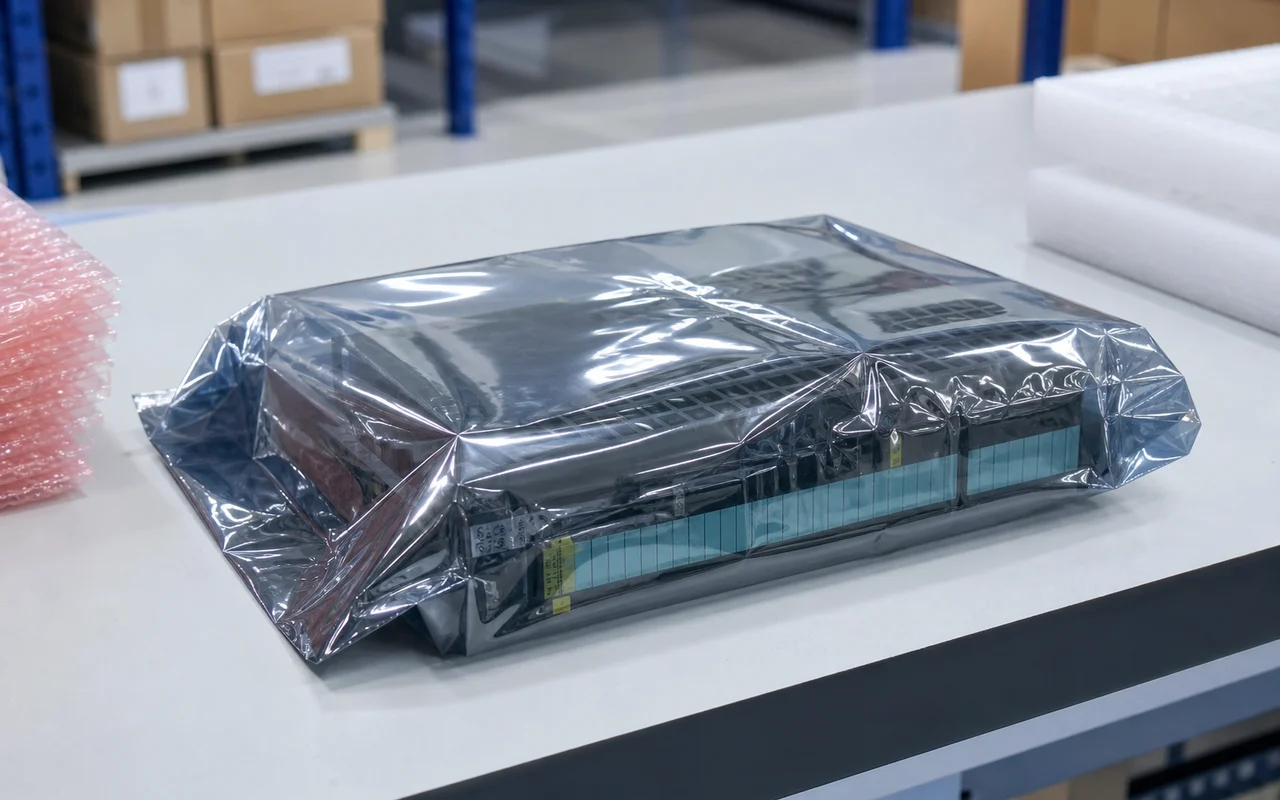 Anti-static Packaging
Modules are packed in anti-static bags to prevent electrostatic damage.
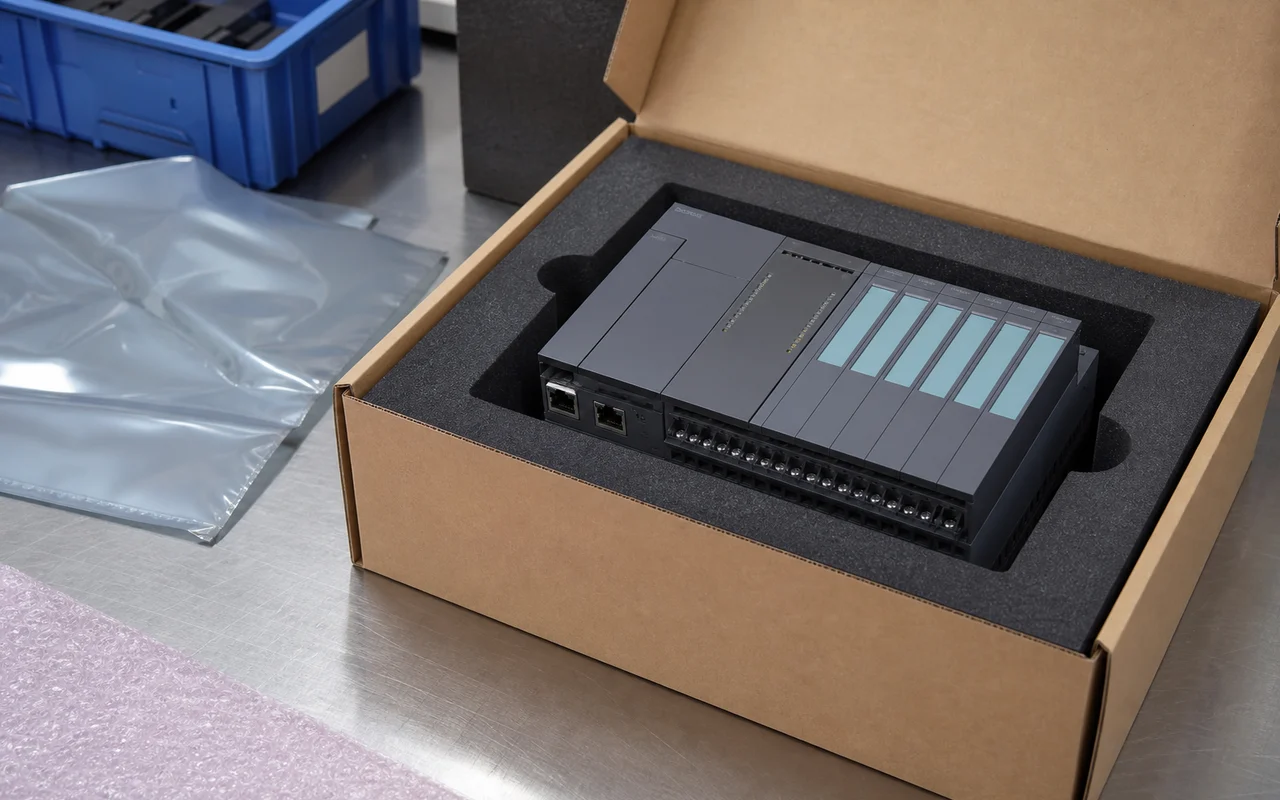 Secure Export Packing
Cushion protection and strong cartons ensure safe transportation.
 Worldwide Shipping
Global logistics network supports air, sea and express delivery.
 Documentation Check
Part number, revision and compatibility verified before shipment.
 After-sales Support
Professional technical support to help resolve your issues.