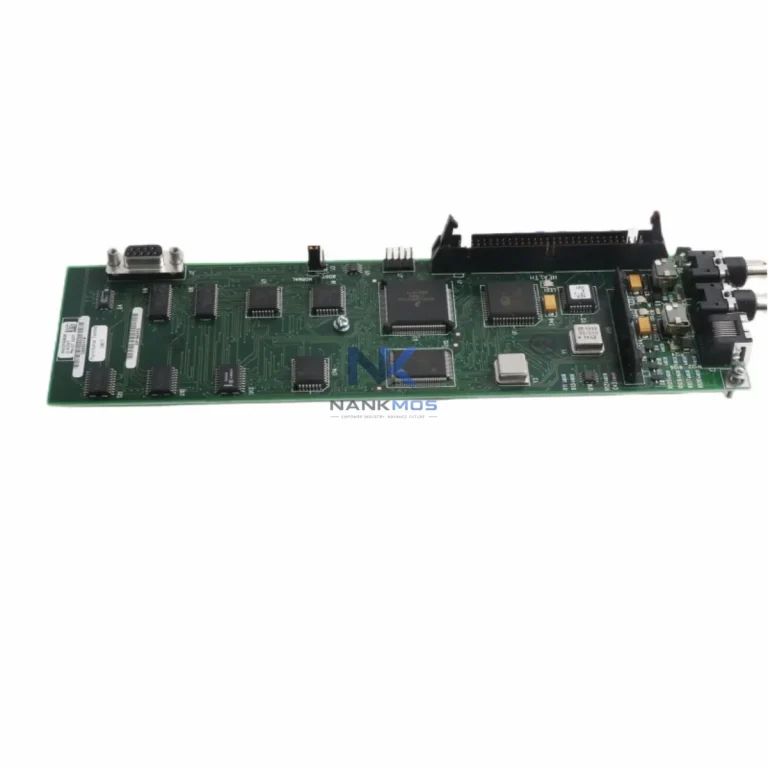
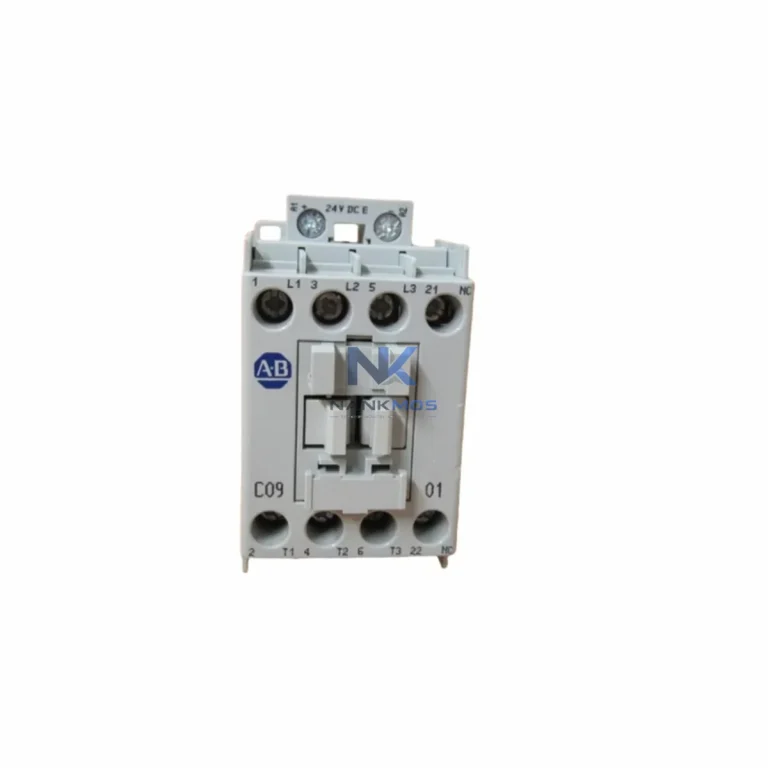
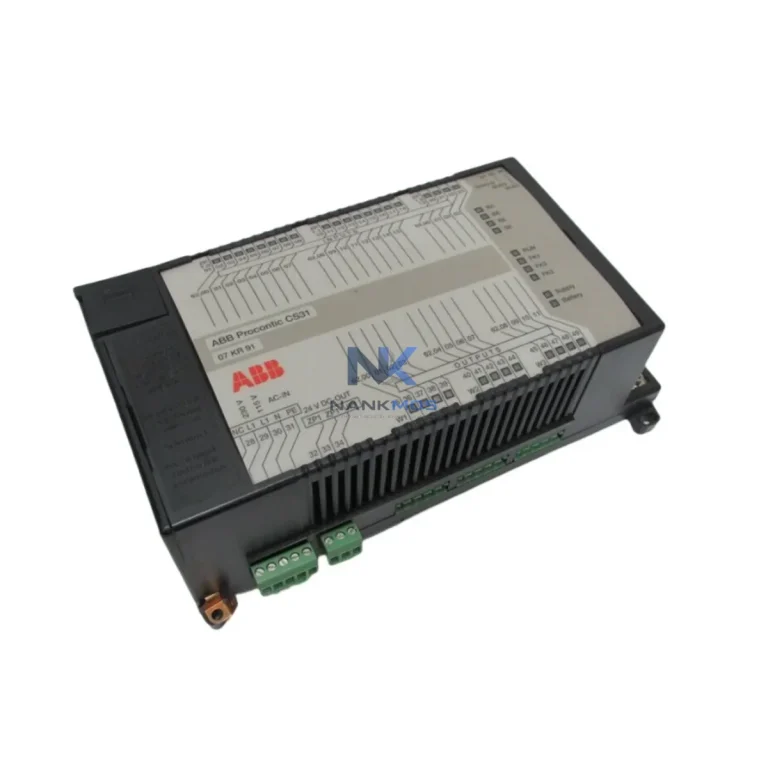
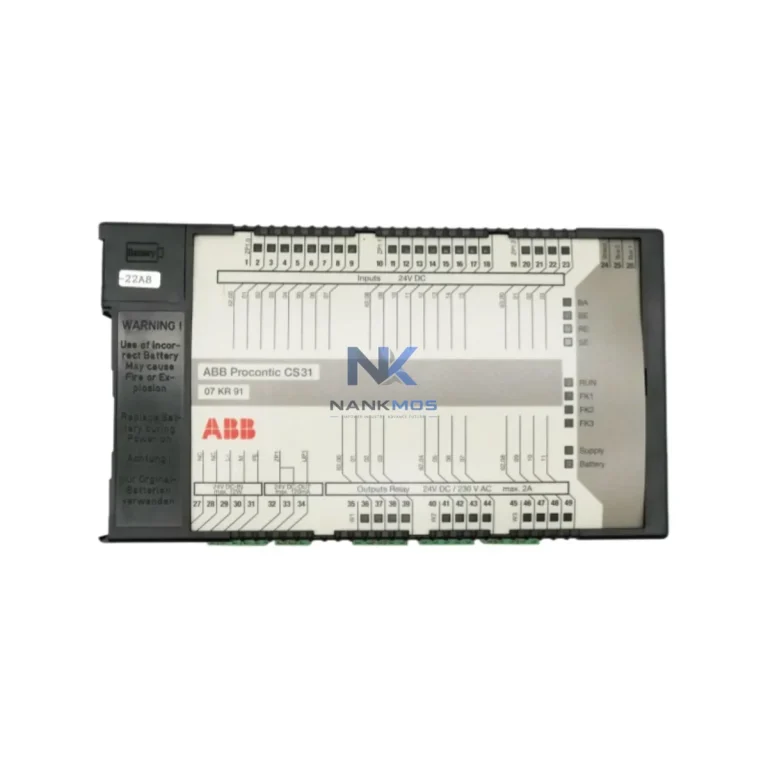
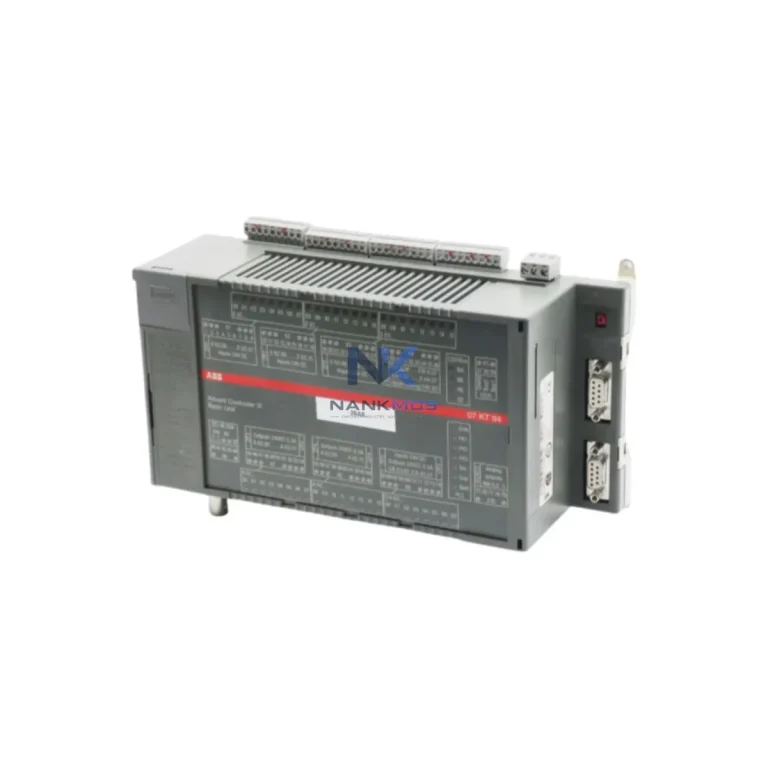
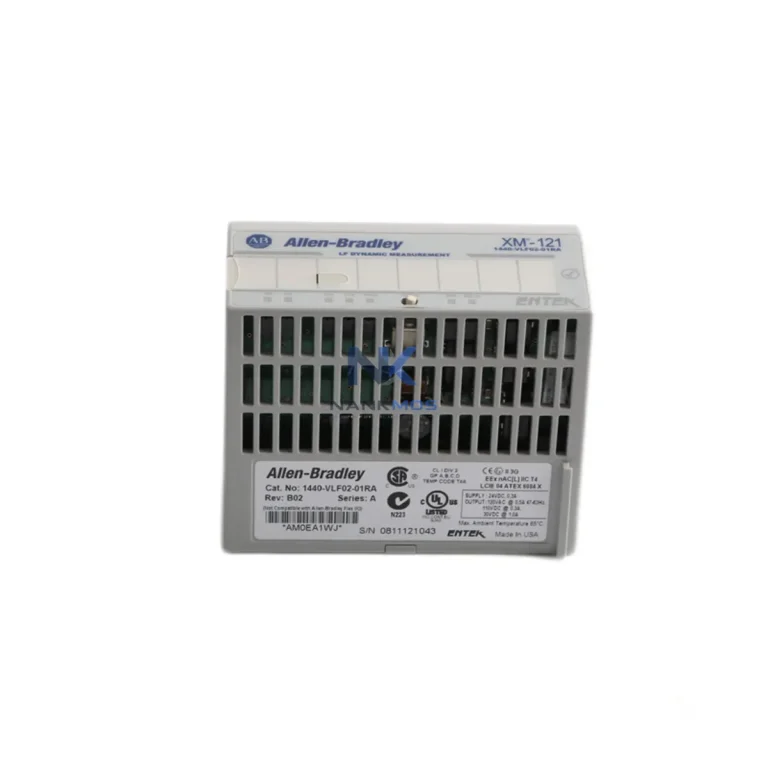
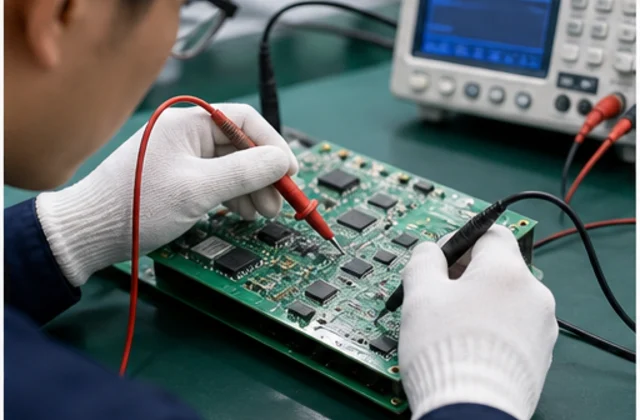
 Functional Inspection
100% tested on professional platforms to ensure stable performance.
ARBO SE-WLS220-2.1/05 is a NANKMOS industrial automation product record Listed under Other series series and Business & Industrial > Automation, Control & Flow Devices. Confirm condition, availability, lead time, compatibility and documentation by email inquiry.
Brand names are used for identification only.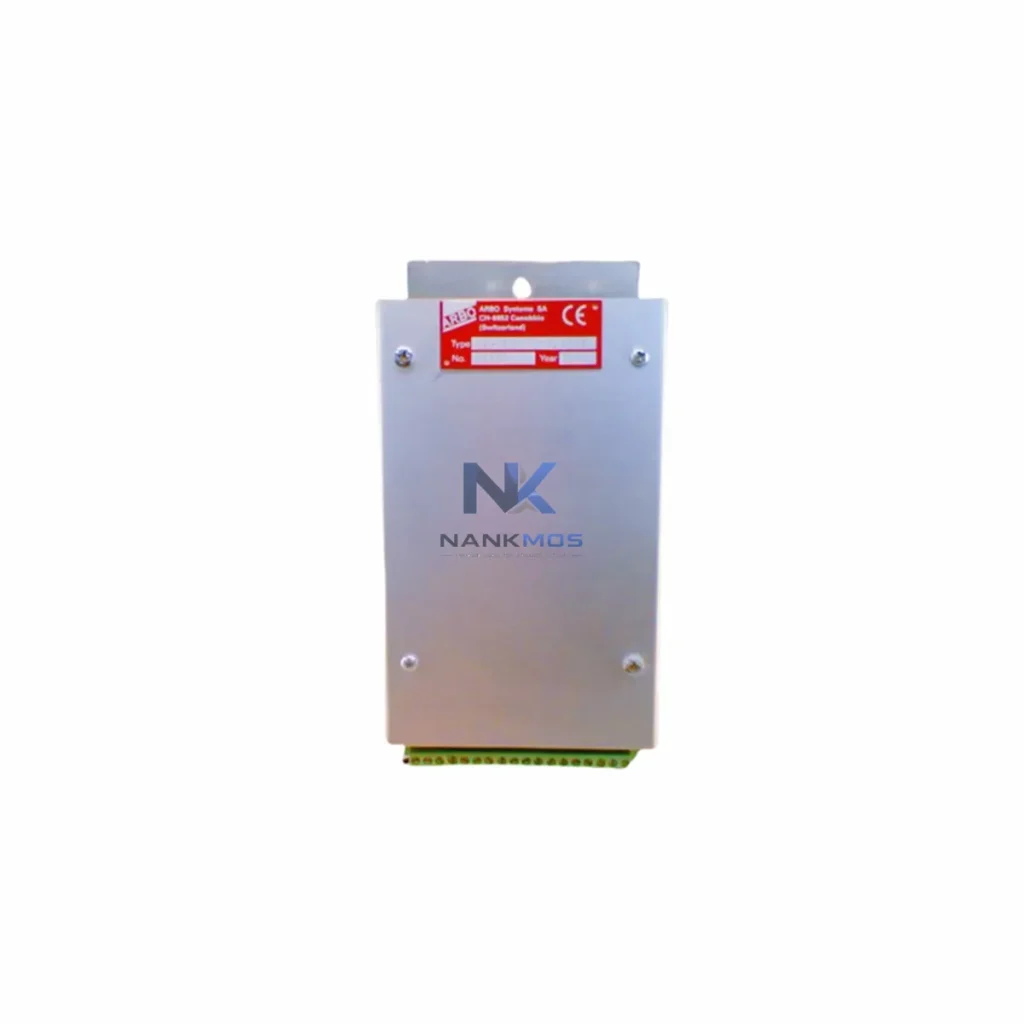
ARBO SE-WLS220-2.1/05 is a NANKMOS industrial automation product record Listed under Other series series and Business & Industrial > Automation, Control & Flow Devices. Confirm condition, availability, lead time, compatibility and documentation by email inquiry.
| Manufacturer | ARBO |
|---|---|
| Application | Industrial Network Communication |
| Part Number / Model | SE-WLS220-2.1/05 |
| Compatible System | Confirmed by inquiry |
| Condition Options | To Confirm |
| Module Type | Communication Module |
| Warranty | 12 Months |
| Packaging | Anti-static Bag / Secure Box |
| Shipping Methods | DHL / FedEx / UPS / Air / Sea |
| Availability | To Confirm |
| Lead Time | To Confirm |
| Documentation | Part number and revision checked before quote |
The ARBO SE-WLS220-2.1/05 is a high-performance wireless industrial gateway engineered for seamless data flow across the full automation stack — from field-level sensors and actuators through PLC controllers, remote I/O modules, HMI panels, SCADA platforms, and up to enterprise MES and cloud analytics systems. Designed for demanding industrial environments, the SE-WLS220-2.1/05 eliminates the wiring constraints of traditional fieldbus architectures while maintaining deterministic, low-latency communication across multi-node factory networks.
In modern smart factory deployments, data continuity between heterogeneous devices is the foundation of operational transparency. The SE-WLS220-2.1/05 addresses this by acting as a wireless protocol bridge — converting signals from legacy serial devices, Modbus RTU instruments, and analogue sensors into structured digital data streams compatible with Ethernet-based industrial protocols including Modbus TCP, PROFINET, and OPC-UA. This makes it a natural fit for brownfield integration projects where existing field devices must be brought into a unified SCADA or IIoT data architecture without costly rewiring.
The SE-WLS220-2.1/05 sits at the intersection of physical sensing and digital intelligence. In a typical smart factory deployment, vibration sensors and temperature transmitters installed on rotating machinery — motors, pumps, compressors — feed raw analogue or RS-485 Modbus RTU signals into the SE-WLS220-2.1/05. The gateway digitises and wirelessly transmits this data to an upstream ARBO SE-WLS220 base station receiver or directly to an industrial Ethernet switch, such as a managed DIN-rail switch supporting PROFINET ring topology, which then routes the data to the plant-level network backbone.
On the controller side, a Siemens S7-1200 or S7-1500 PLC running TIA Portal can poll the SE-WLS220-2.1/05 data via Modbus TCP over the plant LAN, enabling closed-loop control decisions based on real-time vibration amplitude and frequency data. For sites using Mitsubishi MELSEC iQ-R series PLCs or Omron NX/NJ controllers, the OPC-UA server embedded in the SE-WLS220-2.1/05 provides a standards-compliant data access layer without requiring custom driver development.
Remote I/O expansion modules — such as the ARBO SE-RIO series distributed I/O nodes — can be co-deployed alongside the SE-WLS220-2.1/05 to extend digital and analogue I/O capacity at remote machine stations without running additional signal cables back to the main control cabinet. This architecture is particularly effective in large-footprint facilities such as automotive assembly plants, food processing lines, and water treatment stations.
At the visualisation layer, Weintek cMT or Siemens TP series HMI panels connected to the SCADA network receive structured tag data from the SE-WLS220-2.1/05 via the Modbus TCP or OPC-UA interface, enabling operators to monitor vibration trends, set alarm thresholds, and acknowledge fault conditions directly from the panel. Integration with Ignition SCADA by Inductive Automation or WinCC OA is straightforward using the OPC-UA endpoint, allowing historians to log time-series vibration data for predictive maintenance analytics.
For variable-speed drive applications, the SE-WLS220-2.1/05 can relay speed reference and feedback data between ABB ACS880 or Danfoss FC302 variable frequency drives and the PLC, supporting closed-loop speed regulation over a wireless link where cable routing is impractical. Edge computing nodes — such as an IPC-based edge gateway running Node-RED or Azure IoT Edge — can subscribe to the OPC-UA data stream from the SE-WLS220-2.1/05 to perform local analytics, anomaly detection, and cloud forwarding without burdening the plant SCADA server.
Every unit undergoes factory acceptance testing (FAT) prior to shipment, verifying wireless link stability, protocol handshake integrity, and data throughput under simulated load conditions. In-stock units are available for immediate dispatch, supporting urgent project timelines and MRO replacement requirements.
Protocol Fragmentation: Many industrial sites operate a mix of legacy Modbus RTU devices alongside modern Ethernet-based controllers. The SE-WLS220-2.1/05 resolves this by acting as a transparent protocol converter, mapping Modbus RTU register data to Modbus TCP or OPC-UA tags without requiring changes to the existing field device configuration.
Data Silos and Production Blind Spots: Machines operating in isolated network segments — due to physical distance or legacy wiring constraints — create data silos that prevent plant-wide OEE visibility. The SE-WLS220-2.1/05 wirelessly bridges these segments, feeding previously inaccessible machine data into the central SCADA historian and enabling cross-line performance benchmarking.
Remote Monitoring and Alarm Management: With the SE-WLS220-2.1/05 integrated into the SCADA alarm management system, maintenance teams receive real-time alerts when vibration levels exceed defined thresholds — enabling condition-based maintenance scheduling rather than reactive breakdown response. Remote diagnostic access via the OPC-UA interface allows engineers to interrogate device status and communication health from the control room or via VPN without physical site visits.
Production Line Transparency and Scalability: As production lines expand, additional SE-WLS220-2.1/05 nodes can be added to the wireless mesh without disrupting existing network segments. The modular SE-WLS architecture supports incremental deployment, making it straightforward to extend monitoring coverage to new machine stations, sub-lines, or satellite facilities within the same SCADA domain.
Q1: What is the typical communication latency of the SE-WLS220-2.1/05 in a Modbus TCP polling cycle?Under standard industrial WLAN conditions with a 10 ms polling interval, the SE-WLS220-2.1/05 delivers end-to-end latency of less than 20 ms for a 16-register Modbus TCP read transaction. For time-critical applications, it is recommended to configure the wireless channel to a dedicated 2.4 GHz industrial band with SSID isolation to minimise interference from adjacent networks.
Q2: Is the SE-WLS220-2.1/05 compatible with PROFINET controllers without a separate gateway?The SE-WLS220-2.1/05 supports PROFINET in bridge mode, enabling it to appear as a PROFINET IO device on a PROFINET network. For full PROFINET IRT (isochronous real-time) applications, a dedicated PROFINET coupler module is recommended. For standard PROFINET RT applications — typical in SCADA and HMI integration scenarios — the SE-WLS220-2.1/05 operates natively without additional hardware.
Q3: How does the SE-WLS220-2.1/05 maintain network stability in environments with high RF interference?The SE-WLS220-2.1/05 incorporates adaptive frequency hopping and automatic channel selection to mitigate interference from welding equipment, variable frequency drives, and other RF-emitting industrial devices. The unit also supports WPA2-Enterprise security, ensuring encrypted data transmission across the wireless link.
Q4: What does the 12-month warranty cover, and what is the lead time for in-stock units?The 12-month warranty covers manufacturing defects, component failures, and communication interface faults under normal operating conditions. Warranty coverage begins from the date of confirmed shipment. In-stock units are available for same-week dispatch following order confirmation. For project quantities or custom firmware configurations, lead times are confirmed at the time of order. Contact [email protected] or +86 18359268345 for availability and technical pre-sales support.
Functional Inspection100% tested on professional platforms to ensure stable performance.
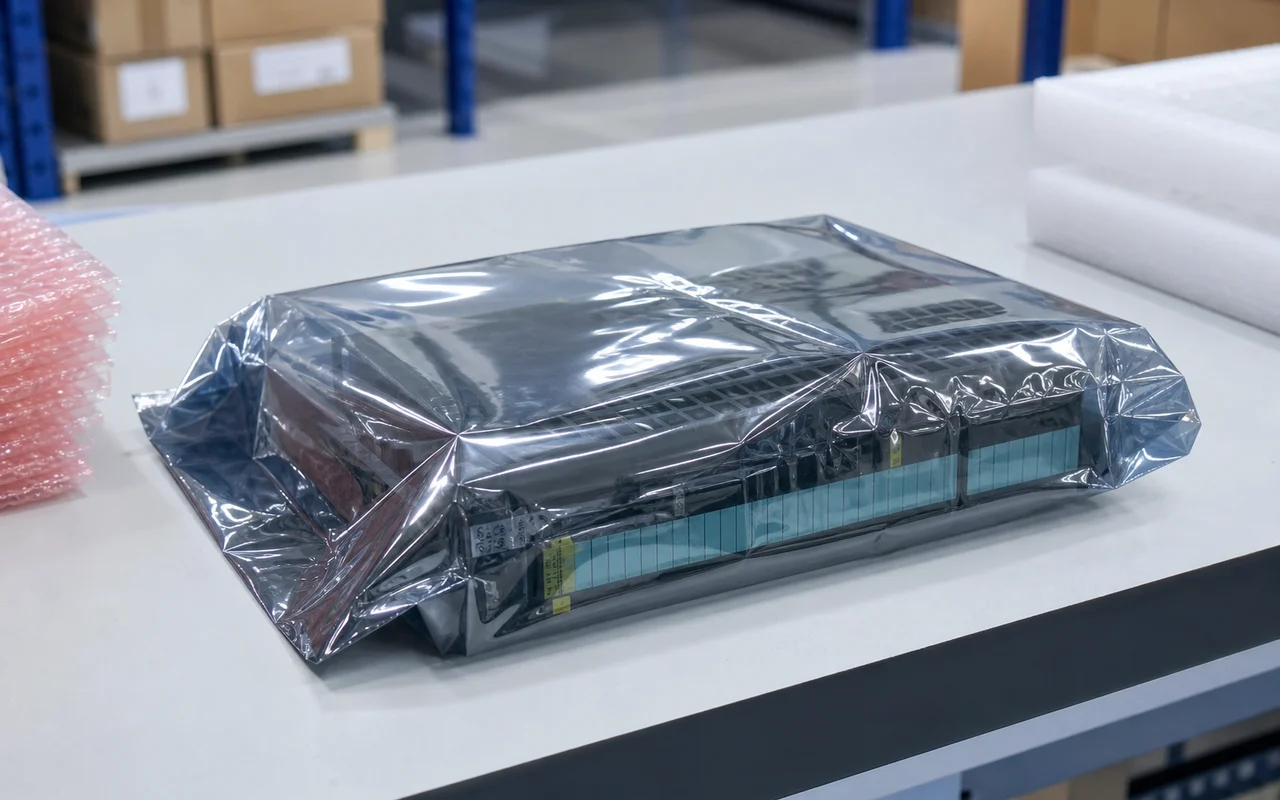 Anti-static Packaging
Modules are packed in anti-static bags to prevent electrostatic damage.
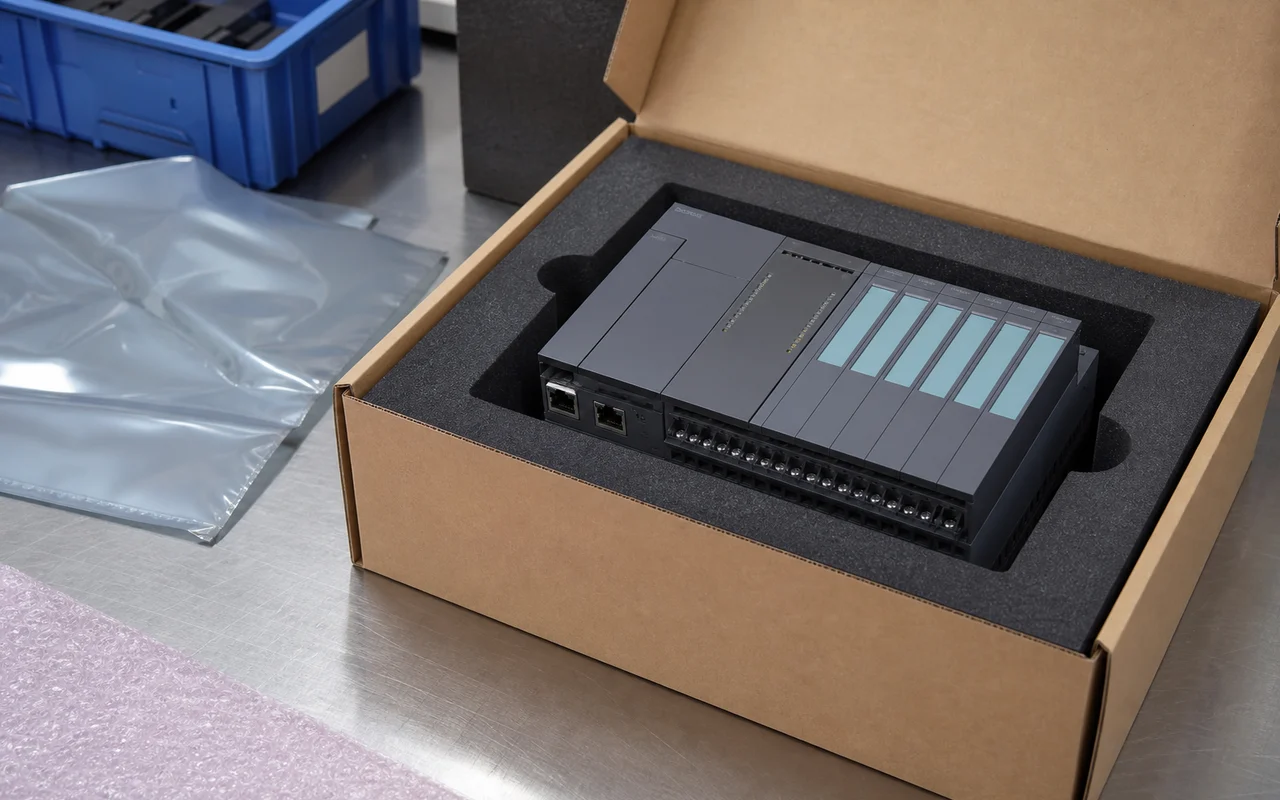 Secure Export Packing
Cushion protection and strong cartons ensure safe transportation.
 Worldwide Shipping
Global logistics network supports air, sea and express delivery.
 Documentation Check
Part number, revision and compatibility verified before shipment.
 After-sales Support
Professional technical support to help resolve your issues.